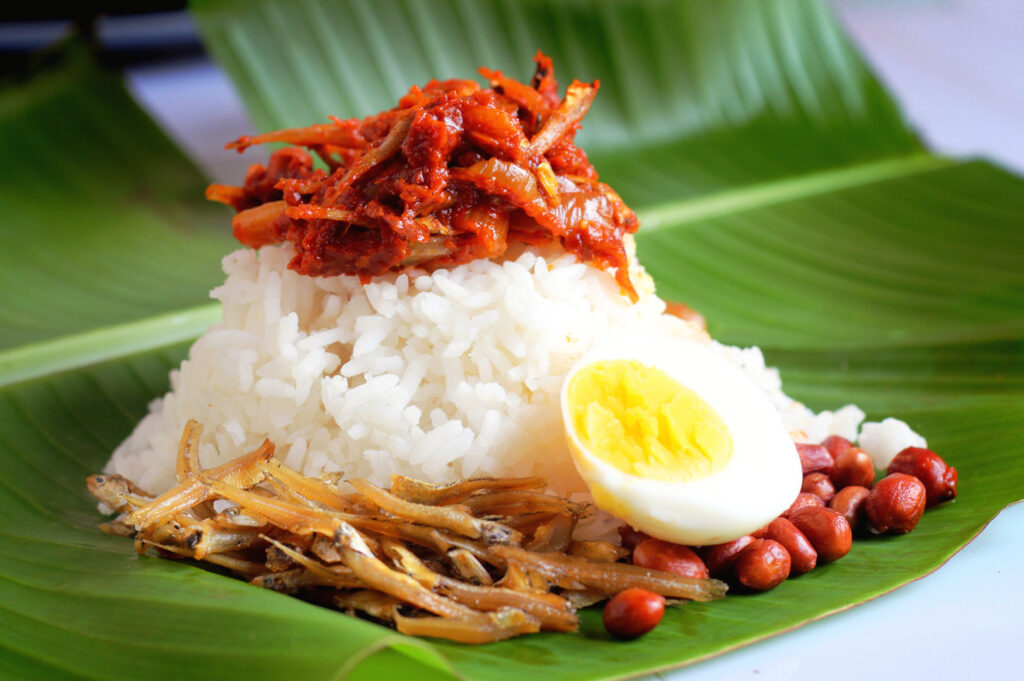
When I first really started digging into traditional Malaysian food, I made a classic rookie mistake. I was sitting at a crowded kopitiam in Kuala Lumpur, looking at a plate of nasi lemak, and I thought I understood exactly what it was supposed to be. I thought it was a fixed, rigid recipe, a museum piece passed down through generations without a single change.
I couldn’t have been more wrong.
In my experience, if you ask five different aunties how to make the perfect sambal for nasi lemak, you will get six different answers. They will debate the exact ratio of dried chillies to belacan (shrimp paste), the necessity of adding sugar, and whether the anchovies should be blended in or served on the side. That is when I realized something crucial: traditional Malaysian food is not preserved by staying unchanged. It survives because every table keeps negotiating what counts as familiar, proper, generous, and worth returning to.
If you are exploring traditional Malaysian food in Singapore, you might feel intimidated by the complex flavors, the vibrant colors, and the sheer variety of dishes. I have been there. But I am here to tell you that traditional Malaysian food is highly modular, welcoming, and deeply personal. Let us break down how to dive into this incredible cuisine without the stress.
What Counts as Traditional Malaysian Food?
People often ask me, what exactly counts as traditional Malaysian foods? Is it Malay, Chinese, Indian, or something else entirely?
The biggest misconception is thinking traditional Malaysian food is a fixed canon. In reality, Malaysian cuisine is a living, shifting melting pot, shaped by centuries of migration across Peninsular Malaysia and even East Malaysia. Malay, Chinese, Indian, Indonesian, and Thai influences don’t just sit side by side, they overlap, merge, and evolve.
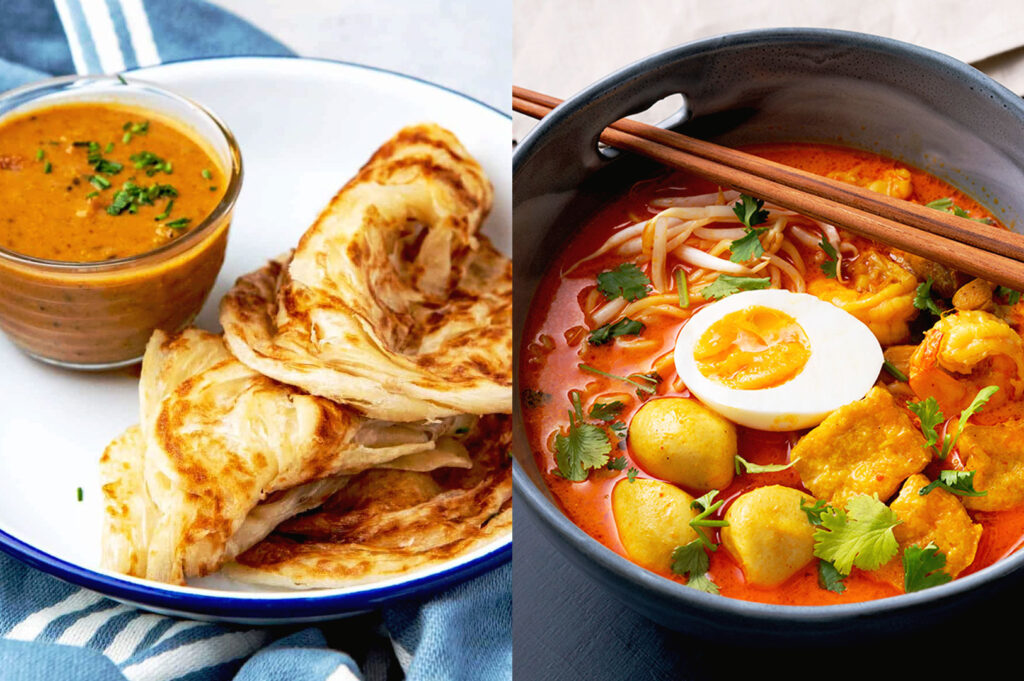
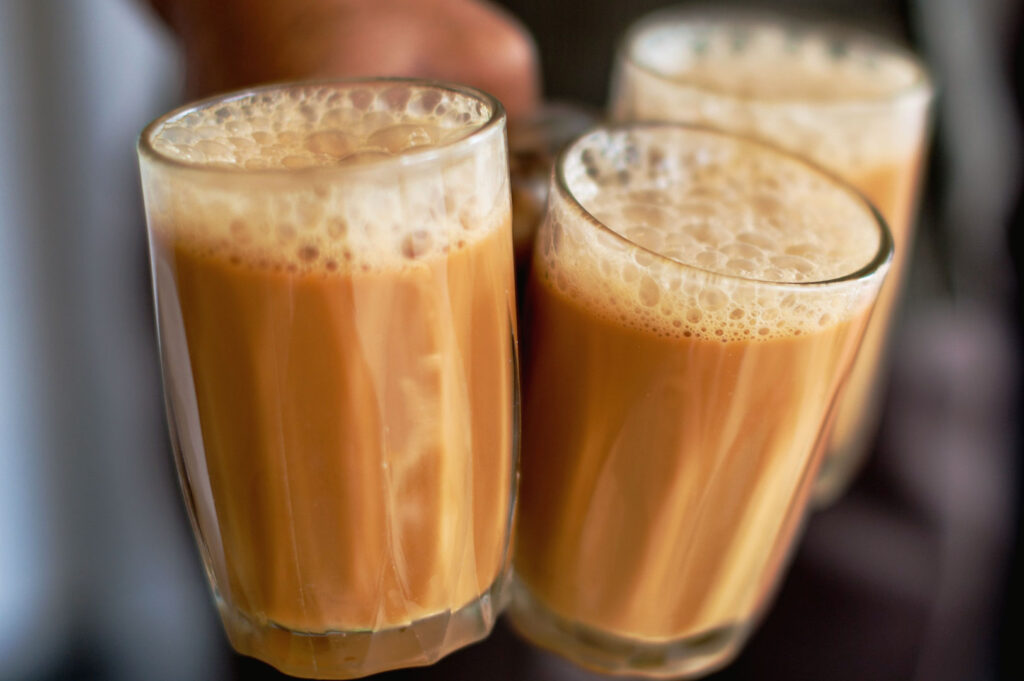
When you eat Malaysian dishes, you’re eating layered histories. Take roti canai, that flaky flatbread made from wheat flour, stretched and flipped until paper-thin before hitting a hot griddle. It’s rooted in Indian Muslim technique, but in Kuala Lumpur or any mamak stall, it becomes something distinctly Malaysian, crisp at the edges, soft at the center, dipped into a gentle chicken curry or dhal. Add a glass of teh tarik, pulled high and sweetened with condensed milk, and suddenly it’s not just a meal, it’s a breakfast dish woven into daily rhythm.
Then there’s laksa. Asking whether curry laksa or assam laksa is more “traditional” misses the point. Curry laksa, thick with coconut milk, filled with thick rice noodles, fried tofu, bean sprouts, and fish cakes, delivers richness. Assam laksa, sharper and brighter, layers tamarind acidity over flat rice noodles, fresh herbs, and fish. Both are pillars of Malaysian food culture, different expressions of the same culinary language.
How to Approach Malaysian Cuisine
When I first tried navigating Malaysian food, I remember standing in a crowded food court, overwhelmed by the sheer number of noodle dishes, rice plates, and deep fried snacks. What helped was breaking everything down into families.
Start with Rice: The Foundation of Malaysian Food
Rice is the anchor of most traditional Malaysian dishes, and nothing represents that better than nasi lemak, the national dish.
Picture this:
- Fragrant coconut rice cooked with pandan leaves
- A spoonful of sambal rich with shrimp paste and palm sugar
- Crunchy ikan bilis (fried anchovies) and roasted peanuts
- A hard boiled egg and cooling cucumber
That first bite; creamy, spicy, salty, slightly sweet, is the blueprint of balance in Malaysian cuisine. Add fried chicken or slow-cooked rendang, and it turns into something deeply satisfying.
Move to Noodles: Texture and Fire
Once you’re comfortable, move into the world of noodle dishes.
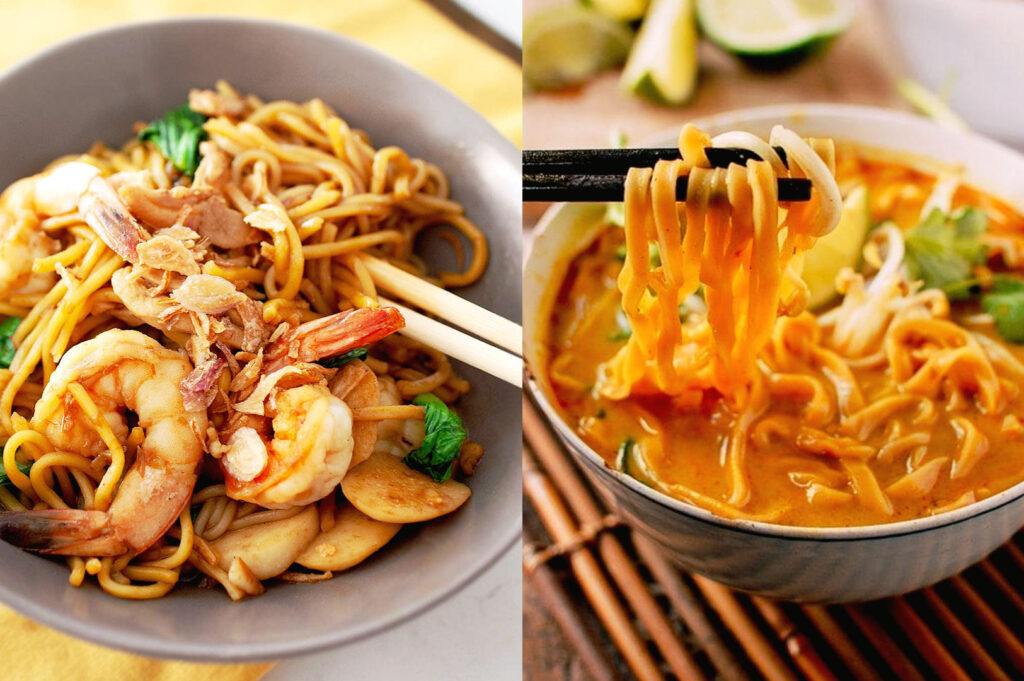
- Curry mee: a rich noodle soup with egg noodles swimming in coconut curry
- Hokkien mee: thick noodles coated in thick dark soy sauce, stir fried with pork, squid, and chinese sausage
- Char kway teow: smoky wide rice noodles tossed with prawns, eggs, and bean sprouts
- Assam laksa: tangy and herbal, a completely different rhythm from curry-based broths
What ties them together is technique; stir fried heat, the smoky breath of the wok, and the careful use of sauces like soy sauce, oyster sauce, and chili blends.
Explore Breads and Street Snacks
Malaysian eating doesn’t stop at rice and noodles.
At almost every mamak stall or roadside setup, you’ll find:
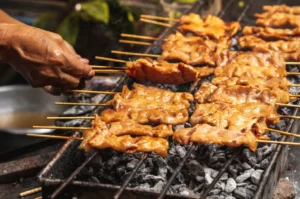
- Satay: skewers of meat grilled over charcoal, dipped in sweet peanut sauce
- Kuih: colorful desserts made from rice flour, coconut, and palm sugar
- Banana leaf meals: a traditional Malaysian dish where rice and mixed rice curries are served on a leaf
Eating from a banana leaf is tactile; you mix curry sauces, vegetables, and rice with your hand, building each bite. It changes how you experience flavor.
Common Mistakes to Avoid
I’ve made enough mistakes to know where things go wrong.
Mistaking Appearance for Authenticity
A place doesn’t need to look old to serve delicious food. What matters is balance:
- Does the coconut milk richness push against the sambal heat?
- Does the wok-char offset the sweetness of dark soy sauce?
That’s what defines traditional Malaysian foods, not décor.
Accepting Weak Curries and Flat Flavors
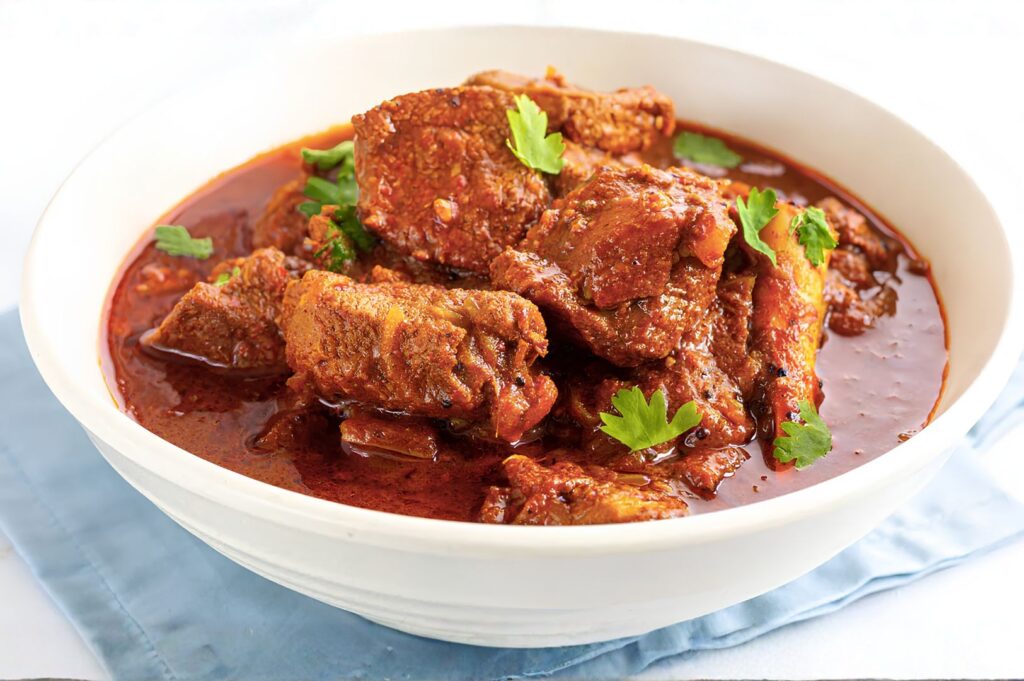
A proper chicken curry or mutton curry should feel slow cooked, thick, and layered.
If your rendang looks watery, something’s wrong. It should cling to the meat, dense with spices, almost dry at the edges. Sambal should carry depth from shrimp paste, not just raw chili or sugary palm sugar syrup.
Mixing Everything Immediately
I used to flood my plate the moment it arrived; sambal, curry, everything.
That’s not how it works.
Malaysian food is about building bites:
- a little rice
- a touch of sambal
- a piece of egg
- something crisp
Contrast is everything.
Street Food and Everyday Malaysian Eating
If you want to understand Malaysian food culture, step into a street food setting.
In Kuala Lumpur, almost every food court or roadside stall offers:
- bowls of noodle soup filled with fish balls, tofu, and herbs
- plates of hokkien char mee or curry mee
- grilled fish wrapped in banana leaf, infused with spices
There’s always fresh produce; bean sprouts, herbs, sometimes sweet corn, adding crunch and brightness.
Drinks matter too:
- freshly pressed fruit juices
- frothy teh tarik
- even desserts like shaved ice
It’s not just about eating. It’s about standing shoulder to shoulder with strangers, sharing space, watching food move quickly from flame to plate.
The Role of Curry in Malaysian Cuisine
Curry sits at the heart of many Malaysian dishes.
At nasi kandar spots, you’ll see rice topped with multiple gravies, a kind of mixed rice system where each ladle adds another layer:
- chicken curry
- mutton curry
- vegetable stews
- fried items soaking up sauce
Then there are the noodle expressions:
- curry laksa with thick rice noodles and coconut richness
- curry mee with lighter broth and egg noodles
Both rely on spice pastes built from scratch; shallots, garlic, chili, and sometimes fermented elements, simmered until the oil separates and the aroma deepens.
That’s the difference. Real curry doesn’t just taste spicy. It feels structured, almost architectural in how flavors build.
FAQ: Practical Questions About Malaysian Food
“I can’t handle spice. What should I eat?”
Start simple:
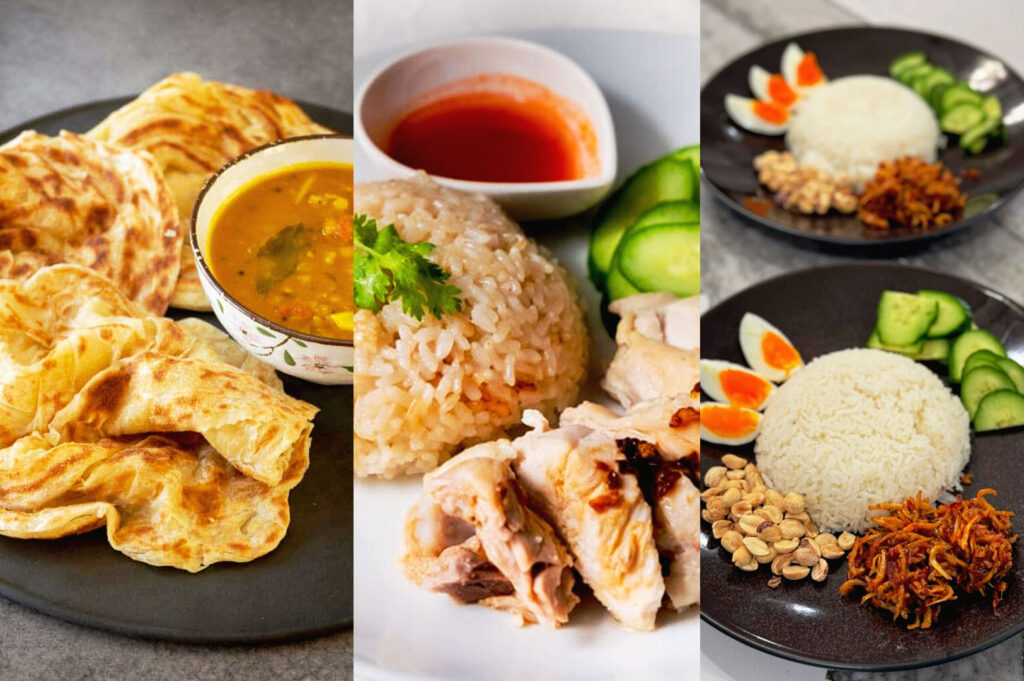
- roti canai with mild dhal
- hainanese chicken rice
- nasi lemak without sambal
You can always add heat later.
“Why does the same dish taste different everywhere?”
Because there is no single version.
A plate of hokkien mee in one part of Malaysia may lean sweeter with light soy sauce, while another uses heavier caramelized dark soy sauce. Recipes shift by region, family, and even individual cooks.
That variation is tradition.
“Is Malaysian food expensive in Singapore?”
Not really.
- Hawker: S$5–S$10
- Casual sit-down: S$15–S$30
You can have an equally meaningful meal at both levels.
Take a Seat at the Table
I hope this guide helps you realize that traditional Malaysian food is not a scary, rigid set of rules you have to perfectly memorize. It is a warm, ongoing conversation about flavor, family, and history.
The next time you sit down at a kopitiam, a hawker centre, or a nice restaurant, do not stress about whether you are eating it “right.” Order the nasi lemak, ask for an extra scoop of sambal on the side, order a hot teh tarik, and enjoy the beautiful, balanced chaos of the flavors. Many Somerset dishes beautifully showcase the diversity and depth of traditional Malaysian cuisine.
Traditional Malaysian food is meant to be debated, enjoyed, and shared. So grab a spoon, pull up a chair, and join the argument at the table. I promise you, it is the most delicious debate you will ever be a part of.
For those interested in a refined cultural experience, consider a curated journey through Chinese Tea in the heart of Singapore which beautifully complements the exploration of traditional flavors.

Best Buffet Singapore: Where Hotel Buffets Turn Abundance Into Order
Dio Asahi | July 28, 2026
I used to think buffets were about greed. Pile the plate high, go back for thirds, leave feeling like you got your money’s worth. That was the whole game, or so I believed. After years of exploring this city’s hotel buffets, I learned the good ones focus on order. They transform a wall of food…
-
STR TAO Taiwan Cuisine and the Comfort of a Menu That’s Too Big to Be Lazy: Food Places Nearby
Eat Drink Asia Team | July 25, 2026
It was the kind of evening where you don’t want to think too hard about dinner. I’d been walking up East Coast Road, the air still thick from an afternoon shower, when I ducked into a coffeeshop just to sit down. The Bullion Hawker Bar. And tucked among the usual suspects — wanton mee, Hokkien…
-
Sesame Oil at the End: Finishing, Not Flavoring
Eda Wong | July 24, 2026
The wok is already off the heat. The greens sit glossy and dark, steam still curling off them. My mother lifts a small bottle, tilts it, and lets a thin line of sesame oil fall across the top. It hisses faintly against the warm leaves, and the smell rises all at once — toasted, nutty,…
-
Long Phung Vietnamese Cuisine, Where the Menu Doesn’t Waste Words: A Good Restaurant Close to Me
Eda Wong | July 23, 2026
I came in from the rain on a Tuesday, somewhere past 8pm, hungry and a little defeated by the day. The fan was clacking. A queue of three or four people stood near the doorway, dripping. Someone shouted an order toward the kitchen in Vietnamese, and a bowl of pho slid onto a nearby table…
-
The First Squeeze of Calamansi in a Noodle Stall Bowl
Dio Asahi | July 22, 2026
The bowl lands in front of me, broth still trembling from the walk across the stall. Steam rises and fogs the edge of my glasses. To the side sits a small dish of calamansi halves, cut and waiting, their skins slick under the fluorescent light. I pick one up. It gives slightly between my fingers,…
-
Isshin Machi East Coast: Where Comfort Food Turns Addictive
Dio Asahi | July 21, 2026
Let me clear up the first puzzle right away. The name “Isshin Machi” sounds unmistakably Japanese, and I’ll admit I walked in half-expecting ramen and gyoza. What I found instead was a Taiwanese kitchen, plates of lu rou fan, braised beef noodles, and golden fried chicken that trace straight back to the island’s home cooking….

Best Cafe Singapore: A Map of Brunch Plates, Quiet Corners, and Dangerous Pastries
Dio Asahi | July 18, 2026
I didn’t set out to make a list. I made a habit. Over the years, cafes became the places I went to think, to wait out the rain, to sit with a coffee I didn’t have to rush. Some I returned to for the food. Others, I returned to for the feeling — the way…
-
Pickled Mustard Greens: The Sour Note in Clear Broth
Eda Wong | July 17, 2026
Steam lifts from a bowl of clear pork broth, and a spoonful of chopped pickled greens slides in. The broth shifts at once, its richness suddenly cut by a sharp, clean sourness that sits high and bright on the tongue. The greens have softened in the heat but keep a faint, springy crunch. Someone leans…
-
The Potato Curry That Teaches You How Spices Wake Up: A Beginner’s Indian Cooking Lesson
Eda Wong | July 16, 2026
The first time I made aloo curry on my own, I burned the cumin. I remember standing in my tiny HDB kitchen, watching those little seeds go from golden to black in what felt like one breath, and thinking: this is harder than it looks. But here’s what that bitter, smoky disaster taught me, the…
-
Bamboo Skewers and Smoke: Street Grills in Chiang Mai
Dio Asahi | July 15, 2026
The cart glows at the edge of the lane just as the heat of the day finally loosens. A woman fans the coals with a flattened piece of cardboard, and the embers brighten orange under a row of skewers. Fat slides off the pork, hits the charcoal, and hisses upward in a thin curl of…