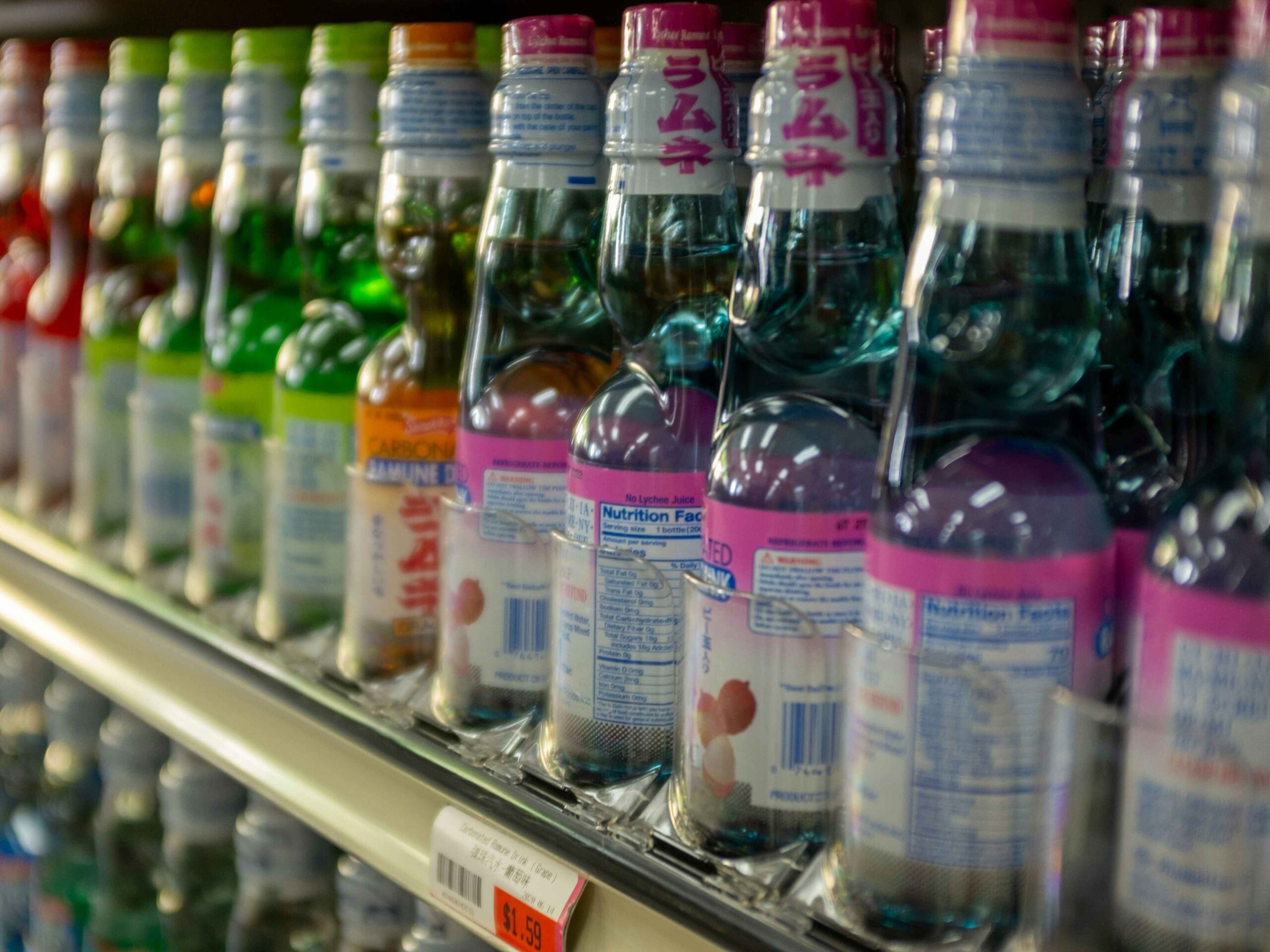
Among Japan’s beloved fizzy drinks, none evoke nostalgia and uniqueness quite like Ramune marble soda. Instantly recognizable by its quirky Codd neck bottle and glass marble seal, Ramune soda is an essential part of Japanese summer, cherished by generations for its refreshing taste and signature pop sound. This marble soda remains a staple at summer festivals and convenience stores throughout the country, connecting childhood memories to vibrant matsuri nights and joyful celebrations.
Examining the journey of Ramune from its Western roots to a symbol of Japanese culture reveals a fascinating interplay between tradition and innovation, engineering and art.
Historical Origins: From Western Lemonade to Japanese Summer
The origins of Ramune marble soda trace back to late 19th-century Japan during the nation’s push for modernization in the Meiji period. As ports opened to foreign trade, new culinary innovations like soda water and carbonated soft drinks arrived swiftly, capturing the curiosity of Japanese people. The name "Ramune" itself is the Japanese pronunciation of the English word “lemonade,” reflecting its roots in Western lemonade and carbonated lemonade beverages.
Central to Ramune’s rise in Japan was the introduction of the Codd neck bottle. Designed by Englishman Hiram Codd in 1872, this unique bottle used the pressure from the carbonated drinks to secure a glass marble against a rubber seal within the neck of the bottle. The marble would only open with a firm press, maintaining the fizziness and freshness inside.
Ramune first appeared in the port city of Kobe in 1884, introduced by Scottish pharmacist Alexander Cameron Sim. Marketed as a remedy for cholera due to its clean, bubbly sip, Ramune soda quickly transitioned into a popular drink for all ages. Early advertisements even compared it to then-exotic Western sodas like ginger ale or American Coca Cola, situating the soda within a broader wave of modern beverages arriving in Japan.
The Codd Neck Bottle: Engineering, Experience, and Icon
No discussion of Ramune marble soda is complete without exploring the famed Codd neck bottle. Sometimes called the “marble soda bottle” or simply the “Ramune bottle,” this vessel is a marvel of Victorian-era ingenuity and remains a cultural phenomenon in Japanese drinks history.
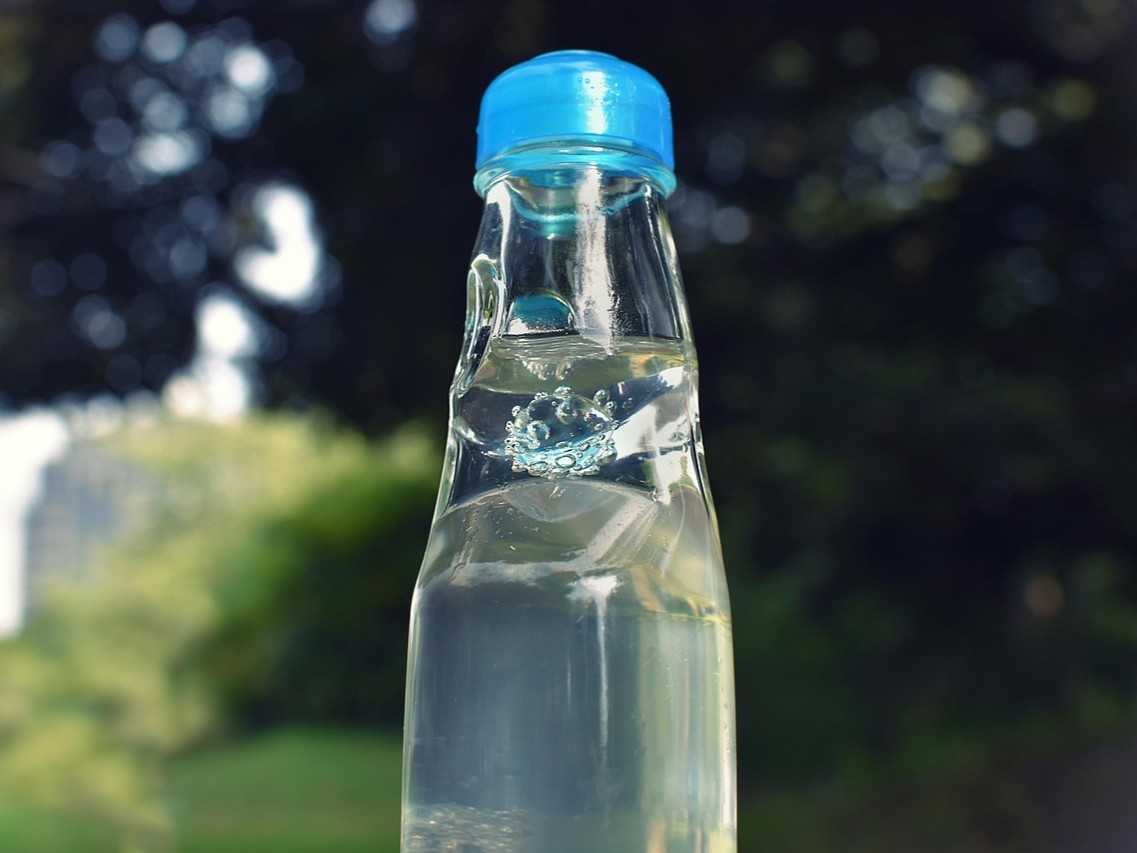
The narrow neck of the bottle contains a distinct glass marble that seals the bottle under pressure. Opening a Ramune bottle involves removing a plastic plunger from the cap, then pressing it firmly atop the marble so it drops with a fizzy, satisfying pop into the wider chamber below. The glass marble rattles around as you drink ramune, creating a signature sound that many Japanese people associate with summer months and childhood nostalgia.
The Codd neck mechanism is an effective way to keep carbonated soft drinks fizzy before the advent of the standard metal cap. The unique bottle, however, also became an instantly recognizable symbol, a tactile reminder of tradition and a challenge for newcomers learning how to drink ramune without causing a bubbly spill. Modern manufacturers continue to use Codd neck bottles for Ramune despite increased costs and production complexity, recognizing that the bottle is at the heart of the Ramune drinking experience and intrinsic to its cultural appeal.
Classic Ramune and a Kaleidoscope of Flavors
Lemon Lime: The Classic Flavor
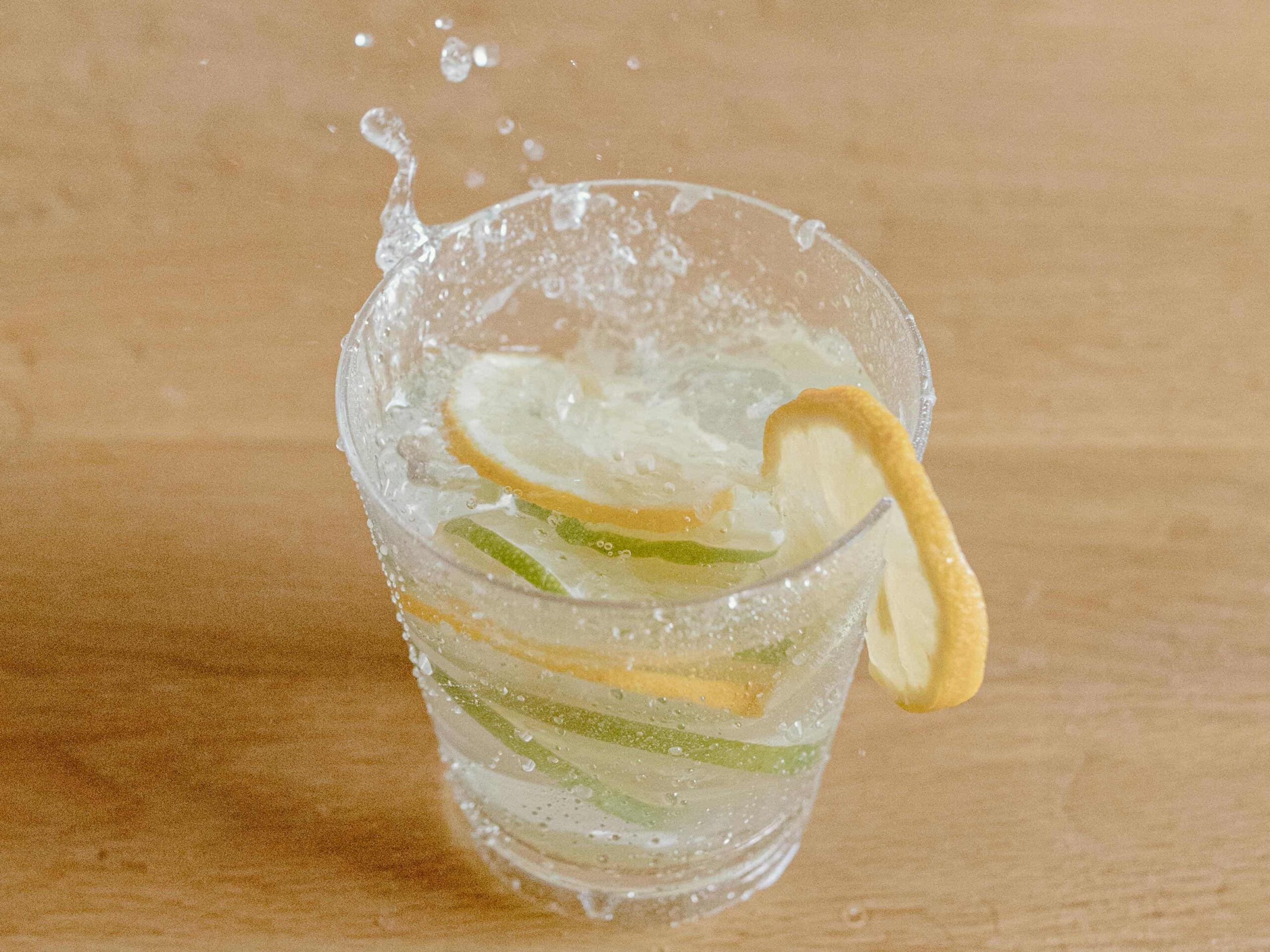
The original Ramune flavor—lemon lime—paved the way for its popularity. This bright, citrusy taste echoes that of western lemonade but with a uniquely Japanese balance of sweet and tart. Lemon lime remains among the most recognized and nostalgic flavors in the marble soda lineup.
Over time, Japanese Ramune evolved far beyond its classic citrus roots. New flavors were developed for every palate—the sweet and fruity taste of melon, tangy flavor of pickled plum, juicy strawberry, and the floral hints of sakura (cherry blossom) are just a few. The sweet tooth need not stop there: adventurous offerings include blue Hawaii, cola, yogurt, and even wasabi or curry for daring drinkers. Unique, regional flavors and seasonal varieties appear at matsuri and local markets, ensuring that Ramune marble soda never grows stale.
Special editions and collaborations have further fueled the popularity of this drink. For instance, limited runs featuring popular anime or celebrating special events have made the iconic Ramune bottles collectibles in their own right. Japanese producers frequently release new flavors in time for summer, drawing crowds eager to sample the latest twist on a familiar drink.
Mitsuya Cider: Ramune’s Sibling in Japanese Soda Culture
Mitsuya Cider, another iconic Japanese fizzy drink, shares similarities with Ramune, especially its lemon-lime notes and refreshing carbonation. However, Mitsuya Cider typically comes in standard bottles or cans, lacks the marble stopper, and offers a smoother, less tangy taste. Both remain popular choices during Japan’s sweltering summer months.
Calpis Soda: A Creamy Counterpart
Calpis Soda, known for its creamy mouthfeel and tangy-sweet flavor, is a beloved Japanese soft drink often enjoyed alongside Ramune. While distinct in taste, both beverages symbolize Japan’s expanding variety of fizzy drinks, offering contrasting but equally refreshing experiences during hot summer months.
Ramune, Matsuri, and Japanese Culture
The relationship between Ramune and Japanese summer culture is inseparable. The quintessential image of a child gripping a glass marble soda while strolling through lantern-lit festival stalls remains etched in the public imagination. Ramune, alongside classics like calpis soda and mitsuya cider, is a vital participant in natsukashii—the feeling of fond childhood nostalgia.
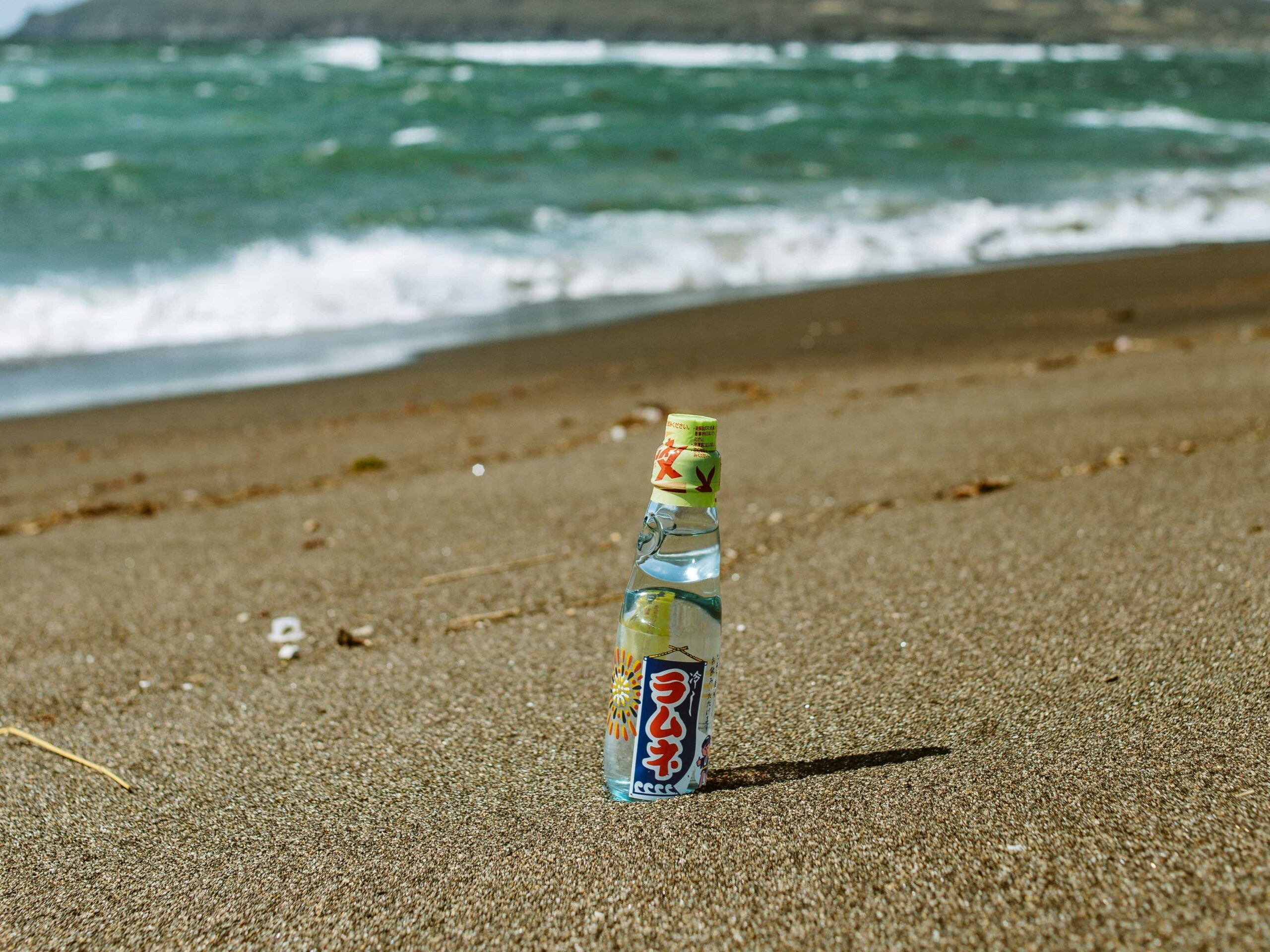
Summer festivals, known as matsuri, are where Ramune truly shines. Throughout Japan, festival vendors submerge bottles in cool water, the condensation glistening on glass, drawing thirsty revelers to try and open the marble neck bottle with a plunger. It is, for many, a childhood rite of passage. The experience connects generations, from the older shoppers in small town markets who recall drinking Ramune after games of catch, to children determined to master the marble drops and win a fizzy reward.
Ramune’s influence extends deep into Japanese pop culture and media. Scenes in anime, manga, and films often feature characters sharing a bottle during iconic Japanese summer moments. The bottle’s playful silhouette appears in advertisements, art projects, and craft markets, its narrow neck and marble inside forming both a symbol and a sensory cue for summer freedom, tradition, and the reassuring rhythm of yearly festival cycles.
Ramune Goes Global: Soft Drink Success Abroad
In the United States and Europe, the marble soda is often bundled as an authentic Japanese beverage experience—a conversation piece at parties and a favorite among food explorers. While the childhood nostalgia and cultural backdrop may be harder to translate, the unique bottle and sweet, bubbly taste make a lasting impression. Modern Ramune can even be found in convenience stores in cities far from Japan, and the playful challenge of opening the bottle or collecting limited edition flavors has garnered fans in growing numbers.
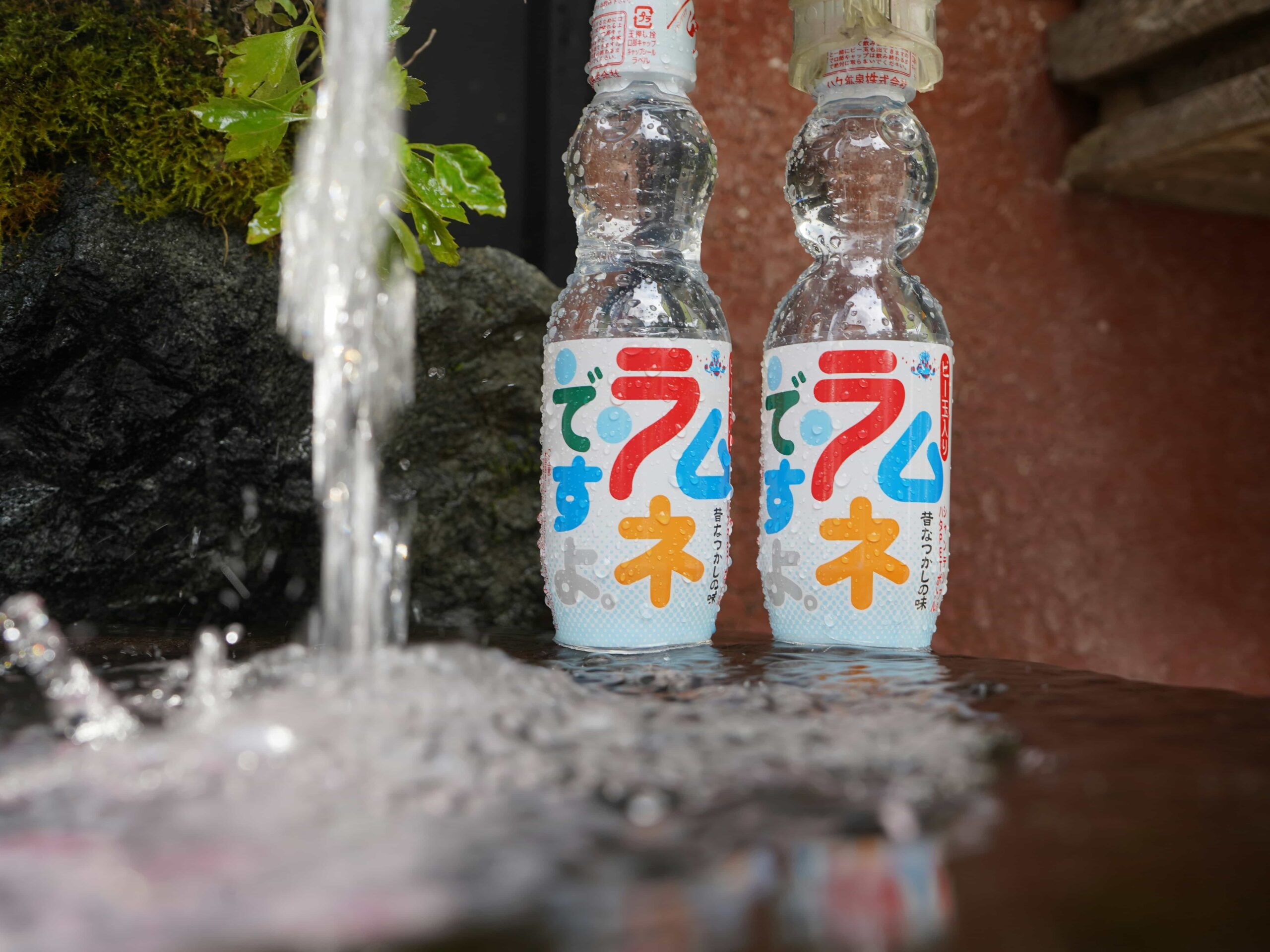
Prominent among these international fans are collectors drawn to the iconic Ramune bottles featuring themes from pop culture phenomena and graphic design. Social media trends, such as “Ramune challenge” videos, have further propelled awareness, drawing attention to the engineering marvel of the Codd neck and the tactile fun of making the marble roll inside the glass.
Innovations, Collaborations, and Modern Challenges
Staying fresh in Japan’s competitive landscape of fizzy drinks and sodas requires continuous innovation. Along with established names like Coca Cola or Pocari Sweat, Ramune marble soda maintains a strong foothold by reinventing itself. Collaborations with Japanese sake brewers, limited-edition green tea flavors, and unique releases for the sweet tooth have kept the brand buzzing.
The marble bottle’s environmental impact and production costs remain hurdles for producers. Despite this, Japanese companies have worked to lighten the weight of the glass bottle, improve recycling practices, and maintain the bottle’s status as a symbol of both sustainability and delight. Meanwhile, Ramune’s expansion has extended into products like candies, gummies, ice cream, and even novelty toys, ensuring that fans of this classic soft drink find new ways to enjoy its signature refreshing taste year after year.
The Ritual: How to Drink Ramune
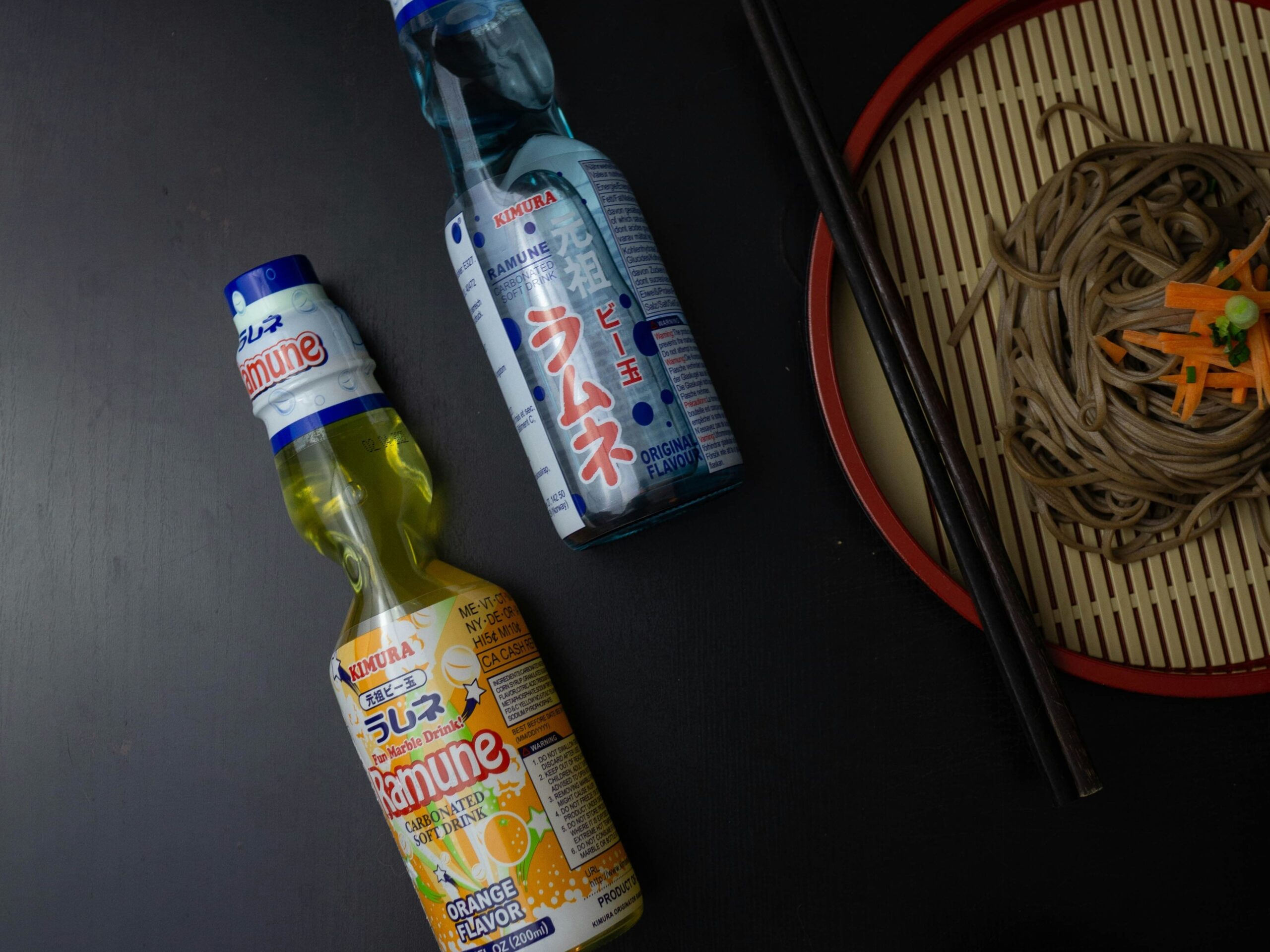
Drinking Ramune soda is an experience unto itself. Each bottle comes equipped with a plastic opener. Place it over the marble, applying steady pressure until the sealed glass marble drops into the neck of the bottle with a pop and fizz. Drink by tilting the bottle at the correct angle, aligning the notches so the marble does not obstruct the narrow neck. The rattle of the marble and tickle of bubbles embodies the fun of Japanese ramune and sets it apart from other sodas.
This iconic ritual is immortalized in Japanese summer festival traditions, where children and adults enjoy the challenge together. The marble is a movement, sound, and the anticipation of the first bubbly sip create a full sensory experience, blending taste, touch, and hearing in one unforgettable moment.
The Enduring Charm of Ramune Marble Soda
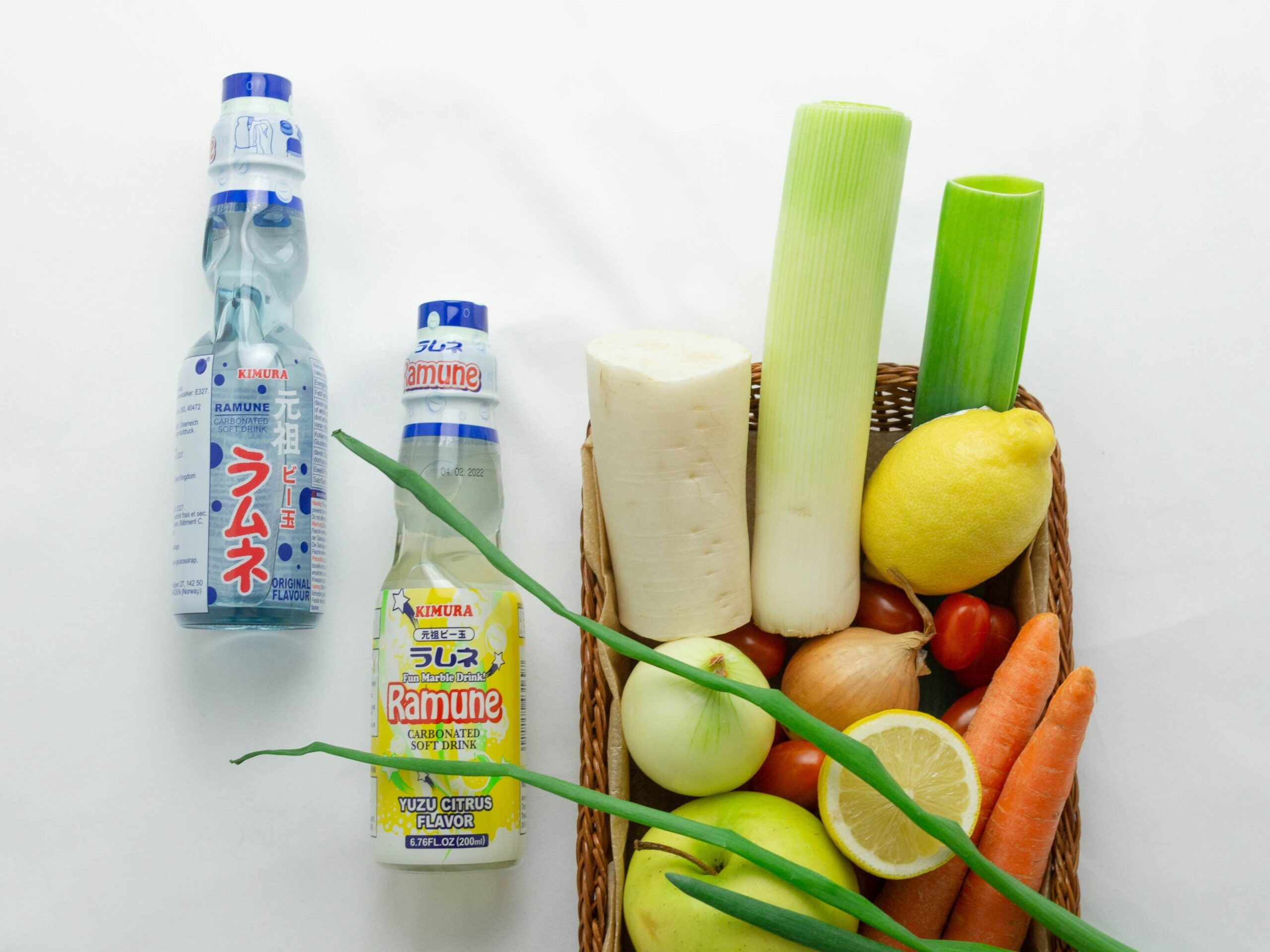
From its initial arrival as a “lemon water” transplant to its crucial place in Japanese culture, Ramune has journeyed across centuries as both a refreshing drink and a vessel of collective memory. Its Codd neck bottle, classic Ramune flavor, and role in summer festivals make it one of Japan’s most popular sodas and a symbol of enduring tradition. Social rituals around the marble bottle, the release of new flavors, and the brand’s blending of old and new ensure Ramune’s place in the evolving mosaic of Japanese soft drinks history.
Whether sought out in bustling markets during the summer months, sipped for nostalgia’s sake, or bought as a novelty in many countries abroad, Ramune marble soda reveals how even a simple carbonated lemonade can be transformed by culture, engineering, and ritual. As the marble rolls and the glass clinks, Ramune reminds us how joy, innovation, and heritage can mingle in the narrow neck of a small, fizzy bottle. Continue exploring regional traditions with Hokkaido’s Best Seafood Treasures: Beyond Sushi and Sashimi or dive deeper into ceremonial heritage through The Art of Asian Tea Ceremony Traditions: Ancient Rituals and Cultural Values Across Asia.
As we explore the rich cultural tapestry surrounding Ramune marble soda and its place in Japanese tradition, it's worth noting how the same dedication to craftsmanship and attention to detail shines through in culinary experiences abroad, such as Sushi Masa by Ki-setsu.

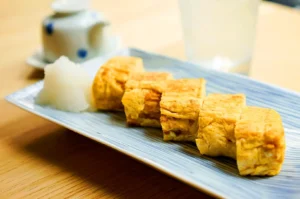
How to Make Dashimaki Tamago, the Japanese Rolled Omelette That Tastes Like Broth
Eat Drink Asia Team | October 22, 2026
Dashimaki tamago is one of those dishes that looks quieter than it is. At first glance, it is just a rolled egg. Pale, soft, sliced neatly, often served beside steamed rice, miso soup, and grated daikon radish. But once you make it, you realise it is not really about eggs alone. It is about how…
-
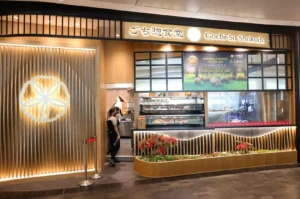
The Lunch Hour Slows Down at Gochi-So Shokudo
Dio Asahi | October 21, 2026
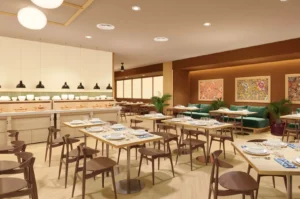
By Dio Asahi for Eat Drink Asia. It’s just past noon, and the lifts keep opening. Suits spill out, lanyards swinging, phones already halfway to their ears. But inside Gochi-So Shokudo, tucked into One Raffles Place, something else is happening. People are sitting down. Actually sitting. Chopsticks lifting, shoulders dropping a little, the room warm…
-
Kintamani Singapore Review: Can an All-You-Can-Eat Buffet Still Taste Like Indonesia?
Dio Asahi | October 20, 2026
I walked into Kintamani Singapore with one question in mind. Buffets ask food to wait. Rendang, sambal, grilled meats, and fried seafood all sit under heat while diners circle the spread. That is not necessarily kind to Indonesian dishes built around texture, reduction, chilli, coconut, and freshly cooked aromatics. So I was less interested in…

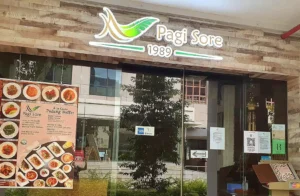
Pagi Sore Indonesian Restaurant Est 1989 Review: A Second-Generation Kitchen That Still Knows Its Own Voice
Eda Wong | October 17, 2026
The first thing I noticed at Pagi Sore Indonesian Restaurant was the smell. Not the sharp, showy kind. Something slower: coconut milk, lemongrass, chilli, fried egg, and the deep warmth of spice paste drifting out from a wood-heavy dining room while Far East Square kept moving outside. I walked over on a Wednesday evening, just…
-
Best Fish Soup in Singapore: Bowls Where the Broth Is the Whole Point
Eat Drink Asia Team | October 15, 2026
I don’t remember when fish soup became my quiet meal. It just did. On days when I couldn’t decide what I wanted, when the weather turned grey, when I needed something warm that asked nothing of me, I’d end up hunched over a bowl, breathing in the steam before the first spoonful. I’ve eaten a…
-
The Clay Stove Heat Beneath a Lao Grilled River Fish
Eda Wong | October 14, 2026
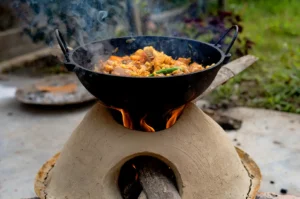
By Eda Wong for Eat Drink Asia It’s late afternoon, and the river is the colour of weak tea. A woman crouches beside a small clay stove at the edge of the bank, feeding it slivers of charcoal. Smoke lifts, thin and grey, and drifts toward the water. On a bamboo skewer, a whole fish…
-
The National Dish of Indonesia Is Not One Plate: Why a Country of Islands Needs Many Icons
Dio Asahi | October 13, 2026
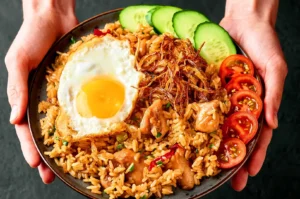
The first time someone asked me for the national dish of Indonesia, I answered nasi goreng without thinking. It seemed obvious: fried rice darkened with kecap manis, often topped with a fried egg, familiar from warungs and late-night street food stalls. That answer is not wrong. It is simply too small. Indonesian food is regional,…
-
Sapporo in a Bowl: Soup Curry by Ki-setsu Comes to Singapore
Eda Wong | October 12, 2026
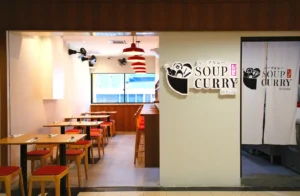
Ask most Singaporeans to picture Japanese curry and a familiar image probably comes to mind: a plate of rice beneath thick brown gravy, perhaps with a breaded cutlet sliced neatly across the top. It is rich, sweet-edged, comforting and, by now, almost as recognisable as ramen or donburi. Head to the fourth floor of Fortune…
-
Meokja by Jungga Review: The Halal Korean Snack Table That Knows What It’s Doing
Eda Wong | October 10, 2026
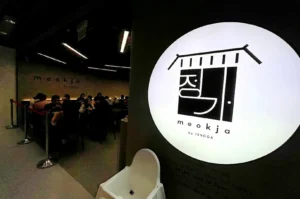
I had not planned to eat at Meokja by Jungga. I was walking down North Bridge Road on a Tuesday, somewhere around the awkward hour between lunch and dinner, when I caught the smell of something frying and the low clatter of a kitchen working hard. I looked up, saw the sign, and my feet…
-
Seoul Bunsik Funan Review: The Comfort of Korean Street Food Without the Street
Eat Drink Asia Team | October 8, 2026
I have eaten ramyeon on a plastic stool in Seoul, close to midnight, with cold air biting at my ankles and the broth doing all the work of keeping me warm. Seoul Bunsik Funan is not that. This was a bright Tuesday afternoon, escalators humming behind me, the smell of mall air-con instead of street…