Most people arrive at Chinese tea the way they arrive at any beverage: thirsty, curious, maybe looking for something sweet or soothing. But traditional chinese tea isn’t built like a single drink. It’s a network: leaf origin, processing choices, vessel physics, water, pacing, and the quiet social technology of sitting down long enough for a second infusion to matter.
That’s why chinese tea in singapore has become more interesting to watch than simply “where to drink tea.” When a city runs packed (Orchard Road at peak hour, an inbox full of noise) tea stops being a product and becomes a counter-system. Tea Room by Ki-setsu takes this seriously: it frames itself as a private tea room and makes the rules enforce the idea: no walk-ins, reservations only, and a deliberately small group size.
In other words, it doesn’t just sell calm. It engineers conditions where calm is the default.
Private Tea Room, Public City: Orchard Road as the Constraint
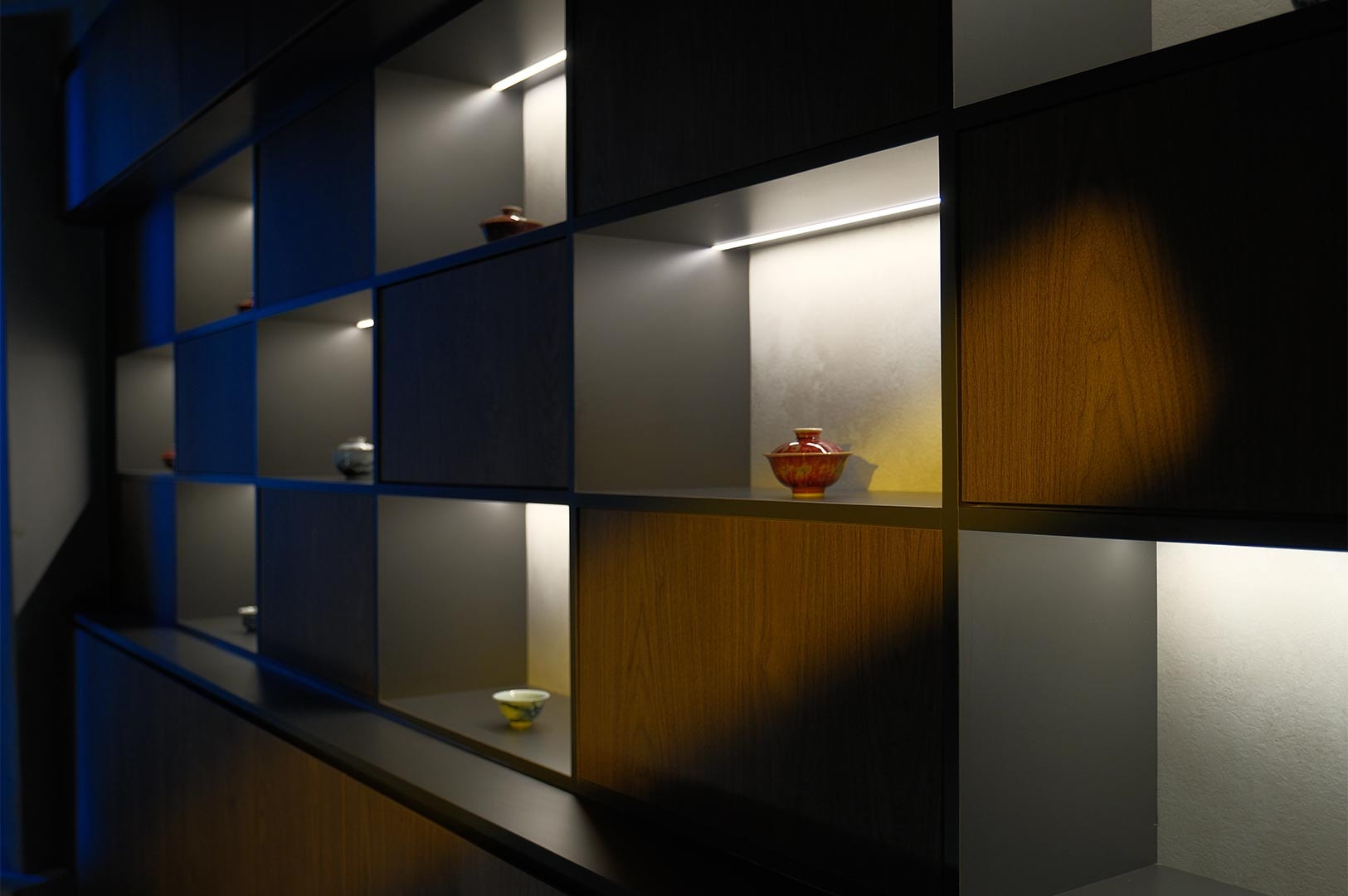
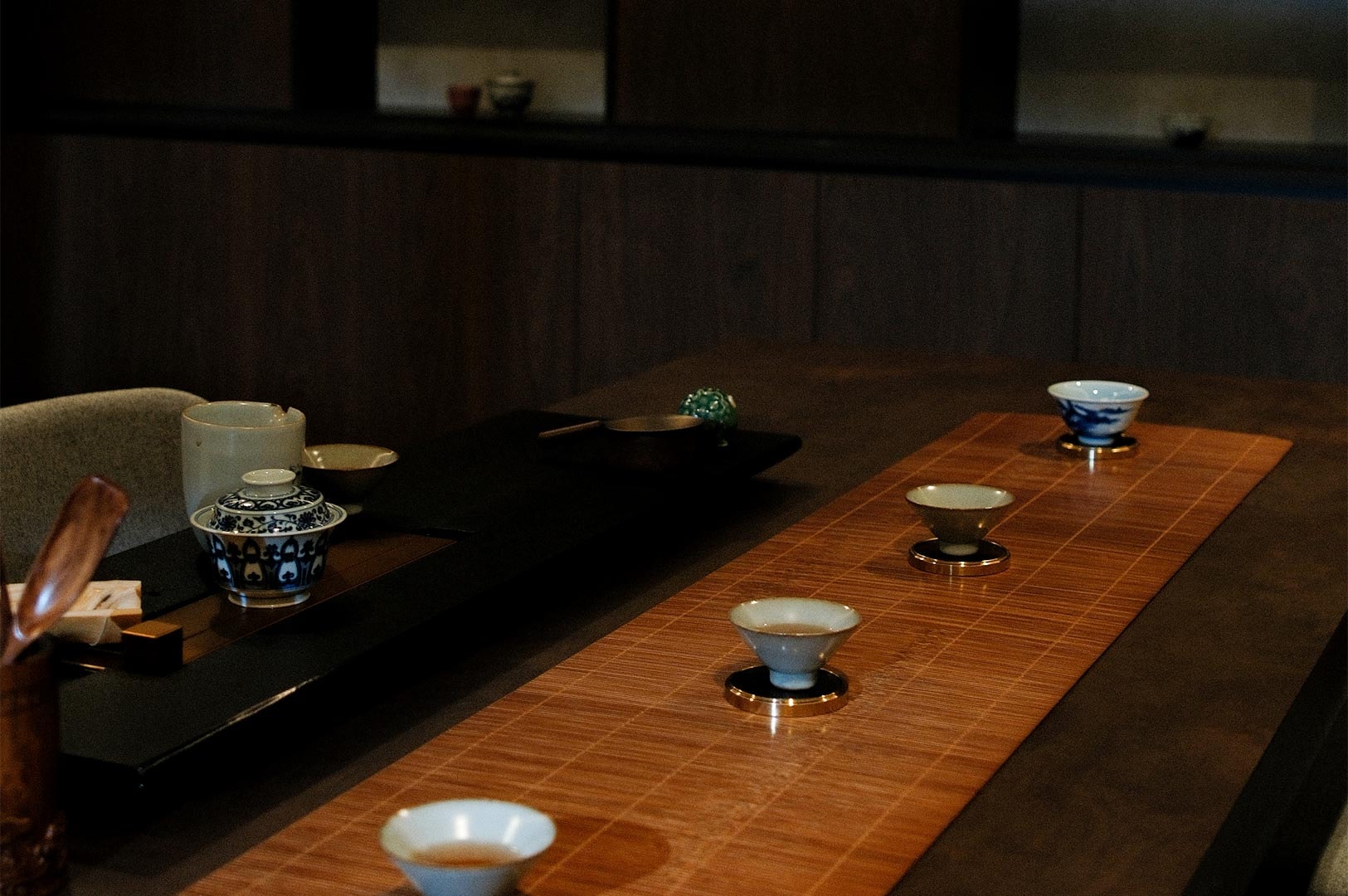
Tea Room by Ki-setsu sits at 150 Orchard Road, Orchard Plaza, Singapore 238841: a location whose ground-level reality is crowds, retail brightness, and constant movement. But the tea room’s story starts by stepping away from the street rhythm and into a room calibrated for tea drinking: quiet, unhurried, with wooden tables and deliberate light.
The constraint is what makes it legible. Tea Room by Ki-setsu limits sessions to 2 to 5 guests, so a small set (a couple, a family, a few friends) becomes the whole universe for the hour. And once you remove table turnover and background chatter, you can finally taste what the leaf is trying to say.
Tea Room as Method: Why the Experience Runs Like Controlled Variables
Tea Room by Ki-setsu describes its space as a refined retreat that honours patience and restraint: “time slows,” “stillness is introduced with intention,” and the session is guided by a tea master.
I read that as a methodology statement.
Most people underestimate how many variables shape a cup. The leaf matters, yes, but so does the pot, the steeping interval, the vessel material, and the sequencing of infusions. Tea Room by Ki-setsu explicitly treats the session as something planned rather than improvised: a place for “conversation and stillness,” where tea appreciation is lived instead of performed.
If I were taking notes (and I would), the notebook would start like this:
- Room variables: softer light, controlled ambience, wooden tables that absorb sound instead of bouncing it back.
- Human variables: one host, one group, attention that doesn’t split.
- Tea variables: temperature, timing, and the order of cups, the sequence that reveals what the leaf is actually made of.
This is how modern relaxation becomes credible: not as décor, but as system design.
Tea House in Singapore, But Not a Drop-In
A typical tea house is designed to welcome foot traffic. You wander in, browse a menu, maybe linger, maybe don’t. Tea Room by Ki-setsu deliberately chooses the opposite approach: it invites you to opt into a slower, more elegant experience by booking ahead, completely rejecting casual walk-ins.
This choice isn’t exclusivity for its own sake; it’s a thoughtful design decision. When the room is private, time becomes a premium resource. When time is truly available, a single cup of tea transforms into an exquisite moment; carrying far more depth and information than a distracted afternoon of casual tasting.
In a bustling city where the default mode is constant movement, this intentional refusal to rush creates a service that is truly absolutely worth the effort.
Understanding Chinese Tea Culture at Tea Room by Ki-setsu
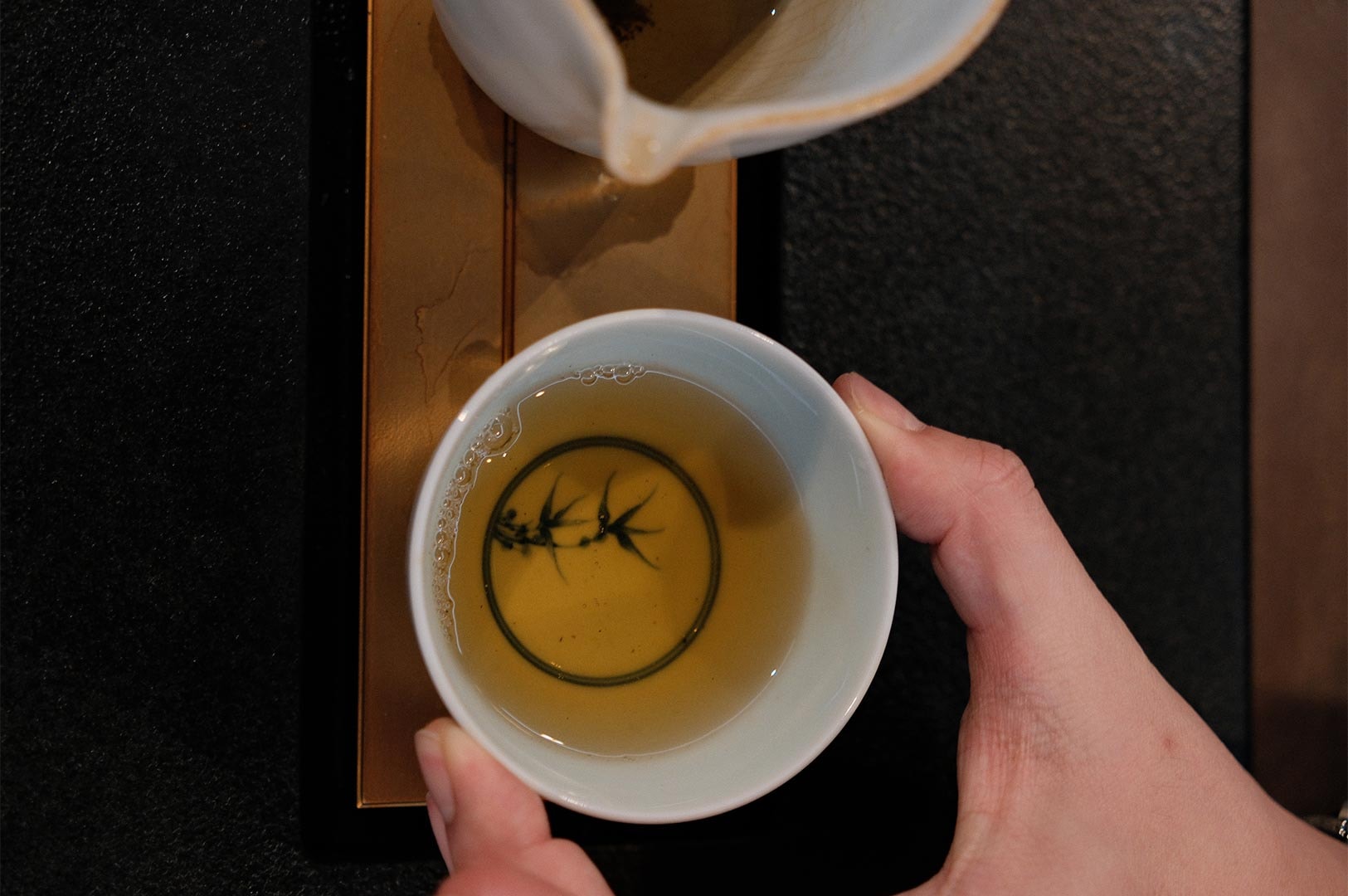
To understand what makes this place special, one must first surrender to the rhythm of chinese tea culture. At Tea Room by Ki-setsu, tea is not merely a drink; it is a discipline of mindfulness. The staff here act as cultural conduits, guiding you through the fundamentals of tea drinking with a grace that is rare to find.
The centerpiece of their offering is their oolong tea selection. Oolong is often called the “champagne of teas” for its complexity, and Tea Room by Ki-setsu treats it with the respect it deserves. They don’t just serve tea; they curate a journey through terroir and oxidation.
The Art of Oolong
We explored a wide array of oolongs, ranging from the floral, light varietals of the high mountains to the roasted, dark rock teas of Wuyi. Each sip reveals a different layer of the leaf’s history.
- Light Oolong: The lighter roasts are ethereal, carrying notes of orchid and fresh cream. The liquid is a pale gold, almost glowing in the cup. It speaks of high altitude and cool mists.
- Dark Oolong: In contrast, the heavily roasted varieties offer a taste that is grounding and profound. There is a mineral quality, a “rock bone” structure that lingers on the palate long after the tea is gone.
The art here lies in the brewing. The utensils used (the clay teapots, the delicate teacups, the bamboo scoops) are not just tools; they are extensions of the brewer’s intent. Watching the tea master handle the tea leaves is mesmerizing. They understand exactly how the hot water must hit the leaves to coax out the delicate flavor without releasing astringency. It is a reminder that brewing the perfect pot is a dialogue between human and nature.
Tea Cups and Teapots: The Vessel is Part of the Recipe
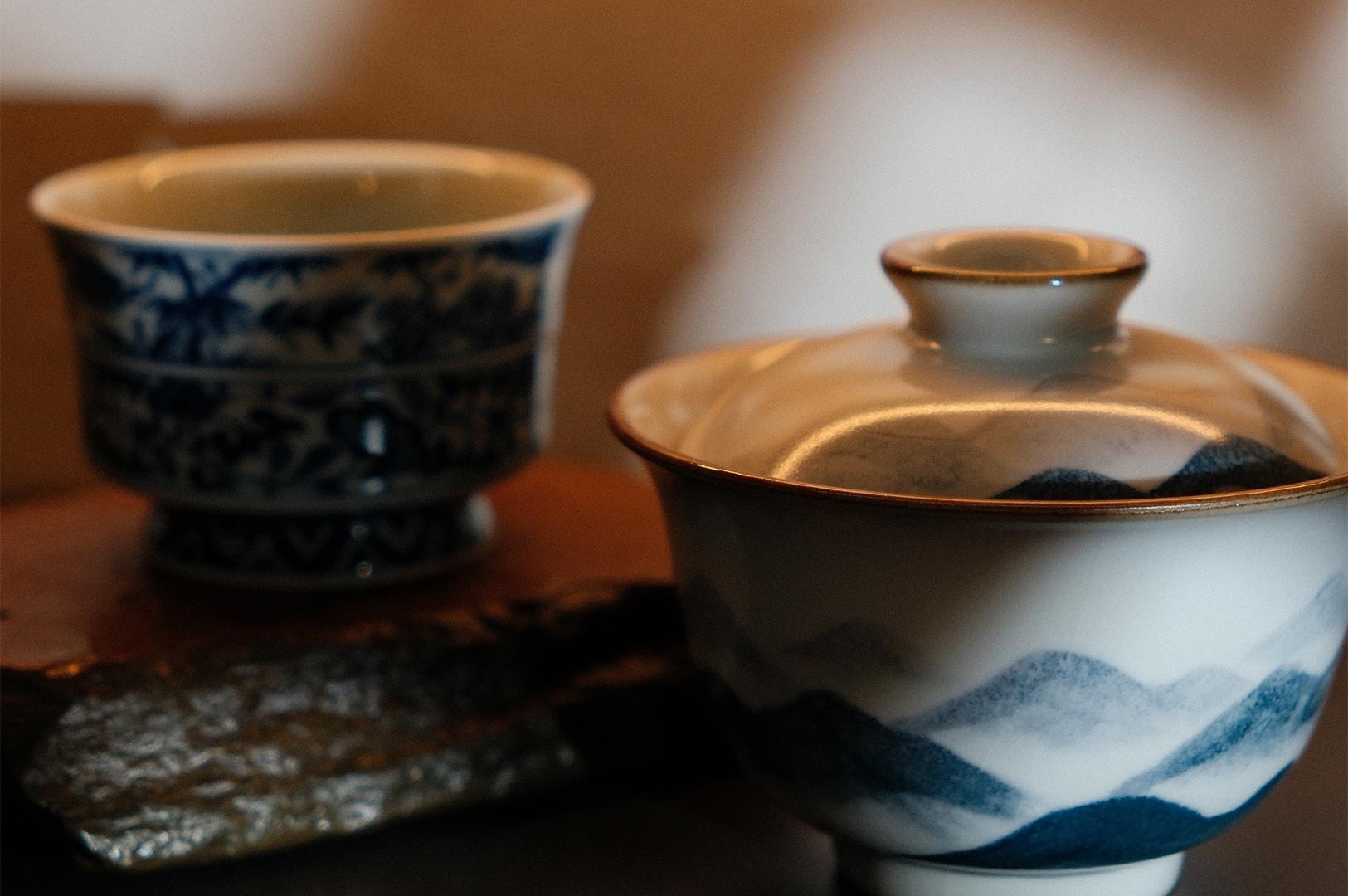
There’s a technical reason Tea Room by Ki-setsu puts so much emphasis on vessels. The tea cups, the teapots, the utensils; they change thermal behavior, aroma concentration, mouthfeel, and even what you perceive as “smooth.”
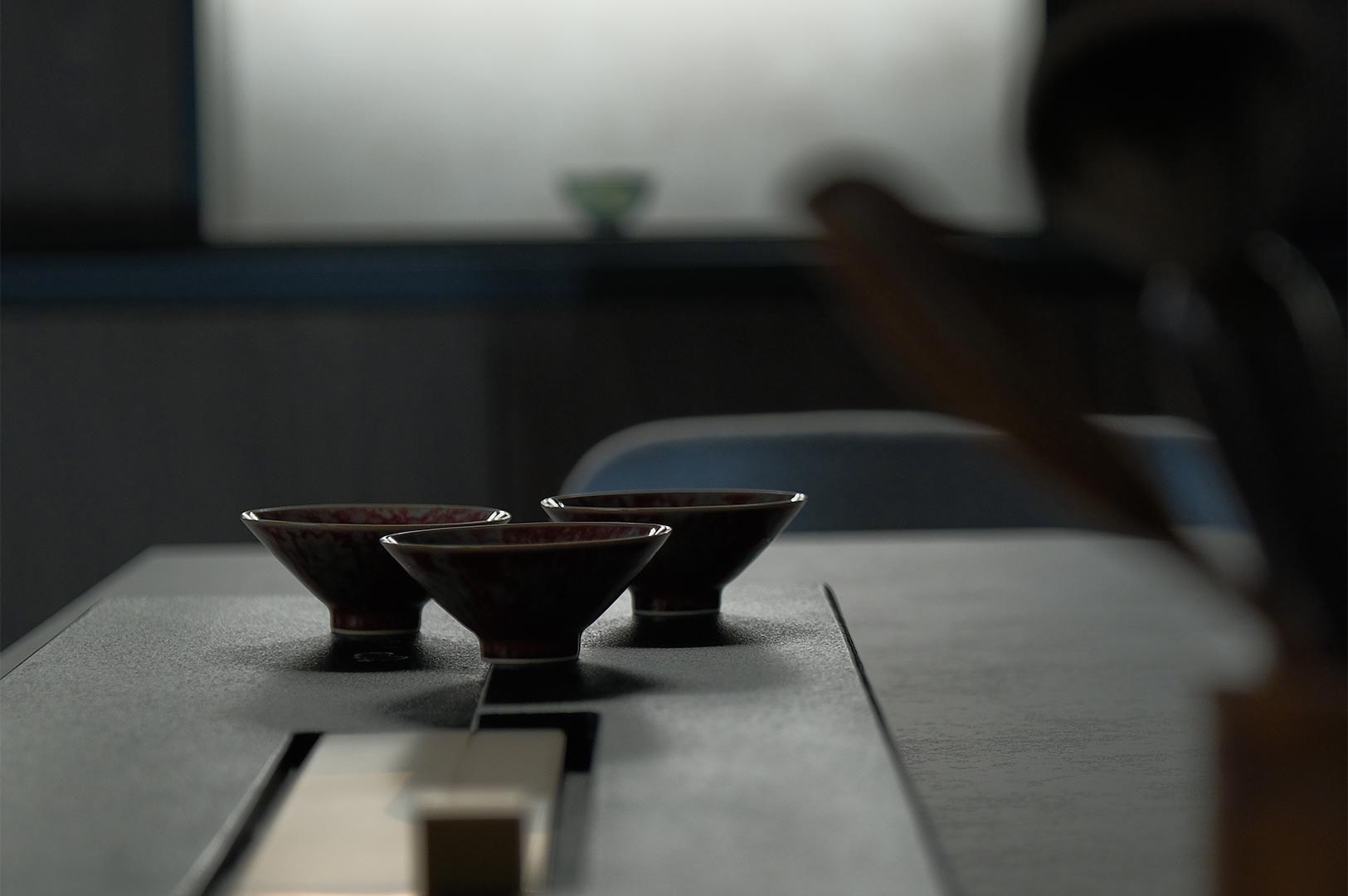
Tea Room by Ki-setsu highlights Jingdezhen craftsmanship and wood-fired teaware. This is the difference between drinking tea and immersing in tea culture: the vessel becomes part of the recipe, describing it as part of the experience rather than décor.
And it’s a subtle form of art; not loud, not performative. Just the beauty of something made well, used well.
Tea House in Singapore: Two Operating Models, Two Kinds of Tea Time
Stepping back, there are two dominant models in Singapore’s tea landscape.
One is breadth-first: a retail-forward experience, a browsing rhythm, a wide array and vast varieties to compare, the option to buy tea and make a purchase for home practice.
The other is depth-first: a curated sitting, a slower pace, fewer variables, a room that treats the session as the main act.
Tea Room by Ki-setsu chooses depth-first openly and it extends that philosophy into other lanes too: corporate gifts and private meeting use (business), and even collaborations where it designs and builds private tea spaces as a concept.
This makes sense: once you see tea as an environment, you realise the room is part of the product.
Yixing Xuan Teahouse: The Public-Path Model for Chinese Tea
For a public-path reference point, Yixing Xuan Teahouse appears in Tea Room’s own writing as a place associated with teapot culture, and it’s a useful contrast in a systems sense. Public-path models tend to support browsing; people can compare vast varieties, buy tea, and make a practical purchase for home practice.
The point isn’t which is “better.” It’s what you want today: discovery through breadth, or discovery through depth.
Mapping Chinese Tea Culture in Singapore
Every cup poured at Tea Room by Ki-setsu tells a story. Tea originated in China, evolving over thousands of years from a medicinal broth to a spiritual practice. This heritage is palpable here. The proprietors have a deep respect for the origin of their leaves. They can tell you about the specific mountain harvest, the age of the trees, and the processing method used to create the tea.
The tradition of the tea ceremony is often misunderstood as rigid or performative. At Tea Room by Ki-setsu, they strip away the pretense to reveal the beauty infused in the ritual. It is about respect; respect for the farmer who picked the leaves, the master who fired them, and the guest who is about to drink them.
There is a tactile joy in the experience. You might be shown the dry leaves before brewing; tightly rolled pearls or long, twisted strips. You smell the dry aroma, then the wet leaf aroma after the first rinse (the “awakening” of the tea). You admire the color of the liquor in the exquisite porcelain. This multi-sensory engagement makes the tea taste better because you are fully present for it.
It is absolutely worth the visit just to experience this reconnection with the past. In a city that is constantly rushing toward the future, sitting in a private tea room with a pot of ancient tree Puerh feels like a radical act of slowing down. It allows you to immerse yourself in a culture that values the moment above all else.
Conclusion: Why This Tea Room is “Highly Recommended” Without Becoming Hype
In London or York, tea culture can lean toward ceremony-as-spectacle; sometimes it resembles a wine flight in pacing and narration, even when the drink is different. Tea Room by Ki-setsu reads like a rebuttal to spectacle. It’s elegant without being loud, exquisite without being performative, and if you’re the kind of person who wants a quiet hour to mean something, it can be absolutely worth the climb above the retail floor.
It is a famous destination among local tea circles for a reason. It offers a rare commodity: focus. In these elegant rooms, amidst the premium porcelain and the scent of roasted leaves, you are reminded that drinking tea is not just about quenching thirst. It is about nourishment for the spirit.
If your idea of a teahouse is a bustling place where you chat over snacks and drift in and out, this is not that, and that’s the point. Tea Room by Ki-setsu is a private system for tasting, for slowing down, for letting tea leaves unfold over time until the last sip makes the first one clearer.
And in Singapore, that kind of engineered stillness might be the rarest luxury of all.

Hup Lok at Havelock Road: A Teochew Fish Soup Carrying Memory Forward
Eda Wong | September 8, 2026
The bowl arrives before anything else does. Steam lifts off it in slow ribbons, carrying the smell of ginger and something warmer underneath: the round, boozy note of hua tiao wine settling into fish. I lean in before I even pick up my spoon. The broth is pale gold and cloudy, thick enough that it…
-
Fresh Sashimi Singapore: Places for Clean Cuts, Quiet Counters, and Fish That Still Feels Alive
Eda Wong | September 5, 2026
I didn’t grow up eating raw fish. For years, sashimi felt like something you learned to appreciate rather than something you loved. Cold, foreign, a little intimidating. Then one afternoon, at a quiet counter, a chef placed a single slice of chutoro in front of me and said nothing. I ate it. And I understood….
-
Pattaya Garden Restaurant and the Thai Meal That Knows How to Feed a Group
Eat Drink Asia Team | September 3, 2026
The rice came down first. A plain bowl, warm and steaming, set in the middle of the table before anything else. Then the green curry, in a bowl wide enough for four spoons to reach at once. And within a minute the table stopped being a set of individual meals and became one shared thing,…
-
At Keria Japanese Restaurant, the Meal Begins Before the First Bite
Dio Asahi | September 3, 2026
By Dio Asahi for Eat Drink Asia. The lift opens onto a corridor leading to the famed and hidden Cuppage Plaza food, and the building’s age shows in the flickering fluorescent light and the smell of old carpet. Then a sliding door pulls back, and Keria Japanese Restaurant asks you to slow down. Inside, it…
-
The Round Kaya Bun at Chin Mee Chin Confectionery, and the Mornings It Keeps
Eda Wong | September 2, 2026
By Eda Wong for Eat Drink Asia. It’s not quite eight, and the pastel-blue shophouse is already awake. Kopi cups clink against saucers. A ceiling fan turns slow overhead. Someone folds a newspaper at a marble-topped table, and the man behind the counter moves without hurry, sliding buns across in a rhythm he’s clearly done…
-
Nana Original Thai Food and the Thai Meal That Keeps Changing Its Accent
Eda Wong | September 1, 2026
The tom yum arrived first, and the first spoonful hit sour and hot at once, lime and chilli chasing each other down the throat. This classic Thai dish features a spicy sauce and aromatic herbs that awaken the taste buds straight away, setting the stage with its bold flavors. Then the pineapple rice came, sweet…
-
Pad Thai Recipe for People Who Know the Noodles Can’t Be an Afterthought
Dio Asahi | August 29, 2026
The first time I made Pad Thai, I ruined it before the wok was even hot. I’d left the noodles soaking while I answered a phone call. Ten minutes turned into forty. By the time I drained them, they were already soft, already surrendered. Everything I did in the pan after that was damage control….
-
Best Japanese Restaurant Singapore: Places That Nail the “First Bite”
Eat Drink Asia Team | August 27, 2026
I built this list around a very specific feeling: that first bite where the room goes quiet for a second. I’ve tried enough Japanese restaurants in Singapore over the years to know that “best” does not always mean the most expensive, the rarest, or the hardest to book. Sometimes it is the warmth of the…
-
Not Just Seafood: How Araya Shouten Keeps Japanese Fishing Culture Alive in Singapore
Eat Drink Asia Team | August 26, 2026
Japanese cuisine has long been admired for its attention to seasonality, precision, and respect for ingredients. However, behind every piece of sashimi or carefully prepared seafood dish lies a story that begins far away from the dining table, often with fishermen, coastal communities, and generations of knowledge passed down through time. At Araya Shouten, seafood…
-
The Ginger Shoyu Ramen at Ramen Soshiji, Where Orchard Goes Quiet
Dio Asahi | August 26, 2026
By Dio Asahi for Eat Drink Asia. The lift opens on the third floor of Orchard Plaza, and for a second I don’t know which way to turn. The corridor is dim and still, the kind of quiet that feels almost accidental in this part of town. A few doors down, an unmarked entrance. Inside,…