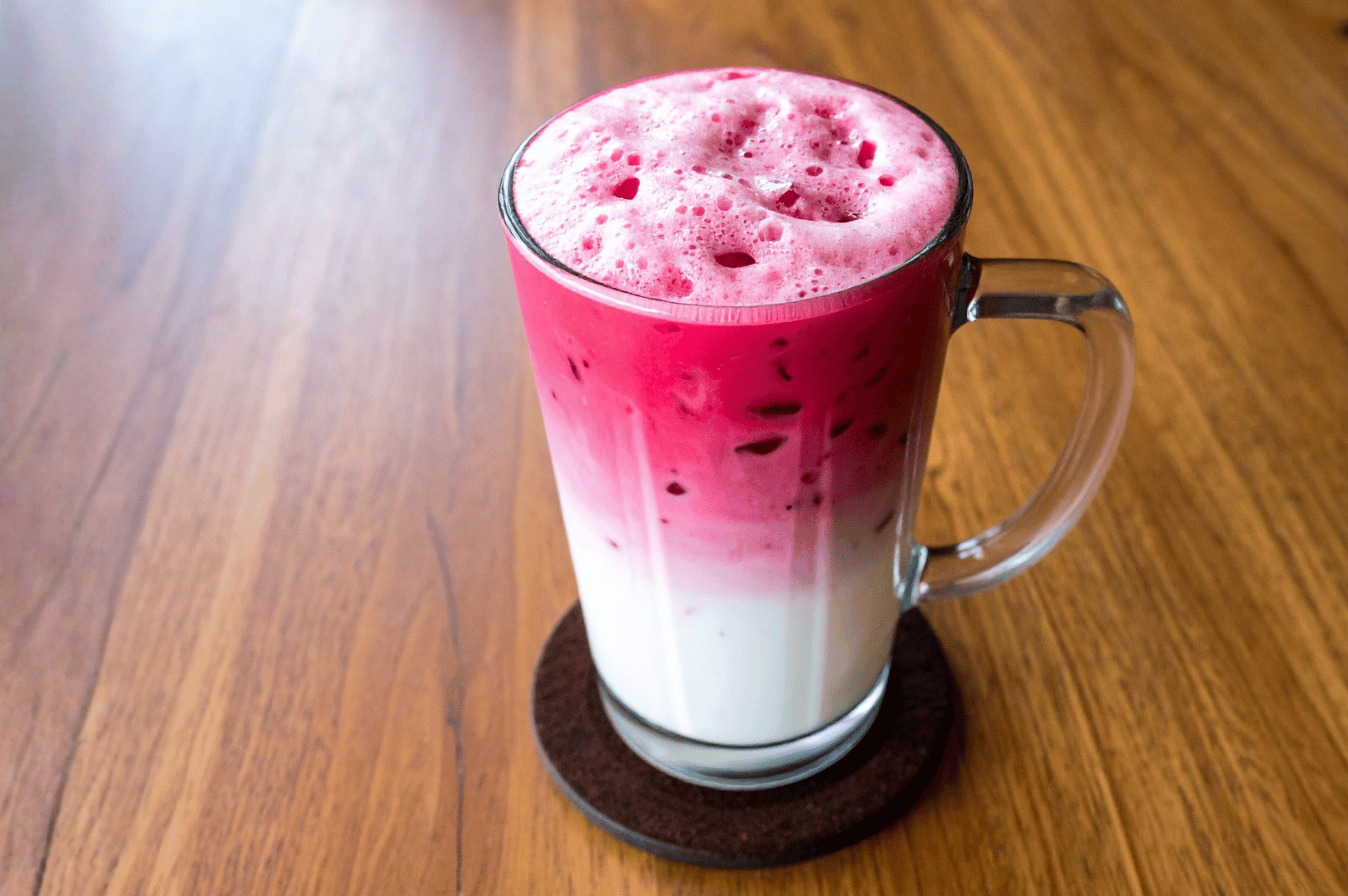
Step into any night market or hawker centre in Singapore, and you’ll spot a vibrant, glowing glass filled with a cold, beautiful drink—Bandung. Known for its iconic blush-pink hue and refreshing taste, this rose syrup drink is an integral part of Singapore’s beverages scene and a cherished tradition in Southeast Asian gatherings.
More than just a delicious drink, the Bandung drink has become a cultural staple. This article explores the fascinating origins, cultural value, nutrition, and all the ways you can enjoy Bandung—from a traditional sirap bandung recipe to modern, health-conscious twists. Plus, you’ll get an easy recipe card to review and try at home!
The Origins of Bandung: More Than a Pink Milk Drink
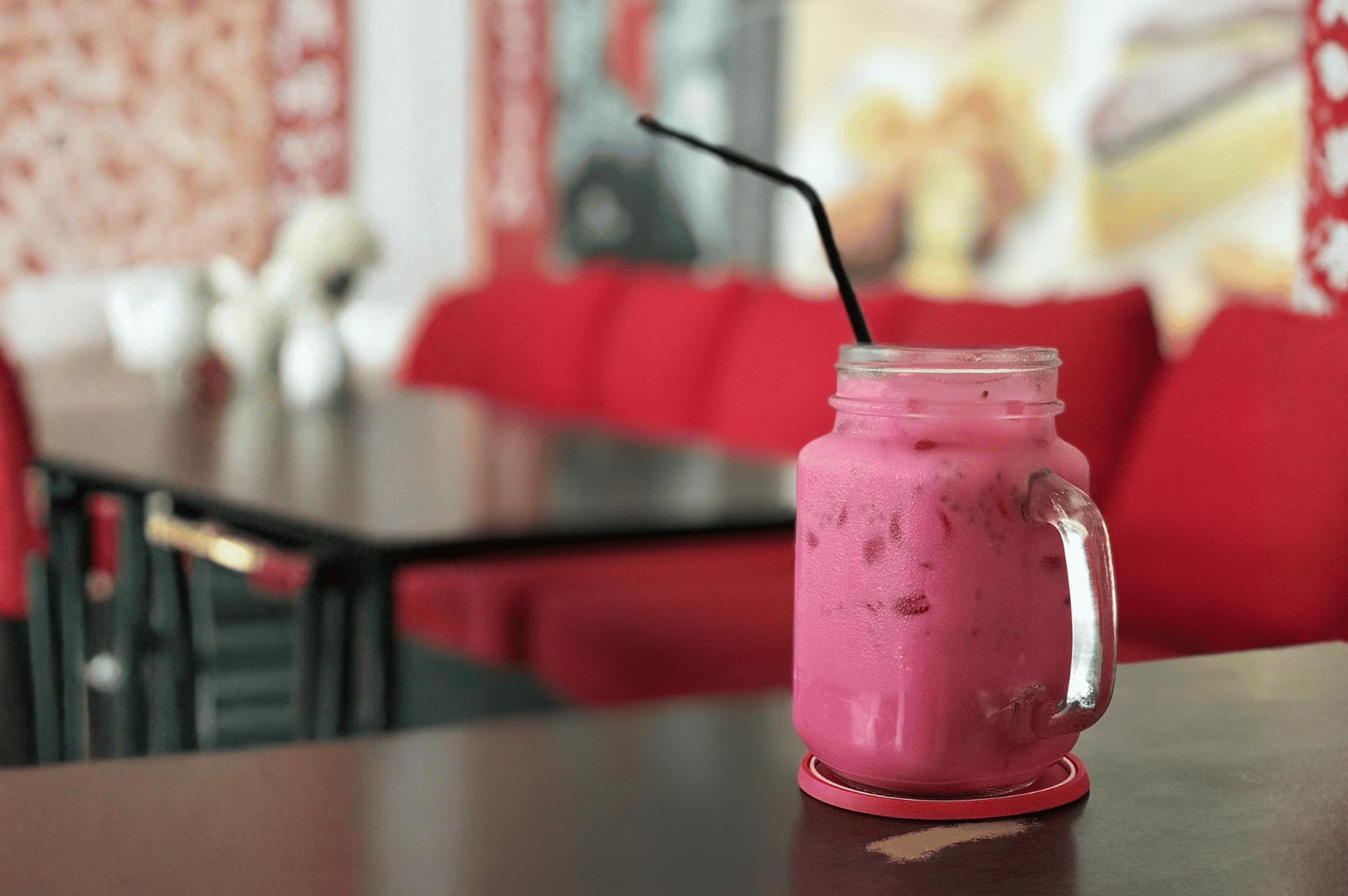
Bandung, often called sirap bandung in Malaysia, means "mixture" or "pairs" in the Malay language—not to be confused with the Indonesian city of Bandung. The classic drink pairs rose syrup and milk, sometimes with the addition of rose essence or even a splash of rose water for extra fragrance.
The rose milk recipe dates back to colonial Southeast Asia, when imported condensed milk and evaporated milk became kitchen staples. The use of rose syrup (not to be mistaken for simple syrup or rose water) likely stems from Persian and Indian culinary influences, where rose-flavoured desserts and beverages are beloved.
What emerged was a sweet, creamy, and floral-tasting refreshment with universal appeal—perfect for hot weather and special events. Mixing chilled milk (often shelf-stable, thanks to evaporation or condensation processes) with rose milk syrup and ice cubes, the original Bandung was an affordable luxury on a hot summer day.
Bandung in Singapore: A Drink for Every Occasion
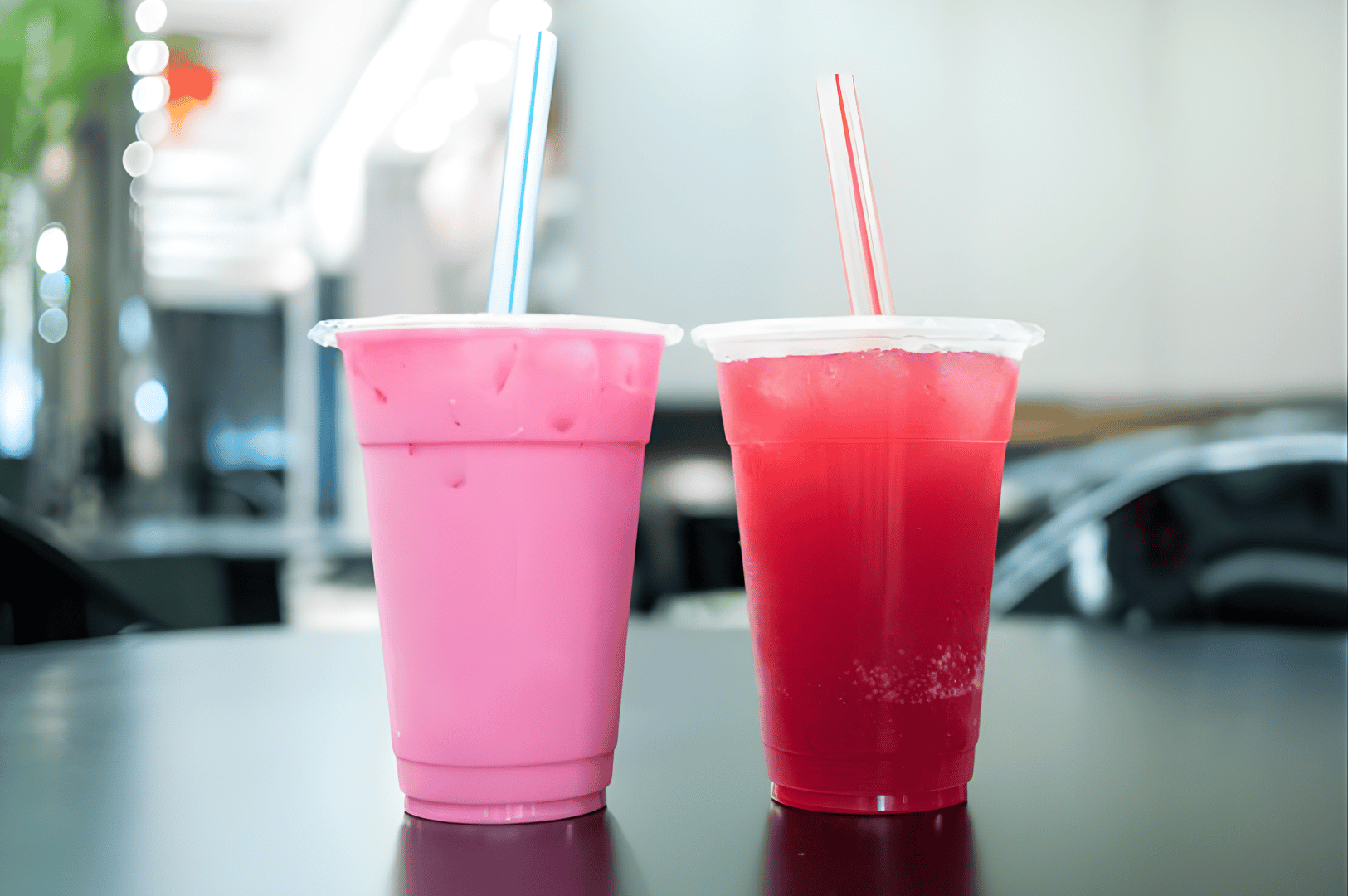
Ramadan and Festive Gatherings
Bandung shines during the fasting month of Ramadan. After hours without food, breaking the fast with a cool glass of iced Bandung is a cherished tradition. The sweet, vibrant rose syrup helps restore energy, while cold milk is soothing and hydrating.
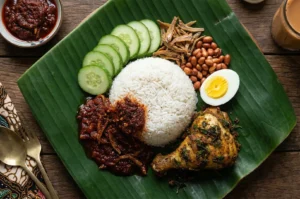
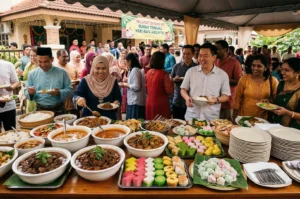
Bandung is also a staple at Malay weddings, birthdays, and kenduri (feasts). The rosy color looks inviting on a festive spread, and its gentle taste appeals to children and adults alike. Night markets across Singapore and Malaysia serve Bandung alongside dishes like nasi lemak and satay—truly cementing it as a must-try in Southeast Asian food culture.
Day-to-Day Refreshment
The pink milk drink isn’t limited to special events. Office workers sip it with lunch at kopitiams, schoolkids cool off with a bottle after the bell, and locals and travelers often sample it at bustling hawker stalls. Bandung has become as much a part of daily Singaporean life as teh tarik or black tea.
The Essential Ingredients: What Makes Bandung So Unique?
Every Bandung drink starts with just a few required recipe ratings for success: good rose syrup (or authentic bandung rose syrup), milk, and ice. Let’s break down the all-important ingredients and why many variations have emerged.
Rose Syrup or Rose Milk Syrup
Rose syrup gives Bandung its iconic flavor and color. The syrup is thick, sweet, and made from a blend of sugar, rose essence or dried roses, and red or pink food coloring. High-quality rose milk syrup infuses drinks with a subtle floral note and just enough sweetness. For a richer floral note, some recipes add rose water or rose flavour essence.
Look for syrups labeled specifically for sirap bandung or rose milk. These have the best balance of flavor, aroma, and color for achieving that authentic taste. You’ll find syrup bottles at Asian supermarkets, often alongside bubble tea syrups and grass jelly toppings.
The Milk Mix: Evaporated, Condensed, and More
A classic Bandung drink recipe uses evaporated milk, which delivers creaminess without being too heavy on saturated fat. Many recipes call for a mix of evaporated milk and sweetened condensed milk, which brings richness and additional sweetness.
Modern variations substitute fresh milk, oat milk, almond milk, or soy milk for a “healthy drink” version, catering to vegan and lactose-intolerant drinkers. Chilled milk—whether dairy or plant-based—works well. Some even mix black tea or create a rose milk tea for a nod to the bubble tea trend.
Ice Cubes: The Finishing Touch
Don't forget the ice cubes! On a hot day, nothing beats the sensation of sipping a cold bandung. As the ice melts, the drink remains refreshing, becoming lighter over time. Always add ice cubes to the serving glass last to ensure your Bandung stays cold and inviting.
The Traditional Sirap Bandung Recipe
Here’s a classic and easy recipe for making Bandung at home. Not only is it a nostalgic nod to Singaporean prep time traditions, but it’s also customizable for your favorite serving glasses and milk options.
Nutrition and Serving Information
- Serve: 1 tall glass (about 350ml)
- Prep Time: 2 minutes
- Nutrition Serving: Approx. 140-170 calories (depends on milk/sweetener)
- Saturated Fat: Lower with low-fat or plant-based milk
Ingredients
- 3 tablespoons rose syrup or bandung rose syrup
- ½ cup evaporated milk
- 2 tablespoons condensed milk (optional, for extra sweetness)
- ½ cup chilled water or milk, or a plant-based alternative (oat milk, soy milk, or almond milk)
- Ice cubes (fill glass; more for hot weather)
- (Optional) 1 teaspoon rose water or a squeeze of lime juice for extra zing
Instructions
- Prepare your glass: Fill a tall glass to the rim with fresh ice cubes.
- Add syrup: Pour the rose syrup, along with condensed milk if using, over the ice.
- Mix in the milk: Add evaporated milk, then top up with your choice of water, additional milk, or nut-based milk for a healthy drink.
- Combine and stir: Stir vigorously until all the ingredients are thoroughly mixed, and you see a uniform rosy color.
- Taste: Adjust sweetness by adding more syrup or condensed milk to your liking.
- Garnish (optional): Decorate with dried roses, a hint of rose essence, or grass jelly (for Bandung Cincau). Serve immediately.
Tip: Serve in a transparent glass for the most beautiful drink presentation!
Modern Twists: Many Ways to Enjoy Bandung
No review recipe of Bandung is complete without mentioning modern spins, now widely available across Singapore and Malaysia:
- Bandung Cincau (Grass Jelly Bandung): Add grass jelly cubes for a jelly-like texture and extra refreshment—especially popular in night markets.
- Bandung Soda or Bandung Fizz: Top up with sparkling water for a fizzy, light syrup drink with less saturated fat.
- Rose Milk Tea: Marry black tea or strong brewed tea with rose milk syrup and milk, then serve over ice for a bubble tea vibe.
- Plant-Based Bandung: Use oat milk, almond milk, or soy milk for a dairy-free healthy drink.
- Gourmet Versions: Some cafes infuse Bandung with dried roses, rose water, or a splash of lime juice to balance the sweetness.
Where to Try Bandung in Singapore: A Refreshing Drink for Every Foodie
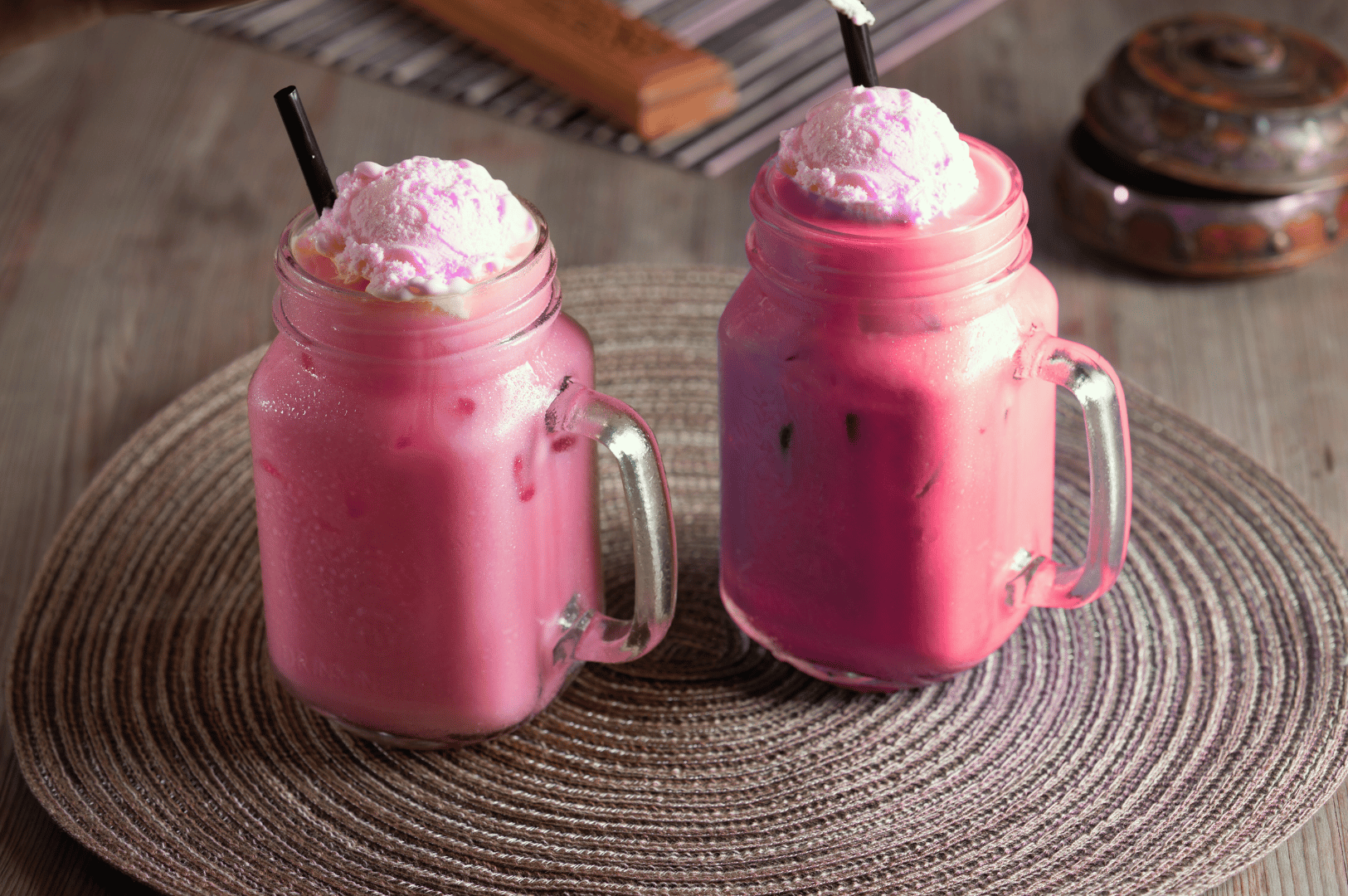
Hawker Centres and Kopitiams
The best place to sample authentic Bandung in Singapore is your local hawker centre. Just say “Bandung, kurang manis” if you prefer less sugar, or “Bandung Cincau” for the grass jelly version. You’ll find it beside other traditional beverages, such as rose lassi, iced bandung, or rose milk tea.
Malay and Indian Muslim Restaurants
Many eateries serve air bandung in tall glasses, sometimes with a creative twist. The recipe may include real rose water or be paired with delicious Malaysian food.
Modern Cafes and Bubble Tea Shops
Thanks to the rise of global bubble tea culture, many cafes now offer Bandung-inspired rose milk teas, some with pearls or jellies. These drinks blend black tea, milk, and rose syrup for a satisfying fusion of East and West.
The Cultural Importance of Bandung
The appeal of Bandung goes far beyond taste. It represents Singapore’s multicultural landscape—enjoyed by all races and ages, at major events and everyday meals alike.
During the fasting month, families pour tall glasses of Bandung after sunset prayer. At weddings, it’s poured into serving glasses alongside syrup drinks and tea. On a hot summer day, Bandung is the “it” drink for visitors and locals cooling off after a stroll.
Even the act of making Bandung is ritualistic: preparing all the ingredients, mixing, and pouring into a tall glass creates a sense of community, whether at home, in restaurants, or at the night market.
Health and Tips: Making Bandung Your Way
- Want a healthier version? Choose oat milk or almond milk for less saturated fat.
- Prefer it less sweet? Go easy on the condensed milk or select a low-sugar rose syrup.
- Like a tangy note? Squeeze a bit of lime juice for a refreshing zest.
- Enjoy texture? Add grass jelly or basil seeds.
Shelf Life: It’s best to prepare Bandung fresh. However, syrup drinks and rose milk syrup keep well in the fridge for up to a week if tightly covered in a bottle. Just stir before serving or when ice melts.
Simple Recipe Card for Bandung (Air Bandung/Sirap Bandung)
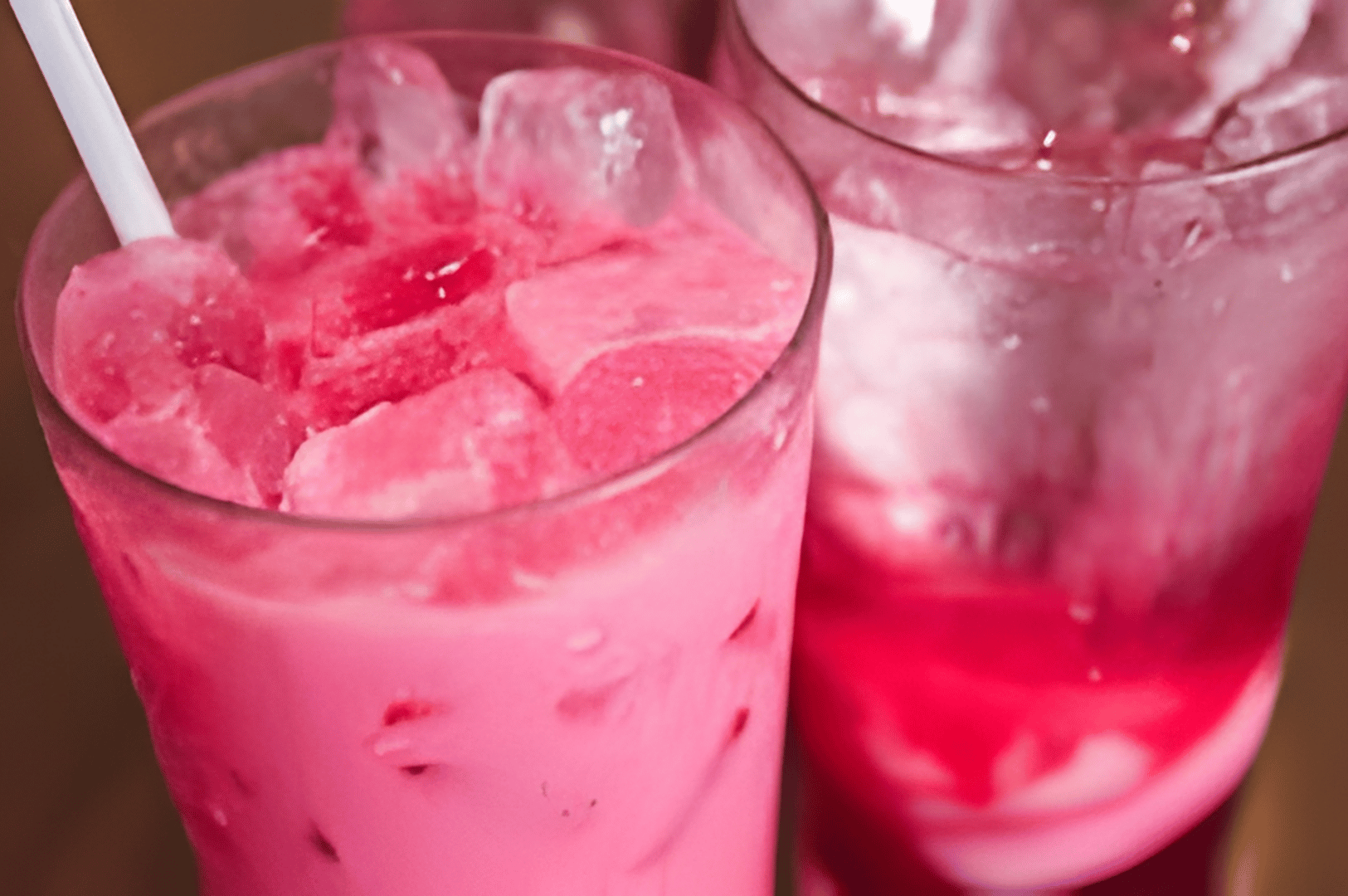
Prep Time: 2 min | Nutrition Serving: approx. 150 calories
Servings: 1 tall glass
Ingredients
- 3 tbsp rose syrup/rose milk syrup
- ½ cup chilled evaporated milk or substitute (oat milk, almond milk)
- 2 tbsp sweetened condensed milk (optional)
- Ice cubes (enough to fill the glass)
- ½ cup cold water or milk
- (Optional) grass jelly, rose essence, lime juice
Instructions
- Add ice cubes to serving glass.
- Pour in rose syrup, adding condensed milk for extra cream.
- Add chosen milk and water. Stir until well mixed and rosy.
- Top with grass jelly or garnish as desired.
- Enjoy immediately for a super chilled, delicious drink!
A Toast to Bandung: Singapore’s Iconic Rose Milk Drink
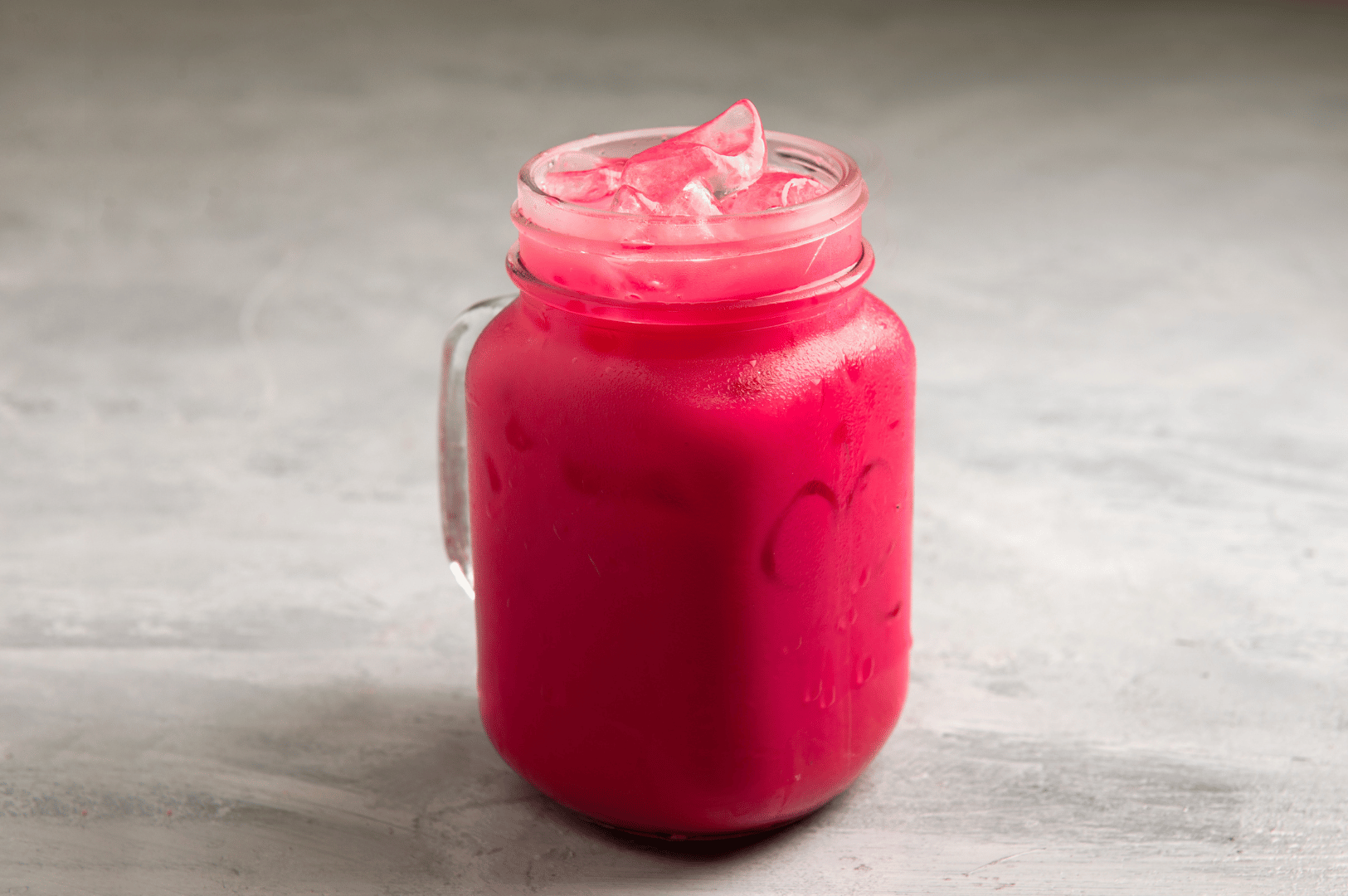
From its humble beginnings as a refreshing hot weather treat to its esteemed role in modern Singapore food culture, Bandung encapsulates the multicultural, creative, and ever-evolving nature of the region’s beverages. Its blend of milk, rose syrup, ice cubes, and creativity has become synonymous with celebration, hospitality, and family.
So, the next time you’re at a hawker centre or looking to try something new at home, whip up this easy recipe. Pour it into a tall glass, add ice, and savor the uniquely floral, sweet, and cooling rose syrup drink. Travel to Singapore through its flavors, and comment something if you’ve tried this recipe or found your own delicious twist. Cheers to Bandung—the beautiful, iconic rose milk drink loved by all!
And if you’re feeling adventurous, why not continue your flavor journey with Butterfly Tea: Thailand's Magical Color-Changing Drink? It's another visually stunning, floral delight that’ll transport your taste buds to another corner of Southeast Asia. Perfect for those who love a bit of magic in their beverages!
Explore more captivating culinary stories and regional delights at Eat Drink Asia — your ultimate guide to Asia’s most vibrant flavors, drinks, and dining experiences.

Pour Decisions: The Best Bars in Singapore for Craft Beers and More
Dio Asahi | April 9, 2026
Walking through the humid streets of Singapore at dusk, you can feel the city transforming. The tropical heat fades into neon lights, and the clinking of glasses begins to echo from narrow shophouses and towering skyscrapers. Singapore boasts a dynamic bar scene that rivals any global metropolis. From opulent destinations like Atlas Bar and Republic…
-
The 8 Best Chinese Restaurants in Singapore: From Dim Sum to Peking Duck
Dio Asahi | April 7, 2026
Singapore’s best chinese restaurants in singapore function less like isolated dining rooms and more like a networked system of technique. Across these chinese restaurants, you see branches of chinese cuisine expressed through roast mastery, controlled fermentation, seafood purity, and banquet choreography. This is not simply a guide to chinese food. It’s a mapped culinary journey…
-
The Neighbourhood Restaurant Test: How to Spot Truly Authentic Cuisine Restaurants in Your Area
Eda Wong | March 31, 2026
A friend texted me last week: “I’m outside this new Vietnamese place. How do I know if it’s legit before I waste my money?” It’s a question I get often. We’ve all been there, drawn in by a cool sign, only to get a plate of sad, sweet, tourist-grade pad thai that tastes like ketchup….
-
Cuisine in the World Meets Singapore: Inside Nakhon Kitchen’s Cross-Cultural Magic
Dio Asahi | March 26, 2026
There’s a rite of passage for any food lover living in the East of Singapore, and it involves a queue. Specifically, the perpetually long, snaking queue outside Nakhon Kitchen in Bedok. I’d heard the legends for years: authentic Thai food, rock-bottom prices, and a wait time that tests your commitment. So, on a Tuesday evening…
-
The Spice Route Secrets: A Deep Dive into Malay Ethnic Food
Eda Wong | March 24, 2026
My first time ordering Nasi Padang in Geylang Serai was overwhelming, I randomly picked dishes and was shocked by a $20 bill due to premium beef rendang and squid. That taught me to always ask seafood prices and that Malay food is a complex, modular cuisine. Malay food is everywhere in Singapore, in hawker centres,…
-
The Shokunin Spirit: How Japan’s Craftsman Philosophy Lives Inside Singapore’s Most Disciplined Omakase Counter
Dio Asahi | March 21, 2026
The fire is not roaring; it is breathing. In a small, darkened workshop in Sakai, a swordsmith watches the colour of the steel with eyes that have tracked the same transformation for forty years. He does not look at a clock. He listens to the hum of the charcoal. He waits for the metal to…
-
The Evolution of the Plate: How History Transformed Iconic Malaysian Dishes
Eda Wong | March 19, 2026
I used to think I understood Malaysian food. As a Singaporean, it’s practically in my DNA, right? Nasi lemak for breakfast, a cheeky roti canai for supper – I thought I had it all figured out. Then I spent a week eating my way through Penang and Kuala Lumpur, and I realised I knew absolutely…
-
The Soul of the Table: An Educational Guide to the Role of Food in Malaysian Culture
Eat Drink Asia Team | March 17, 2026
We still remember our first collective Rumah Terbuka (Open House) experience in Kuala Lumpur.Standing at the doorway of a home during Hari Raya, we were utterly paralyzed by the sheer volume of people and the aroma of Malaysian cooking. There were aunties ladling beef rendang and tables groaning under the weight of colourful kuih. “Do…
-
Asian Food Comfort Trends: Why Broths and Bowls are Dominating Globally
Eda Wong | March 14, 2026
I still remember the first time I faced a “build-your-own” Mala Xiang Guo counter. I stood there, plastic tongs in hand, completely paralyzed by the mountain of choices. Lotus root? Kelp knots? three different types of tofu skin? My anxiety spiked. I panicked, grabbed way too much luncheon meat, and ended up with a $28…
-
The Fifth Element: A Masterclass on Umami in East Asian Cuisine
Dio Asahi | March 12, 2026
I’ll never forget the first time I made miso soup from scratch. Not the instant kind, but the “proper” way. I boiled water, dissolved miso paste, added tofu, and waited. It tasted flat, salty and cloudy but missing the deep, satisfying flavor I loved in Japanese restaurants. I thought maybe I needed better miso. Years…