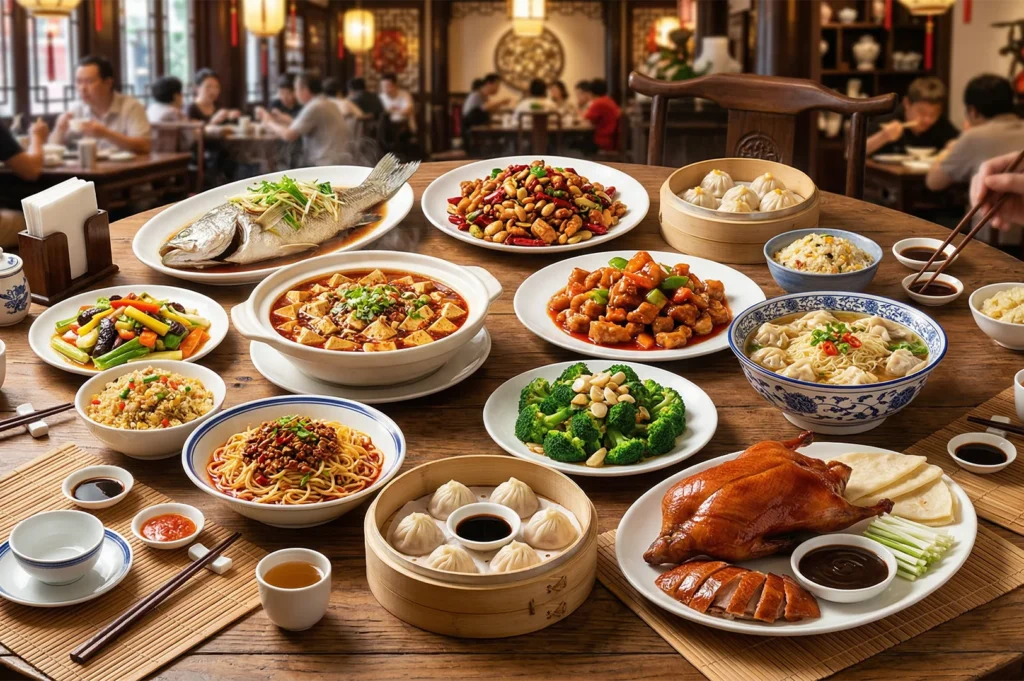
Singapore’s best chinese restaurants in singapore function less like isolated dining rooms and more like a networked system of technique. Across these chinese restaurants, you see branches of chinese cuisine expressed through roast mastery, controlled fermentation, seafood purity, and banquet choreography.
This is not simply a guide to chinese food. It’s a mapped culinary journey across regional migration, Cantonese refinement, Teochew restraint, Sichuan precision, all adapted within Singapore’s urban framework. Each restaurant embodies a unique blend of traditional flavors and modern innovation, reflecting the rich cultural tapestry of southeast asia. From the delicate balance of spices in Sichuan dishes to the subtle elegance of Cantonese dim sum, the city’s dining scene offers a diverse palette for every palate.
1. Summer Palace (Orchard): A Refined Stop Among the Best Chinese Restaurants in Singapore
Nearest MRT: Orchard Boulevard (5-min walk)
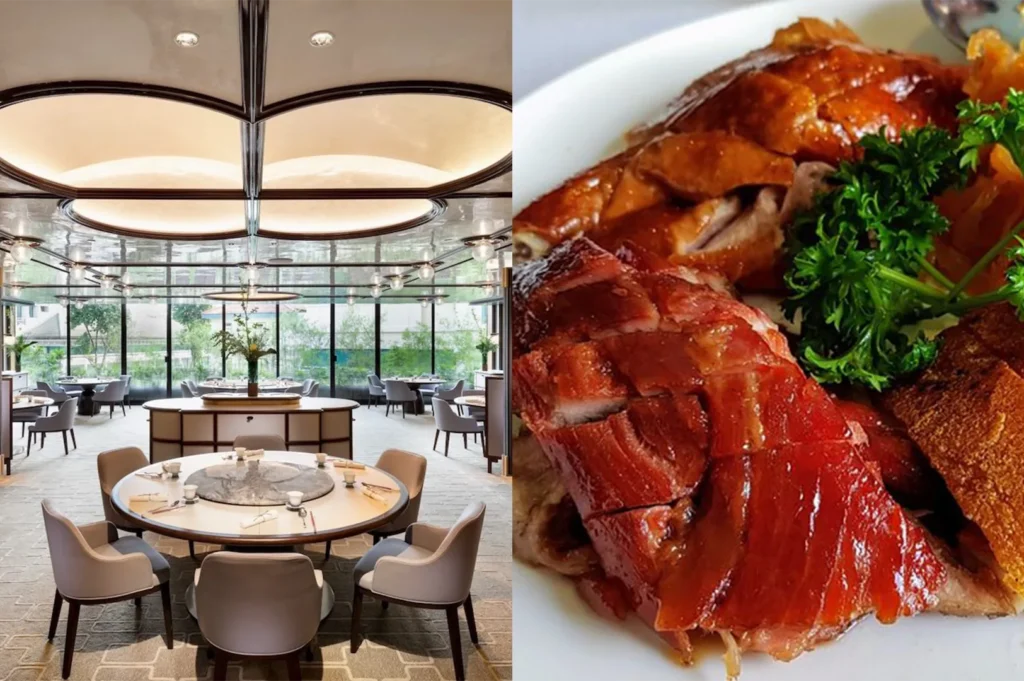
Among the best chinese restaurants in singapore, Summer Palace stands out for its disciplined execution of authentic cantonese cuisine within a refined fine dining atmosphere. This chinese restaurant located in the heart of Orchard offers a hushed, almost insulated ambiance where service flows with measured cadence, a stark contrast to the bustling energy typical of many chinese restaurants in singapore.
Chef Liu Ching Hai helms the kitchen with a clear philosophy: clarity over aggression, balance over spectacle. The dining experience here is a masterclass in subtlety and precision, making it a favorite for business partners and celebratory dinners seeking a controlled acoustic environment.
Primary Variables
The dim sum lunch at Summer Palace reveals the kitchen’s technical prowess:
- Har gow with translucent skins, allowing you to visually count the plump minced shrimp nestled inside. The wrapper stretches elastically without tearing, a testament to skillful dough preparation.
- Pleats are uniform, and hydration is precise, ensuring steam penetration without sogginess.
- The roast duck is a study in balance: skin fractures crisply while the meat beneath remains moist and tender, with perfectly rendered fat that melts on the tongue.
Lunch averages S$60–80 per person, a price reflecting the quality of ingredients, pacing, and attentive service.
Best context: Business meetings and intimate fine dining occasions.
Avoid if: You prefer lively weekend yum cha energy.
Field Note: The tea pairing program is intentional, ask for aged pu-erh with your roast meats to cleanse the palate and extend enjoyment.
2. Imperial Treasure Super Peking Duck (Orchard): The Peking Duck Specialist Among Chinese Restaurants
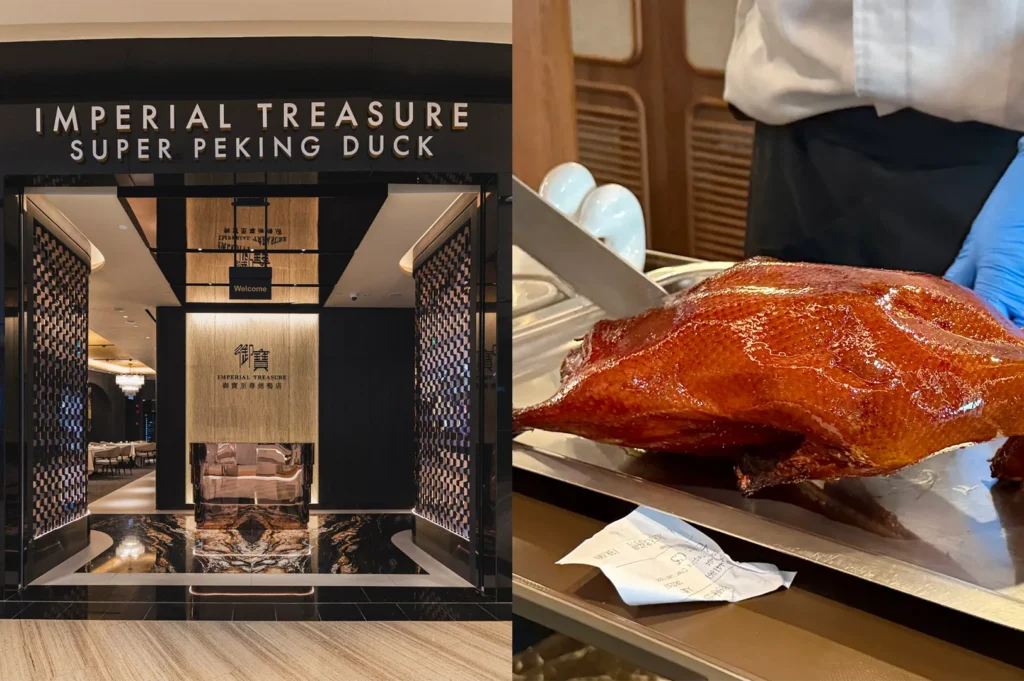
Nearest MRT: Orchard / Somerset
Among the best chinese restaurants, Imperial Treasure optimizes its offering around the iconic peking duck. The banquet-scale room buzzes with aromatic notes of rendered poultry fat, high turnover, and lively conversation.
When the duck arrives, the lacquered mahogany skin gleams, radiating warmth. The carving is precise, separating thin sheets of crackling skin from tender flesh. The first bite delivers:
- Shattering crispness of the skin.
- Warm, evenly distributed fat that coats the palate.
- Moist, juicy meat with no stringiness.
This balance of moisture retention and crispness is challenging and expertly maintained here. Expect to spend roughly S$55 per person depending on group size.
Best context: Large family gatherings and festive celebrations.
Avoid if: Seeking quiet, intimate dining for two.
Field Note: Pre-order the duck; it’s produced in batches, and late bookings may mean missing out.
3. Shisen Hanten by Chef Chen Kentaro (Orchard): A Fusion of Sichuan and Cantonese Cuisines with Japanese Precision
Nearest MRT: Somerset
Calibrated Heat and Artistic Flair
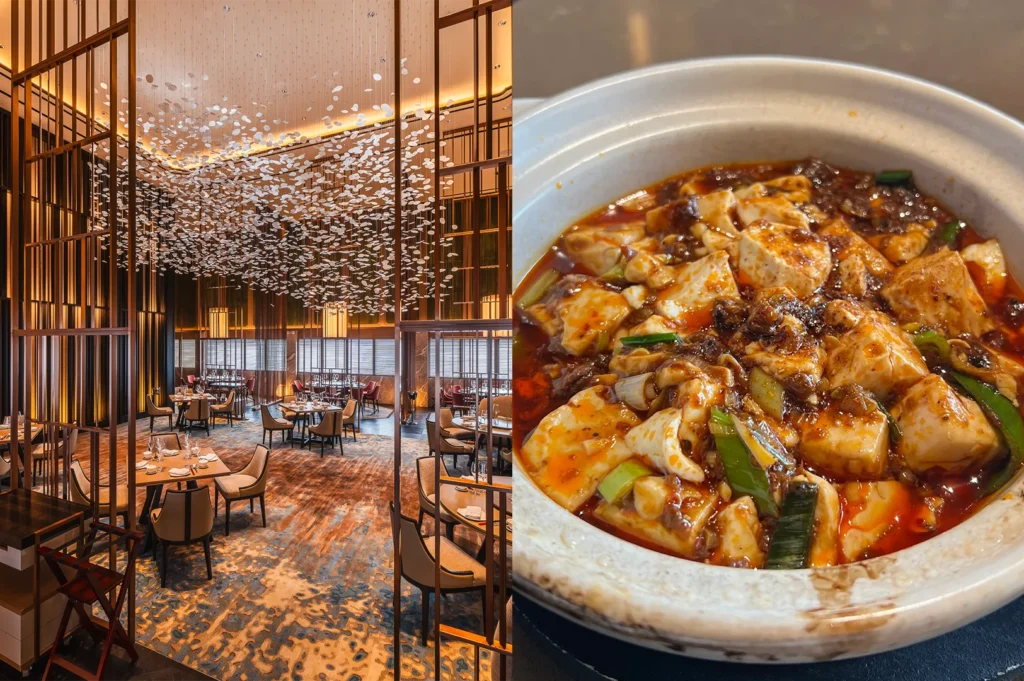
Shisen Hanten by Chef Chen Kentaro offers a unique culinary journey by filtering sichuan and cantonese cuisines through Japanese refinement. This approach results in spice that is measured and elegant rather than overpowering.
Structural Anchor: Mapo Tofu
- Silken tofu suspended in a crimson oil bath.
- Depth from fermented bean paste.
- A controlled mala numbing sensation that tingles without overwhelming.
The texture remains supple, and the oil presence is disciplined. Dinner here often exceeds S$105 per person, with panoramic views rivaling those at marina bay sands or ritz carlton.
Best context: Diners eager to explore spice architecture.
Avoid if: You are spice-averse.
Field Note: The weekend cocktail dim sum brunch offers a more accessible entry point with a broader dish matrix.
4. PUTIEN (Farrer Park): Teochew Cuisine with a Focus on Ingredient Integrity
Nearest MRT: Farrer Park
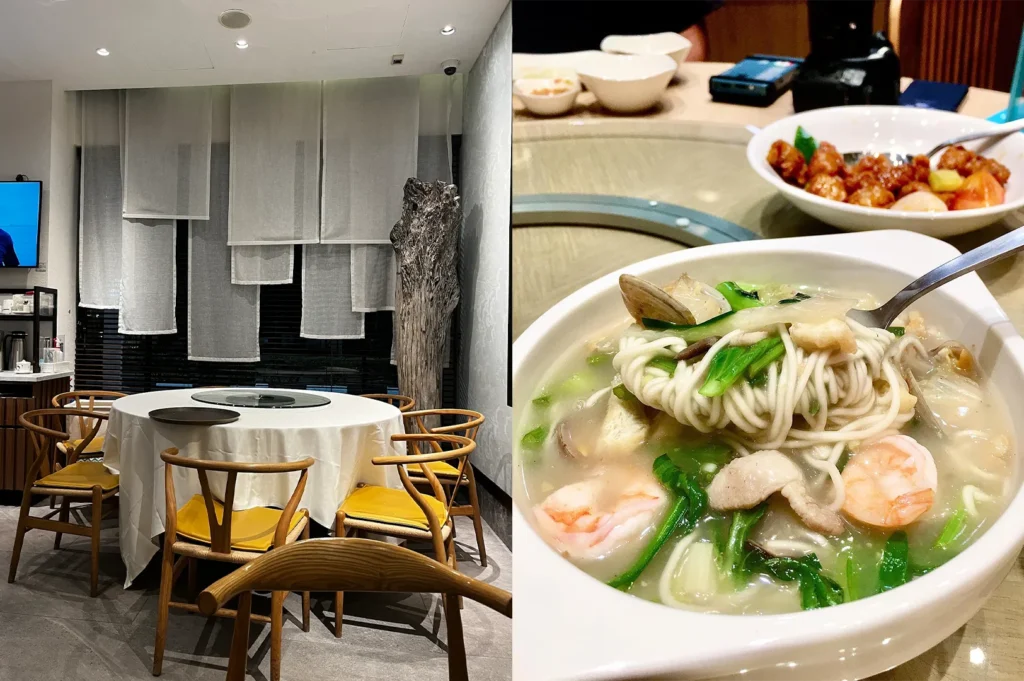
Rooted in teochew cuisine, PUTIEN emphasizes ingredient transparency and light flavors, contrasting with the richness of cantonese cuisine. The broth is saline, clean, and faintly sweet, reflecting the ocean’s tide.
Primary Variables
- Fujian Lor Mee: noodles coated in a thick, clam-infused stock.
- Seasonal seafood-driven menus aligned with harvest cycles.
This spot is ideal for those seeking a recalibrating meal that nourishes without overwhelming.
Best context: Families valuing heritage continuity.
Avoid if: You prefer bold wok hei flavors.
Field Note: Seasonal promotions and ingredient-specific festivals offer unique menu variations.
5. JUMBO Seafood (Clarke Quay): Crab as a Shared Ritual in Singapore Chinese Food
Nearest MRT: Clarke Quay
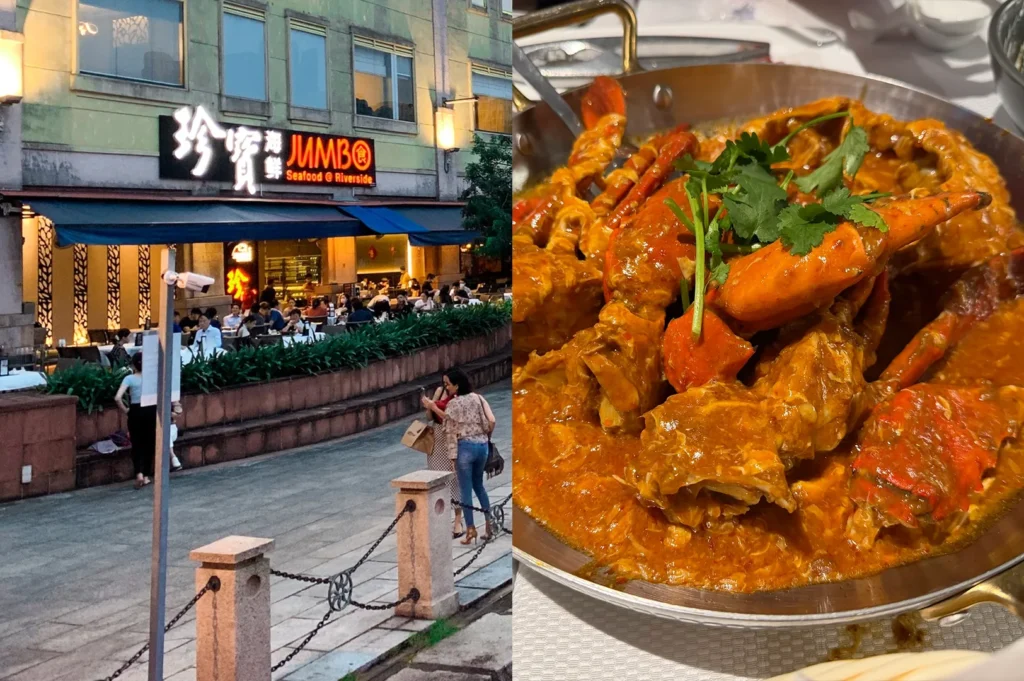
JUMBO Seafood is a hallmark of Singapore’s chinese food scene, particularly for its iconic chilli crab. The experience is participatory and sensory-rich:
- Thick, egg-laced sauce balancing sweet and spicy notes.
- Deep-fried mantou buns, porous and perfect for soaking up sauce.
- Shell cracking revealing succulent crab meat.
Expect to spend upwards of S$130 per person on premium seafood combinations. The atmosphere is lively and loud, ideal for group celebrations.
Best context: Hosting visitors seeking canonical Singapore chinese cuisine.
Avoid if: You require quiet, intimate fine dining.
Field Note: Booking private dining rooms improves acoustic control during peak hours.
6. Zui Yu Xuan Teochew Cuisine (Telok Ayer): Heritage Architecture Meets Traditional Execution
Nearest MRT: Telok Ayer
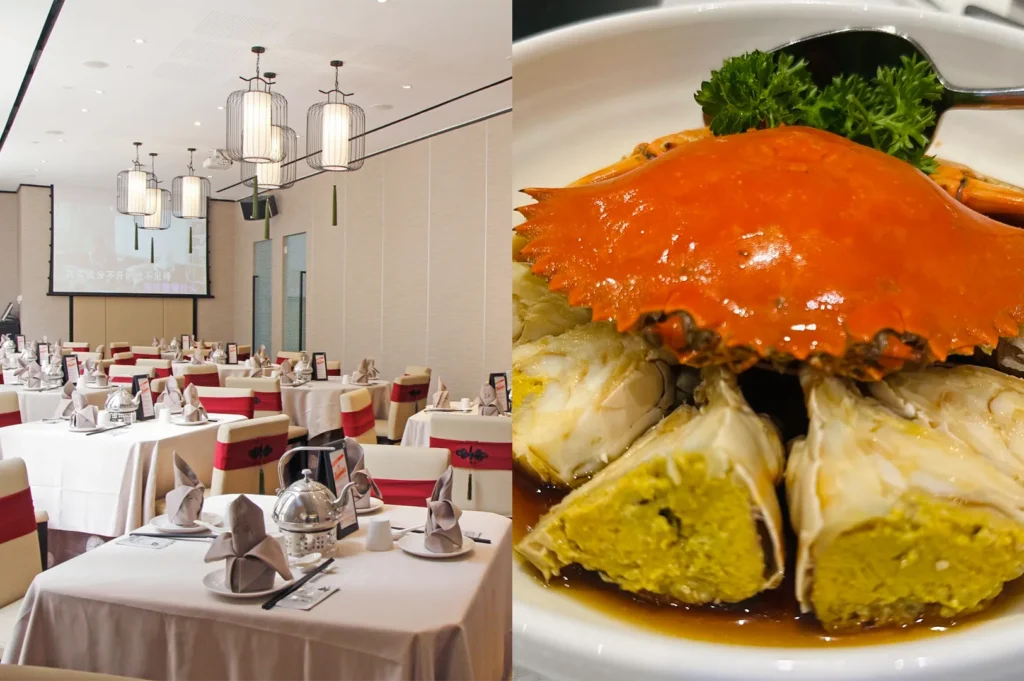
Set near the asian civilisations museum, Zui Yu Xuan elegant restaurant features traditional teochew cuisine within a space adorned with classical chinese decor, dark wood panels, soaring ceilings, and a main dining hall designed for ceremonial pacing.
Structural Anchors
- Teochew Cold Crab: chilled shell, sweet roe, firm flesh.
- Braised duck with aromatic stock.
- Porridge sets designed for communal sharing.
The cold crab offers a delightful contrast between chilled exterior and dense interior, heightened by a sharp vinegar dip.
Best context: Multi-generational family gatherings.
Avoid if: Dining solo on a strict budget.
Field Note: Take time to appreciate the building’s historical lineage, which enriches the meal’s context.
7. Taste Paradise (ION Orchard): Modern Cantonese Execution with Casual Elegance
Nearest MRT: Orchard
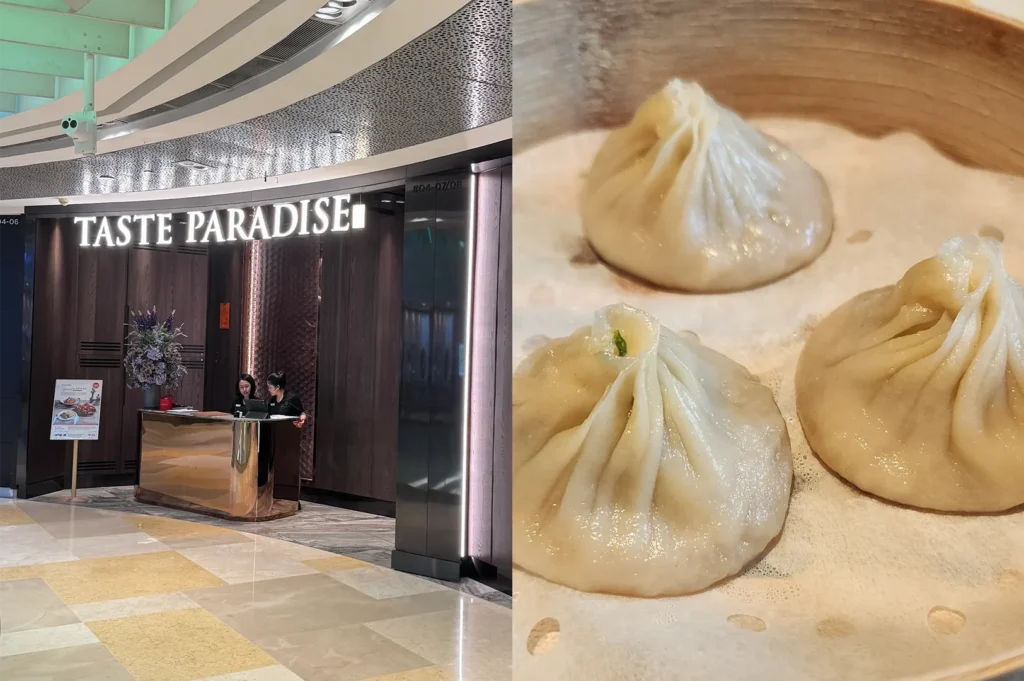
Taste Paradise balances mall convenience with structured chinese fine dining. Its contemporary interior is less ornate than hotel-based restaurants like hai tien lo or man fu yuan, yet still controlled.
Must-Try Dishes
- Refined dim sum selection.
- Barbecue iberico pork with lacquered glaze.
- Crisp roast pork cubes with audible crackle.
Pork skin fractures sharply, revealing juicy layers beneath. Prices hover around S$50 per person, offering accessibility without sacrificing technique.
Best context: City-based family meals.
Avoid if: You seek heritage-heavy nostalgia.
Field Note: Book ahead to avoid weekday corporate peak queues.
8. Song Fa Bak Kut Teh (Clarke Quay): Pepper Broth and Throughput Efficiency
Nearest MRT: Clarke Quay
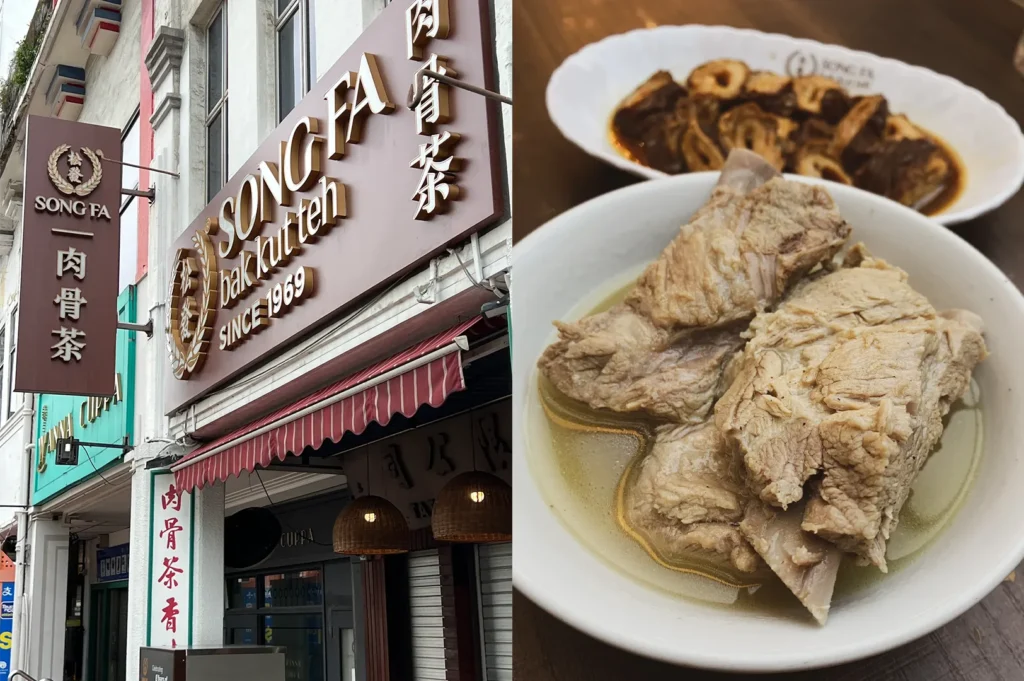
Representing a different axis of chinese cuisine, Song Fa offers the traditional Teochew pepper soup with:
- Clear broth saturated with white pepper and garlic.
- Pork ribs that separate cleanly from bone.
- Braised peanuts adding nutty depth.
The broth refill culture is integral, creating a loop of sipping and replenishing that intensifies flavor over time.
Best context: First exposure to Singapore comfort chinese food.
Avoid if: You require extended conversation windows.
Field Note: The evolving broth concentration is part of the intended experience.
Additional Highlights of Singapore’s Best Chinese Restaurants
Hai Tien Lo at Pan Pacific Singapore
Known for a stunning setting and authentic cantonese delicacies, hai tien lo combines classic recipes with a modern twist. Its elegant private rooms make it a popular choice for family gatherings and celebratory dinners. The restaurant boasts floor-to-ceiling windows that flood the space with natural light, enhancing the dining ambiance. Signature dishes include the Barbecued Suckling Pig Stuffed with Prawn Paste and the Peking Duck with Black Caviar. Guests also enjoy an extensive tea selection and expertly crafted signature cocktails.
The Dragon Chamber: A Culinary Adventure
An unconventional chinese restaurant near Marina Square, dragon chamber resurrects forgotten recipes with adventurous ingredients like the famed dragon’s claw. The atmosphere blends underground club vibes with vintage charm, offering a unique dining experience for the curious palate. Their menu features bold dishes such as Wagyu Truffle Hor Fun and Dick Soup, challenging traditional norms and delighting adventurous diners.
Aside from Chinese dining, there is also a vibrant atmosphere of Japanese dining, Singapore also boasts some of the best izakaya spots, where casual yet flavorful experiences complement the city’s rich culinary landscape seamlessly.
Structural Summary
Eating your way through these eight restaurants is a crash course in Singapore’s heritage. You move from the colonial elegance of the Conrad to the riverside hustle of Clarke Quay, tasting everything from delicate dumplings to sinus-clearing pepper soup. My advice? Don’t just stick to the safe Cantonese options. Book a table for Teochew porridge, sweat it out over Sichuan tofu, and order that extra plate of roast duck. Your stomach (and your soul) will thank you.
For those eager to explore even more of Singapore’s vibrant culinary scene, Eat Drink Asia offers a wealth of insights and recommendations on the best dining experiences across the region.

The Global Phenomenon of Korean Instant Noodle: A Cultural and Culinary Journey
Eda Wong | January 24, 2026
In the high-octane streets of South Korea, where the “pali-pali” (hurry-hurry) culture defines the pace of life, one dish stands as the ultimate equalizer of speed and satisfaction: Korean ramyeon. While the world often uses the terms ramen and ramyeon interchangeably, the Korean version is a distinct entity. It is not merely a quick snack…
-
Traditional Ramyeon: The Soulful Heart of Korean Noodle Culture
Eat Drink Asia Team | January 20, 2026
In the bustling culinary landscape of South Korea, few comfort foods can match the satisfaction of a steaming bowl of ramyeon. While outside of Korea, “ramyeon” often brings to mind Korean instant noodles or instant ramen, true ramyeon Korean style refers to the artful, freshly prepared noodle soup enjoyed in homes and at local restaurants…
-
The Heart of the Korean Noodles: History and Texture
Eda Wong | January 17, 2026
In Korea, a bowl of noodles is far more than a simple dish; it is a cultural anchor that has weathered centuries of change. For generations, the length of the strand has symbolized a long and prosperous life, making Korean noodles a staple at birthdays, weddings, and the milestone 60th birthday celebration known as hwangap….
-
Preserving the ‘Big Bowl’ Tradition with Pen Cai Delivery in the Age of Doorstep Dining
Eat Drink Asia Team | January 15, 2026
Modern Festive Menu: Bringing the Big Bowl Home There is a special, undeniable magic to the Chinese New Year reunion dinner. For many families, Chinese New Year 2026 is another chance to gather loved ones at the table and celebrate with a glorious pen cai—sometimes called the “big bowl feast”—overflowing with premium ingredients and festive…
-
Sencha: Traditions, Flavors, and the Essence of Japanese Tea
Eat Drink Asia Team | January 15, 2026
When people around the world think of Japanese tea, images of tranquil tea ceremonies in small rooms or frothy bowls of matcha often come to mind. Yet, the reality of tea drinking in Japan is much broader, woven deeply into the culture and daily habits. For the vast majority, sencha is the beloved tea that…
-
The Best Restaurants Tokyo Are Rarely the Ones You Plan For
Eda Wong | January 12, 2026
Tokyo, Japan’s capital, does not reward urgency. It rewards return. On my first visit, I chased what everyone told me were the best restaurants Tokyo had to offer. I spent weeks highlighting maps, bookmarking digital “must-eat” lists, and refreshing reservation pages until my eyes blurred. I thought that by conquering the top-tier establishments, I would…
-
Japan and Food: Culinary Harmony – The Deep Connection Between Japanese Food and Culture
Eat Drink Asia Team | January 11, 2026
When it comes to Japan and food, the two are intertwined in ways that captivate taste buds and awaken the senses. Japanese cuisine stands as one of the world’s most revered traditions—more than nourishing meals, it is an art reflecting centuries of philosophy and a window into Japanese culture itself. Every bowl of miso soup,…
-
The Verdant Cup: A Celebration of Green Tea in Japan
Eda Wong | January 10, 2026
In Japan, green tea is much more than a beverage. It marks a moment of pause, hospitality, and tradition. The story of green tea in Japan weaves through centuries of culture, artistry, and daily life—bridging ancient rituals like the Japanese tea ceremony to everyday meals enjoyed at home. The origins and beginning of Japanese tea…
-
Japanese Green Tea from Japan: The Story of Matcha
Dio Asahi | January 8, 2026
On a misty April morning in Kyoto, I knelt on tatami in a small tea room outside Uji, Japan. The host, dressed in kimono, moved with quiet skill as she scooped matcha powder into a ceramic bowl. The air was filled with the aroma of aged wood mixed with the grassy scent of high quality…
-
Takoyaki: The Sizzling Heart of Japan Food Culture
Dio Asahi | January 3, 2026
What is Takoyaki and Why Does it Matter in Japanese Food Culture? In the bright heart of Osaka, the sizzle of takoyaki batter signals one of Japan food culture’s most beloved street foods. Lines form at street stalls drawn by the delicious food aromas of sweet-savory sauce and bonito flakes dancing on golden spheres. Takoyaki,…