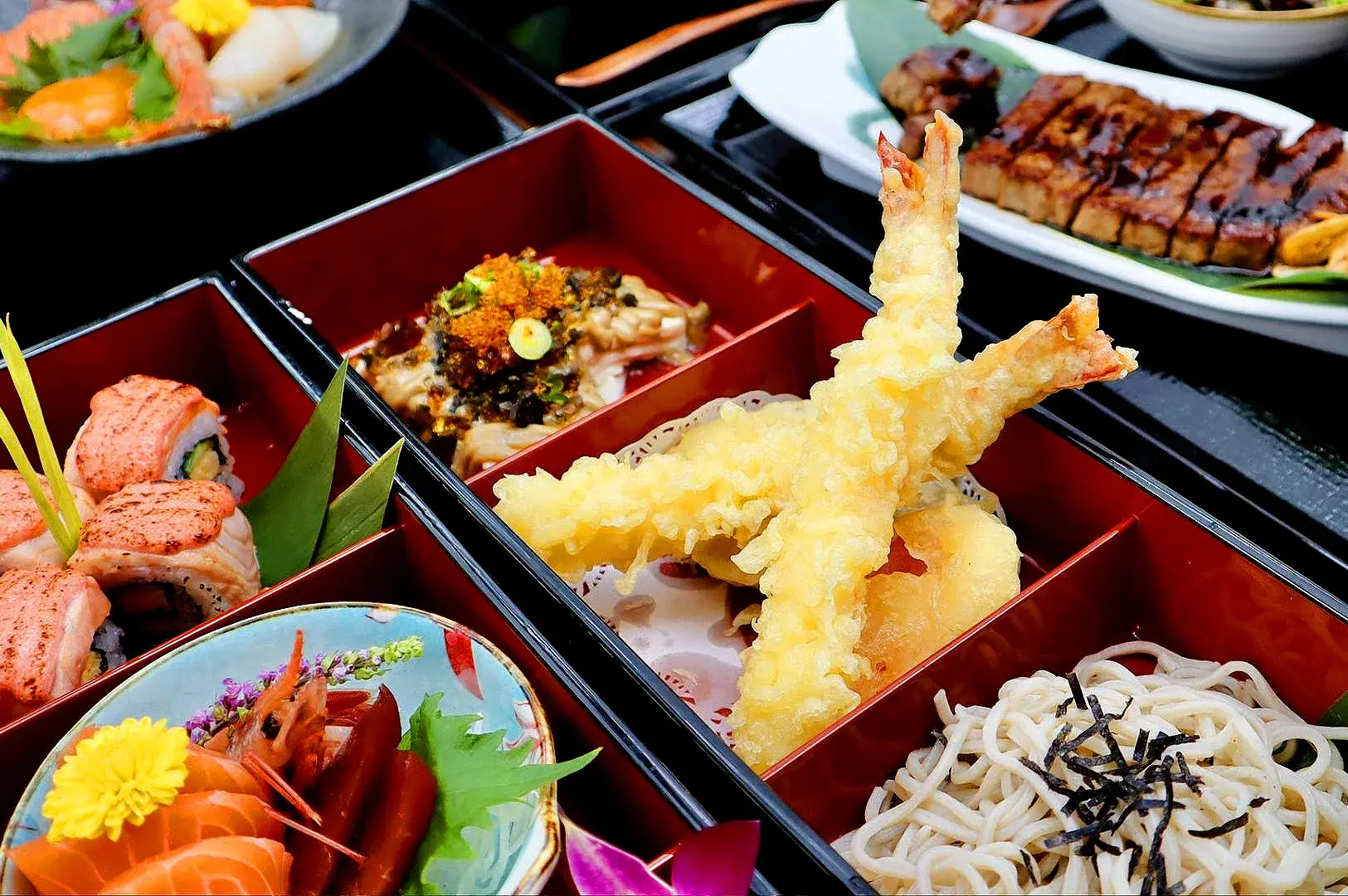
I built this list around a very specific feeling: that first bite where the room goes quiet for a second. I’ve tried enough Japanese restaurants in Singapore over the years to know that “best” does not always mean the most expensive, the rarest, or the hardest to book. Sometimes it is the warmth of the sushi rice. Sometimes it is the way seafood tastes almost clean enough to disappear. Sometimes it is the first spoonful of luxury that tells you the meal is going to be serious. This is especially true when exploring the best omakase Singapore has to offer, where each course is thoughtfully curated to highlight seasonal ingredients and impeccable technique.
For this guide, I kept the list tight: four Japanese restaurants in Singapore that understand timing, texture, and restraint. They are not casual everyday spots. They are places for diners who want a meal to unfold slowly, with attention paid to the first impression as much as the final course.
1. Sushi Sakuta (Millenia Walk) – Best Japanese Restaurant Singapore for Exquisite Sushi
Nearest MRT: Promenade MRT, 3–5 minutes walk
Price: $$$$
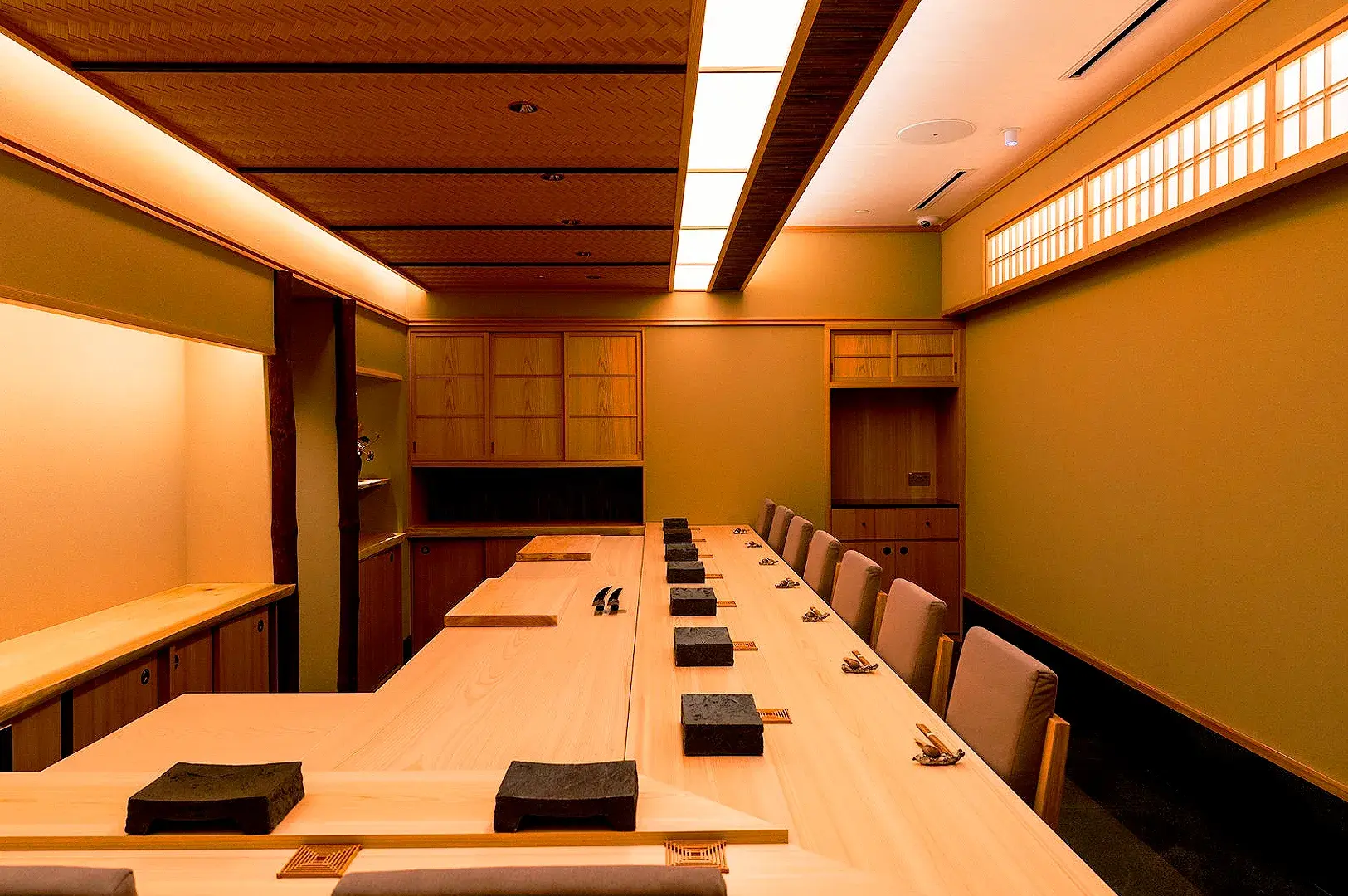
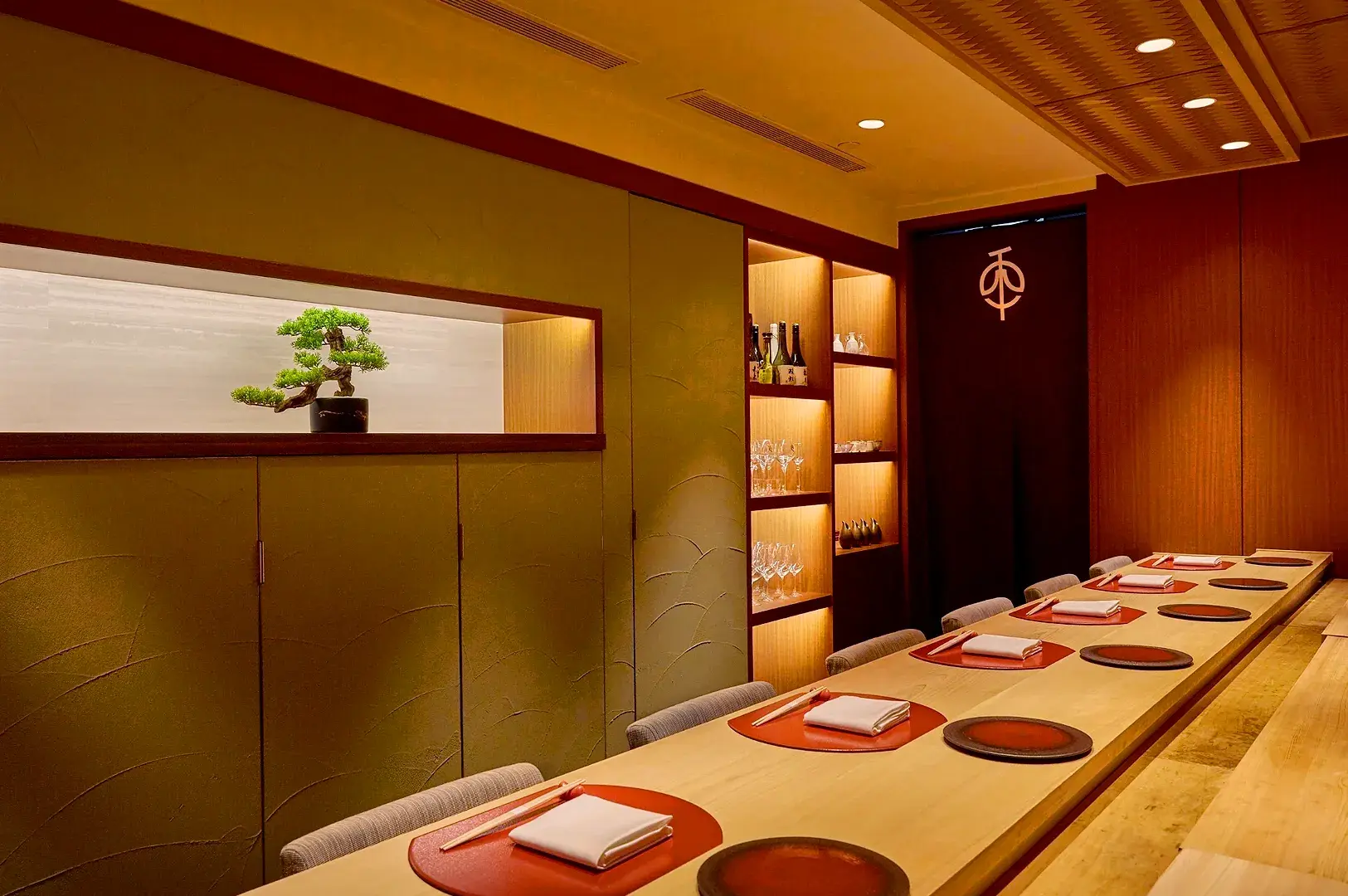
Sushi Sakuta stands as one of the best Japanese restaurants in Singapore, a refined sanctuary for lovers of traditional Japanese cuisine and fresh sashimi. This Two Michelin Star sushi bar is a masterclass in restraint and precision. The intimate 10-seat counter, crafted from a 200-year-old cypress tree from Nara, sets the stage for an immersive Japanese dining experience that highlights the vibrant izakaya culture through its serene and focused atmosphere.
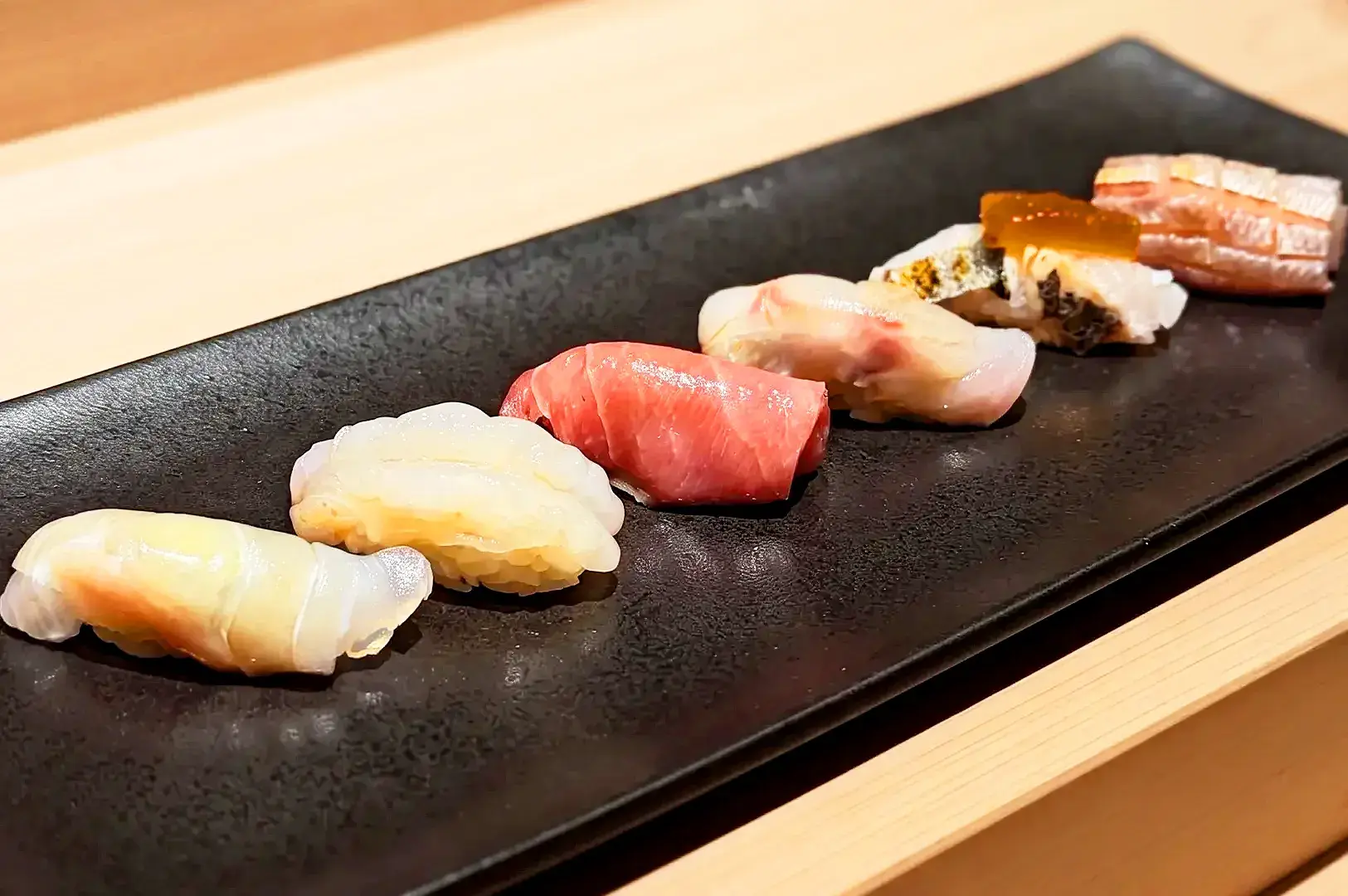
The moment you taste the sushi, you’ll notice the warm, gently seasoned rice that cradles each slice of fresh seafood with delicate firmness. The nigiri sushi here is a sensory delight: the fish melts softly on the tongue, revealing subtle layers of umami enhanced by slight aging or acidity, depending on the day’s freshest catches. Signature dishes like the kaisen chirashi don and salmon belly nigiri showcase the chef’s dedication to ingredient quality and seasonality, with seafood flown in daily from Japan’s Toyosu Market. This is Japanese food at its quietest and most profound.
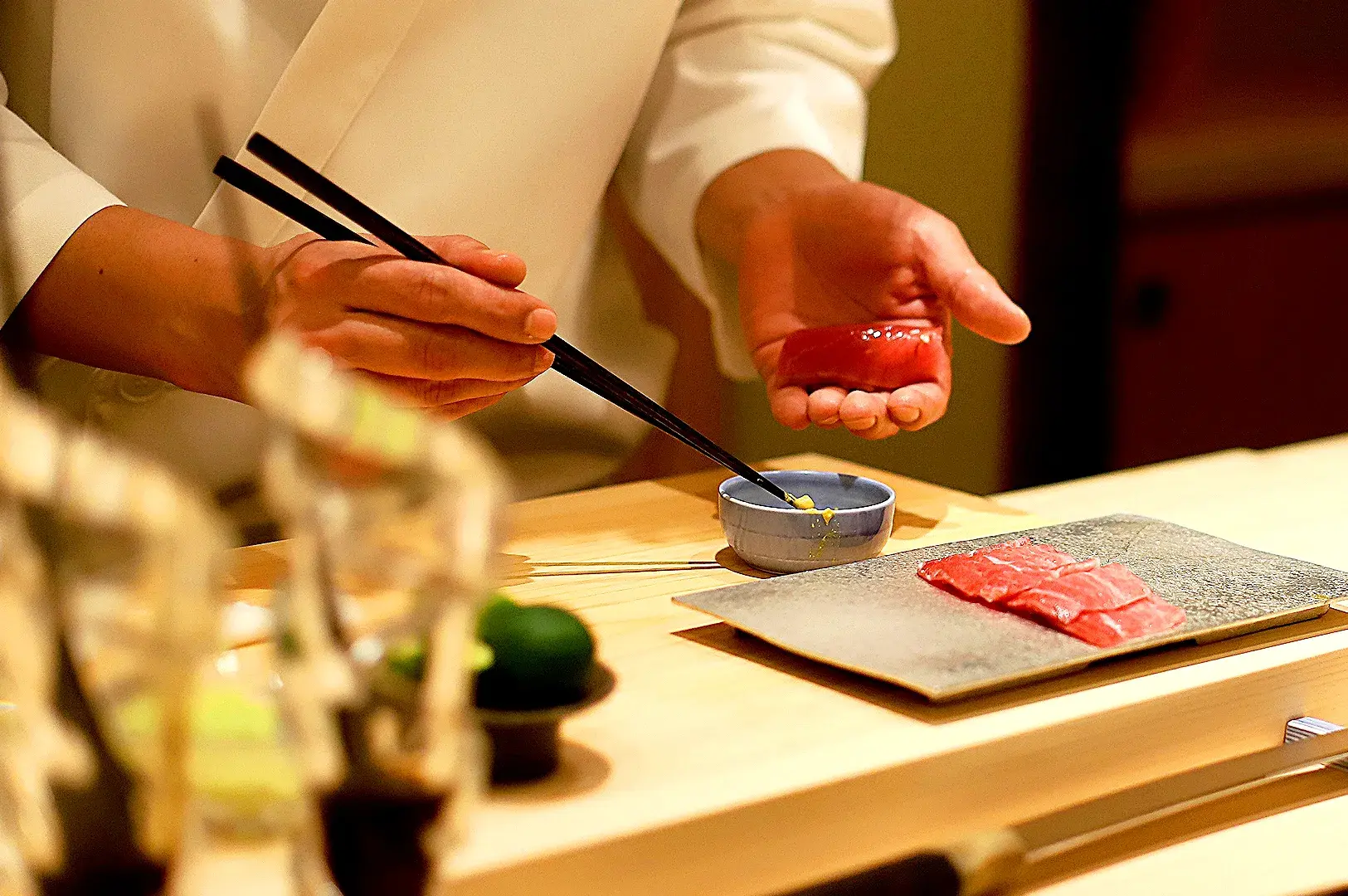
The signature omakase lunch starts from around S$350++, with dinner experiences often beginning at S$500++. Reservations are essential, and cancellation policies are strict due to the premium ingredients and meticulous preparation involved.
Best for: Special occasions, serious sushi lovers, and those seeking the best sushi crafted with premium ingredients.
Avoid if: You prefer casual sushi rolls, à la carte dishes, or budget-friendly Japanese dining.
Insider tip: Request counter seating to watch the chef’s artistry unfold, savoring each piece while the rice is still warm and alive.
2. Shoukouwa (One Fullerton) – Michelin-Starred Edomae Sushi Experience
Nearest MRT: Raffles Place MRT, 5–8 minutes walk
Price: $$$$
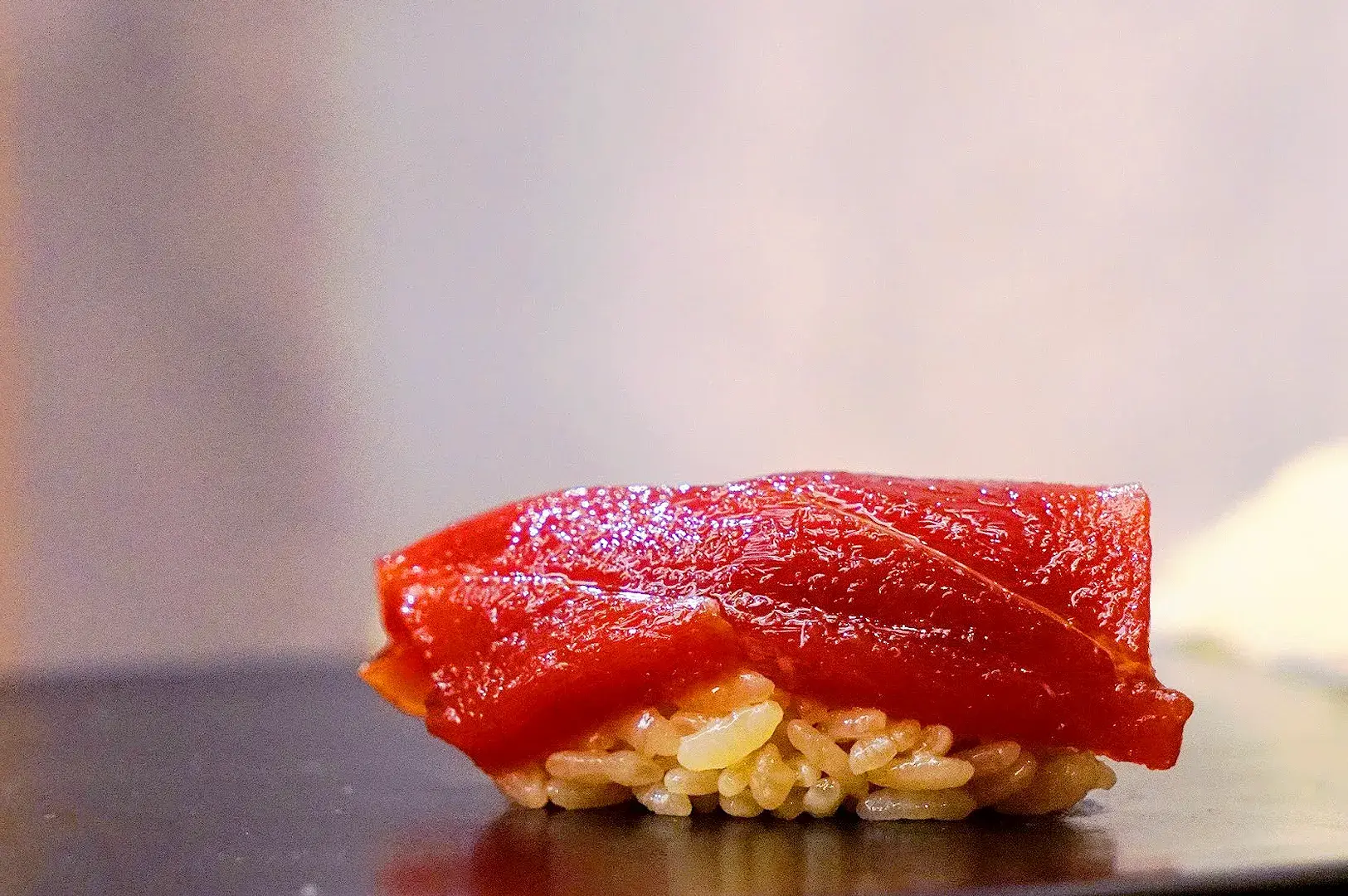
Shoukouwa is a beacon among the best Japanese restaurants in Singapore, renowned for its exquisite sushi and sashimi sourced directly from Tokyo’s Toyosu Market. The freshness of the seafood here is unparalleled, with each bite of raw fish offering a clean, pristine flavor that highlights the quality ingredients and traditional Japanese culinary techniques, including the Edomae sushi style that originated in Tokyo’s Edo period.
This sushi bar emphasizes traditional Japanese cuisine’s hallmark: simplicity and purity. The rice bowls and nigiri sushi are crafted to showcase the natural sweetness of the fish balanced by perfectly seasoned rice. The omakase menu is a journey through seasonal produce and premium ingredients, reflecting the rhythms of Tokyo’s freshest catches. The chefs, highly trained in traditional methods, prepare each piece with precision, ensuring a harmonious balance of texture and flavor.
Lunch is served Wednesday to Saturday, 12:30pm–3:00pm, and dinner Tuesday to Saturday with two seatings, 6:00pm–8:00pm and 8:15pm–10:30pm. Closed Sundays and Mondays, aligning with Toyosu Market schedules.
Best for: Business entertaining, ingredient-focused diners, and lovers of traditional Japanese dining.
Avoid if: You dislike fixed-course meals or prefer casual Japanese dishes.
Insider tip: Check opening hours carefully due to seafood sourcing from Toyosu Market.
3. Waku Ghin (Marina Bay Sands) – Luxury Japanese Dining Beyond Sushi
Nearest MRT: Bayfront MRT, 3–5 minutes walk
Price: $$$$
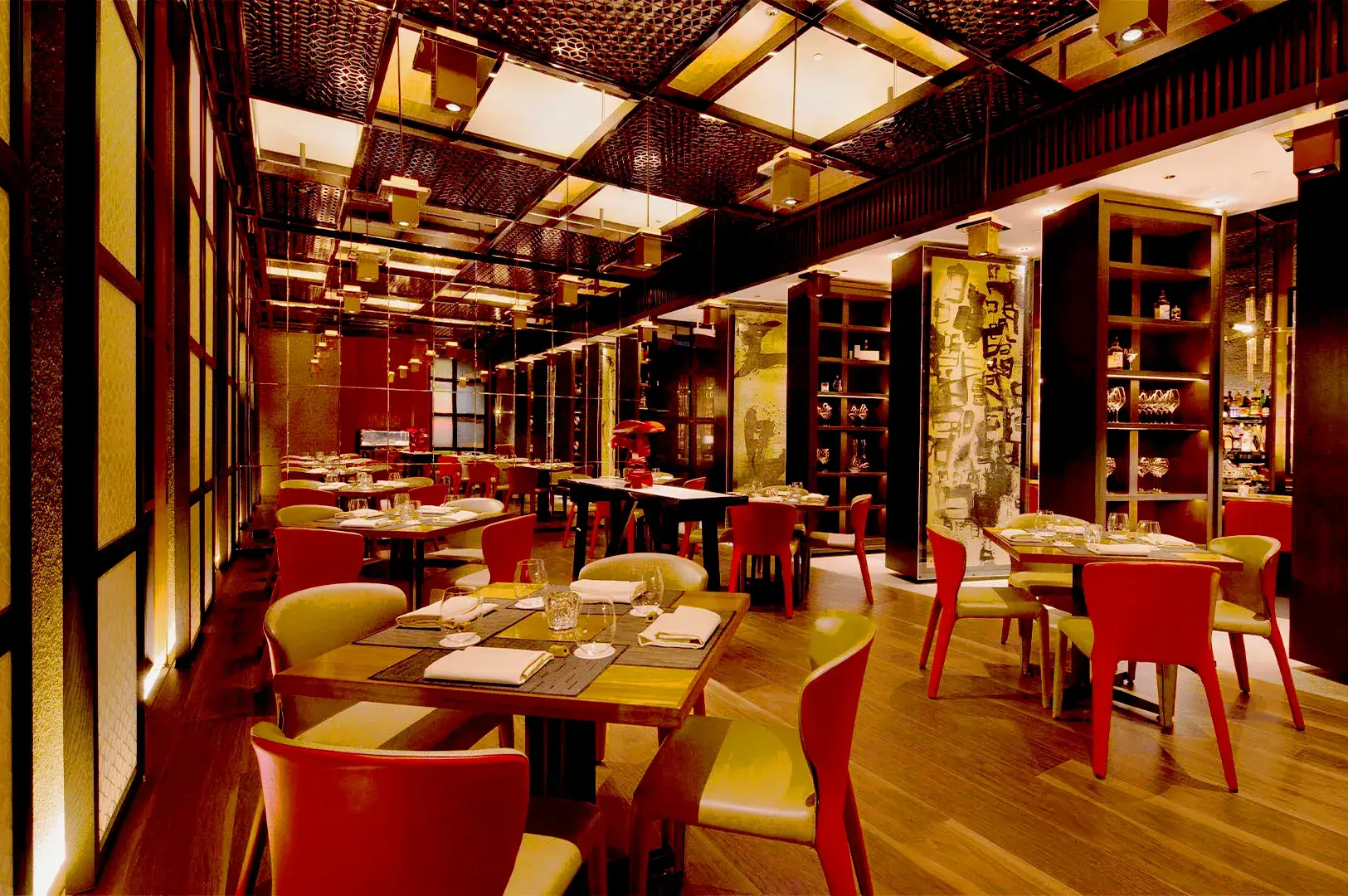
Waku Ghin redefines Japanese dining by expanding beyond sushi to a theatrical fine dining experience. This One Michelin Star restaurant by Chef Tetsuya Wakuda blends seasonal Japanese dishes with premium ingredients like sea urchin and caviar, creating a symphony of textures and flavors that excite the taste buds. The menu evolves with the seasons, celebrating signature dishes that incorporate the freshest seafood and produce.
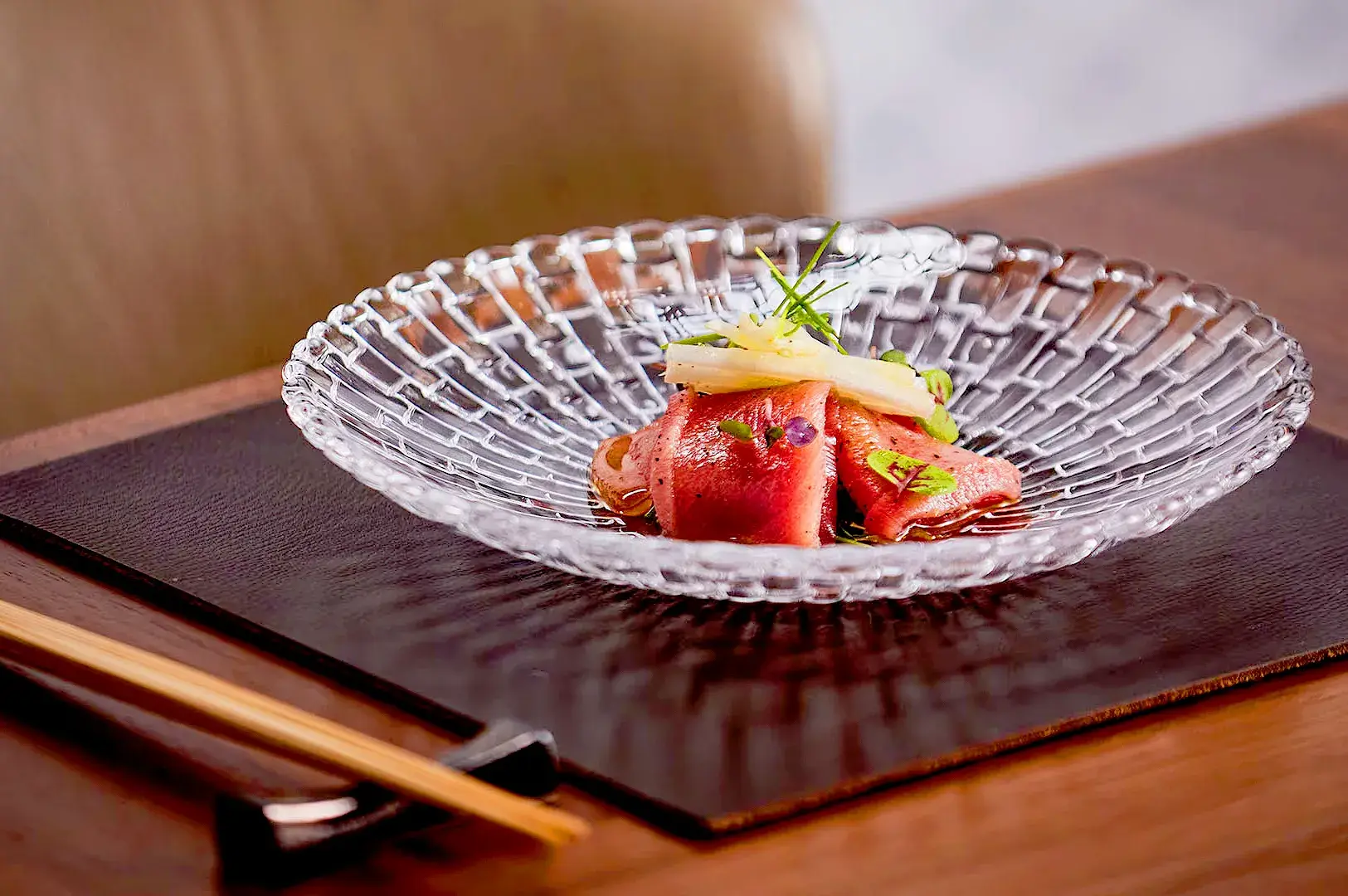
The first bite might be an oyster topped with caviar or a delicate plate of premium sashimi, each course crafted with the freshest seafood and seasonal produce. The Chef’s Table menu at S$550 per person offers a luxurious journey through Japanese cuisine’s artistry, with impeccable pacing and presentation. The restaurant’s focus on omotenashi hospitality ensures diners feel cared for throughout the experience.
The bar and dining areas open daily from 5:00pm, with Chef’s Table seatings usually at 5:00pm and 7:30pm.
Best for: Milestone celebrations, luxury travellers, and diners seeking refined Japanese dishes beyond sushi.
Avoid if: You want casual Japanese food or a budget meal.
Insider tip: Start at the bar for a softer introduction to Waku Ghin’s exquisite Japanese dining style.
4. Sushi Kimura Plus (Conrad Singapore Orchard) – Intimate Omakase with Seasonal Japanese Ingredients
Nearest MRT: Orchard Boulevard MRT, 5–7 minutes walk
Price: $$$$
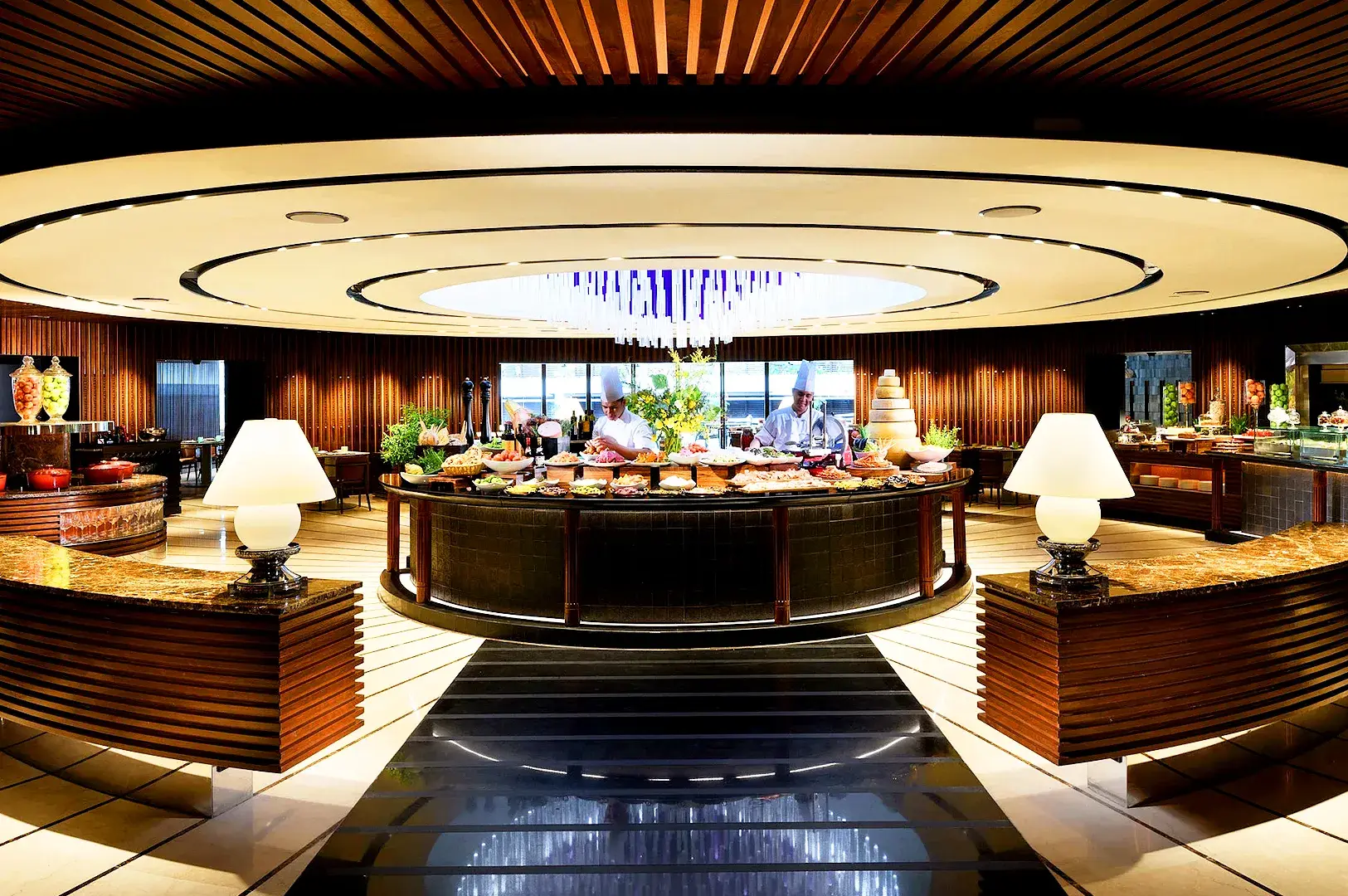
Sushi Kimura Plus offers one of the most intimate Japanese dining experiences in Singapore, with an eight-seat sushi bar where Chef Tomoo Kimura personally prepares each piece. This is traditional Japanese cuisine that honors Edo-period methods like aging and curing, emphasizing the delicate balance between fresh ingredients and rice texture.
The omakase lunch at S$250++ and dinner at S$380++ showcase seasonal seafood flown in from Japan, including premium sashimi selections and nigiri sushi with a perfect balance of warmth and texture. Add-ons like monkfish liver and soft shell crab rolls may be available, enhancing the meal’s depth. The experience here is deeply personal, with Chef Kimura engaging diners about the provenance of ingredients and preparation techniques.
Reservations are strongly recommended due to the limited seating.
Best for: Sushi enthusiasts craving chef interaction and seasonal Japanese dishes.
Avoid if: You prefer privacy or large group dining.
Insider tip: Book the whole counter for a special occasion and inquire about the ankimo (monkfish liver) when available.
Exploring the Depths of Singapore’s Japanese Culinary Scene
Singapore’s Japanese dining scene extends beyond high-end omakase to include a variety of sushi restaurants, ramen joints, and casual eateries located in vibrant areas such as Holland Village, Mandarin Gallery, Chinatown Point, International Plaza, Customs House, Shaw Centre, Thomson Plaza, and Palais Renaissance. These establishments offer a range of experiences from affordable sushi platters and unlimited servings to dry ramen and specialty dishes made with high quality seafood. For those interested in the lively izakaya scene in Singapore, Eat Drink Asia provides excellent guides to the best spots to enjoy skewers, sake, and vibrant atmosphere.
Diverse Dining Options Across the City
Many restaurants emphasize low prices without compromising on good food, catering to both casual diners and aficionados. The availability of international seafood imports and Singapore’s robust shipping hub ensures that fresh ingredients are a hallmark of Japanese cuisine here.
- Ganko Sushi imports seafood from Japan three times a week, guaranteeing freshness.
- Tomi Sushi is known for its multiple locations and thickly sliced sashimi.
- Hearty meal options can be found at places like Nanbantei at Far East Plaza and Waa Cow with multiple locations.
Varied Experiences to Suit Every Craving
Whether you are looking for:
- Sushi Sato-style omakase
- All-you-can-eat buffets
- A quick bowl of ramen on a weekday (Mon-Tue or Mon-Fri)
Singapore’s Japanese restaurants deliver authentic flavors and heartfelt omotenashi hospitality to satisfy every craving.
Must-Try Japanese Staples and Cultural Highlights
For a complete Japanese dining experience, be sure to:
- Try comforting bowls of miso soup with a thick broth
- Explore the vibrant izakaya culture thriving in areas like Cuppage Plaza and East Plaza, where you can enjoy skewers, sashimi, and sake in a lively setting.
Additionally, don’t miss out on lunch sets at popular spots like Sushi Dan at Raffles City Shopping Centre or the fresh sushi platters at The Sushi Bar with locations at Ngee Ann City and Far East Plaza.
So, Where Should You Go?
When considering the best Japanese dining experiences in Singapore, the focus should be on the quality and character of that first bite. Exceptional Japanese cuisine is defined by quiet precision, purity of ingredients, impactful luxury, and intimate craftsmanship. Each dining experience offers a unique impression shaped by factors such as ingredient freshness, meticulous preparation, and the harmony of flavors.
Choosing the right Japanese restaurant depends on the occasion and personal preferences, whether you seek polished sushi, refined Edomae techniques, theatrical fine dining, or a warm, interactive counter experience. Ultimately, the best Japanese dining experience is one that delivers authentic flavors, heartfelt hospitality, and leaves a lasting impression from the very first bite.

Moo Ping and the Structure of Thai Grilled Street Meat
Dio Asahi | April 30, 2026
The first thing I noticed was the smoke, thin, controlled, rising steadily from a charcoal grill along a Bangkok street. Skewers of pork turned in a quiet rhythm, fat dripping and hissing as it met the heat. The air carried layers of scent: sweet palm sugar, garlic, and a faint fermented depth beneath it. I…
-
Where Kuala Lumpur Actually Begins: Reading the City Through Its Food
Eat Drink Asia Team | April 30, 2026
There are cities you can understand through maps, and then there are cities like Kuala Lumpur that only begin to make sense when you follow what people eat. Not what is recommended or ranked, but what is repeated. The same stall visited every week, the same dish ordered without hesitation, the same flavours that feel…
-
The Silent Language of the Table: How Traditional Food in China Speaks Through Generations
Eda Wong | April 28, 2026
When I first tried to navigate a traditional Cantonese family dinner, I made a spectacularly embarrassing mistake. I sat down, looked at the sprawling, beautifully written menu, and confidently ordered an individual plate of sweet and sour pork just for myself. The table went completely quiet. My host gently nudged the menu back towards the…
-
The Golden Roux Revolution: Best Japanese Curry Singapore Spots That Redefine Comfort Food
Eat Drink Asia Team | April 25, 2026
April 25, 2026 | Eat Drink Asia Team Last updated: September 17, 2026 We have always believed that a brilliant plate of Japanese curry is the ultimate culinary hug. Over the past eight months, we made it our personal mission to embark on a comprehensive culinary journey across Singapore, hunting down the absolute best bowls…

Noodle Masterpieces: Celebrating the Craft
Eat Drink Asia Team | April 24, 2026
Noodles have a timeless place in the world of food, and Taste Our Traditions can attest that only few dishes are as universally loved. What makes a bowl of noodles truly stand out is not just the ingredients, but the artistry and skill behind their creation. Noodle-making is an ancient craft that demands patience, precision,…
-
Charcoal Smoke and Yakitori Evenings in Osaka
Eda Wong | April 24, 2026
The first thing I noticed was the smoke. It didn’t rise all at once, but in thin, steady ribbons that curled upward from a narrow grill set just inches from the counter. The scent came first, warm and unmistakable, a mix of rendered chicken fat and binchōtan charcoal, clean but deeply present. Inside the small…
-
Cracking the Code of Telur Thai: Inside Egg Thai West Mall, a Kitchen That Tells a Story
Dio Asahi | April 23, 2026
I visited on a Tuesday around 7pm, completely exhausted from a long day of meetings and staring at screens. I wasn’t looking for a fancy culinary journey or a trend-setting dining experience. Honestly, I just wanted a quick, comforting meal that would hit the spot without emptying my wallet. That specific craving led me to…

Sanook Kitchen’s Thai Omelette Rice: A Heartland Answer to Singapore’s Thai Food Saturation
Eda Wong | April 21, 2026
If you live in Singapore, you know that finding Thai food is about as difficult as finding a humid day. We are spoiled for choice. From gritty hawker stalls serving fiery basil pork to upscale restaurants where a bowl of tom yum costs more than a taxi ride, the options are endless. But sometimes, you…
-
The Golden Fold: How Thailand’s Street-Side Omelette Became a Morning Ritual
Dio Asahi | April 18, 2026
Dawn breaks over Bangkok with a familiar symphony. Before the intense heat settles and the traffic swells into a steady roar, the city streets belong to the food vendors. Amid the clatter of metal tools and the hum of early commuters, one sound stands out: the furious, bubbling sizzle of eggs hitting smoking-hot oil. This…

Lesson I Didn’t Expect: How Fourgather’s Easy Asian Recipes Taught Me to Cook at Home
Eda Wong | April 16, 2026
For the longest time, I was convinced that cooking authentic Thai food at home was out of my league. I imagined complex pastes, hours of simmering, and a mountain of ingredients I couldn’t pronounce. I was happy to leave it to the experts. But a casual dinner at Fourgather, a stylish Thai eatery in Telok…