I built this list around a very specific feeling: that first bite where the room goes quiet for a second. I’ve tried enough Japanese restaurants in Singapore over the years to know that “best” does not always mean the most expensive, the rarest, or the hardest to book. Sometimes it is the warmth of the sushi rice. Sometimes it is the way seafood tastes almost clean enough to disappear. Sometimes it is the first spoonful of luxury that tells you the meal is going to be serious. This is especially true when exploring the best omakase Singapore has to offer, where each course is thoughtfully curated to highlight seasonal ingredients and impeccable technique.
For this guide, I kept the list tight: four Japanese restaurants in Singapore that understand timing, texture, and restraint. They are not casual everyday spots. They are places for diners who want a meal to unfold slowly, with attention paid to the first impression as much as the final course.
1. Sushi Sakuta (Millenia Walk) – Best Japanese Restaurant Singapore for Exquisite Sushi
Nearest MRT: Promenade MRT, 3–5 minutes walk
Price: $$$$
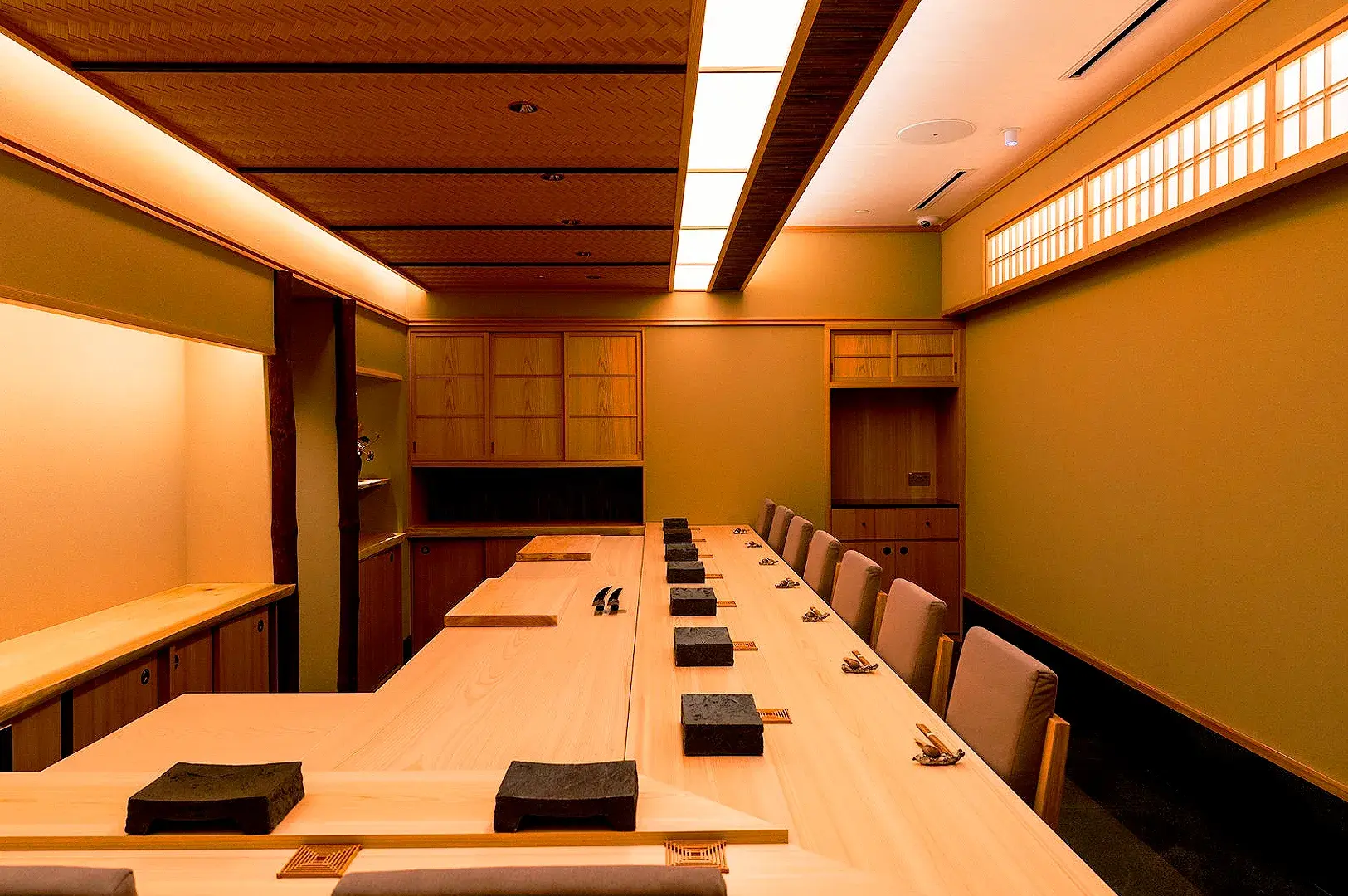
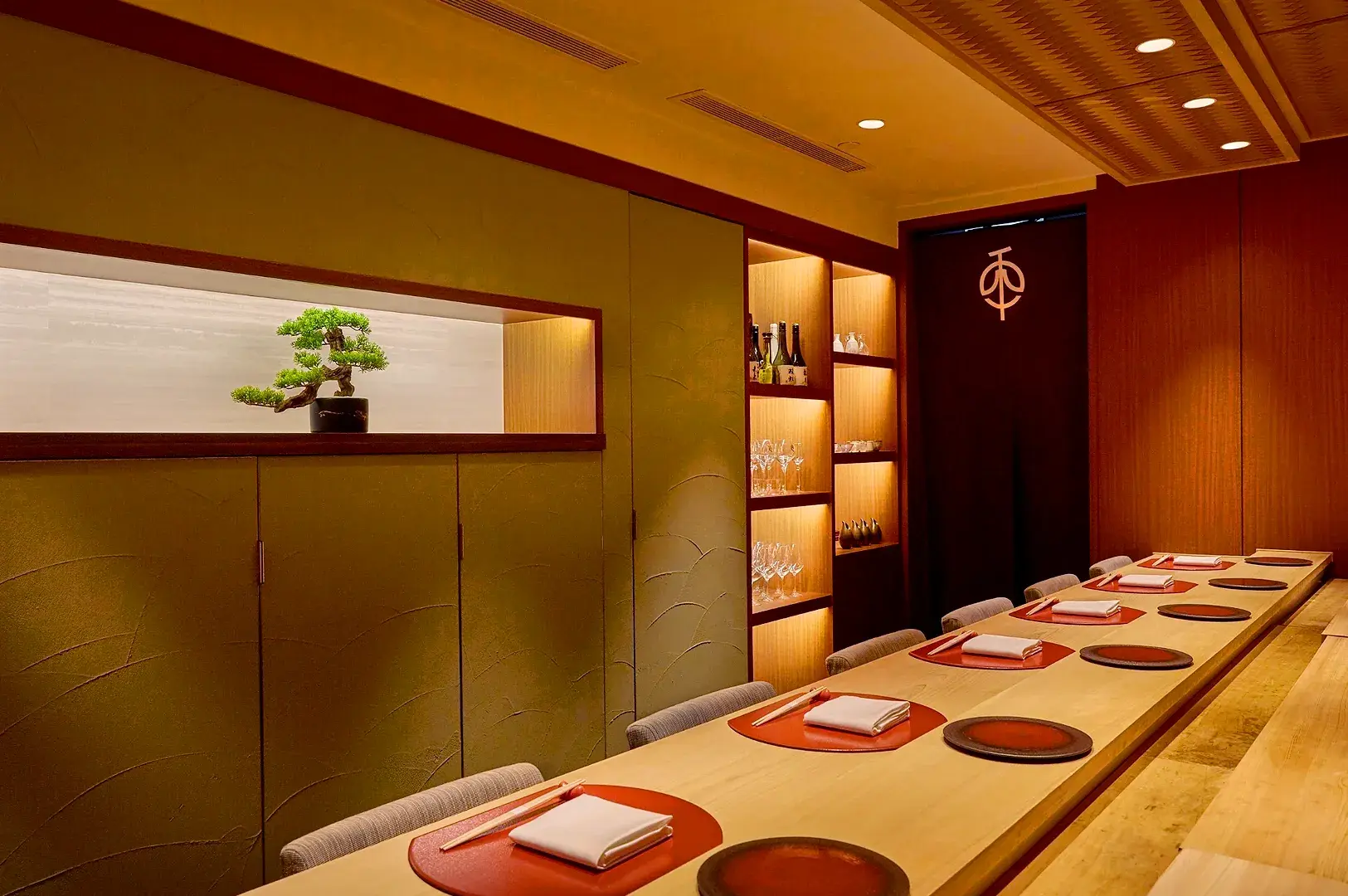
Sushi Sakuta stands as one of the best Japanese restaurants in Singapore, a refined sanctuary for lovers of traditional Japanese cuisine and fresh sashimi. This Two Michelin Star sushi bar is a masterclass in restraint and precision. The intimate 10-seat counter, crafted from a 200-year-old cypress tree from Nara, sets the stage for an immersive Japanese dining experience that highlights the vibrant izakaya culture through its serene and focused atmosphere.
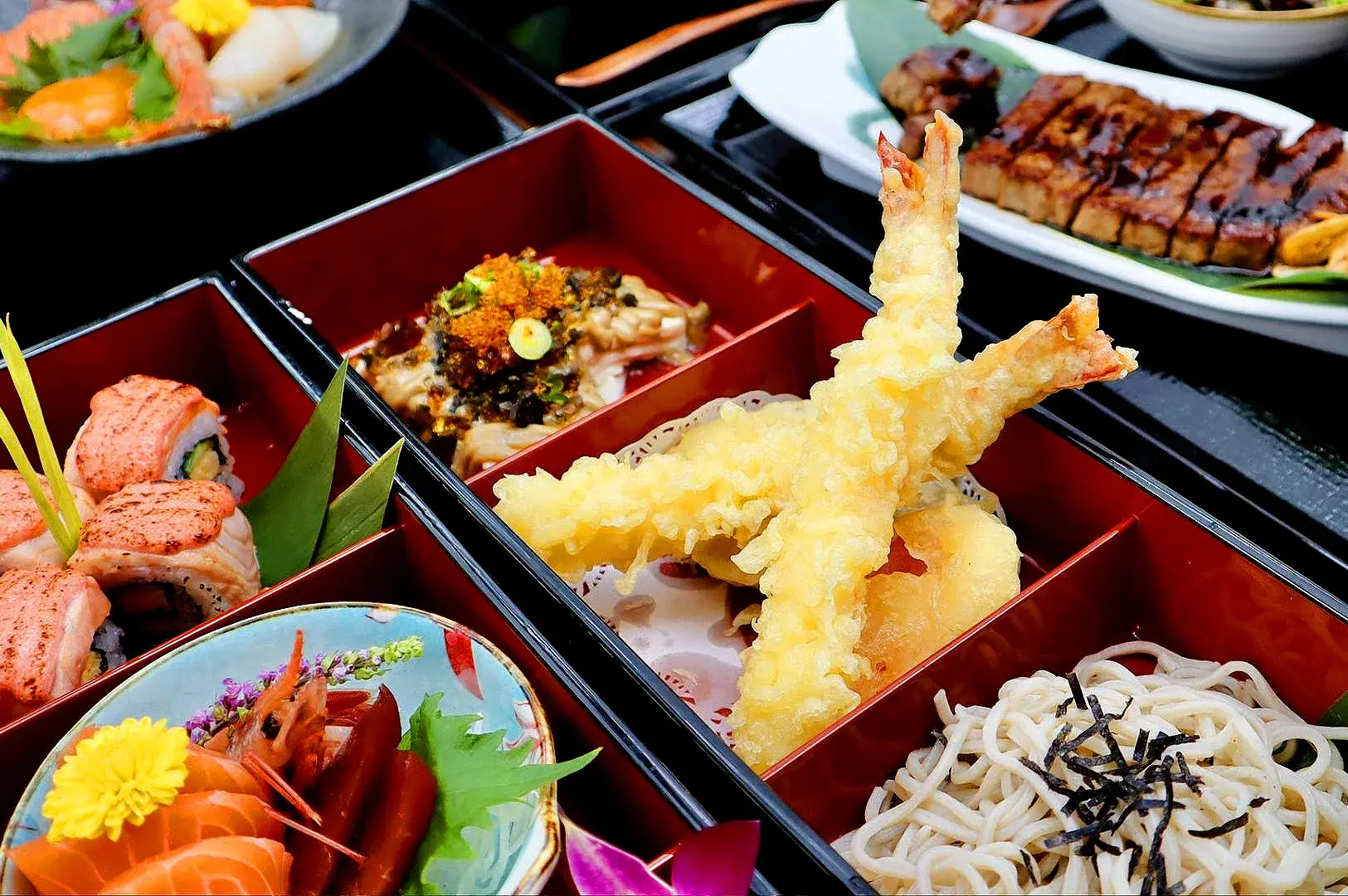
The moment you taste the sushi, you’ll notice the warm, gently seasoned rice that cradles each slice of fresh seafood with delicate firmness. The nigiri sushi here is a sensory delight: the fish melts softly on the tongue, revealing subtle layers of umami enhanced by slight aging or acidity, depending on the day’s freshest catches. Signature dishes like the kaisen chirashi don and salmon belly nigiri showcase the chef’s dedication to ingredient quality and seasonality, with seafood flown in daily from Japan’s Toyosu Market. This is Japanese food at its quietest and most profound.
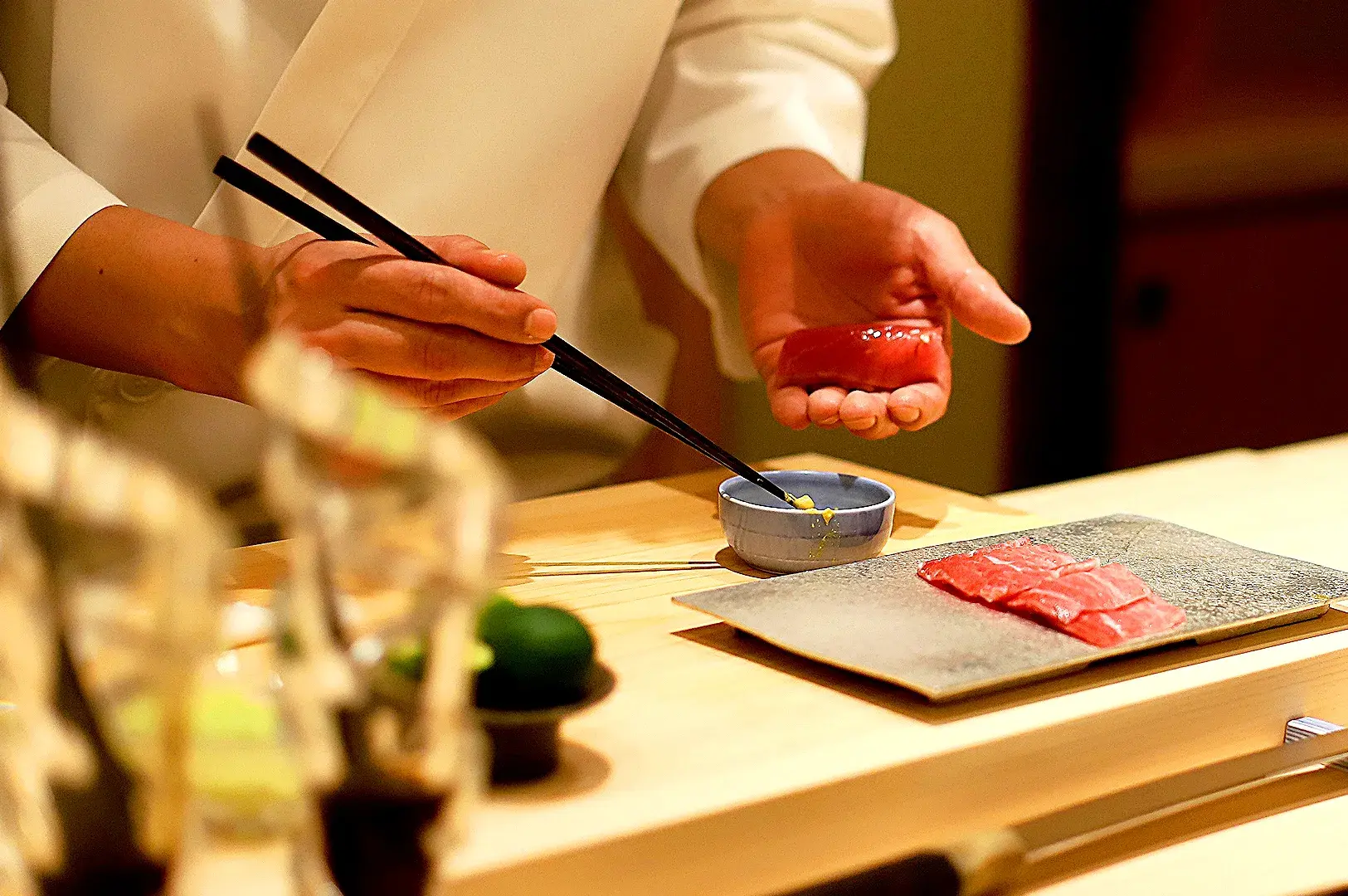
The signature omakase lunch starts from around S$350++, with dinner experiences often beginning at S$500++. Reservations are essential, and cancellation policies are strict due to the premium ingredients and meticulous preparation involved.
Best for: Special occasions, serious sushi lovers, and those seeking the best sushi crafted with premium ingredients.
Avoid if: You prefer casual sushi rolls, à la carte dishes, or budget-friendly Japanese dining.
Insider tip: Request counter seating to watch the chef’s artistry unfold, savoring each piece while the rice is still warm and alive.
2. Shoukouwa (One Fullerton) – Michelin-Starred Edomae Sushi Experience
Nearest MRT: Raffles Place MRT, 5–8 minutes walk
Price: $$$$
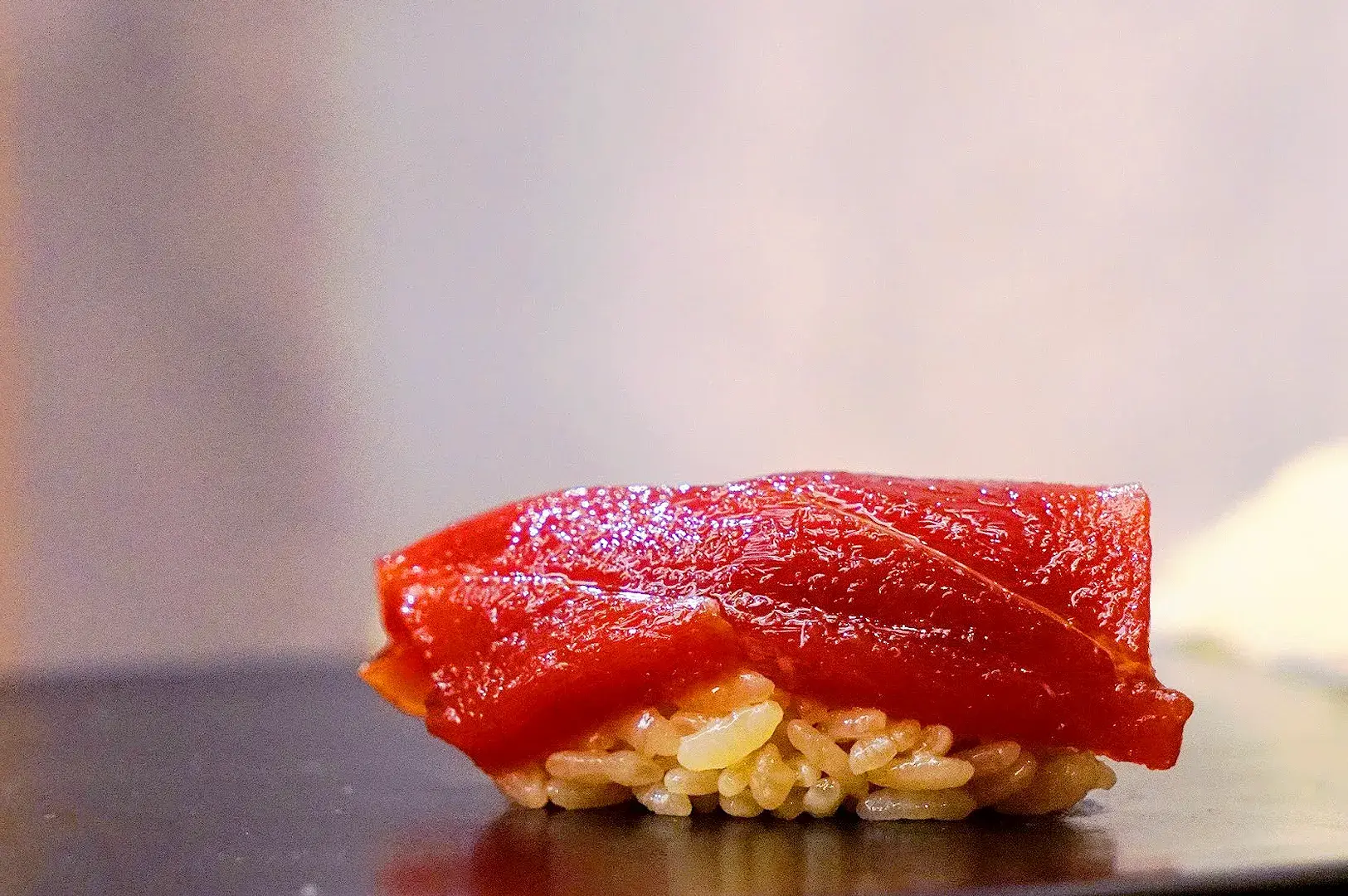
Shoukouwa is a beacon among the best Japanese restaurants in Singapore, renowned for its exquisite sushi and sashimi sourced directly from Tokyo’s Toyosu Market. The freshness of the seafood here is unparalleled, with each bite of raw fish offering a clean, pristine flavor that highlights the quality ingredients and traditional Japanese culinary techniques, including the Edomae sushi style that originated in Tokyo’s Edo period.
This sushi bar emphasizes traditional Japanese cuisine’s hallmark: simplicity and purity. The rice bowls and nigiri sushi are crafted to showcase the natural sweetness of the fish balanced by perfectly seasoned rice. The omakase menu is a journey through seasonal produce and premium ingredients, reflecting the rhythms of Tokyo’s freshest catches. The chefs, highly trained in traditional methods, prepare each piece with precision, ensuring a harmonious balance of texture and flavor.
Lunch is served Wednesday to Saturday, 12:30pm–3:00pm, and dinner Tuesday to Saturday with two seatings, 6:00pm–8:00pm and 8:15pm–10:30pm. Closed Sundays and Mondays, aligning with Toyosu Market schedules.
Best for: Business entertaining, ingredient-focused diners, and lovers of traditional Japanese dining.
Avoid if: You dislike fixed-course meals or prefer casual Japanese dishes.
Insider tip: Check opening hours carefully due to seafood sourcing from Toyosu Market.
3. Waku Ghin (Marina Bay Sands) – Luxury Japanese Dining Beyond Sushi
Nearest MRT: Bayfront MRT, 3–5 minutes walk
Price: $$$$
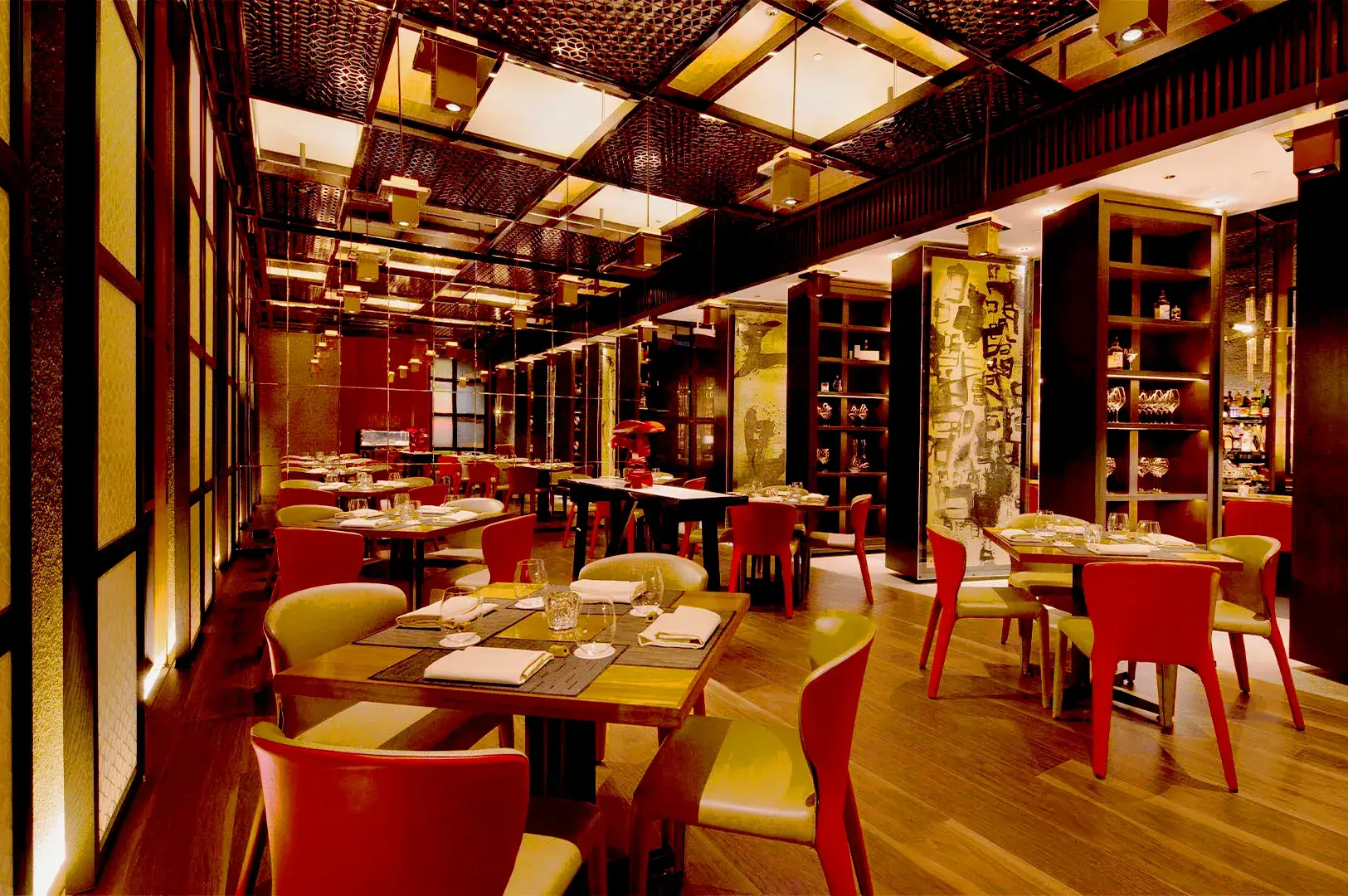
Waku Ghin redefines Japanese dining by expanding beyond sushi to a theatrical fine dining experience. This One Michelin Star restaurant by Chef Tetsuya Wakuda blends seasonal Japanese dishes with premium ingredients like sea urchin and caviar, creating a symphony of textures and flavors that excite the taste buds. The menu evolves with the seasons, celebrating signature dishes that incorporate the freshest seafood and produce.
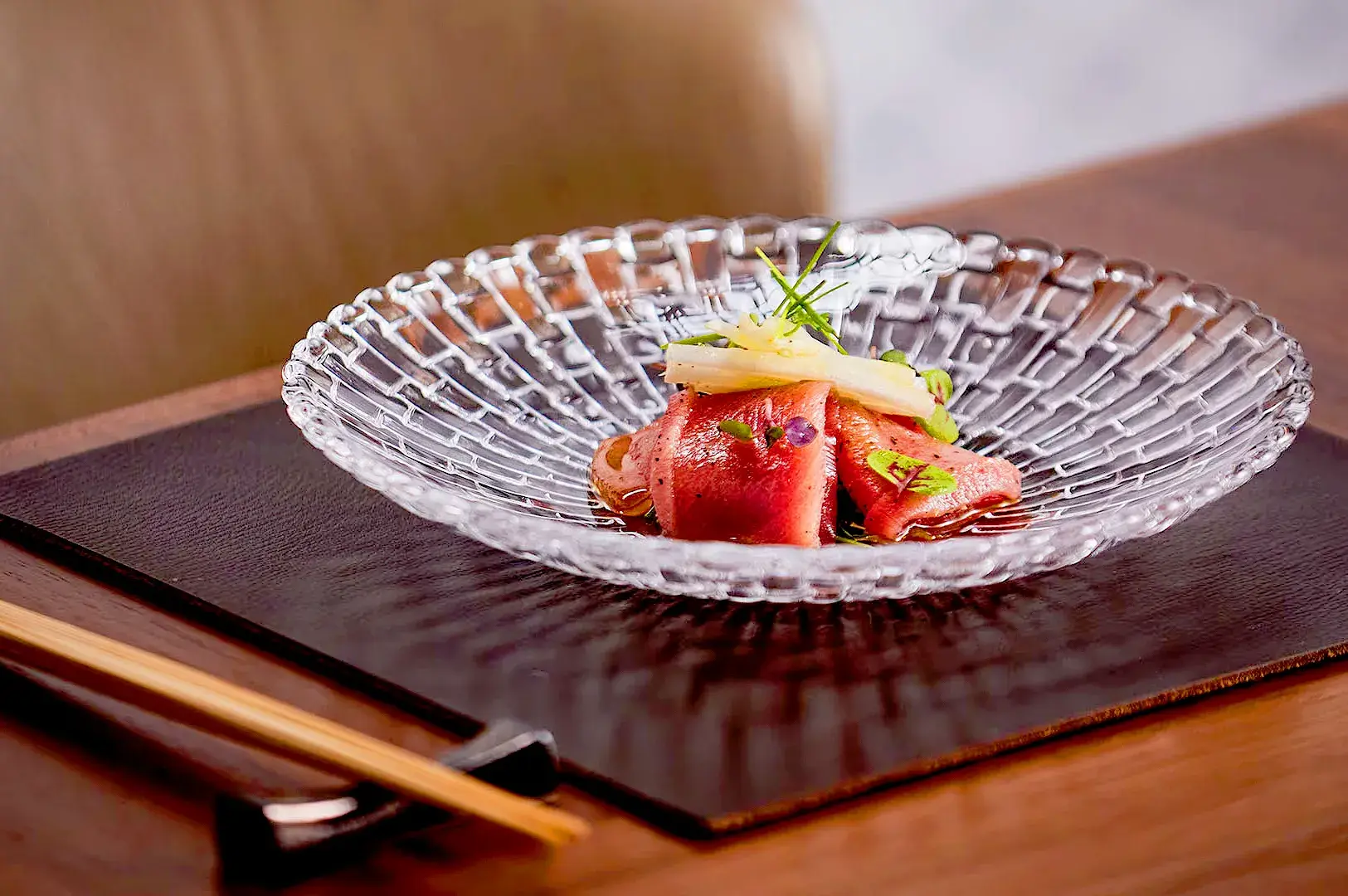
The first bite might be an oyster topped with caviar or a delicate plate of premium sashimi, each course crafted with the freshest seafood and seasonal produce. The Chef’s Table menu at S$550 per person offers a luxurious journey through Japanese cuisine’s artistry, with impeccable pacing and presentation. The restaurant’s focus on omotenashi hospitality ensures diners feel cared for throughout the experience.
The bar and dining areas open daily from 5:00pm, with Chef’s Table seatings usually at 5:00pm and 7:30pm.
Best for: Milestone celebrations, luxury travellers, and diners seeking refined Japanese dishes beyond sushi.
Avoid if: You want casual Japanese food or a budget meal.
Insider tip: Start at the bar for a softer introduction to Waku Ghin’s exquisite Japanese dining style.
4. Sushi Kimura Plus (Conrad Singapore Orchard) – Intimate Omakase with Seasonal Japanese Ingredients
Nearest MRT: Orchard Boulevard MRT, 5–7 minutes walk
Price: $$$$
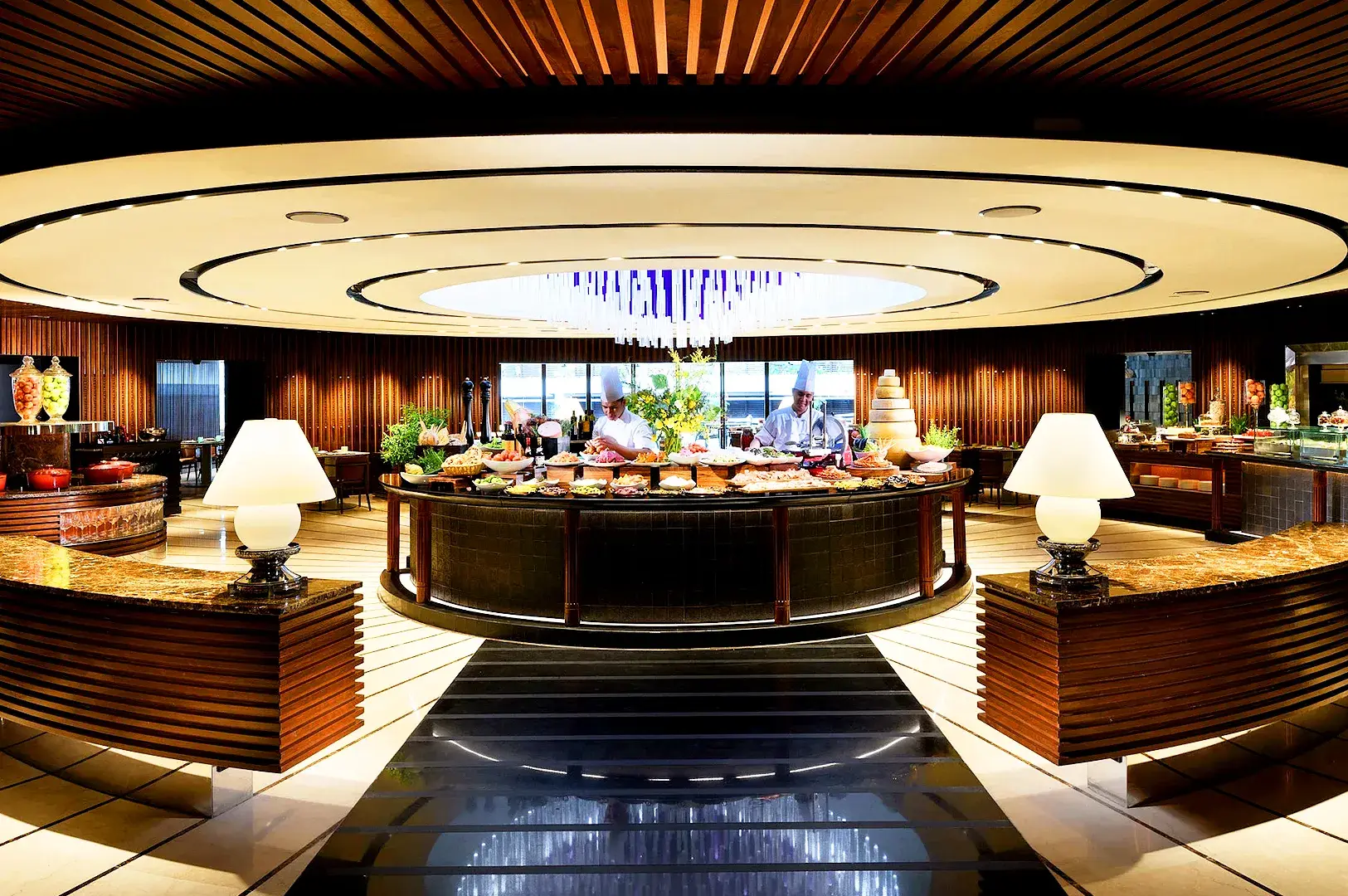
Sushi Kimura Plus offers one of the most intimate Japanese dining experiences in Singapore, with an eight-seat sushi bar where Chef Tomoo Kimura personally prepares each piece. This is traditional Japanese cuisine that honors Edo-period methods like aging and curing, emphasizing the delicate balance between fresh ingredients and rice texture.
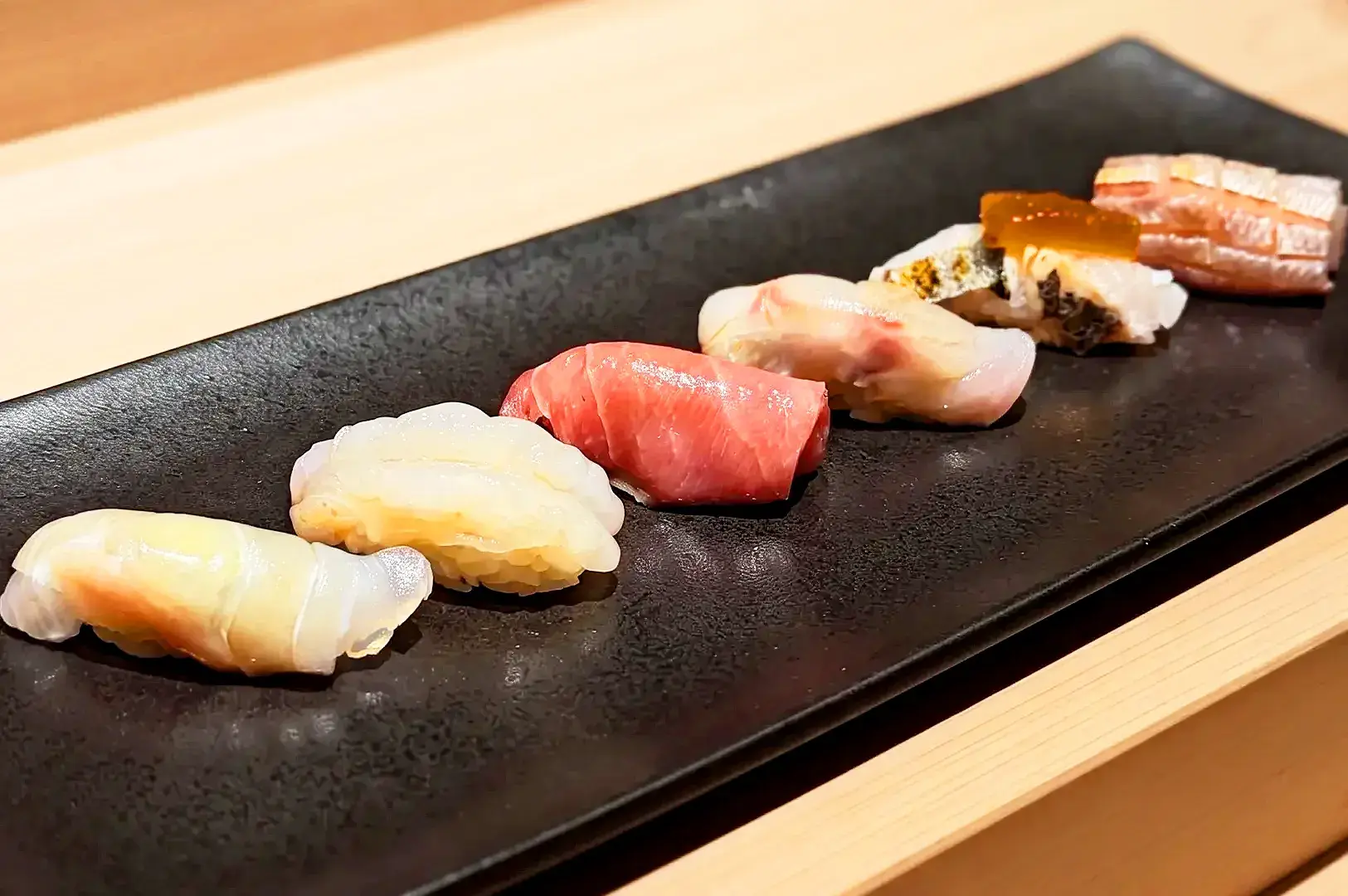
The omakase lunch at S$250++ and dinner at S$380++ showcase seasonal seafood flown in from Japan, including premium sashimi selections and nigiri sushi with a perfect balance of warmth and texture. Add-ons like monkfish liver and soft shell crab rolls may be available, enhancing the meal’s depth. The experience here is deeply personal, with Chef Kimura engaging diners about the provenance of ingredients and preparation techniques.
Reservations are strongly recommended due to the limited seating.
Best for: Sushi enthusiasts craving chef interaction and seasonal Japanese dishes.
Avoid if: You prefer privacy or large group dining.
Insider tip: Book the whole counter for a special occasion and inquire about the ankimo (monkfish liver) when available.
Exploring the Depths of Singapore’s Japanese Culinary Scene
Singapore’s Japanese dining scene extends beyond high-end omakase to include a variety of sushi restaurants, ramen joints, and casual eateries located in vibrant areas such as Holland Village, Mandarin Gallery, Chinatown Point, International Plaza, Customs House, Shaw Centre, Thomson Plaza, and Palais Renaissance. These establishments offer a range of experiences from affordable sushi platters and unlimited servings to dry ramen and specialty dishes made with high quality seafood. For those interested in the lively izakaya scene in Singapore, Eat Drink Asia provides excellent guides to the best spots to enjoy skewers, sake, and vibrant atmosphere.
Diverse Dining Options Across the City
Many restaurants emphasize low prices without compromising on good food, catering to both casual diners and aficionados. The availability of international seafood imports and Singapore’s robust shipping hub ensures that fresh ingredients are a hallmark of Japanese cuisine here.
- Ganko Sushi imports seafood from Japan three times a week, guaranteeing freshness.
- Tomi Sushi is known for its multiple locations and thickly sliced sashimi.
- Hearty meal options can be found at places like Nanbantei at Far East Plaza and Waa Cow with multiple locations.
Varied Experiences to Suit Every Craving
Whether you are looking for:
- Sushi Sato-style omakase
- All-you-can-eat buffets
- A quick bowl of ramen on a weekday (Mon-Tue or Mon-Fri)
Singapore’s Japanese restaurants deliver authentic flavors and heartfelt omotenashi hospitality to satisfy every craving.
Must-Try Japanese Staples and Cultural Highlights
For a complete Japanese dining experience, be sure to:
- Try comforting bowls of miso soup with a thick broth
- Explore the vibrant izakaya culture thriving in areas like Cuppage Plaza and East Plaza, where you can enjoy skewers, sashimi, and sake in a lively setting.
Additionally, don’t miss out on lunch sets at popular spots like Sushi Dan at Raffles City Shopping Centre or the fresh sushi platters at The Sushi Bar with locations at Ngee Ann City and Far East Plaza.
So, Where Should You Go?
When considering the best Japanese dining experiences in Singapore, the focus should be on the quality and character of that first bite. Exceptional Japanese cuisine is defined by quiet precision, purity of ingredients, impactful luxury, and intimate craftsmanship. Each dining experience offers a unique impression shaped by factors such as ingredient freshness, meticulous preparation, and the harmony of flavors.
Choosing the right Japanese restaurant depends on the occasion and personal preferences, whether you seek polished sushi, refined Edomae techniques, theatrical fine dining, or a warm, interactive counter experience. Ultimately, the best Japanese dining experience is one that delivers authentic flavors, heartfelt hospitality, and leaves a lasting impression from the very first bite.

The Best Restaurants Tokyo Are Rarely the Ones You Plan For
Eda Wong | January 12, 2026
Tokyo, Japan’s capital, does not reward urgency. It rewards return. On my first visit, I chased what everyone told me were the best restaurants Tokyo had to offer. I spent weeks highlighting maps, bookmarking digital “must-eat” lists, and refreshing reservation pages until my eyes blurred. I thought that by conquering the top-tier establishments, I would…
-
Japan and Food: Culinary Harmony – The Deep Connection Between Japanese Food and Culture
Eat Drink Asia Team | January 11, 2026
When it comes to Japan and food, the two are intertwined in ways that captivate taste buds and awaken the senses. Japanese cuisine stands as one of the world’s most revered traditions—more than nourishing meals, it is an art reflecting centuries of philosophy and a window into Japanese culture itself. Every bowl of miso soup,…
-
The Verdant Cup: A Celebration of Green Tea in Japan
Eda Wong | January 10, 2026
In Japan, green tea is much more than a beverage. It marks a moment of pause, hospitality, and tradition. The story of green tea in Japan weaves through centuries of culture, artistry, and daily life—bridging ancient rituals like the Japanese tea ceremony to everyday meals enjoyed at home. The origins and beginning of Japanese tea…
-
Japanese Green Tea from Japan: The Story of Matcha
Dio Asahi | January 8, 2026
On a misty April morning in Kyoto, I knelt on tatami in a small tea room outside Uji, Japan. The host, dressed in kimono, moved with quiet skill as she scooped matcha powder into a ceramic bowl. The air was filled with the aroma of aged wood mixed with the grassy scent of high quality…
-
Takoyaki: The Sizzling Heart of Japan Food Culture
Dio Asahi | January 3, 2026
What is Takoyaki and Why Does it Matter in Japanese Food Culture? In the bright heart of Osaka, the sizzle of takoyaki batter signals one of Japan food culture’s most beloved street foods. Lines form at street stalls drawn by the delicious food aromas of sweet-savory sauce and bonito flakes dancing on golden spheres. Takoyaki,…
-
Everything You Need for a Flawless Bubble Tea Cake
Eda Wong | January 1, 2026
The global bubble tea phenomenon has evolved beyond drinks into the world of baking, creating one of the most exciting dessert trends of recent years. Bubble tea cake combines the beloved flavors of milk tea with the satisfying chew of boba pearls, all wrapped up in an adorable bubble tea cake that’s perfect for any…
-
Pad Thai Dish: Everything You Need to Know About the Rice Noodles That Make It Authentic
Eat Drink Asia Team | December 30, 2025
Pad Thai is more than just a staple of Thai Food; it’s a Global Phenomenon. From bustling street carts in Bangkok to high-end Thai Restaurants in New York, this iconic Pad Thai Dish has captured the hearts and palates of food lovers everywhere. The best Pad Thai rivals what you would find in a typical…
-
Thailand Food Pad Thai: Thailand’s Iconic Stir-Fried Noodle Dish
Eda Wong | December 27, 2025
Few dishes capture the essence of Thailand food culture like authentic Pad Thai. This beloved stir fried noodle dish is more than a meal-it’s a symbol of Thai identity, a perfect balance of sweet, savoury, and sour flavors, and a window into the soul of Thai cuisine. Whether you want to eat Pad Thai from…
-
Why Fish Curry is a Special Indian Cuisine
Dio Asahi | December 25, 2025
Along India’s vast and vibrant coastline, stretching over 7,500 kilometers, the sea offers its generous bounty to a cuisine renowned for its regional variations. Nowhere is the diversity of the Indian subcontinent more deliciously expressed than in a humble bowl of fish curry. Through this article, we’ll journey across India’s coasts and kitchens, exploring the…
-
Tikka Masala: The Story Behind One of the Most Iconic Dishes in India’s Food Cuisine
Eat Drink Asia Team | December 23, 2025
Ask anyone to name a famous Indian dish, and chances are “Tikka Masala” will be one of the first things they say. This creamy, vibrant, and aromatic curry has become a global symbol for the food cuisine in India, celebrated from street food stalls in Delhi to upscale Indian restaurants around the world. Its rich…