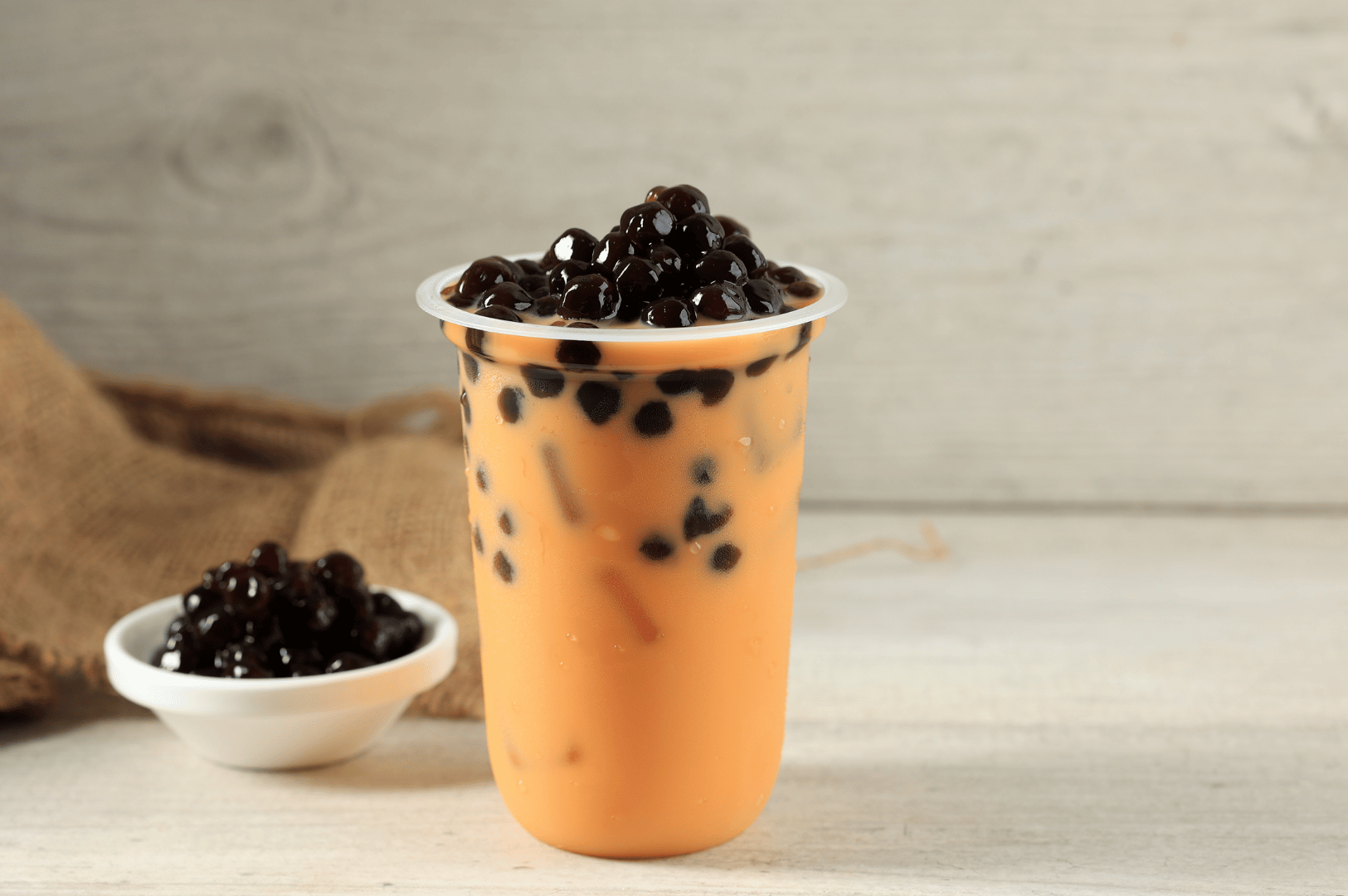
From Taipei to New York, a single drink has captured the world’s taste buds: bubble tea. This beverage, known as pearl milk tea or boba tea, and also known as boba in many regions, is celebrated for its delightful combination of sweet, creamy tea and signature chewy tapioca pearls. What began as a novel creation in Taiwan, which originated in Taiwan in the 1980s, has evolved into a multi-billion dollar bubble tea industry. The bubble tea trend shows no signs of stopping, cementing its place as a global cultural icon.
Bubble tea's history is a fascinating story of innovation, friendly rivalry, and cultural pride. Bubble tea's journey from a Taiwanese local beverage to a global phenomenon highlights its cultural impact, evolution, and widespread popularity.
This deep dive will explore the bubble tea origins, trace its journey around the world, and examine why this boba drink continues to capture the hearts of millions.
The Birth of an Icon: Taiwan Bubble Tea History
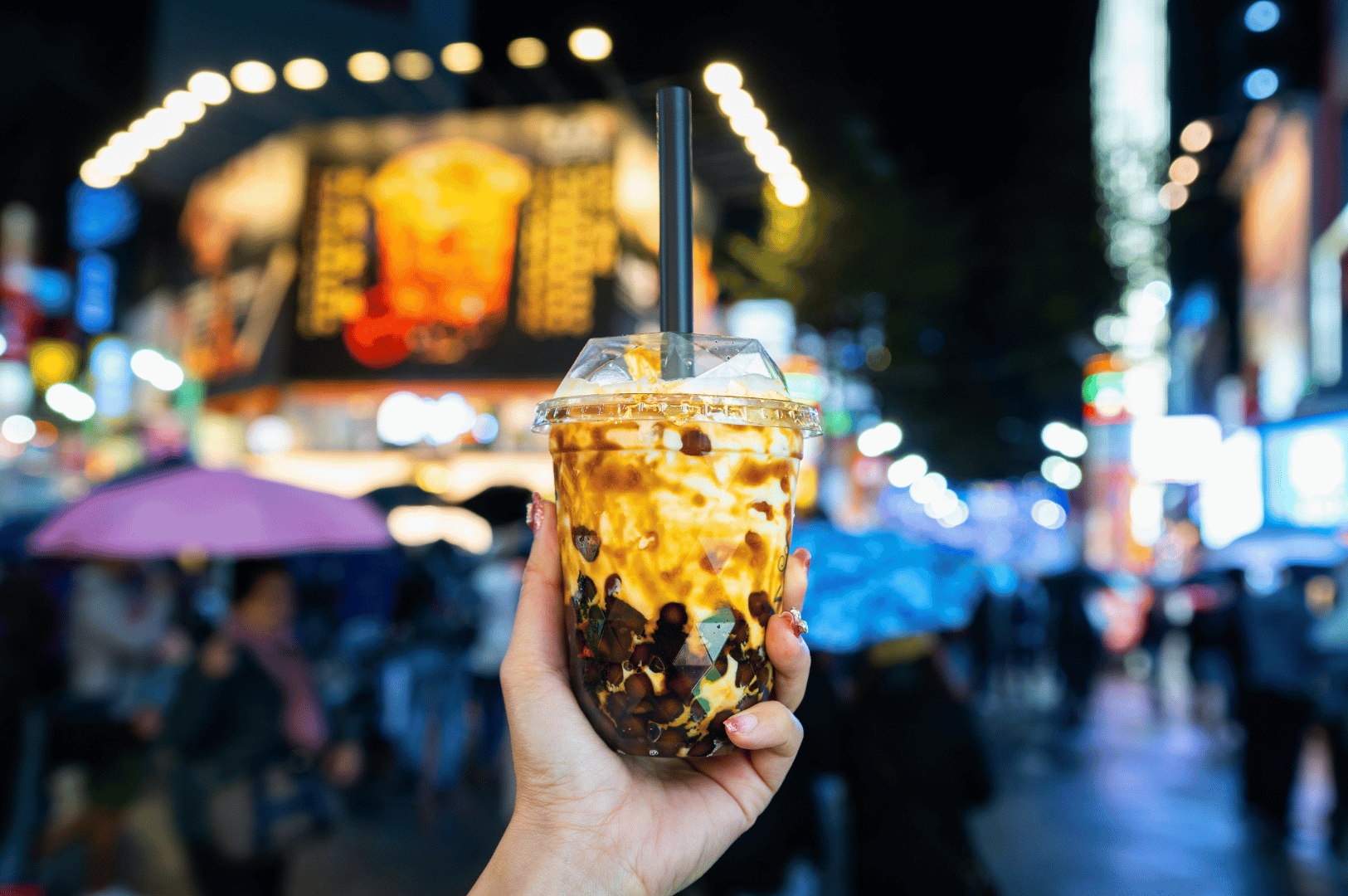
The story of bubble tea begins in 1980s Taiwan, a place with a deeply ingrained tea culture. The exact origin is a topic of spirited debate, with two famous tea shops claiming the title of creator. Both narratives, however, highlight a period of intense creativity that forever changed the way the world drinks tea.
The Competing Creation Stories:
- Chun Shui Tang Teahouse (Taichung): This teahouse, founded by Liu Han-Chieh, was already known for its innovative spirit, having pioneered the idea of serving cold tea. The pivotal moment reportedly occurred in 1988 during a staff meeting. The teahouse’s product development manager, Lin Hsiu Hui, decided to pour her sweetened tapioca pudding, a local dessert, into her iced tea. The result was a surprisingly delicious drink with a unique texture. It was an immediate success, and the first bubble milk tea was born.
- Hanlin Tea Room (Tainan): Tu Tsong-he, the owner of Hanlin Tea Room, presents a different timeline. He claims that in 1986, he was inspired by the sight of white tapioca balls at a local market. Made from tapioca starch derived from the cassava root, these balls had a unique chewiness. He added them to his tea, creating a striking visual contrast he named “pearl tea” (zhēnzhū nǎichá). He later experimented with the now-standard black tapioca balls, which are simmered in brown sugar to enhance their flavor and chewiness. This variation became widely known as black pearl tea, emphasizing the visual and flavor distinction of the black pearls in traditional bubble tea recipes.
While the debate over the first bubble tea shop may never be settled, it’s clear that the 1980s were a new wave of tea innovation in Taiwan. The fundamental concept—combining a tea base with milk and chewy tapioca pearls—was a revolutionary idea that laid the foundation for a global phenomenon.
Deconstructing the Drink: The Magic is in the Mix
The enduring appeal of the bubble tea experience lies in its ingredients and its highly customizable nature. While the classic pearl milk tea is a blend of black tea, milk, sugar, and tapioca, the possibilities are now virtually endless.
- The Tea Base: While strong black tea is traditional, many bubble tea shops now offer a wide variety of options, including aromatic green tea, oolong tea, and even herbal infusions.
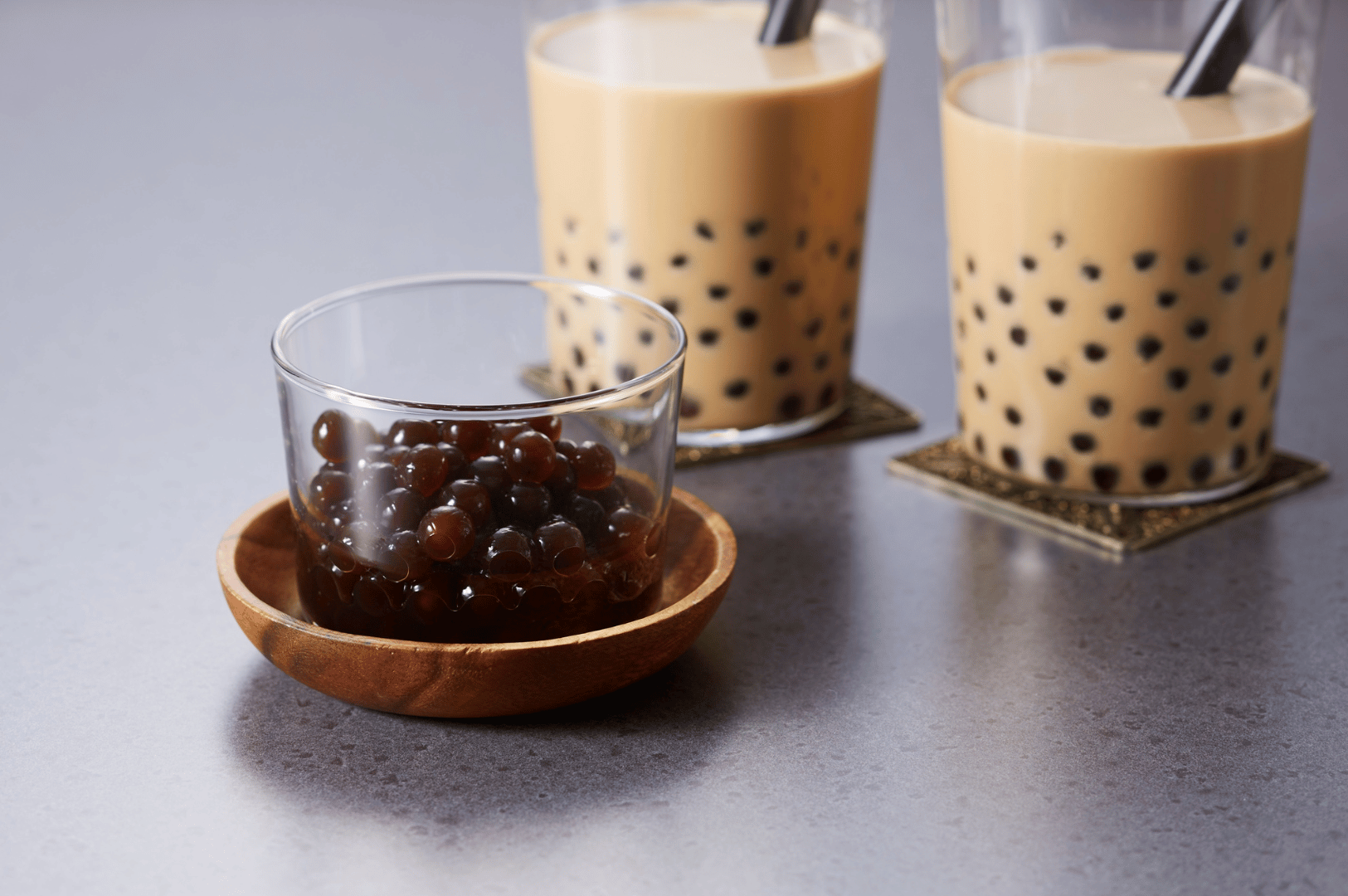
- The Pearls: The star of the show is the chewy tapioca pearls. These small, gelatinous spheres provide the drink's signature texture. Originally small and white, the most common variety today is the larger black tapioca balls, which get their color and sweet taste from brown sugar.
- The Milk: Early versions often used non-dairy creamer for a rich, smooth consistency. However, responding to health-conscious consumers, many modern shops now offer fresh milk, oat milk, or other plant-based alternatives.
- The Sweetness: The level of sugar is almost always customizable. Natural sweeteners, brown sugar syrup, and honey are popular choices.
- The Toppings: The innovation didn't stop with tapioca balls. Today's boba drink can be filled with a wide array of toppings, including fruit jellies, popping boba filled with fruit juice, egg pudding, and fresh fruits.
This customizable nature allows each person to create their favorite drink, perfectly suited to their taste buds. From a simple tea to a dessert-like concoction, the many variations are a key reason bubble tea has become so popular.
Global Expansion: From Taiwan to the World
The bubble tea spread began in the late 1980s as it gained traction across Taiwan. Soon, many bubble tea shops opened, marking the start of a new business venture for countless entrepreneurs. In the 1990s, Taiwanese immigrants brought the bubble tea drink to neighboring countries and communities abroad. The first overseas shops appeared in Hong Kong and mainland China, and soon after, in Asian-American communities in California.
By the 2000s, bubble tea was no longer confined to the local market. Major Taiwanese bubble tea chain brands like Gong Cha began aggressive international expansion plans. They established franchises across Asia, North America, Europe, and Australia, introducing the unique beverage to a much wider audience. This new wave of tea shops transformed the beverage from a niche cultural product into a mainstream global staple.
Market and Industry Trends: Riding the Wave of Popularity
The bubble tea industry is experiencing unprecedented growth, with many bubble tea shops and tea shops opening across the globe. According to Allied Market Research, the global bubble tea market is projected to reach $5.4 billion by 2033, growing at an impressive rate of 5.9% annually. This surge is fueled by young people’s appetite for unique and customizable drinks, as well as a broader shift toward healthier and more diverse beverage options.
Social media has played a crucial role in the bubble tea trend, with visually striking drinks and creative toppings making bubble tea a favorite subject for online sharing. This digital exposure has helped many bubble tea shops attract new customers and build loyal followings. At the same time, the industry is responding to growing concerns about environmental impact. Many bubble tea shops are adopting sustainable packaging and eco-friendly practices to reduce waste and appeal to environmentally conscious consumers.
As the bubble tea industry continues to expand, it is not only shaping the way people drink tea but also influencing broader consumer behavior and expectations in the beverage market.
The Cultural Impact: More Than Just a Drink
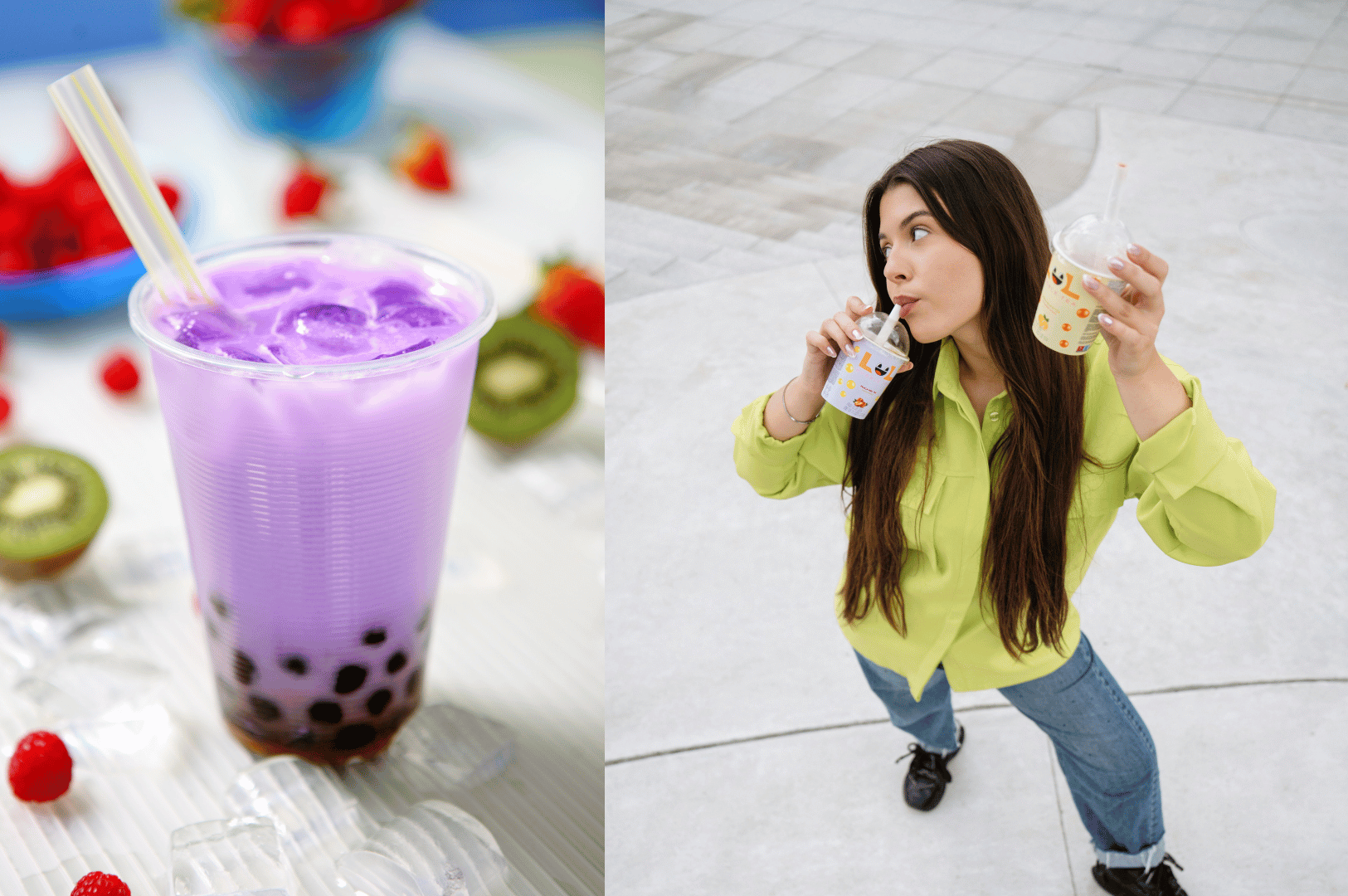
The rise of bubble tea is deeply connected to its cultural significance, especially among young people. It represents a modern, fun, and accessible take on traditional tea culture, which was often seen as more formal.
- A Social Ritual: “Grabbing boba” has become a social ritual for young people around the world. The everyday drinking of bubble tea fosters community bonds and reflects cultural values, especially in Taiwanese society, where sharing a drink is an important part of social interaction. Bubble tea shops serve as modern community hubs, replacing coffee shops as the preferred hangout spot for a new generation.
- An Instagrammable Icon: The drink’s photogenic appearance—with its distinct layers and colorful toppings—made it an early star on social media. The visual appeal helped fuel its popularity, as users shared their unique creations online, providing organic marketing for beverage brands.
- A Symbol of Identity: For the Taiwanese diaspora, bubble tea shops became important cultural touchstones—a taste of home and a place to connect with their heritage. The drink itself is a source of national pride, one of Taiwan’s most successful cultural exports.
The Future of Bubble Tea in the Beverage Industry
Looking ahead, the bubble tea industry shows no signs of slowing down. As consumer preferences evolve, many bubble tea shops and tea shops are exploring the use of functional ingredients—such as probiotics, vitamins, and herbal extracts—to create drinks that offer both flavor and health benefits. This trend toward functional beverages is expected to attract even more health-conscious consumers, making bubble tea an increasingly popular choice in the beverage industry.
The rise of online ordering and delivery services is also transforming the way people enjoy bubble tea. Many bubble tea shops are leveraging technology to reach a wider audience and provide greater convenience, ensuring that fans can enjoy their favorite drinks anytime, anywhere.
As the bubble tea industry continues to innovate, its influence is spreading to other beverage brands and chains, inspiring new products and business models. With its unique blend of customization, flavor, and wellness, bubble tea is poised to remain a dynamic force in the beverage industry for years to come, delighting taste buds and setting trends around the world.
The Future of the Bubble Tea in the Beverage Industry
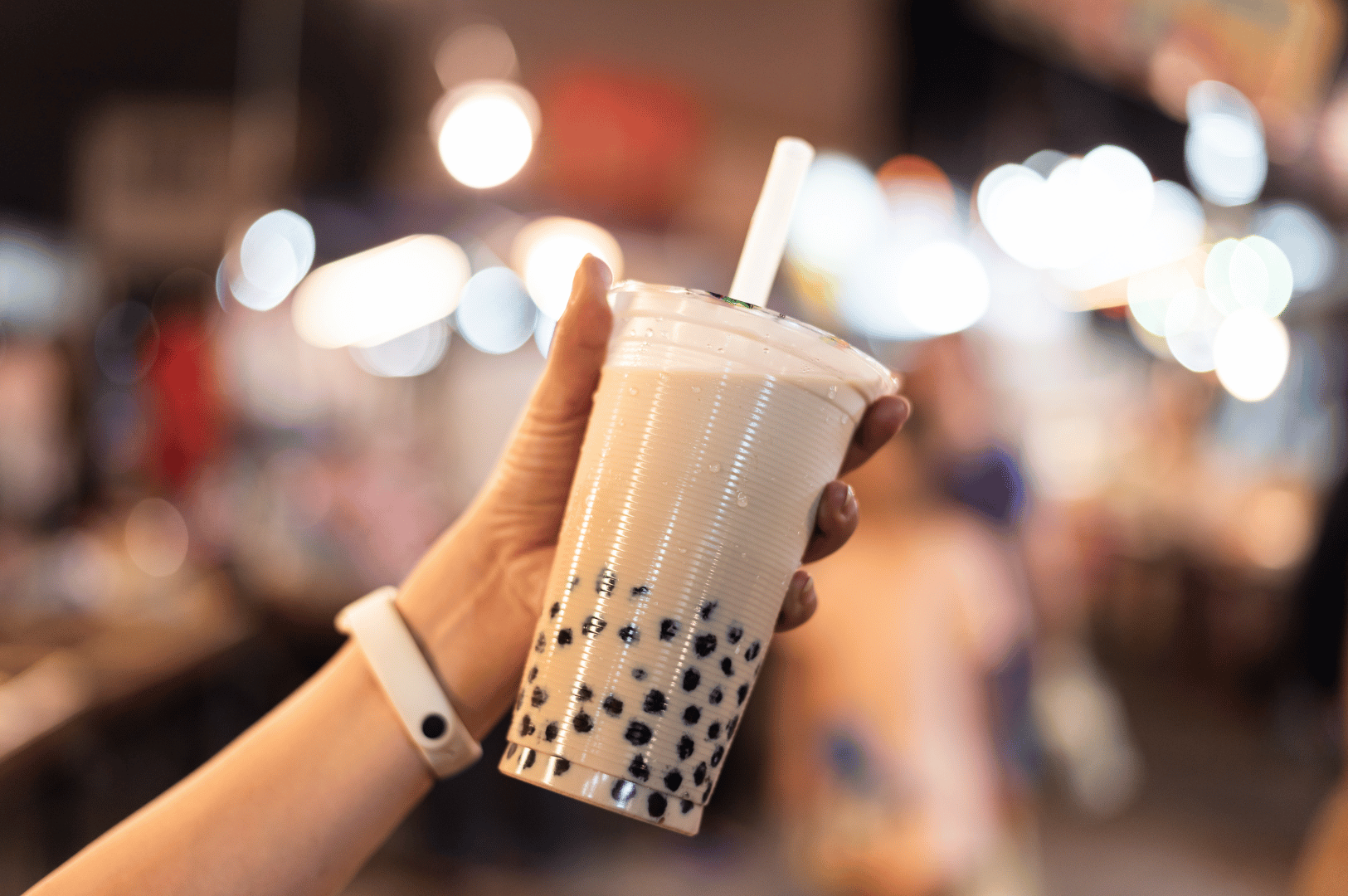
The bubble tea industry continues to evolve, driven by changing consumer preferences and relentless innovation. As the market matures, several key trends are shaping its future.
- Health-Conscious Options: While the high sugar content of some bubble drinks has been a concern, the industry is adapting. Many shops now offer detailed nutritional information, fully customizable sugar levels, and healthier alternatives like natural sweeteners, fresh milk, and natural ingredients. This focus on wellness is appealing to a growing segment of health-conscious consumers.
- Premium and Artisanal Ingredients: A new generation of tea shops is focusing on high-quality, artisanal ingredients. This includes single-origin teas, house-made syrups, and fresh, seasonal fruits. This premiumization elevates the bubble tea experience from a simple treat to a gourmet beverage.
- Constant Innovation: The quest for new flavors and textures never stops. From cheese foam toppings to brown sugar pearl milk tea, the industry is constantly experimenting. This ensures that the bubble tea trend remains fresh and exciting for loyal fans and newcomers alike.
A Sweet Success Story
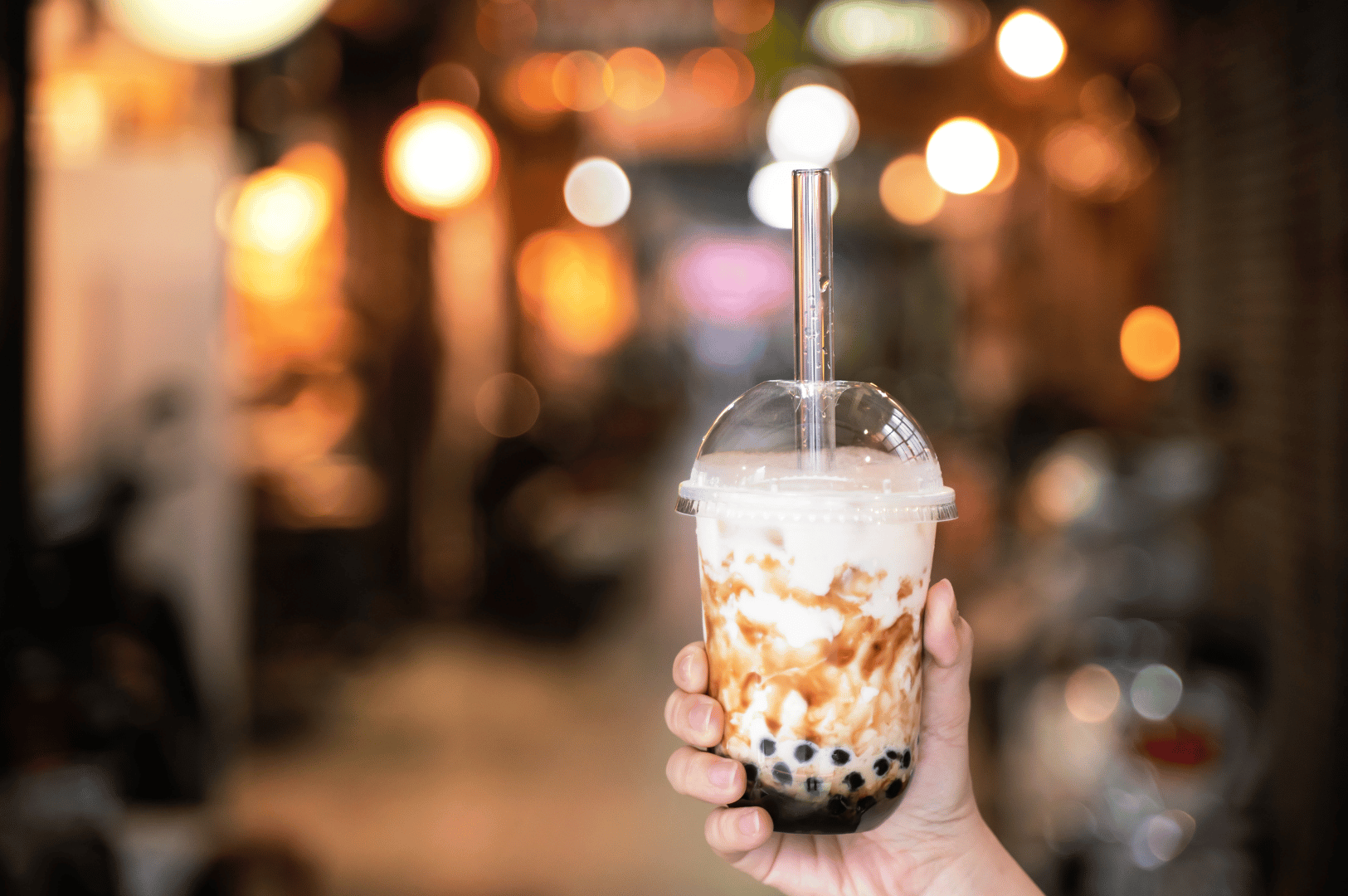
From its contested origins in the tea shops of Taiwan, bubble tea has become a global force. Its history is a testament to the power of a simple but brilliant idea. The combination of tea, milk, and the delightful chewiness of tapioca pearls created a drink that transcended borders and cultures.
The journey of the pearl tea drink from a previous business venture into a worldwide phenomenon is a story of creativity, community, and cultural pride. As it continues to adapt and innovate, the bubble tea industry shows that this increasingly popular beverage is much more than a passing trend. It's a sweet, chewy, and utterly unique part of our global culture.
From savory street eats like the Taiwanese oyster omelet to time-honored wellness traditions such as jamu, Southeast Asia’s culinary landscape continues to inspire and connect people through flavor, heritage, and innovation.

The Global Phenomenon of Korean Instant Noodle: A Cultural and Culinary Journey
Eda Wong | January 24, 2026
In the high-octane streets of South Korea, where the “pali-pali” (hurry-hurry) culture defines the pace of life, one dish stands as the ultimate equalizer of speed and satisfaction: Korean ramyeon. While the world often uses the terms ramen and ramyeon interchangeably, the Korean version is a distinct entity. It is not merely a quick snack…
-
Traditional Ramyeon: The Soulful Heart of Korean Noodle Culture
Eat Drink Asia Team | January 20, 2026
In the bustling culinary landscape of South Korea, few comfort foods can match the satisfaction of a steaming bowl of ramyeon. While outside of Korea, “ramyeon” often brings to mind Korean instant noodles or instant ramen, true ramyeon Korean style refers to the artful, freshly prepared noodle soup enjoyed in homes and at local restaurants…
-
The Heart of the Korean Noodles: History and Texture
Eda Wong | January 17, 2026
In Korea, a bowl of noodles is far more than a simple dish; it is a cultural anchor that has weathered centuries of change. For generations, the length of the strand has symbolized a long and prosperous life, making Korean noodles a staple at birthdays, weddings, and the milestone 60th birthday celebration known as hwangap….
-
Preserving the ‘Big Bowl’ Tradition with Pen Cai Delivery in the Age of Doorstep Dining
Eat Drink Asia Team | January 15, 2026
Modern Festive Menu: Bringing the Big Bowl Home There is a special, undeniable magic to the Chinese New Year reunion dinner. For many families, Chinese New Year 2026 is another chance to gather loved ones at the table and celebrate with a glorious pen cai—sometimes called the “big bowl feast”—overflowing with premium ingredients and festive…
-
Sencha: Traditions, Flavors, and the Essence of Japanese Tea
Eat Drink Asia Team | January 15, 2026
When people around the world think of Japanese tea, images of tranquil tea ceremonies in small rooms or frothy bowls of matcha often come to mind. Yet, the reality of tea drinking in Japan is much broader, woven deeply into the culture and daily habits. For the vast majority, sencha is the beloved tea that…
-
The Best Restaurants Tokyo Are Rarely the Ones You Plan For
Eda Wong | January 12, 2026
Tokyo, Japan’s capital, does not reward urgency. It rewards return. On my first visit, I chased what everyone told me were the best restaurants Tokyo had to offer. I spent weeks highlighting maps, bookmarking digital “must-eat” lists, and refreshing reservation pages until my eyes blurred. I thought that by conquering the top-tier establishments, I would…
-
Japan and Food: Culinary Harmony – The Deep Connection Between Japanese Food and Culture
Eat Drink Asia Team | January 11, 2026
When it comes to Japan and food, the two are intertwined in ways that captivate taste buds and awaken the senses. Japanese cuisine stands as one of the world’s most revered traditions—more than nourishing meals, it is an art reflecting centuries of philosophy and a window into Japanese culture itself. Every bowl of miso soup,…
-
The Verdant Cup: A Celebration of Green Tea in Japan
Eda Wong | January 10, 2026
In Japan, green tea is much more than a beverage. It marks a moment of pause, hospitality, and tradition. The story of green tea in Japan weaves through centuries of culture, artistry, and daily life—bridging ancient rituals like the Japanese tea ceremony to everyday meals enjoyed at home. The origins and beginning of Japanese tea…
-
Japanese Green Tea from Japan: The Story of Matcha
Dio Asahi | January 8, 2026
On a misty April morning in Kyoto, I knelt on tatami in a small tea room outside Uji, Japan. The host, dressed in kimono, moved with quiet skill as she scooped matcha powder into a ceramic bowl. The air was filled with the aroma of aged wood mixed with the grassy scent of high quality…
-
Takoyaki: The Sizzling Heart of Japan Food Culture
Dio Asahi | January 3, 2026
What is Takoyaki and Why Does it Matter in Japanese Food Culture? In the bright heart of Osaka, the sizzle of takoyaki batter signals one of Japan food culture’s most beloved street foods. Lines form at street stalls drawn by the delicious food aromas of sweet-savory sauce and bonito flakes dancing on golden spheres. Takoyaki,…