The oil is already hot when she reaches for the leaves.
It’s late morning in a kitchen off a quiet lane, and a woman I’ve been watching stands over a blackened wok, tearing bitter gourd leaves by hand into a small heap. The garlic hits the oil first, sharp and loud. Then the leaves go in, and the smell shifts — green, faintly medicinal, a little sour. She doesn’t taste as she goes. She already knows. A crack of egg, a quick fold, and the bitterness folds in with it, softening but never disappearing.
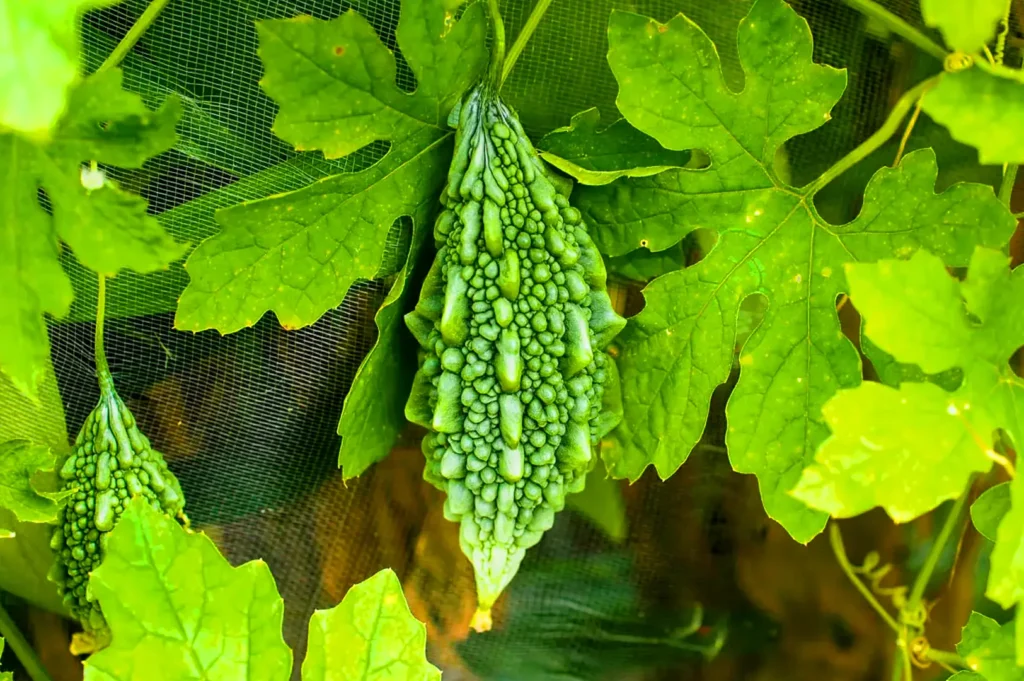
It is bitter melon leaf — kyet-hin-ga in Myanmar homes, the leafy top of the same climbing vine that gives the knobbly gourd. Where the gourd is famous for its sting, the leaves carry a quieter, rounder bitterness, closer to a strong green tea than a shock. Cooks tear them young and tender, before the plant grows coarse, and they wilt them fast in hot oil with garlic and egg, sometimes a handful of dried shrimp. The heat tames the sharpest edge without erasing it. That is the whole point. The dish is not meant to be pleasant in the easy sense. It is meant to be understood.
In a Burmese home, bitterness is not an accident to be fixed. It’s a seat at the table. A meal here often runs on contrast — a sour soup, a rich curry, a fresh raw plate, and something bitter to hold the middle. The bitter leaf is the balancing weight, the thing that keeps a heavy lunch from tiring the mouth. Elders speak of it as cooling, good for the body, the kind of food you eat because it does you good and not because it flatters you. Children are eased into it slowly, a small spoonful beside the rice, until one day the bitterness stops being a punishment and starts being a comfort they miss when it’s gone.
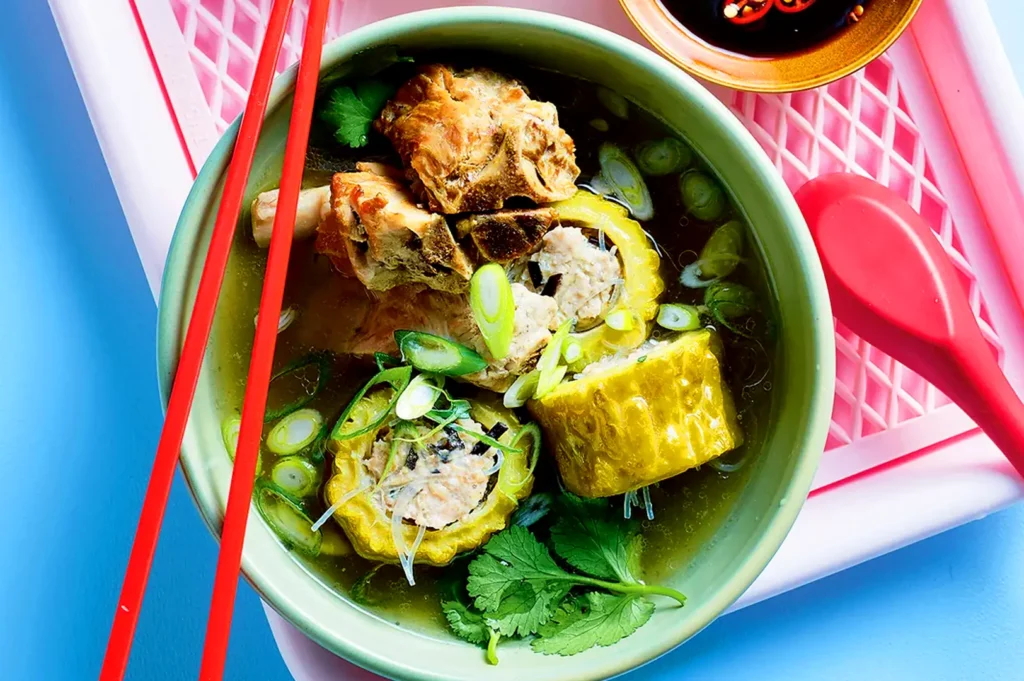
What stays with me is how unhurried it all is. There’s no attempt to make the leaf sweeter, prettier, easier. In kitchens that could reach for a milder green from the market stall, this cook still tears the bitter tops by hand, still trusts that her family wants the taste, not the apology for it. It would be simpler to leave it out. She doesn’t. That quiet refusal to soften everything feels increasingly rare an Eat Drink Asia highlight.
She tips the eggy leaves onto a plate and sets it down without ceremony. Bitter, warm, a little smoky.
Some flavours ask to be loved right away. This one asks only that you stay long enough to grow into it.

The Ultimate Guide to Thai Food: Flavors, Traditions, and Culinary Adventures
Dio Asahi | December 6, 2025
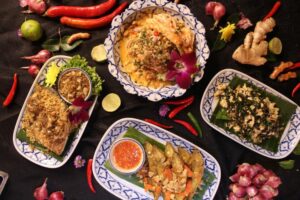
Thai cuisine is one of the world’s most beloved and complex culinary traditions, captivating food enthusiasts globally with its masterful balance of flavors and vibrant presentations. From bustling Bangkok street stalls to high-end international restaurants, Thai food has become a global phenomenon that evolves while maintaining its authentic roots. What sets Thai cuisine apart from…

How to Drink Sake: Your Guide to Enjoying Japanese Sake Wine
Eda Wong | December 5, 2025
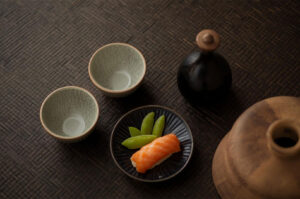
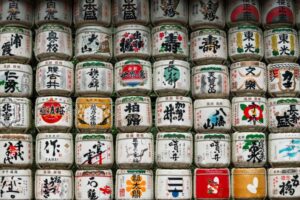
As Japan’s national beverage, this traditional sake is present at celebrations, quiet dinners, and spiritual offerings, weaving itself into the very fabric of daily life and reflecting Japan’s deep-rooted cultural heritage. Yet, for many outside of Japan, it remains a delightful mystery. You might find yourself wondering, how do you drink sake properly to unlock…
-
The Quiet Pursuit of Perfection: Where to Find the Freshest Sashimi in Singapore
Eat Drink Asia Team | December 3, 2025
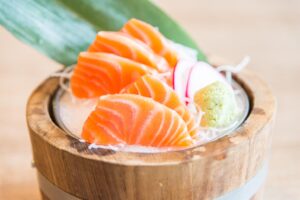
In Singapore’s fast-paced city, a growing appreciation for authentic Japanese cuisine is emerging, especially for omakase and its key element: sashimi. Diners now seek experiences that satisfy sophisticated tastes, focusing on true quality rather than convenience. The quest for the best sashimi goes beyond thick salmon slices to embrace seasonality, sourcing, and expert preparation. This…

Understanding Sake Alcohol Content: A Complete Guide to ABV and Flavor
Eda Wong | December 2, 2025
When exploring Japanese sake, many wonder about its grades and complex flavors. Sake’s unique profile offers remarkable versatility, enjoyed in various serving styles and paired with diverse dishes. One fundamental aspect is sake alcohol content. Is sake stronger than wine? How does its alcohol by volume (ABV) compare to beer? The answer is nuanced. Understanding…
-
Japanese Sake: The Complete Guide to Japan’s Traditional Rice Wine
Dio Asahi | November 29, 2025
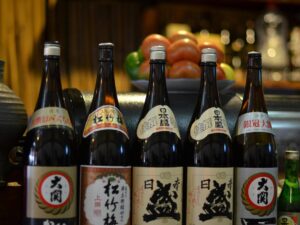
Japanese Sake: The Complete Guide to Japan’s Traditional Rice Wine While sake has been Japan’s national beverage for over a millennium, its popularity across Asia is at an all-time high. Rooted in Japan’s traditional brewing methods and centuries-old origins. It symbolizes Japan’s cultural heritage and craftsmanship. Understanding this complex brewed alcoholic beverage opens doors to…

Best Japanese Foods in Japan: The Must-Try Dishes
Eda Wong | November 27, 2025
Japan’s culinary world extends far beyond well-known sushi and ramen, revealing a rich variety of regional specialties cherished by locals. While many travelers stick to popular Japanese foods in tourist areas, authentic flavors are best discovered in neighborhood markets, family-run eateries, and seasonal menus reflecting centuries of Japanese cooking tradition. Understanding Japanese cuisine requires more…
-
Japanese Food in Japan: The Ultimate Guide to Authentic Culinary Experiences
Eat Drink Asia Team | November 25, 2025
Experiencing Japanese food in Japan is fundamentally different from eating Japanese cuisine anywhere else. While sushi restaurants and ramen shops have spread globally, the authentic flavors, techniques, and cultural context of Japanese food can only be fully appreciated in its homeland. From meticulously selecting ingredients at peak freshness to centuries-old traditions shaping every meal, eating…
-
Food in Japan: A Complete Guide to Japanese Cuisine and Culinary Culture
Eda Wong | November 22, 2025
The gentle steam rising from a bowl of miso soup carries more than just the earthy aroma of fermented soybeans-it carries centuries of Japanese culture and culinary wisdom. When you eat in Japan, you’re not simply consuming a meal; you’re participating in a ritual that connects you to the seasons, the land, and a philosophy…
-
Ramune Marble Soda: History and Cultural Meaning of Japan’s Iconic Marble Soda
Dio Asahi | November 20, 2025
Among Japan’s beloved fizzy drinks, none evoke nostalgia and uniqueness quite like Ramune marble soda. Instantly recognizable by its quirky Codd neck bottle and glass marble seal, Ramune soda is an essential part of Japanese summer, cherished by generations for its refreshing taste and signature pop sound. This marble soda remains a staple at summer…
-
Hokkaido’s Best Seafood Treasures: Beyond Sushi and Sashimi
Eat Drink Asia Team | November 18, 2025
When visiting Hokkaido, Japan’s northernmost island, food lovers are greeted with some of the most highly regarded seafood specialties in the world. Hokkaido is famous for its abundance of fresh seafood and rich fishing grounds, thanks to the surrounding Sea of Japan, Pacific Ocean, and Sea of Okhotsk. These nutrient-packed waters yield a wide range…