There’s a container of rice at the back of my fridge most weeks. Cold, a little hard, forgotten from a dinner two nights ago. Some people see that and think of waste. I see the start of something better.
Because leftover rice doesn’t want to be reheated. It wants to be fried. And when it hits a hot wok with garlic, sambal, and a slick of sweet soy, it stops being an afterthought and becomes the whole point of dinner.
Chicken nasi goreng is the meal I make when I’m tired but still want to eat well. It’s fast, it’s forgiving, and it turns fridge scraps into something smoky and savoury-sweet. Faster than delivery, honestly. And it tastes like someone actually cooked for you.
Let me walk you through how I make it.
Ingredients You’ll Need for Indonesian Fried Rice (Nasi Goreng Indonesian)
For 2 servings of this easy nasi goreng recipe, you’ll need:
- 2 cups cooked day-old white long grain rice (preferably jasmine rice or other long grain rice; the drier and cooler, the better for perfect rice grains that separate easily)
- 200g boneless chicken thigh, diced small (stays juicy under high heat)
- 2 eggs (beaten egg or for frying sunny side up)
- 3 garlic cloves, minced (part of the essential spice paste)
- 2 shallots, finely sliced (fried shallots add extra crunch as garnish)
- 1 red chilli or chilli padi, thinly sliced (add chilli to taste for that signature heat)
- 1 to 2 spring onions (green onions), sliced thinly for freshness
- 1 tablespoon kecap manis (the Indonesian sweet soy sauce that gives nasi goreng Indonesian fried its signature caramelized color and flavour)
- 1 teaspoon light soy sauce or dark soy sauce (for extra depth)
- 1 to 2 teaspoons sambal oelek (Indonesian chili paste, available in Asian grocery stores or the Asian aisle of your local supermarket)
- ½ teaspoon toasted belacan or shrimp paste (optional but adds umami and more flavour)
- Vegetable oil (for stir fry and frying eggs)
- For serving: sliced cucumber slices, tomato slices, fried shallots, prawn crackers, extra sambal oelek, and lime wedges
You can find most ingredients in Asian grocery stores or the Asian aisle of local supermarkets. Kecap manis, sambal oelek, and belacan are staples for authentic nasi goreng Indonesian fried rice, and a bottle lasts a long time.
If You’re Missing Something
Missing | Use Instead | What Changes |
|---|---|---|
1 tbsp dark soy sauce + 1–2 tsp brown sugar | Less syrupy, still close | |
Sambal oelek | Chilli paste or chopped fresh chilli | Adjust salt and heat |
Belacan | Fish sauce, dried shrimp, or oyster sauce | Umami shifts, still delicious |
Shallots | Red onion | Slightly sharper flavour |
Deep frying pan or large frying pan | Cook in smaller batches | |
Don’t stress about having everything perfect. This simple recipe celebrates flexibility and the magic of leftover cooked rice transformed by a fragrant spice paste. |
Before You Start: The Role of Day-Old Rice in Nasi Goreng Indonesian Fried
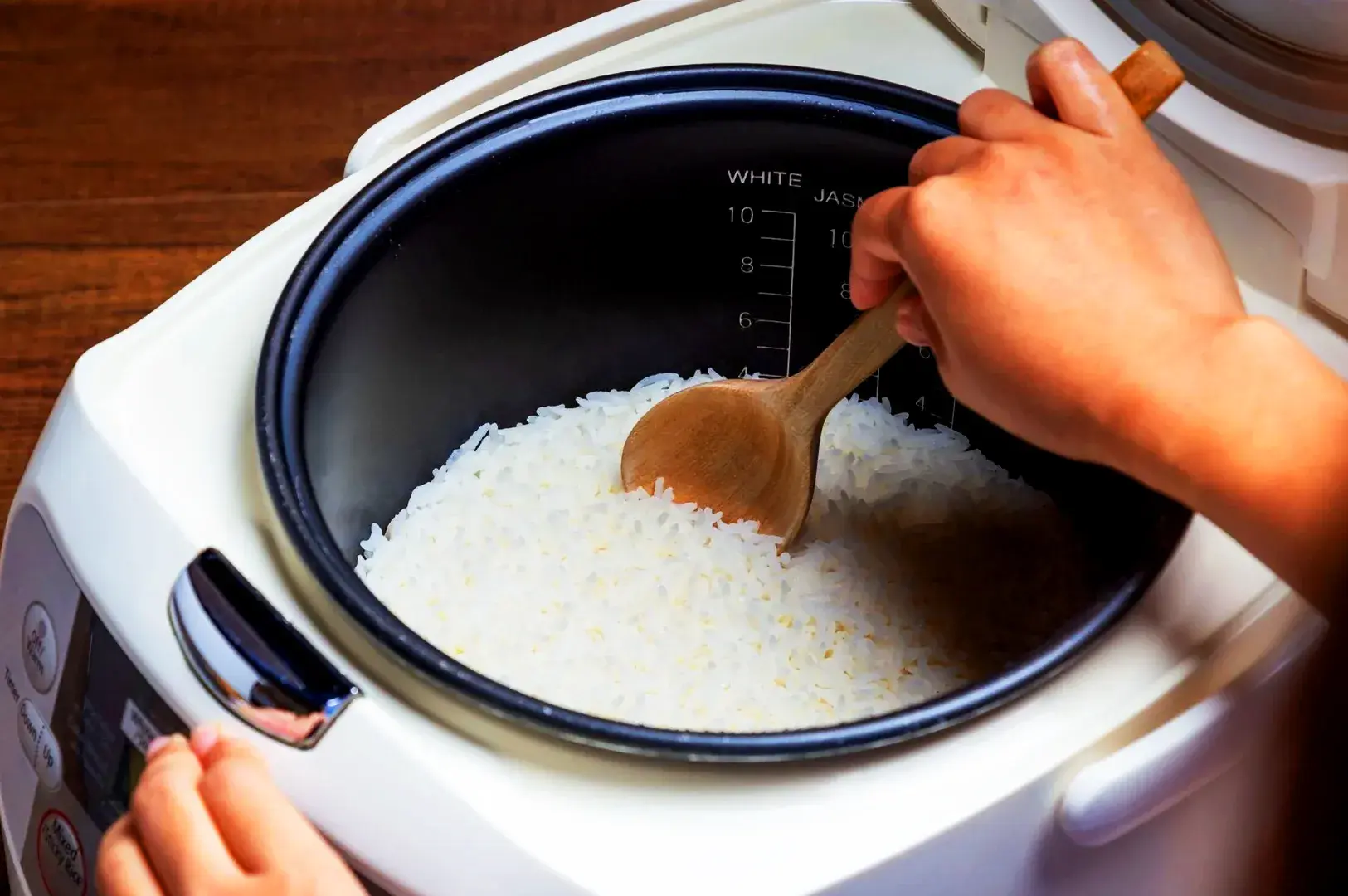
Here’s the one non-negotiable: Use cold, day-old cooked ricefor the best nasi goreng Indonesian fried rice.
Freshly cooked rice holds too much moisture, causing the rice grains to clump and steam rather than fry. When you stir fry day-old rice, the grains separate beautifully, absorbing the sweet, spicy, and smoky flavours without turning soggy or bit dry.
Eatdrinkers tip: No leftover rice? Cook white long grain rice, spread it out on a tray to cool uncovered for about 30 minutes to an hour in the fridge or at room temperature. This dries out the surface and makes it easier to stir fry.
Breaking up the rice clumps before cooking ensures every grain gets coated in the kecap manis and spice paste, giving you that glossy, caramelized finish that makes this dish absolutely delicious.
Step-by-Step Guide to Making the Best Nasi Goreng Indonesian Fried Rice
Prep time: 10–15 minutes
Cook time: 8–12 minutes
Serves: 2
The secret to the best nasi goreng Indonesian fried rice lies in the rhythm of the stir fry and layering of flavours.
- Mix the sauce: In a small bowl, combine kecap manis, light or dark soy sauce, sambal oelek, and belacan if using. This spice paste is the heart of the dish and adds extra flavour.
- Prep the rice: Use a fork or your hands to gently break up the cold cooked rice into loose rice grains.
- Cook the eggs: Heat vegetable oil in a deep frying pan or wok over medium heat. Fry eggs sunny side up with runny yolk or scramble them into the rice later. Set aside.
- Sear the chicken: Heat the pan until hot, add vegetable oil, and add diced chicken thigh in a single layer. Let it sit briefly before stir frying to get a golden sear. Cook until just done, then remove and set aside.
- Fry the aromatics: Add a little more oil if needed, then fry finely chopped shallots, garlic, chilli, and the spice paste until fragrant. Watch the garlic carefully—it can burn quickly.
- Add rice: Add rice to the pan, pressing down gently with your spatula to break up any remaining clumps. Toss and stir fry so every grain gets coated and heated through.
- Add sauce: Pour in the sauce mixture gradually—add half, toss, taste, then add more until the rice turns a glossy brown. This slow caramelization is what makes nasi goreng Indonesian fried rice unique.
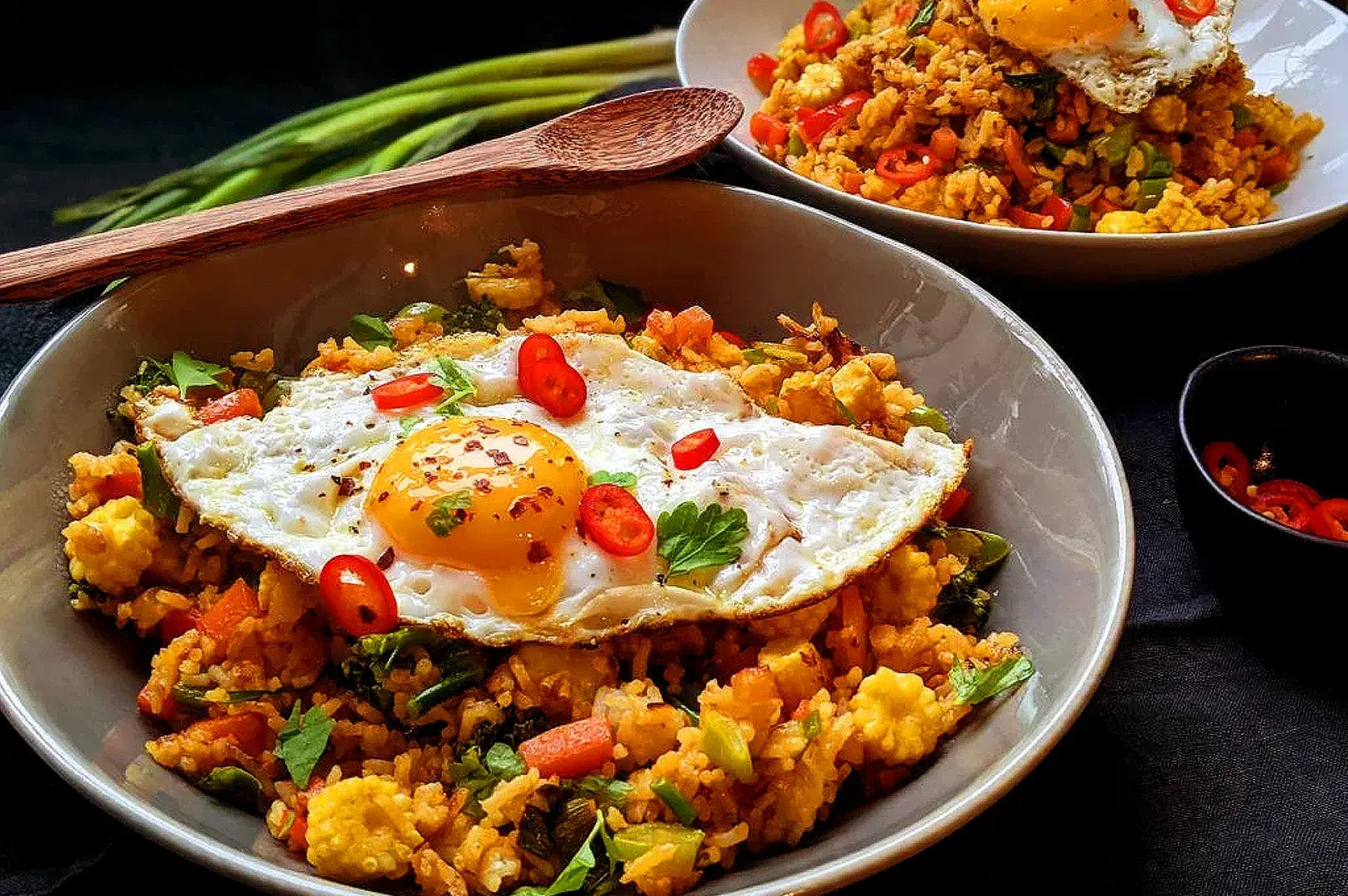
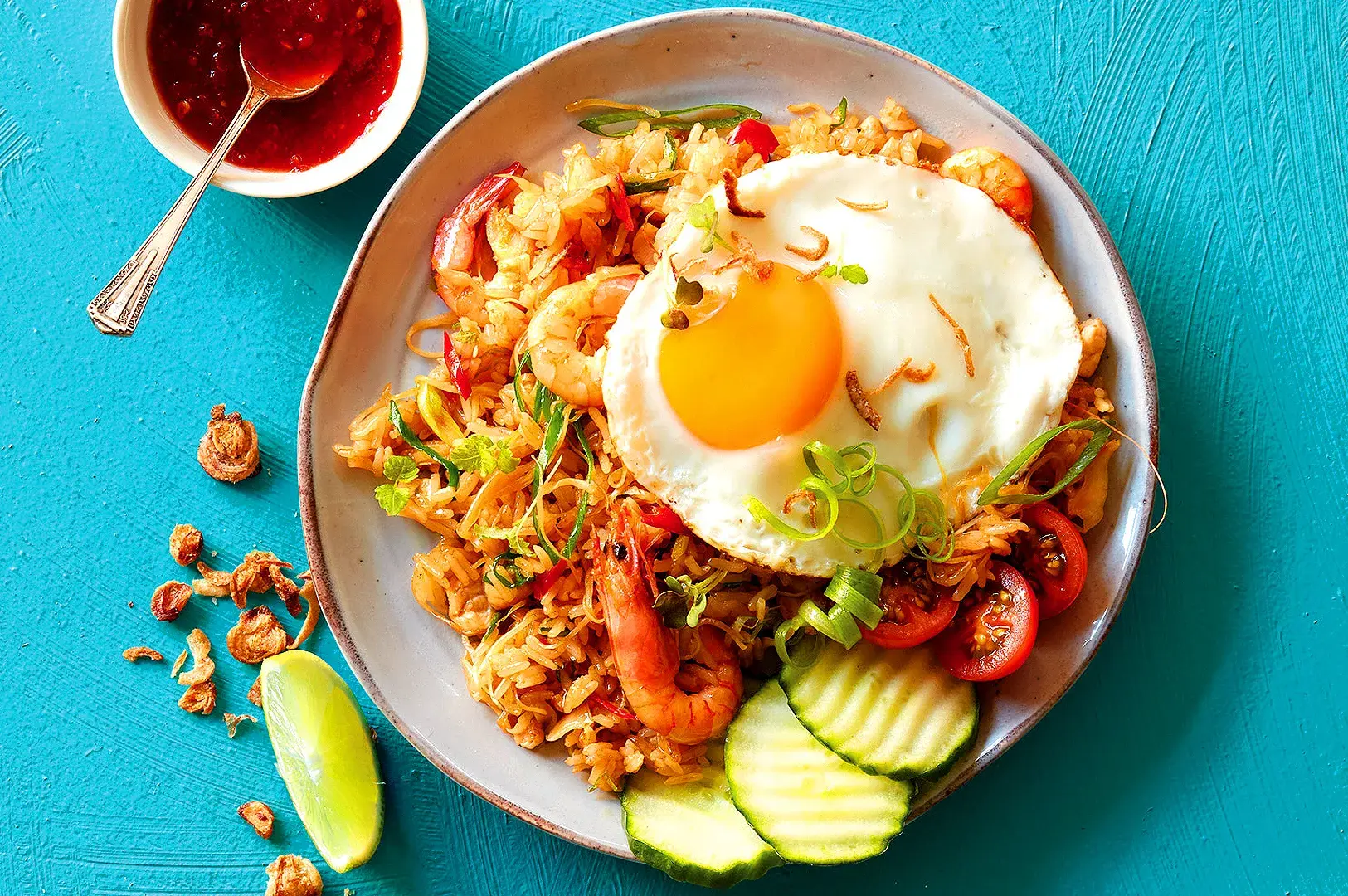
- Finish and serve: Return the chicken to the pan, scatter sliced green onions, and toss briefly. Plate the rice, top with the fried egg, and serve immediately with sliced cucumber slices, tomato slices, fried shallots, prawn crackers, sambal oelek, and lime wedges on the side.
Tips for Authentic Goreng Indonesian Fried Rice Flavour
- Use a well-preheated wok or deep frying pan to achieve that elusive smoky “wok hei” aroma.
- Cook in small batches to avoid crowding, which traps steam and makes the rice bit dry instead of crisp.
- Adding the sauce late in the cooking process helps caramelize the rice grains rather than steaming them.
- Garnish generously with fried shallots for crunch and extra flavour.
- For a gluten free version, make your own kecap manis using tamari and palm sugar.
Serving Suggestions: How to Serve Nasi Goreng Indonesian Style
Nasi goreng Indonesian fried rice is delicious on its own as a main meal, but it also makes a fantastic side dish.
Traditional serving suggestions include:
- A fried egg with runny yolk on top, so the yolk melts into the rice
- Freshly sliced cucumber slices and tomato slices for cooling contrast
- Prawn crackers (kerupuk) for crunch
- Extra sambal oelek or chilli on the side to add heat
- Lime wedges to squeeze over for a bright, tangy finish
These accompaniments balance the rich, sweet, and smoky notes of the fried rice, making every bite super tasty and satisfying, and for those seeking halal options, Eat Drink Asia offers a great guide to halal restaurants in Singapore.
What Makes Nasi Goreng So Special?
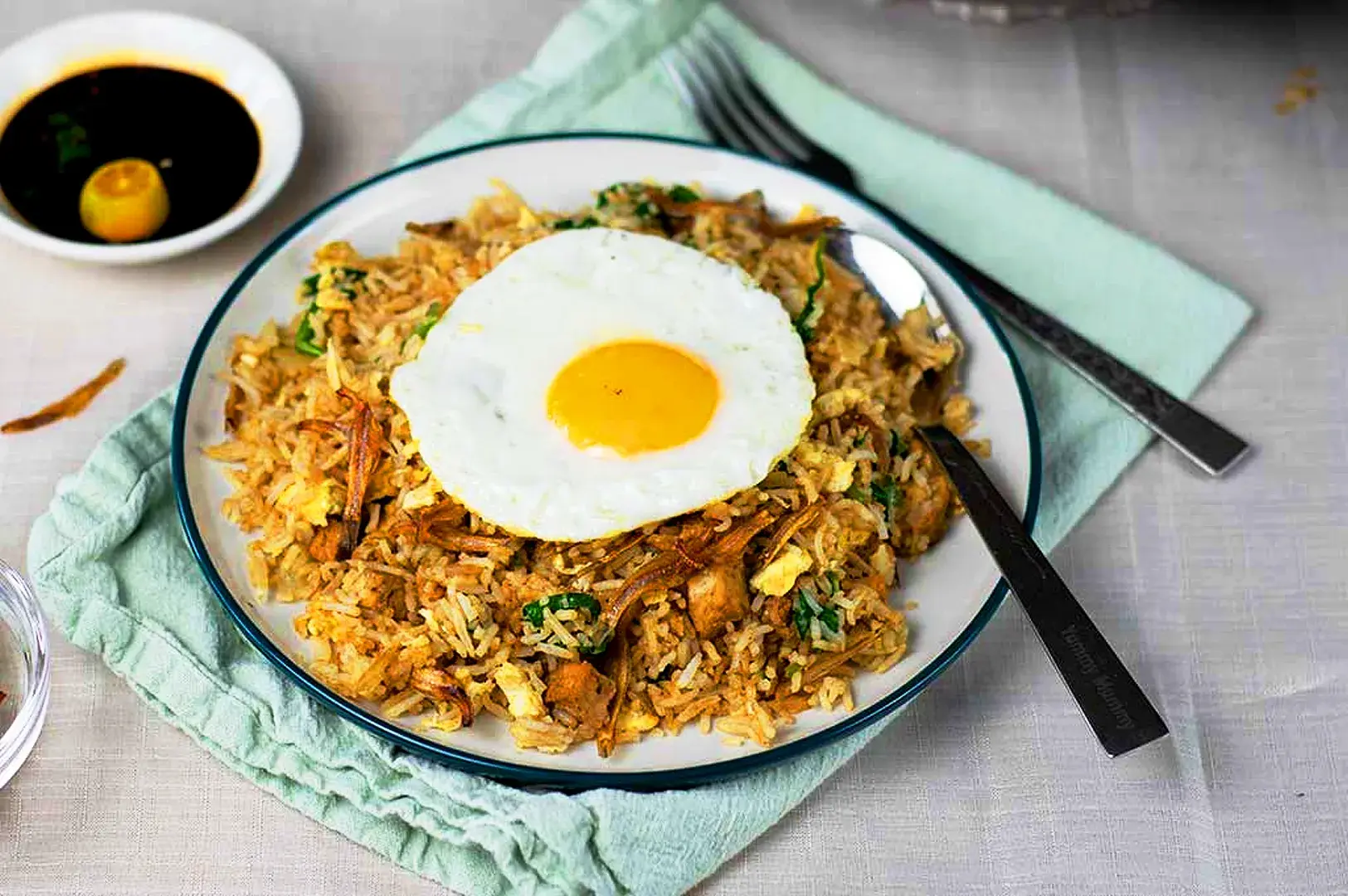
This simple recipe celebrates the heart of Indonesian fried rice — transforming everyday cooked rice into an absolutely delicious, flavour-packed meal. Whether you call it nasi goreng Indonesian style or just fried rice, the magic is in the spice paste, the caramelized rice grains, and the fresh garnishes that bring it all together; just as nasi goreng brings me comfort, so does a warm bowl of Japanese curry. Both dishes tell stories through their rich, layered flavours and humble origins. If you enjoy exploring authentic tastes and the cultural narratives behind them, trying Japanese curry could be a delightful next step in your culinary journey.
Eat, Drink, Cook Your Own at Home
Nasi goreng doesn’t ask you to be precise. It asks you to be a little bold.
Cold rice, a hot pan, some garlic and sweet soy and chilli. Chicken cooked fast enough to stay tender. That’s the whole trick. There’s no single correct version, no test you can fail. The dish has fed families across the region for generations precisely because it works with whatever’s on hand.
So the next time you find that forgotten container of rice at the back of the fridge, don’t sigh at it. Heat the wok. Give it ten minutes and a little nerve.
You’ll be surprised what leftovers can become.

Banana Leaf Steam: Why Some Rice Smells Like Home
Eda Wong | July 10, 2026
Steam rises from the pot, and a woman lifts a banana leaf over the open flame, turning it once, twice, until its stiff green softens and the surface goes glossy and pliant. She wipes it down with a damp cloth, then spoons hot rice into its center while the grains still steam. The leaf releases…
-
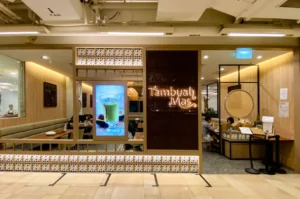
Tambuah Mas Paragon, Delivered: Unique Food Delivery Singapore With Old-School Comfort
Eda Wong | July 9, 2026
I ordered from Tambuah Mas on a rainy Sunday at around 6:15pm, mostly because I wasn’t in the mood to dress up and head into town, but I still wanted a proper meal. Not a sad one-bowl lunch. A real spread. That’s the thing about Tambuah Mas. It’s been around since 1981, serving Indonesian home-style…
-
Toasted Rice Powder: The Dust That Makes Larb Sing
Dio Asahi | July 8, 2026
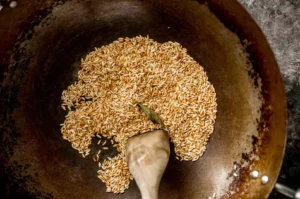
A wok sits over a low flame, and a handful of raw sticky rice slides across its dry surface. No oil, no water—nothing but heat and patience. The grains pale, then blush amber, then deepen toward the color of weak tea. Someone shakes the pan in a slow, even rhythm, listening as much as watching….
-
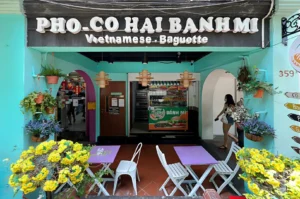
Ordering Lunch From Co Hai Banh Mi, and Finding Out the Definition of Good Food Delivery
Dio Asahi | July 7, 2026
I ordered lunch from Co Hai Banh Mi & Phở Vietnamese Restaurant on a Thursday at 12:08pm, which is probably the worst and most honest time to test delivery food. It was raining lightly, the kind of Singapore lunch rain that makes every rider slower and every office worker hungrier. I had been thinking about…

Orchard Plaza Food: Hidden Japanese Restaurants and Local Eats Near Somerset
Eat Drink Asia Team | July 4, 2026
Orchard Plaza is one of those buildings we kept walking past before we properly understood it. From the street, it looks more like an office block than a dinner plan. But over repeated visits, usually after work or during odd lunch windows, we’ve found that the real charm sits behind lift doors, quiet corridors, and…
-
Salted Egg, Properly Treated: Sauce, Not Shortcut
Eda Wong | July 3, 2026
By Eda Wong for Eat Drink Asia. The wok station is already hot when the cook lowers the flame. In the narrow back of a Singapore zi char kitchen, the air smells of butter, curry leaves, and the faint mineral edge of salted duck egg. A metal spatula presses cooked yolks through oil until they…
-
Fish Sauce at the Table: The Quiet Work of Fish Sauce
Dio Asahi | July 1, 2026
At a narrow lunch table in Bangkok, the bottle arrives before the rice has stopped steaming. It is clear glass, refilled many times, its plastic cap slightly stained from years of fingers and heat. Beside it sits a small bowl of sliced chillies floating in amber liquid, the cut edges pale and sharp. Someone nudges…
-
Eat 3 Bowls Bendemeer Review: A Taiwanese Comfort Food That Delivers
Eda Wong | June 30, 2026
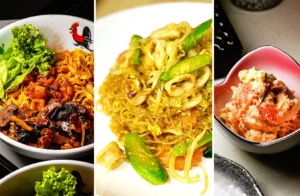
I ordered Eat 3 Bowls @ Bendemeer on a Thursday at about 11:45am, which is my favourite test window for delivery food. It’s close enough to lunch for the kitchen to be in rhythm, but not so late that every rider in the neighbourhood is already fighting the office crowd. By 12:25pm, the bag was…
-
ABC Hokkien Mee After Renovation: What to Expect When the Woks Return
Dio Asahi | June 27, 2026
When I first walked past a hawker centre undergoing major renovations, the absolute silence unsettled me. The usual rhythmic scrape of metal spatulas against cast-iron woks was gone, replaced by the hum of construction. It made me realise just how much our culinary journeys are tied to the physical spaces we eat in. Right now,…
-
Claypot Rice Crusts: Listening for the First Crackle
Eda Wong | June 26, 2026
The narrow alleyway in Yau Ma Tei smells of charcoal and dark soy sauce, a thick coastal humidity pressing against the glow of the stoves. An elderly cook stands before a row of blackened sand-clay pots, a long metal tong in his right hand. He does not watch the flames; he listens to them. There…