The narrow alleyway in Yau Ma Tei smells of charcoal and dark soy sauce, a thick coastal humidity pressing against the glow of the stoves. An elderly cook stands before a row of blackened sand-clay pots, a long metal tong in his right hand. He does not watch the flames; he listens to them. There is a subtle, shifting rhythm in the air. The wet, heavy bubbling of simmering rice slowly gives way to a sharp, staccato crackle. It is the sound of moisture surrendering to extreme heat. He swiftly tilts the pot at an angle, letting the fire lick the curved edges. This brief, fiery moment sets the stage for a deeply authentic culinary journey.
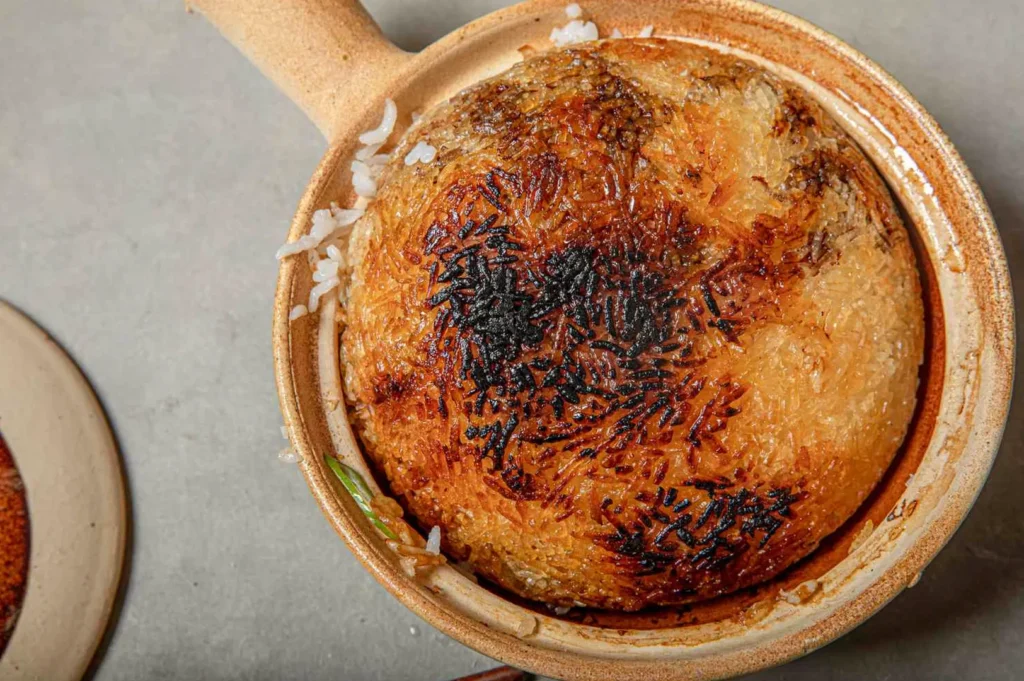
This audible shift announces the birth of fan jiu (pronounced faahn-jeew), the golden, scorched rice crust that clings to the bottom of a traditional claypot. It is not burnt rice, but rather a deliberate caramelisation of starches. Creating this layer requires an intense, technique-led understanding of temperature and timing. The craft demands that the cook rotates the unglazed pot over the open flame at the exact moment the water evaporates, slicking the inner sides with a thin thread of pork lard or peanut oil. This fat seeps down to the base, frying the bottom grains until they harden into a crisp, cohesive shell. When scraped free with a metal spoon, it shatters into fragrant, brittle shards that taste deeply of smoke and toasted earth.
Across southern Chinese neighbourhoods, waiting for these scorched edges is a fundamental shared experience during the cooler, damp monsoon months. Diners gather around folding tables, leaning over steaming pots of cured sausages, marinated chicken, and salted fish. But the meat is often just the prelude. The true celebration of flavours happens at the bottom of the bowl. Extracting the fan jiu is a communal ritual, an act of patience where friends take turns chiselling away the golden crust, sharing the fragmented pieces. It signals a shift in the evening’s pace. You cannot hurry a claypot, and you cannot rush the scraping. The meal forces you to slow down, transforming a simple dinner into a quiet, interactive event. In many parts of Asia, meals like this reflect communal dining traditions in Asia, built around the shared centre of the table where flavour, conversation, and care are passed hand to hand.
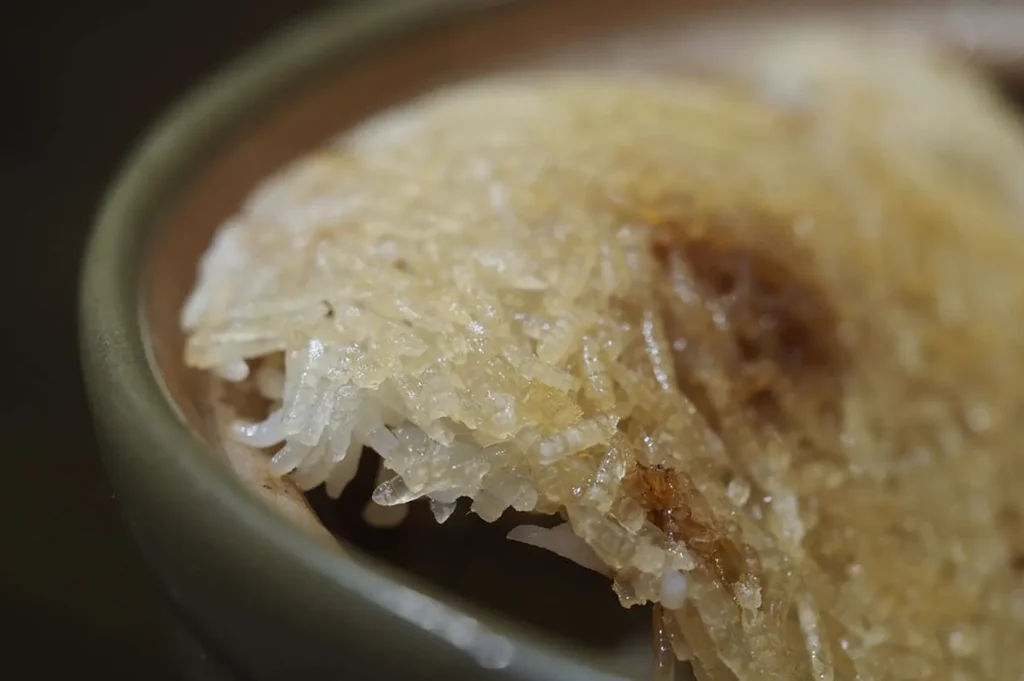
What feels so vital about this charred layer today is its stubborn refusal to adapt to modern culinary convenience. In a landscape dominated by non-stick rice cookers and automated timers that actively prevent rice from sticking, the intentional scorching of grains feels like a quiet rebellion. Electric appliances yield perfectly uniform, soft bowls of rice, but they cannot replicate the rough, uneven texture of an open charcoal fire. The crust demands physical effort, constant vigilance, and a willingness to embrace the messy, unpredictable nature of traditional cooking. It is a trend-setting reminder that beauty is sometimes found in the scorched, imperfect edges.
Setting the spoon down, the residual warmth of the claypot lingers against the cool evening air. The brittle crunch of the last piece of rice fades into a rich, roasted memory. It is a profound, flavourful testament to the simple power of listening, waiting, and letting the fire do its work.

The Quiet Trick Behind Loud Noodles: A Samyang Instant Noodle Recipe Built on Emulsion
Eda Wong | May 21, 2026
When I first tried making Samyang Buldak noodles at home, I expected the fiery heat but was surprised by the watery, separated red oil at the bottom of my bowl. I had boiled the noodles, drained them, and dumped the flavor packets on top, ending with a dry, clumpy mess that burned my throat without…
-
Taiwan’s Iron Egg and the Patience of Soy-Braised Time
Dio Asahi | May 20, 2026
The wind coming off the Tamsui River carries a sharp, saline chill, but the narrow lanes bordering the waterfront offer a different atmosphere entirely. Here, the air is thick with the heavy, sweet-savoury aroma of star anise, cassia bark, and boiling soy sauce. Behind a modest storefront, dark liquid bubbles in massive, dented metal vats….

Not Just ‘Fresh Fish’: The Best Omakase Singapore Has for Storytelling Courses & Seasonal Bites
Eat Drink Asia Team | May 19, 2026
May 19, 2026 | Eat Drink Asia Team | Last Updated September 7, 2026 When you sit at an omakase counter, you’re paying for a culinary journey. A memorable omakase is more than fresh fish; it’s a delicate celebration of flavors. The best chefs act as storytellers, sequencing each bite to build anticipation and contrast, guiding…
-
Indonesian Traditional Food at Warong Nasi Pariaman: A Plate That Doesn’t Explain Itself—It Proves It
Dio Asahi | May 16, 2026
It’s always a little heartbreaking when a true culinary landmark decides to close its doors. Warong Nasi Pariaman, the iconic nasi padang spot at 738 North Bridge Road, served its final plates in January 2026. For decades, it stood as a testament to heritage, feeding generations of Singaporeans and becoming an essential part of the…
-
Indonesian Dishes, the IndoChili Way: A Restaurant Review Written in Smoke and Sweet Soy
Eda Wong | May 14, 2026
There are evenings when only a very specific type of comfort food will do. I wasn’t craving a standard bowl of noodles or a generic curry. I wanted that unmistakable, deeply fragrant balance of charcoal smoke and sticky sweet soy sauce that defines authentic Indonesian cooking. Finding that perfect harmony in Singapore without sitting outside…
-
The Sweet Darkness of Kecap Manis: The Flavour That Makes Food in Indonesia Feel Like Home
Dio Asahi | May 12, 2026
When I first tried to cook authentic Indonesian nasi goreng at home, I was incredibly confident. I had my wok smoking hot, my garlic and shallots perfectly fragrant, and a generous splash of regular soy sauce ready to go. But when I took that first bite, my heart sank. It tasted flat, salty, and entirely…
-
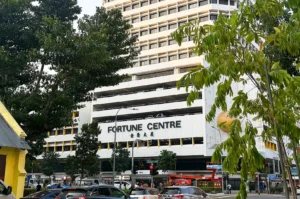
Fortune Centre Food Guide: Vegetarian Finds, Quick Lunches, and Hidden Dinner Spots
Eda Wong | May 9, 2026
May 9, 2026 | Eda Wong | Last Updated September 24, 2026 I have spent the last six months navigating the tight corridors and bustling walkways of Fortune Centre, determined to map out the Fortune Centre food scene beyond its best-known stalls. I’ve tried all of these famous stalls, sampling everything from intricate plant-based creations to…
-
Types of Chinese Food Hidden in Plain Sight: Imperial Treasure, Reviewed Through Their Orders
Eat Drink Asia Team | May 7, 2026
For a long time, many viewed Chinese food as one giant, delicious monolith, characterized by intense heat, heavy sauces, and wok-tossed brilliance. However, as more time is spent exploring Singapore’s incredible dining scene, it becomes clear that true culinary mastery often whispers rather than shouts. To demonstrate this to visitors, a table at Imperial Treasure…
-
Famous Food in China Isn’t Loud: Din Tai Fung’s Dumplings and the Power of Precision
Dio Asahi | May 5, 2026
There is a common misconception that the most authentic culinary journeys involve loud, chaotic kitchens with massive wok flames and shouting chefs. I used to think the same thing until I started paying closer attention to the quieter corners of Asian cooking. I visited Din Tai Fung on a Tuesday around 2:30 pm, hoping to…
-
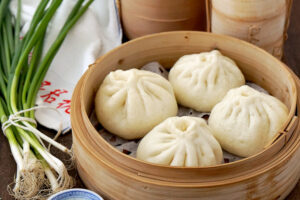
The Morning Steam of Baozi Along a Beijing Street
Eda Wong | May 2, 2026
The first thing I noticed was the steam. It rose in soft, continuous bursts from stacked bamboo baskets, drifting into the cold Beijing morning like breath made visible. The vendor lifted each lid with practiced rhythm, a quick tilt, a release of heat, then the faint scent of yeast, pork, and warm flour rolling outward….