On a sweltering Indian afternoon, there is no greater relief than a tall, chilled glass of traditional Indian lassi. From bustling city streets to quiet village homes, lassi is a beloved staple that offers a moment of pure, cooling bliss. Frothy, creamy, and deeply satisfying, this yogurt drink is more than just a refreshment; it’s a cultural icon. This classic Indian summer drink can be sweet, salty, fruity, or spiced, adapting to every season and region.
This simple yet profound blend of yogurt, water, and a few ingredients represents a cornerstone of Indian cuisine, offering a delicious taste of tradition in every sip. Welcome to the wonderful world of Indian lassi, a true celebration of flavours.
A Sip of History: The Cultural Significance of Lassi

The story of lassi is as ancient as yogurt itself, with roots tracing back thousands of years to the Punjab region of the Indian subcontinent. It was originally a drink born of necessity and ingenuity. Farmers would blend homemade yogurt with water and salt to create a hydrating and nourishing beverage that could help them endure long, hot days working in the fields. The natural fermentation of yogurt produced a drink rich in probiotics, which aided digestion and provided a cooling effect on the body, a principle long understood in Ayurvedic traditions.
Traditionally, making lassi involved a clay pot and a wooden churner. This manual process incorporated air into the mixture, creating the drink's signature light and frothy texture. Culturally, this Indian yogurt drink is deeply intertwined with hospitality. Offering a guest a glass of freshly made lassi is a gesture of welcome and care. Beyond the home, lassi shops are institutions in many cities, each with their own secret recipes passed down through generations. This humble yogurt drink is a thread that connects the past to the present, embodying a legacy of wellness and community.
A Culinary Journey Through India’s Lassi Variations
While its origins lie in Punjab, lassi has travelled across India, with each region adding its own unique twist. This diversity showcases the incredible breadth of the country's food culture, proving that there is no single "Indian" lassi. It’s a drink with many delicious identities that will excite your taste buds.
- Punjab's Pride: Sweet and Salty
The heartland of lassi is where you will find the most classic and indulgent versions. The quintessential Punjabi lassi is thick and creamy, often made from rich buffalo milk yogurt and lassi topped with a decadent dollop of malai (clotted cream) and sliced pistachios. The sweet lassi or meethi lassi is blended with sugar until it dissolves, while the salted lassi or namkeen lassi is seasoned with salt and often roasted cumin powder. - Rajasthan's Spiced Creations
In the desert state of Rajasthan, lassi takes on a spicier character. Here, you'll find masala lassi, a savoury version infused with a blend of spices. Roasted cumin seeds, black salt (kala namak), fresh ginger, and sometimes even a hint of green chili create an aromatic and tangy refreshing drink. It’s a zesty alternative to its sweeter Punjabi cousin. - Fruity and Floral Delights
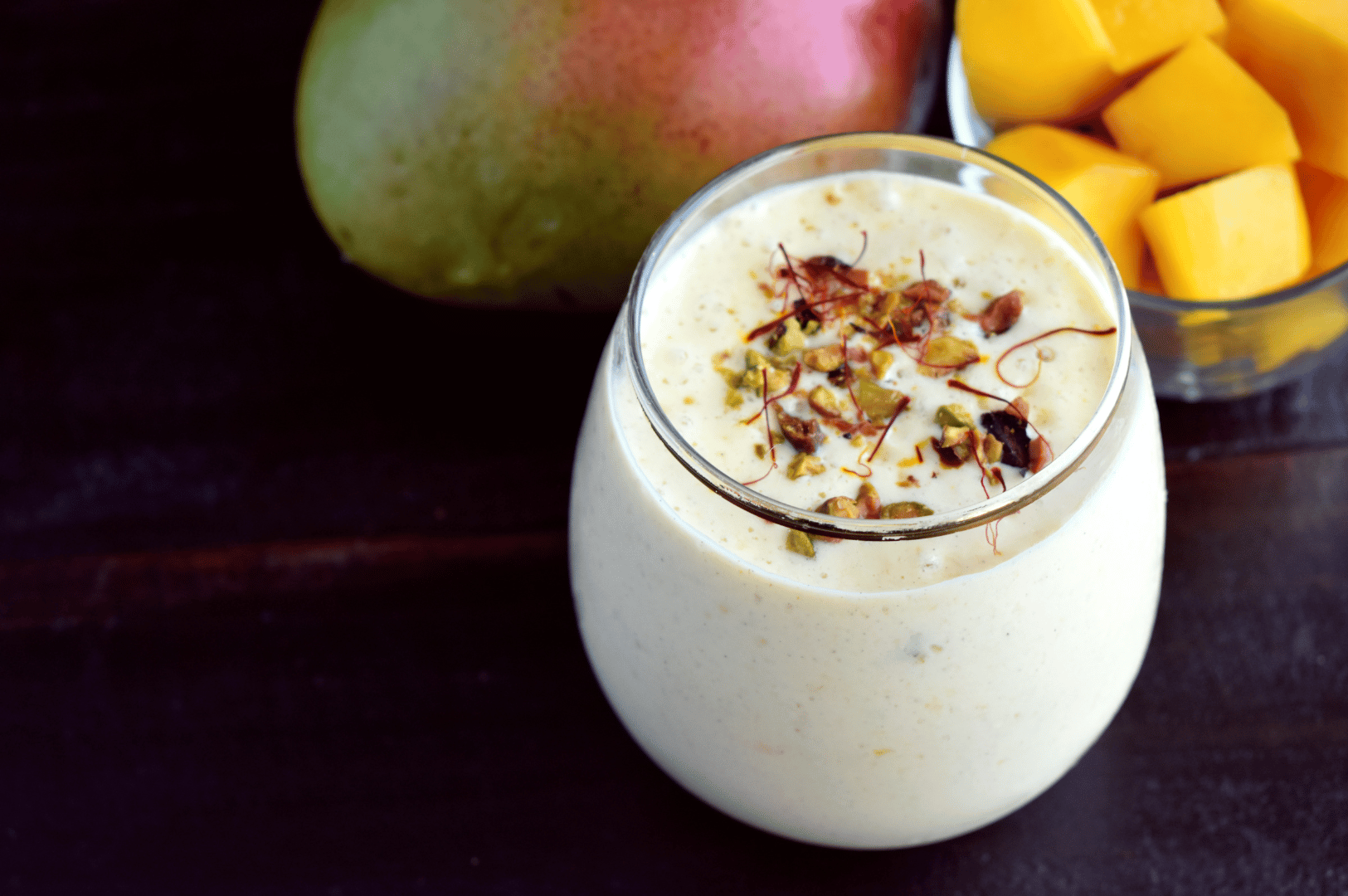
Across India, fruit lassi is a popular choice, especially during hot weather. The undisputed king is the mango lassi. Made with ripe sweet mangoes, it has a luscious mango flavour that is beloved worldwide. Another popular choice is the rose lassi, scented with fragrant rose water or rose syrup for an elegant and floral delicious flavour.
From Summer Coolers to Winter Warmers: Lassi for Every Season

Lassi is a drink that masterfully adapts to the changing seasons, with ingredients chosen to either cool the body down or provide warmth and comfort.
During the scorching summer months, lassi becomes a vehicle for the season's freshest fruits. The most famous of these is the delicious mango lassi, a global phenomenon that blends ripe mango pulp with plain yogurt for a taste of pure sunshine. The vibrant colour and tropical flavour make it an irresistible treat. You can use fresh ripe mango, canned mango pulp, or frozen mango chunks to create what many consider the best mango lassi. Other popular summer variations include those flavoured with fresh mint and a squeeze of lemon juice. These lassis are all about refreshment.
Come winter, the drink can transform into a richer, more warming beverage. A winter lassi might be infused with warming spices like ground cardamom or a few strands of precious saffron, which imparts a beautiful golden hue and a subtle, luxurious aroma. Some may even incorporate nuts to create a thicker lassi that provides energy during the colder months.
The Health Benefits of This Traditional Drink
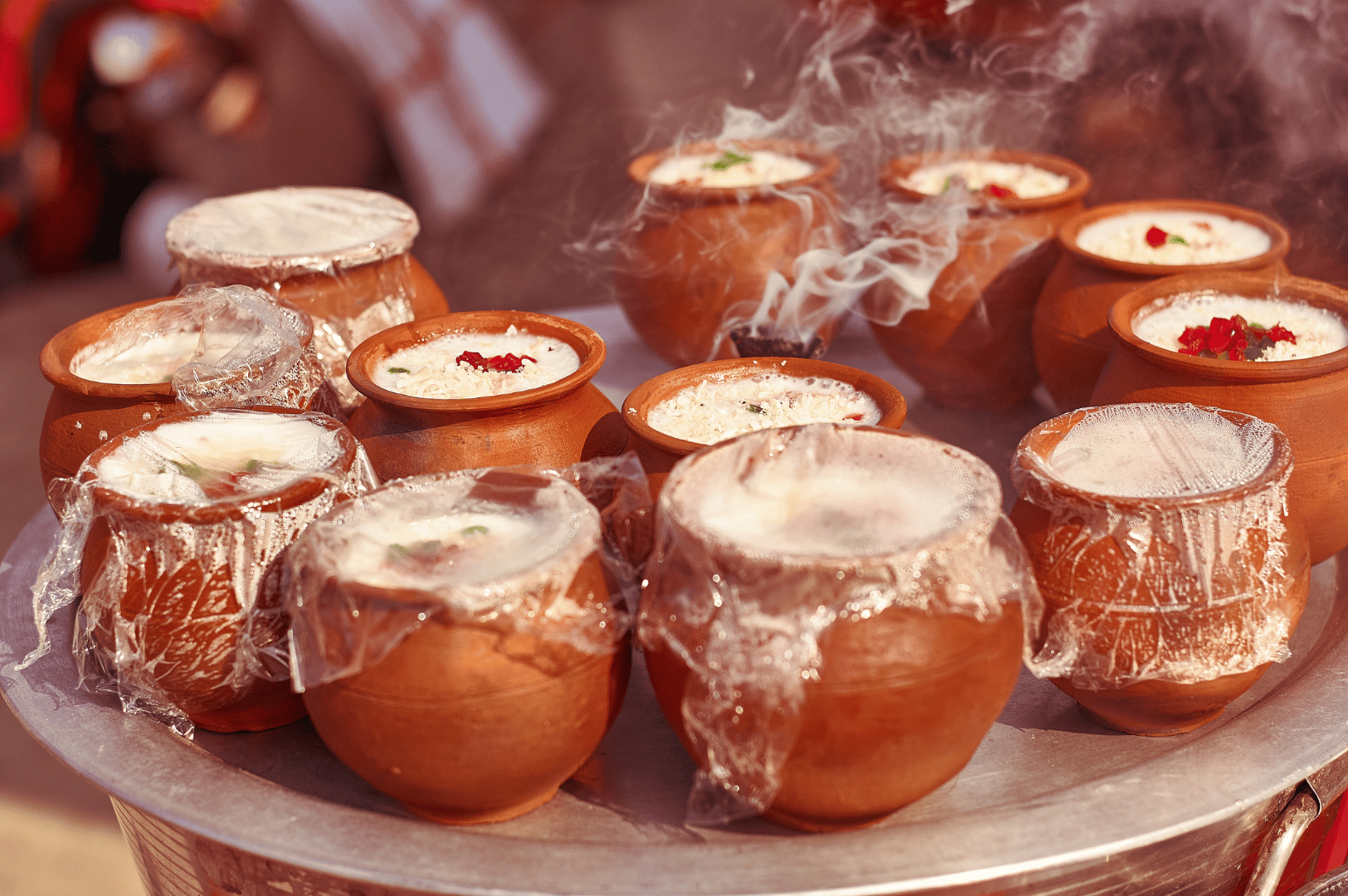
Beyond its delicious taste, lassi is a powerhouse of nutrition. Its simple, natural ingredients offer a wide range of health benefits, making it a truly wholesome beverage.
The star ingredient, yogurt (or homemade curd), is a fantastic source of probiotics. These beneficial bacteria help maintain a healthy gut microbiome, which is crucial for good digestion and a strong immune system. The fermentation process also makes yogurt easier to digest than cow's milk for many people. According to Ayurveda, yogurt has cooling properties, which is why lassi is so effective at combating heat.
Lassi is also rich in calcium and protein, which helps you feel full and satisfied. The savoury versions, in particular, are excellent for rehydration as they replenish both fluids and electrolytes. It’s a natural, nutritious alternative to sugary soft drinks, with sweetness coming from sources like raw sugar, coconut sugar, or palm sugar instead of refined white sugar.
Easy Lassi Recipes to Try at Home
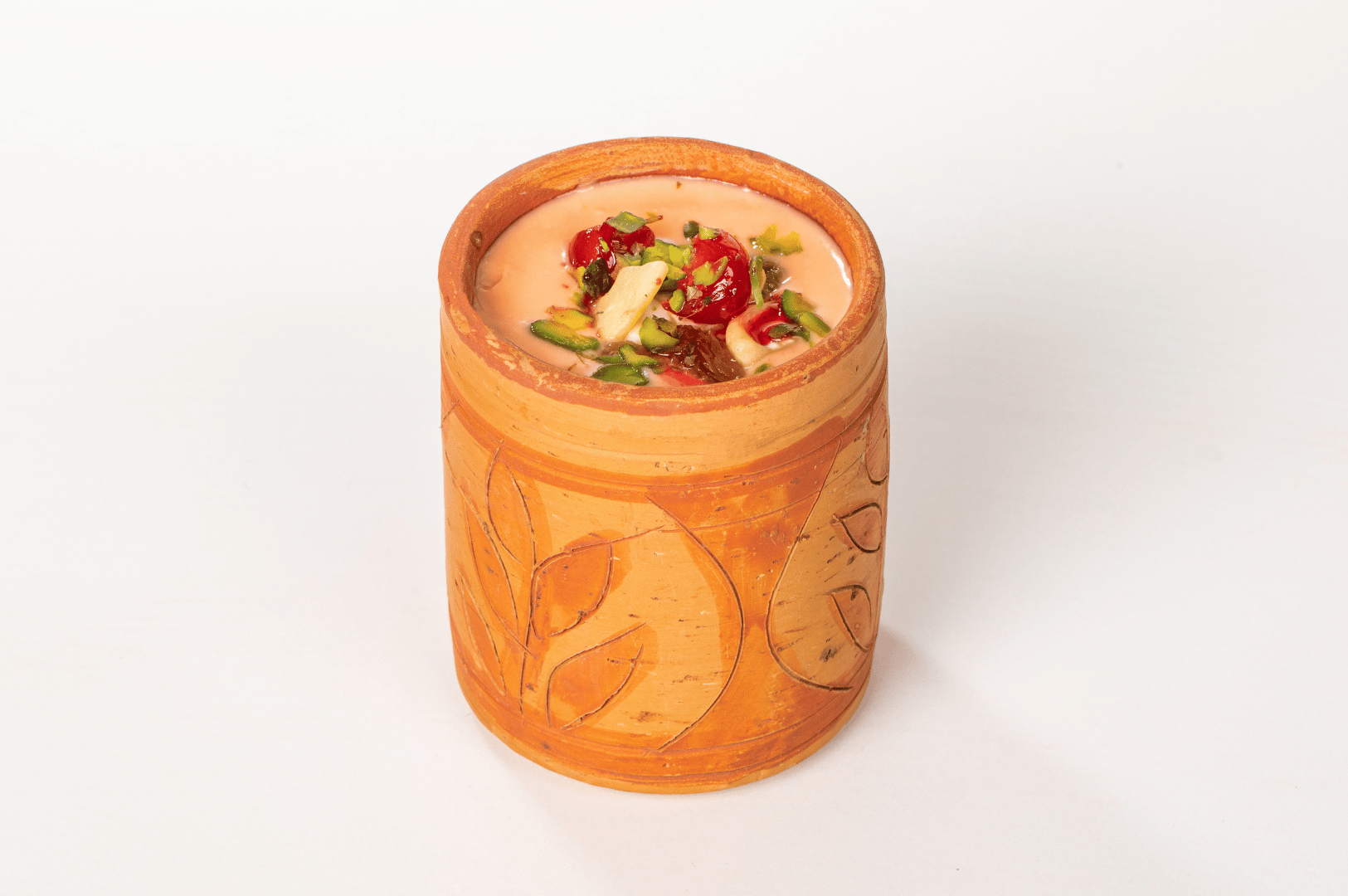
Ready to take a culinary journey from your own kitchen? Lassi is incredibly easy to make. All you need is a blender jar or an immersion blender and a few simple ingredients. You don't need a strict recipe; feel free to experiment.
1. Sweet Lassi Recipe
This is the timeless Punjabi classic. No need to check required recipe ratings; this one is a guaranteed winner.
- Ingredients:
- 1 cup plain, full-fat yogurt
- Half cup chilled water or cold milk
- 2-3 tablespoons sugar (or maple syrup), or to taste
- A pinch of cardamom powder (optional)
- A few ice cubes
- Instructions:
- Combine the yogurt, chilled water, sugar, and cardamom in a blender.
- Blend until smooth and frothy. For a thicker lassi, use less water.
- Add ice cubes and blend again briefly.
- Pour into a tall glass and serve chilled. Garnish with chopped nuts if desired.
2. Delicious Mango Lassi
A fruity favourite that’s impossible to resist. This is one of those amazing recipes that tastes great every time.
- Ingredients:
- 1 cup plain yogurt
- 1/2 cup chopped ripe mango or canned mango pulp
- 1/2 cup cold water
- 1-2 tablespoons honey or sugar, to taste
- Saffron strands for garnish (optional)
- Instructions:
- Place the yogurt, mango pulp, water, and sweetener in a blender.
- Blend until completely smooth. The sour flavour of the yogurt should be balanced by the mango.
- Taste and adjust sweetness. If you want more sugar, add it now.
- Pour into glasses and serve immediately.
3. Salty Lassi (Namkeen Lassi)
A savoury and refreshing alternative.
- Ingredients:
- 1 cup plain yogurt
- 1 cup cold water
- 1/2 teaspoon salt, or to taste
- 1/2 teaspoon roasted cumin powder
- Fresh herbs like mint or coriander for garnish
- Instructions:
- Blend the yogurt, water, salt, and cumin powder until well combined.
- Pour over a few ice cubes in a glass.
- Garnish with fresh mint and serve. For a spicy kick, add chaat masala.
More Than Just a Drink
Lassi is far more than just a simple yogurt drink; it's a living piece of India's cultural heritage. It represents a philosophy of creating food that is both delicious and nourishing. From its ancient origins as a farmer's humble refreshment to its modern status as a favourite in Indian restaurants worldwide, lassi has retained its authentic soul.
It’s a shared experience that connects families, welcomes guests, and offers a moment of cool comfort. Whether you prefer the sweet version, the salty version, or a fruity mango lassi, there is a recipe for everyone. So next time you have the chance, explore its many variations or even try making one yourself. You’ll be sipping on centuries of tradition.
For more regional flavors, try Thailand’s magical butterfly tea or discover the comforting richness of khao soi, northern Thailand’s iconic curry noodle soup.

Korean Citron Tea: Health Benefits and Wellness Secrets
Eat Drink Asia Team | January 29, 2026
As the seasons change and a chill enters the air, many of us seek out comforting rituals to support our well-being. Imagine wrapping your hands around a steaming cup of Korean citron tea—also known as yuja-cha—its bright, citrus aroma soothing and revitalizing with every sip. More than just a winter treat, Korean citron tea is…
-
When the Izakaya Becomes the Plan: Izakaya Singapore Beyond Dinner
Dio Asahi | January 27, 2026
As you step behind the humble noren curtain, you’re greeted by glowing lanterns, sizzling charcoal-grilled skewers, and warm welcomes. This is izakaya, Japan’s casual pub, a vibrant part of Singapore’s dining scene. More than just yakitori and sake, izakayas offer a lively setting for social drinking and dining, perfect for fans of Japanese culture. Dating…
-
Yuja Tea: Korea’s Traditional Citron Tea
Dio Asahi | January 27, 2026
The golden, aromatic steam rising from a cup of yuja tea carries centuries of Korean tradition and wellness wisdom. This caffeine-free citrus beverage has warmed Korean hearts through countless winters, offering both comfort and powerful health benefits in every sip. Made from the Korean citron known as yuja fruit, this simple Korean tea represents one…
-
The Global Phenomenon of Korean Instant Noodle: A Cultural and Culinary Journey
Eda Wong | January 24, 2026
In the high-octane streets of South Korea, where the “pali-pali” (hurry-hurry) culture defines the pace of life, one dish stands as the ultimate equalizer of speed and satisfaction: Korean ramyeon. While the world often uses the terms ramen and ramyeon interchangeably, the Korean version is a distinct entity. It is not merely a quick snack…
-
Traditional Ramyeon: The Soulful Heart of Korean Noodle Culture
Eat Drink Asia Team | January 20, 2026
In the bustling culinary landscape of South Korea, few comfort foods can match the satisfaction of a steaming bowl of ramyeon. While outside of Korea, “ramyeon” often brings to mind Korean instant noodles or instant ramen, true ramyeon Korean style refers to the artful, freshly prepared noodle soup enjoyed in homes and at local restaurants…
-
The Heart of the Korean Noodles: History and Texture
Eda Wong | January 17, 2026
In Korea, a bowl of noodles is far more than a simple dish; it is a cultural anchor that has weathered centuries of change. For generations, the length of the strand has symbolized a long and prosperous life, making Korean noodles a staple at birthdays, weddings, and the milestone 60th birthday celebration known as hwangap….
-
Preserving the ‘Big Bowl’ Tradition with Pen Cai Delivery in the Age of Doorstep Dining
Eat Drink Asia Team | January 15, 2026
Modern Festive Menu: Bringing the Big Bowl Home There is a special, undeniable magic to the Chinese New Year reunion dinner. For many families, Chinese New Year 2026 is another chance to gather loved ones at the table and celebrate with a glorious pen cai—sometimes called the “big bowl feast”—overflowing with premium ingredients and festive…
-
Sencha: Traditions, Flavors, and the Essence of Japanese Tea
Eat Drink Asia Team | January 15, 2026
When people around the world think of Japanese tea, images of tranquil tea ceremonies in small rooms or frothy bowls of matcha often come to mind. Yet, the reality of tea drinking in Japan is much broader, woven deeply into the culture and daily habits. For the vast majority, sencha is the beloved tea that…
-
The Best Restaurants Tokyo Are Rarely the Ones You Plan For
Eda Wong | January 12, 2026
Tokyo, Japan’s capital, does not reward urgency. It rewards return. On my first visit, I chased what everyone told me were the best restaurants Tokyo had to offer. I spent weeks highlighting maps, bookmarking digital “must-eat” lists, and refreshing reservation pages until my eyes blurred. I thought that by conquering the top-tier establishments, I would…
-
Japan and Food: Culinary Harmony – The Deep Connection Between Japanese Food and Culture
Eat Drink Asia Team | January 11, 2026
When it comes to Japan and food, the two are intertwined in ways that captivate taste buds and awaken the senses. Japanese cuisine stands as one of the world’s most revered traditions—more than nourishing meals, it is an art reflecting centuries of philosophy and a window into Japanese culture itself. Every bowl of miso soup,…