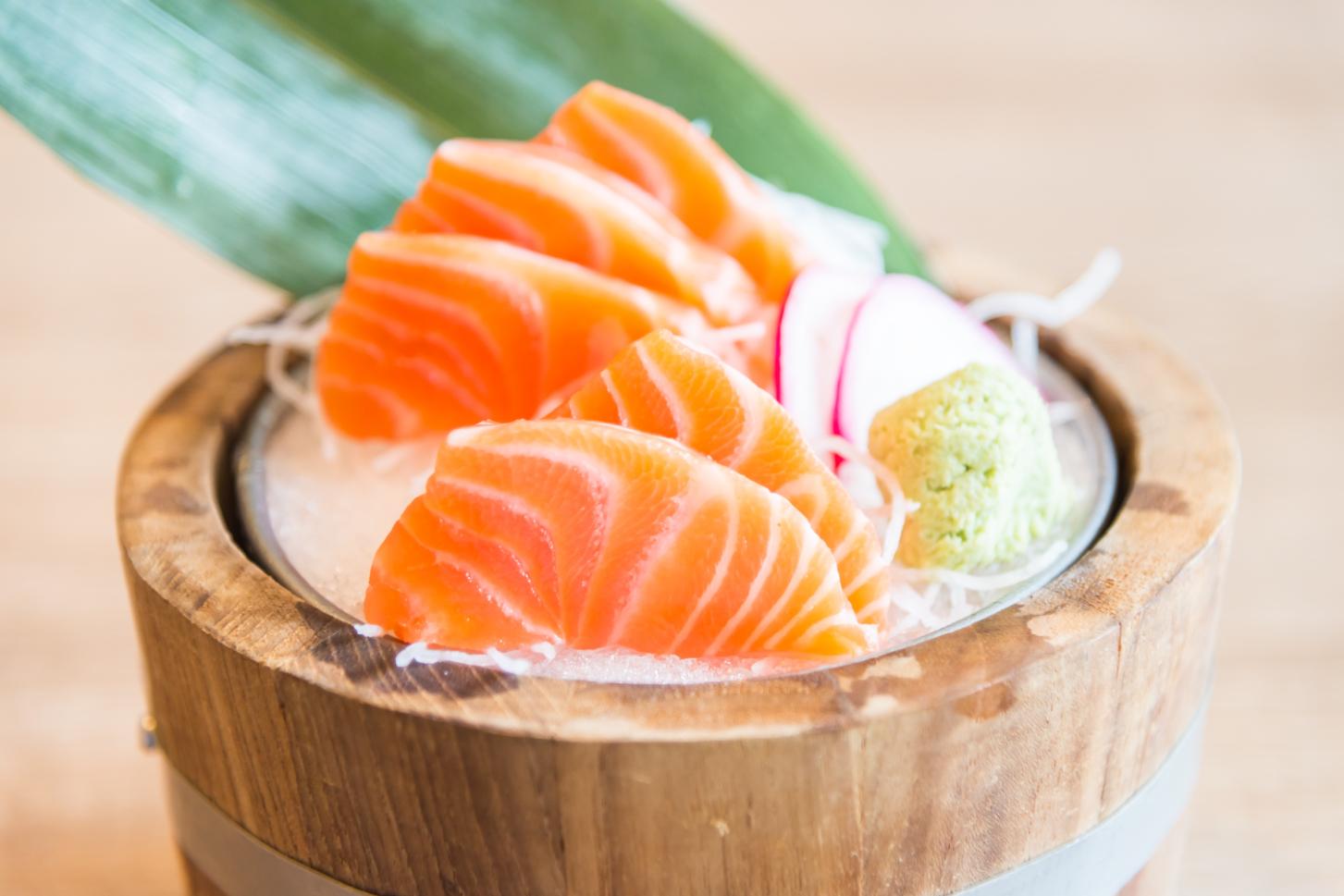
In Singapore, a city that moves at a dizzying pace, there is a quiet but growing reverence for pursuits that demand patience. Nowhere is this more apparent than in the city’s evolving appreciation for authentic Japanese cuisine. The once-niche world of omakase has entered the mainstream lexicon, and with it, a more discerning palate for one of its most fundamental components: sashimi.
This shift reflects a dedication to satisfying refined palates, with diners seeking out experiences that cater to their sophisticated taste preferences. The conversation has shifted from mere availability to a deeper understanding of what constitutes true quality and good food.
Discover the best sashimi experiences in Singapore, where the search is no longer about finding the thickest slice of salmon fish at the most convenient location. Instead, indulge in a thoughtful exploration of seasonality, sourcing, and the masterful hands that transform a simple piece of fish into an expression of culinary art.
This includes many varieties of fresh seafood, some of which benefit from subtle marinating or carefully controlled aging. It is a quiet pursuit of perfection, one that values integrity over immediacy.
Beyond Fresh: What Defines Quality Sashimi?
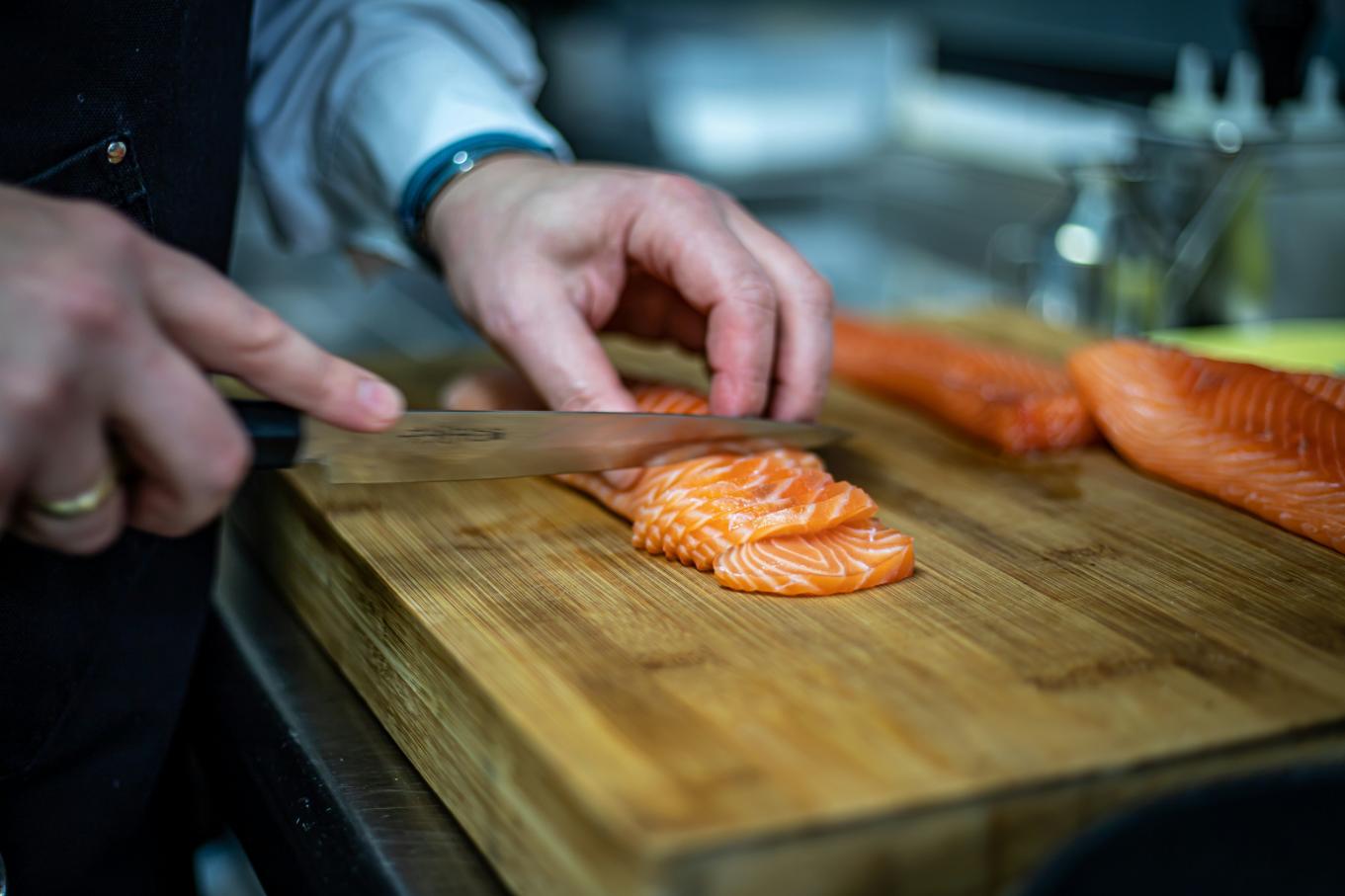
The term “fresh” is often used as a catch-all for quality, but in the context of high-end sashimi, it represents a far more complex ideal—freshness is paramount, ensuring optimal flavor, safety, and visual appeal. While proximity to the sea is a factor, the journey of premium sashimi begins thousands of kilometers away, at the world-renowned Toyosu Market in Tokyo, where only the highest quality ingredients are selected for their superior taste and texture.
Sashimi is a traditional Japanese dish made from raw seafood, carefully prepared and served raw to highlight the natural flavors and delicate textures of the fish. The art of sashimi lies in the chef’s ability to select, handle, and thinly slice the seafood, enhancing both the taste experience and the visual presentation of each piece.
The Toyosu Connection
Every morning, before the sun rises over Tokyo Bay, a meticulously orchestrated auction takes place. The finest catches from Japan’s waters are inspected, graded, and dispatched to chefs around the globe. For Singapore’s top Japanese restaurants, this means a near-daily shipment of fish, often arriving in the city on the same day it was purchased.
This direct line to Toyosu is the first, non-negotiable step in offering truly fresh sashimi in Singapore, where these premium ingredients are showcased across our menus and crafted into exquisite sashimi dishes. The fresh fish from Toyosu is transformed by our chefs into a memorable meal, highlighting the artistry and variety of Japanese cuisine. The careful handling ensures that even when served hot in some accompanying dishes, the sashimi maintains its delicate balance of flavors.
A Matter of Time and Temperature
The discipline of a Japanese kitchen is built on respect for ingredients and process. This dedication is often most visible in what is unseen: the hours of preparation that occur long before the first guest arrives. This is where knife work, temperature control, and portioning become paramount.
Every slice of sashimi is a testament to the chef’s skill. The angle of the blade, the pressure applied, and the thickness of the slice are all calibrated to enhance the fish’s natural texture. Temperature is equally critical. Fish served too cold will have muted flavors, while fish that is too warm loses its structural integrity. The perfect piece of sashimi is served at a precise temperature that allows its oils and flavors to express themselves fully on the palate.
A Case Study in Discipline: The Dinner-Only Omakase
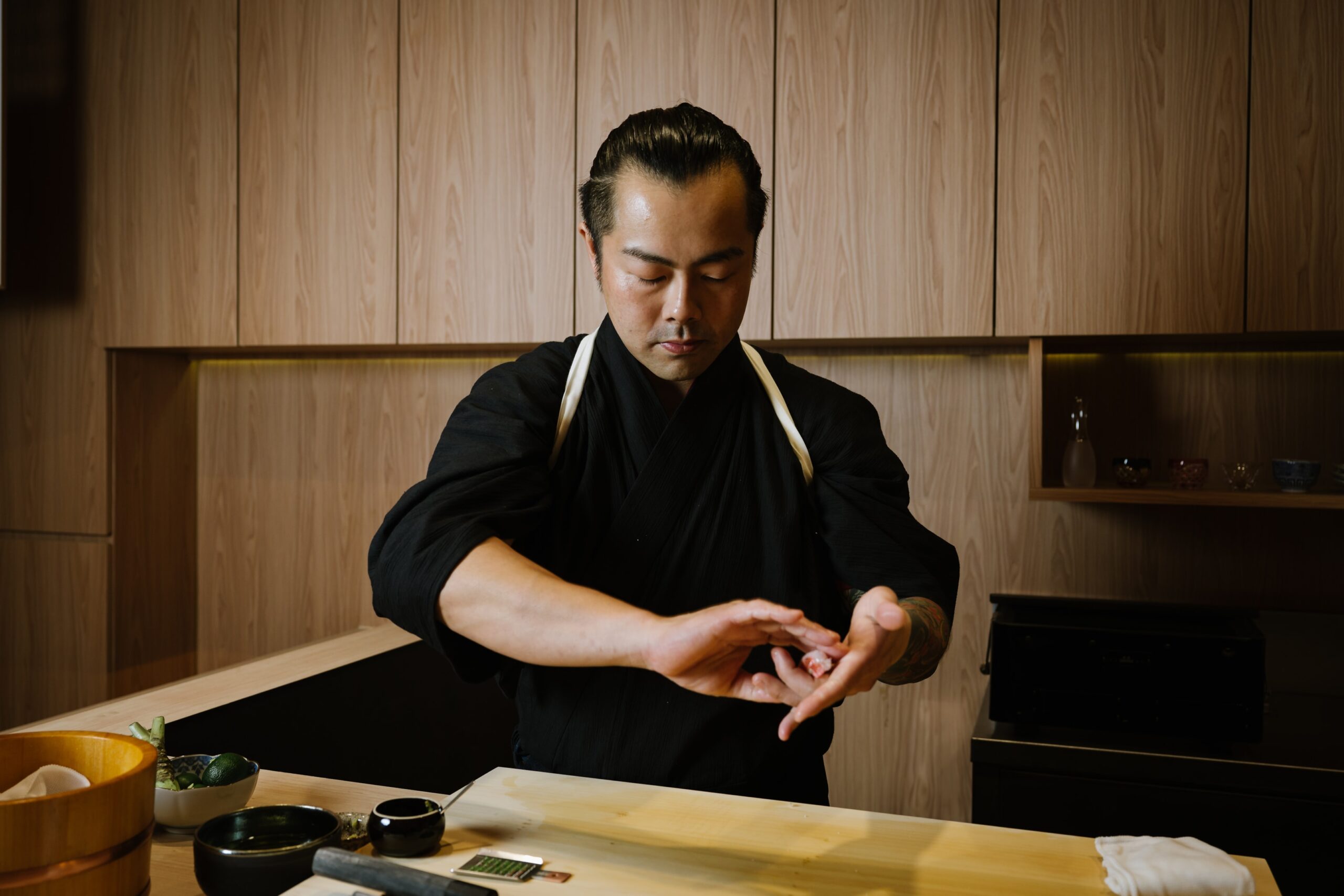
In a competitive dining landscape where maximizing opening hours is standard practice, some establishments choose a more deliberate path. This philosophy is quietly embodied at Sushi Masa by Ki-setsu, a discreet eight-seat omakase counter hidden on the sixth floor of Cuppage Plaza. It is the only restaurant on its level, a serene enclave away from the building’s bustling lower floors.
The Decision to Forgo Lunch
Sushi Masa is notable for many reasons, but one of its most defining characteristics is its dinner-only service. The restaurant does not serve lunch. This is not a commercial oversight but a conscious decision rooted in an unwavering commitment to quality. The reason is simple: the day's fresh seafood from Toyosu Market arrives in the morning.
For an establishment dedicated to serving the best sashimi in Singapore, this timing is crucial. To offer a lunch service would mean one of two compromises: using fish from the previous day’s shipment or relying on frozen stock. Sushi Masa refuses both.
Lunch Hours Dedicated to Preparation
Instead, the lunch hours are the most crucial period of preparation. This is when the real work begins:
- Receiving and Inspecting: The chefs carefully receive and inspect the day’s catch, assessing each fish for quality.
- Cleaning and Portioning: Each fish is meticulously cleaned, scaled, and portioned with precision.
- Aging and Curing: The chefs determine the optimal aging process for each cut, whether it’s a short rest for a white fish or a longer cure for a bluefin tuna belly.
- Menu Conceptualization: The omakase menu is conceptualized based on what is at its absolute peak that day.
The Key: The Art of Aging and Preparation
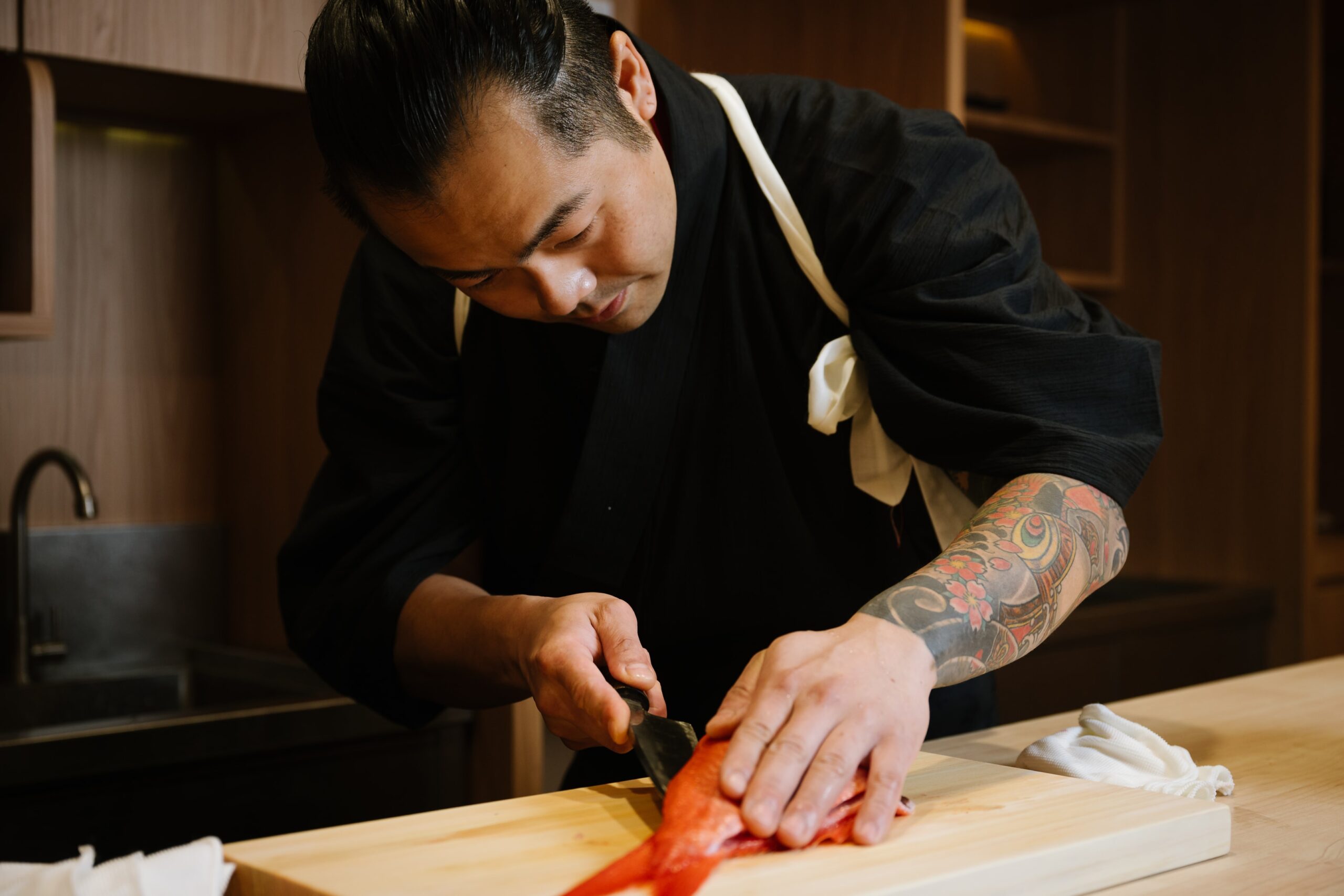
Ironically, the freshest fish is not always the best to eat immediately. The preparation of sashimi and sushi at Sushi Masa by Ki-setsu is entrusted to skilled chefs, whose expertise ensures each piece is handled with precision and care. True craftsmanship begins after the fish arrives. The process, known as jukusei (aging), is a delicate science. Depending on the type of fish—its fat content, muscle structure, and species—a master chef will decide whether to serve it immediately or let it rest. Fatty cuts, such as toro or hamachi, are carefully aged to enhance their taste and texture, resulting in a premium delicacy.
The art of sashimi preparation relies on the chef’s knife skills, with each fish expertly sliced, thinly sliced, or cut into thin slices to create uniform slices that highlight the natural beauty and texture of the raw seafood. Sashimi is traditionally eaten raw, and proper freezing techniques are used to kill parasites and ensure food safety. While sashimi is most commonly made from fish, it can also be eaten as raw meat, such as beef or horse, and is enjoyed as a raw seafood dish among a variety of dishes in Japanese cuisine. Premium sashimi is considered a delicacy, often popularly served as part of a larger meal.
Presentation is elevated with garnishes and vegetables like daikon and shiso leaves, and traditional condiments such as wasabi, soy sauce, grated ginger, and ginger are served alongside to enhance flavor and sometimes help kill bacteria. Certain types of sashimi, such as saba, may be preserved with vinegar or salt to maintain freshness and add depth to the taste. Dashi is sometimes used to enhance the flavor of sashimi, and soup can be made from fish leftovers to utilize the entire fish.
It is important to distinguish sashimi from sushi: sashimi is served without vinegared rice, focusing solely on the quality and preparation of the raw seafood. Eating sashimi involves specific etiquette, such as dipping in soy sauce, adding condiments, and appreciating the chef’s artistry. Chef Masa’s expertise in particularly sushi and sashimi ensures that each dish is a highlight of the omakase meal.
Not just Salmon Sashimi
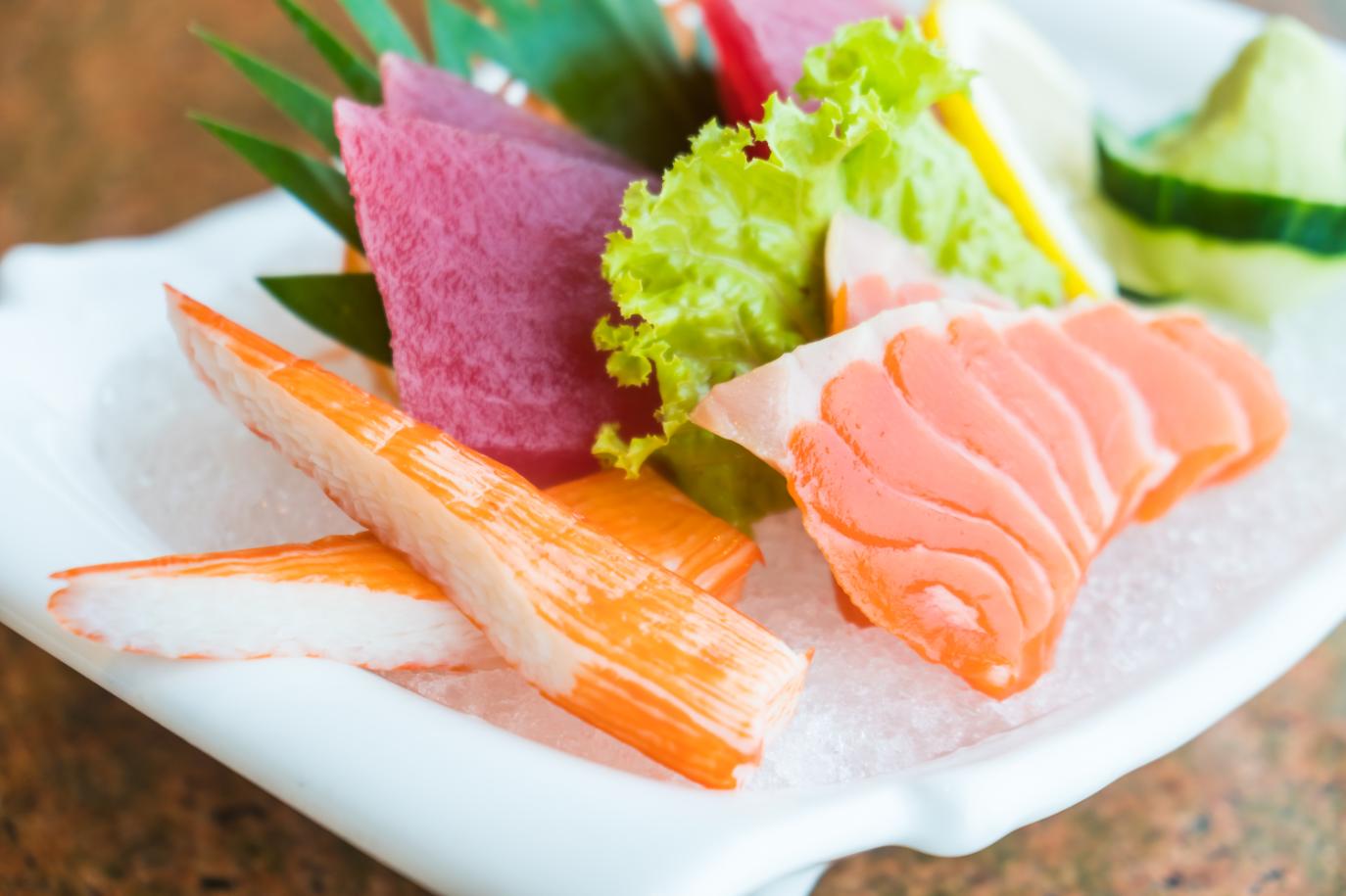
A wide variety of assorted sashimi is available, including octopus, tako, squid, trout, scallop, yellowtail, hamachi, maguro, uni, salmon sashimi, and swordfish, many of which are popularly served in Japanese restaurants. For those seeking a complete Japanese dining experience, refined dishes like tempura are also offered, showcasing the breadth of traditional Japanese cuisine.
The Pursuit of Authenticity for Traditional Japanese Cuisine Sushi Restaurants

The growing number of diners willing to seek out such experiences signifies a maturing culinary scene. The appreciation for fresh sashimi in Singapore has evolved into an understanding that true excellence is not about convenience. It is about seasonality, the skill of the chef, and a restaurant’s willingness to prioritize the integrity of its ingredients above all else.
Finding the best sashimi is about finding a chef who respects the entire journey of the fish—from the waters of Japan to the auction at Toyosu, through the delicate process of aging and preparation, and finally, to the plate.
It is a quiet pursuit, but for those who seek it, the reward is an experience of unparalleled purity and flavor. It is a reminder that sometimes, the most profound experiences are found not in grand gestures, but in the disciplined and sincere execution of a craft. Continue exploring this world through Understanding Sake Alcohol Content: A Complete Guide to ABV and Flavor and Japanese Sake: The Complete Guide to Japan’s Traditional Rice Wine.

When the Izakaya Becomes the Plan: Izakaya Singapore Beyond Dinner
Dio Asahi | January 27, 2026
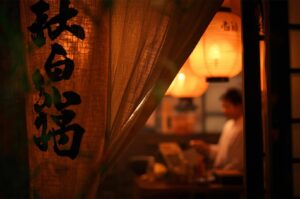
As you step behind the humble noren curtain, you’re enveloped by the glow of lanterns, the sizzle of charcoal grilled skewers, and a resounding welcome from staff. This is izakaya, Japan’s answer to the gastropub and a beloved staple in Singapore’s vibrant dining landscape. But there’s far more to the izakaya Singapore experience than just…
-
Yuja Tea: Korea’s Traditional Citron Tea
Dio Asahi | January 27, 2026
The golden, aromatic steam rising from a cup of yuja tea carries centuries of Korean tradition and wellness wisdom. This caffeine-free citrus beverage has warmed Korean hearts through countless winters, offering both comfort and powerful health benefits in every sip. Made from the Korean citron known as yuja fruit, this simple Korean tea represents one…
-
The Global Phenomenon of Korean Instant Noodle: A Cultural and Culinary Journey
Eda Wong | January 24, 2026
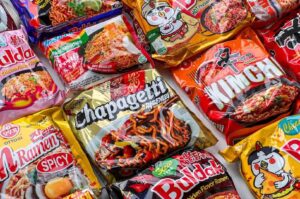
In the high-octane streets of South Korea, where the “pali-pali” (hurry-hurry) culture defines the pace of life, one dish stands as the ultimate equalizer of speed and satisfaction: Korean ramyeon. While the world often uses the terms ramen and ramyeon interchangeably, the Korean version is a distinct entity. It is not merely a quick snack…
-
Traditional Ramyeon: The Soulful Heart of Korean Noodle Culture
Eat Drink Asia Team | January 20, 2026
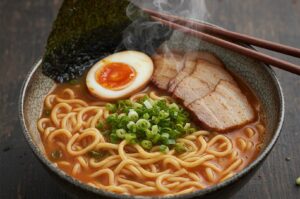
In the bustling culinary landscape of South Korea, few comfort foods can match the satisfaction of a steaming bowl of ramyeon. While outside of Korea, “ramyeon” often brings to mind Korean instant noodles or instant ramen, true ramyeon Korean style refers to the artful, freshly prepared noodle soup enjoyed in homes and at local restaurants…
-
The Heart of the Korean Noodles: History and Texture
Eda Wong | January 17, 2026
In Korea, a bowl of noodles is far more than a simple dish; it is a cultural anchor that has weathered centuries of change. For generations, the length of the strand has symbolized a long and prosperous life, making Korean noodles a staple at birthdays, weddings, and the milestone 60th birthday celebration known as hwangap….
-
Preserving the ‘Big Bowl’ Tradition with Pen Cai Delivery in the Age of Doorstep Dining
Eat Drink Asia Team | January 15, 2026
Modern Festive Menu: Bringing the Big Bowl Home There is a special, undeniable magic to the Chinese New Year reunion dinner. For many families, Chinese New Year 2026 is another chance to gather loved ones at the table and celebrate with a glorious pen cai—sometimes called the “big bowl feast”—overflowing with premium ingredients and festive…
-
Sencha: Traditions, Flavors, and the Essence of Japanese Tea
Eat Drink Asia Team | January 15, 2026
When people around the world think of Japanese tea, images of tranquil tea ceremonies in small rooms or frothy bowls of matcha often come to mind. Yet, the reality of tea drinking in Japan is much broader, woven deeply into the culture and daily habits. For the vast majority, sencha is the beloved tea that…
-
The Best Restaurants Tokyo Are Rarely the Ones You Plan For
Eda Wong | January 12, 2026
Tokyo, Japan’s capital, does not reward urgency. It rewards return. On my first visit, I chased what everyone told me were the best restaurants Tokyo had to offer. I spent weeks highlighting maps, bookmarking digital “must-eat” lists, and refreshing reservation pages until my eyes blurred. I thought that by conquering the top-tier establishments, I would…
-
Japan and Food: Culinary Harmony – The Deep Connection Between Japanese Food and Culture
Eat Drink Asia Team | January 11, 2026
When it comes to Japan and food, the two are intertwined in ways that captivate taste buds and awaken the senses. Japanese cuisine stands as one of the world’s most revered traditions—more than nourishing meals, it is an art reflecting centuries of philosophy and a window into Japanese culture itself. Every bowl of miso soup,…
-
The Verdant Cup: A Celebration of Green Tea in Japan
Eda Wong | January 10, 2026
In Japan, green tea is much more than a beverage. It marks a moment of pause, hospitality, and tradition. The story of green tea in Japan weaves through centuries of culture, artistry, and daily life—bridging ancient rituals like the Japanese tea ceremony to everyday meals enjoyed at home. The origins and beginning of Japanese tea…