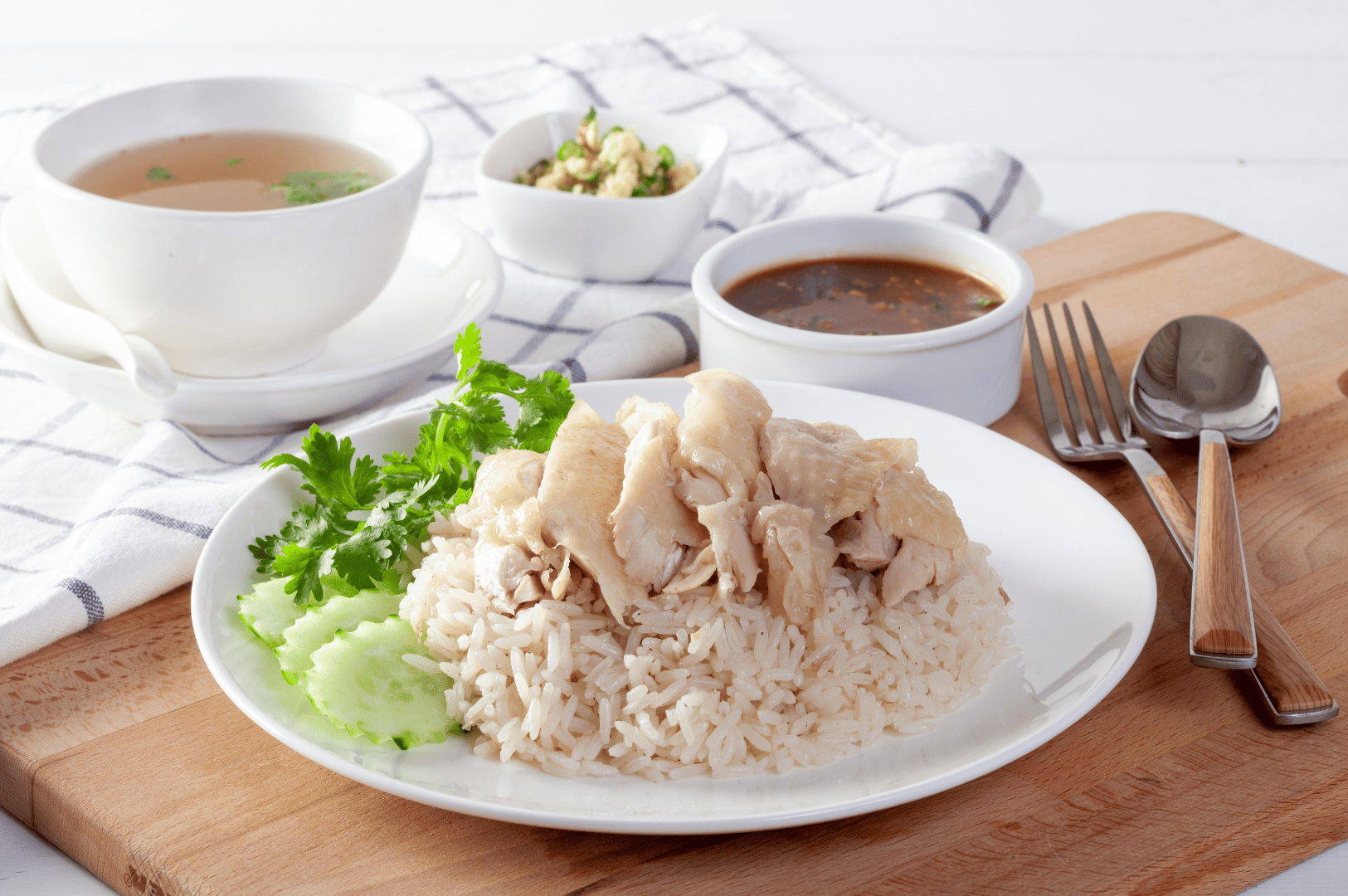
To wander through Singapore’s bustling hawker centres on a humid evening is to experience a symphony of sights, sounds, and smells. Among the many other dishes sizzling away, one plate stands out for its elegant simplicity: Hainanese Chicken Rice. It arrives without fanfare—gleaming slices of poached chicken over fragrant rice, flanked by a trio of sauces and a delicate broth. This dish is far more than a simple meal; it is an icon, a cultural cornerstone that tells a story of migration, adaptation, and culinary perfection. To understand it is to understand the heart of Singapore.
While it is Singapore’s national dish, its origins trace back to Hainan, a southern province of China. There, a different breed of chicken, the Wenchang, was used to create a similar dish. When Hainanese immigrants brought their recipes to Singapore, they adapted to local ingredients. The quest to make a tender, succulent dish from local chickens led to the refined Hainanese chicken rice recipe we know today—a process driven by an intuitive grasp of food science.
The Science of the Perfect Poached Chicken
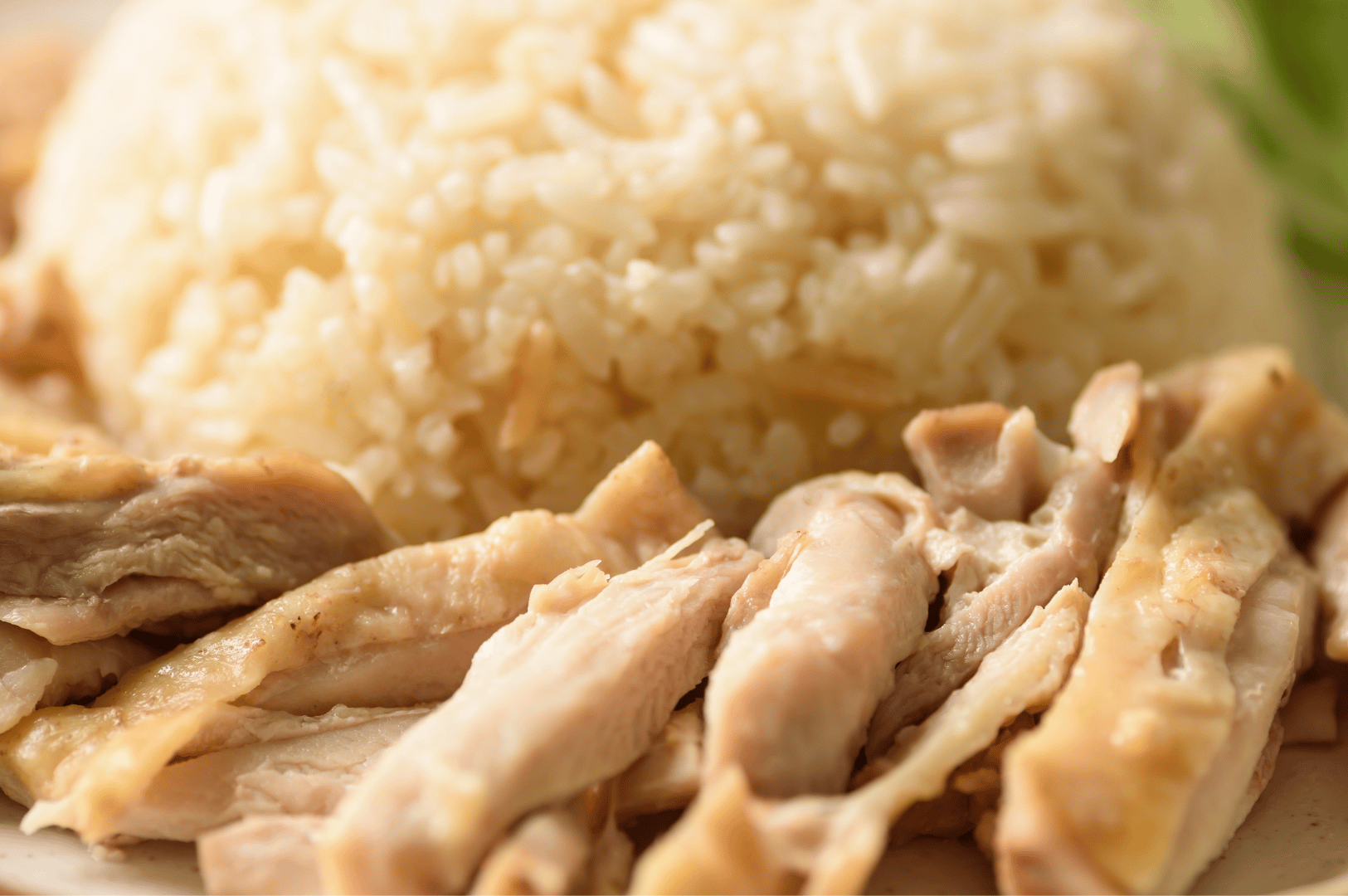
The soul of this dish is the chicken. The goal is not a crispy skin but something far more refined: a smooth, gelatinous chicken skin and meat so tender it melts in your mouth. This result hinges on a meticulous cooking process, a ritual where temperature control is everything. Mastering the poach is the first step toward a five-star review recipe.
Temperature Control: The Secret to Tenderness
The core technique is poaching a whole chicken. The process begins when you add chicken to a large pot of flavorful poaching liquid, often infused with pandan leaves, ginger, and garlic. This is brought to a boil, then the heat is immediately reduced to a gentle simmer. Many recipes call for cutting the heat entirely, covering the pot, and letting the chicken cook in the residual heat of the hot water, which remains around 80-85°C (176-185°F). This low temperature cooking is crucial.
Cooking meat involves protein denaturation. High heat causes muscle fibers to contract quickly, forcing out moisture and leading to tough meat. The gentle, low-temperature poaching method allows these proteins to denature slowly, retaining the natural juices. This ensures the chicken breast, which can easily dry out, remains moist and perfectly cooked. For precision, an instant-read thermometer inserted into the thickest part of the thigh should register the ideal temperature for doneness without overcooking.
Simultaneously, this gentle heat works magic on collagen, the connective tissue found in the chicken skin and joints. The slow cooking process transforms this collagen into soft gelatin, giving the poached chicken its signature silky mouthfeel. This food science principle is why the skin is delightfully smooth, not rubbery.
The Critical Ice Bath
Once the chicken is cooked through, you carefully lift it from the pot and immediately plunge it into an ice bath. This step is a non-negotiable part of the Hainanese chicken rice recipe. The thermal shock causes the chicken skin and the layer of saturated fat beneath it to contract and tighten. This rapid cooling locks the gelatin in place, creating a smooth, almost translucent layer. It also stops the cooking process cold, guaranteeing the delicate meat doesn't become tough.
Engineering Flavor: The Chemistry of the Rice
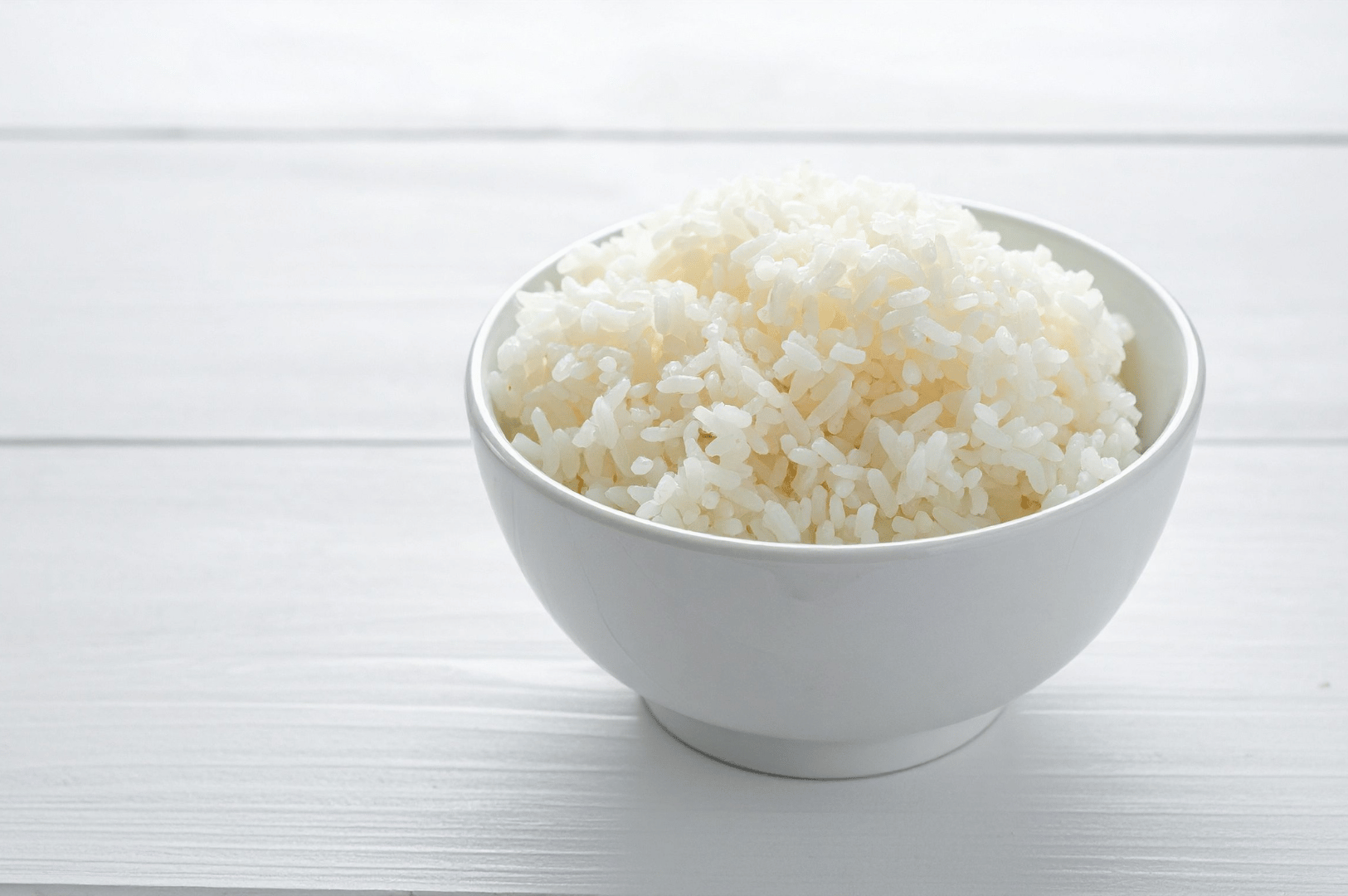
While the chicken is the star, the rice is its essential partner. This is no ordinary steamed rice; it is a flavor-delivery system. Each grain is slick, savory, and aromatic. The secret is chicken fat.
Before cooking, raw rice grains are sautéed over medium heat in rendered chicken oil along with finely minced ginger and garlic. This step leverages flavor chemistry. Fat is an excellent solvent for the aromatic compounds in the ginger and garlic, coating each grain.
Next, instead of plain water, flavorful chicken stock from the poaching liquid is added to the rice cooker pot. As the rice steams in the rice cooker, two things happen. The water-soluble flavors from the chicken broth are absorbed into the grains, while the fat-soluble aromas of ginger and garlic bloom. The chicken fat also keeps the grains separate, ensuring a glossy, non-sticky texture. The result is a fragrant, savory rice that is delicious enough to eat on its own.
A Symphony of Sauces
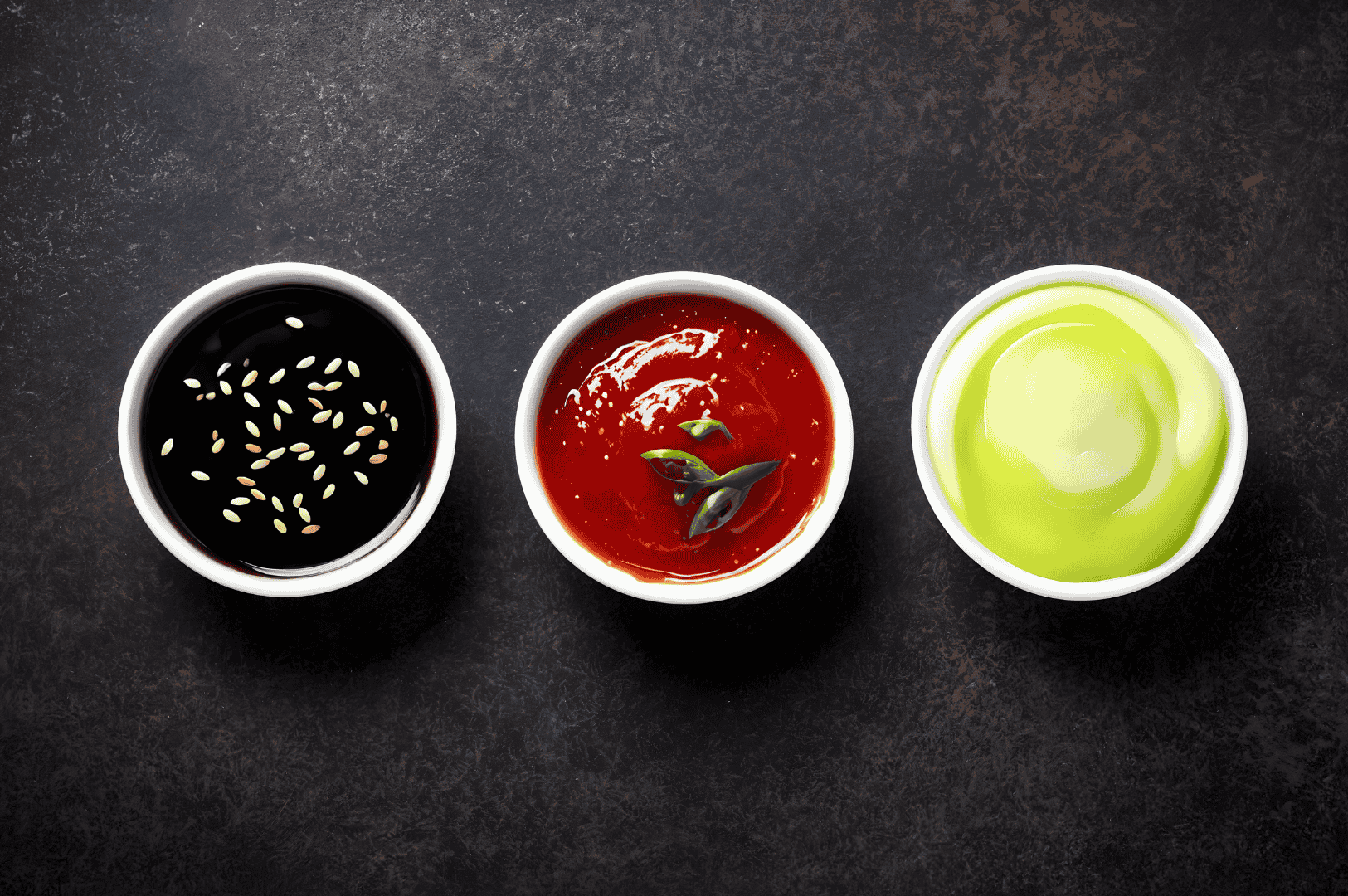
Hainanese Chicken Rice is incomplete without its three companion sauces. Each one is designed to enhance the dish, allowing for a personalized flavor journey.
The Chilli Sauce
The fiery heart of the trio, this sauce provides a sharp, acidic kick. A vibrant blend of fresh chillies, garlic, ginger, and lime juice is often balanced with sugar and a little chicken stock. A food processor makes quick work of creating a smooth consistency. This sauce cuts through the richness of the chicken and rice.
The Ginger Mixture
A simple yet potent paste. Finely minced young ginger is combined with finely chopped spring onions and a neutral oil to create a fresh, zesty counterpoint. Sometimes called spring onion oil, it cleanses the palate and highlights the chicken's delicate sweetness. Preparing it in a small bowl is easy.
The Soy Sauce Dressing
This is often a blend of light soy sauce and dark soy sauce, sometimes thinned with a little water or stock and sweetened with a touch of sugar. A drizzle of sesame oil adds nutty aroma. The light soy sauce provides saltiness, while the thick, viscous dark soy sauce adds a deep, malty sweetness and a rich color.
Together, these sauces—the chili, the ginger, and the soy sauce—allow each person to customize their plate.
Cooking Tips for the Perfect Dish at Home
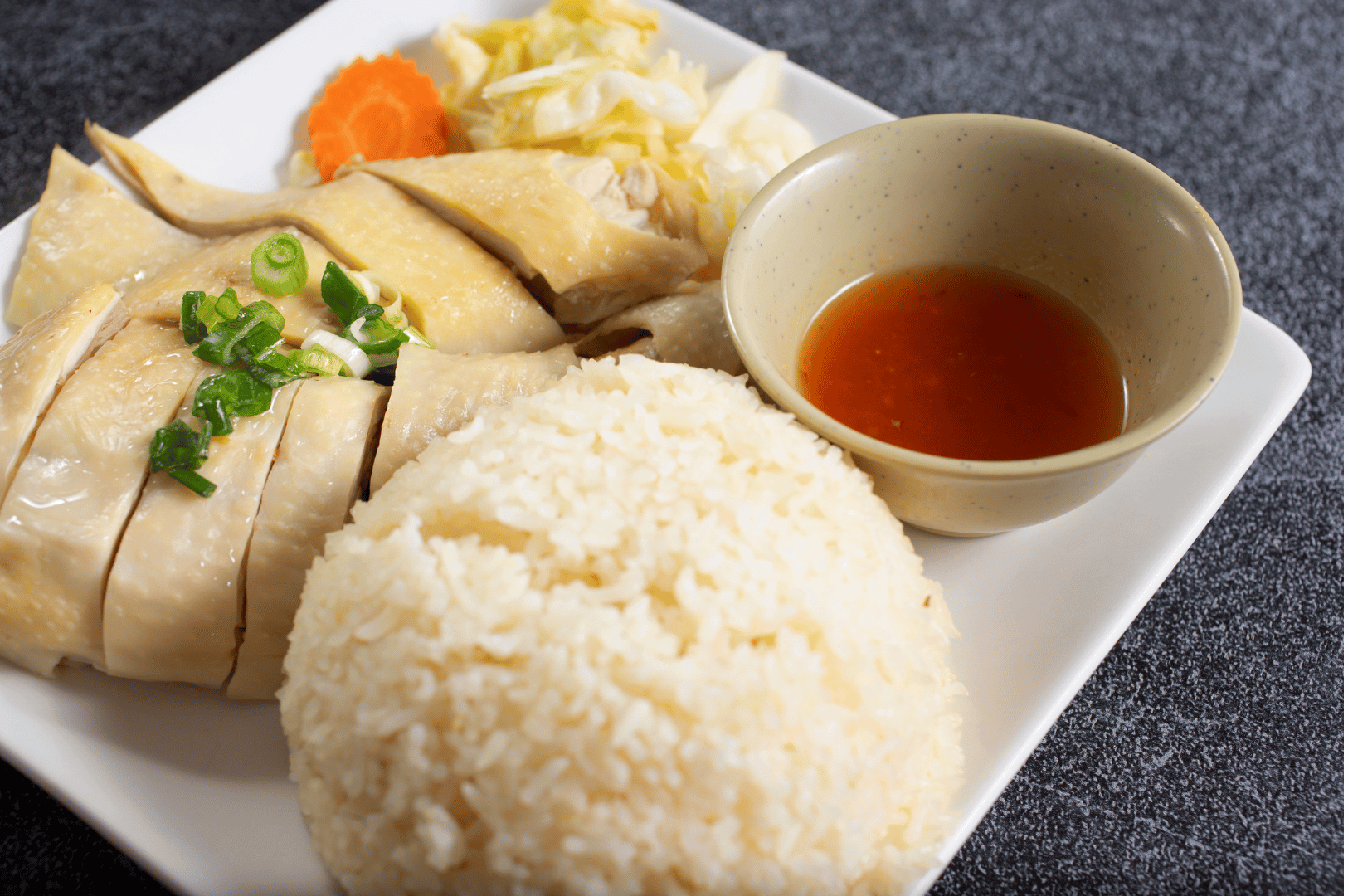
Creating authentic Hainanese chicken is achievable with attention to detail. Follow these cooking tips for success:
- Start with a Clean Chicken: Ensure the whole chicken is clean inside and out. Rub it with coarse salt and rinse thoroughly to prepare the skin.
- Monitor the Cooking Time: Poaching a chicken can take close to one hour, depending on its size. Use an instant-read thermometer to check for doneness.
- Reserve the Broth: The poaching liquid is gold. Use it to cook the rice and to serve as a simple chicken soup alongside the meal. Ladle some into a small saucepan and season it with salt and spring onions for a light broth.
- Render the Fat: Don't discard excess chicken fat. Render it on low heat to create the chicken oil needed for the rice. It makes a world of difference.
- Serve Correctly: The chicken should be served at room temperature, not hot. Carve it and arrange it over the rice with sliced cucumber.
For those looking for modern methods, sous vide cooking offers incredible temperature control. Cooking chicken breasts or chicken thighs sous vide before a quick poach can yield exceptionally tender results, although it departs from the traditional one-pot method.
A Unifying Dish
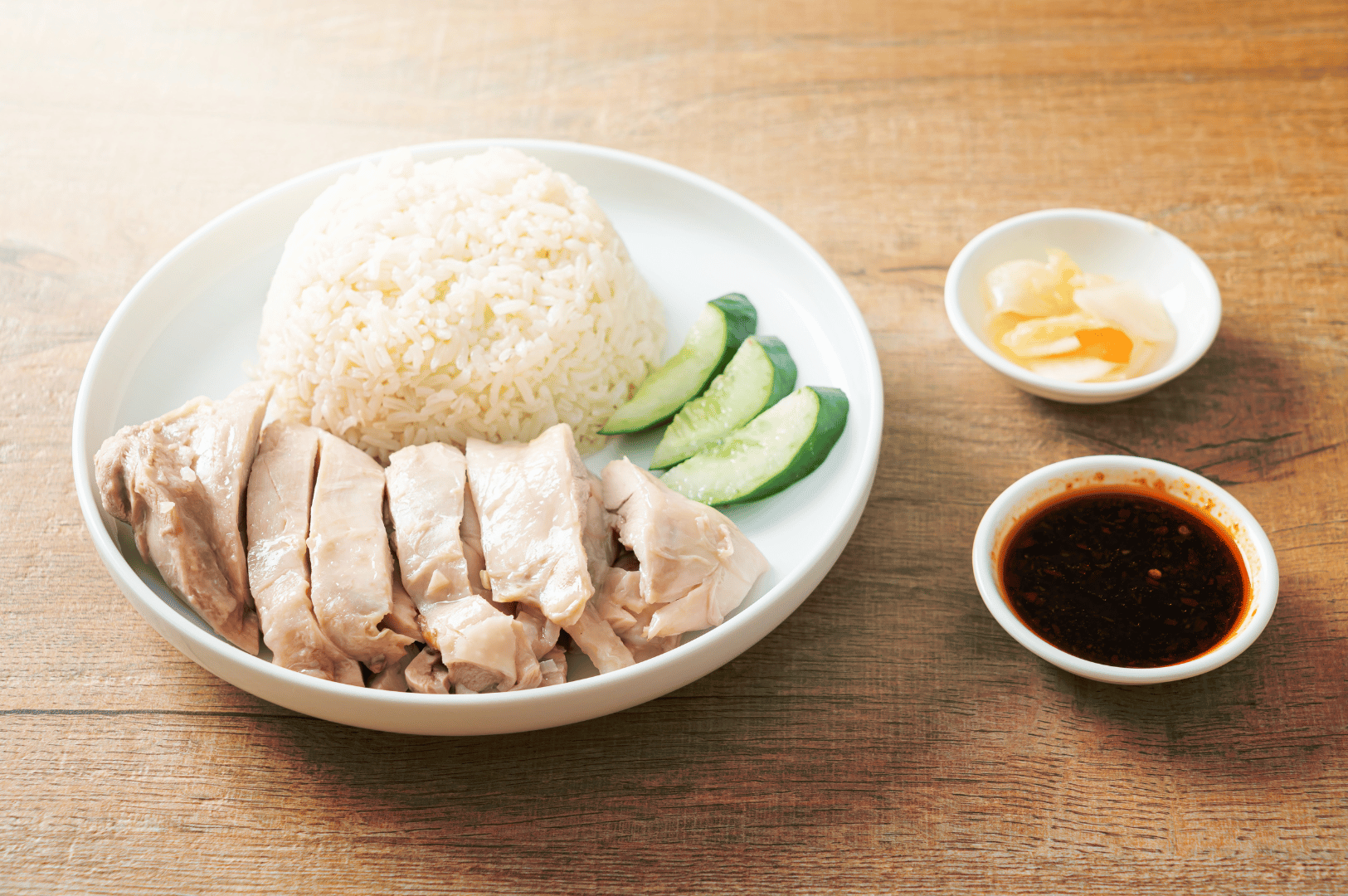
In Singapore, chicken rice transcends social and cultural lines. At hawker centres, you’ll find people from all walks of life enjoying the same beloved meal. It’s a dish that unites a nation of immigrants, a symbol of how something imported can be perfected and adopted as a national treasure. It represents a commitment to excellence, where even simple recipes are elevated through meticulous technique.
From the precise low-temperature cooking of the poached chicken to the fat-infused chemistry of the rice, this dish is where food science and soul meet. It’s a testament to generations of cooks who mastered these principles to create something deeply comforting. To eat it is to taste history, innovation, and the unifying spirit of Singapore. We hope you will review this recipe and comment something about your experience creating this wonderful dish at home. While we don't provide detailed nutritional information or nutrition facts, it's a balanced meal that continues to delight diners worldwide.
If you enjoyed this story, explore more culinary journeys in Bubble Tea Origins: How Taiwan Created a Global Beverage Phenomenon and A Food Lover’s Guide to the Taiwanese Oyster Omelet—each a celebration of Asia’s rich food heritage and innovation.

Jamu: Indonesian Herbal Medicine for Modern Well-Being
Dio Asahi | November 1, 2025
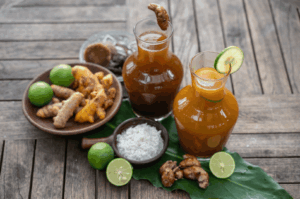
Across the Indonesian archipelago, a vibrant tradition of herbal healing has flourished for centuries. This is jamu, a cornerstone of Indonesian cultural heritage and a sophisticated system of traditional herbal medicine. Far more than just a refreshing drink, jamu represents a philosophy of balance, a deep connection to nature, and a form of indigenous medicine…
-
Padang Beef Rendang: The Complex Process Behind Indonesia’s Most Famous Dish
Eda Wong | October 30, 2025
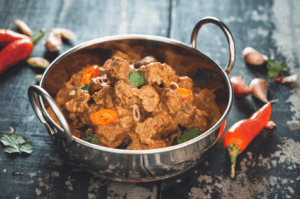
This post may contain affiliate links. For full transparency, this article may contain affiliate links. To call Padang beef rendang simply a dish is to miss the soul of Indonesian cuisine. This legendary slow-cooked dry curry, a centerpiece of both festive tables and humble meals, has earned its fame as one of the world’s most…
-
Teh Tarik Malaysia: The Art and Science Behind Iconic Pulled Tea
Eat Drink Asia Team | October 28, 2025
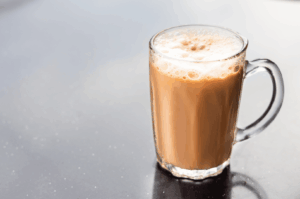
In Malaysia, ordering a cup of teh tarik is about so much more than just enjoying a hot drink. Teh tarik, literally translated as “pulled tea,” is Malaysia’s national beverage, famous for its sweet, creamy taste, frothy top, and the spectacular pulling technique seen in bustling mamak stalls and coffee shops across the country. A…
-
The Legendary Penang Char Kway Teow: A Culinary Journey
Dio Asahi | October 25, 2025
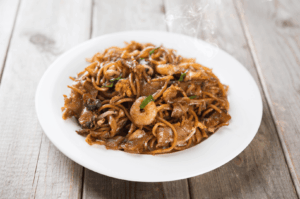
The air in Penang is thick with anticipation, carrying the sounds and smells of Malaysian street food being crafted with expert care. Your attention is captured by one of the many street vendors, a master standing before a seasoned wok glowing over an intense fire. The rhythmic clanging of metal on metal is the soundtrack…
-
Traditional Korean Sikhye: Sweet Rice Punch Through the Seasons
Eda Wong | October 23, 2025
In the vibrant world of Korean food, beyond the fiery spice of gochujang and the savoury comfort of bulgogi, lies a gentler, more subtle delight. Meet traditional Korean sikhye (식혜), a beloved Korean sweet rice punch that holds a special place in the nation’s heart. With its cloudy, amber hue and delicate sweetness, this drink…
-
Authentic Jeonju Bibimbap: Why Korea’s Culinary Capital Makes It Best
Eat Drink Asia Team | October 21, 2025
Picture this: A steaming Korean rice bowl is placed before you in Jeonju, South Korea. Vibrant arcs of seasoned bean sprouts, glossy strips of Korean beef, a golden runny yolk resting atop perfectly cooked mixed rice, and a dollop of rich red bibimbap sauce invite you to mix it all together. As you stir, the…
-
Communal Dining Traditions in Asia: Shared Meals, Lasting Bonds, and Cultural Heritage
Dio Asahi | October 18, 2025
Imagine a dining table crowded with large platters of steaming food, the smell of spices in the air, small bowls arranged neatly around the shared table, and laughter echoing across the room. Across Asia, dining tables play a central role in communal dining traditions, serving as the focal point for etiquette, social interaction, and the…
-
Century-Old Dumpling Techniques: Ancient Wisdom in Modern Kitchens
Eda Wong | October 16, 2025
Her hands move in a blur, a dance of muscle memory refined over sixty years. In a small, steam-filled kitchen in Shanghai, an elderly woman transforms a humble circle of dumpling dough into a perfect, 20-pleat xiao long bao. Each pinch and fold is a syllable in a story passed down through generations-prime examples of…
-
Ca Phe Sua Da: The Cultural Phenomenon of Authentic Vietnamese Coffee
Eat Drink Asia Team | October 14, 2025
The dawn breaks over Hanoi, and the city awakens not to alarm clocks but to the clatter of tiny spoons and the metallic click of filters. The air fills with the dark, roasted aroma of authentic Vietnamese coffee drifting from bustling corners and sidewalk stalls. They are not rushing. Instead, they are waiting-waiting for the…
-
Cao Lầu Noodles: Hoi An’s Legendary Noodle Dish with Japanese Origins
Dio Asahi | October 11, 2025
Imagine sitting on a low stool in a bustling alleyway of Hoi An’s ancient town. The warm, fragrant air is thick with the scent of sizzling marinated pork, fresh herbs, and the unmistakable aroma of fish sauce and fried rice crackers. In front of you, a bowl of Cao Lau noodles gleams, their golden brown…