Frost clings to the wooden window frames in the highlands of Gifu. Inside, the air is thick with the scent of woodsmoke and fermented soybeans. On the table, a small ceramic charcoal grill known as a shichirin radiates a gentle, localized heat. Resting directly above the glowing embers is a large, brittle brown leaf holding a dollop of dark paste, wild mushrooms, and scallions. As the heat rises, the paste begins to bubble at the edges, emitting a low, rhythmic hiss. The air turns intensely savory, anchoring everyone at the table to this exact moment.
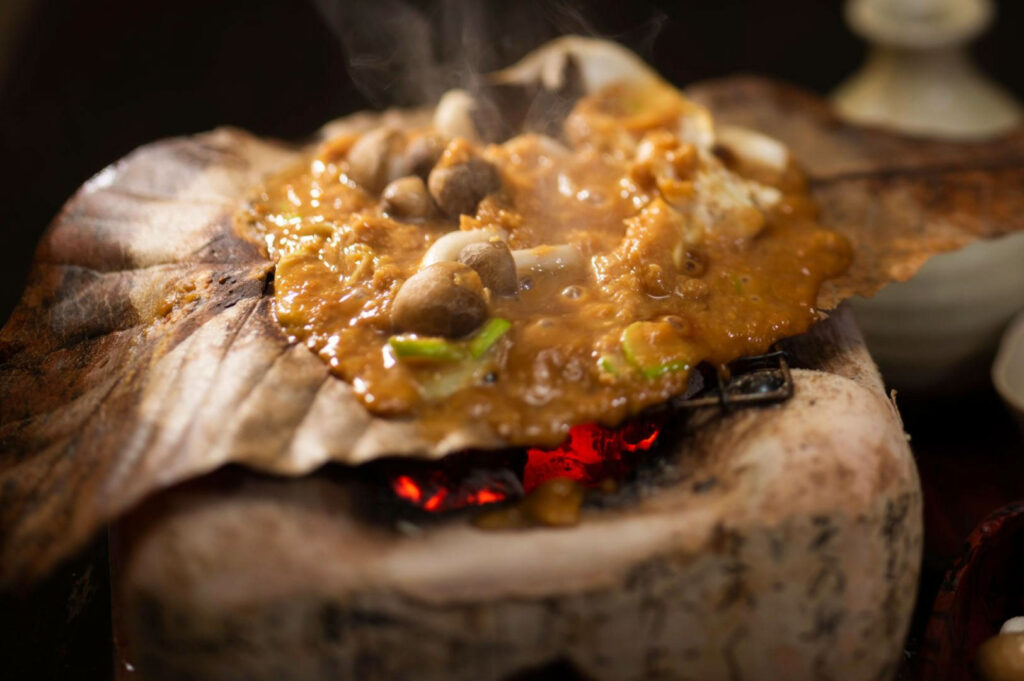
This is hoba miso, pronounced hoe bah mee so, a cornerstone of traditional mountain cooking in this region of central Japan. Stripped to its essence, it is simply miso paste roasted over fire. But the craft lies in the vessel. The hoba, or dried magnolia leaves, are foraged in the autumn and dried for winter to act as a natural skillet. They do not burn instantly. Instead, they slowly toast, releasing a faint, woodsy aroma into the miso. As the hoba miso heats, its texture shifts from thick clay to a glossy, bubbling reduction. The sweet, salty, and earthy notes intensify, mingling with the moisture of the mushrooms and the sharp bite of local scallions.
In the mountainous terrain of Gifu, where winters are long and isolating, hoba miso signals survival transformed into comfort. Historically, local farmers needed a way to thaw out frozen pickles and warm their miso without dirtying precious cookware, leading to this ingenious use of the forest floor. Today, it remains an everyday ritual of connection. While modern kitchens are equipped with gas stoves and microwave ovens, the act of gathering around a shared table to watch the magnolia leaves slowly scorch is an intentional pause. It requires patience and a communal rhythm. Diners must constantly tend the mixture with wooden chopsticks, scraping the edges before the miso burns, creating a shared responsibility over the meal.
In an era of rapid food delivery and instant gratification, hoba miso asks for your time. There is a quiet tension between the aesthetic beauty of the dried leaf and the practical appetite it serves. The leaf is ephemeral. It will eventually crack and turn to ash, useful for only one meal. Yet, it elevates a humble dollop of fermented soybeans into an event. It reminds us that mountain cooking does not always require manufactured metal. Sometimes, the landscape itself provides exactly what is needed to coax out the deepest flavors.
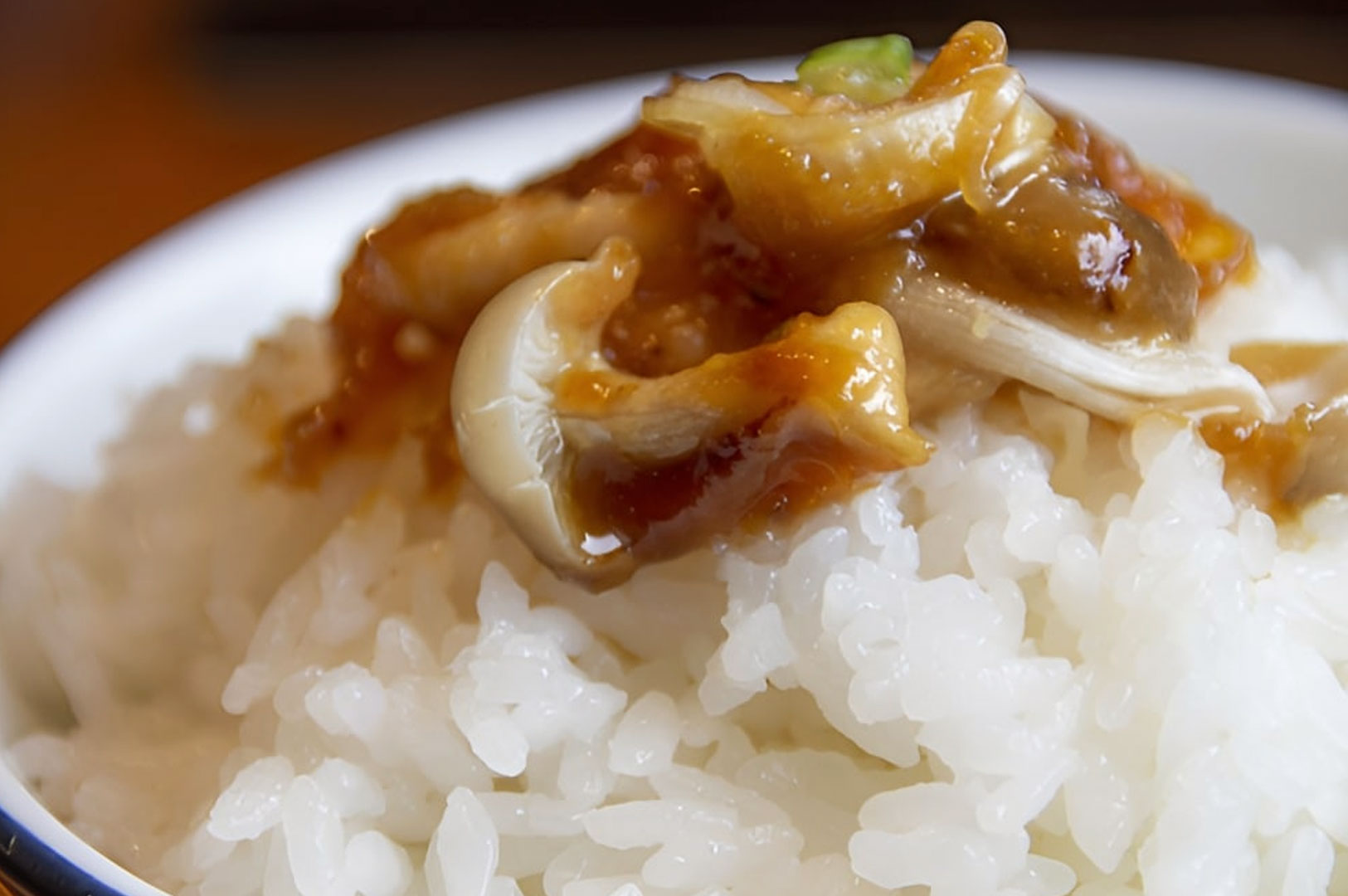
The bubbling eventually slows as the embers soften to a dull orange. A final scrape of the chopsticks pulls the caramelized, slightly scorched hoba miso from the center of the leaf, lifting it over a bowl of steamed white rice. The leaf is left to smolder, its task complete, leaving only the warmth it imparted.
For Eat Drink Asia, this wintertable scene in Gifu captures how a single leaf can turn miso into comfort.

Isshin Machi East Coast: Where Comfort Food Turns Addictive
Dio Asahi | July 21, 2026
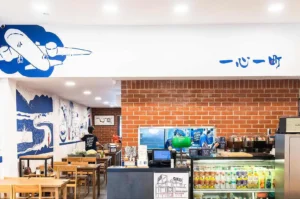
Let me clear up the first puzzle right away. The name “Isshin Machi” sounds unmistakably Japanese, and I’ll admit I walked in half-expecting ramen and gyoza. What I found instead was a Taiwanese kitchen, plates of lu rou fan, braised beef noodles, and golden fried chicken that trace straight back to the island’s home cooking….

Best Cafe Singapore: A Map of Brunch Plates, Quiet Corners, and Dangerous Pastries
Dio Asahi | July 18, 2026
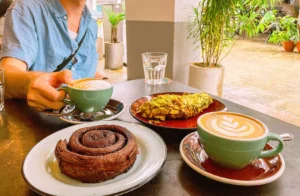
I didn’t set out to make a list. I made a habit. Over the years, cafes became the places I went to think, to wait out the rain, to sit with a coffee I didn’t have to rush. Some I returned to for the food. Others, I returned to for the feeling — the way…
-
Pickled Mustard Greens: The Sour Note in Clear Broth
Eda Wong | July 17, 2026
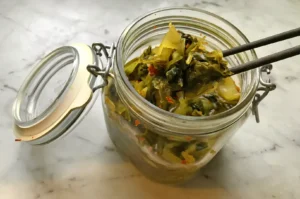
Steam lifts from a bowl of clear pork broth, and a spoonful of chopped pickled greens slides in. The broth shifts at once, its richness suddenly cut by a sharp, clean sourness that sits high and bright on the tongue. The greens have softened in the heat but keep a faint, springy crunch. Someone leans…
-
The Potato Curry That Teaches You How Spices Wake Up: A Beginner’s Indian Cooking Lesson
Eda Wong | July 16, 2026
The first time I made aloo curry on my own, I burned the cumin. I remember standing in my tiny HDB kitchen, watching those little seeds go from golden to black in what felt like one breath, and thinking: this is harder than it looks. But here’s what that bitter, smoky disaster taught me, the…
-
Bamboo Skewers and Smoke: Street Grills in Chiang Mai
Dio Asahi | July 15, 2026
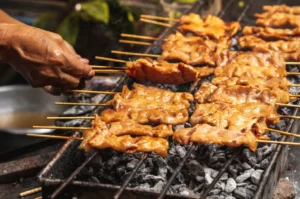
The cart glows at the edge of the lane just as the heat of the day finally loosens. A woman fans the coals with a flattened piece of cardboard, and the embers brighten orange under a row of skewers. Fat slides off the pork, hits the charcoal, and hisses upward in a thin curl of…
-
Chana Masala With Warm Roti, Built for Weeknights: Quick Vegetarian Dinner Recipes Indian
Dio Asahi | July 14, 2026
The first time I made chana masala, I started with dried chickpeas at 7:30 on a weeknight, soaking and boiling like the recipe said. By the time the curry was actually done, it was nearly ten and I’d already eaten half a loaf of bread out of sheer hunger. That night taught me something I…
-
One-Pan Chicken Curry With Jeera Rice and Cucumber Raita: Food for Dinner Indian, Made Practical
Eat Drink Asia Team | July 11, 2026
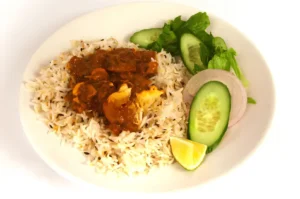
The first time we cooked a full Indian dinner on a weeknight, the curry, rice, and raita felt like three separate tasks—three pans, three timers, and a kitchen full of wonderful smells but chaos. The curry was good, the rice sticky, and the raita watery from being made too early. That night taught us a…
-
Banana Leaf Steam: Why Some Rice Smells Like Home
Eda Wong | July 10, 2026
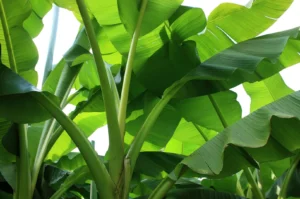
Steam rises from the pot, and a woman lifts a banana leaf over the open flame, turning it once, twice, until its stiff green softens and the surface goes glossy and pliant. She wipes it down with a damp cloth, then spoons hot rice into its center while the grains still steam. The leaf releases…
-
Tambuah Mas Paragon, Delivered: Unique Food Delivery Singapore With Old-School Comfort
Eda Wong | July 9, 2026
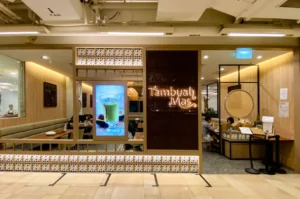
I ordered from Tambuah Mas on a rainy Sunday at around 6:15pm, mostly because I wasn’t in the mood to dress up and head into town, but I still wanted a proper meal. Not a sad one-bowl lunch. A real spread. That’s the thing about Tambuah Mas. It’s been around since 1981, serving Indonesian home-style…
-
Toasted Rice Powder: The Dust That Makes Larb Sing
Dio Asahi | July 8, 2026
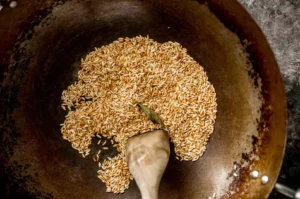
A wok sits over a low flame, and a handful of raw sticky rice slides across its dry surface. No oil, no water—nothing but heat and patience. The grains pale, then blush amber, then deepen toward the color of weak tea. Someone shakes the pan in a slow, even rhythm, listening as much as watching….