Frost clings to the wooden window frames in the highlands of Gifu. Inside, the air is thick with the scent of woodsmoke and fermented soybeans. On the table, a small ceramic charcoal grill known as a shichirin radiates a gentle, localized heat. Resting directly above the glowing embers is a large, brittle brown leaf holding a dollop of dark paste, wild mushrooms, and scallions. As the heat rises, the paste begins to bubble at the edges, emitting a low, rhythmic hiss. The air turns intensely savory, anchoring everyone at the table to this exact moment.
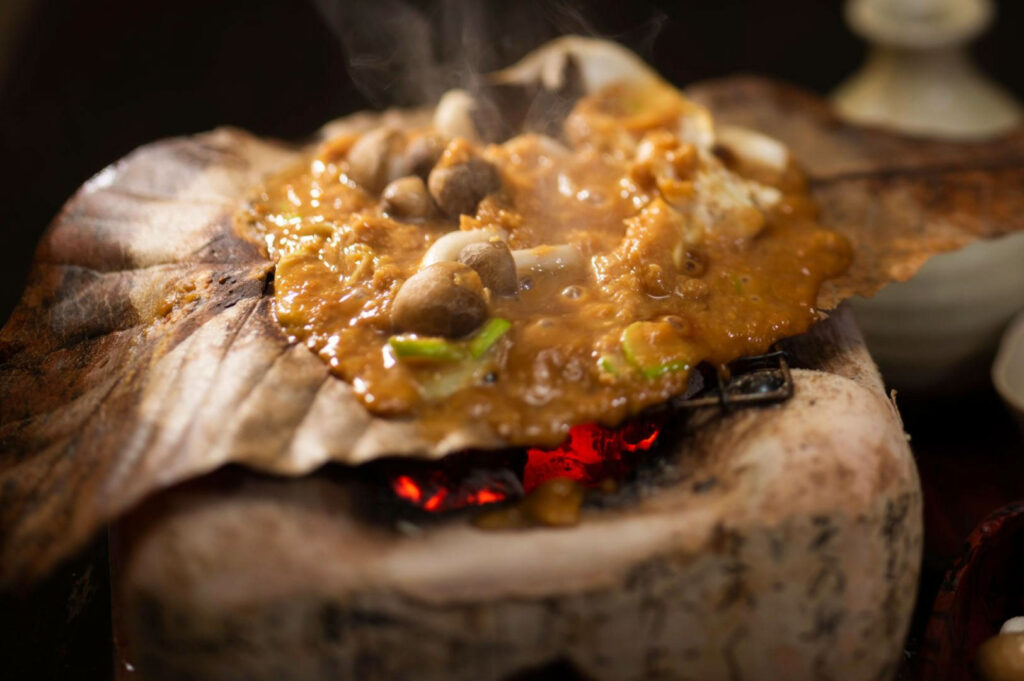
This is hoba miso, pronounced hoe bah mee so, a cornerstone of traditional mountain cooking in this region of central Japan. Stripped to its essence, it is simply miso paste roasted over fire. But the craft lies in the vessel. The hoba, or dried magnolia leaves, are foraged in the autumn and dried for winter to act as a natural skillet. They do not burn instantly. Instead, they slowly toast, releasing a faint, woodsy aroma into the miso. As the hoba miso heats, its texture shifts from thick clay to a glossy, bubbling reduction. The sweet, salty, and earthy notes intensify, mingling with the moisture of the mushrooms and the sharp bite of local scallions.
In the mountainous terrain of Gifu, where winters are long and isolating, hoba miso signals survival transformed into comfort. Historically, local farmers needed a way to thaw out frozen pickles and warm their miso without dirtying precious cookware, leading to this ingenious use of the forest floor. Today, it remains an everyday ritual of connection. While modern kitchens are equipped with gas stoves and microwave ovens, the act of gathering around a shared table to watch the magnolia leaves slowly scorch is an intentional pause. It requires patience and a communal rhythm. Diners must constantly tend the mixture with wooden chopsticks, scraping the edges before the miso burns, creating a shared responsibility over the meal.
In an era of rapid food delivery and instant gratification, hoba miso asks for your time. There is a quiet tension between the aesthetic beauty of the dried leaf and the practical appetite it serves. The leaf is ephemeral. It will eventually crack and turn to ash, useful for only one meal. Yet, it elevates a humble dollop of fermented soybeans into an event. It reminds us that mountain cooking does not always require manufactured metal. Sometimes, the landscape itself provides exactly what is needed to coax out the deepest flavors.
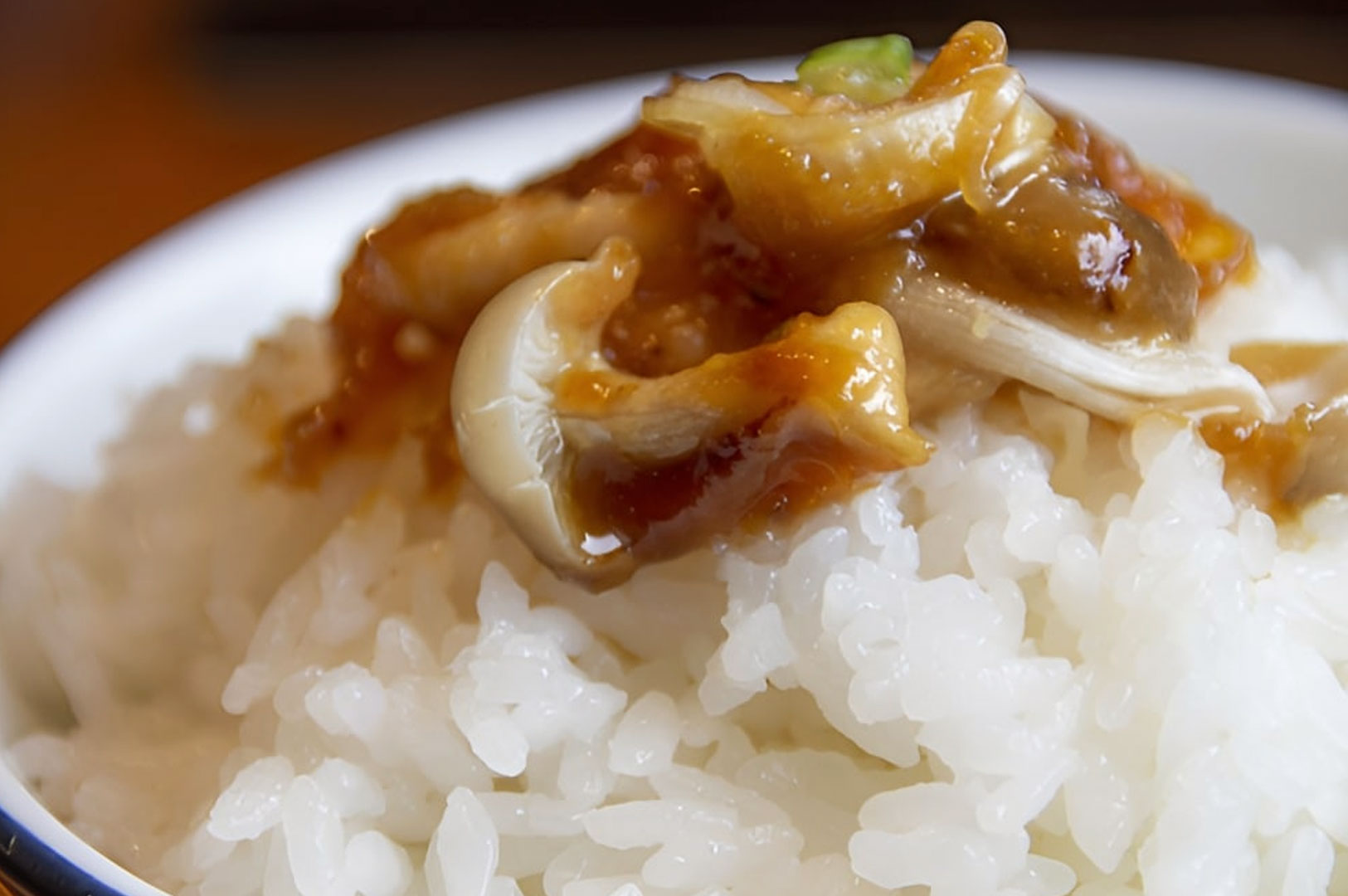
The bubbling eventually slows as the embers soften to a dull orange. A final scrape of the chopsticks pulls the caramelized, slightly scorched hoba miso from the center of the leaf, lifting it over a bowl of steamed white rice. The leaf is left to smolder, its task complete, leaving only the warmth it imparted.
For Eat Drink Asia, this wintertable scene in Gifu captures how a single leaf can turn miso into comfort.

The Soy Glaze on Kyoto’s Forgotten Rice Crackers
Dio Asahi | August 5, 2026
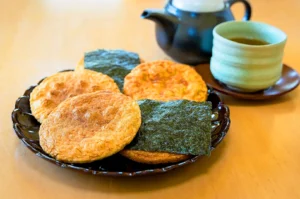
By Dio Asahi for Eat Drink Asia. The old man works close to the coals, and the smell reaches me before I see what he’s doing. Soy meeting heat. That dark, caramel-edged smell that tightens something in your chest. His brush moves in short strokes across a rack of rice crackers, back and forth, patient….
-
Vegetarian Laksa Without the Usual Seafood Shadow: Asian Vegetarian Recipes Begin With the Broth
Eat Drink Asia Team | August 4, 2026
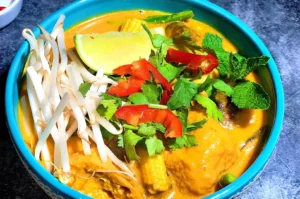
The first vegetarian laksa I made tasted like coconut soup with chilli, not laksa. I thought I was doing it right, stirring paste into warm coconut milk with tofu puffs. It looked the part but lacked depth. Seafood usually provides that depth, prawn shells, dried shrimp, fish cake sweetness. I learned that depth can’t be…
-
A Bowl Built by Hand at Hi Noodle, Three Floors Below Somerset
Eda Wong | July 31, 2026
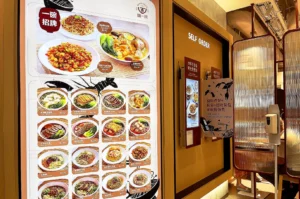
The escalator carries me down to Basement 3, past the lunch noise of 313 Somerset, and the air changes somewhere along the way. Less mall, more kitchen. The smell finds me first — chilli, vinegar, something warm and sharp that cuts through the perfume of the shops above. Hi Noodle sits there, plain and bright….
-
An Asian Vegetarian Meal at Herbivore Japanese Vegetarian Restaurant: When Japanese Comfort Food Learns a New Body
Eda Wong | July 30, 2026
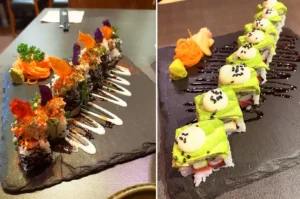
I didn’t grow up eating eel. But I grew up watching my grandmother turn one thing into another — gluten into “duck,” beancurd skin into “fish,” mushrooms into something that tasted of the sea without ever touching it. Buddhist vegetarian cooking does that. It doesn’t pretend so much as it remembers, building familiar shapes out…
-
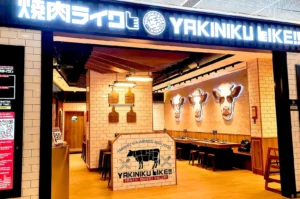
A Table for One, and a Grill That Belongs to You in Yakiniku Like
Dio Asahi | July 29, 2026
The grill glows orange in front of me before the meat arrives. It’s a small thing, set into the counter at my single seat, and it hums faintly under the chatter of the room. No flame. No charcoal. Just a low electric warmth I can feel rising toward my face. A plate comes. Thin slices…
-
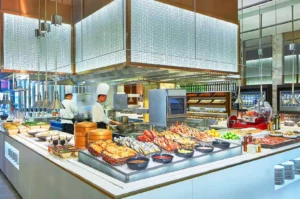
Best Buffet Singapore: Where Hotel Buffets Turn Abundance Into Order
Dio Asahi | July 28, 2026
I used to think buffets were about greed. Pile the plate high, go back for thirds, leave feeling like you got your money’s worth. That was the whole game, or so I believed. After years of exploring this city’s hotel buffets, I learned the good ones focus on order. They transform a wall of food…
-
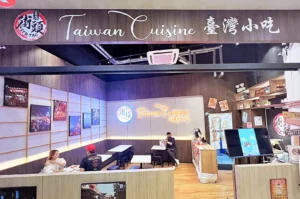
STR TAO Taiwan Cuisine and the Comfort of a Menu That’s Too Big to Be Lazy: Food Places Nearby
Eat Drink Asia Team | July 25, 2026
It was the kind of evening where you don’t want to think too hard about dinner. I’d been walking up East Coast Road, the air still thick from an afternoon shower, when I ducked into a coffeeshop just to sit down. The Bullion Hawker Bar. And tucked among the usual suspects — wanton mee, Hokkien…
-
Sesame Oil at the End: Finishing, Not Flavoring
Eda Wong | July 24, 2026
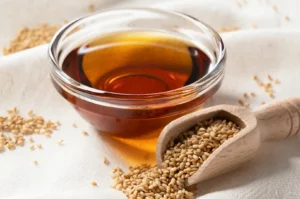
The wok is already off the heat. The greens sit glossy and dark, steam still curling off them. My mother lifts a small bottle, tilts it, and lets a thin line of sesame oil fall across the top. It hisses faintly against the warm leaves, and the smell rises all at once — toasted, nutty,…
-
Long Phung Vietnamese Cuisine, Where the Menu Doesn’t Waste Words: A Good Restaurant Close to Me
Eda Wong | July 23, 2026
I came in from the rain on a Tuesday, somewhere past 8pm, hungry and a little defeated by the day. The fan was clacking. A queue of three or four people stood near the doorway, dripping. Someone shouted an order toward the kitchen in Vietnamese, and a bowl of pho slid onto a nearby table…
-
The First Squeeze of Calamansi in a Noodle Stall Bowl
Dio Asahi | July 22, 2026
The bowl lands in front of me, broth still trembling from the walk across the stall. Steam rises and fogs the edge of my glasses. To the side sits a small dish of calamansi halves, cut and waiting, their skins slick under the fluorescent light. I pick one up. It gives slightly between my fingers,…