By Dio Asahi for Eat Drink Asia.
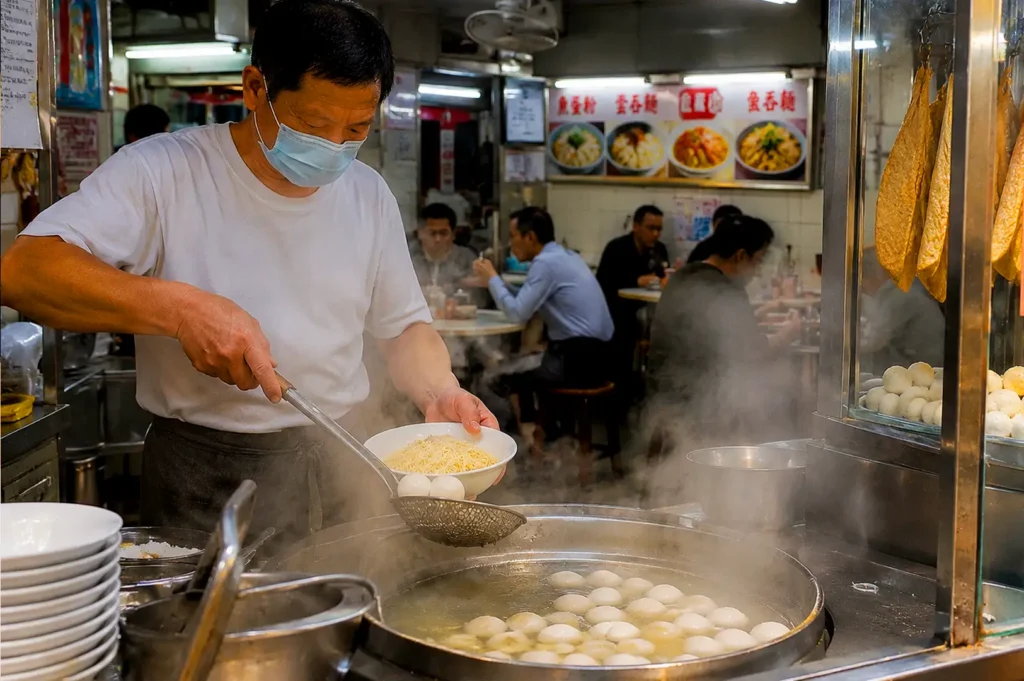
It’s a little past seven in the morning, and the stall is already breathing. Steam rolls off a deep metal pot near the front and fogs the glass where a row of fish cakes hangs on hooks. A ladle knocks against the rim. Somewhere behind me, a stool scrapes across the tiled floor.
The man at the pot doesn’t look up. He lifts a wire strainer, shakes it twice, and tips a handful of pale fish balls into a bowl of noodles. The broth follows, clear and faintly gold. The air smells of dried flatfish and white pepper, with something sweeter underneath, like the sea after rain.
In Cantonese, they’re called yu daan (魚蛋), said roughly “yoo-dahn.” It means fish eggs. They aren’t eggs at all, just small rounds of fish paste, usually made from white-fleshed fish that’s been minced, salted, and worked until it turns glossy and tight.
The working is the whole thing. A good paste gets beaten and slapped against the side of a bowl, again and again, until it binds and starts to push back. Locals have a phrase for the result: daan ngaa, “bouncing teeth.” The fish ball should resist your bite for a second, then give.
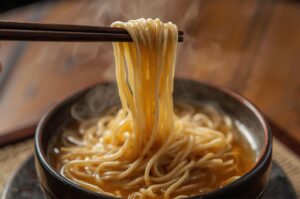
At a noodle stall, they go into yu daan fan, fish balls with noodles. The noodles are often thin egg noodles or flat rice noodles, sitting in a broth simmered from fish bones and dried fish. Nothing hides here. There’s no thick sauce to cover a bad batch.
I’ve noticed nobody lingers. A woman in a security uniform orders standing up, then sits anyway when a stool frees up. A schoolboy eats with his backpack still on. When the room fills, strangers share tables without a word. People here call it daap toi, and the etiquette is simple: nod, sit, eat, leave room.
Ordering works like shorthand. A few syllables at the counter cover the noodle type, the toppings, and whether you want spring onion. The bowl lands before you’ve pulled your chopsticks from the tin box on the table.
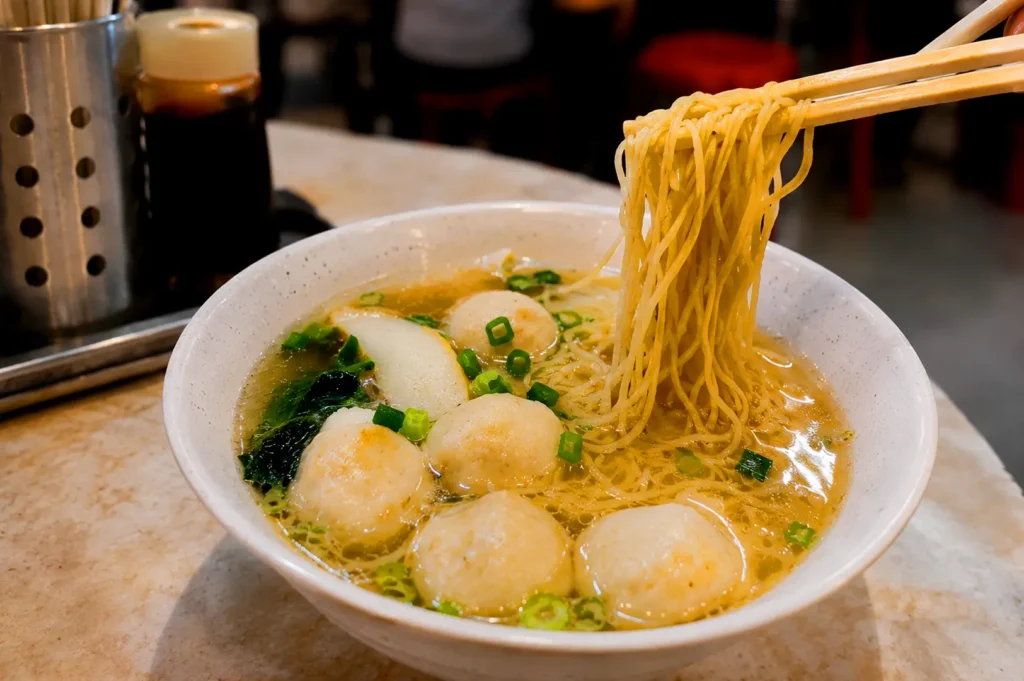
That speed isn’t carelessness. It’s the city’s rhythm, folded into breakfast. A bowl like this is meant to fit between a train and a desk, warm enough to carry you through to lunch.
Eat Drink Asia is very keen at how quietly the cook manages the heat and that is something that stayed with us. The pot never quite reaches a rolling boil. If it runs too hot, the fish balls swell and toughen at the edges. He drops them in, waits until they rise and bob at the surface, then lifts them out moments later.
These days, plenty of stalls buy fish balls frozen. They come perfectly round, identical, and bright white. They’re convenient, and they fill a bowl. But the handmade ones here look a little uneven and slightly gray, with a fleck of fish skin now and then. They taste more of fish than of flour. That difference is easy to miss, and harder to keep.
I finish the broth last, tipping the bowl toward me the way the man beside me does. The steam has thinned. Outside, the street has filled with buses and footsteps.
Nobody photographs fish balls. They aren’t made for that. They’re made for an ordinary morning, a shared table, and a cook who still knows exactly when to lift the strainer.

The Heart of the Korean Noodles: History and Texture
Eda Wong | January 17, 2026
In Korea, a bowl of noodles is far more than a simple dish; it is a cultural anchor that has weathered centuries of change. For generations, the length of the strand has symbolized a long and prosperous life, making Korean noodles a staple at birthdays, weddings, and the milestone 60th birthday celebration known as hwangap….
-
Preserving the ‘Big Bowl’ Tradition with Pen Cai Delivery in the Age of Doorstep Dining
Eat Drink Asia Team | January 15, 2026
Modern Festive Menu: Bringing the Big Bowl Home There is a special, undeniable magic to the Chinese New Year reunion dinner. For many families, Chinese New Year 2026 is another chance to gather loved ones at the table and celebrate with a glorious pen cai—sometimes called the “big bowl feast”—overflowing with premium ingredients and festive…
-
Sencha: Traditions, Flavors, and the Essence of Japanese Tea
Eat Drink Asia Team | January 15, 2026
When people around the world think of Japanese tea, images of tranquil tea ceremonies in small rooms or frothy bowls of matcha often come to mind. Yet, the reality of tea drinking in Japan is much broader, woven deeply into the culture and daily habits. For the vast majority, sencha is the beloved tea that…
-
The Best Restaurants Tokyo Are Rarely the Ones You Plan For
Eda Wong | January 12, 2026
Tokyo, Japan’s capital, does not reward urgency. It rewards return. On my first visit, I chased what everyone told me were the best restaurants Tokyo had to offer. I spent weeks highlighting maps, bookmarking digital “must-eat” lists, and refreshing reservation pages until my eyes blurred. I thought that by conquering the top-tier establishments, I would…
-
Japan and Food: Culinary Harmony – The Deep Connection Between Japanese Food and Culture
Eat Drink Asia Team | January 11, 2026
When it comes to Japan and food, the two are intertwined in ways that captivate taste buds and awaken the senses. Japanese cuisine stands as one of the world’s most revered traditions—more than nourishing meals, it is an art reflecting centuries of philosophy and a window into Japanese culture itself. Every bowl of miso soup,…
-
The Verdant Cup: A Celebration of Green Tea in Japan
Eda Wong | January 10, 2026
In Japan, green tea is much more than a beverage. It marks a moment of pause, hospitality, and tradition. The story of green tea in Japan weaves through centuries of culture, artistry, and daily life—bridging ancient rituals like the Japanese tea ceremony to everyday meals enjoyed at home. The origins and beginning of Japanese tea…
-
Japanese Green Tea from Japan: The Story of Matcha
Dio Asahi | January 8, 2026
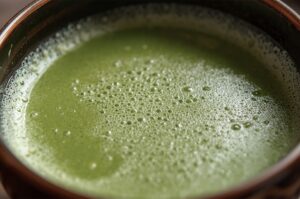
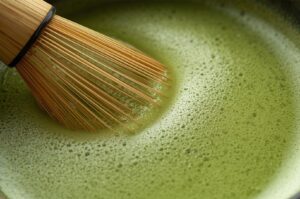
On a misty April morning in Kyoto, I knelt on tatami in a small tea room outside Uji, Japan. The host, dressed in kimono, moved with quiet skill as she scooped matcha powder into a ceramic bowl. The air was filled with the aroma of aged wood mixed with the grassy scent of high quality…
-
Takoyaki: The Sizzling Heart of Japan Food Culture
Dio Asahi | January 3, 2026
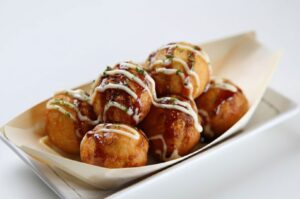
What is Takoyaki and Why Does it Matter in Japanese Food Culture? In the bright heart of Osaka, the sizzle of takoyaki batter signals one of Japan food culture’s most beloved street foods. Lines form at street stalls drawn by the delicious food aromas of sweet-savory sauce and bonito flakes dancing on golden spheres. Takoyaki,…
-
Everything You Need for a Flawless Bubble Tea Cake
Eda Wong | January 1, 2026
The global bubble tea phenomenon has evolved beyond drinks into the world of baking, creating one of the most exciting dessert trends of recent years. Bubble tea cake combines the beloved flavors of milk tea with the satisfying chew of boba pearls, all wrapped up in an adorable bubble tea cake that’s perfect for any…
-
Pad Thai Dish: Everything You Need to Know About the Rice Noodles That Make It Authentic
Eat Drink Asia Team | December 30, 2025
Pad Thai is more than just a staple of Thai Food; it’s a Global Phenomenon. From bustling street carts in Bangkok to high-end Thai Restaurants in New York, this iconic Pad Thai Dish has captured the hearts and palates of food lovers everywhere. The best Pad Thai rivals what you would find in a typical…