For a long time, many viewed Chinese food as one giant, delicious monolith, characterized by intense heat, heavy sauces, and wok-tossed brilliance. However, as more time is spent exploring Singapore’s incredible dining scene, it becomes clear that true culinary mastery often whispers rather than shouts.
To demonstrate this to visitors, a table at Imperial Treasure Cantonese Cuisine was booked to experience a proper culinary journey, breaking down the different regional techniques and philosophies that make up this vast cuisine. At Imperial Treasure, every dish points back to the same idea: Cantonese cuisine isn’t about bold flavours, but about how well restraint is handled.
A visit during lunch service in 2026 imperial treasure allowed for tasting their famous dim sum menu alongside heavier mains. Through carefully planned orders, the defining pillars of Cantonese cooking were mapped out. This review explores the Chinese food hiding in plain sight and how this renowned kitchen executes them.
Entering Imperial Treasure: Premier Chinese Restaurant
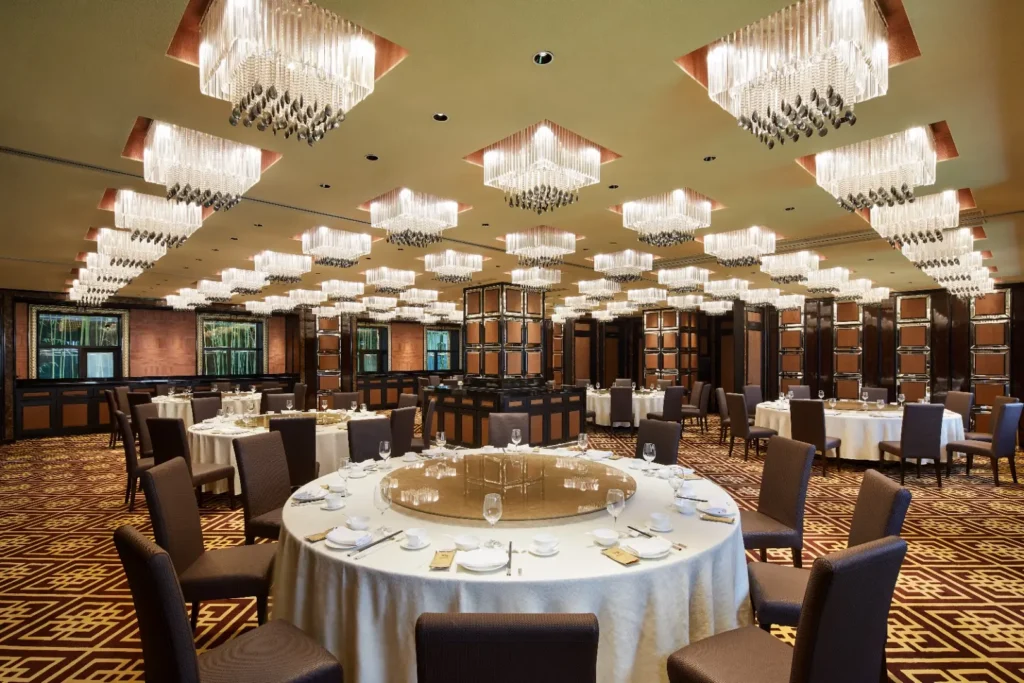
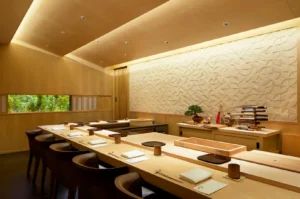
At Imperial Treasure, particularly at one of the selected Imperial Treasure outlets in Great World, the transition from mall to chinese restaurant is immediate and intentional. The noise of the mall fades, replaced by a calm, controlled environment that reflects fine Chinese dining standards in Singapore.
White tablecloths, plush carpeting, and measured lighting create a space designed for focus. I remember noticing how even the smallest sounds, porcelain against porcelain, felt softened. It signals that this is a place built not just to eat, but to dine with attention.
The air conditioning runs strong, almost deliberately, sharpening the appetite and keeping dishes at ideal temperature. If you can, request a corner table. It offers a full view of the room while maintaining distance from the service flow, a small but meaningful advantage.
Dim Sum as Precision Craft in Chinese Cuisine
The first category to understand here is dim sum, often misunderstood as casual food, but in reality, one of the most technical forms of chinese cuisine.
When the bamboo baskets arrived, steam rose clean and fragrant. Then came the details:
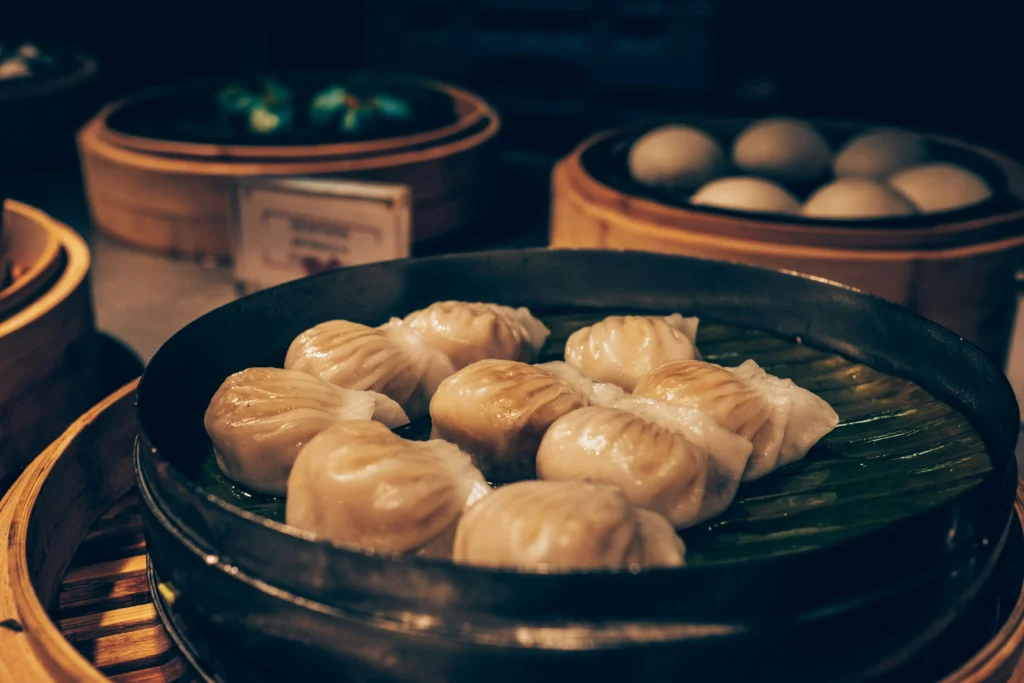
- Har Gow (Steamed Prawn Dumplings)
The wrapper was translucent, revealing the prawn inside. It held its structure perfectly, delivering a delicate elasticity before giving way to a firm prawn bite. - Siew Mai (Pork and Prawn Dumplings)
Dense, well-seasoned, and balanced, no excess oil, no heaviness.
What stands out is not just taste, but control. These dishes reflect years of repetition, part of the daily discipline required in top-tier Cantonese kitchens. Many members and regulars return precisely for this consistency.
The Roast Tradition: The Signature Super Peking Duck
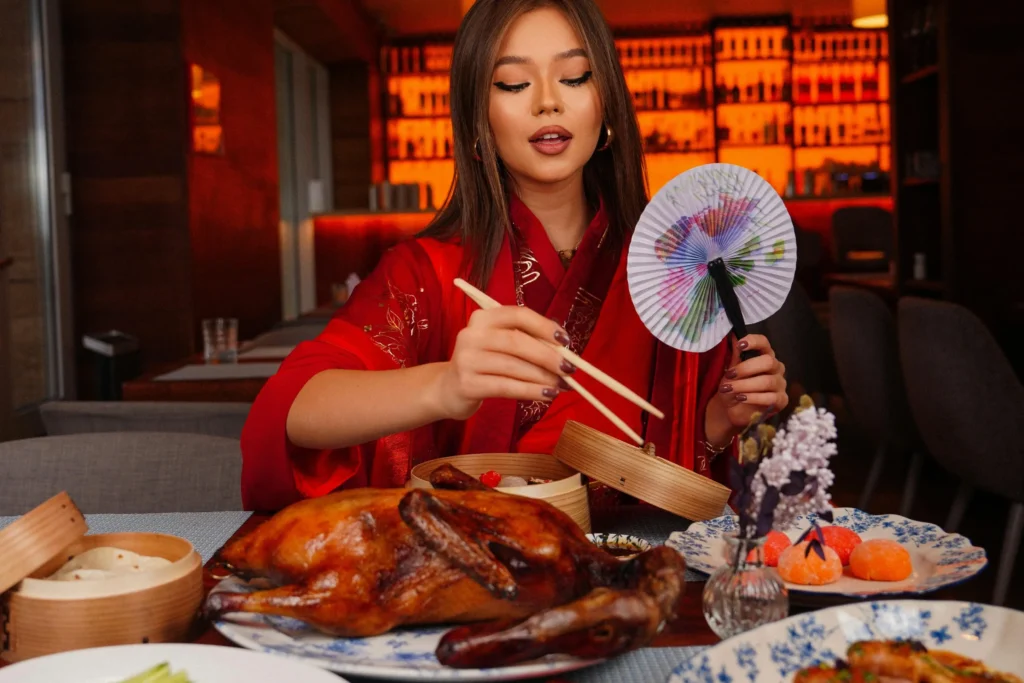
The centerpiece of the meal, and arguably one of the most iconic dishes across types of Chinese food, is the Super Peking Duck.
The experience begins before the first bite. The trolley arrives, followed by the aroma: rendered fat, faint smoke, and sweet glaze. Then comes the carving, swift, precise, almost theatrical.
The super peking skin is the highlight:
- ultra-thin
- crisp to the point of shattering
- rich but not greasy
Wrapped in pancakes with hoisin sauce, cucumber, and spring onion, the balance becomes clear. Fat meets freshness. Crisp meets soft.
This dish alone explains why 2026 Imperial Treasure continues to be recognized among the leaders in fine Chinese dining in Singapore.
Slow-Cooked Heritage: Soup and Preserved Black Olives
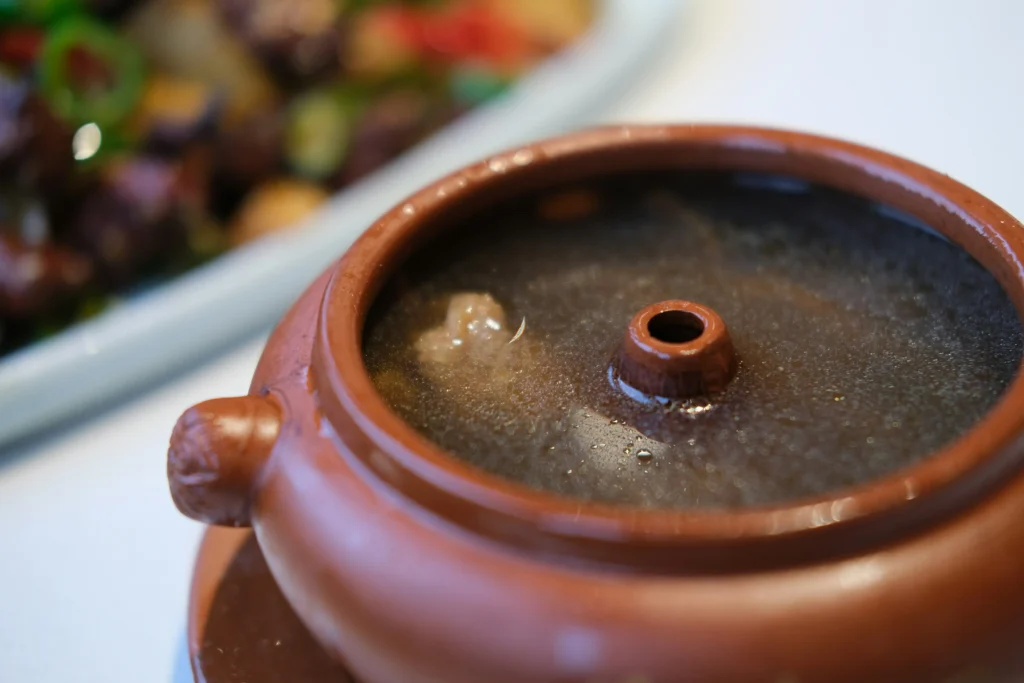
If roast meats represent mastery of heat, soup represents mastery of time.
The Double-Boiled Chicken Soup with Fish Maw arrives clear and understated. But one sip reveals depth built over hours of controlled simmering.
The broth is:
- clean, without oil
- concentrated in flavor
- quietly complex
The fish maw absorbs the broth, adding a soft, layered texture. The inclusion of preserved black olives introduces a subtle salinity that deepens the overall profile without overpowering it.
I remember pausing after the first sip, it felt less like eating and more like resetting the palate. This is the philosophy behind Cantonese soup: nourishment before indulgence.
Understanding Types of Chinese Food Through the Menu
Dining at Imperial Treasure is not just about individual dishes, it’s about understanding the types of Chinese food through structure.
From the meal, several core categories emerge:
1. Dim Sum (Technique and Precision)
- Examples: Har Gow, Siew Mai
- Focus: texture, balance, craftsmanship
- Role: opening the meal with refined small bites
2. Roast Meats (Heat and Fat Control)
- Example: Super Peking Duck
- Focus: crisp skin, rendering technique
- Role: centerpiece of the meal
3. Double-Boiled Soups (Time-Based Cooking)
- Example: Chicken Soup with Fish Maw
- Focus: clarity, depth, nourishment
- Role: grounding the meal
4. Banquet-Style Dishes (Implied in Menu)
- Includes seafood, braised dishes
- Focus: sharing, variety
- Role: completing the dining experience
This layered approach explains why Cantonese meals feel balanced. You are not just ordering randomly, you are assembling a system.
Service Experience at a Fine Chinese Restaurant
Service at Imperial Treasure reflects its positioning as a premium chinese restaurant.
Staff are:
- well-trained
- knowledgeable about the menu
- attentive to tea service
Tea refills are consistent, a non-negotiable in Cantonese dining culture. However, during peak hours, pacing can slow.
I remember waiting longer than expected between courses during lunch rush. It wasn’t disruptive, but noticeable, a reminder that even highly regarded selected Imperial Treasure outlets must manage volume.
Practical Dining Strategy in Singapore
To fully appreciate this experience in Singapore, planning matters.
Best Approach
- Visit during weekday lunch
- Arrive before noon or after 2pm
- Come with a group to explore multiple categories
Considerations
- Reservations are recommended
- Prices reflect premium ingredients and technique
- Portions are designed for sharing, not individual meals
The restaurant rewards those who approach it with intention.
Beyond Cantonese: The Vast Array of Chinese Cuisine
While Imperial Treasure focuses on Cantonese cooking, it represents only one part of the vast array of chinese cuisine.
Across China, different regions emphasize different principles:
- Sichuan: bold spice, mala heat
- Jiangsu: delicate sweetness and presentation
- Northern regions: wheat-based dishes, dumplings
Cantonese cuisine, by contrast, prioritizes:
- ingredient freshness
- balance
- restraint
For those interested in exploring further, many platforms and even official videos from restaurants and culinary groups showcase how authentic Chinese cuisine differ. Understanding these distinctions transforms how you experience Chinese food.
The End of the Culinary Journey with Imperial Treasure
Imperial Treasure Cantonese Cuisine is a phenomenal destination for those wishing to understand classic cuisine types. It shatters the illusion that all Chinese food is heavy, greasy, or overly spiced. Instead, it offers a masterclass in subtlety, showcasing fresh ingredients and refined techniques.
This restaurant suits important business meals, celebratory family gatherings, and urban food enthusiasts who value consistency over flashy trends. It offers a reliable, high-quality environment where customers know what to expect every time.
For those seeking an educational, delicious meal highlighting the restraint and elegance of Cantonese cooking, Imperial Treasure is an outstanding choice. Taking time to order across different culinary categories reveals the subtle, brilliant nuances hidden in plain sight.
In complementing their culinary experience with traditional beverages, Tea Room by Ki-setsu offers a curated journey through Chinese tea in the heart of Singapore, providing a perfect transition from exquisite dining to refined tea appreciation.

Tiong Shian Porridge Centre Review: The Soft Counterweight to Chinatown’s Crisp Toast
Dio Asahi | September 22, 2026
I’d spent the morning with kaya toast. Crisp bread, cold butter, the clean snap of it between my teeth. Good, all of it. But by the time I’d walked a few streets over to New Bridge Road, my mouth wanted the opposite. Something warm. Something that gave way instead of shattering. That’s how I ended…
-
Tong Ah Eating House Review: A Chinatown Breakfast That Still Begins with Kaya Toast
Eda Wong | September 19, 2026
I almost walked past it. I’d been looking for the old triangular building, the red-and-white one you see in every photo of Keong Saik, the one that made Tong Ah feel like a landmark before you’d even ordered anything. But that’s not where it lives anymore. It’s a few doors down now, at 35 Keong…
-
Breakfast at Chinatown Singapore: How Migration Built the City’s Morning Table
Eat Drink Asia Team | September 17, 2026
The first time I ate breakfast in Chinatown, I got it wrong. I arrived at eleven, hungry and hopeful, and found the kopi stalls already turning toward lunch. The porridge uncle was packing up. The toast man had switched to slicing char siew. I ate a rushed plate of noodles standing near a pillar, sweating,…
-
The Bitter Leaf Folded Into a Burmese Home Kitchen
Eda Wong | September 16, 2026
The oil is already hot when she reaches for the leaves. It’s late morning in a kitchen off a quiet lane, and a woman I’ve been watching stands over a blackened wok, tearing bitter gourd leaves by hand into a small heap. The garlic hits the oil first, sharp and loud. Then the leaves go…
-
Best Sushi Singapore: From Premium Japanese Restaurants to Exclusive Deals from Affordable Sushi Trains
Dio Asahi | September 15, 2026
I’ve been eating sushi in this city for years now, from S$1.50 plates rolling past on a belt to omakase counters where the bill made me sit up straight. Somewhere along the way I stopped chasing “the best” and started noticing something else — that good sushi answers a mood, not a ranking. Some nights…
-
Al Mubin Restaurant and the Nasi Goreng Sambal Ayam That Has to Carry the Whole Plate
Eda Wong | September 12, 2026
It was close to eleven at night when I finally sat down. The kind of hour when you’re not really hungry so much as unsettled, when you want something warm in front of you more than you want a proper meal. Al Mubin’s food court at Block 407, Ang Mo Kio Avenue 10, was still…
-
Yassin Kampung Admiralty Review: When Sambal Fried Rice Becomes the Whole Point
Eat Drink Asia Team | September 10, 2026
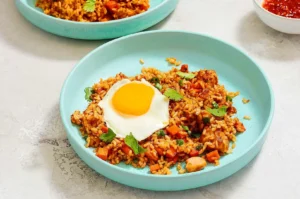
I ordered the sambal fried rice first, before I’d even properly read the menu. That’s usually a mistake at a place like this. Yassin Kampung @ Admiralty is the kind of restaurant that keeps trying to pull your attention elsewhere — toward stingray, toward crab, toward hotplates that arrive still hissing. But I’d come with…
-
The Bamboo Basket Holding Chiang Mai’s Sticky Rice
Dio Asahi | September 9, 2026
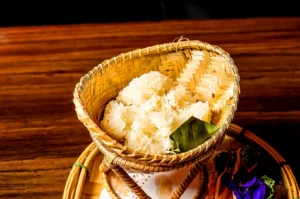
By Dio Asahi for Eat Drink Asia. The lid comes off, and the steam rises first. It’s a warm afternoon in Chiang Mai, and on the table sits a small woven bamboo basket, still holding the heat of the pot it came from. Someone’s grandmother lifts the top and sets it aside without looking. Inside,…
-
Sambal Fried Rice Recipe for People Who Know the Chilli Paste Does the Heavy Lifting
Dio Asahi | September 8, 2026
I used to add the rice too early. The oil would be hot, the sambal barely a minute in, and I’d tip in the cold rice because I was hungry and impatient. Every time, the same result: rice stained red but tasting of nothing much. Sharp. Raw. Flat where it should have been deep. It…
-
Hup Lok at Havelock Road: A Teochew Fish Soup Carrying Memory Forward
Eda Wong | September 8, 2026
The bowl arrives before anything else does. Steam lifts off it in slow ribbons, carrying the smell of ginger and something warmer underneath: the round, boozy note of hua tiao wine settling into fish. I lean in before I even pick up my spoon. The broth is pale gold and cloudy, thick enough that it…