For a long time, many viewed Chinese food as one giant, delicious monolith, characterized by intense heat, heavy sauces, and wok-tossed brilliance. However, as more time is spent exploring Singapore’s incredible dining scene, it becomes clear that true culinary mastery often whispers rather than shouts.
To demonstrate this to visitors, a table at Imperial Treasure Cantonese Cuisine was booked to experience a proper culinary journey, breaking down the different regional techniques and philosophies that make up this vast cuisine. At Imperial Treasure, every dish points back to the same idea: Cantonese cuisine isn’t about bold flavours, but about how well restraint is handled.
A visit during lunch service in 2026 imperial treasure allowed for tasting their famous dim sum menu alongside heavier mains. Through carefully planned orders, the defining pillars of Cantonese cooking were mapped out. This review explores the Chinese food hiding in plain sight and how this renowned kitchen executes them.
Entering Imperial Treasure: Premier Chinese Restaurant
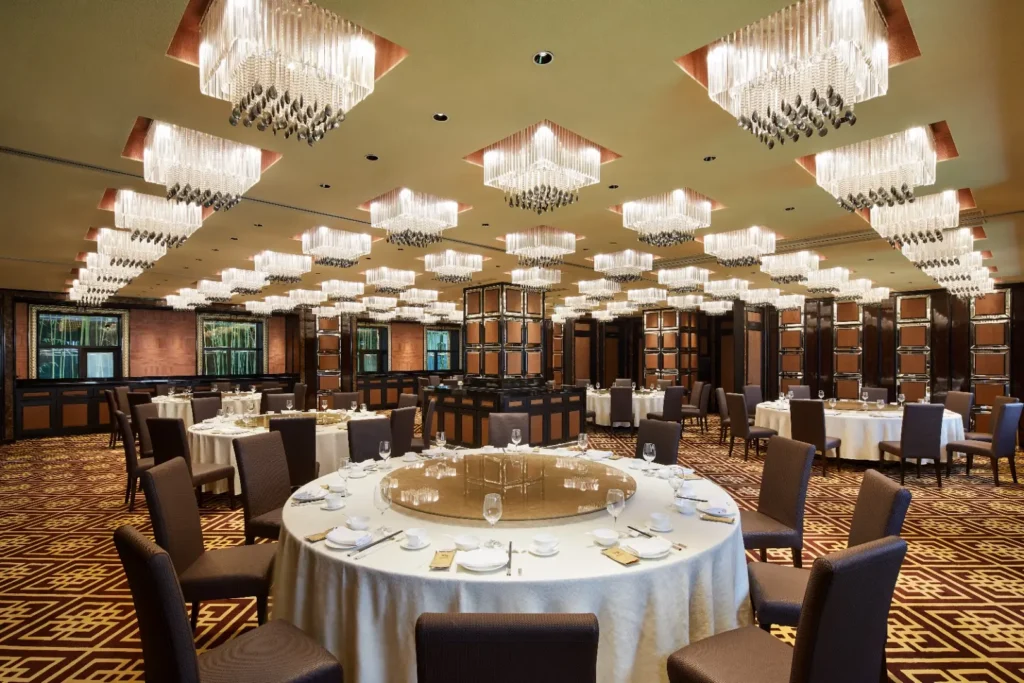
At Imperial Treasure, particularly at one of the selected Imperial Treasure outlets in Great World, the transition from mall to chinese restaurant is immediate and intentional. The noise of the mall fades, replaced by a calm, controlled environment that reflects fine Chinese dining standards in Singapore.
White tablecloths, plush carpeting, and measured lighting create a space designed for focus. I remember noticing how even the smallest sounds, porcelain against porcelain, felt softened. It signals that this is a place built not just to eat, but to dine with attention.
The air conditioning runs strong, almost deliberately, sharpening the appetite and keeping dishes at ideal temperature. If you can, request a corner table. It offers a full view of the room while maintaining distance from the service flow, a small but meaningful advantage.
Dim Sum as Precision Craft in Chinese Cuisine
The first category to understand here is dim sum, often misunderstood as casual food, but in reality, one of the most technical forms of chinese cuisine.
When the bamboo baskets arrived, steam rose clean and fragrant. Then came the details:
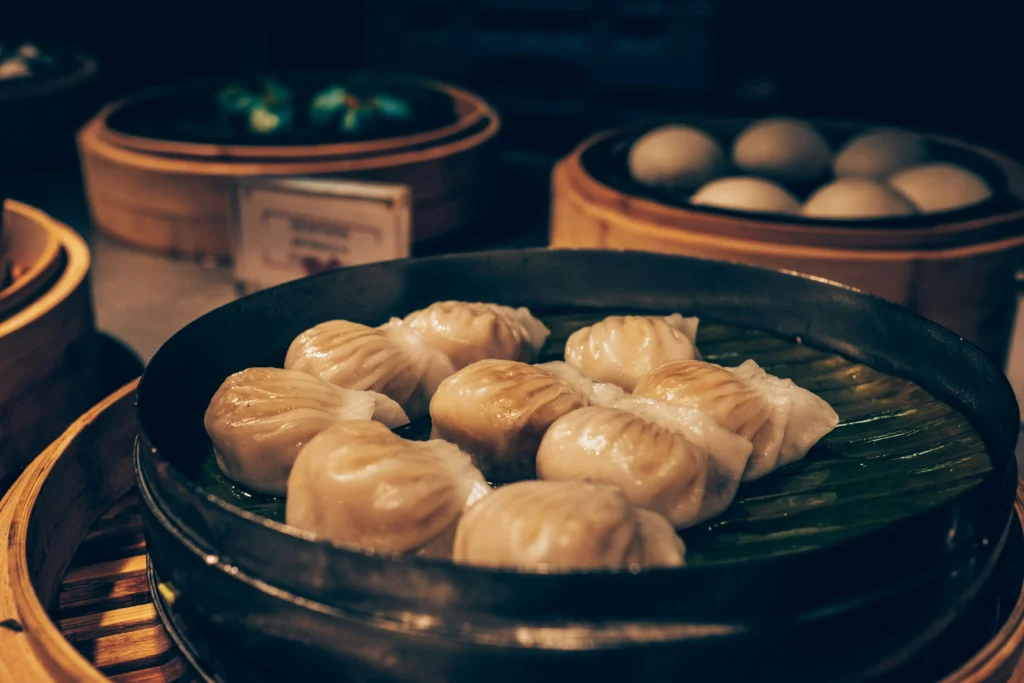
- Har Gow (Steamed Prawn Dumplings)
The wrapper was translucent, revealing the prawn inside. It held its structure perfectly, delivering a delicate elasticity before giving way to a firm prawn bite. - Siew Mai (Pork and Prawn Dumplings)
Dense, well-seasoned, and balanced, no excess oil, no heaviness.
What stands out is not just taste, but control. These dishes reflect years of repetition, part of the daily discipline required in top-tier Cantonese kitchens. Many members and regulars return precisely for this consistency.
The Roast Tradition: The Signature Super Peking Duck
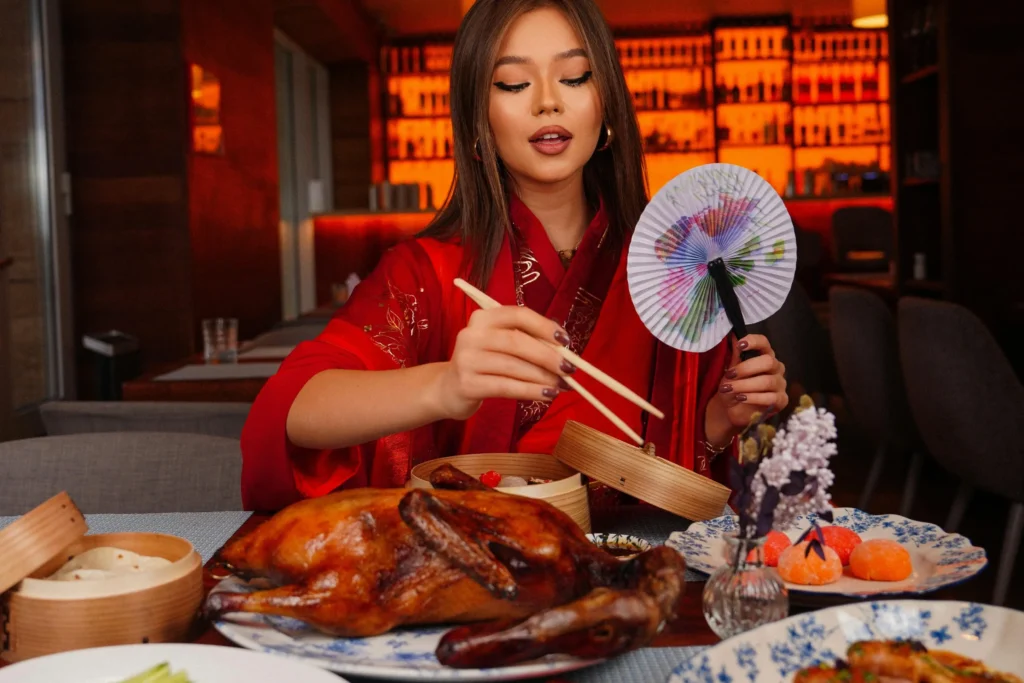
The centerpiece of the meal, and arguably one of the most iconic dishes across types of Chinese food, is the Super Peking Duck.
The experience begins before the first bite. The trolley arrives, followed by the aroma: rendered fat, faint smoke, and sweet glaze. Then comes the carving, swift, precise, almost theatrical.
The super peking skin is the highlight:
- ultra-thin
- crisp to the point of shattering
- rich but not greasy
Wrapped in pancakes with hoisin sauce, cucumber, and spring onion, the balance becomes clear. Fat meets freshness. Crisp meets soft.
This dish alone explains why 2026 Imperial Treasure continues to be recognized among the leaders in fine Chinese dining in Singapore.
Slow-Cooked Heritage: Soup and Preserved Black Olives
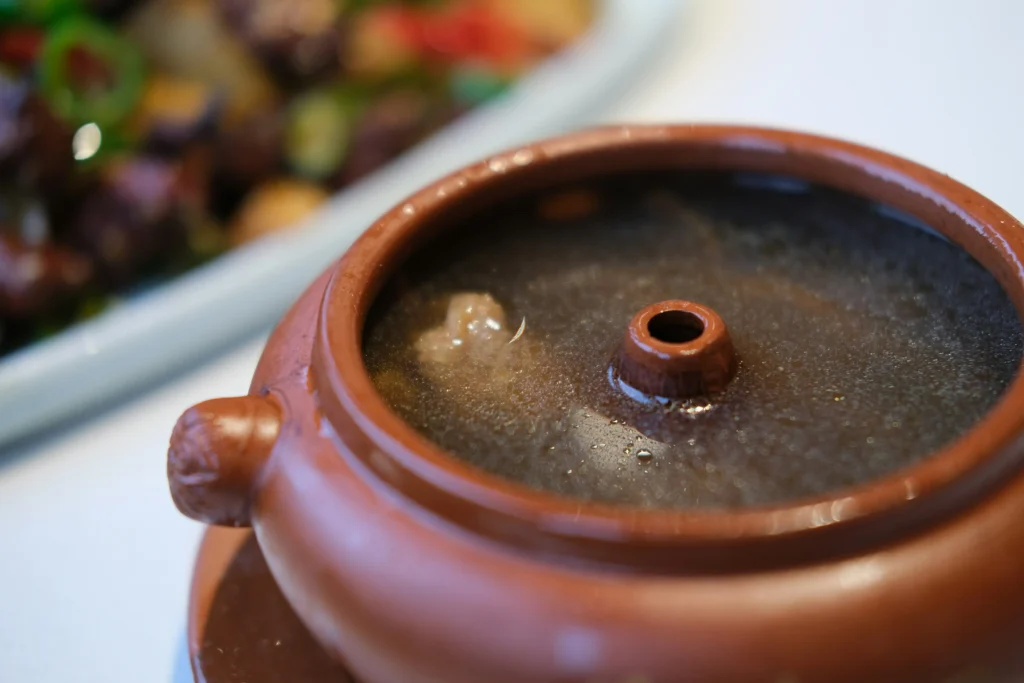
If roast meats represent mastery of heat, soup represents mastery of time.
The Double-Boiled Chicken Soup with Fish Maw arrives clear and understated. But one sip reveals depth built over hours of controlled simmering.
The broth is:
- clean, without oil
- concentrated in flavor
- quietly complex
The fish maw absorbs the broth, adding a soft, layered texture. The inclusion of preserved black olives introduces a subtle salinity that deepens the overall profile without overpowering it.
I remember pausing after the first sip, it felt less like eating and more like resetting the palate. This is the philosophy behind Cantonese soup: nourishment before indulgence.
Understanding Types of Chinese Food Through the Menu
Dining at Imperial Treasure is not just about individual dishes, it’s about understanding the types of Chinese food through structure.
From the meal, several core categories emerge:
1. Dim Sum (Technique and Precision)
- Examples: Har Gow, Siew Mai
- Focus: texture, balance, craftsmanship
- Role: opening the meal with refined small bites
2. Roast Meats (Heat and Fat Control)
- Example: Super Peking Duck
- Focus: crisp skin, rendering technique
- Role: centerpiece of the meal
3. Double-Boiled Soups (Time-Based Cooking)
- Example: Chicken Soup with Fish Maw
- Focus: clarity, depth, nourishment
- Role: grounding the meal
4. Banquet-Style Dishes (Implied in Menu)
- Includes seafood, braised dishes
- Focus: sharing, variety
- Role: completing the dining experience
This layered approach explains why Cantonese meals feel balanced. You are not just ordering randomly, you are assembling a system.
Service Experience at a Fine Chinese Restaurant
Service at Imperial Treasure reflects its positioning as a premium chinese restaurant.
Staff are:
- well-trained
- knowledgeable about the menu
- attentive to tea service
Tea refills are consistent, a non-negotiable in Cantonese dining culture. However, during peak hours, pacing can slow.
I remember waiting longer than expected between courses during lunch rush. It wasn’t disruptive, but noticeable, a reminder that even highly regarded selected Imperial Treasure outlets must manage volume.
Practical Dining Strategy in Singapore
To fully appreciate this experience in Singapore, planning matters.
Best Approach
- Visit during weekday lunch
- Arrive before noon or after 2pm
- Come with a group to explore multiple categories
Considerations
- Reservations are recommended
- Prices reflect premium ingredients and technique
- Portions are designed for sharing, not individual meals
The restaurant rewards those who approach it with intention.
Beyond Cantonese: The Vast Array of Chinese Cuisine
While Imperial Treasure focuses on Cantonese cooking, it represents only one part of the vast array of chinese cuisine.
Across China, different regions emphasize different principles:
- Sichuan: bold spice, mala heat
- Jiangsu: delicate sweetness and presentation
- Northern regions: wheat-based dishes, dumplings
Cantonese cuisine, by contrast, prioritizes:
- ingredient freshness
- balance
- restraint
For those interested in exploring further, many platforms and even official videos from restaurants and culinary groups showcase how authentic Chinese cuisine differ. Understanding these distinctions transforms how you experience Chinese food.
The End of the Culinary Journey with Imperial Treasure
Imperial Treasure Cantonese Cuisine is a phenomenal destination for those wishing to understand classic cuisine types. It shatters the illusion that all Chinese food is heavy, greasy, or overly spiced. Instead, it offers a masterclass in subtlety, showcasing fresh ingredients and refined techniques.
This restaurant suits important business meals, celebratory family gatherings, and urban food enthusiasts who value consistency over flashy trends. It offers a reliable, high-quality environment where customers know what to expect every time.
For those seeking an educational, delicious meal highlighting the restraint and elegance of Cantonese cooking, Imperial Treasure is an outstanding choice. Taking time to order across different culinary categories reveals the subtle, brilliant nuances hidden in plain sight.
In complementing their culinary experience with traditional beverages, Tea Room by Ki-setsu offers a curated journey through Chinese tea in the heart of Singapore, providing a perfect transition from exquisite dining to refined tea appreciation.

Popular Korean Cuisine Has a Memory: Why Famous Korean Food Feels So Complete
Eat Drink Asia Team | August 11, 2026
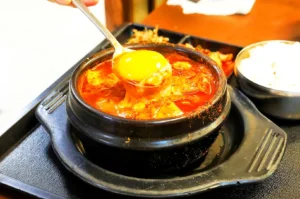
The first time I ordered kimchi jjigae in Singapore, I made a small mistake. It came bubbling in a stone pot, and I ate it like soup, spoonful after spoonful, straight down, until my mouth was on fire and the bowl was half gone. The auntie across the counter watched me for a moment, then…
-
Raffles Place Food Has the Restaurants That Understand the CBD Lunch Rush
Eda Wong | August 8, 2026
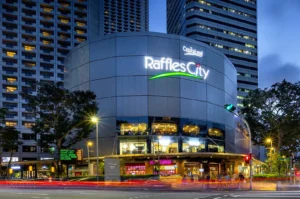
I used to think lunch in the CBD was a lost cause. You get an hour, maybe less. The lift takes ten minutes just to reach the ground floor. By the time you’ve queued, ordered, and found a corner to eat in, you’re already checking the clock. For a while, I gave up and just…
-
The Tamarind Sourness Inside a Filipino Sinigang Pot
Eda Wong | August 7, 2026
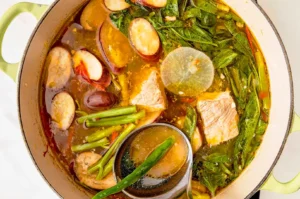
By Eda Wong for Eat Drink Asia. The pot has been going for a while now, and the whole kitchen knows it. Steam curls up from the surface, carrying that sharp-sour smell that reaches you before anything else. It’s not a gentle aroma. It pricks at the back of your throat a little, makes your…
-
Vegetarian Asian Dishes at The Boneless Kitchen: A Korean Meal Built on Kimchi, Rice, and Restraint
Dio Asahi | August 6, 2026
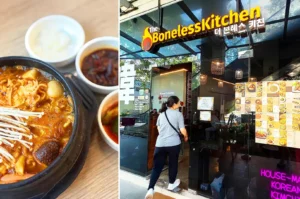
I didn’t expect to find Korean comfort food in an office building near Tai Seng. But there I was, on a Wednesday a little past 7pm, standing outside The Commerze @ Irving wondering if I’d read the address wrong. This isn’t the part of Singapore you go to for dinner. It’s the part you leave…
-
The Soy Glaze on Kyoto’s Forgotten Rice Crackers
Dio Asahi | August 5, 2026
By Dio Asahi for Eat Drink Asia. The old man works close to the coals, and the smell reaches me before I see what he’s doing. Soy meeting heat. That dark, caramel-edged smell that tightens something in your chest. His brush moves in short strokes across a rack of rice crackers, back and forth, patient….
-
Vegetarian Laksa Without the Usual Seafood Shadow: Asian Vegetarian Recipes Begin With the Broth
Eat Drink Asia Team | August 4, 2026
The first vegetarian laksa I made tasted like coconut soup with chilli, not laksa. I thought I was doing it right, stirring paste into warm coconut milk with tofu puffs. It looked the part but lacked depth. Seafood usually provides that depth, prawn shells, dried shrimp, fish cake sweetness. I learned that depth can’t be…
-
A Bowl Built by Hand at Hi Noodle, Three Floors Below Somerset
Eda Wong | July 31, 2026
The escalator carries me down to Basement 3, past the lunch noise of 313 Somerset, and the air changes somewhere along the way. Less mall, more kitchen. The smell finds me first — chilli, vinegar, something warm and sharp that cuts through the perfume of the shops above. Hi Noodle sits there, plain and bright….
-
An Asian Vegetarian Meal at Herbivore Japanese Vegetarian Restaurant: When Japanese Comfort Food Learns a New Body
Eda Wong | July 30, 2026
I didn’t grow up eating eel. But I grew up watching my grandmother turn one thing into another — gluten into “duck,” beancurd skin into “fish,” mushrooms into something that tasted of the sea without ever touching it. Buddhist vegetarian cooking does that. It doesn’t pretend so much as it remembers, building familiar shapes out…
-
A Table for One, and a Grill That Belongs to You in Yakiniku Like
Dio Asahi | July 29, 2026
The grill glows orange in front of me before the meat arrives. It’s a small thing, set into the counter at my single seat, and it hums faintly under the chatter of the room. No flame. No charcoal. Just a low electric warmth I can feel rising toward my face. A plate comes. Thin slices…
-
Best Buffet Singapore: Where Hotel Buffets Turn Abundance Into Order
Dio Asahi | July 28, 2026
I used to think buffets were about greed. Pile the plate high, go back for thirds, leave feeling like you got your money’s worth. That was the whole game, or so I believed. After years of exploring this city’s hotel buffets, I learned the good ones focus on order. They transform a wall of food…