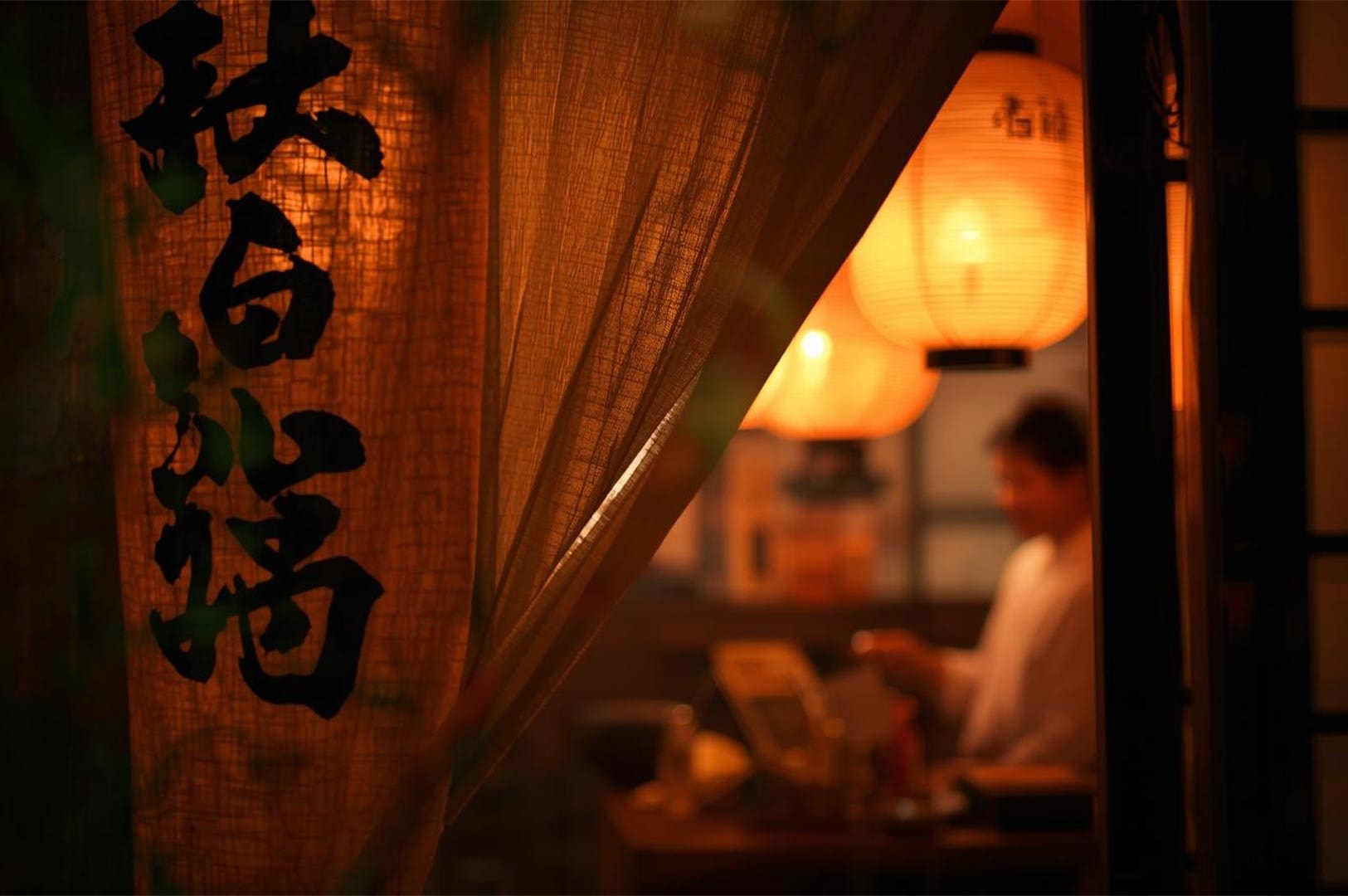
As you step behind the humble noren curtain, you’re greeted by glowing lanterns, sizzling charcoal-grilled skewers, and warm welcomes. This is izakaya, Japan’s casual pub, a vibrant part of Singapore’s dining scene. More than just yakitori and sake, izakayas offer a lively setting for social drinking and dining, perfect for fans of Japanese culture.
Dating back to Japan’s Edo era, izakayas are places where daily routines fade away, replaced by laughter, shared small plates, and deep connections. They embody Japanese gastropub culture, blending tradition with the vibrant spirit of Singapore’s best izakayas.
Neon Pigeon (Carpenter Street)
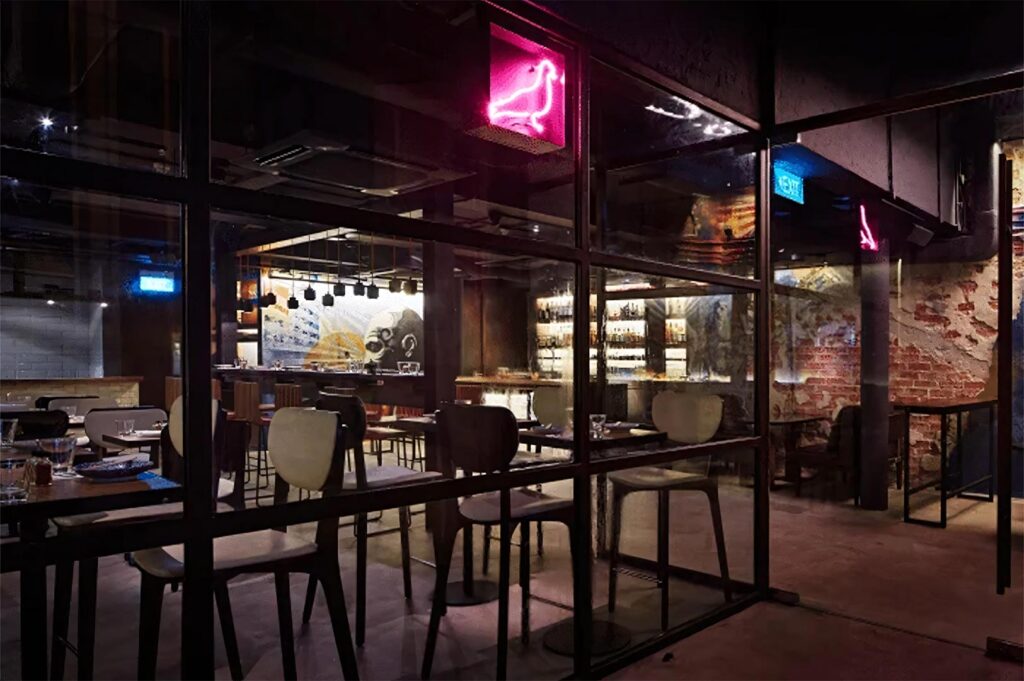
Nearest MRT: Clarke Quay (5-8 min walk)
Price: S$30–S$60+ per person
In my experience, Neon Pigeon represents a high-performance “social house” rather than a traditional izakaya. It’s a Tokyo-inspired system built on loud, buzzing energy and inventive cocktails. While most izakayas focus on the past, this Carpenter Street icon is focused on the future, earning its spot on the World’s 50 Best Discovery list.
The “software” here is a mix of fusion-heavy small plates. The gyoza with foie gras ($22) is the star node; the decadent fat of the foie gras creates a rich, “lemak” profile that is expertly balanced by a hit of citrus and spice. Their menu also features KFC bao buns and sushi-style bites, making it a standout among Japanese restaurants for those who crave good food with a modern edge.
- The Perfect Session: High-energy weekend nights and lively group rituals with friends.
- The Reality Check: Bypass this node if you require a quiet, slow-paced environment for deep technical analysis.
- The Local Secret: Sit closer to the bar. The bartenders here are masters—ask them for a specific sake pairing to cut through the richness of the Tokyo Hummus.
Shukuu Izakaya (Telok Ayer)
Nearest MRT: Telok Ayer (3 min walk)
Price: S$30–S$50+ per person
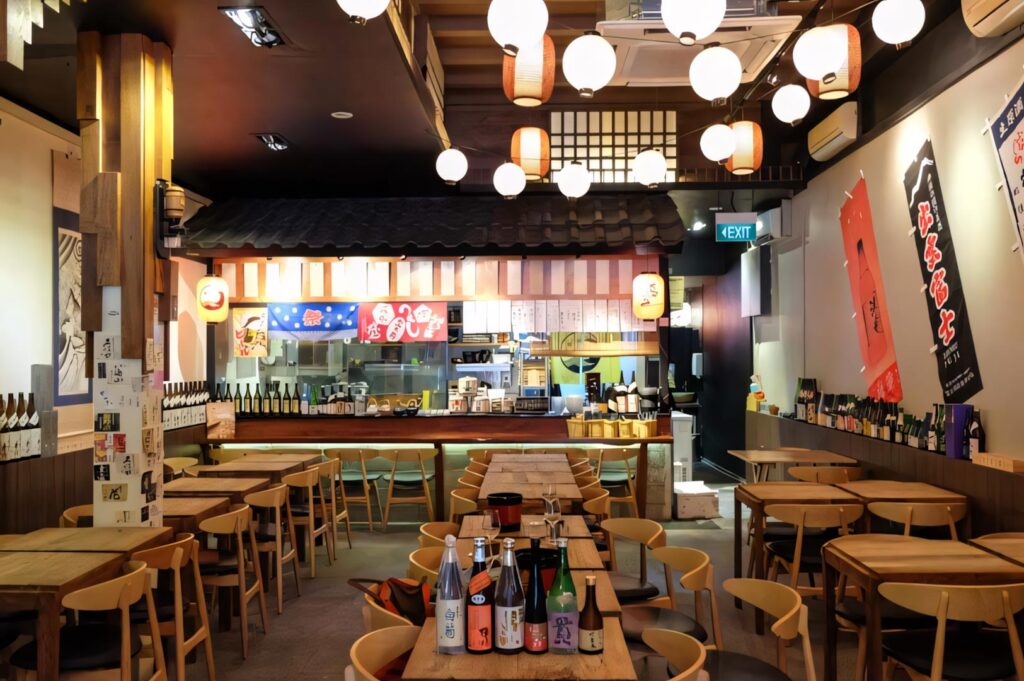
Shukuu Izakaya is the most sake-centric “operating system” I’ve encountered in the CBD. Every meal here is built as a supporting module for their curated sake labels. To be honest, I’ve sat through multiple pairing sessions here, and the staff’s technical knowledge of rice wine makes every visit an authentic izakaya experience.
The logic of the menu is built around umami-forward bar bites. The crab gratin ($16) is a functional masterpiece—the creamy, pungent crab brain provides a savory baseline that elevates even the most subtle Junmai. You’ll also find jaga mentaiko (potato with spicy cod roe) and chicken meatballs that serve as the perfect pair for a crisp beer or shochu. The portions are calibrated for pairing, ensuring diners can explore various dishes without “system overload.”
- The Perfect Session: Intimate date nights and dedicated sake tasting sessions.
- The Reality Check: Not for those who prefer a rowdy, party-style public izakaya where the drinks are a secondary thought.
- The Local Secret: Don’t just order a bottle. Ask for sake flights and pair them with the charcoal grilled skewers for the best flavor contrast.
Shunjuu Izakaya (Robertson Quay)
Nearest MRT: Fort Canning (10-12 min walk)
Price: S$30–S$70+ per person
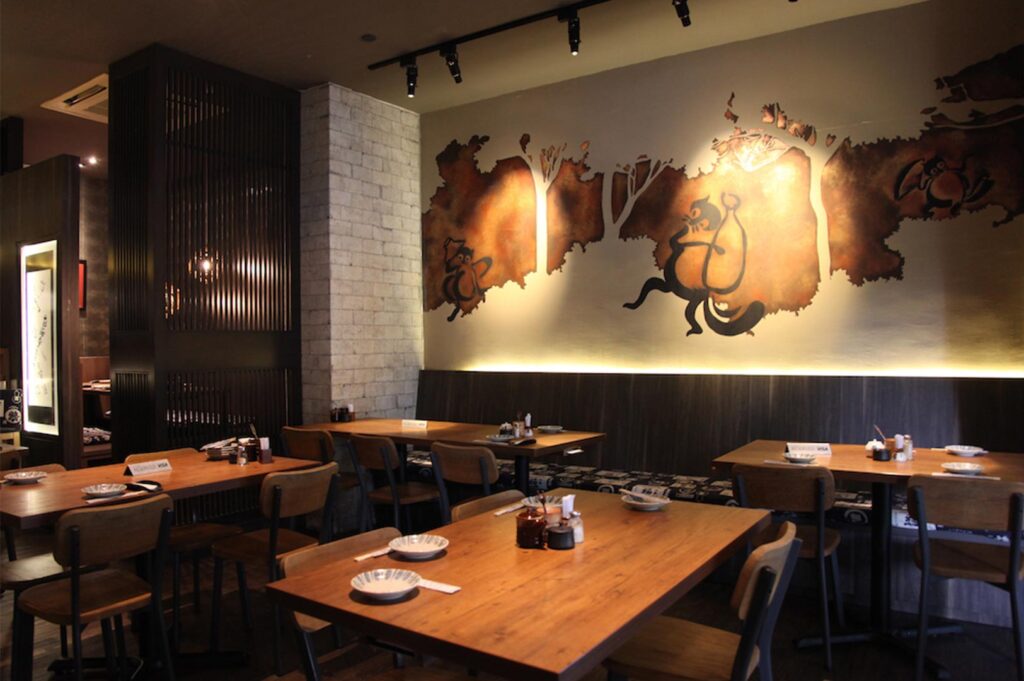
Shunjuu Izakaya is where I go to audit the “Slow Simmer” and high-heat alchemy of sumiyaki. Situated along the river at Robertson Quay, it features an open kitchen where you can watch the precise extraction of flavor from an extensive menu of over sixty different yakitori options.
The “hardware” here is the binchotan charcoal. The yakitori omakase style platter (approx. $5 per skewer) is the essential order; the smoky sear on the pork belly and chicken hearts creates a texture that simply can’t be replicated on a gas grill. While the interior ventilation can occasionally fail to keep up with the smoke, the river breeze at the outdoor tables provides the perfect “system reset” for those seeking traditional izakaya cuisine.
- The Perfect Session: After-work relaxation and breezy, long-form dinners with friends.
- The Reality Check: Skip this if you’re in a rush; charcoal cooking is a time-intensive process that demands patience.
- The Local Secret: Request outdoor seating by the river early. The atmosphere is significantly enhanced by the natural airflow and water views.
Izakaya Hikari (Fortune Centre)
Nearest MRT: Bencoolen (5 min walk)
Price: S$30–S$60 per person
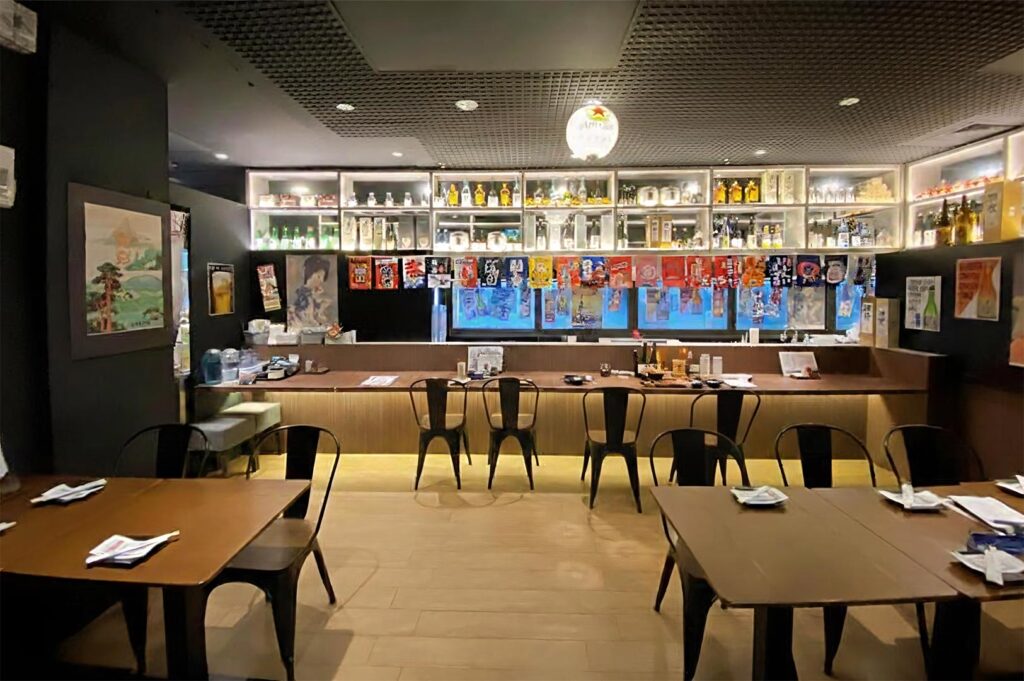
Tucked inside Fortune Centre, Izakaya Hikari is a “Heartland Hero” that proves you don’t need a high-end postcode to deliver quality. It is a friendly traditional izakaya focused on the core “comfort code” of japanese food: fresh seafood, springy noodles, and friendly service.
In my experience, their salmon mentaiko donburi ($16.90) is a top-tier value play. The torched mentaiko provides a smoky, buttery “wow factor” that rivals much more expensive japanese restaurants. It’s a small izakaya where the daily routines slip away the moment you sit at the counter and soak in the tasty aromas of miso soup and tempura.
- The Perfect Session: Casual weekday dinners and relaxed group unwind sessions.
- The Reality Check: Avoid this node if you are seeking a high-end, minimalist specialty sushi omakase.
- The Local Secret: Combine both the sashimi and kushiyaki combo. The temperature contrast between the cold fresh seafood and the hot charcoal grilled meats is a masterclass in balance.
Izakaya Bar Nijumaru (Cuppage Plaza)
Nearest MRT: Somerset (8-10 min walk)
Price: S$30–S$60+ per person
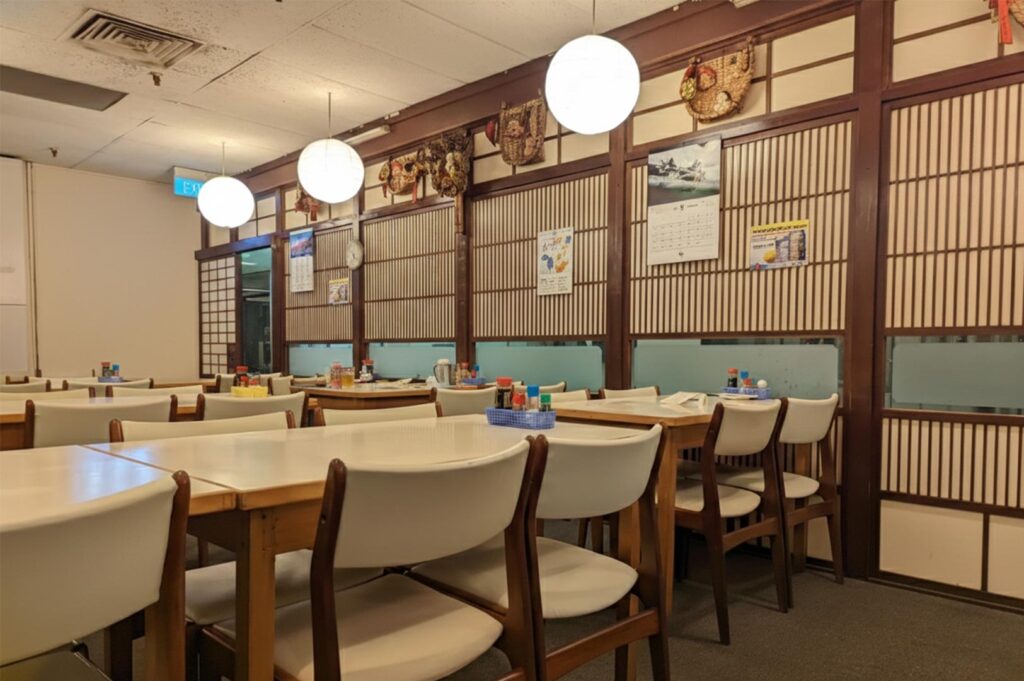
Izakaya Nijumaru is the “Legacy System” of the Cuppage Plaza area. It’s a nostalgic, bustling icon that has survived for decades by serving traditional izakaya cuisine. It’s raw, honest, and filled with a “supper soul” that makes it a go to for big groups seeking heartland comfort in Japan-style surroundings.
The menu is vast, but the real data points are the seasonal specials. These are “patches” to the standard menu, featuring unique ingredients like buta kakuni (braised pork) or wagyu steak flown in from Japan. I’ve found that their bento sets (approx. $22) are a reliable baseline, offering a structured mix of tempura and sashimi that satisfies every time.
- The Perfect Session: Nostalgia seekers and large, rowdy groups who appreciate an authentic izakaya experience.
- The Reality Check: Not recommended if you want a polished, modern aesthetic or a quiet, refined dine-in experience.
- The Local Secret: Always check the handwritten seasonal specials. They change with the seasonal produce and often feature must try dishes that are “off-system” for the regular menu.
Regional Logic: Japanese Izakaya Traditions
Japan’s regions bring a spectrum of flavors and traditions, and Singapore’s izakayas showcase this diversity. Izakayas offer a wide range of Japanese food, from traditional izakaya bites and donburi to modern bar snacks and premium sashimi, all crafted to deliver an authentic and high-quality dining experience.
Rather than sticking to one style, many establishments blend these regional distinctions, providing a mini food tour of Japan right in the city. To truly dine like a local, you must understand the specific regional “source codes” that power these Japanese restaurants:
- Kansai Influence: Look for hearty bar bites and savory pancakes.
- Kyushu Influence: Often features buta kakuni and ramen-inspired noodles.
- Fun Fact: The term “izakaya” literally translates to “stay-drink-place,” originally designed for diners to linger over sake and rice-based dishes under the rising sun spirit.
Public Izakaya Logistics: Opening Hours and Access
When planning your authentic izakaya experience, timing is your most critical variable. Most izakaya bar venues in Singapore follow a split-shift “Source Code”:
- Lunch: Many spots like Izakaya Hikari offer bento sets and donburi during midday opening hours.
- Dinner: The full extensive menu and yakitori omakase typically come online after 17:30.
- Access: Most of these small plates havens are located within a 10-minute walk of major MRT stations, making it easy to pair your food with plenty of beer and shochu without worrying about the commute.
The Final Source Code: Discovering Your Perfect Izakaya in Singapore
The real essence of the izakaya lies in togetherness, a community built one shared dish at a time. The laughter, familiar comforts, and welcoming hospitality create a refuge where you can relax, connect, and celebrate the flavors of Japan and Singapore. At the heart of this experience is traditional izakaya cuisine, offering a variety of classic Japanese pub dishes often paired with sake or shochu, reflecting the rich heritage and dining customs of Japan.
The next time you’re searching for a meal that goes beyond the plate, dive into Singapore’s izakaya culture. Look for handwritten menus, seasonal specials, and the subtle warmth of omotenashi. Whether you gravitate toward tradition or contemporary fusion, the authentic izakaya experience in Singapore invites you to join a living, evolving cultural story. Seek out your own hidden gem among the small izakayas and bustling venues across Fortune Centre, Cuppage Plaza, and beyond, and as you enjoy each dish, become part of a broader story defined by culinary curiosity and community.
For those inspired by the spontaneity and culinary treasures of Tokyo’s best restaurants, this article offers a glimpse into the vibrant, unplanned dining adventures that define the city’s unique food culture.

Food in Japan: A Complete Guide to Japanese Cuisine and Culinary Culture
Eda Wong | November 22, 2025
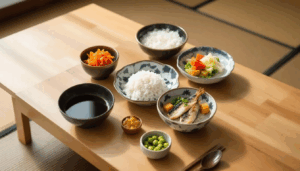
The gentle steam rising from a bowl of miso soup carries more than just the earthy aroma of fermented soybeans-it carries centuries of Japanese culture and culinary wisdom. When you eat in Japan, you’re not simply consuming a meal; you’re participating in a ritual that connects you to the seasons, the land, and a philosophy…

Ramune Marble Soda: History and Cultural Meaning of Japan’s Iconic Marble Soda
Dio Asahi | November 20, 2025
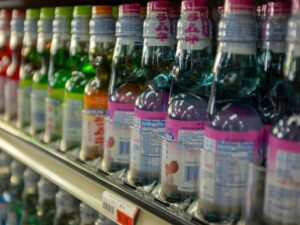
Among Japan’s beloved fizzy drinks, none evoke nostalgia and uniqueness quite like Ramune marble soda. Instantly recognizable by its quirky Codd neck bottle and glass marble seal, Ramune soda is an essential part of Japanese summer, cherished by generations for its refreshing taste and signature pop sound. This marble soda remains a staple at summer…
-
Hokkaido’s Best Seafood Treasures: Beyond Sushi and Sashimi
Eat Drink Asia Team | November 18, 2025
When visiting Hokkaido, Japan’s northernmost island, food lovers are greeted with some of the most highly regarded seafood specialties in the world. Hokkaido is famous for its abundance of fresh seafood and rich fishing grounds, thanks to the surrounding Sea of Japan, Pacific Ocean, and Sea of Okhotsk. These nutrient-packed waters yield a wide range…
-
The Art of Asian Tea Ceremony Traditions: Ancient Rituals and Cultural Values Across Asia
Dio Asahi | November 15, 2025
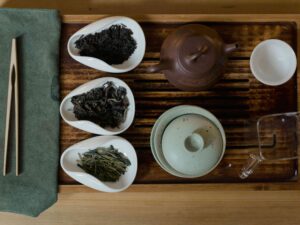
A cup of tea, in many parts of Asia, represents far more than a beverage-it is a conduit to ancestral tradition, intellectual pursuit, and the cultivation of mindfulness. Asian tea ceremony traditions turn the act of drinking tea into a sophisticated art form, layered with symbolism, philosophy, and socio-cultural values. Each gesture, from scooping powdered…

The Art of Slow-Cooked Curry Recipes: Time’s Magic in South Asian Cuisine
Eda Wong | November 13, 2025
Step into a South Asian kitchen, and the senses are instantly enveloped by the inviting aroma of food slowly simmering in a sturdy clay pot or heavy vessel. The allure is undeniable: in this space, slow-cooked curry recipes are a celebration of patient tradition, spices, and the richness of South Asian cuisine. Here, time and…
-
Bandung Drink Recipe: A Singaporean Rose Syrup Drink Tradition
Eat Drink Asia Team | November 11, 2025
Step into any night market or hawker centre in Singapore, and you’ll spot a vibrant, glowing glass filled with a cold, beautiful drink-Bandung. Known for its iconic blush-pink hue and refreshing taste, this rose syrup drink is an integral part of Singapore’s beverages scene and a cherished tradition in Southeast Asian gatherings. More than just…
-
The Ultimate Hainanese Chicken Rice Recipe: A Deep Dive
Eda Wong | November 8, 2025
To wander through Singapore’s bustling hawker centres on a humid evening is to experience a symphony of sights, sounds, and smells. Among the many other dishes sizzling away, one plate stands out for its elegant simplicity: Hainanese Chicken Rice. It arrives without fanfare-gleaming slices of poached chicken over fragrant rice, flanked by a trio of…
-
Bubble Tea Origins: How Taiwan Created a Global Beverage Phenomenon
Dio Asahi | November 6, 2025
From Taipei to New York, a single drink has captured the world’s taste buds: bubble tea. This beverage, known as pearl milk tea or boba tea, and also known as boba in many regions, is celebrated for its delightful combination of sweet, creamy tea and signature chewy tapioca pearls. What began as a novel creation…
-
A Food Lover’s Guide to the Taiwanese Oyster Omelet
Eat Drink Asia Team | November 4, 2025
As twilight descends upon Taipei City, a vibrant energy pulses through its streets. This is the hour of the night markets, bustling hubs of community, commerce, and some of the world’s most incredible street food. Amidst the steam from soup dumplings and the sizzle of Taiwanese fried chicken, one iconic dish reigns supreme: the Taiwanese…
-
Jamu: Indonesian Herbal Medicine for Modern Well-Being
Dio Asahi | November 1, 2025
Across the Indonesian archipelago, a vibrant tradition of herbal healing has flourished for centuries. This is jamu, a cornerstone of Indonesian cultural heritage and a sophisticated system of traditional herbal medicine. Far more than just a refreshing drink, jamu represents a philosophy of balance, a deep connection to nature, and a form of indigenous medicine…