By Dio Asahi for Eat Drink Asia.
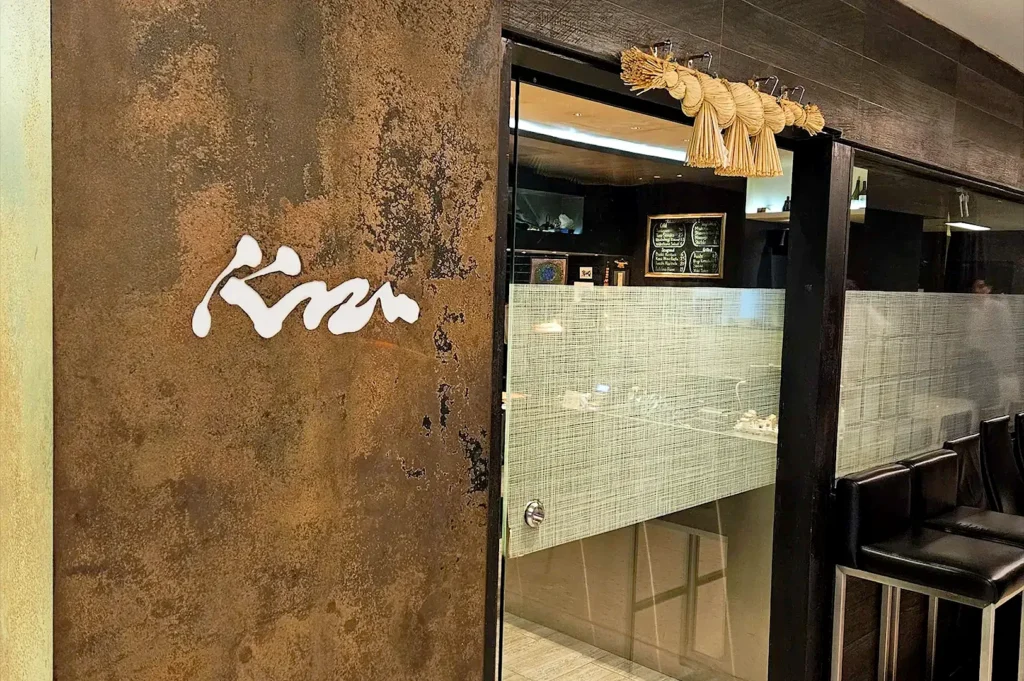
The lift opens on the fourth floor of Cuppage Plaza and the smoke finds me before the door does. Charcoal, dark and earthy, threaded through with something richer — fat meeting fire. I follow it down a narrow corridor, past shuttered shops and flickering signage, until I reach Kazu Sumiyaki Restaurant. Inside, the room is small and warm and already full. Someone laughs at the counter. A skewer hits the grill with a soft hiss.
I take a seat where I can watch the chef work. He has been at this grill, I’m told, for more than thirty years. It shows in the way he doesn’t rush. He turns each skewer by feel, not by clock, reading the char the way you’d read a familiar face.
The foie gras arrives first. Crisp on the outside where the charcoal has done its work, then giving way to something soft and molten underneath — a single bite that seems to hold two textures at once. Then the sweet potato, its edges caught with smoke, the inside creamy and quietly sweet.
It reminds me of the best food in Japan — simple ingredients, treated with such care that time itself becomes part of the flavour.
Sumiyaki is a patient craft. The charcoal isn’t there for spectacle. It’s there to coax flavour out slowly, to let the heat settle into each piece rather than sear it into submission.
That patience is the whole point, and it’s becoming rare.
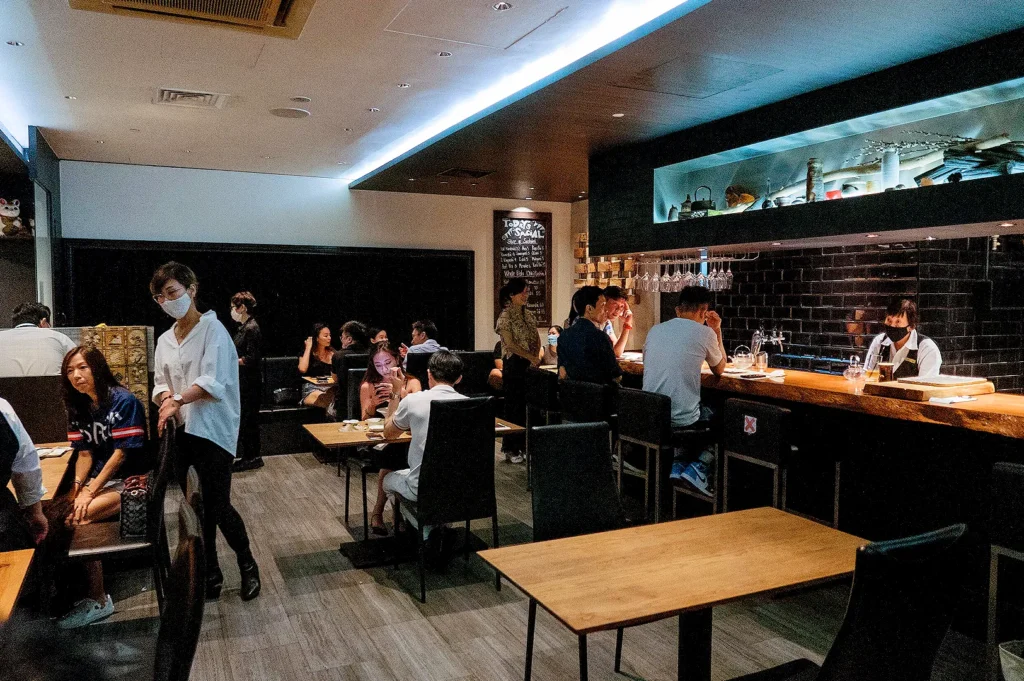
Around me, the room is a mix I don’t often see. Japanese expats loosening their ties after work, speaking low over shochu. Locals who found this place years ago and never left. The tables are small, the air is thick, the chairs a little worn. Nobody minds. There’s a kind of honesty to a room that doesn’t pretend — no soft lighting, no curated playlist, just the sound of the grill and the smell of it in your clothes long after you’ve gone.
It sits three floors above a street that has spent years polishing itself. Orchard Road, just minutes away, keeps reinventing what dining should look like — brighter, cleaner, faster. And here is Kazu, doing the opposite. Refusing to change what already works.
That’s the tension I keep turning over. We’ve grown used to convenience dressed up as care. Menus optimised, spaces designed to move you through. But a chef standing over the same charcoal for three decades isn’t convenient. It’s the slow accumulation of small decisions, made by hand, thousands of times over. You can taste that somewhere beneath the smoke — not perfection, but attention.
What feels worth recognising here isn’t novelty. It’s continuity. A grill that has outlasted trends. A room that never tried to be anything other than what it is. In a city that rewards the new, there’s something steadying about a place content to simply keep doing the thing it does well.
I finish the last skewer. The counter has emptied a little; the chef wipes the grill and starts again for the next order, the same motion I watched an hour ago.
I carry the smell of charcoal home with me. It fades by morning. The memory of that quiet, unhurried craft does not.

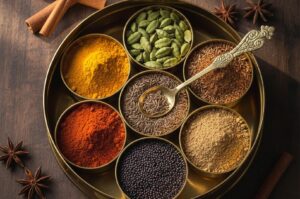
The Eternal Hearth: A Journey Through the Soul of Indian Foods Vegetarian Traditions
Dio Asahi | February 3, 2026
In the vibrant tapestry of global gastronomy, few cultures have elevated the plant-based plate to an art form quite like India. While much of the world has recently turned toward meat alternatives for health or environmental reasons, Indian cuisine has been centered on the vegetable for millennia. This isn’t merely a dietary choice; it is…
-
The Essence of Jeju Citron Tea: A Distinctive Profile of Yuja Tea in Korea
Dio Asahi | January 31, 2026
Imagine sitting in a quiet, sun-drenched teahouse overlooking the dramatic volcanic coastline of Jeju Island. The steam rising from your cup carries an aroma that is at once familiar and yet entirely new—a version of Korean citron tea, or yuja cha, that tastes of sea salt, volcanic soil, and generations of island tradition. As you…
-
Korean Citron Tea: Health Benefits and Wellness Secrets
Eat Drink Asia Team | January 29, 2026
As the seasons change and a chill enters the air, many of us seek out comforting rituals to support our well-being. Imagine wrapping your hands around a steaming cup of Korean citron tea—also known as yuja-cha—its bright, citrus aroma soothing and revitalizing with every sip. More than just a winter treat, Korean citron tea is…
-
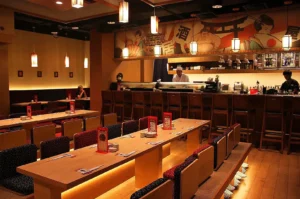
When the Izakaya Becomes the Plan: Izakaya Singapore Top Picks for After-Work Reset
Dio Asahi | January 28, 2026
January 28, 2026 | Dio Asahi Last updated: September 14, 2026 As you step behind the humble noren curtain, you’re greeted by glowing lanterns, sizzling charcoal-grilled skewers, and warm welcomes. This is izakaya, Japan’s casual pub, a vibrant part of Singapore’s dining scene. More than just yakitori and sake, izakayas offer a lively setting for social…
-
Yuja Tea: Korea’s Traditional Citron Tea
Dio Asahi | January 27, 2026
The golden, aromatic steam rising from a cup of yuja tea carries centuries of Korean tradition and wellness wisdom. This caffeine-free citrus beverage has warmed Korean hearts through countless winters, offering both comfort and powerful health benefits in every sip. Made from the Korean citron known as yuja fruit, this simple Korean tea represents one…
-
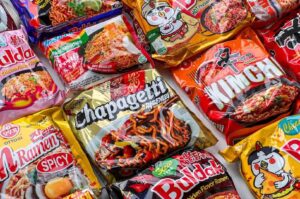
The Global Phenomenon of Korean Instant Noodle: A Cultural and Culinary Journey
Eda Wong | January 24, 2026
In the high-octane streets of South Korea, where the “pali-pali” (hurry-hurry) culture defines the pace of life, one dish stands as the ultimate equalizer of speed and satisfaction: Korean ramyeon. While the world often uses the terms ramen and ramyeon interchangeably, the Korean version is a distinct entity. It is not merely a quick snack…
-
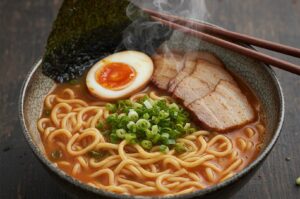
Traditional Ramyeon: The Soulful Heart of Korean Noodle Culture
Eat Drink Asia Team | January 20, 2026
In the bustling culinary landscape of South Korea, few comfort foods can match the satisfaction of a steaming bowl of ramyeon. While outside of Korea, “ramyeon” often brings to mind Korean instant noodles or instant ramen, true ramyeon Korean style refers to the artful, freshly prepared noodle soup enjoyed in homes and at local restaurants…
-
The Heart of the Korean Noodles: History and Texture
Eda Wong | January 17, 2026
In Korea, a bowl of noodles is far more than a simple dish; it is a cultural anchor that has weathered centuries of change. For generations, the length of the strand has symbolized a long and prosperous life, making Korean noodles a staple at birthdays, weddings, and the milestone 60th birthday celebration known as hwangap….
-
Preserving the ‘Big Bowl’ Tradition with Pen Cai Delivery in the Age of Doorstep Dining
Eat Drink Asia Team | January 15, 2026
Modern Festive Menu: Bringing the Big Bowl Home There is a special, undeniable magic to the Chinese New Year reunion dinner. For many families, Chinese New Year 2026 is another chance to gather loved ones at the table and celebrate with a glorious pen cai—sometimes called the “big bowl feast”—overflowing with premium ingredients and festive…
-
Sencha: Traditions, Flavors, and the Essence of Japanese Tea
Eat Drink Asia Team | January 15, 2026
When people around the world think of Japanese tea, images of tranquil tea ceremonies in small rooms or frothy bowls of matcha often come to mind. Yet, the reality of tea drinking in Japan is much broader, woven deeply into the culture and daily habits. For the vast majority, sencha is the beloved tea that…