I walked into Kintamani Singapore with one question in mind. Buffets ask food to wait. Rendang, sambal, grilled meats, and fried seafood all sit under heat while diners circle the spread. That is not necessarily kind to Indonesian dishes built around texture, reduction, chilli, coconut, and freshly cooked aromatics.
So I was less interested in whether Kintamani could feed me generously. Of course it could. I wanted to know whether an all-you-can-eat buffet could still taste distinctly of Indonesia after the food had spent time on the line.
The answer is mostly yes. Not every dish survives equally well, but the strongest plates still have enough spice, aroma, and personality to feel recognisably Indonesian.
Kintamani Indonesian Restaurant at Furama RiverFront Hotel
Kintamani Indonesian Restaurant sits on Level 3 of Furama RiverFront Hotel, 405 Havelock Road. Havelock MRT is the easiest rail option, followed by a short walk to Furama RiverFront.
I arrived around noon on a weekday, as the lunch buffet was getting underway. That turned out to be good timing. The food looked fresh, the trays were full, and the dining room had not yet filled with big groups and family gathering tables.
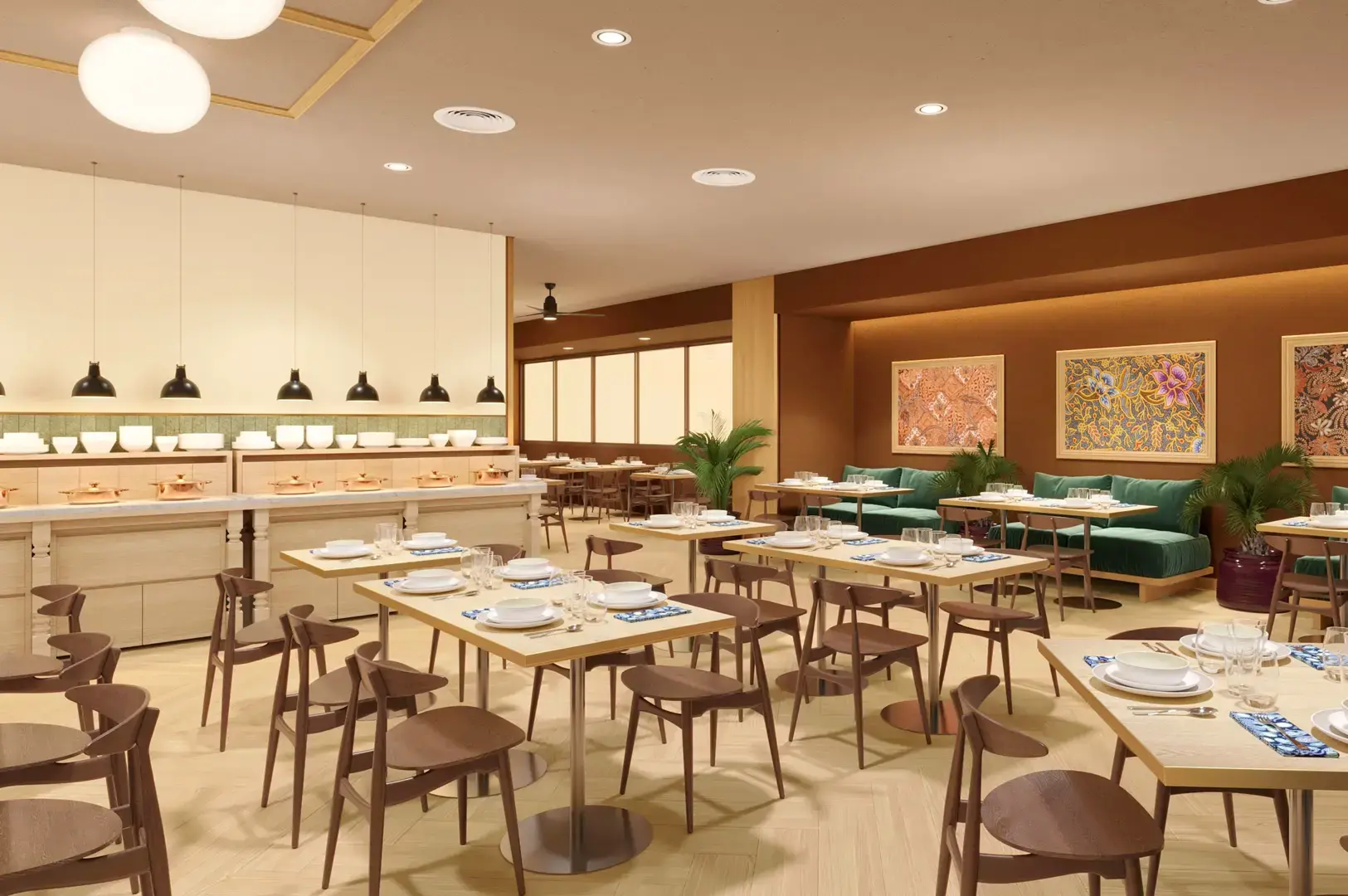
Furama describes Kintamani as a refreshed space offering an elevated dining experience while honouring its rich Indonesian heritage. In practice, I would set expectations slightly lower than the marketing language. The room is bright, contemporary, and comfortable, but it is functional hotel dining rather than plush destination dining.
Better for Groups Than Romance
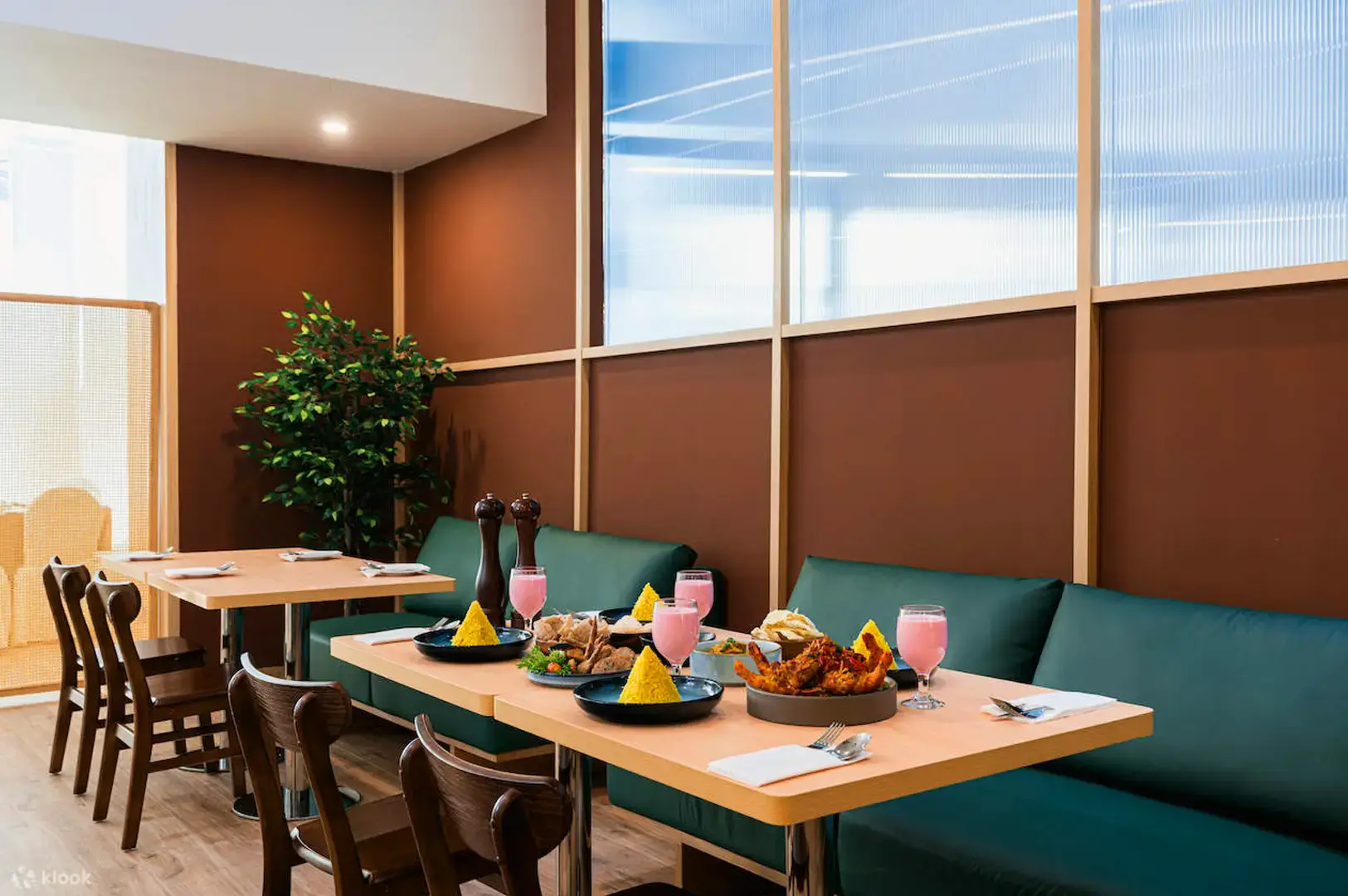
Light timber, simple furniture, and restrained Indonesian touches give the restaurant a clean look. The ambience works for kids, extended families, birthdays, and groups who want to dine without worrying about keeping the table quiet.
The trade-off is sound. Hard surfaces mean conversations bounce around once the place fills up, and the firm seating becomes noticeable during a long buffet. Once I stopped expecting hushed hotel luxury, I enjoyed the space more for what it was: a relaxed restaurant built around abundance and sharing.
Where the Buffet Works Best
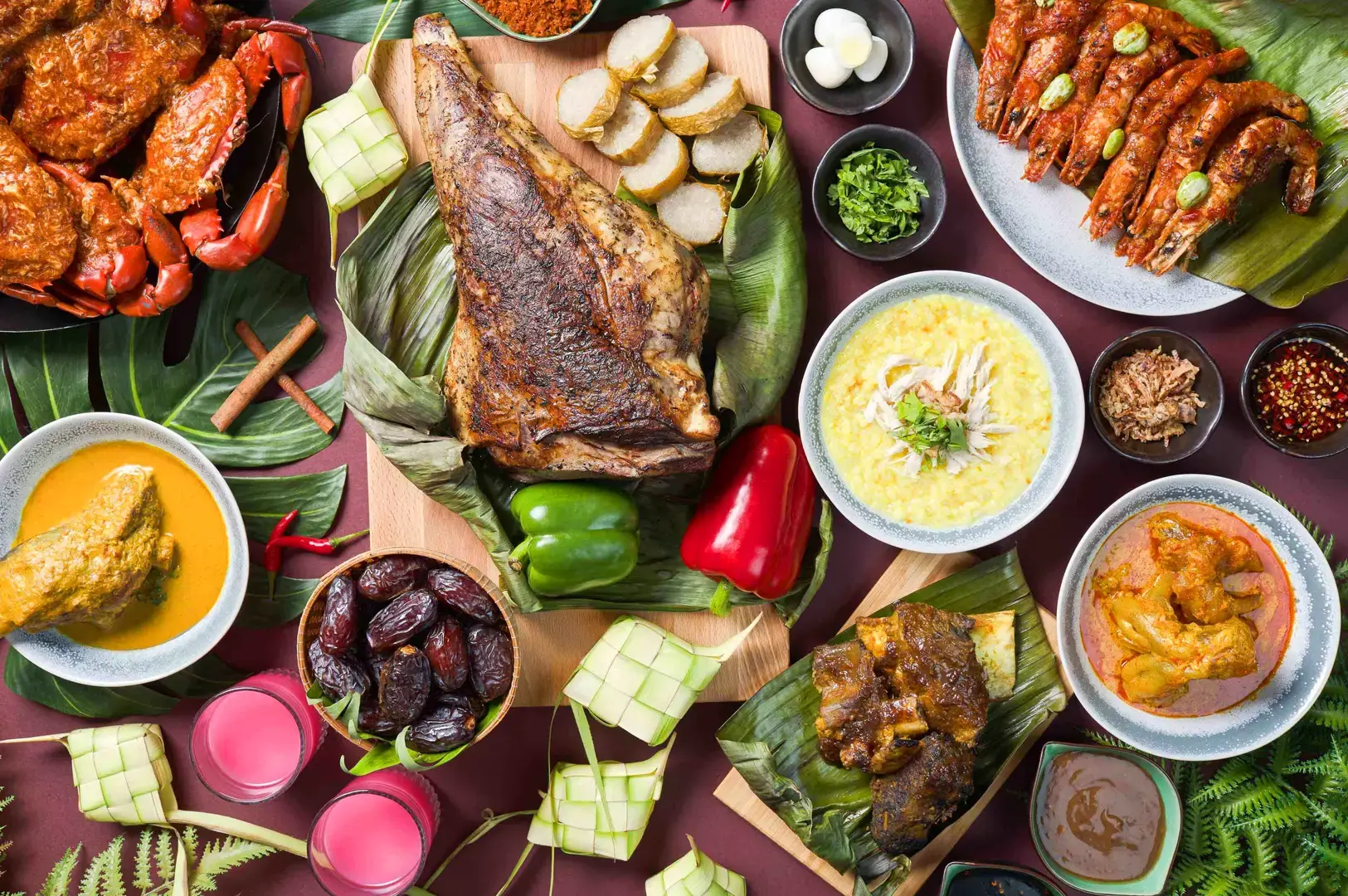
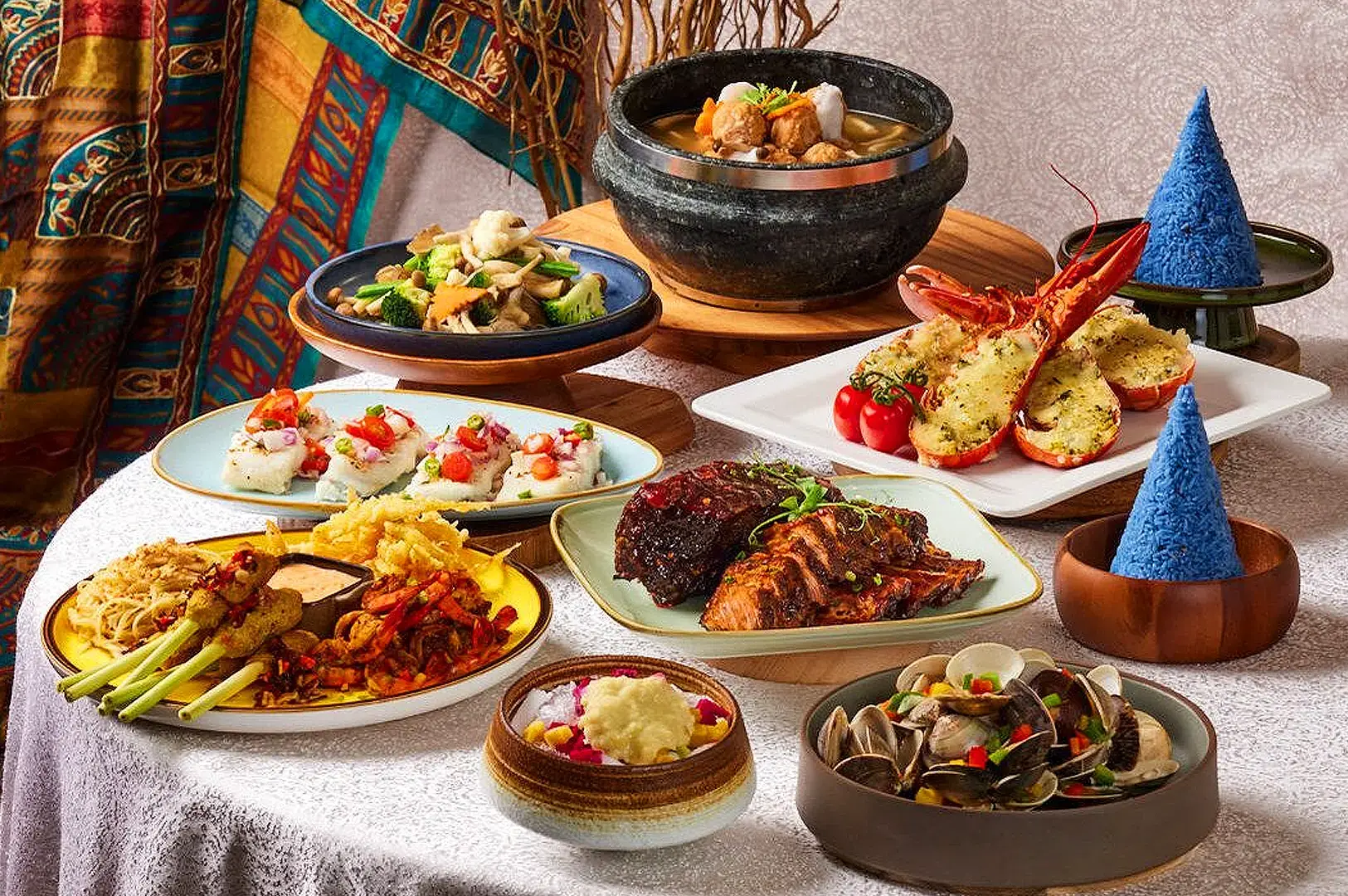
The current menu highlights include Rendang Daging Sapi, Ayam Panggang Rica Rica, Udang Goreng Mentega, Remis Sambal, and the signature Peha Kaki Kambing. Furama positions the offering as authentic all-you-can-eat Indonesian fare with big flavours, and that description is reasonably accurate when the kitchen leans into spice and slow cooking.
Not every bite is a hit. That is almost inevitable with a buffet this broad. But the better dishes taste specific rather than generic, and that matters more to me than having dozens of forgettable options. That range supports the argument that the national dish of Indonesia is not one plate; rendang, rica-rica, sambal and regional seafood traditions all carry different parts of the country’s identity.
Rendang Daging Sapi
The first thing I checked was the sauce. Had it reduced enough to cling to the beef, or was the meat sitting in something closer to thin curry?
It clung.
The sauce was dark, glossy, and rich, wrapping the beef with coconut, toasted spice, and slow-cooked depth. The meat pulled apart easily without collapsing into mush.
Was it the deepest rendang I have tasted? No. A specialist Indonesian restaurant cooking smaller batches can drive the caramelisation further. But this did not taste like a failure of the buffet format. It still tasted like rendang, with enough concentration to survive the warming tray.
Udang Goreng Mentega
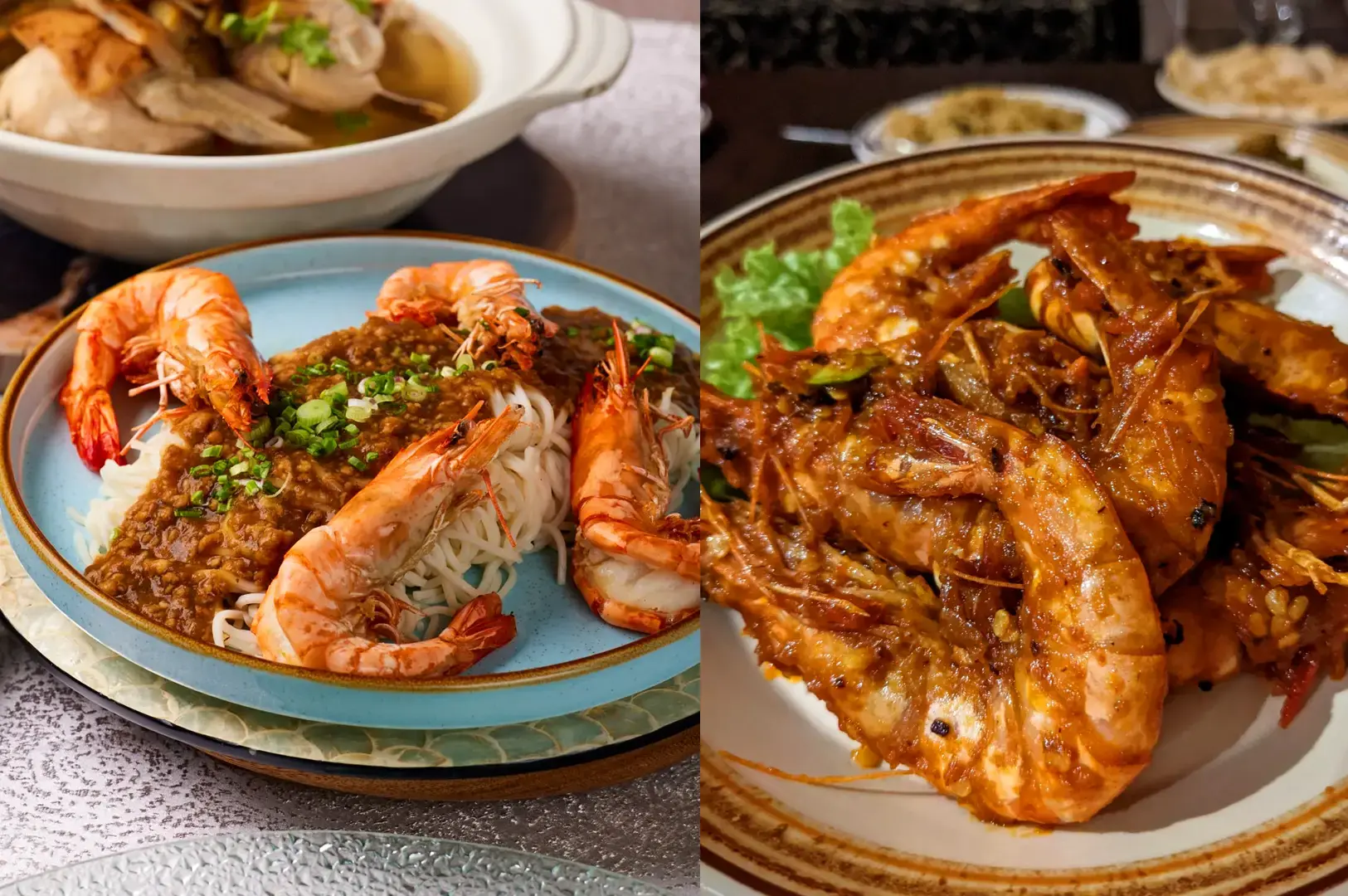
Buffet prawns have a bad habit of turning rubbery. Here, the prawn still had a juicy centre and enough resistance in the bite, with lightly crisp edges beneath its buttery coating. Then came the aroma: butter, curry leaves, fried edges, and a sweet-savoury fragrance that reached me before the first bite.
Against the earthy rendang, this felt brighter and quicker. One dish was slow and dark; the other was fragrant and lively. That contrast was one of the highlights of my first round.
Signature Peha Kaki Kambing
The lamb itself was tender and carved warm, with a soft texture and pleasant roasted flavour. But without sauce, it drifted toward familiar hotel roast lamb. The chef’s homemade sauces are what give it identity. Once I added the chilli-forward sauce, the meat picked up heat, sweetness, and spice.
Do not treat the sauce as optional. It is what connects the roasted lamb leg back to the wider Indonesian flavour profile.
Ayam Panggang Rica Rica
Its chilli heat arrived quickly, followed by a peppery warmth that cut through the heavier dishes already on my palate. I was thrilled that the kitchen had not softened it into something sweet and harmless. That restraint matters. An Indonesian buffet serving a broad Singapore audience could easily sand down every strong flavour.
Kintamani does not always do that. The rica rica still has enough fire to make you pay attention.
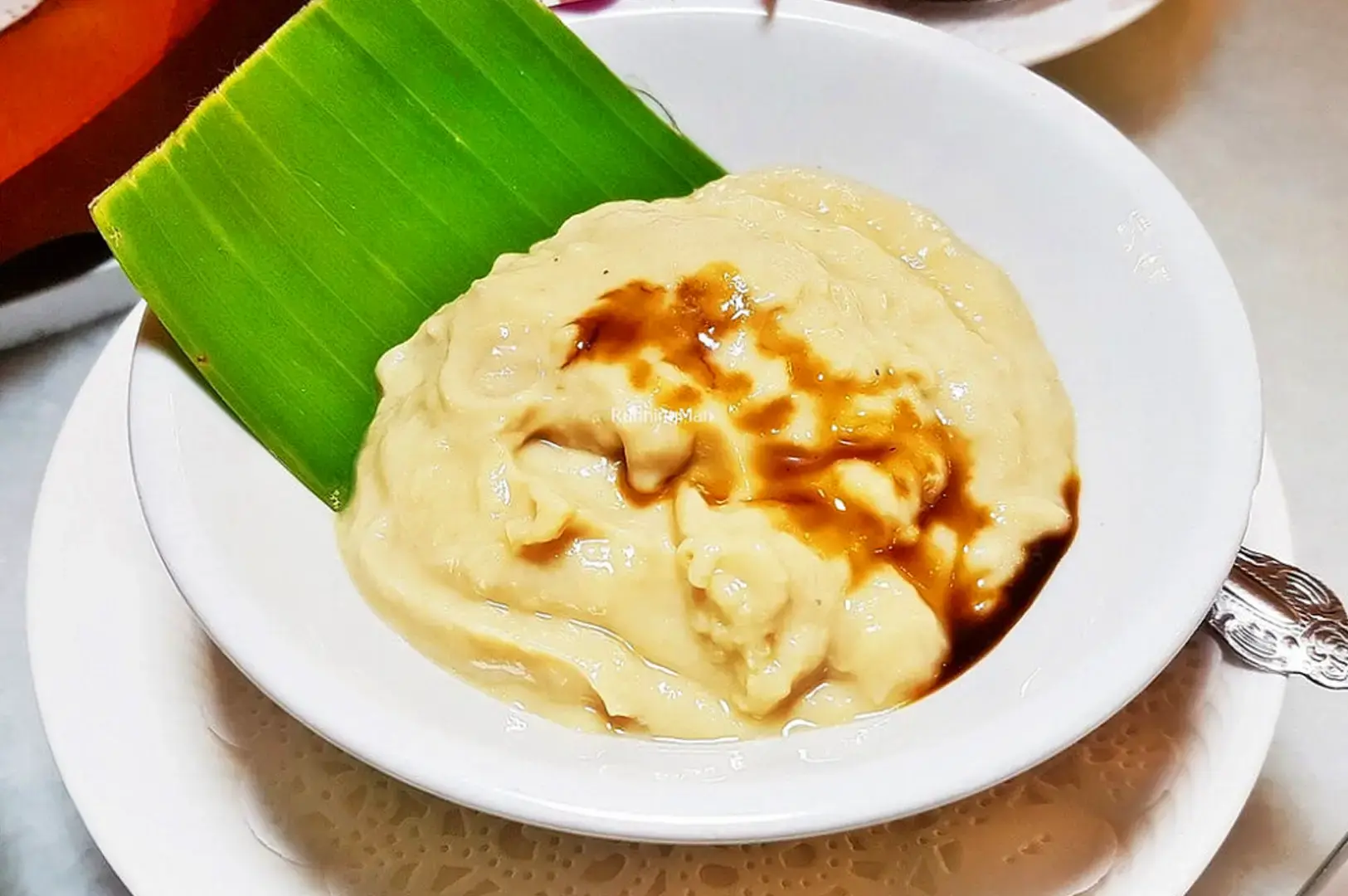
Durian Pengat: The Dessert That Won Me Over
I remember saving it for my last round because durian is difficult to fake. You can add sugar or coconut, but the fruit’s ripe fragrance and custardy funk will still tell you whether the kitchen has committed to it.
The durian pengat was dense, creamy, ripe, and unapologetically durian-forward. It coated the spoon rather than running off it, and the sweetness supported the fruit instead of burying its original taste. That is exactly what I wanted. A buffet desperately trying to please every diner could turn durian into something bland and polite. This was neither.
For me, the durian pengat was more convincing proof of Kintamani’s identity than any sign, menu description, or marketing line about authenticity.
Service at Kintamani Singapore
At Kintamani, it mostly went right. Used plates disappeared quickly. Trays were refreshed before they looked abandoned. Staff were friendly without hovering, and I never felt pressured to finish a round so someone could reclaim the table.
That kind of support matters when people are constantly moving between food stations, carrying drinks, helping kids, or returning to the table with another plate. The service did not turn the meal into fine dining, but it made the experience smooth, relaxed, and easy to enjoy.
Is It Worth It?
Current official pricing puts the buffet in a middle ground where value depends heavily on how much you enjoy Indonesian food.
- Weekday lunch, Monday to Thursday: S$45++
- Weekday dinner, Monday to Thursday: S$48++
- Weekend lunch, Friday to Sunday, eve of public holidays and public holidays: S$48++
- Weekend dinner: S$52++
- Kids aged 8 to 12: 40% off
- Seniors aged 60 and above: 30% off
- In-house hotel guests: 50% off
You are paying for variety, unlimited rounds, hotel convenience, service, desserts, and the chance to build a feast from several types of Indonesian fare rather than committing to one main dish.
For comparison with other hotel spreads, our Best Buffet Singapore examines how restaurants across the city balance variety, service and value.
Look for a Discounted Price
Reservation platforms sometimes offer a discounted price, although availability, timing, and cancellation terms can change by date and booking app. Recent Eatigo listings, for example, have advertised substantial percentage discounts on selected slots. If you book through an app or promotion link, check the final price and conditions before confirming rather than assuming the offer will apply to every lunch or dinner.
At full tariff, I would arrive hungry. At a strong discount, the value equation becomes much more attractive.
Lunch Buffet, Dinner Buffet and Reservation
Furama currently lists Kintamani as open daily:
- Lunch: 12:00 PM to 2:30 PM
- Dinner: 6:00 PM to 10:00 PM
A reservation is not something I would leave to chance for weekend dinner, public holidays, celebrations, or a large group. Menus, promotions, and buffet dishes can also be updated, so check Furama’s current restaurant page before visiting if there is a particular signature dish you do not want to miss.
Halal Status
This needs clarification because older references online can be misleading.
Furama’s current FAQ states that Kintamani Indonesian Restaurant serves pork-free and lard-free food but is not halal-certified. If certification is important to you, use the hotel’s updated statement rather than relying on an older restaurant listing.
Who Should Dine at Kintamani Indonesian Restaurant?
Kintamani makes the most sense if you want:
- A family gathering or big group meal with something for different appetites
- A broad introduction to Indonesian flavours in one sitting
- Rendang, spicy chicken, seafood, sambal, roasted meats, and durian on the same menu
- A relaxed hotel buffet rather than a formal dining experience
- The chance to indulge without ordering every dish separately
- Stronger value when a discounted price is available
Does Kintamani at Furama RiverFront Still Taste Like Indonesia?
Mostly, yes.
Kintamani is not trying to compete with Singapore’s top restaurants on precision, intimacy, or luxury. What it offers instead is a generous, approachable buffet that still respects enough of Indonesia’s flavours to feel culturally grounded rather than generically “Asian.” The format inevitably creates compromises. Fried food softens. Sauces sit. Some dishes survive the buffet line better than others.
If I return, I will do exactly what worked the first time: arrive near the start of service, take the rendang while it is fresh, grab the prawns before their edges soften, use the lamb sauces generously, and leave more room than seems reasonable for the durian pengat.
That final spoonful is still the taste I remember.

Yuja Tea: Korea’s Traditional Citron Tea
Dio Asahi | January 27, 2026
The golden, aromatic steam rising from a cup of yuja tea carries centuries of Korean tradition and wellness wisdom. This caffeine-free citrus beverage has warmed Korean hearts through countless winters, offering both comfort and powerful health benefits in every sip. Made from the Korean citron known as yuja fruit, this simple Korean tea represents one…
-
The Global Phenomenon of Korean Instant Noodle: A Cultural and Culinary Journey
Eda Wong | January 24, 2026
In the high-octane streets of South Korea, where the “pali-pali” (hurry-hurry) culture defines the pace of life, one dish stands as the ultimate equalizer of speed and satisfaction: Korean ramyeon. While the world often uses the terms ramen and ramyeon interchangeably, the Korean version is a distinct entity. It is not merely a quick snack…
-
Traditional Ramyeon: The Soulful Heart of Korean Noodle Culture
Eat Drink Asia Team | January 20, 2026
In the bustling culinary landscape of South Korea, few comfort foods can match the satisfaction of a steaming bowl of ramyeon. While outside of Korea, “ramyeon” often brings to mind Korean instant noodles or instant ramen, true ramyeon Korean style refers to the artful, freshly prepared noodle soup enjoyed in homes and at local restaurants…
-
The Heart of the Korean Noodles: History and Texture
Eda Wong | January 17, 2026
In Korea, a bowl of noodles is far more than a simple dish; it is a cultural anchor that has weathered centuries of change. For generations, the length of the strand has symbolized a long and prosperous life, making Korean noodles a staple at birthdays, weddings, and the milestone 60th birthday celebration known as hwangap….
-
Preserving the ‘Big Bowl’ Tradition with Pen Cai Delivery in the Age of Doorstep Dining
Eat Drink Asia Team | January 15, 2026
Modern Festive Menu: Bringing the Big Bowl Home There is a special, undeniable magic to the Chinese New Year reunion dinner. For many families, Chinese New Year 2026 is another chance to gather loved ones at the table and celebrate with a glorious pen cai—sometimes called the “big bowl feast”—overflowing with premium ingredients and festive…
-
Sencha: Traditions, Flavors, and the Essence of Japanese Tea
Eat Drink Asia Team | January 15, 2026
When people around the world think of Japanese tea, images of tranquil tea ceremonies in small rooms or frothy bowls of matcha often come to mind. Yet, the reality of tea drinking in Japan is much broader, woven deeply into the culture and daily habits. For the vast majority, sencha is the beloved tea that…
-
The Best Restaurants Tokyo Are Rarely the Ones You Plan For
Eda Wong | January 12, 2026
Tokyo, Japan’s capital, does not reward urgency. It rewards return. On my first visit, I chased what everyone told me were the best restaurants Tokyo had to offer. I spent weeks highlighting maps, bookmarking digital “must-eat” lists, and refreshing reservation pages until my eyes blurred. I thought that by conquering the top-tier establishments, I would…
-
Japan and Food: Culinary Harmony – The Deep Connection Between Japanese Food and Culture
Eat Drink Asia Team | January 11, 2026
When it comes to Japan and food, the two are intertwined in ways that captivate taste buds and awaken the senses. Japanese cuisine stands as one of the world’s most revered traditions—more than nourishing meals, it is an art reflecting centuries of philosophy and a window into Japanese culture itself. Every bowl of miso soup,…
-
The Verdant Cup: A Celebration of Green Tea in Japan
Eda Wong | January 10, 2026
In Japan, green tea is much more than a beverage. It marks a moment of pause, hospitality, and tradition. The story of green tea in Japan weaves through centuries of culture, artistry, and daily life—bridging ancient rituals like the Japanese tea ceremony to everyday meals enjoyed at home. The origins and beginning of Japanese tea…
-
Japanese Green Tea from Japan: The Story of Matcha
Dio Asahi | January 8, 2026
On a misty April morning in Kyoto, I knelt on tatami in a small tea room outside Uji, Japan. The host, dressed in kimono, moved with quiet skill as she scooped matcha powder into a ceramic bowl. The air was filled with the aroma of aged wood mixed with the grassy scent of high quality…