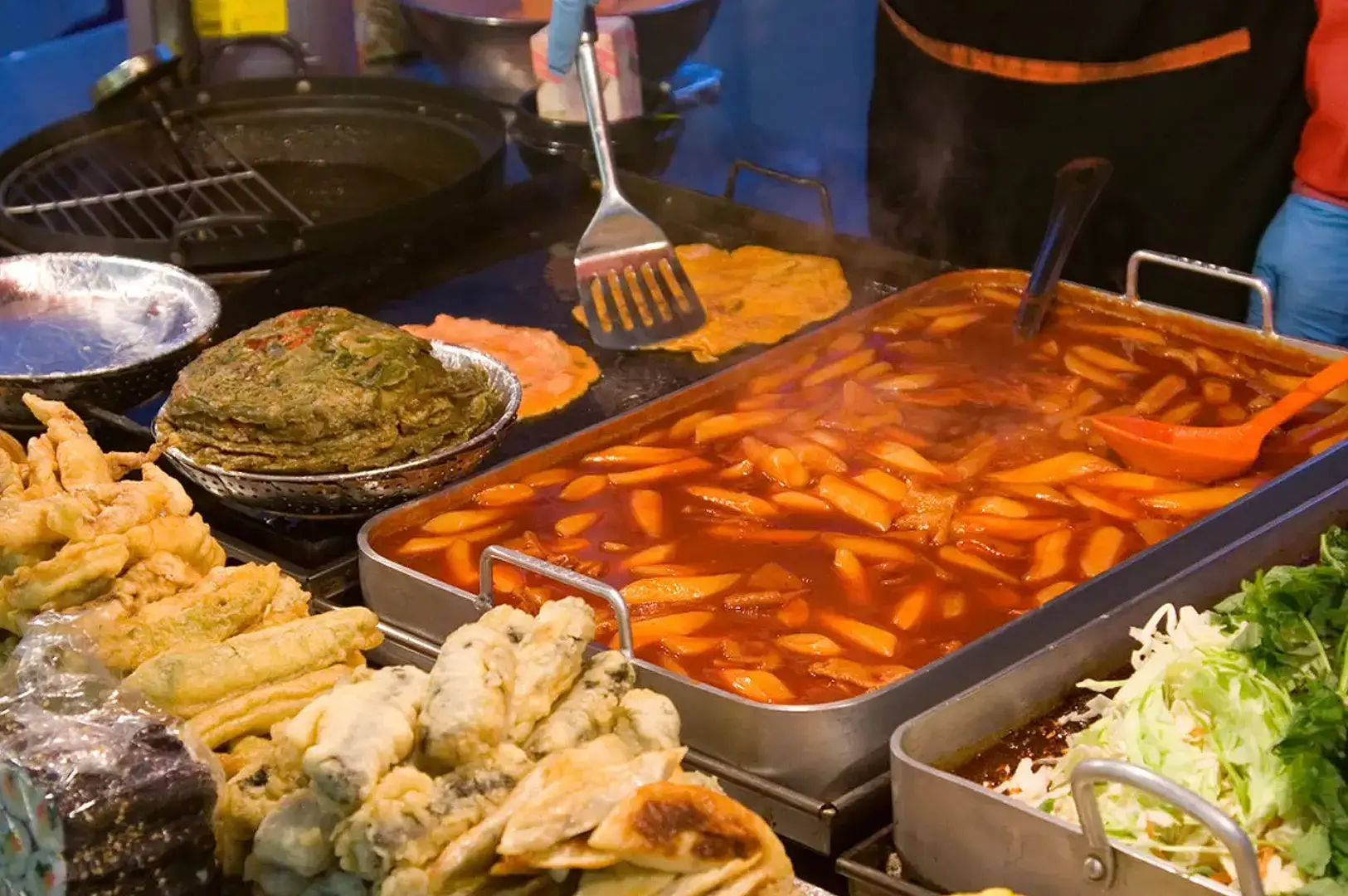
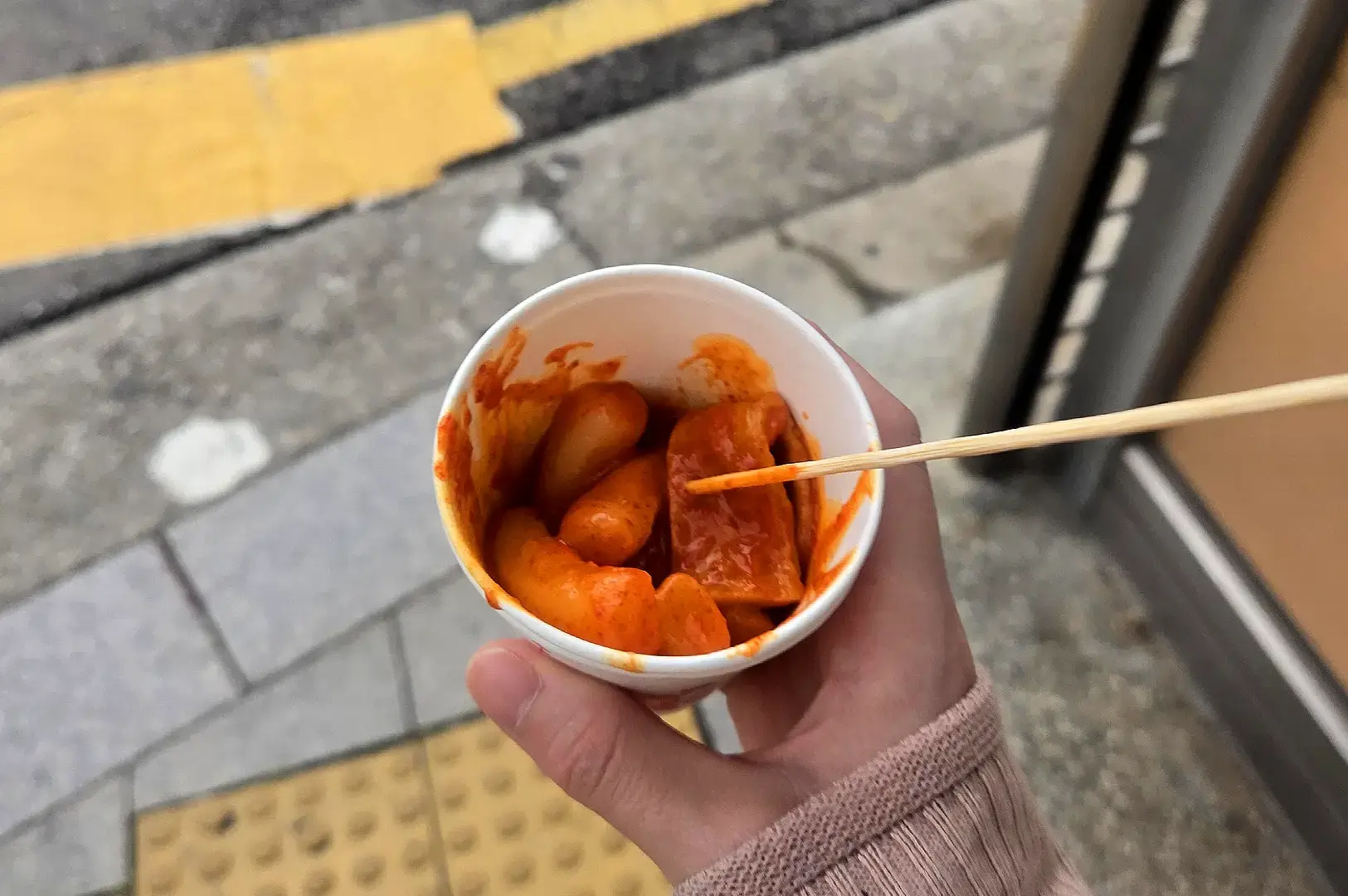
The first time I ate tteokbokki in Seoul, I burned my tongue standing up.
It was late, the air was sharp with cold, and I had stopped at a small street food stall near a subway exit because the steam pulled me in. The woman handed me a paper cup of rice cakes in red spicy sauce. No table. No chair. Just me, a plastic fork, and a queue forming behind me.
I ate too fast. I always do when something is that hot and that good.
But somewhere between the chew of the rice cake and the heat rising off the sauce, I understood something. This food was not asking me to sit down. It was asking me to keep going, to warm my hands, eat while the city moved, and step aside for the next person.
The Logic Behind Korean Street Food
Once you see it, you cannot unsee it. Almost every great Korean street snack passes what I call the one-handed test.
One-Handed Test Examples
- Can you eat it standing?
- Can you eat it while walking slowly?
- Can you hold a drink in your other hand?
- Can a vendor hand it to you fast without slowing the line?
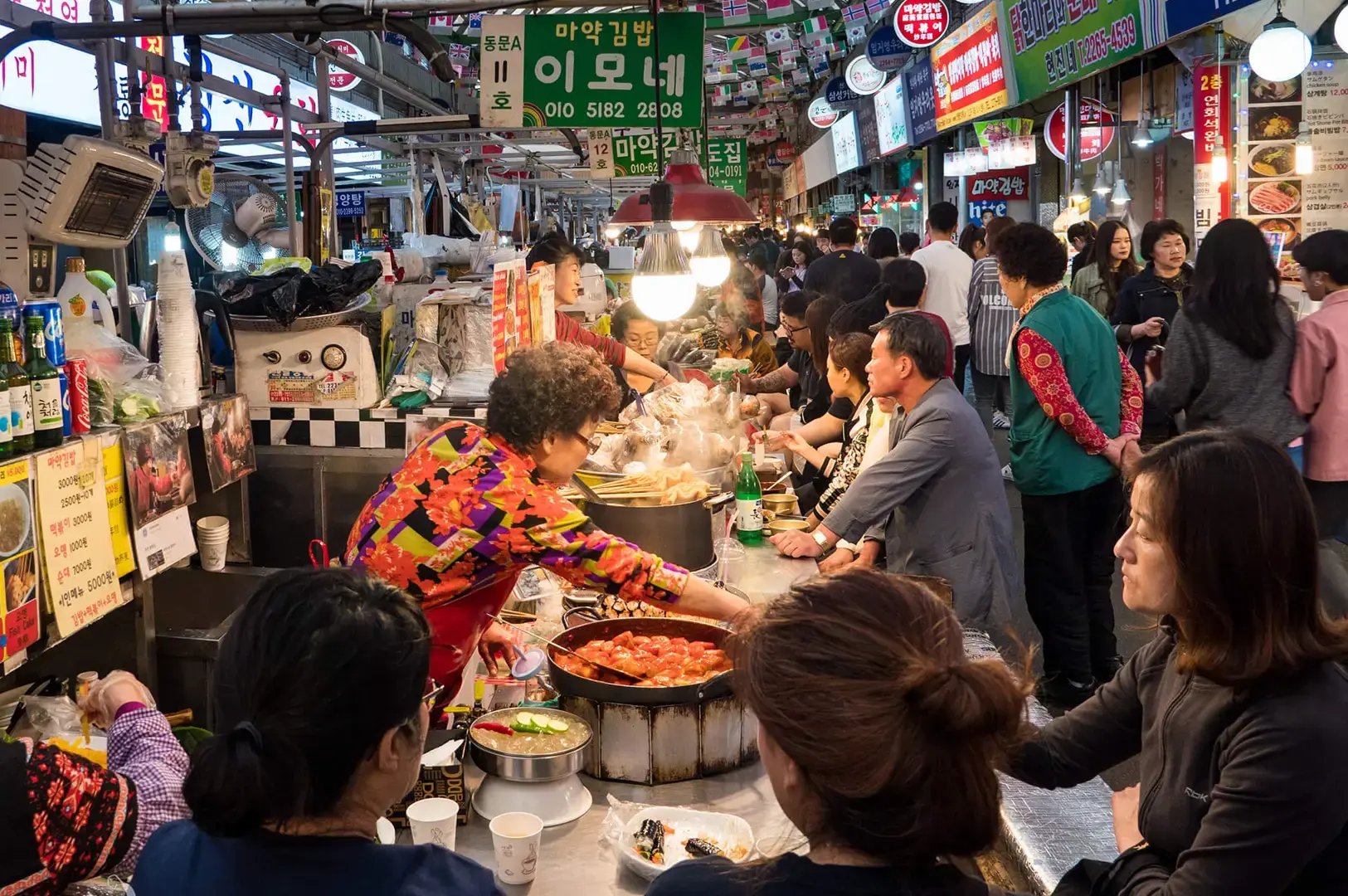
Common Korean Street Formats
- Hotteok, wrapped in a folded paper cup.
- Eomuk, or Korean fish cake, on a skewer.
- Tteokbokki in a small tub.
- Gimbap, made from cooked white rice rolled in seaweed and sliced into neat rounds.
- Bungeoppang, held like a warm little fish-shaped pocket.
- Korean corn dogs, sometimes coated with diced french fries before being deep fried.
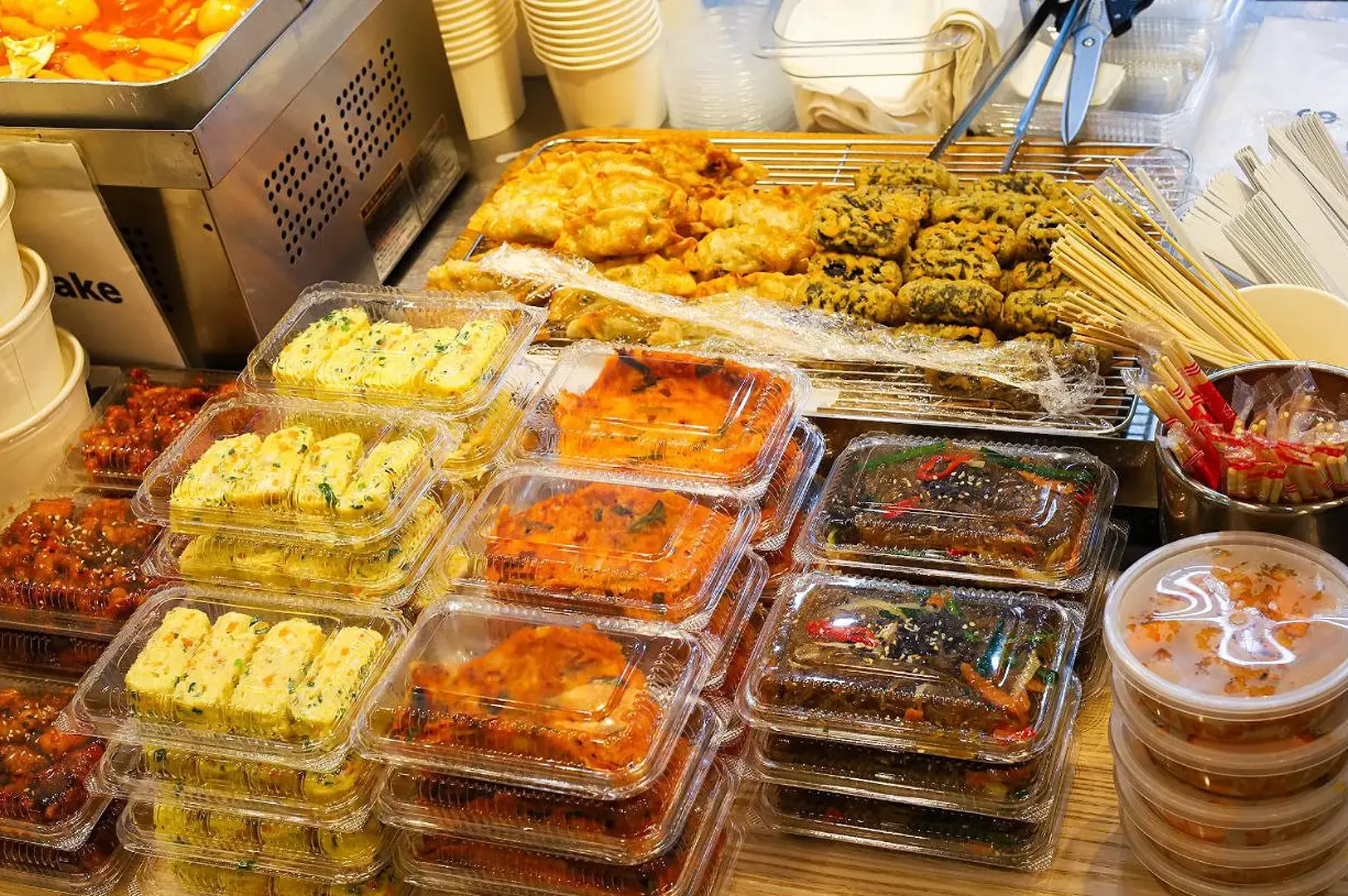
The format matters as much as the flavour here. The skewers, paper trays, toothpicks, cups, and dipping sauce stations all exist so you never have to stop for long.
That is why south Korean street food feels so alive. It belongs to food markets, subway exits, winter evenings, school-day memories, and street food carts where people eat quickly, warmly, and close to the steam.
The Best Korean Street Food Dishes Worth Knowing
You do not need to memorize every dish in Korean cuisine. A few popular Korean street foods can teach you the whole language.
Tteokbokki: Rice Cakes in Spicy Sauce
Tteokbokki is the icon of street food in South Korea: chewy rice cakes simmered in glossy red sauce, often with fish cakes, boiled egg, and sometimes green onions. The sauce can lean sweet, spicy, salty, and sticky all at once.
This is the favorite street food many people picture first. It is also the one that can scare the spice-shy. If you are cautious, share a small portion first and let the heat build slowly.
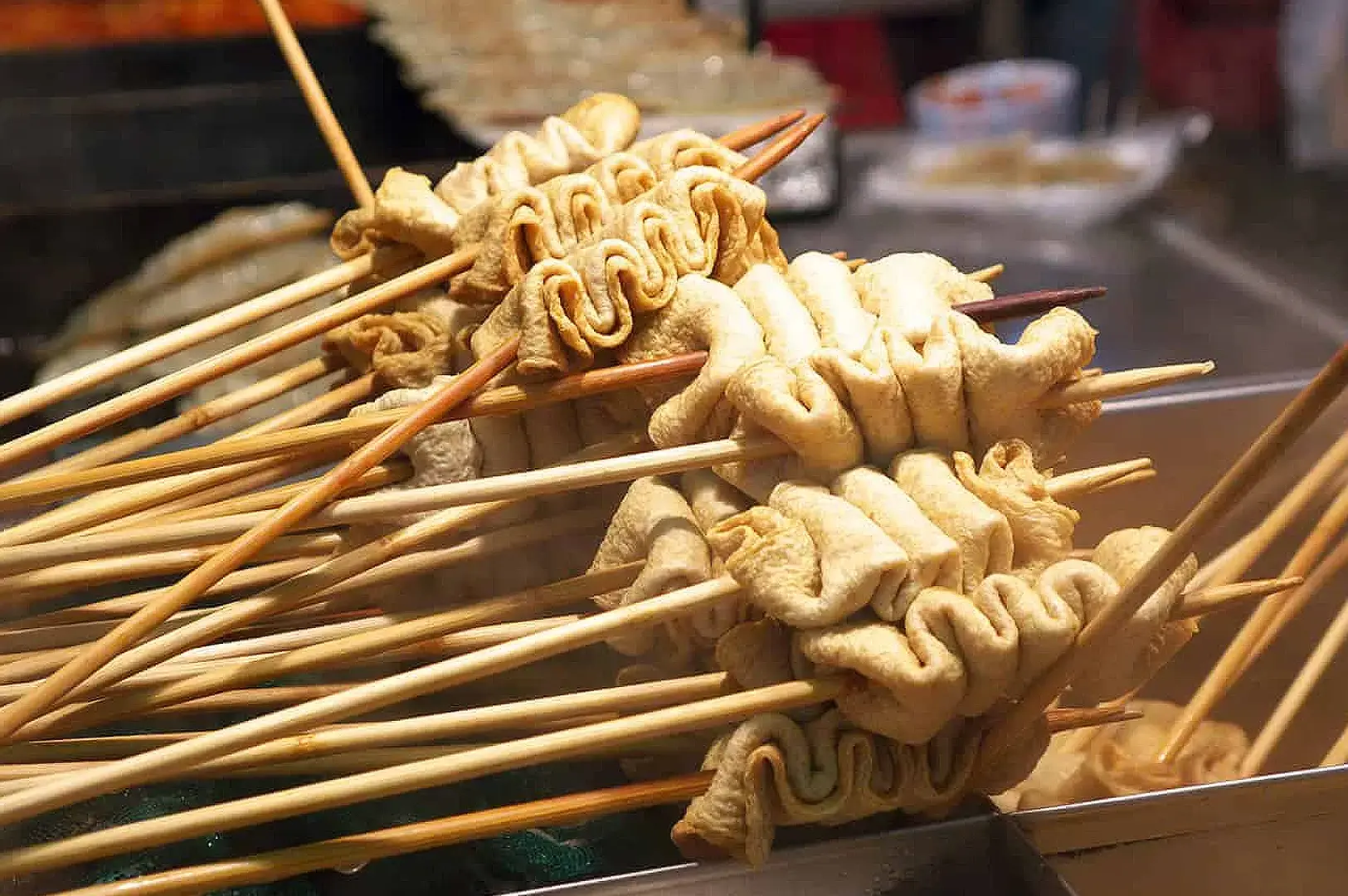
Eomuk and Fish Cake Skewers: Warm Broth Comfort
Eomuk, also called odeng, is the gentle counterweight. These fish cake skewers sit in hot broth until they turn bouncy, savoury, and deeply comforting. On a cold day in South Korea, the broth can be the best part.
Good Korean fish cake should taste mild and springy, not tired or grey. The broth should smell clean, salty, and warm enough to fog your glasses.
For another comfort-food story built around heat, sauce, and the need for something filling, Best Japanese Curry Singapore Spots That Redefine Comfort Food shows how a different Asian dish becomes a cold-day craving in Singapore.
Hotteok, Bungeoppang, and Egg Bread: Sweet Street Snacks
Hotteok is a Korean pancake filled with brown sugar filling, often with cinnamon, nuts, and sometimes sesame seeds. Bite too soon and the melted brown sugar can burn you. Wait too long and the crisp edge softens.
Bungeoppang is the fish-shaped pastry usually filled with sweet red bean paste or sweetened red bean paste. Some versions use custard, but the classic red bean paste version feels like winter in pastry form.
Then there is egg bread, or gyeranppang, a soft, warm street snack with a whole egg baked into a small loaf. The edges are sweet, the centre is soft, and the fried egg energy is there even though it is baked.
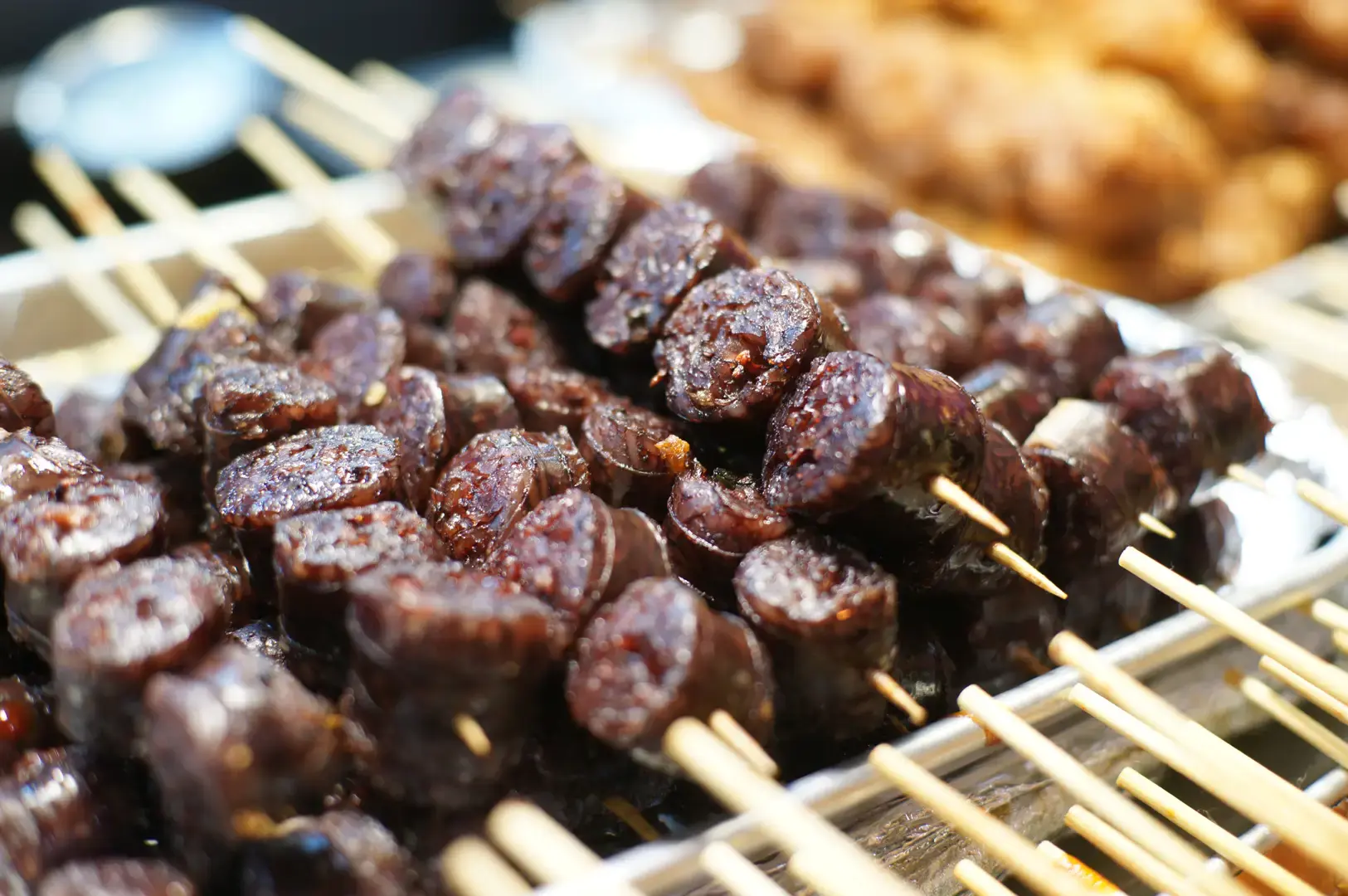
Sundae: Korean Blood Sausage With a Springy Bite
Sundae, or Korean blood sausage, is one of the more traditional Korean dishes you will see at street stalls. It is usually made with blood, glass noodles, and seasonings stuffed into casing, then sliced and served with salt.
The texture is springy and savoury. If you already like blood sausage elsewhere, this Korean version will make sense quickly. If you are new to it, try one piece with seasoning before committing to a full plate.
Twigim, Mandu, and Deep Fried Crunch
Twigim is the fried category: vegetables, shrimp, squid, korean dumplings, and other battered things pulled from hot oil and served crisp. Sometimes vendors dip the pieces into tteokbokki sauce, which turns the batter soft at the edges and fiery in the middle.
This is where deep fried Korean food gets dangerous in the best way. One bite of crisp batter, one swipe through sauce, and suddenly you understand why people order too much.
More Korean Street Food Snacks to Look For
Once you have the basics, look for the other things that crowd the edges of markets.
Savory, Sweet, and Built for Walking
- Korean fried chicken: crisp, sticky, and often glazed with soy sauce, garlic, or hot sauce.
- Dakgangjeong: bite-sized fried chicken with a sweet-spicy crunch.
- Korean street toast: buttered bread, cabbage, egg, sauce, and sometimes ham or cheese, pressed into a sweet-savory sandwich.
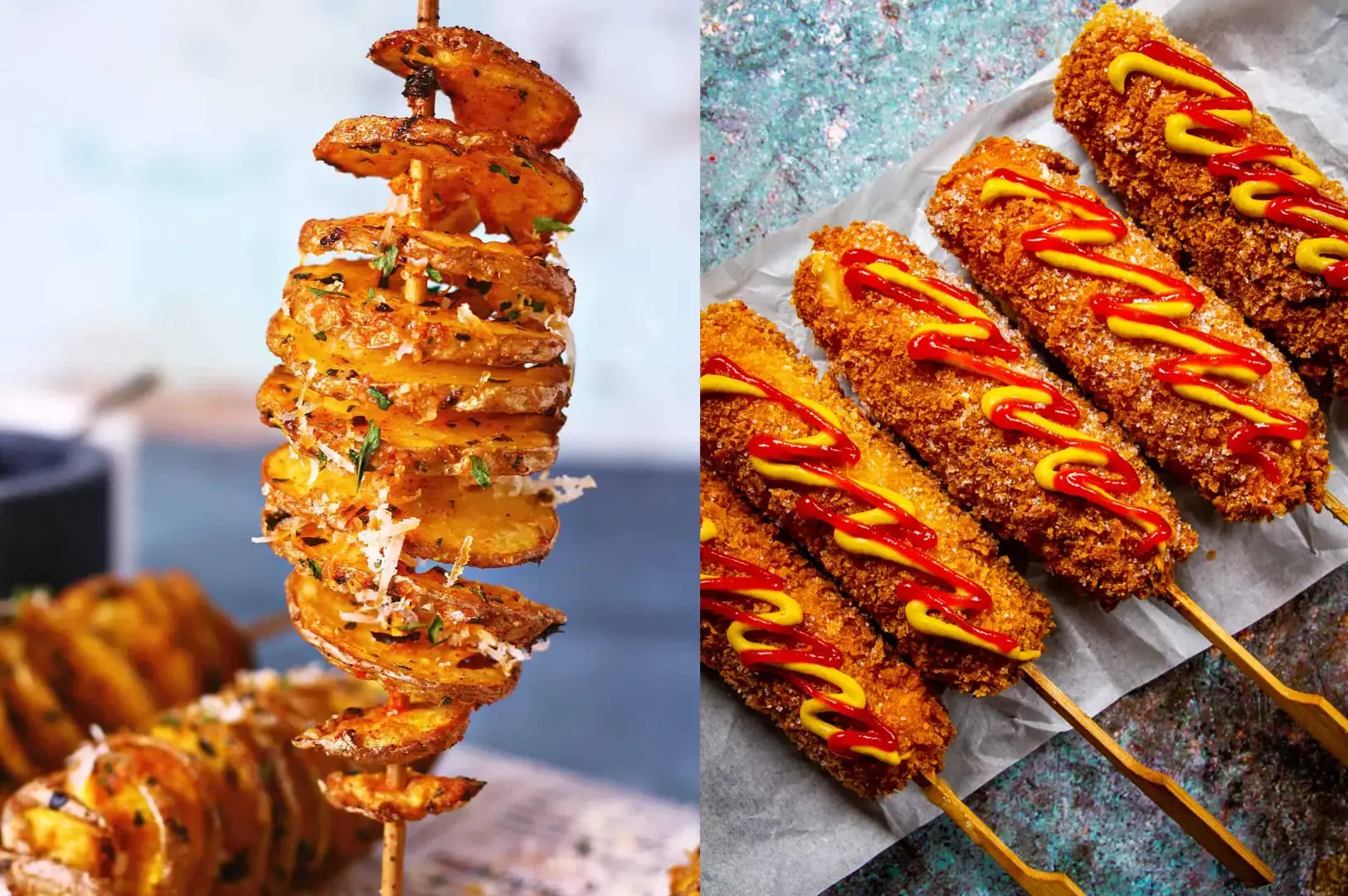
- Korean corn dogs: a hot dog or cheese stick coated in batter, rolled in sugar, sometimes crusted with french fries, then deep fried.
- Tornado potato: a spiral-cut potato on a skewer, crisp at the edges and salty on the fingers.
- Rice cake skewers: chewy tteok grilled or fried, then brushed with spicy sauce.
- Mung bean pancake: a savory pancake made with ground mung beans, often pan fried until crisp.
- Roasted sweet potatoes: smoky, soft, and sweet enough to feel like dessert.
- Fresh seafood: more common near coastal markets, where grilled shellfish, squid, and skewers bring briny heat into the street food mix.
You will also find snacks in convenience stores, especially when markets are closed. They are not the same as eating from street vendors, but they can still satisfy a late-night craving for Korean food.
How to Tell a Good Stall From a Tired One
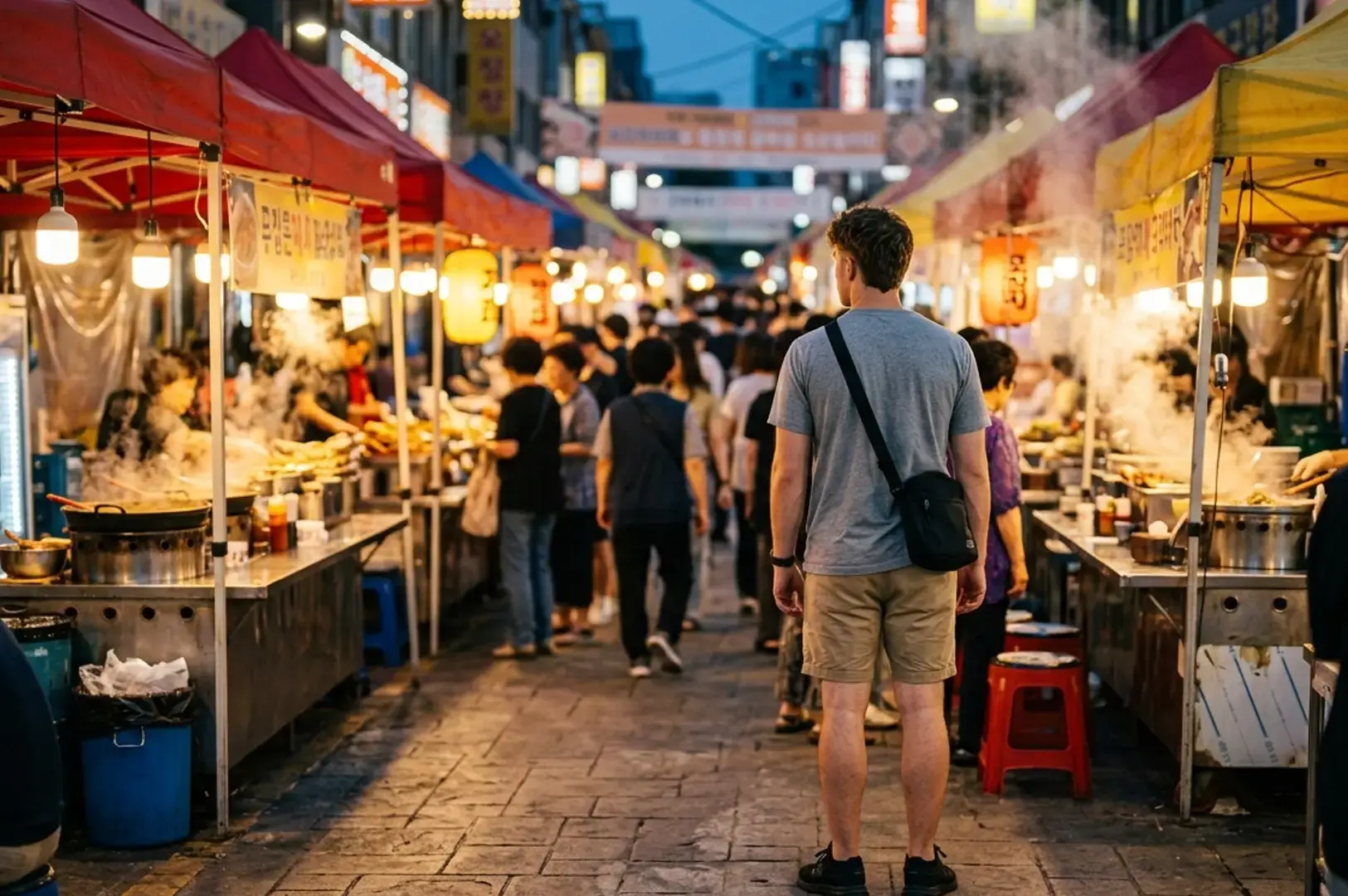
You learn to read street food stalls the way you read a room.
Signs of a Good Stall
- Good tteokbokki looks plump and glossy, with sauce clinging rather than pooling.
- Good fish cakes look hydrated and bouncy, not dry or shrivelled.
- Hotteok should be fried to order, crisp at the edge, and warm in the centre.
- Gimbap should look moist but not mushy.
- Twigim should smell clean, not like old oil.
- Busy street stalls with steady turnover usually beat famous stalls running on hype.
Red Flags
- Fried food that smells stale.
- Tteokbokki sauce gone crusted or dull.
- Skewers drying out in the open.
- A messy stall with old cups and spills everywhere.
- A vendor reheating everything but cooking nothing fresh.
Street food should feel alive. Steam, sizzle, movement, and turnover are the quality test.
Insider knowledge: Do not chase the viral stall just because it is viral. I have had better tteokbokki from an unnamed cart with bubbling sauce and a steady local crowd than from a famous one running on reputation alone. Turnover beats hype every time.
What This Looks Like in Singapore
Here, the setting changes even when the cravings do not.
In Singapore, we mostly meet Korean street food through restaurants, mall snack counters, K-food cafés, pasar malam stalls, and takeaway kiosks. Not winter alleys or pojangmacha tents.
If Korean street food changes once it moves indoors, izakaya Singapore shows a similar shift, where casual Japanese drinking food becomes an after-work plan instead of a street-side stop.
Differences in Singapore
- The formats shift. You will probably sit down.
- There will be air-conditioning, trays, receipts, and delivery apps.
- The food becomes less “street” in setting, but the design still holds: hot, handheld, shareable, and built around movement.
- Prices are usually higher than in Korea because of rent, labour, and imported ingredients.
A plate of tteokbokki here can feel more like a small restaurant dish than a quick market snack. Korean corn dogs, gimbap, kimchi fried rice, fried chicken, and mandu tend to be adapted for takeaway and delivery.
Two Honest Cautions
- If you eat halal, check carefully. Many items involve fish cake, pork, beef, alcohol-based sauces, or shared fryers.
- If you are vegetarian, ask about the broth. Something that looks meat-free, like tteokbokki sauce or odeng soup, may still use seafood stock or fish cake.
If you want a route, start with tteokbokki for the chew, add eomuk for broth, gimbap for something filling, Korean fried chicken or mandu for crunch, and finish with hotteok, green tea, or a sweet café drink.
Before the City Pulls You Along
I still think about that first cup of tteokbokki, eaten too fast in the cold.
It was not the best meal I have had. But it taught me how this food wants to be eaten: quickly, warmly, on your feet, with your hands doing the work and your face in the steam.
So do not overthink it. Walk the lane once. Point at what looks alive. Start mild if you need to, share more than you keep, and eat it while it is hot.
The rest you will learn standing up, the way I did.
That is part of the whole thing.

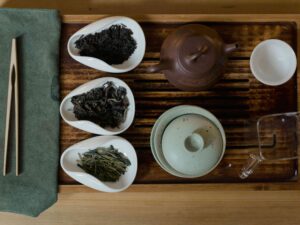
The Art of Asian Tea Ceremony Traditions: Ancient Rituals and Cultural Values Across Asia
Dio Asahi | November 15, 2025
A cup of tea, in many parts of Asia, represents far more than a beverage-it is a conduit to ancestral tradition, intellectual pursuit, and the cultivation of mindfulness. Asian tea ceremony traditions turn the act of drinking tea into a sophisticated art form, layered with symbolism, philosophy, and socio-cultural values. Each gesture, from scooping powdered…

The Art of Slow-Cooked Curry Recipes: Time’s Magic in South Asian Cuisine
Eda Wong | November 13, 2025
Step into a South Asian kitchen, and the senses are instantly enveloped by the inviting aroma of food slowly simmering in a sturdy clay pot or heavy vessel. The allure is undeniable: in this space, slow-cooked curry recipes are a celebration of patient tradition, spices, and the richness of South Asian cuisine. Here, time and…
-
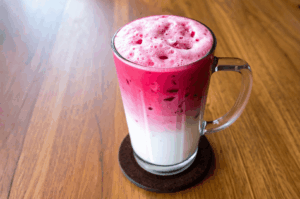
Bandung Drink Recipe: A Singaporean Rose Syrup Drink Tradition
Eat Drink Asia Team | November 11, 2025
Step into any night market or hawker centre in Singapore, and you’ll spot a vibrant, glowing glass filled with a cold, beautiful drink-Bandung. Known for its iconic blush-pink hue and refreshing taste, this rose syrup drink is an integral part of Singapore’s beverages scene and a cherished tradition in Southeast Asian gatherings. More than just…
-
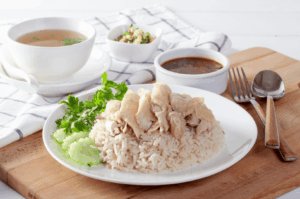
The Ultimate Hainanese Chicken Rice Recipe: A Deep Dive
Eda Wong | November 8, 2025
To wander through Singapore’s bustling hawker centres on a humid evening is to experience a symphony of sights, sounds, and smells. Among the many other dishes sizzling away, one plate stands out for its elegant simplicity: Hainanese Chicken Rice. It arrives without fanfare-gleaming slices of poached chicken over fragrant rice, flanked by a trio of…
-
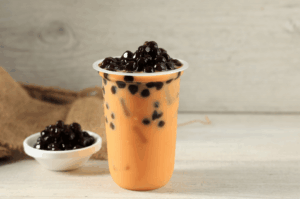
Bubble Tea Origins: How Taiwan Created a Global Beverage Phenomenon
Dio Asahi | November 6, 2025
From Taipei to New York, a single drink has captured the world’s taste buds: bubble tea. This beverage, known as pearl milk tea or boba tea, and also known as boba in many regions, is celebrated for its delightful combination of sweet, creamy tea and signature chewy tapioca pearls. What began as a novel creation…
-
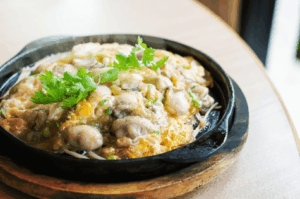
A Food Lover’s Guide to the Taiwanese Oyster Omelet
Eat Drink Asia Team | November 4, 2025
As twilight descends upon Taipei City, a vibrant energy pulses through its streets. This is the hour of the night markets, bustling hubs of community, commerce, and some of the world’s most incredible street food. Amidst the steam from soup dumplings and the sizzle of Taiwanese fried chicken, one iconic dish reigns supreme: the Taiwanese…
-
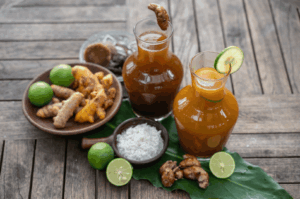
Jamu: Indonesian Herbal Medicine for Modern Well-Being
Dio Asahi | November 1, 2025
Across the Indonesian archipelago, a vibrant tradition of herbal healing has flourished for centuries. This is jamu, a cornerstone of Indonesian cultural heritage and a sophisticated system of traditional herbal medicine. Far more than just a refreshing drink, jamu represents a philosophy of balance, a deep connection to nature, and a form of indigenous medicine…
-
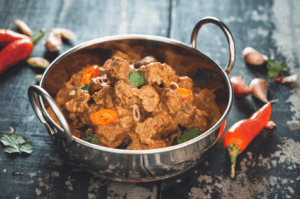
Padang Beef Rendang: The Complex Process Behind Indonesia’s Most Famous Dish
Eda Wong | October 30, 2025
This post may contain affiliate links. For full transparency, this article may contain affiliate links. To call Padang beef rendang simply a dish is to miss the soul of Indonesian cuisine. This legendary slow-cooked dry curry, a centerpiece of both festive tables and humble meals, has earned its fame as one of the world’s most…
-
Teh Tarik Malaysia: The Art and Science Behind Iconic Pulled Tea
Eat Drink Asia Team | October 28, 2025
In Malaysia, ordering a cup of teh tarik is about so much more than just enjoying a hot drink. Teh tarik, literally translated as “pulled tea,” is Malaysia’s national beverage, famous for its sweet, creamy taste, frothy top, and the spectacular pulling technique seen in bustling mamak stalls and coffee shops across the country. A…
-
The Legendary Penang Char Kway Teow: A Culinary Journey
Dio Asahi | October 25, 2025
The air in Penang is thick with anticipation, carrying the sounds and smells of Malaysian street food being crafted with expert care. Your attention is captured by one of the many street vendors, a master standing before a seasoned wok glowing over an intense fire. The rhythmic clanging of metal on metal is the soundtrack…