By Dio Asahi for Eat Drink Asia.
The lid comes off, and the steam rises first.
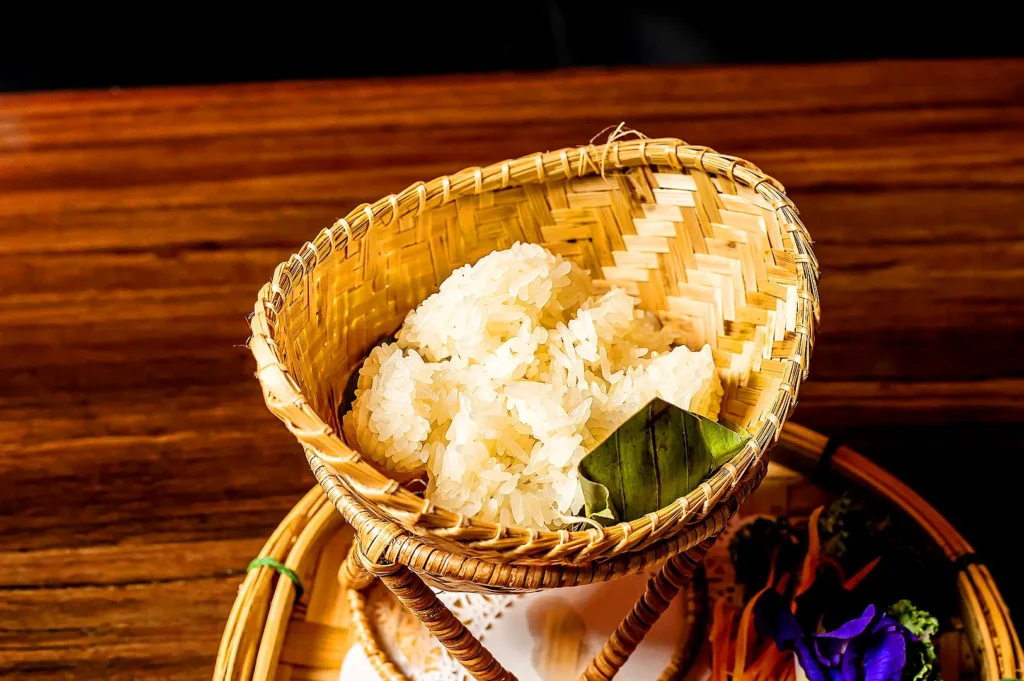
It’s a warm afternoon in Chiang Mai, and on the table sits a small woven bamboo basket, still holding the heat of the pot it came from. Someone’s grandmother lifts the top and sets it aside without looking. Inside, the sticky rice waits — pale, glossy, faintly sweet in smell. Fingers reach in, pinch off a lump, roll it once against the palm. Nobody uses a spoon. The rice holds its shape, warm and pliant, ready to dip into whatever sits beside it. The basket breathes gently, and the meal begins.
Chiang Mai’s food memory is impossible to separate from bowls of khao soi, the northern Thai curry noodle soup that turns coconut, chilli, and crisp noodles into something deeply local.
This basket is called a krathip — say it roughly as “gra-TEEP.” It’s a container woven from thin strips of bamboo, small enough to hold in two hands, made specifically for khao niao, the glutinous sticky rice of the north and northeast. The weaving isn’t decoration. The tight bamboo walls let the rice keep its warmth while letting just enough air pass through, so the grains stay soft and moist rather than turning to paste or drying out. The rice is steamed, not boiled — soaked for hours, then cooked over rising steam in a conical basket, then tipped warm into the krathip to rest. A lid keeps the heat in. The whole thing works the way it always has, without a single moving part.
In the north, a meal without khao niao feels unfinished. The krathip sits in the middle of the table, shared, passed, opened and closed as people eat. You take a little, then a little more, using the rice as both spoon and plate — pinching it, dipping it into nam prik, scooping up grilled meat or sour soup. There’s an unhurried rhythm to it. The basket asks you to slow down, to reach with your hands, to eat the way the people beside you are eating. It’s a communal object more than a personal one. One basket, many hands, the lid going back on between mouthfuls so the last grains stay as warm as the first.
You see the plastic tubs now, of course. Cheaper, lighter, easy to stack behind a stall or send out with a takeaway order. They do the job. But sticky rice sealed in plastic sweats and turns gummy, the grains clinging in a way the bamboo never allowed. The krathip lets the rice keep its dignity. That a woven basket still outperforms the convenient thing says something quiet about why certain old tools survive — not out of nostalgia, but because they simply work better at the thing they were made for.
The lid goes back on. The rice keeps its warmth a while longer, waiting for the next hand. Some objects hold food. This one holds a way of eating, too — and it has never needed to be anything more than what it is.

Japanese Green Tea from Japan: The Story of Matcha
Dio Asahi | January 8, 2026
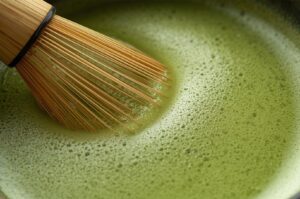
On a misty April morning in Kyoto, I knelt on tatami in a small tea room outside Uji, Japan. The host, dressed in kimono, moved with quiet skill as she scooped matcha powder into a ceramic bowl. The air was filled with the aroma of aged wood mixed with the grassy scent of high quality…
-
Takoyaki: The Sizzling Heart of Japan Food Culture
Dio Asahi | January 3, 2026
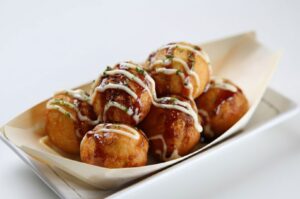
What is Takoyaki and Why Does it Matter in Japanese Food Culture? In the bright heart of Osaka, the sizzle of takoyaki batter signals one of Japan food culture’s most beloved street foods. Lines form at street stalls drawn by the delicious food aromas of sweet-savory sauce and bonito flakes dancing on golden spheres. Takoyaki,…
-
Everything You Need for a Flawless Bubble Tea Cake
Eda Wong | January 1, 2026
The global bubble tea phenomenon has evolved beyond drinks into the world of baking, creating one of the most exciting dessert trends of recent years. Bubble tea cake combines the beloved flavors of milk tea with the satisfying chew of boba pearls, all wrapped up in an adorable bubble tea cake that’s perfect for any…
-
Pad Thai Dish: Everything You Need to Know About the Rice Noodles That Make It Authentic
Eat Drink Asia Team | December 30, 2025
Pad Thai is more than just a staple of Thai Food; it’s a Global Phenomenon. From bustling street carts in Bangkok to high-end Thai Restaurants in New York, this iconic Pad Thai Dish has captured the hearts and palates of food lovers everywhere. The best Pad Thai rivals what you would find in a typical…
-
Thailand Food Pad Thai: Thailand’s Iconic Stir-Fried Noodle Dish
Eda Wong | December 27, 2025
Few dishes capture the essence of Thailand food culture like authentic Pad Thai. This beloved stir fried noodle dish is more than a meal-it’s a symbol of Thai identity, a perfect balance of sweet, savoury, and sour flavors, and a window into the soul of Thai cuisine. Whether you want to eat Pad Thai from…
-
Why Fish Curry is a Special Indian Cuisine
Dio Asahi | December 25, 2025
Along India’s vast and vibrant coastline, stretching over 7,500 kilometers, the sea offers its generous bounty to a cuisine renowned for its regional variations. Nowhere is the diversity of the Indian subcontinent more deliciously expressed than in a humble bowl of fish curry. Through this article, we’ll journey across India’s coasts and kitchens, exploring the…
-
Tikka Masala: The Story Behind One of the Most Iconic Dishes in India’s Food Cuisine
Eat Drink Asia Team | December 23, 2025
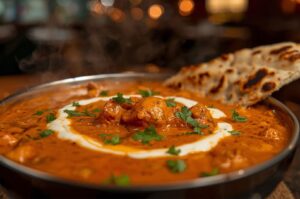
Ask anyone to name a famous Indian dish, and chances are “Tikka Masala” will be one of the first things they say. This creamy, vibrant, and aromatic curry has become a global symbol for the food cuisine in India, celebrated from street food stalls in Delhi to upscale Indian restaurants around the world. Its rich…
-
Cuisines in India: A Journey Through the Diverse Regional Food Traditions of the Subcontinent
Dio Asahi | December 20, 2025
Indian cuisine is celebrated for its spectacular diversity, bursting with flavors, regional traditions, and culinary innovations. From the spice-laden gravies of Northern Indian cuisine and tandoor-fresh breads, to coconut-laced Southern Indian cuisine, fragrant rice dishes in the East, and the robust, spicy curries and street food of the West, the foods of India reflect not…
-
Green Tea with Milk: A Tale of Two Teas from Taiwan and Thailand
Eda Wong | December 18, 2025
The simple combination of green tea with milk has sparked a culinary phenomenon across Asia, creating a diverse family of beverages that are both comforting and refreshing. While many countries have embraced this pairing, two nations stand out for their iconic and wildly different interpretations: Taiwan and Thailand. Each has cultivated a unique culture around…
-
The Emerald Journey: Exploring Asia’s Green Milk Tea Culture
Eat Drink Asia Team | December 16, 2025
A vibrant, emerald-hued wave is sweeping across Asia, delighting taste buds and defining modern café culture. From street-side stalls in Bangkok to chic tea houses in Taipei, green milk tea—sometimes simply called green tea with milk—has blossomed from a simple concept into a beloved, refreshing drink with countless regional interpretations and profound cultural significance. Whether…