Kung pao chicken is often described by its main ingredients: diced chicken, dried chillies, peanuts, spring onions, and Sichuan peppercorns. But anyone who has cooked it at home knows the truth: the dish succeeds or fails because of the sauce.
The sauce decides whether kung pao chicken tastes lively and balanced, or flat, sticky, and overly sweet. It has to land in a narrow window, savoury but not too salty, sweet but not syrupy, sour but not harsh, glossy but not gluey.
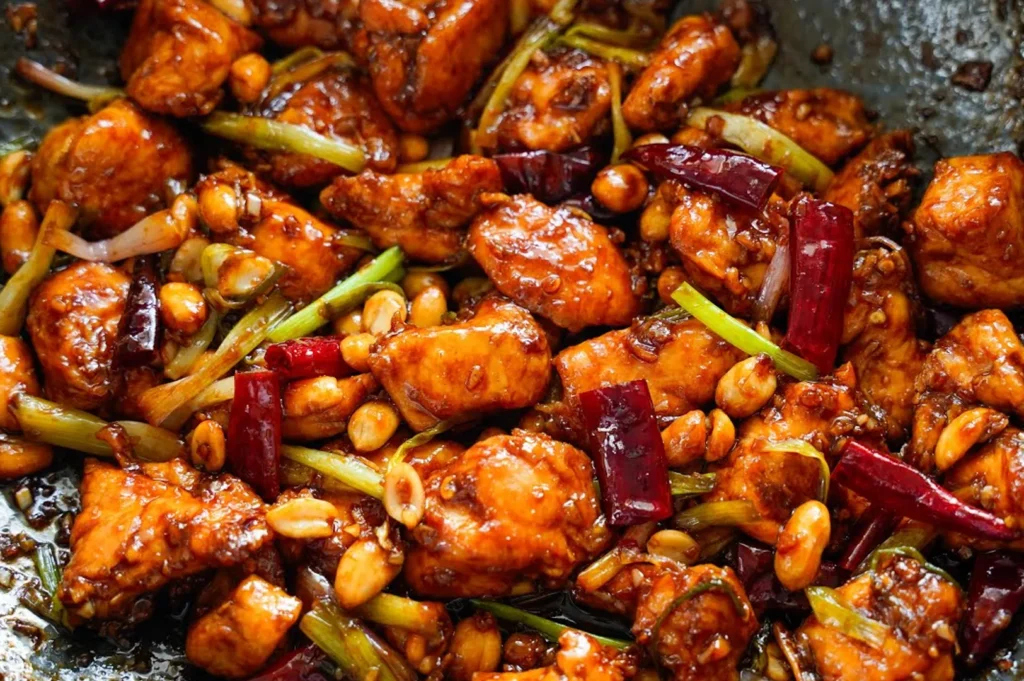
We learned this the hard way. The first time we tried making kung pao chicken at home, we assumed the sauce would be simple. Soy sauce, sugar, vinegar, heat, how difficult could it be? What came out of the wok was dull and heavy. The sauce clung in thick patches instead of coating the chicken lightly. The vinegar disappeared, the sugar took over, and the peanuts softened too quickly. It tasted like something trying to be kung pao, but missing its rhythm.
That was when we understood the real lesson: kung pao sauce is not just mixed. It is timed.
The Sauce Should Wake Up the Dish, Not Drown It: Mastering Kung Pao Chicken Sauce
A common misunderstanding in Chinese cooking is that kung pao chicken sauce should be thick, dark, and sugary, like many takeout versions. Traditional kung pao chicken or gong bao ji ding is much more precise. The kung pao sauce should coat the marinated chicken lightly, not pool at the bottom of the plate.
When done well, each piece of chicken breast or thigh carries a thin, glossy layer of flavor from the classic sauce. You first taste the light soy sauce, deep and savory, before the chinese black vinegar lifts the richness with its mellow acidity. A touch of sugar rounds the sharp edges, while the dried chillies and chili flakes bring roasted warmth. The signature sichuan peppercorns leave a faint tingling, numbing spice that echoes on the tongue. The goal is balance, not heaviness.
In Sichuan cuisine, this sweet-sour-savory profile is sometimes described as “lychee flavor.” This does not mean the dish contains lychee; rather, it refers to a flavor balance that feels bright, rounded, and gently fruity in effect. This distinction matters because kung pao sauce should feel alive and vibrant, not syrupy or cloying. Shu Yan Sichuan Cuisine Review by Eat Drink Asia highlights the authentic balance and bold flavors that define true Sichuan cooking.
The Five Elements of Kung Pao Sauce: Ingredients and Their Roles
A good kung pao sauce recipe works because every sauce ingredient has a specific job.
Soy Sauce: The Savory Backbone
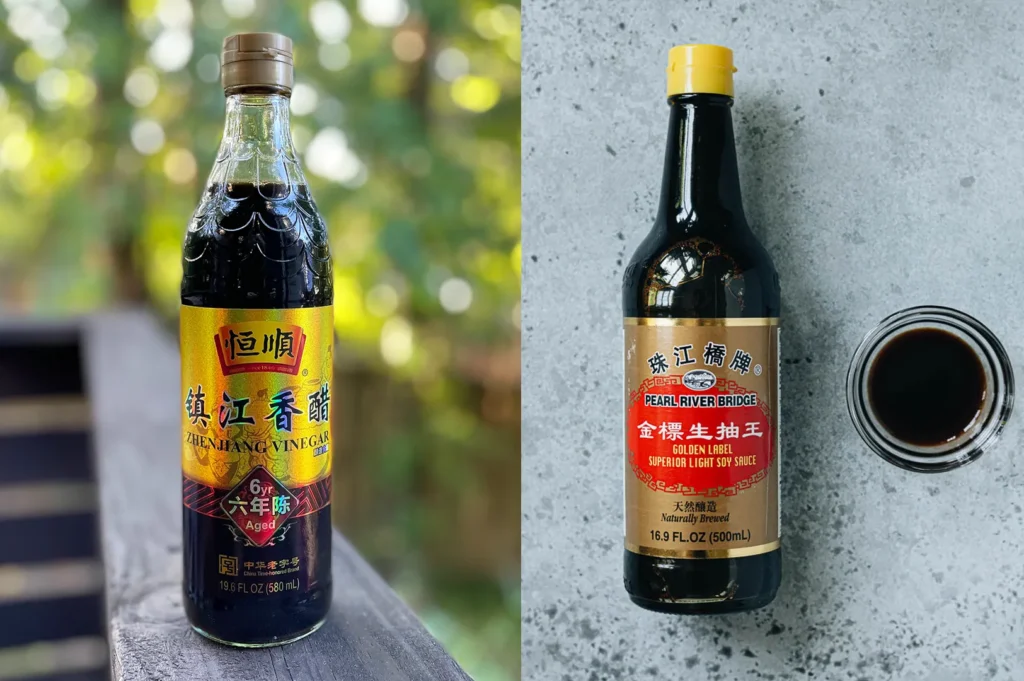
Light soy sauce provides salt and depth, forming the backbone of the stir fry sauce without darkening it excessively. A splash of dark soy sauce is often added mainly for color; too much can make the sauce bitter and muddy.
Chinese Black Vinegar: The Sharp Lift
Chinese black vinegar is essential for authentic kung pao sauce. Unlike balsamic vinegar, it has a malty, earthy sweetness combined with mellow acidity that cuts through the richness and keeps the dish from feeling greasy. Without this vinegar, the sauce tastes flat; too much, and it becomes harsh. The best balance is bright enough to awaken the palate but soft enough to invite another bite.
Sugar: The Rounding Element
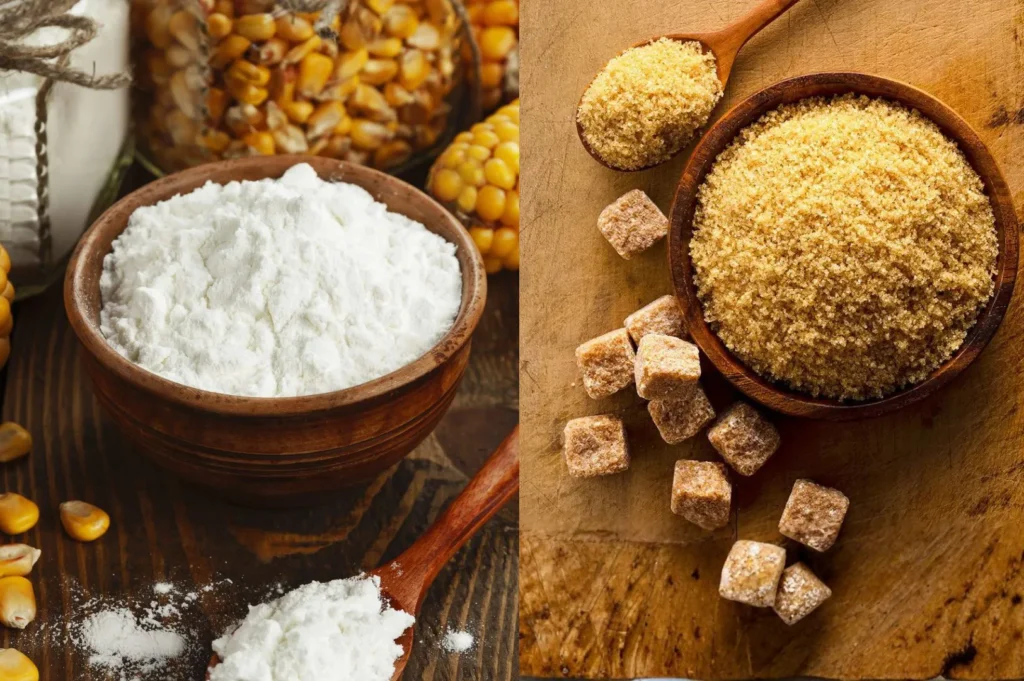
Sugar in the sauce smooths the edges by softening the vinegar’s sharpness and supporting the umami of the soy. It also helps the sauce thickens and cling lightly to the chicken. Overuse leads to a candy-like sweetness, a common pitfall in home versions.
Cornstarch: The Gloss Maker
Corn starch is not meant to thicken the sauce heavily but to give it structure and sheen. When heated in a sauce pan or wok, the starch tightens quickly, creating that glossy coating that makes kung pao chicken visually irresistible. Too much starch makes the sauce gluey; too little leaves it watery.
Heat: The Final Ingredient
The heat from a hot wok or pan is part of the sauce’s magic. It forces the sauce to reduce quickly and cling to the ingredients chicken, especially the marinated chicken pieces. Low heat causes the sauce to sit and steam, diluting flavors. High heat creates urgency, intensifying the bold heat and helping the kung pao sauce develop its complex flavor.
Why Timing Matters More Than Quantity in Kung Pao Chicken Recipe
The biggest mistake in making kung pao chicken is adding the kung pao chicken sauce too early. If the sauce enters the wok before the chicken is properly seared, it starts reducing while the meat still releases moisture. The result is a watery start and a sticky finish, with the sauce losing its brightness.
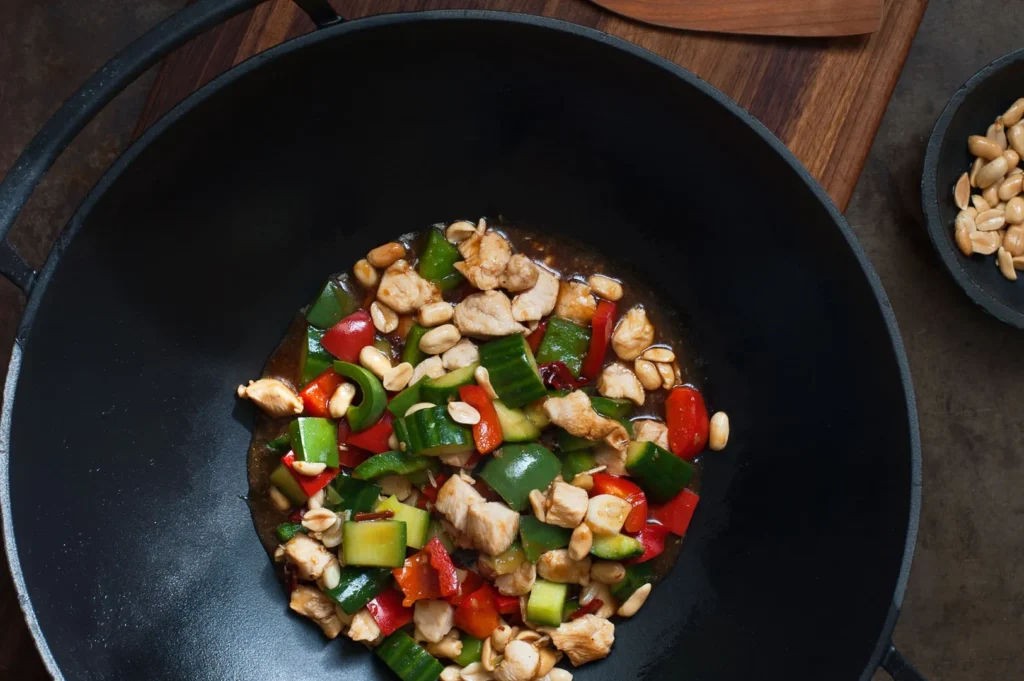
The right moment to add chicken and sauce is near the end of cooking. By then, the chicken is cooked through, the aromatics like fresh garlic and fresh ginger have released their fragrance, and the dried chillies have perfumed the vegetable oil or peanut oil without burning. Only then should the kung pao sauce go in.
Once the sauce hits the hot wok, everything moves quickly. It bubbles, tightens, and turns glossy within seconds. This is why medium high heat or even high heat is crucial. The sauce thickens fast, clinging perfectly to the chicken and vegetables like red bell pepper and green onions. If the heat is too low, the sauce steams and dilutes.
What the Kung Pao Chicken Sauce Should Feel Like
A proper kung pao chicken sauce has texture without weight. It should be:
- Glossy, not greasy
- Sharp, not sour
- Rounded, not sugary
- Clinging, not sticky
- Aromatic, not burnt
When you drag a spoon through the finished dish, the sauce should coat the ingredients lightly. It should not sit in a thick puddle. The peanuts remain crisp, the chicken tender, and the spring onions fresh. If everything tastes uniform, the sauce has gone too far.
Common Sauce Problems and What They Mean in Kung Pao Cooking
- If the Sauce Tastes Too Sweet: Too much sugar or not enough chinese black vinegar and soy to balance. Add acidity carefully next time. Heat alone (from chili oil or chili paste) will not fix imbalance.
- If the Sauce Tastes Too Sour: Vinegar is too dominant or sugar too low. A small amount of sugar softens sharpness without sweetness.
- If the Sauce Turns Gluey: Too much corn starch or sauce cooked too long. The sauce should tighten quickly and then be removed from heat.
- If the Sauce Is Watery: Wok not hot enough or pan overcrowded. Chicken releases moisture when steamed instead of seared. Cook in smaller batches.
- If the Sauce Tastes Burnt: Aromatics or dried chillies went too far before sauce was added. Chilies should darken and smell smoky but not blacken.
The Singapore Home Kitchen Adjustment: A Tasty Sauce Within Reach
For home cooks in Singapore, making homemade kung pao sauce is very achievable because core kung pao sauce ingredients like light soy sauce, chinese black vinegar, Shaoxing rice wine, corn starch, dried chillies, and peanuts are easy to find.
The challenge is restraint. Many local versions lean sweeter and saucier, especially in casual zi char-style cooking. That can be delicious, but for a sauce closer to authentic Sichuan kung pao, reduce sugar, keep the vinegar present, and let the sauce cling rather than flood the plate.
If cooking for children or spice-sensitive family, reduce the dried chillies and skip most of the ground sichuan peppercorns. But keep the vinegar-soy-sugar balance intact. That balance is the identity of the sauce. For those seeking an authentic experience, some of the best Chinese restaurants in Singapore, like Shisen Hanten and Imperial Treasure, offer exceptional kung pao dishes that showcase this perfect balance.
The Real Secret: Kung Pao Sauce Is a Conversation
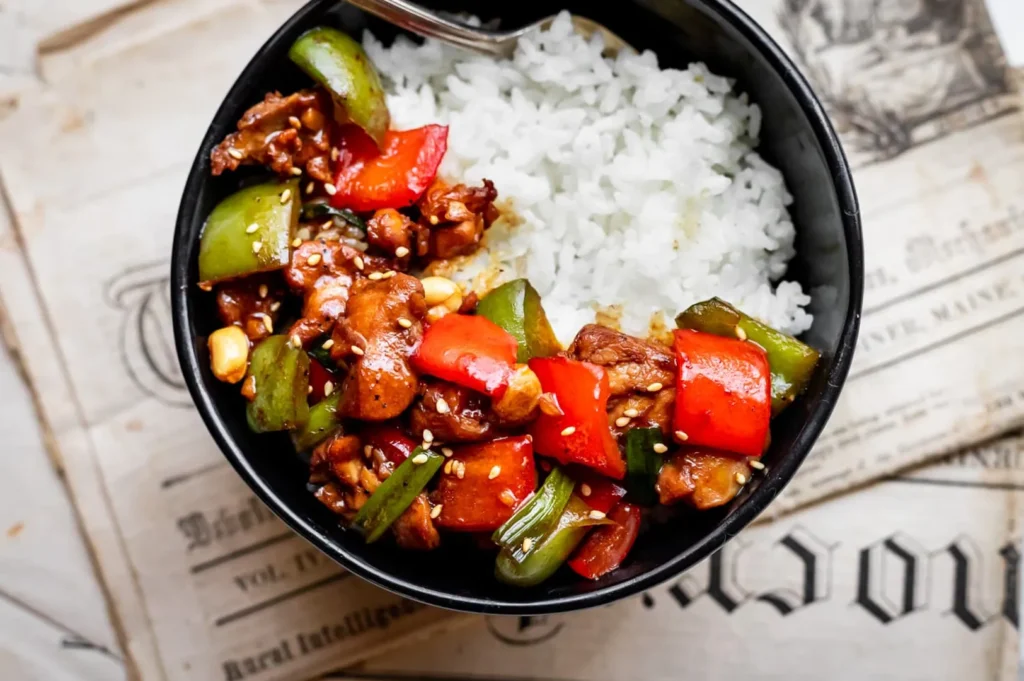
The best kung pao sauce does not rely on one loud flavour. Its appeal comes from movement. The soy gives depth, the vinegar cuts through, the sugar softens the edges, the chilli warms the palate, and the starch brings everything together in a glossy coating.
That is why the dish keeps pulling you back for another bite. It is not simply spicy or sweet. It resets the palate each time: savoury, sharp, warm, rounded, then crisp again when the peanuts come in.
Once we understood that, kung pao chicken stopped being just a recipe to follow. It became a sauce to pay attention to. And that is where the dish finally begins to make sense.

Banana Leaf Steam: Why Some Rice Smells Like Home
Eda Wong | July 10, 2026
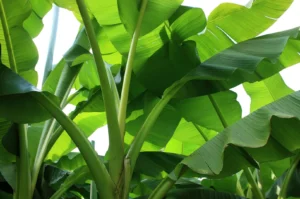
Steam rises from the pot, and a woman lifts a banana leaf over the open flame, turning it once, twice, until its stiff green softens and the surface goes glossy and pliant. She wipes it down with a damp cloth, then spoons hot rice into its center while the grains still steam. The leaf releases…
-
Tambuah Mas Paragon, Delivered: Unique Food Delivery Singapore With Old-School Comfort
Eda Wong | July 9, 2026
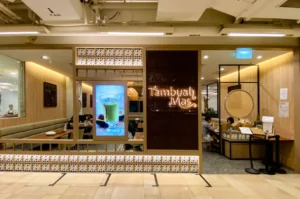
I ordered from Tambuah Mas on a rainy Sunday at around 6:15pm, mostly because I wasn’t in the mood to dress up and head into town, but I still wanted a proper meal. Not a sad one-bowl lunch. A real spread. That’s the thing about Tambuah Mas. It’s been around since 1981, serving Indonesian home-style…
-
Toasted Rice Powder: The Dust That Makes Larb Sing
Dio Asahi | July 8, 2026
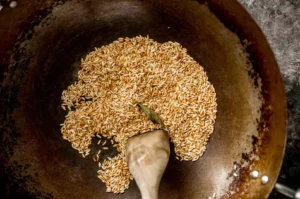
A wok sits over a low flame, and a handful of raw sticky rice slides across its dry surface. No oil, no water—nothing but heat and patience. The grains pale, then blush amber, then deepen toward the color of weak tea. Someone shakes the pan in a slow, even rhythm, listening as much as watching….
-
Ordering Lunch From Co Hai Banh Mi, and Finding Out the Definition of Good Food Delivery
Dio Asahi | July 7, 2026
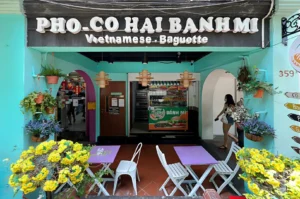
I ordered lunch from Co Hai Banh Mi & Phở Vietnamese Restaurant on a Thursday at 12:08pm, which is probably the worst and most honest time to test delivery food. It was raining lightly, the kind of Singapore lunch rain that makes every rider slower and every office worker hungrier. I had been thinking about…

The “Little Tokyo” Floors Where Dinner Hides Behind Office Lobbies and Quiet Corridors : Orchard Plaza Food
Eat Drink Asia Team | July 4, 2026
Orchard Plaza is one of those buildings we kept walking past before we properly understood it. From the street, it looks more like an office block than a dinner plan. But over repeated visits, usually after work or during odd lunch windows, we’ve found that the real charm sits behind lift doors, quiet corridors, and…
-
Salted Egg, Properly Treated: Sauce, Not Shortcut
Eda Wong | July 3, 2026
By Eda Wong for Eat Drink Asia. The wok station is already hot when the cook lowers the flame. In the narrow back of a Singapore zi char kitchen, the air smells of butter, curry leaves, and the faint mineral edge of salted duck egg. A metal spatula presses cooked yolks through oil until they…
-
Fish Sauce at the Table: The Quiet Work of Fish Sauce
Dio Asahi | July 1, 2026
At a narrow lunch table in Bangkok, the bottle arrives before the rice has stopped steaming. It is clear glass, refilled many times, its plastic cap slightly stained from years of fingers and heat. Beside it sits a small bowl of sliced chillies floating in amber liquid, the cut edges pale and sharp. Someone nudges…
-
Eat 3 Bowls Bendemeer Review: A Taiwanese Comfort Food That Delivers
Eda Wong | June 30, 2026
I ordered Eat 3 Bowls @ Bendemeer on a Thursday at about 11:45am, which is my favourite test window for delivery food. It’s close enough to lunch for the kitchen to be in rhythm, but not so late that every rider in the neighbourhood is already fighting the office crowd. By 12:25pm, the bag was…
-
ABC Hokkien Mee After Renovation: What to Expect When the Woks Return
Dio Asahi | June 27, 2026
When I first walked past a hawker centre undergoing major renovations, the absolute silence unsettled me. The usual rhythmic scrape of metal spatulas against cast-iron woks was gone, replaced by the hum of construction. It made me realise just how much our culinary journeys are tied to the physical spaces we eat in. Right now,…
-
Claypot Rice Crusts: Listening for the First Crackle
Eda Wong | June 26, 2026
The narrow alleyway in Yau Ma Tei smells of charcoal and dark soy sauce, a thick coastal humidity pressing against the glow of the stoves. An elderly cook stands before a row of blackened sand-clay pots, a long metal tong in his right hand. He does not watch the flames; he listens to them. There…