The afternoon humidity presses against the open-air teahouse in downtown Yangon, where the sharp clatter of a silver spoon against ceramic cuts through the low hum of conversation. A small plate sits in the centre of a low plastic table, holding a dense, dark green cluster that smells faintly of damp earth and sharp lime. Surrounding it are neat little mounds of toasted peanuts, fried garlic, roasted sesame seeds, and dried shrimp. As the server pours pale, steaming green tea into small handleless cups, the diner begins to toss the ingredients together. The rhythmic crunch of the fried aromatics blending into the wet, bruised leaves creates a sound that is entirely distinct: the quiet, constant percussion of a shared culinary journey.
Communal dining traditions in Asia are shaped by shared meals that forge lasting bonds, carrying cultural heritage forward from one table to the next.
At the heart of this dish is lahpet (pronounced lah-pet), the fermented tea leaves that define Myanmar’s signature tea leaf salad, or lahpet thoke. Unlike the rest of the world, which primarily drinks its tea, Myanmar eats it. The process of transforming a bitter, astringent leaf into an edible delicacy is an exercise in profound patience. After the young leaves are harvested, they are steamed to halt oxidation, packed tightly into bamboo vats or clay pots, and buried underground or weighed down with heavy stones for months. This slow, anaerobic fermentation breaks down the rigid cellular structure. Once unearthed, the leaves are thoroughly rinsed and kneaded by hand with peanut oil, garlic, and chilli until they yield a soft, velvety texture. The result is an intensely complex ingredient: tart, slightly bitter, and deeply savoury, offering a celebration of flavours that grounds the entire dish.
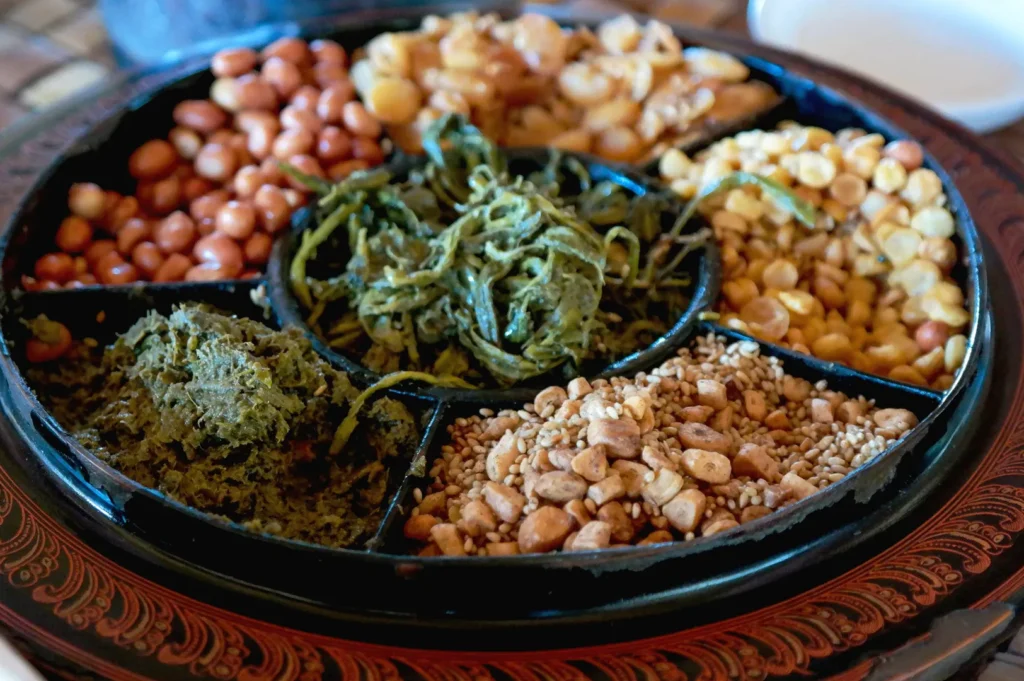
To understand lahpet is to understand the mechanics of Burmese hospitality. It is rarely consumed alone; rather, it is the anchor of shared experiences. Historically presented to guests in a shallow, compartmentalised lacquerware tray called a lahpet ohk, the leaves sit in the centre while the crunchy garnishes occupy the outer ring. This deliberate separation allows each person to customise their bite, negotiating the exact ratio of sour tea to rich nuts and sharp garlic. Serving it is an act of welcoming, an unspoken etiquette that transforms a simple visit into an occasion. It functions as both a stimulant and a social lubricant, keeping conversations going long into the evening while providing a bright, textural contrast to the heavy heat of the day.
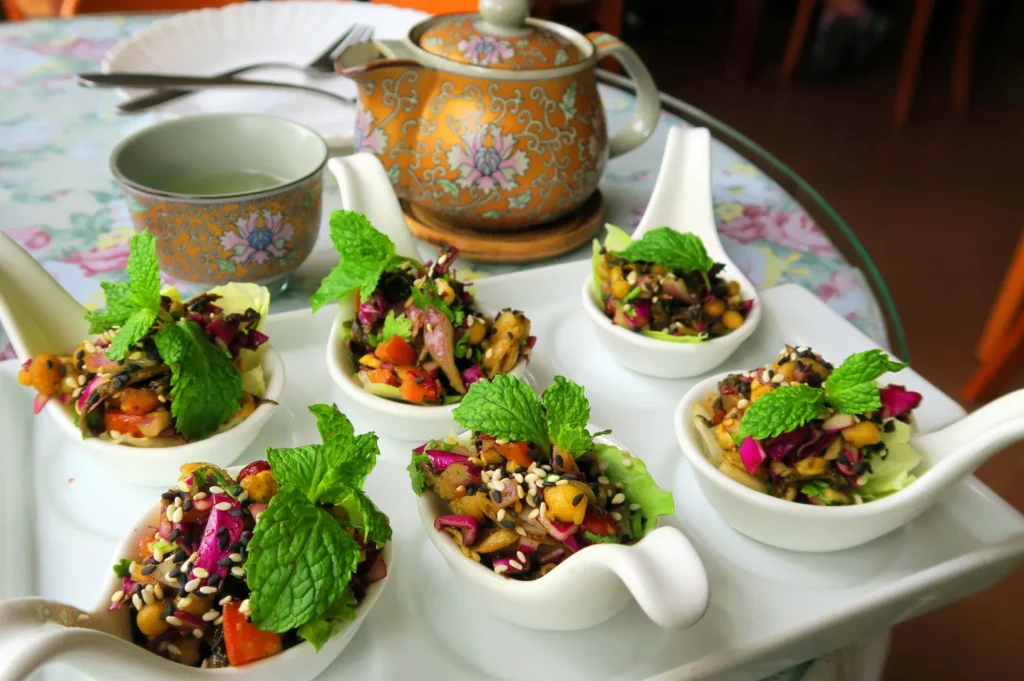
What feels vital about this dish right now is its resistance to complete uniform convenience. While modern urbanisation has introduced vacuum-sealed, ready-to-mix packets for quick consumption on the go, a true lahpet thoke demands physical interaction. The aesthetic appeal of a pre-mixed, visually flawless salad cannot replace the tactile appetite required to build the bitter-sour balance yourself. The tension between the soft, oily leaves and the brittle crunch of the fried beans must be immediate; if left sitting too long, the texture collapses. It is an innovative yet ancient approach to eating that requires the diner to be entirely present in the moment.
Scraping the last remaining cluster of seeds and tea from the bottom of the plate, the lingering astringency leaves a clean, waking sensation on the palate. It is a quiet reminder that the most compelling foods do not just feed us; they invite us to taste the world through the slow, deliberate work of time and shared tables.

Fresh Sashimi Singapore: Places for Clean Cuts, Quiet Counters, and Fish That Still Feels Alive
Eda Wong | September 5, 2026
I didn’t grow up eating raw fish. For years, sashimi felt like something you learned to appreciate rather than something you loved. Cold, foreign, a little intimidating. Then one afternoon, at a quiet counter, a chef placed a single slice of chutoro in front of me and said nothing. I ate it. And I understood….
-
Pattaya Garden Restaurant and the Thai Meal That Knows How to Feed a Group
Eat Drink Asia Team | September 3, 2026
The rice came down first. A plain bowl, warm and steaming, set in the middle of the table before anything else. Then the green curry, in a bowl wide enough for four spoons to reach at once. And within a minute the table stopped being a set of individual meals and became one shared thing,…
-
At Keria Japanese Restaurant, the Meal Begins Before the First Bite
Dio Asahi | September 3, 2026
By Dio Asahi for Eat Drink Asia. The lift opens onto a corridor leading to the famed and hidden Cuppage Plaza food, and the building’s age shows in the flickering fluorescent light and the smell of old carpet. Then a sliding door pulls back, and Keria Japanese Restaurant asks you to slow down. Inside, it…
-
The Round Kaya Bun at Chin Mee Chin Confectionery, and the Mornings It Keeps
Eda Wong | September 2, 2026
By Eda Wong for Eat Drink Asia. It’s not quite eight, and the pastel-blue shophouse is already awake. Kopi cups clink against saucers. A ceiling fan turns slow overhead. Someone folds a newspaper at a marble-topped table, and the man behind the counter moves without hurry, sliding buns across in a rhythm he’s clearly done…
-
Nana Original Thai Food and the Thai Meal That Keeps Changing Its Accent
Eda Wong | September 1, 2026
The tom yum arrived first, and the first spoonful hit sour and hot at once, lime and chilli chasing each other down the throat. This classic Thai dish features a spicy sauce and aromatic herbs that awaken the taste buds straight away, setting the stage with its bold flavors. Then the pineapple rice came, sweet…
-
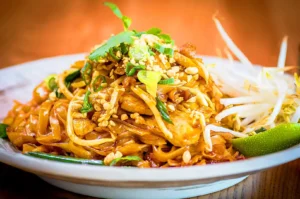
Pad Thai Recipe for People Who Know the Noodles Can’t Be an Afterthought
Dio Asahi | August 29, 2026
The first time I made Pad Thai, I ruined it before the wok was even hot. I’d left the noodles soaking while I answered a phone call. Ten minutes turned into forty. By the time I drained them, they were already soft, already surrendered. Everything I did in the pan after that was damage control….
-
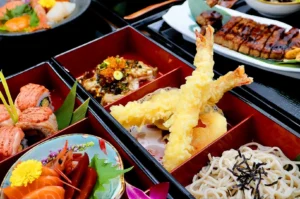
Best Japanese Restaurant Singapore: Places That Nail the “First Bite”
Eat Drink Asia Team | August 27, 2026
I built this list around a very specific feeling: that first bite where the room goes quiet for a second. I’ve tried enough Japanese restaurants in Singapore over the years to know that “best” does not always mean the most expensive, the rarest, or the hardest to book. Sometimes it is the warmth of the…
-
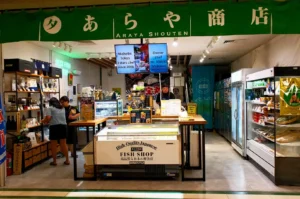
Not Just Seafood: How Araya Shouten Keeps Japanese Fishing Culture Alive in Singapore
Eat Drink Asia Team | August 26, 2026
Japanese cuisine has long been admired for its attention to seasonality, precision, and respect for ingredients. However, behind every piece of sashimi or carefully prepared seafood dish lies a story that begins far away from the dining table, often with fishermen, coastal communities, and generations of knowledge passed down through time. At Araya Shouten, seafood…
-
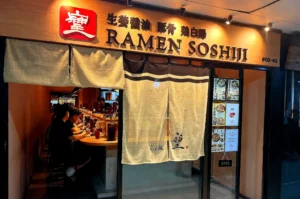
The Ginger Shoyu Ramen at Ramen Soshiji, Where Orchard Goes Quiet
Dio Asahi | August 26, 2026
By Dio Asahi for Eat Drink Asia. The lift opens on the third floor of Orchard Plaza, and for a second I don’t know which way to turn. The corridor is dim and still, the kind of quiet that feels almost accidental in this part of town. A few doors down, an unmarked entrance. Inside,…
-
Indo Rasa Singapore and the Nasi Goreng That Measures a Kitchen’s Confidence
Eat Drink Asia Team | August 25, 2026
There’s a dish I order when I want to know a kitchen quickly. Not the specialty. Not the thing the menu is proud of. I order the fried rice. Because nasi goreng has nowhere to hide. It’s rice, chilli, chicken, egg, a few crackers, some cucumber. Everyone thinks they can make it. Most people can….