By Dio Asahi for Eat Drink Asia.
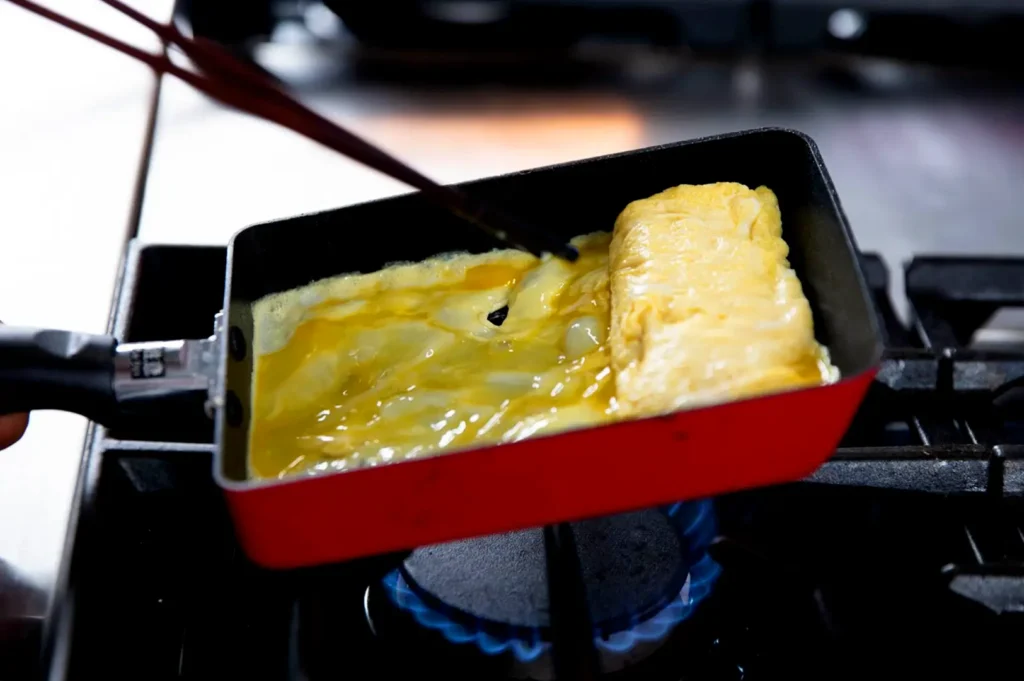
It’s mid-morning, and the cook doesn’t look up.
He stands over a rectangular pan, copper worn to a dull gold at the edges, and pours a thin skin of beaten egg across its surface. It hisses. Steam rises, warm and faintly sweet, and he tilts the pan just so, letting the egg find the corners. Before it fully sets, he folds. A chopstick lifts one edge, rolls it toward him in a single unhurried motion, then nudges the small log back to the far side. He pours again. Another layer. Another fold. The counter behind him is quiet. Somewhere, a knife works against a board.
This is tamagoyaki (tah-mah-go-YAH-ki), and up close, it’s less a dish than a slow accumulation.
Plainly, it’s rolled egg. But that description sells it short. Beaten egg, loosened with dashi, touched with sugar and sometimes a little soy, cooked not all at once but in layers — thin sheet upon thin sheet, each one folded into the last until a striped block builds up in the pan. The rectangular shape isn’t decoration. It’s what lets the roll keep its clean, right-angled form, layer stacking on layer until the cook can slice it into neat, banded pieces. Cut it open and you’ll see the rings, like the growth lines of something that took its time. The texture is soft, almost custard-like at the centre, holding just enough shape to lift with chopsticks.
To place tamagoyaki within the wider habits, ingredients, and rhythms of Japanese cuisine, see food in Japan.
There’s a patience in it I find hard to look away from.
The whole thing is built on timing you can’t rush. Too hot, and the egg browns and tears. Too cool, and the layers won’t set to fold. The cook reads the heat with his hands and eyes, not a timer — pour, wait, fold, pour, the rhythm so worn-in it looks like nothing. At a market counter, that economy of movement is its own kind of conversation. He doesn’t explain. You don’t ask. The pan does the talking, and you wait for it the way everyone before you waited. Tamagoyaki lives in bento boxes across the country, tucked beside rice and pickles, a small square of sweetness in a lunch packed by someone who cared. Watching it made is watching that care take shape in real time.
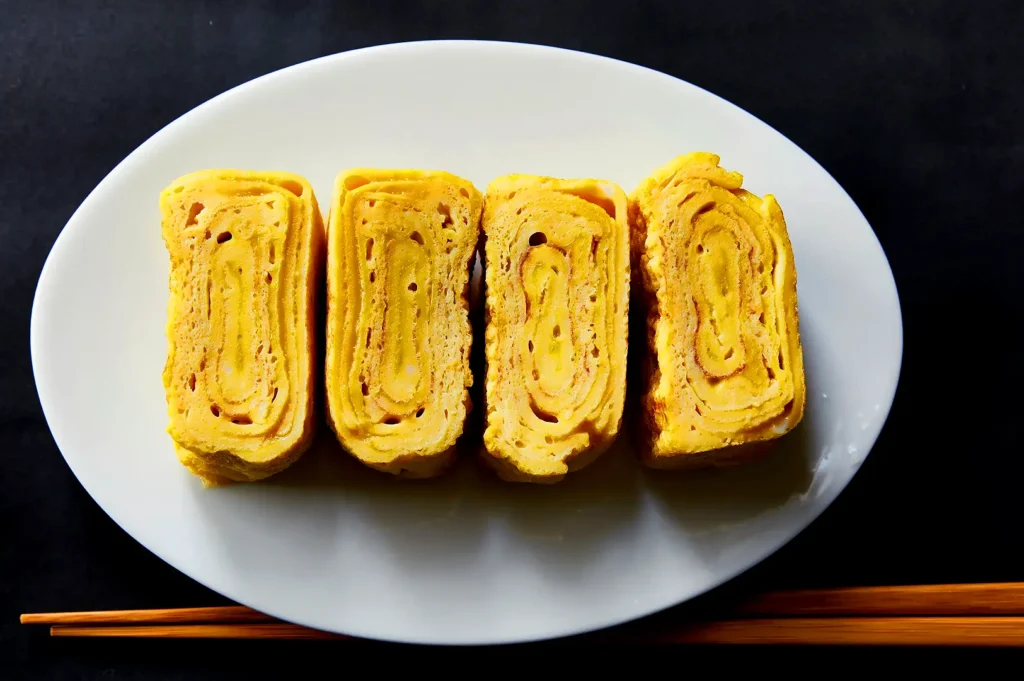
You can buy it already made, of course. Cut, sealed, stacked in every convenience store cold case, perfectly fine and perfectly forgettable. That’s the tension I keep turning over. The finished block looks nearly identical either way — neat, golden, photogenic. But the counter version carries something the packaged one can’t: the minutes it took, the folds you saw, the small heat still holding in it when it reaches you. The eye can’t tell them apart. The mouth, somehow, still can.
I took the last piece from the end of the roll, the one with the roughest edge.
It was warm, barely sweet, soft in a way that asked nothing of me. The cook had already started the next pan. And I understood, chewing, that I’d been given the plain end of something patient — and that plainness was the whole point.

Ramune Marble Soda: History and Cultural Meaning of Japan’s Iconic Marble Soda
Dio Asahi | November 20, 2025
Among Japan’s beloved fizzy drinks, none evoke nostalgia and uniqueness quite like Ramune marble soda. Instantly recognizable by its quirky Codd neck bottle and glass marble seal, Ramune soda is an essential part of Japanese summer, cherished by generations for its refreshing taste and signature pop sound. This marble soda remains a staple at summer…
-
Hokkaido’s Best Seafood Treasures: Beyond Sushi and Sashimi
Eat Drink Asia Team | November 18, 2025
When visiting Hokkaido, Japan’s northernmost island, food lovers are greeted with some of the most highly regarded seafood specialties in the world. Hokkaido is famous for its abundance of fresh seafood and rich fishing grounds, thanks to the surrounding Sea of Japan, Pacific Ocean, and Sea of Okhotsk. These nutrient-packed waters yield a wide range…
-
The Art of Asian Tea Ceremony Traditions: Ancient Rituals and Cultural Values Across Asia
Dio Asahi | November 15, 2025
A cup of tea, in many parts of Asia, represents far more than a beverage-it is a conduit to ancestral tradition, intellectual pursuit, and the cultivation of mindfulness. Asian tea ceremony traditions turn the act of drinking tea into a sophisticated art form, layered with symbolism, philosophy, and socio-cultural values. Each gesture, from scooping powdered…

The Art of Slow-Cooked Curry Recipes: Time’s Magic in South Asian Cuisine
Eda Wong | November 13, 2025
Step into a South Asian kitchen, and the senses are instantly enveloped by the inviting aroma of food slowly simmering in a sturdy clay pot or heavy vessel. The allure is undeniable: in this space, slow-cooked curry recipes are a celebration of patient tradition, spices, and the richness of South Asian cuisine. Here, time and…
-
Bandung Drink Recipe: A Singaporean Rose Syrup Drink Tradition
Eat Drink Asia Team | November 11, 2025
Step into any night market or hawker centre in Singapore, and you’ll spot a vibrant, glowing glass filled with a cold, beautiful drink-Bandung. Known for its iconic blush-pink hue and refreshing taste, this rose syrup drink is an integral part of Singapore’s beverages scene and a cherished tradition in Southeast Asian gatherings. More than just…
-
The Ultimate Hainanese Chicken Rice Recipe: A Deep Dive
Eda Wong | November 8, 2025
To wander through Singapore’s bustling hawker centres on a humid evening is to experience a symphony of sights, sounds, and smells. Among the many other dishes sizzling away, one plate stands out for its elegant simplicity: Hainanese Chicken Rice. It arrives without fanfare-gleaming slices of poached chicken over fragrant rice, flanked by a trio of…
-
Bubble Tea Origins: How Taiwan Created a Global Beverage Phenomenon
Dio Asahi | November 6, 2025
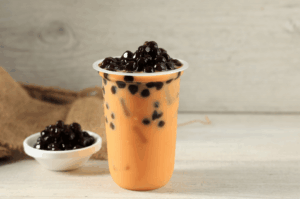
From Taipei to New York, a single drink has captured the world’s taste buds: bubble tea. This beverage, known as pearl milk tea or boba tea, and also known as boba in many regions, is celebrated for its delightful combination of sweet, creamy tea and signature chewy tapioca pearls. What began as a novel creation…
-
A Food Lover’s Guide to the Taiwanese Oyster Omelet
Eat Drink Asia Team | November 4, 2025
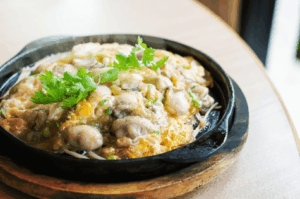
As twilight descends upon Taipei City, a vibrant energy pulses through its streets. This is the hour of the night markets, bustling hubs of community, commerce, and some of the world’s most incredible street food. Amidst the steam from soup dumplings and the sizzle of Taiwanese fried chicken, one iconic dish reigns supreme: the Taiwanese…
-
Jamu: Indonesian Herbal Medicine for Modern Well-Being
Dio Asahi | November 1, 2025
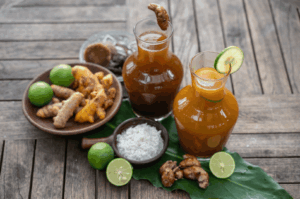
Across the Indonesian archipelago, a vibrant tradition of herbal healing has flourished for centuries. This is jamu, a cornerstone of Indonesian cultural heritage and a sophisticated system of traditional herbal medicine. Far more than just a refreshing drink, jamu represents a philosophy of balance, a deep connection to nature, and a form of indigenous medicine…
-
Padang Beef Rendang: The Complex Process Behind Indonesia’s Most Famous Dish
Eda Wong | October 30, 2025
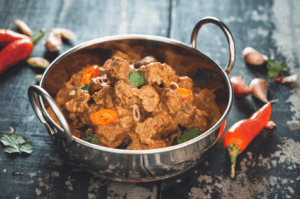
This post may contain affiliate links. For full transparency, this article may contain affiliate links. To call Padang beef rendang simply a dish is to miss the soul of Indonesian cuisine. This legendary slow-cooked dry curry, a centerpiece of both festive tables and humble meals, has earned its fame as one of the world’s most…