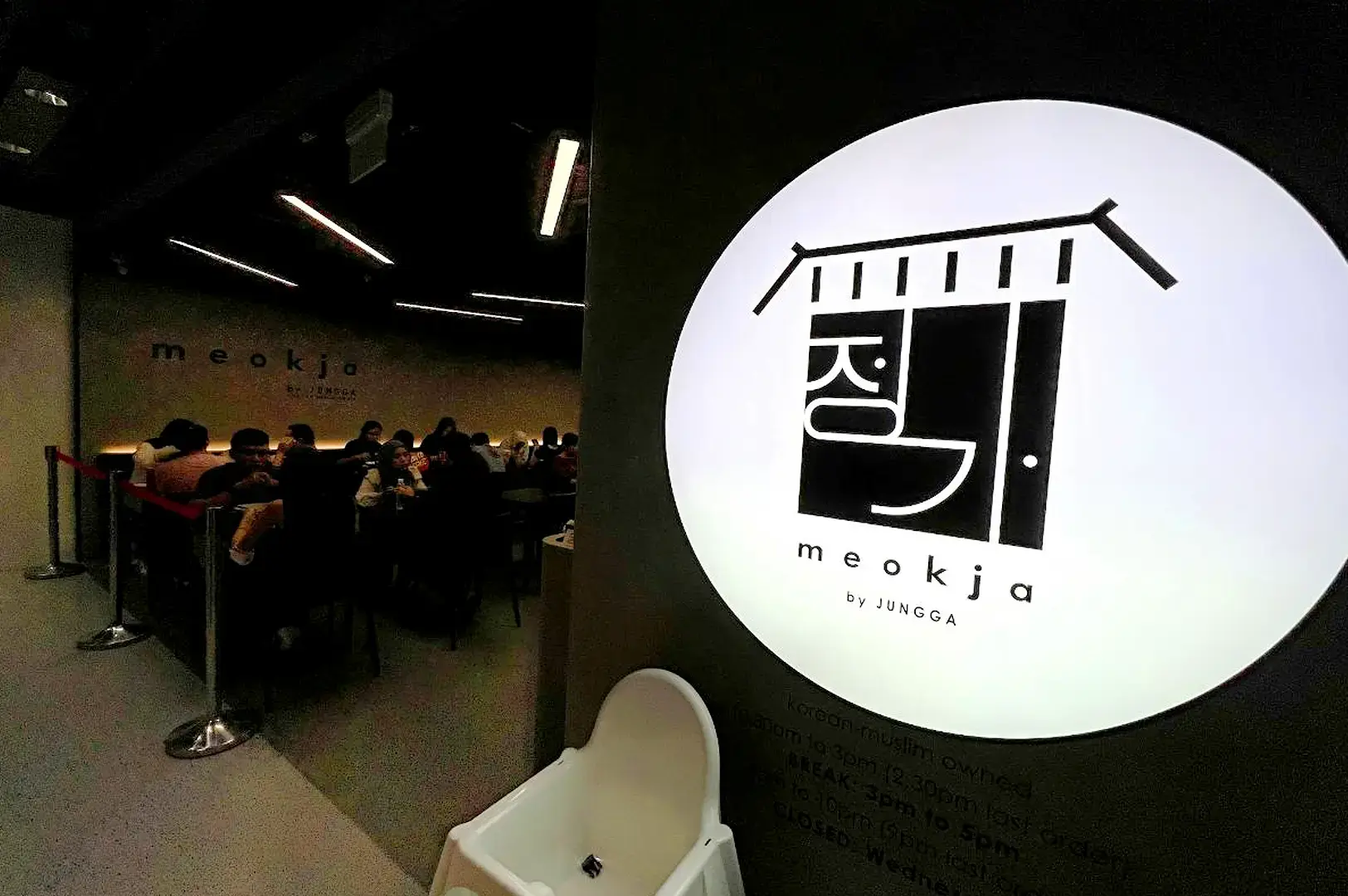
I had not planned to eat at Meokja by Jungga.
I was walking down North Bridge Road on a Tuesday, somewhere around the awkward hour between lunch and dinner, when I caught the smell of something frying and the low clatter of a kitchen working hard. I looked up, saw the sign, and my feet decided before my head did.
I had heard the name before: a Muslim-friendly Korean restaurant, Muslim-owned, the kind of eatery friends mentioned when halal Korean cravings came up. I went in hungry, not quite ready to review it. That is usually how the good ones find me.
First Impressions at Meokja by Jungga
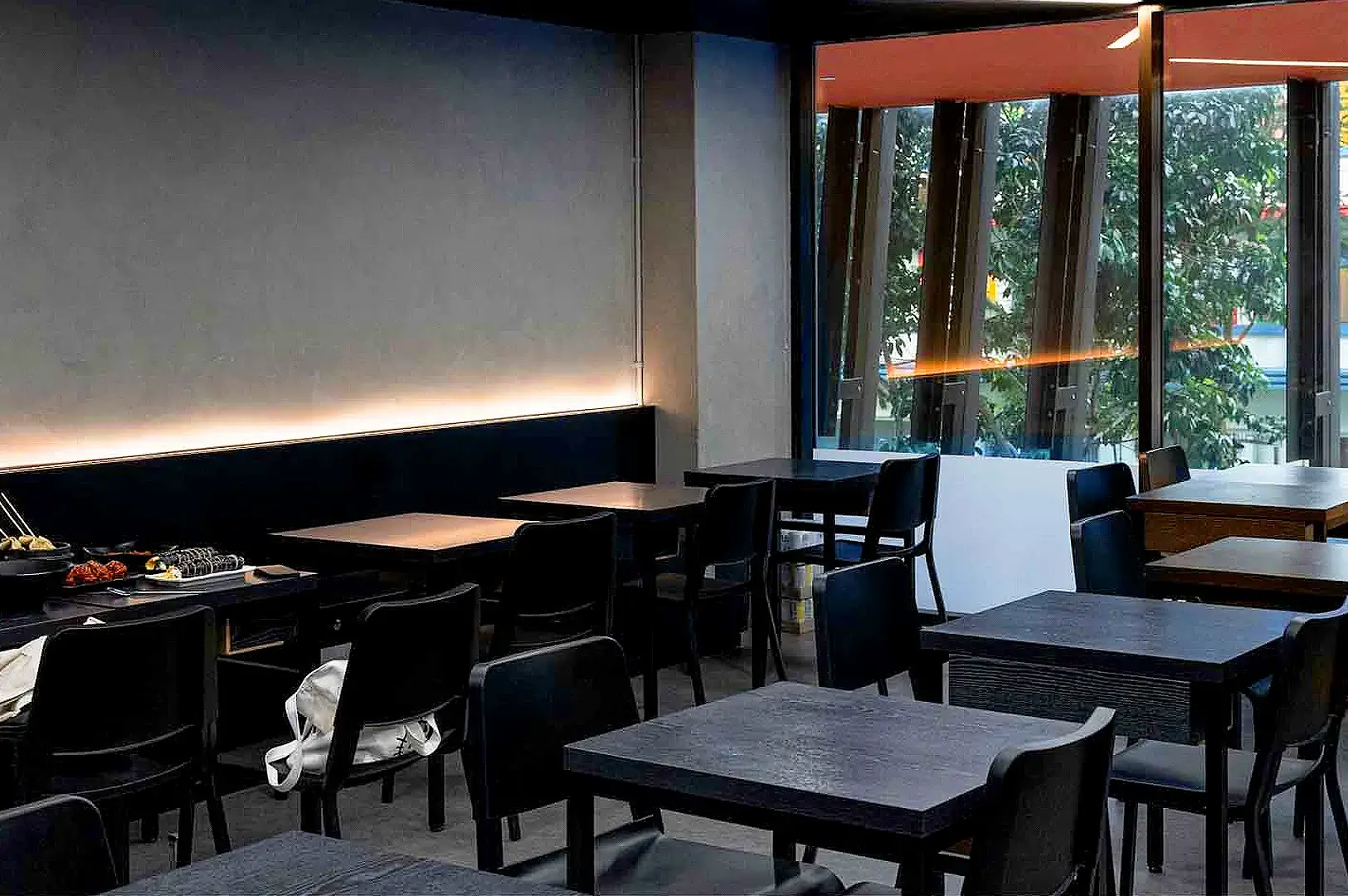
Meokja by Jungga sits at 785 North Bridge Road, #01-01, close enough to Bugis, Kampong Gelam, and Jalan Besar to work as an easy meal stop before or after a walk around the area. It is not a polished restaurant with soft lighting and long pauses between courses. It feels more like a compact Korean snack table that knows exactly what it is trying to do.
There is also a bit of history behind the room. Meokja by Jungga began as a home based business, later became known at GR.iD near 1 Selegie Road, Singapore 188306, then found its current North Bridge Road home. That journey matters because the place still feels personal, like a small team cooking with memory rather than a brand trying to look Korean.
Meokja by Jungga adds a Korean voice to Singapore’s wider halal dining scene, while Halal Restaurant in Singapore follows that same conversation through Indonesian food: https://eatdrinkasia.com/best-halal-nasi-padang-singapore/
What to Order First
The menu covers the right categories for this kind of meal: hot noodles, rice dishes, Korean street food, fried chicken, kimbap, fried food, drinks, and dessert. The danger is ordering like everything is a side dish, then realising too late that the table is too small.
For a first visit, I would build the meal around one noodle dish, one fried dish, one street-food item, and one lighter shareable plate. That gives you the best sense of what Meokja does well: rice, sauce, broth, crunch, and the kind of Muslim friendly Korean food that does not feel like a substitute.
A Smart First Order
- Jjajangmyeon for rich black bean sauce comfort
- Tangsuyuk for fried crunch and sweet and sour sauce
- Beef Bulgogi Kimbap for clean, shareable bites
- Eomuk Tang for clear broth and fish cakes
- Tteokbokki if you want the Korean street food hit
Jjajangmyeon: The Black Bean Bowl
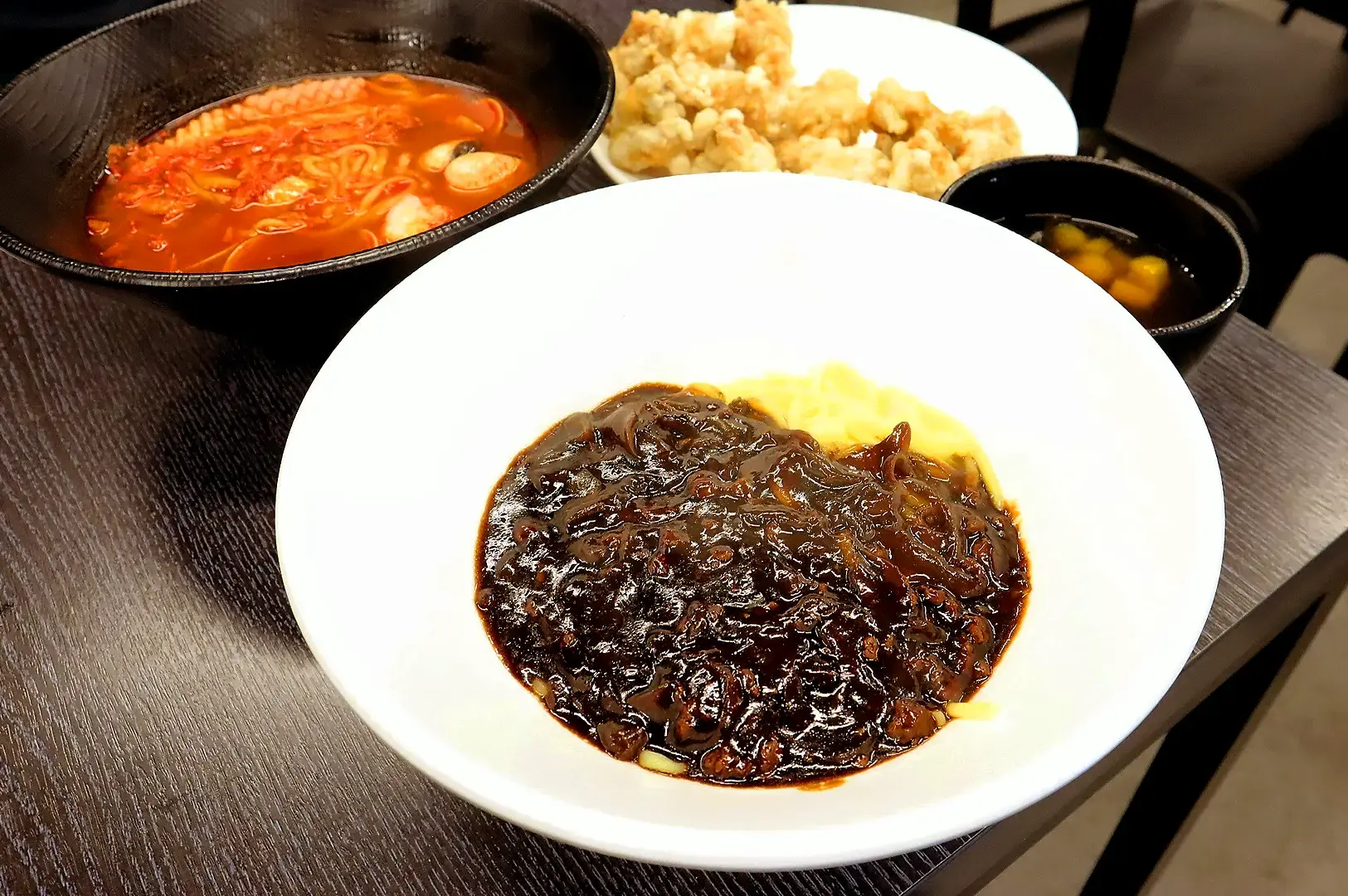
I started with the Jjajangmyeon, because it is one of the dishes people talk about, and I wanted to know if the talk held up.
It arrived properly dark: glossy black bean sauce over springy noodles, with minced beef folded through and caramelised onions cooked until soft and sweet. The first mouthful was thick and comforting. The sauce clung to every strand rather than sliding off, which is exactly what you want from this bowl.
The Jjajangmyeon leans sweet. That sweetness is not a flaw exactly. It gives the bowl its comfort-food softness, almost like caramel sitting inside the black bean sauce. I liked it. But if you prefer your jjajangmyeon darker, saltier, and more bitter-edged, this version may feel too gentle.
Still, I finished it slowly. Not because it surprised me, but because it settled into the meal with an easy heaviness. Some bowls shout. This one sits down beside you.
Tangsuyuk: The Fried Dish I Would Reorder
The Tangsuyuk was the dish I would order again without thinking twice.
If you are expecting the loud, fiery sweetness of yangnyeom chicken, this is not that. Tangsuyuk is the gentler Korean-Chinese cousin: battered, fried, and served with sweet and sour sauce that sits between comfort and restraint.
The batter was light and crisp at the edges where the sauce had not reached, then soft and glazed where it had. That contrast is the whole point of the dish, and Meokja gets it right.
It was not greasy. It was not heavy. Just crunch giving way to mild tang, again and again. If anything, I would’ve preferred a little extra dip on the side, because the sauce had that clean sweet-savoury pull that made the fried pieces too easy to keep eating.
Kimbap: Beef Bulgogi, Chicken Sausage, and the Cut That Matters
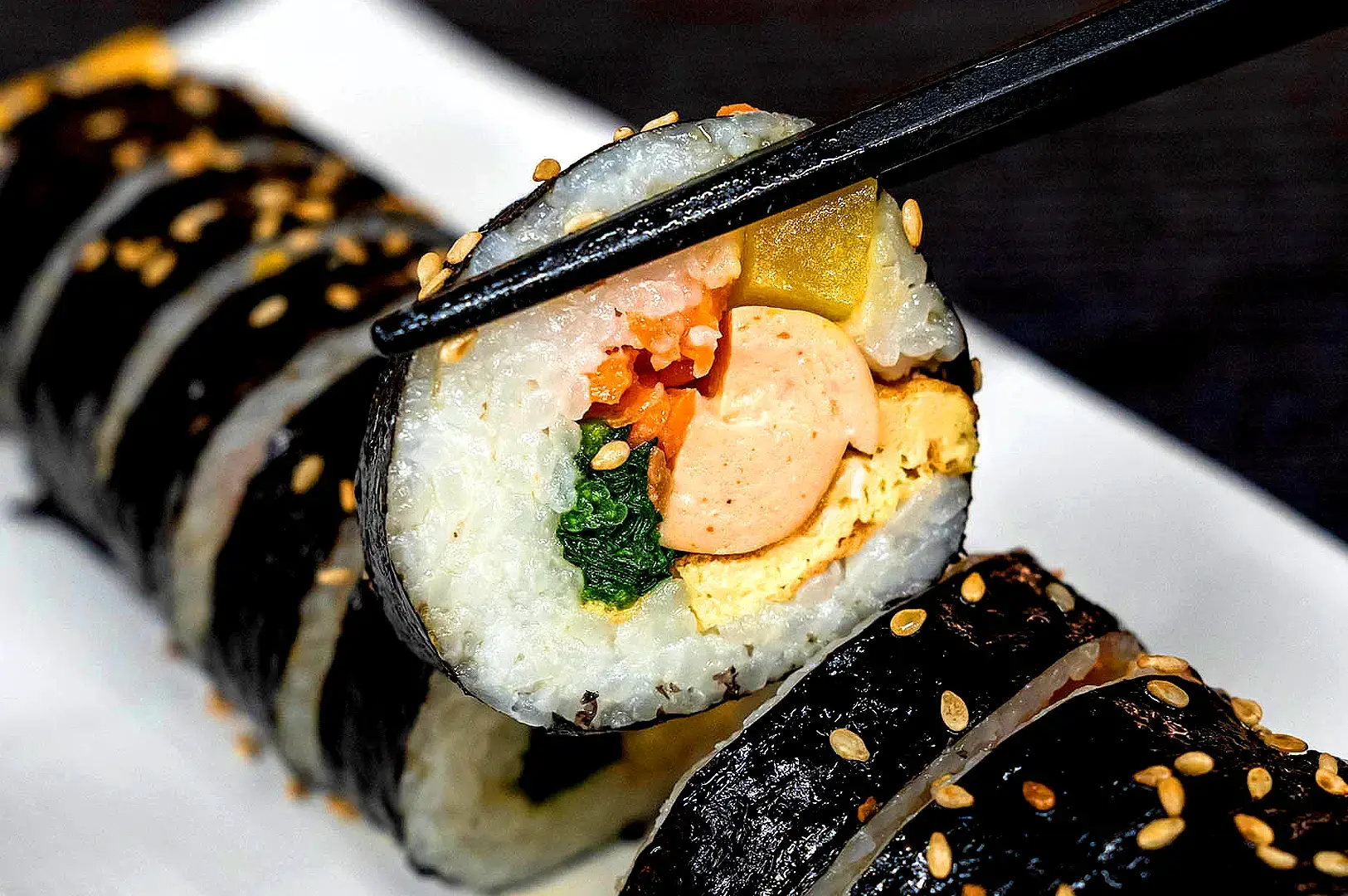
I could not do a Korean snack table without kimbap, so I ordered the Beef Bulgogi Kimbap.
Kimbap looks simple until it falls apart. It is a one-bite structure: cooked rice, seaweed, fillings, and seasoning held tightly enough to survive chopsticks. Too loose, and the round collapses. Too dry, and the rice crumbles before it reaches your mouth.
Mine held well. The rounds were compact without being packed hard, the rice was moist enough to stay together, and the beef bulgogi gave that savoury-sweet pull I wanted. The filling had sliced beef, fresh carrots, egg, and various vegetables, all tucked into a neat bite.
For something lighter on the wallet, the Chicken Sausage Kimbap is the easier everyday pick, especially if you like that salty-sweet comfort of a whole chicken sausage rolled with rice and vegetables. If you prefer something creamier, the tuna mayo style of kimbap is usually the safer comfort lane.
Tteokbokki and Eomuk Tang: The Korean Street Food Corner
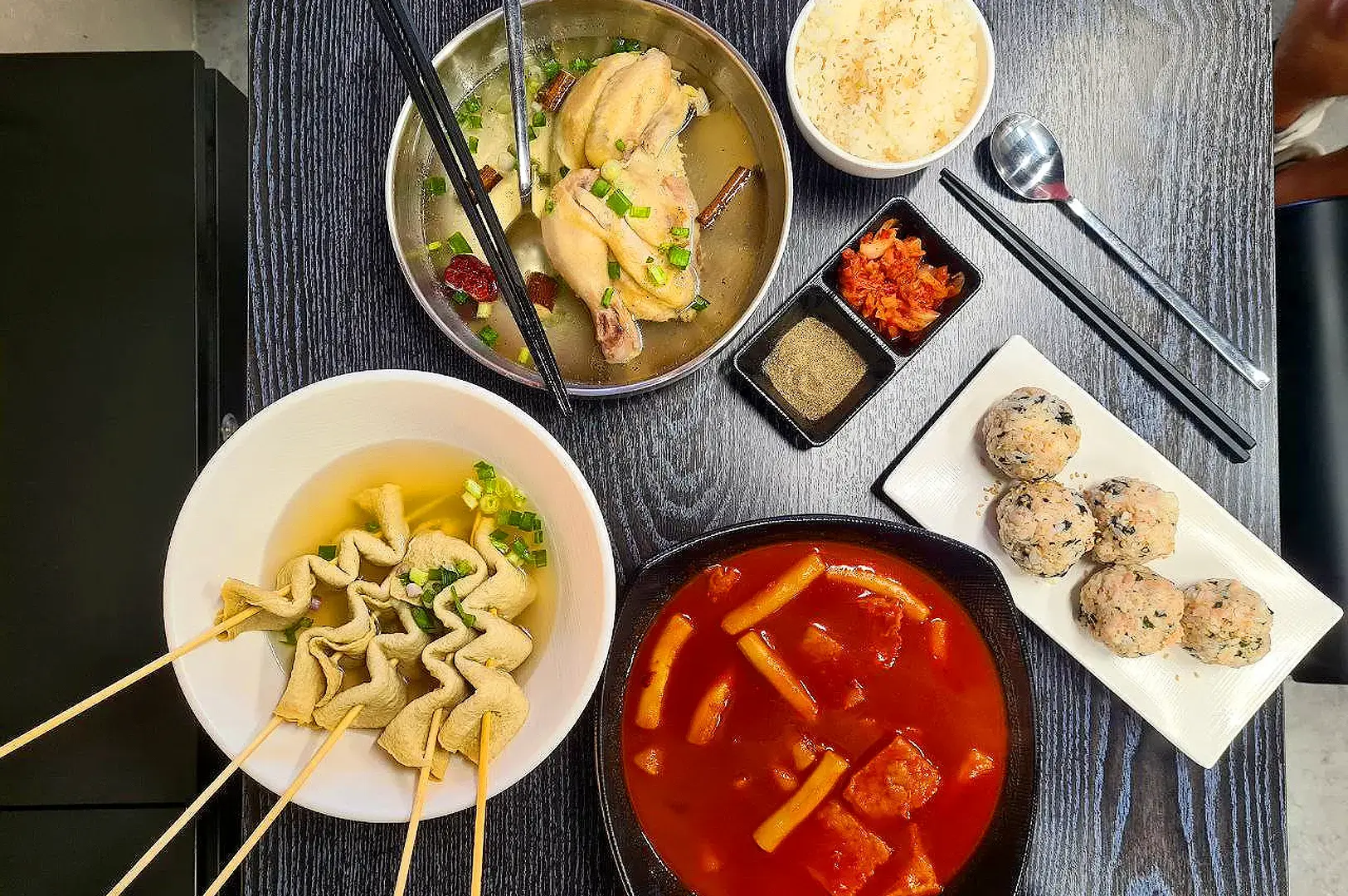
I ordered the Tteokbokki because you cannot write about a Korean street food table and skip it. The flavour was good: chewy rice cakes, fish cakes, and a spicy sauce with enough warmth to make you want rice or noodles to catch what was left. The texture had that satisfying bounce that makes tteokbokki feel more playful than serious.
The Eomuk Tang worked better for me. Fish cakes sat in a clear broth that reset the mouth between heavier bites. Nothing about it tried to impress, but that was its strength. It was clean, steady, and quietly comforting.
If you like deeper heat, look for dishes built around spicy broth or add-ons like cheese tteok, quail eggs, or boiled egg when available. But for me, the simple broth did enough. It is the dish I did not expect to remember, and it is the one that stayed with me.
For the bigger story behind why dishes like tteokbokki, kimbap, eomuk, and fried snacks work so well in motion, read Korean street food article from Eat Drink Asia.
Fried Chicken, Rice, and What to Save for Next Time
I did not order the fried chicken this round, mostly because the table was already fuller than one person needed. But it matters that Meokja has it on the menu, because fried chicken is part of the reason people gather around casual Korean meals in the first place.
Current listings include options such as YangNyeom Chikin, Beurinkle Chikin, and WangGalbi Chikin, alongside rice dishes and noodle bowls. That gives the restaurant enough range for repeat visits without losing its snack-table identity.
What I Would Try Next
- Yangnyeom chicken for sticky, spicy-sweet fried chicken
- Battered fried chicken with a house made sauce if I wanted crunch
- Bibimbap if I wanted rice topped with vegetables, egg, and sauce
- Bibim Guksu if I wanted cold noodles with spicy-savoury bite
- Rabokki if I wanted tteokbokki with ramyeon
- Hot Dog for a Korean street-food snack
- A rice bowl with fried egg, kimchi, and sauce if I wanted something simpler
Some menu items may shift, and I would check the current listing before going for more specific plates like blade steak, top blade steak, flower crab, shrimp, or various seafood dishes. But the idea is clear: Meokja is not trying to reinvent Korean food. It is trying to make halal Korean comfort feel complete, and that is more useful.
Bang for Your Buck
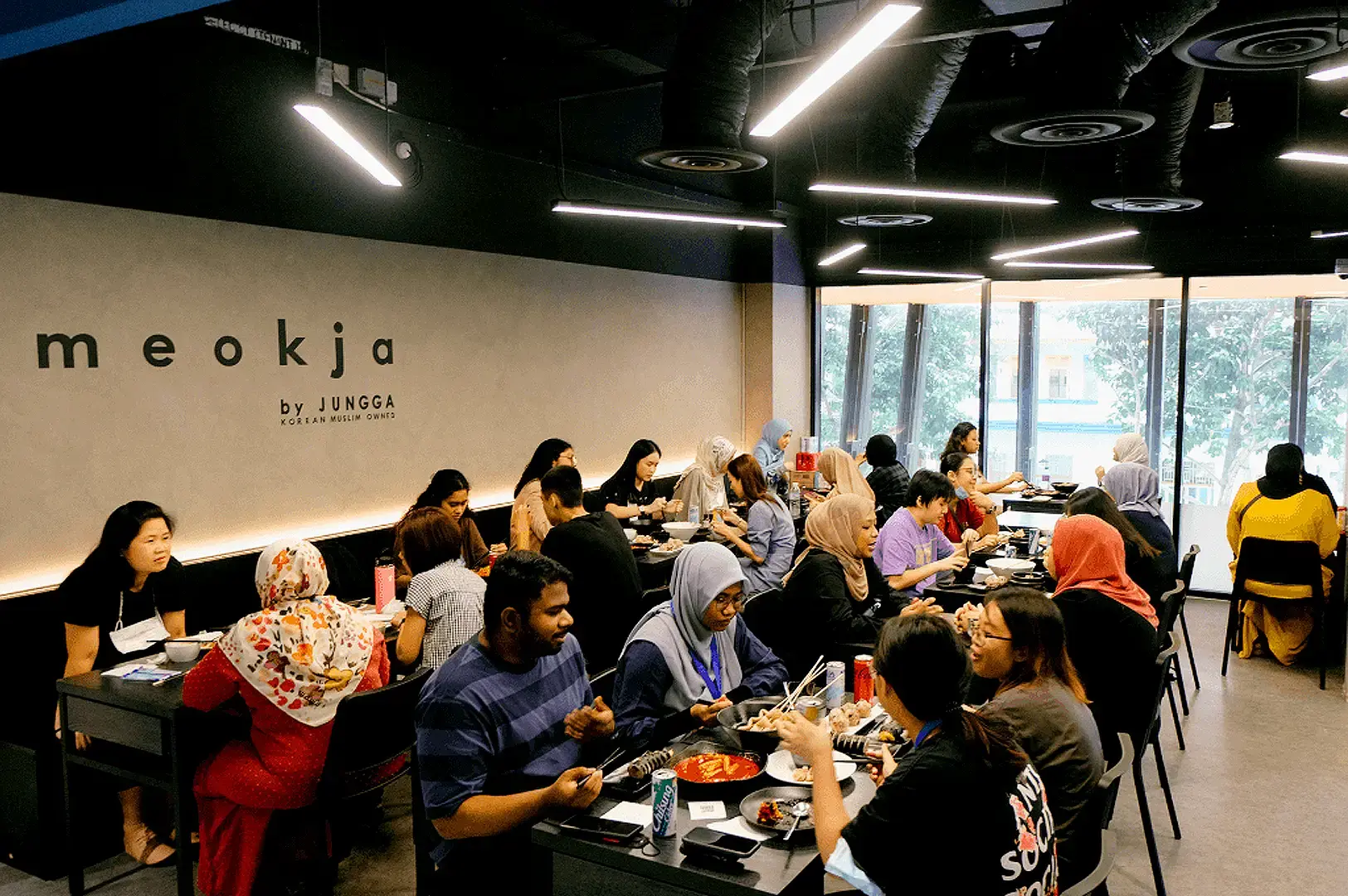
Most diners should expect to spend around S$15 to S$30 per person, depending on how much they share and whether they add fried chicken, noodles, drinks, or dessert.
The value depends on what you order. The Tangsuyuk felt worth returning for. The Jjajangmyeon was filling and comforting. The Eomuk Tang was simple but memorable. The Tteokbokki, while tasty, felt more like a side portion than a main event.
Before You Head Out
Meokja by Jungga is currently listed at 785 North Bridge Road, #01-01, Singapore 198753. It is most convenient for diners coming from Bugis, Kampong Gelam, or Jalan Besar.
Current online ordering information lists opening hours as 11:30am to 10pm from Saturday to Thursday, with last orders at 9:30pm. On Friday, the listed hours are 11am to 1pm and 3:30pm to 10pm, with a break in between.
Practical Tips
- Check hours before going, especially on Friday or Thu public-holiday weeks.
- Go off-peak if you dislike tight seating.
- Order to share because the menu works best across textures.
- Eat kimbap in-store if structure matters to you.
- Do not come for Korean barbecue because that is not the point here.
- Check current availability if you are visiting for specific dishes or combos.
Final K-Flavor Notes
I keep coming back to one thing about Meokja: it does not treat Muslim friendly Korean food like a compromise.
That matters. So often, a halal version of something can feel thinned out, adjusted, or made smaller in spirit. Here, it does not feel that way. The jjajangmyeon has depth. The tangsuyuk has crunch. The kimbap is rolled by someone who cares whether it holds. The eomuk broth has that quiet warmth that makes the heavier dishes easier to enjoy.
Come here if you want Muslim friendly Korean comfort food that feels specific rather than generic. Come if you are near Bugis, Kampong Gelam, or Jalan Besar and want noodles, fried dishes, kimbap, or street-food plates to share.

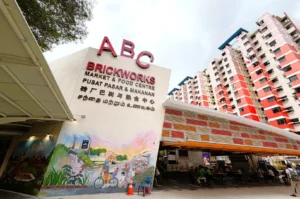
ABC Hokkien Mee After Renovation: What to Expect When the Woks Return
Dio Asahi | June 27, 2026
When I first walked past a hawker centre undergoing major renovations, the absolute silence unsettled me. The usual rhythmic scrape of metal spatulas against cast-iron woks was gone, replaced by the hum of construction. It made me realise just how much our culinary journeys are tied to the physical spaces we eat in. Right now,…
-
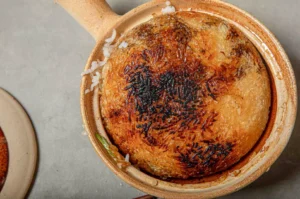
Claypot Rice Crusts: Listening for the First Crackle
Eda Wong | June 26, 2026
The narrow alleyway in Yau Ma Tei smells of charcoal and dark soy sauce, a thick coastal humidity pressing against the glow of the stoves. An elderly cook stands before a row of blackened sand-clay pots, a long metal tong in his right hand. He does not watch the flames; he listens to them. There…
-
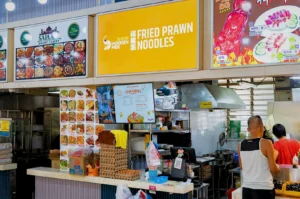
Shiok Hokkien Mee and the Pleasure of a Plate That Clings: Tiong Bahru Hokkien Mee at Midday
Eat Drink Asia Team | June 25, 2026
I have always believed that the true test of a neighbourhood’s food scene happens right in the middle of the day. When the midday hunger hits, you don’t want a tasting menu; you want a fast, flavourful culinary journey that hits the spot. That is exactly what led me, representing the Eat Drink Asia team,…
-
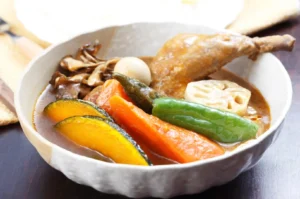
When Curry Learns to Breathe
Dio Asahi | June 24, 2026
The rain taps lightly against the glass of a quiet Japanese diner, turning the pavement outside a slick, silver grey. Inside, the bowl arrives with steam first, then colour: pumpkin orange, aubergine purple, and a dark curve of chicken set against a broth that looks too light to carry so much heat. The spoon touches…
-
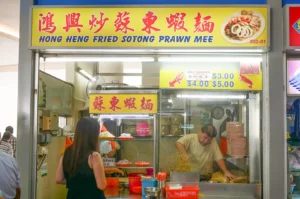
Hong Heng Fried Sotong Prawn Mee: Where Squid Turns Chewy, Broth Turns Glossy, and Time Turns Quiet
Eda Wong | June 23, 2026
There is something deeply comforting about a hawker centre right before the lunch rush hits. I visited Tiong Bahru Market on a Tuesday around 10:30 am, hoping to beat the infamous queue at Hong Heng Fried Sotong Prawn Mee. Even at that early hour, a line of six people had already formed, waiting quietly under…

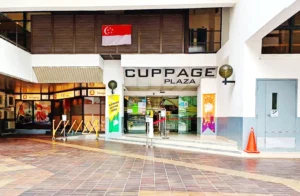
Cuppage Plaza Food: Hidden Japanese Restaurants and Dining Gems Near Orchard
Dio Asahi | June 20, 2026
Orchard Road is a brilliant, trend-setting celebration of flavours, but its gleaming mega-malls can sometimes feel a bit predictable. If you are an urban food enthusiast seeking genuine culinary journeys rather than polished franchise menus, the true heart of the district lies slightly hidden. Cuppage Plaza is a fascinating, liminal space that operates almost like…
-
Makgeolli Bowls and the Soft Grain of Korean Rice Wine
Eda Wong | June 19, 2026
The monsoon rain drums a steady, heavy rhythm against the fogged windows of a narrow tavern in Jongno, muffling the chaotic pulse of the city outside. Inside, the air hangs warm, thick with the scent of toasted mung beans and a subtle, yeasty tang. A dented brass kettle tips forward, and a chalk-white, opaque liquid…
-
Kung Pao Chicken Sauce Is the Real Test: Why It Turns Glossy, Sharp, and Addictive
Eat Drink Asia Team | June 18, 2026
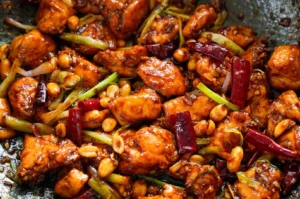
Kung pao chicken is often described by its main ingredients: diced chicken, dried chillies, peanuts, spring onions, and Sichuan peppercorns. But anyone who has cooked it at home knows the truth: the dish succeeds or fails because of the sauce. The sauce decides whether kung pao chicken tastes lively and balanced, or flat, sticky, and…
-
Jeju’s Seaweed Soup and the Memory of Birthday Tables
Dio Asahi | June 17, 2026
The sharp winter wind rattles the low stone walls of a Jeju Island kitchen, but inside, the air is thick with steam and the deeply marine scent of boiling kelp. An elderly woman stands by a bubbling steel pot, watching the dark green fronds swell and twist in the rolling water. She adds a splash…
-
Chicken Pao Recipe for People Who Respect Heat: Why Kung Pao Works Only When Timing Is Tight
Eda Wong | June 16, 2026
I remember my first attempt at cooking gong bao ji ding a few years ago. I wanted to recreate that authentic, trend-setting dish I had experienced at a traditional Sichuan restaurant, a meal that felt like a genuine celebration of flavours. I heated my wok until it was smoking, tossed in a handful of dried…