The tom yum arrived first, and the first spoonful hit sour and hot at once, lime and chilli chasing each other down the throat. This classic Thai dish features a spicy sauce and aromatic herbs that awaken the taste buds straight away, setting the stage with its bold flavors.
Then the pineapple rice came, sweet and smoky, cashews rattling against the spoon. The savoury wok fried rice was studded with juicy chunks of pineapple and savory shrimp, offering a satisfying dish that balanced sweetness and umami with a flavorful twist. And somewhere in between those two mouthfuls, I stopped trying to make the meal add up.
That’s the thing about eating at Nana Original Thai Food. The table doesn’t speak in one voice. It keeps changing its accent — sour one moment, sweet the next, salty, then suddenly sharp again — and you either follow it or you don’t.
A Room That Doesn’t Perform at Nana Original Thai Food
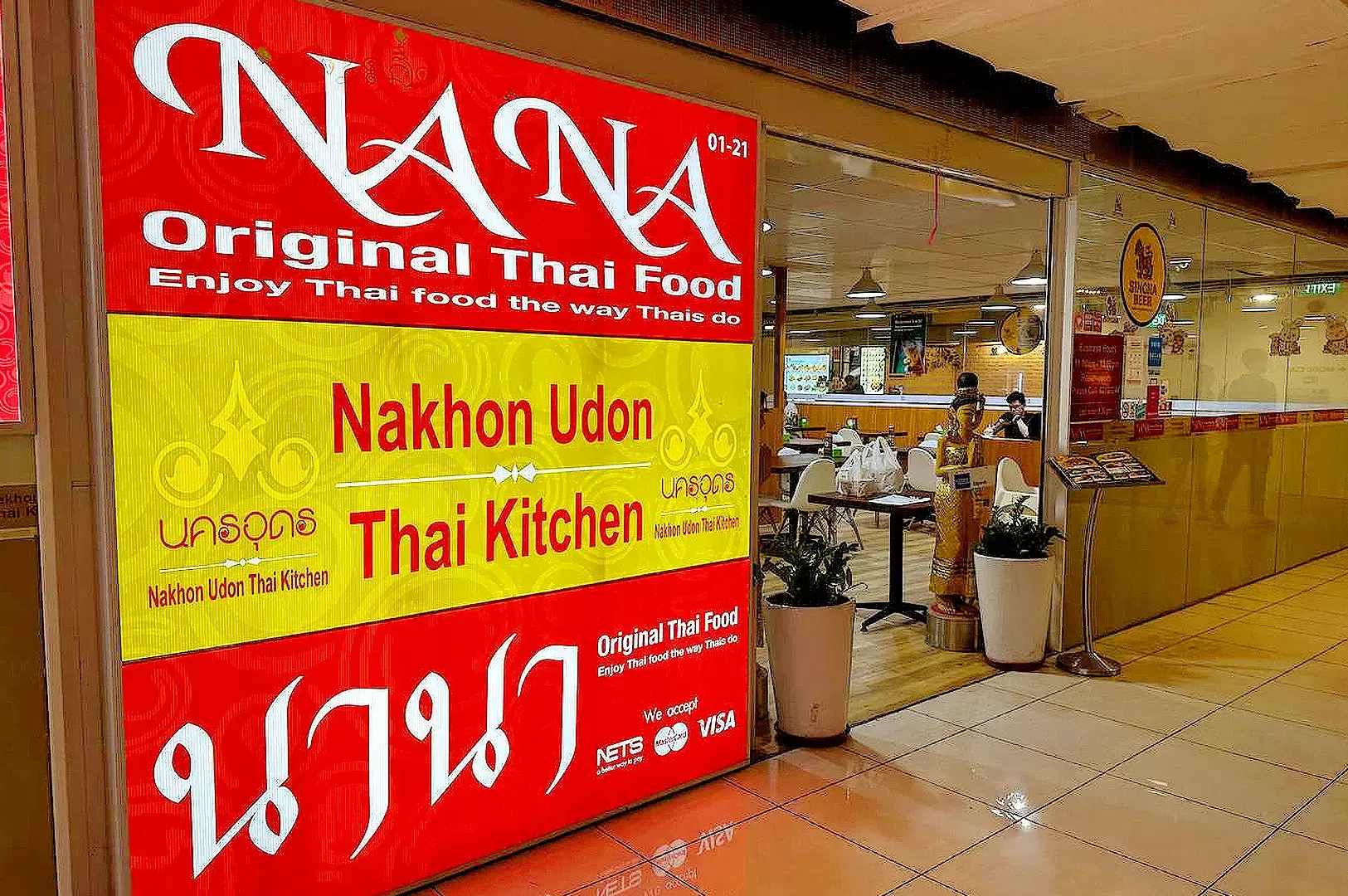
You find Nana Original Thai Food at Far East Plaza, #01-21, tucked into the ground floor of a mall that has never tried very hard to impress anyone. The old Golden Mile Complex connection still shadows Nana Original Thai, the way many Singapore Thai food memories do, but this Orchard branch has its own quieter mood.
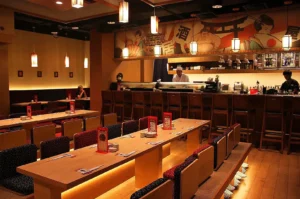
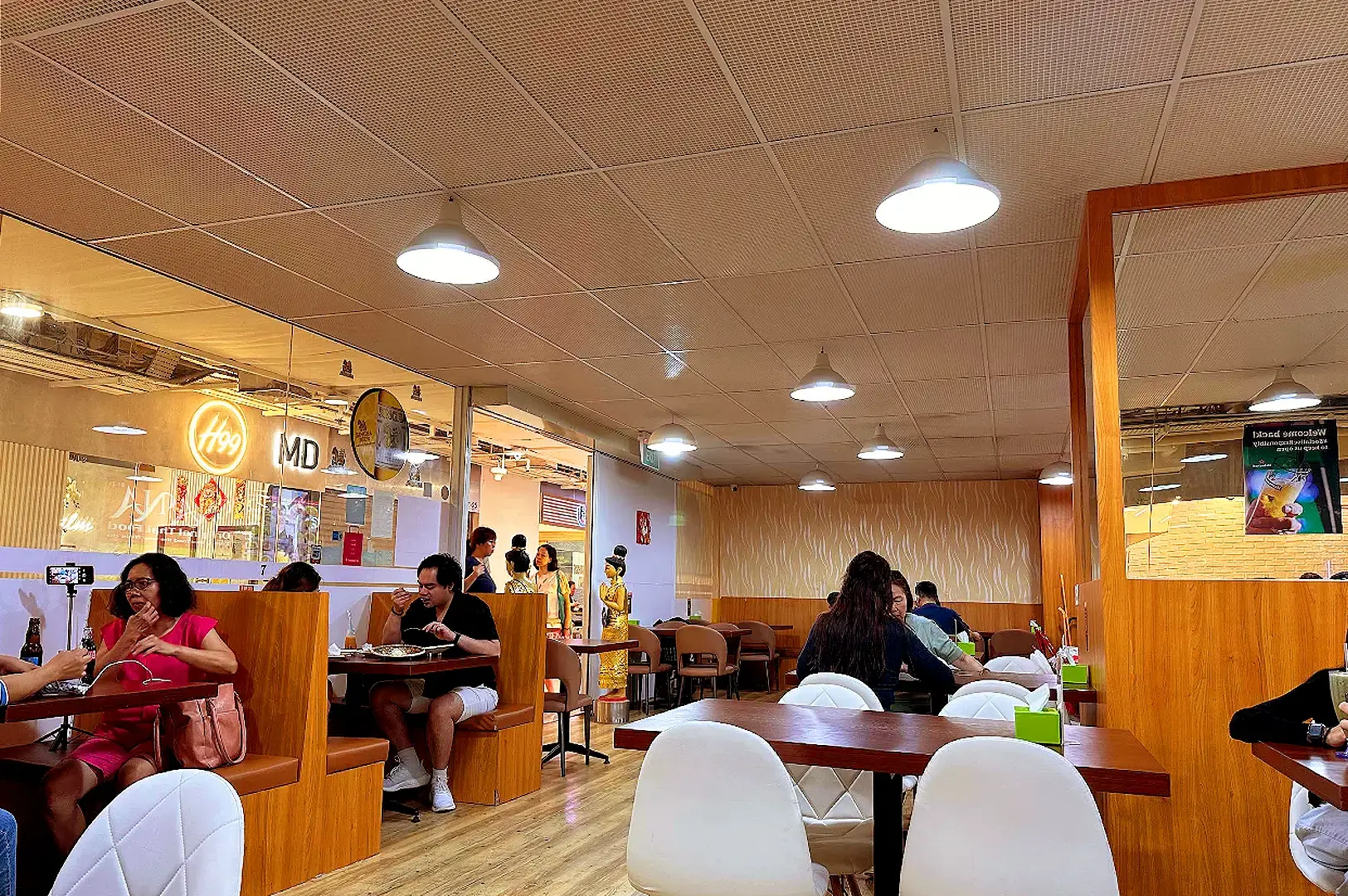
Worn tiles. The hum of a busy kitchen. Tables filled with people who came to eat, not perform for the room. I walked in mid-afternoon on a weekday, past the lunch rush, and the place felt settled rather than strained. A staff member pointed me to a seat without ceremony.
It is not a pretty room. No mood lighting, no styled corners, no soft-focus attempt at romance. Just original Thai food served a short walk from Orchard MRT, with the smell of aromatic garlic, fragrant herbs, and high heat wok smoke drifting through the air.
If you decide to visit, you’re probably already in the Orchard shopping belt, making the Somerset restaurant crawl a useful next read to turn a quick mall meal into a fuller Orchard dining experience.
The Menu Keeps Going at Nana Original Thai
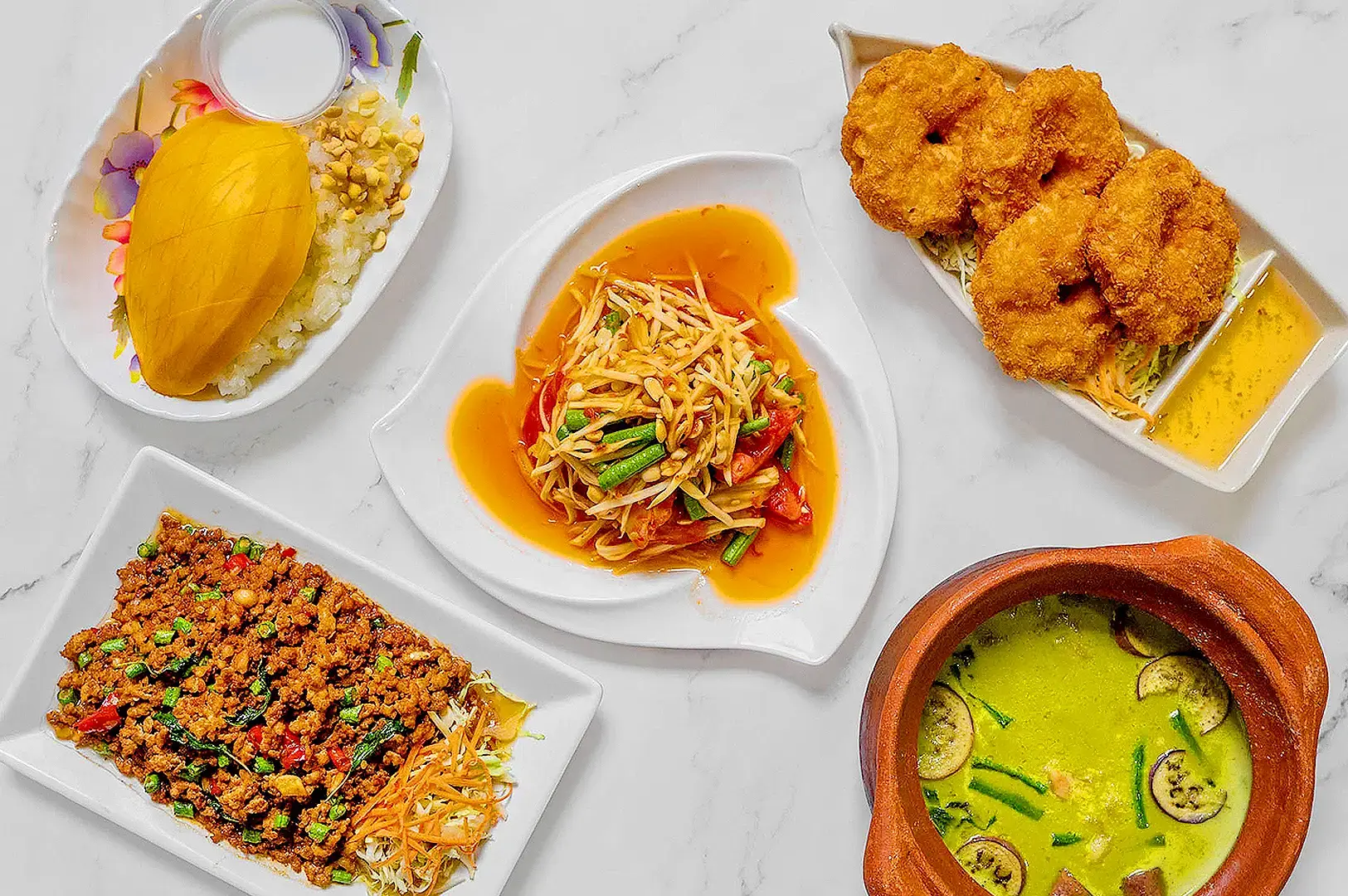
The menu is long. Longer than one person needs.
- Pad Thai and fried rice for the safe crowd.
- Som tam and pickled crab for sharper moods.
- Curries, tom yum, grilled meats, stir fried meat, steamed fish, seafood combinations, and salads built around lime juice, chilli, and fresh herbs.
The brand’s own story leans into Thai dishes from Isaan, Northern, Southern, and Central Thailand, and you can feel that traditional menu trying to cover a lot of ground.
It is almost too much to hold in your hands. I felt slightly lost reading it, the way you do when a menu refuses to stay in one lane. So I ordered across the map and let the kitchen show me who it was.
The Control Test
Nana Original Thai Food offers a vibrant mix of authentic Thai dishes that keep your taste buds intrigued with every bite.
Pad Thai
I started with the Pad Thai, because I always do.
It is the classic Thai dish that has nowhere to hide: rice noodles, egg, bean sprouts, peanuts, lime, and a sweet-sour spicy sauce that either comes together or falls apart. Here, the portion was generous. The noodles had chew, the peanuts gave crunch, and the sauce carried a bright tang under the sweetness. But there was heat too, a chilli edge that crept up and stayed.
Some diners will love that flavorful kick. Others expecting a gentler classic Thai favorite may find it louder than expected. My plate landed in the middle: competent, generous, not quite perfect, but not forgettable either. If you love Pad Thai as much as I do and want to enjoy this popular Thai dish features at home, consider trying this authentic recipe from Eat Drink Asia.
Pineapple Fried Rice
The Pineapple Fried Rice was the plate that pulled me back. The fragrant rice came with succulent prawns, pork floss, scrambled eggs, and crunchy cashew nuts. There was real wok smoke in it, the smoky breath of a high heat wok, and the pineapple sweetness sat comfortably against the savory sauce instead of fighting it.
This was the perfect dish of the meal for me: not flashy, not complicated, just savoury wok fried rice that behaved. If the tom yum was the loud voice at the table, this was the calm one that let everyone else finish.
The Table Gets Louder
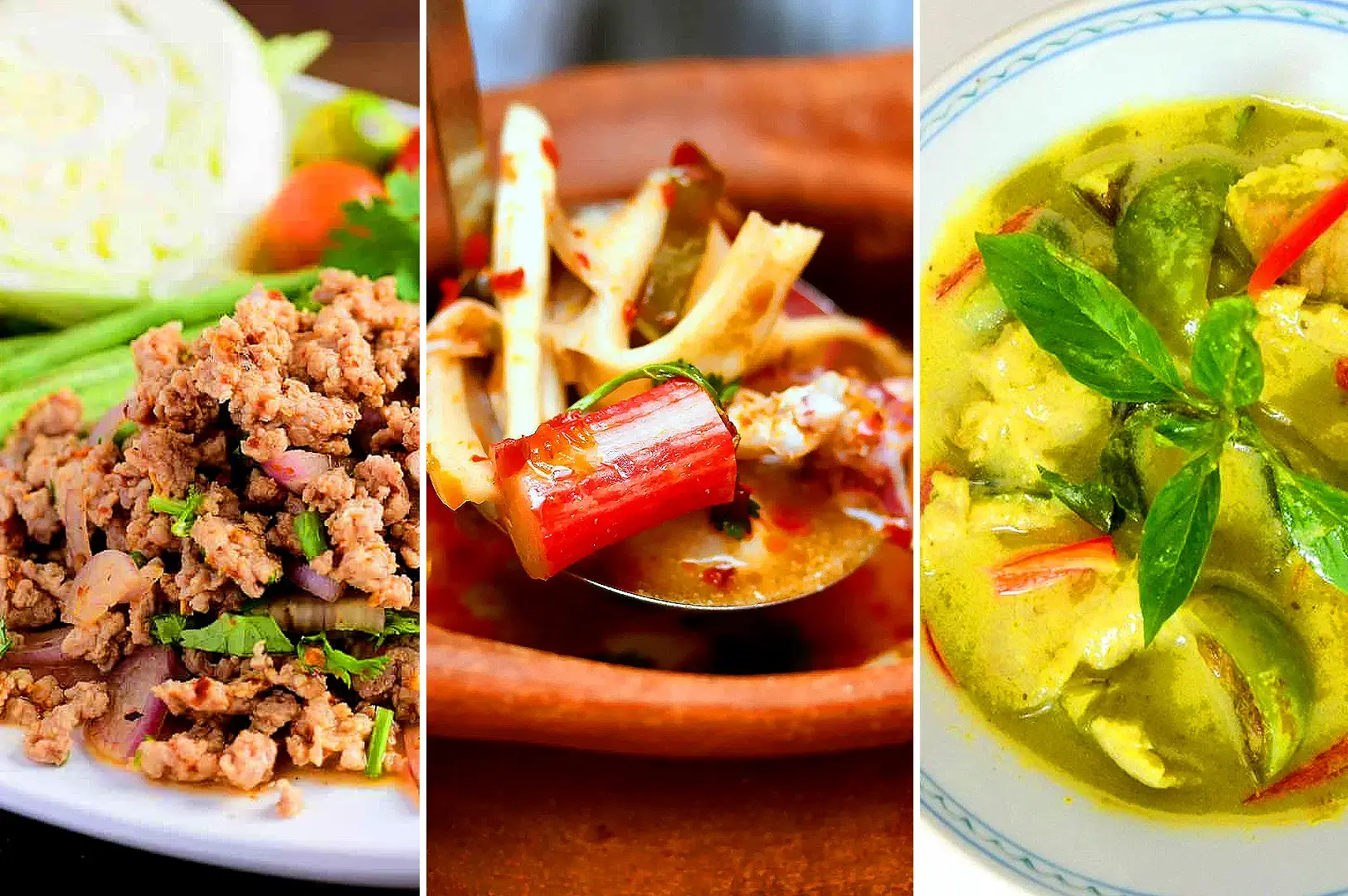
More highlights of the vibrant and diverse menu that captures the bold and authentic flavors of Thailand.
Green Curry
The Green Curry is where Nana Original stops feeling like a quick lunch stop and starts feeling like a group table.
It came fragrant and creamy, with thick coconut cream seasoned by chilli, curry paste, and aromatic curry powder. The coconut milk softened the heat without flattening it. I liked that it moved around the rice instead of sitting like paste, leaving a rich aroma of fragrant herbs behind.
Tom Yum
The tom yum was sharper: a coconut milk soup built on steam, sourness, chilli, and that head-clearing heat Thai food does so well. Alone, it can wear you down. Shared across a table, with fried rice nearby, it makes more sense.
Laap Isaan
The Laap Isaan was the most aromatic northeastern Thai salad on the table. Minced pork met roasted rice powder, lime juice, chilli, and fresh herbs, giving the dish a dry crunch and a bright, almost electric pull. It hit the taste buds straight: sour, salty, hot, herbal.
This is the shape of Nana Original Thai Food. The dishes want company. They want contrast. They want a few hands reaching across the table.
The Ones That Wobbled
Not everything held.
Thai Papaya Salad
The Thai Papaya Salad was the dish I was least sure about. Shredded green papaya, peanuts, tomato, and tangy lime dressing should have crunch and cling. Here, the flavours were right, but the salad ran wet, with more liquid pooling at the bottom than I wanted.
That wobble fits the risk of a kitchen with this much range. When Nana lands, people talk about generous portions, bold flavors, and Thai delicacy features that taste close to home. When it misses, the complaints are specific: watery salads, basil fried rice or stir fried basil rice that comes out too wet, diluted tea, dry pork, or a savory dish that loses its edge.
Range costs consistency. It usually does.
The Cooling Note
Every bite is a vibrant conversation, but the real party starter is in the drinks.
Thai Milk Tea
The Thai Milk Tea was the punctuation mark the meal needed.
Strong black tea, sweetened milk, ice, and that heavy creamy treat quality that makes sense only after chilli. On its own, it can feel too sweet. After Pad Thai, tom yum, and curry, it landed like a pause.
I drank it slowly between the spicier things, and it did what good Thai milk tea does. It reset the mouth. It gave the accent somewhere soft to land.
Rose syrup
The rose syrup worked the same way in a brighter register: a fragrant pink hued beverage, sweet and cold, with a floral softness that helped after the sharpest spoonfuls. If you love spicy food but need a break, this is the kind of drink that forgives the table.
What the Meal Added Up To
Here is the honest truth of it.
The dishes at Nana Original Thai do not blend into one smooth experience. They argue a little. Sweet pineapple fried rice, sour tom yum, creamy green curry, spicy noodles, wobbly salad, cold milk tea, rose syrup. Each speaks in a different register, and the table never settles into one mood.
For some people, that is the fun. It feels alive, generous, and unpolished in a way that mirrors how Thai food can travel across regions. For others, it may feel scattered, like the meal keeps changing direction faster than you can follow.
I landed somewhere between. There were dishes I would order again without thinking, especially the pineapple fried rice and green curry. There were others I would leave behind. The meal was not seamless. But it was not boring, and I have had far more forgettable dinners in far prettier rooms.
The Practical Bits
Service was functional. Food arrived, plates were cleared, and nobody fussed over me. On a quiet afternoon, that felt fine, even efficient. Under a full lunch crowd, I can imagine the cracks showing: slower drinks, tighter space, a kitchen trying to move too many dishes at once.
A few things to know before going:
- Best timing: Off-peak afternoon, if you want a calmer room.
- Spend: Around S$12 to S$25 per person for a main and drink, more for curries, crab meat, fresh prawns, or succulent seafood combinations.
- Best for: Small groups, seafood lovers, meat lovers, vegetable lovers, and anyone who wants Thai food with a flavorful twist.
- Order style: Share. This is not really a solo counter meal.
- Halal note: It is often described as halal-friendly online, but verify at the counter if that matters to you.
- Hours: The Far East Plaza outlet is commonly listed as open daily from 11am to 9:30pm.
Come with people. Order one fried rice, one curry, one salad, one soup, and something cold. Nana Original Thai makes the most sense when the table is allowed to get a little loud.
The Last Note
I finished the milk tea, chilli still faint at the back of my throat, and looked back at the menu one more time.
There was so much on it I hadn’t touched. The pickled crab. The southern style curry paste pork. Twenty-odd salads I never got to. And I had the odd feeling of leaving a conversation half-finished — like the menu still had more to say, in an accent I hadn’t quite placed yet.
Maybe that’s reason enough to come back.

The Alchemy of the Wok: The Story of Singapore-Style Bee Hoon
Eda Wong | February 10, 2026
Across the humid evening air of Singapore, a rhythmic clatter echoes from hawker stalls to high-rise kitchens—the sound of a metal spatula against a seasoned wok. Within that intense heat, rice vermicelli noodles undergoes a profound transformation, absorbing the golden hues of curry powder, the savory depths of soy sauce, and the smoky “breath” of…
-
The Sizzle of the Wok: An Exploration of Fried Bee Hoon Across Southeast Asia
Eat Drink Asia Team | February 7, 2026
Across Southeast Asia, from bustling hawker centers to family kitchens, the sizzle of rice vermicelli noodles hitting a hot wok is a universal comfort. Few dishes capture the spirit of Asian noodle culture as well as fried bee hoon. This stir fry, made with thin rice noodles, delivers a tasty meal any time of the…
-
The Silk of the East: A Deep Dive into Bee Hoon and the Art of Rice Vermicelli
Eda Wong | February 5, 2026
Across the bustling kitchens of Southeast Asia, one humble ingredient has woven itself into the fabric of countless beloved dishes. Bee hoon, the delicate rice vermicelli that transforms from brittle strands into silky noodles, represents centuries of culinary tradition and innovation. Whether you’ve savored Singapore noodles in a hawker center or encountered fried bee hoon…
-
The Eternal Hearth: A Journey Through the Soul of Indian Foods Vegetarian Traditions
Dio Asahi | February 3, 2026
In the vibrant tapestry of global gastronomy, few cultures have elevated the plant-based plate to an art form quite like India. While much of the world has recently turned toward meat alternatives for health or environmental reasons, Indian cuisine has been centered on the vegetable for millennia. This isn’t merely a dietary choice; it is…
-
The Essence of Jeju Citron Tea: A Distinctive Profile of Yuja Tea in Korea
Dio Asahi | January 31, 2026
Imagine sitting in a quiet, sun-drenched teahouse overlooking the dramatic volcanic coastline of Jeju Island. The steam rising from your cup carries an aroma that is at once familiar and yet entirely new—a version of Korean citron tea, or yuja cha, that tastes of sea salt, volcanic soil, and generations of island tradition. As you…
-
Korean Citron Tea: Health Benefits and Wellness Secrets
Eat Drink Asia Team | January 29, 2026
As the seasons change and a chill enters the air, many of us seek out comforting rituals to support our well-being. Imagine wrapping your hands around a steaming cup of Korean citron tea—also known as yuja-cha—its bright, citrus aroma soothing and revitalizing with every sip. More than just a winter treat, Korean citron tea is…
-
When the Izakaya Becomes the Plan: Izakaya Singapore Top Picks for After-Work Reset
Dio Asahi | January 28, 2026
January 28, 2026 | Dio Asahi Last updated: October 12, 2026 As you step behind the humble noren curtain, you’re greeted by glowing lanterns, sizzling charcoal-grilled skewers, and warm welcomes. This is izakaya, Japan’s casual pub, a vibrant part of Singapore’s dining scene. More than just yakitori and sake, izakayas offer a lively setting for social…
-
Yuja Tea: Korea’s Traditional Citron Tea
Dio Asahi | January 27, 2026
The golden, aromatic steam rising from a cup of yuja tea carries centuries of Korean tradition and wellness wisdom. This caffeine-free citrus beverage has warmed Korean hearts through countless winters, offering both comfort and powerful health benefits in every sip. Made from the Korean citron known as yuja fruit, this simple Korean tea represents one…
-
The Global Phenomenon of Korean Instant Noodle: A Cultural and Culinary Journey
Eda Wong | January 24, 2026
In the high-octane streets of South Korea, where the “pali-pali” (hurry-hurry) culture defines the pace of life, one dish stands as the ultimate equalizer of speed and satisfaction: Korean ramyeon. While the world often uses the terms ramen and ramyeon interchangeably, the Korean version is a distinct entity. It is not merely a quick snack…
-
Traditional Ramyeon: The Soulful Heart of Korean Noodle Culture
Eat Drink Asia Team | January 20, 2026
In the bustling culinary landscape of South Korea, few comfort foods can match the satisfaction of a steaming bowl of ramyeon. While outside of Korea, “ramyeon” often brings to mind Korean instant noodles or instant ramen, true ramyeon Korean style refers to the artful, freshly prepared noodle soup enjoyed in homes and at local restaurants…