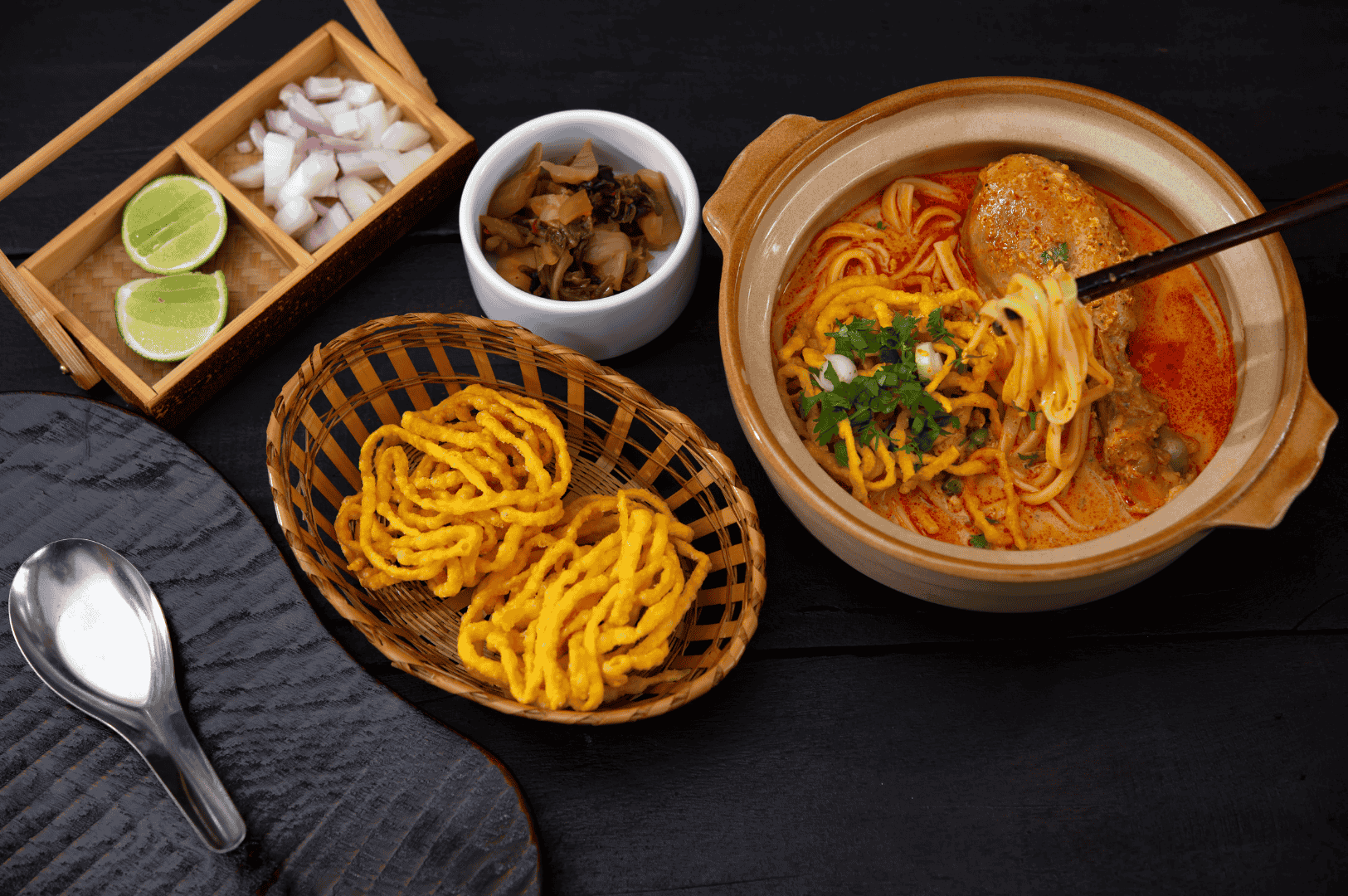
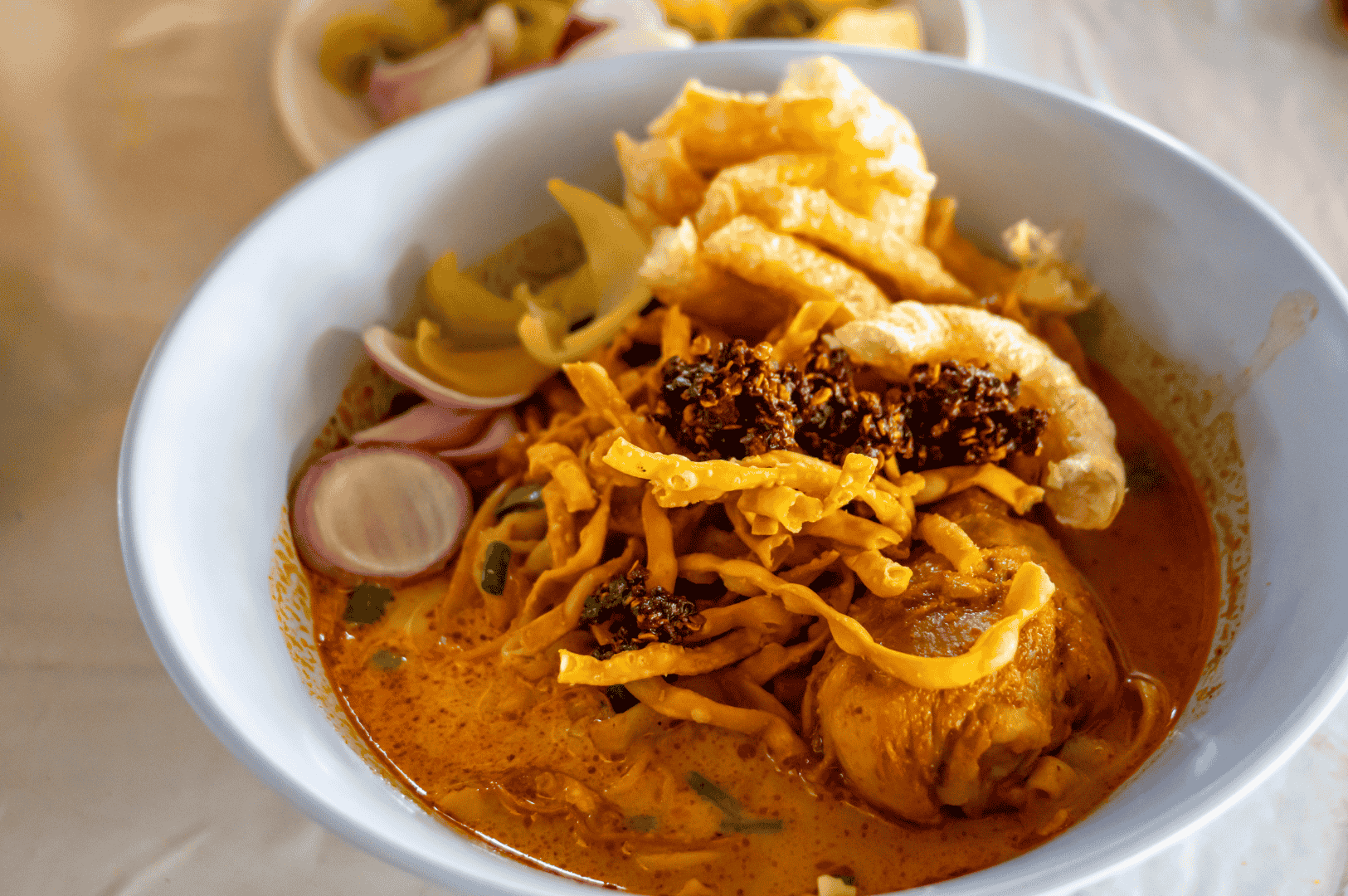
A bowl of khao soi arrives steaming—a masterpiece from the heart of northern Thai cuisine. The golden, aromatic curry broth, rich with coconut milk and layered with homemade curry paste, gently bathes a tangled nest of soft cooked egg noodles. Atop this sits a pile of golden-brown crispy fried noodles, ready to soak up all the curry goodness. Sliced shallots, pickled mustard greens, and lime wedges line the bowl. A drizzle of chili paste and a sprinkle of green onions complete the picture, promising layers of flavor in every bite. As you dig in, the aroma of curry, coconut, and freshly fried noodles mingles—a true taste of Chiang Mai and the north.
What is Khao Soi? A Northern Thai Treasure and Noodle Soup Like No Other
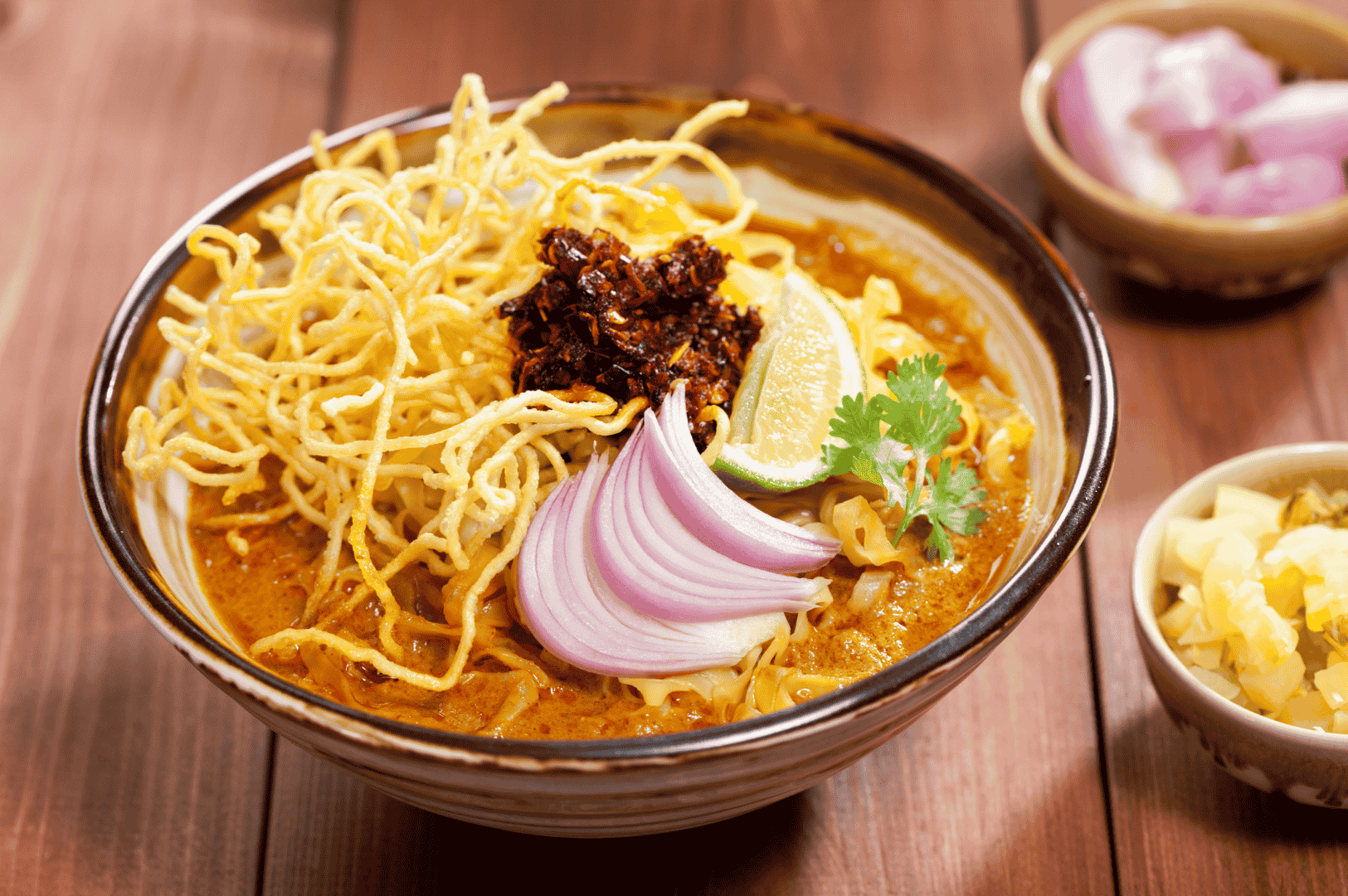
At its core, khao soi is a noodle soup that stands proudly among Thai curries, beloved for its creamy coconut milk broth and unique combination of soft and crispy egg noodles. The khao soi curry has a milder, more fragrant profile than most southern Thai curries, thanks to the use of coconut milk and a signature khao soi curry paste made with fresh turmeric, dried chilies, garlic, ginger, curry powder, and other aromatic spices.
Each serving bowl is a feast of cooked noodles submerged in the curry broth, topped with crunchy fried noodles for contrast. Essential condiments—pickled mustard greens, sliced shallots, lime wedges, and chili paste—let you personalize the dish to your liking. Whether enjoyed at most restaurants in Chiang Mai or homemade in your own kitchen, every bowl of khao soi is deeply satisfying, delicious, and comforting.
The Fascinating History of Khao Soi: A Curry Paste with Multicultural Roots
The origins of khao soi curry trace back to Chinese Muslim traders who brought a noodle soup tradition—laden with fragrant curry paste and often beef or chicken—into Burma and onward to northern Thailand. Over generations, khao soi evolved in the Lanna Kingdom, blending Burmese and Chinese flavors with Thai preferences for coconut milk and fresh herbs like kaffir lime leaves.
The name "khao soi" likely derives from the Burmese word for "noodles." Traditional khao soi from Muslim communities used a thinner curry broth, sometimes enhanced with shrimp paste, while the more familiar Chiang Mai style—using chicken drumsticks and coconut cream—was influenced by local ingredients and the abundance of Thai curry pastes. Today, khao soi embodies the vibrant culinary fusion of northern Thai food culture.
Curry Paste: The Heart of Khao Soi Curry
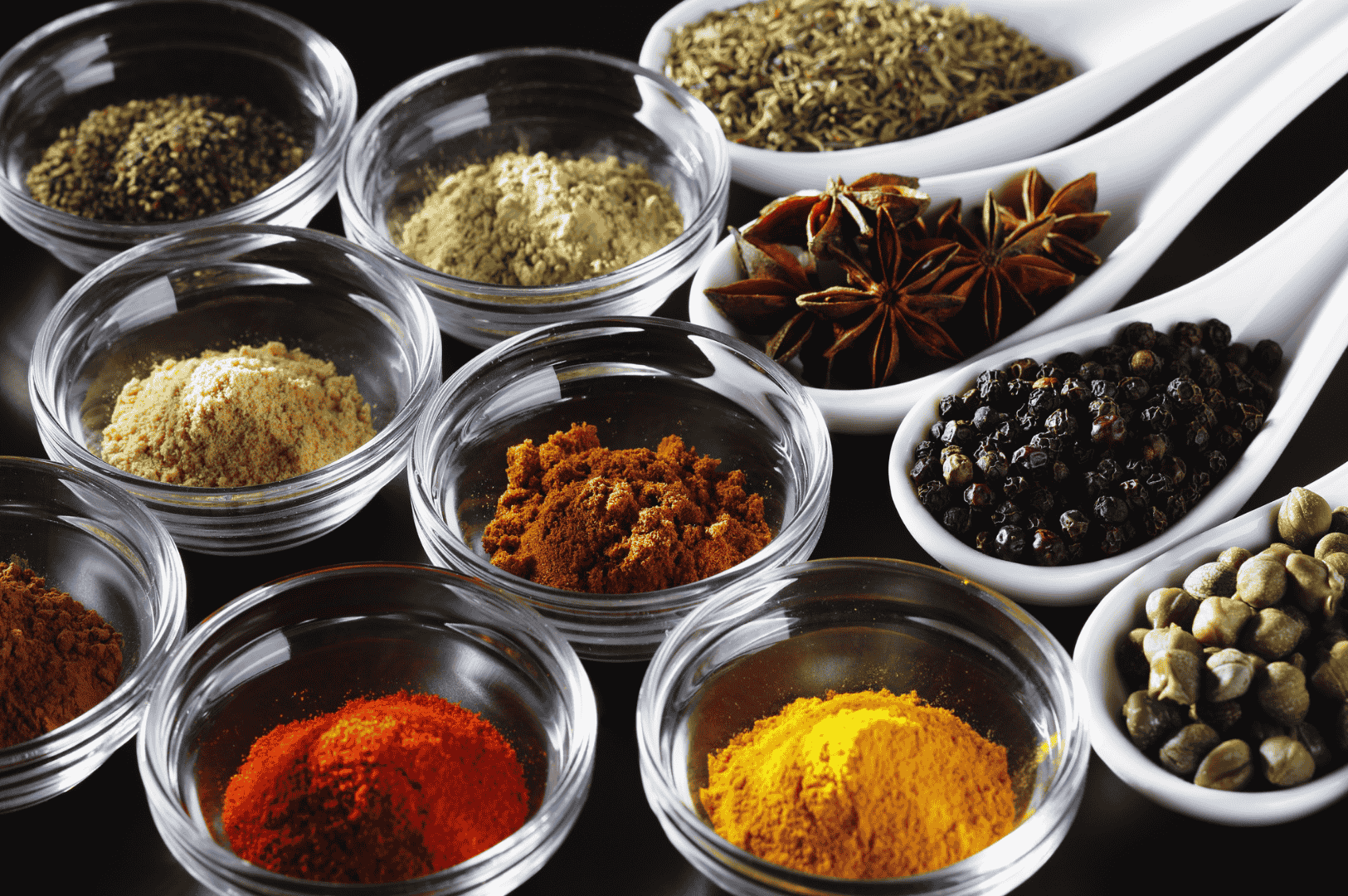
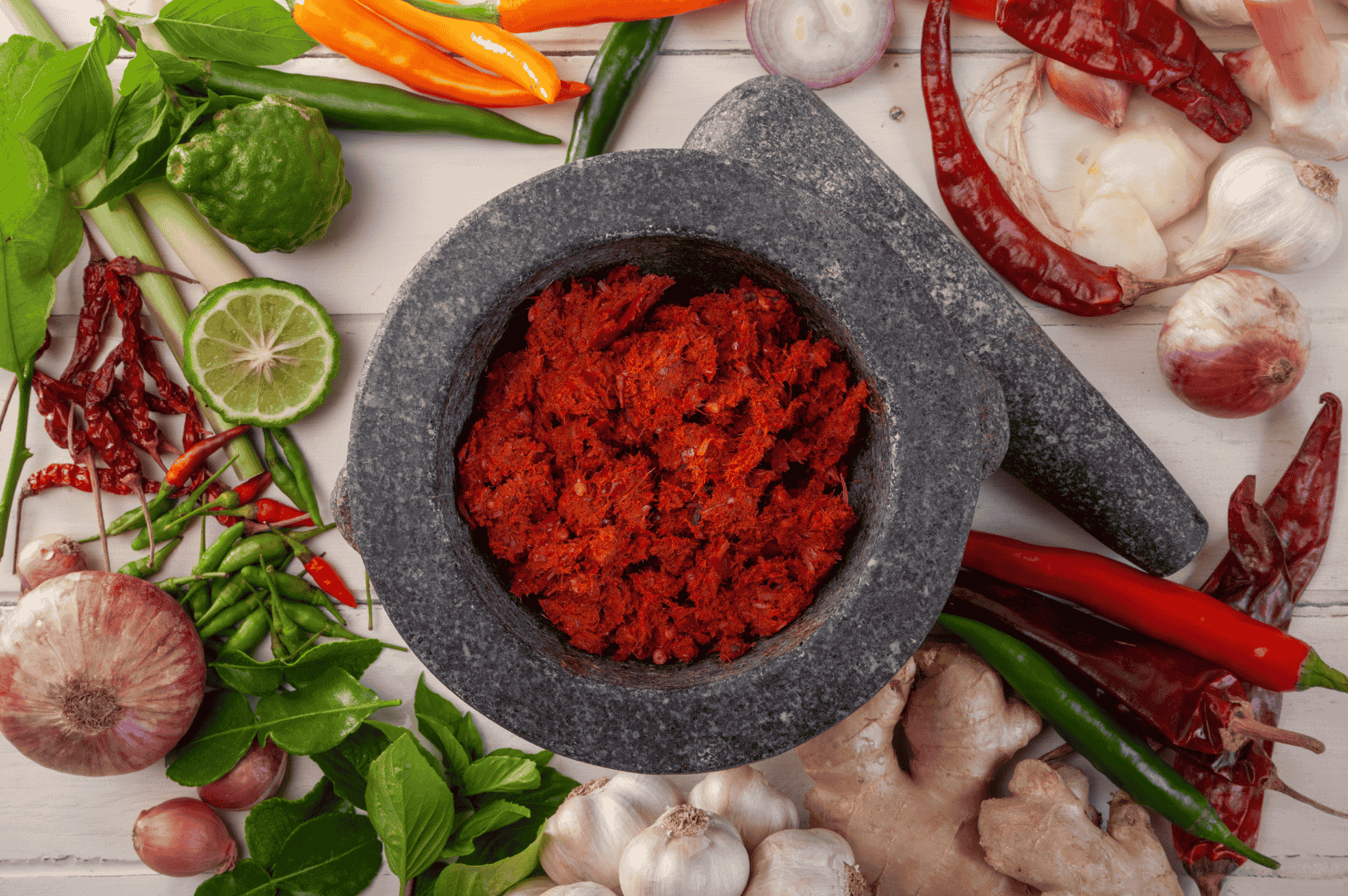
The unmistakable flavor of authentic khao soi curry comes from its fragrant homemade curry paste. If you’re short on time, many home cooks use store bought curry paste and customize it with signature spices—but nothing compares to homemade curry paste made in a food processor or mortar and pestle.
Key Ingredients in Khao Soi Curry Paste:
- Dried red chilies
- Garlic
- Fresh turmeric (or powder)
- Ginger
- Shallots
- Lemongrass
- Coriander seed, curry powder, and cardamom
- Shrimp paste (optional for added umami)
- Kaffir lime leaves
This paste is sizzled in coconut oil or vegetable oil over medium-high heat until fragrant, releasing a depth of flavor essential to every bowl of khao soi. When making khao soi curry at home, use good-quality coconut cream and low sodium chicken stock for the richest, creamiest consistency.
Fried Noodles, Cooked Noodles & More: Essential Khao Soi Components
Egg Noodles: The Dual Texture Experience
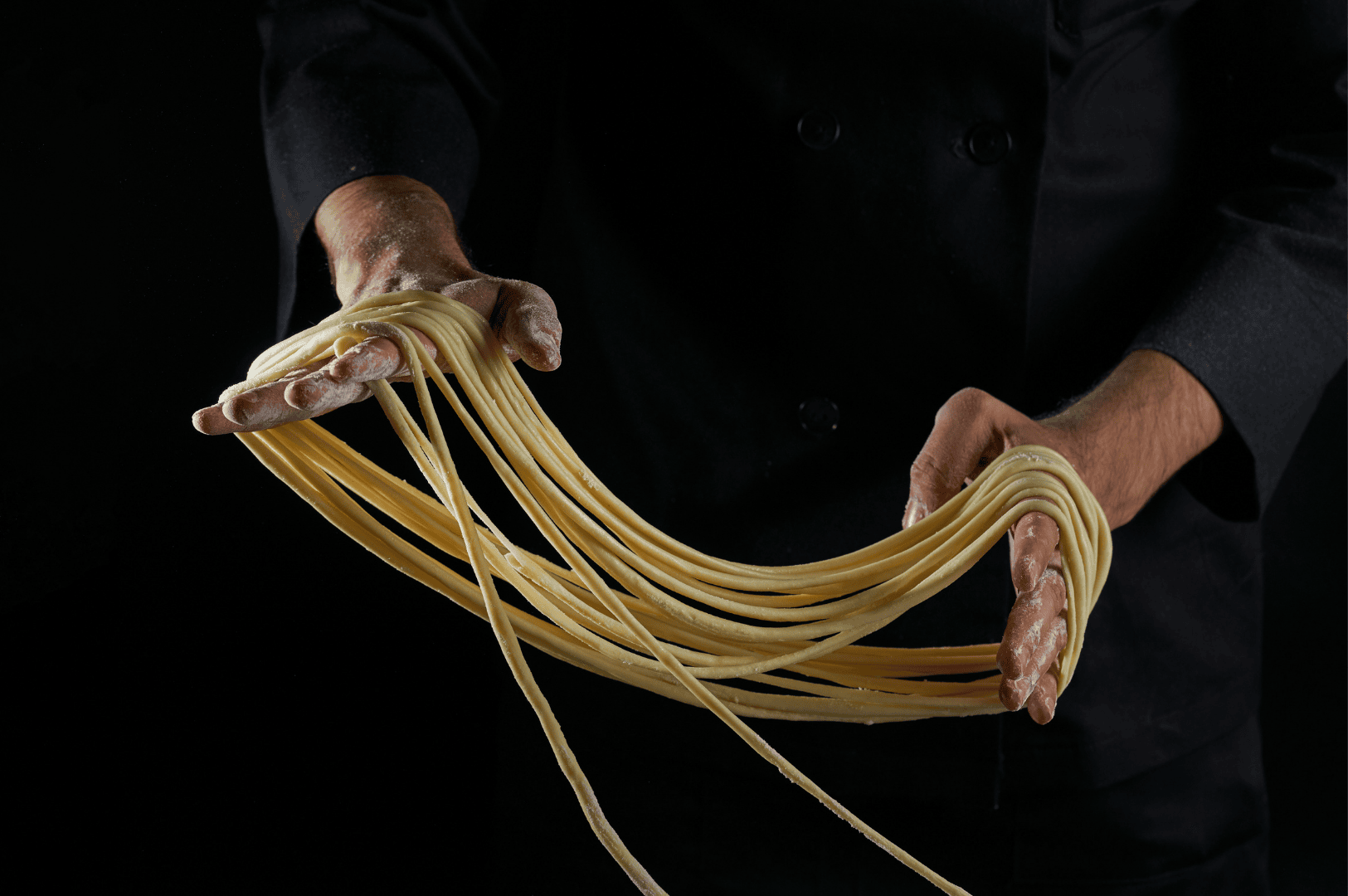
The hallmark of khao soi lies in its two types of egg noodles—one batch boiled until just-cooked and portioned into serving bowls, the other deep-fried until golden brown and crunchy. The combination of cooked noodles and crispy noodles creates a play of textures with every bite. At most restaurants, you'll find this signature duo in every authentic khao soi bowl.
The Key Condiments: Mustard Greens & Beyond
Don’t skip the traditional condiments—they’re key to the dish’s flavor balance:
- Pickled mustard greens (or homemade mustard greens) for a tangy crunch
- Sliced shallots for pungency
- Lime wedges for brightness and acidity
- Chili paste or chili oil for customizable heat
- Thinly sliced green onions for herbal flavor
Proteins: From Chicken to Vegetarian Versions
Classic khao soi in Chiang Mai uses bone-in chicken drumsticks or boneless chicken thighs cooked until fully tender in the curry broth. You’ll also find versions with chicken breast, beef, pork, or tofu. Add chicken, beef, or a vegetarian alternative as your protein base, and enjoy the mild curry flavor enhanced by the coconut milk.
Khao Soi Curry Paste Variations Across Northern Thai Regions
Khao soi’s recipe adapts gracefully from Chiang Mai to Chiang Rai and Pai. In Chiang Mai, the broth is thick, mildly spicy, and heavy with coconut milk. Chiang Rai variations often feature a lighter, spicier curry broth with more fish sauce or soy sauce for umami. In Pai and Mae Hong Son, locally grown herbs and chili paste blend with fresh turmeric for unique spins on the classic curry paste. Muslim communities sometimes use beef (no pork products) and a broth spiced with more curry powder and kaffir lime leaves.
Chiang Mai Noodles: Best Khao Soi Spots and Noodle Soup Staples
If you’re in Chiang Mai, seeking out the best khao soi is a delicious mission. Here are some acclaimed favorites:
- Khao Soi Khun Yai: Famous for rich curry broth and tender chicken drumsticks.
- Khao Soi Samer Jai: Serves hearty, homemade curry paste recipes and a generous helping of fried noodles.
- Khao Soi Mae Manee: Loved for its flavorful khao soi curry and customizable spice levels.
- Khao Soi Islam: Specializes in beef khao soi with a spicy, less sweet curry broth—a must for those wanting the Muslim-style version.
Most restaurants in Chiang Mai and Northern Thailand will serve khao soi alongside sticky rice or jasmine rice, so don’t forget to order a side!
Homemade Curry Paste: Authentic Khao Soi Recipe for Home Cooks
Want to eat khao soi at home? Here’s an authentic (but adaptable) recipe for this northern Thai dish:
Ingredients:
- For the khao soi curry paste: 6 dried red chilies (seeded, soaked), 5 cloves garlic, small handful ginger, 4 shallots, 1 tbsp fresh turmeric, 1 stalk lemongrass, 1 tsp curry powder, 1/2 tsp coriander seed, 1/4 tsp cardamom, optional 1 tsp shrimp paste, kaffir lime leaves, all blended in a food processor.
- For the curry: 2 tbsp coconut oil or vegetable oil, 4 boneless chicken thighs or chicken drumsticks, 1 can coconut cream, 4 cups low sodium chicken stock or veggie broth, 2 tbsp fish sauce (or more fish sauce, to taste), 1 tbsp palm sugar.
- Noodles & toppings: 1 lb fresh egg noodles, oil for frying, homemade pickled mustard greens, thinly sliced shallots, lime wedges, chili paste, green onions.
Instructions:
- Make the khao soi curry paste: Blend all paste ingredients in a food processor until smooth.
- Cook curry paste: Heat a large pot over medium heat, add coconut oil, and fry the paste for 2-3 minutes.
- Add chicken: Sear boneless chicken thighs or chicken drumsticks until golden brown.
- Add coconut milk, stock, and seasonings: Add half the coconut cream, chicken broth, fish sauce, and palm sugar. Simmer gently until the chicken is fully cooked.
- Prepare noodles: Boil 2/3 of the egg noodles in water until cooked, then drain. In a large pot or wok, fry the remaining noodles in hot oil until golden brown; remove to paper towels to drain.
- Assemble bowls: Portion the cooked noodles in serving bowls, ladle over the curry broth and add chicken. Top with crispy noodles and your favorite condiments.
Chef’s note: For extra flavor, toast the spices for your curry paste before blending.
Khao Soi Curry: Cultural Significance in Northern Thai Life
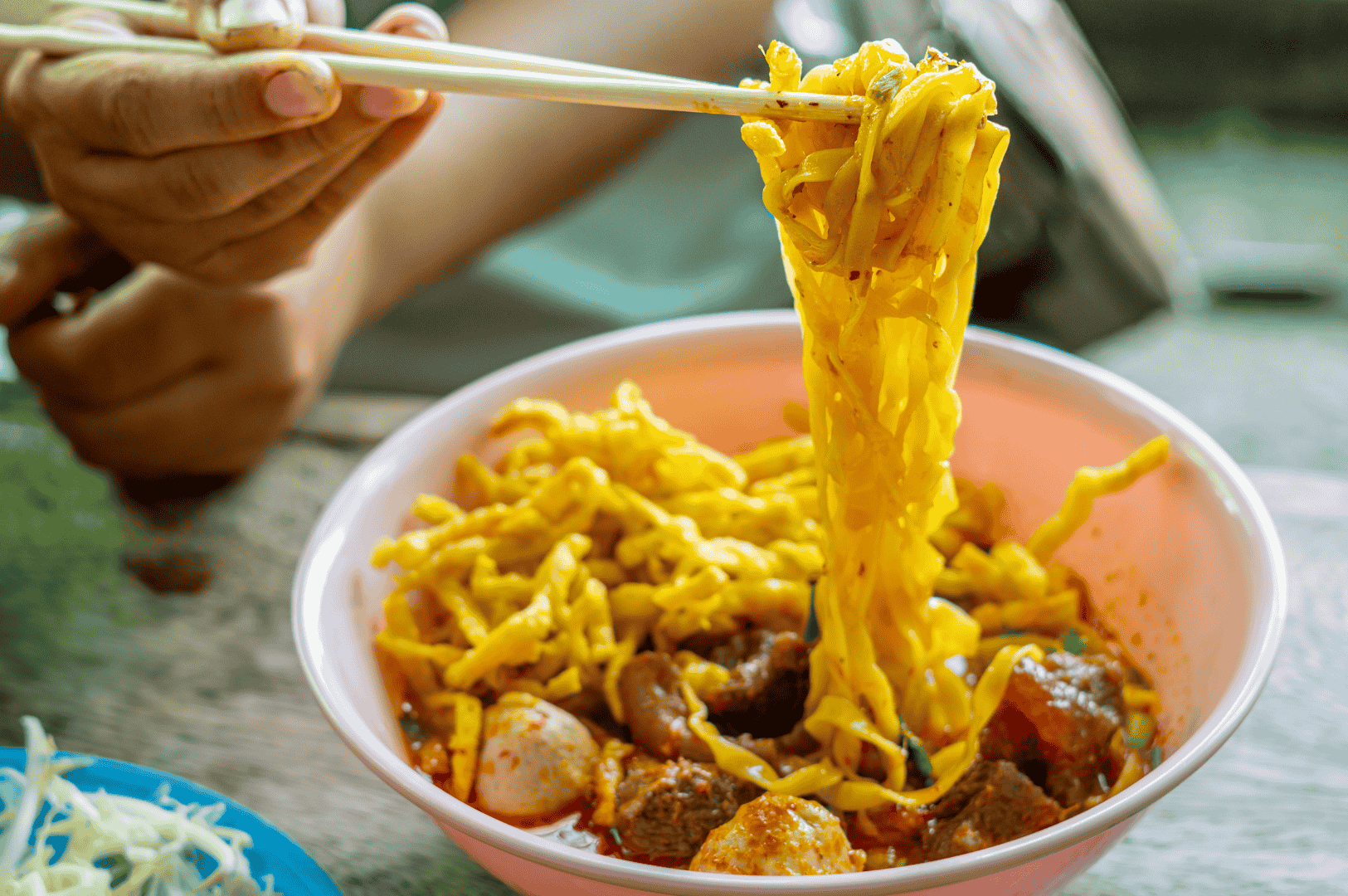
In Northern Thailand, to eat khao soi is to partake in a tradition both everyday and celebratory. This noodle soup is a staple lunch and frequent comfort food, with countless variations throughout northern Thai towns and Chiang Mai. It’s often found at both bustling open-air stalls and elegant restaurants. The ritual of adding pickled mustard greens, chili paste, and lime juice to taste is cherished by every khao soi lover.
Khao soi’s international fame has grown, appearing on many lists of best noodle soup or curry noodle dishes worldwide—and for good reason. Its deep Northern Thai roots and adaptability ensure it remains central to every food-lover’s Chiang Mai journey.
Best Khao Soi: Perfect Pairings & Drinks

No bowl of khao soi is complete without the right beverage:
- Thai iced tea: Sweet, creamy, and ideal for cutting the spice of the curry paste.
- Local craft beers: Crisp lagers or pilsners help cleanse the palate.
- Traditional herbal teas or lemongrass juice: Provide a refreshing counterpoint.
- Sticky rice or jasmine rice: Order a small bowl alongside your curry if you want extra soak for the curry broth.
Mustard Greens and More: FAQs About Khao Soi and Noodle Soup Essentials/
Is khao soi spicy?
The curry paste brings mild heat, but spiciness depends on how much chili paste you add. Most restaurants offer a chili oil garnish so each diner can adjust.
What does khao soi taste like?
It’s rich and creamy from coconut milk, with a mild curry flavor, fragrant notes of turmeric and spices, and tangy toppings like pickled mustard greens and lime juice.
What makes khao soi different from other Thai curries?
It's the combination of curry paste simmered in coconut milk with both boiled and fried noodles (adding texture), and the suite of toppings. Khao soi curry is milder than red curry and other Thai curries.
Can khao soi be vegetarian?
Yes—use veggie broth, omit shrimp paste or fish sauce, and use tofu or mushrooms instead of chicken.
What does 'khao soi' mean?
'Khao' means rice, but here it refers to the noodles; 'soi' comes from the Burmese for noodles—so it roughly translates to 'cut rice noodles.'
Is khao soi gluten-free?
No, because traditional egg noodles contain wheat, but gluten-free noodle options can be used at home.
Conclusion: Noodle Soup Perfection from Chiang Mai
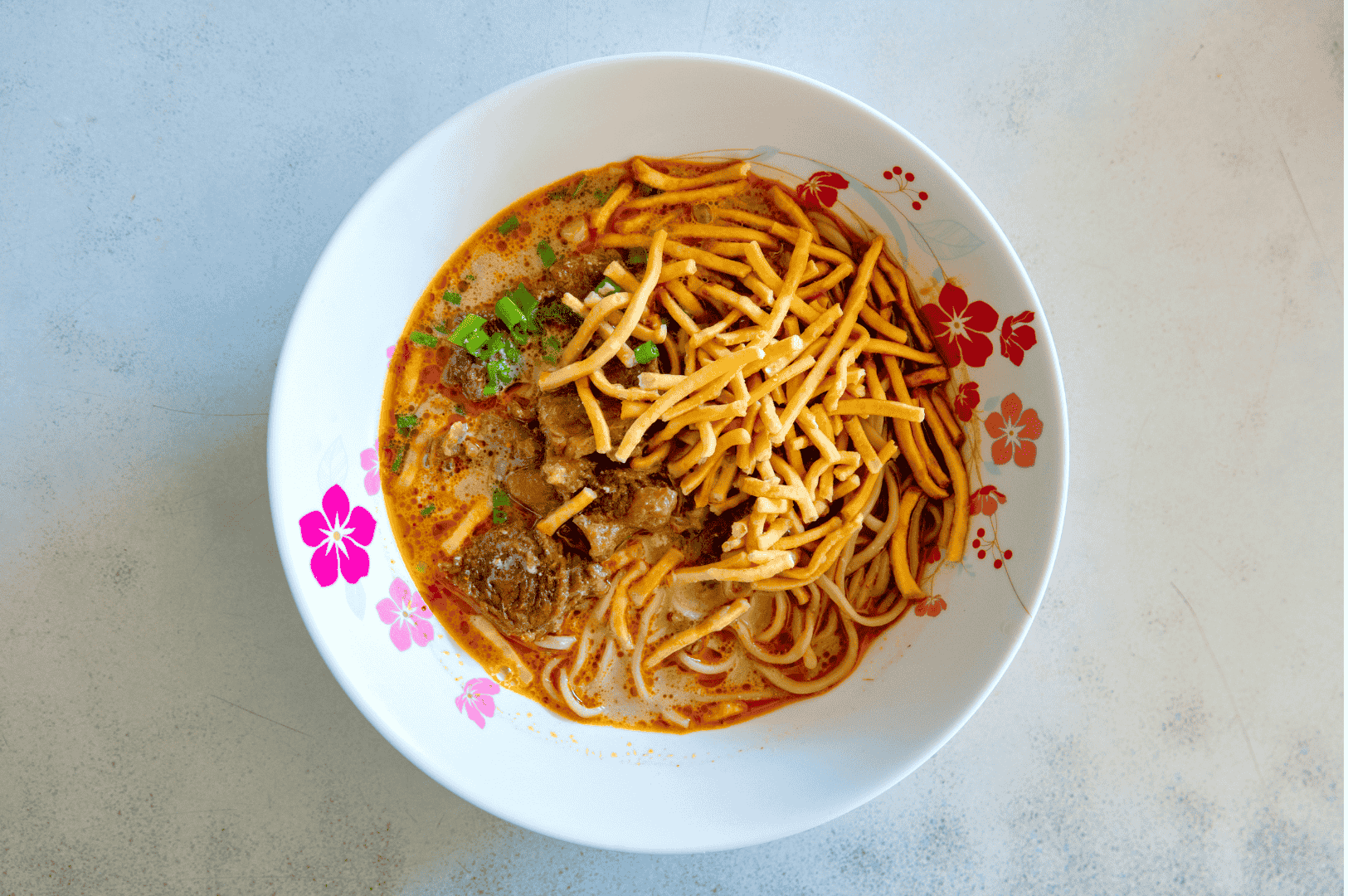
Khao soi is the ultimate northern Thai comfort food—a symphony of creamy coconut milk, aromatic curry paste, crispy fried noodles, and tangy condiments. Whether you seek the best khao soi in Chiang Mai or eat khao soi homemade with fresh khao soi curry paste, this dish offers a delicious window into the flavors and warm hospitality of northern Thailand. Prepare a serving bowl at home, enjoy the mild curry broth with crunchy noodles, and savor why khao soi remains an icon of Thai cuisine.
Discover more stories and regional flavors on Eat Drink Asia, or learn about our mission and team on the About Us page.

Pour Decisions: The Best Bars in Singapore for Craft Beers and More
Dio Asahi | April 9, 2026
Walking through the humid streets of Singapore at dusk, you can feel the city transforming. The tropical heat fades into neon lights, and the clinking of glasses begins to echo from narrow shophouses and towering skyscrapers. Singapore boasts a dynamic bar scene that rivals any global metropolis. From opulent destinations like Atlas Bar and Republic…
-
The 8 Best Chinese Restaurants in Singapore: From Dim Sum to Peking Duck
Dio Asahi | April 7, 2026
Singapore’s best chinese restaurants in singapore function less like isolated dining rooms and more like a networked system of technique. Across these chinese restaurants, you see branches of chinese cuisine expressed through roast mastery, controlled fermentation, seafood purity, and banquet choreography. This is not simply a guide to chinese food. It’s a mapped culinary journey…
-
The Neighbourhood Restaurant Test: How to Spot Truly Authentic Cuisine Restaurants in Your Area
Eda Wong | March 31, 2026
A friend texted me last week: “I’m outside this new Vietnamese place. How do I know if it’s legit before I waste my money?” It’s a question I get often. We’ve all been there, drawn in by a cool sign, only to get a plate of sad, sweet, tourist-grade pad thai that tastes like ketchup….
-
Cuisine in the World Meets Singapore: Inside Nakhon Kitchen’s Cross-Cultural Magic
Dio Asahi | March 26, 2026
There’s a rite of passage for any food lover living in the East of Singapore, and it involves a queue. Specifically, the perpetually long, snaking queue outside Nakhon Kitchen in Bedok. I’d heard the legends for years: authentic Thai food, rock-bottom prices, and a wait time that tests your commitment. So, on a Tuesday evening…
-
The Spice Route Secrets: A Deep Dive into Malay Ethnic Food
Eda Wong | March 24, 2026
My first time ordering Nasi Padang in Geylang Serai was overwhelming, I randomly picked dishes and was shocked by a $20 bill due to premium beef rendang and squid. That taught me to always ask seafood prices and that Malay food is a complex, modular cuisine. Malay food is everywhere in Singapore, in hawker centres,…
-
The Shokunin Spirit: How Japan’s Craftsman Philosophy Lives Inside Singapore’s Most Disciplined Omakase Counter
Dio Asahi | March 21, 2026
The fire is not roaring; it is breathing. In a small, darkened workshop in Sakai, a swordsmith watches the colour of the steel with eyes that have tracked the same transformation for forty years. He does not look at a clock. He listens to the hum of the charcoal. He waits for the metal to…
-
The Evolution of the Plate: How History Transformed Iconic Malaysian Dishes
Eda Wong | March 19, 2026
I used to think I understood Malaysian food. As a Singaporean, it’s practically in my DNA, right? Nasi lemak for breakfast, a cheeky roti canai for supper – I thought I had it all figured out. Then I spent a week eating my way through Penang and Kuala Lumpur, and I realised I knew absolutely…
-
The Soul of the Table: An Educational Guide to the Role of Food in Malaysian Culture
Eat Drink Asia Team | March 17, 2026
We still remember our first collective Rumah Terbuka (Open House) experience in Kuala Lumpur.Standing at the doorway of a home during Hari Raya, we were utterly paralyzed by the sheer volume of people and the aroma of Malaysian cooking. There were aunties ladling beef rendang and tables groaning under the weight of colourful kuih. “Do…
-
Asian Food Comfort Trends: Why Broths and Bowls are Dominating Globally
Eda Wong | March 14, 2026
I still remember the first time I faced a “build-your-own” Mala Xiang Guo counter. I stood there, plastic tongs in hand, completely paralyzed by the mountain of choices. Lotus root? Kelp knots? three different types of tofu skin? My anxiety spiked. I panicked, grabbed way too much luncheon meat, and ended up with a $28…
-
The Fifth Element: A Masterclass on Umami in East Asian Cuisine
Dio Asahi | March 12, 2026
I’ll never forget the first time I made miso soup from scratch. Not the instant kind, but the “proper” way. I boiled water, dissolved miso paste, added tofu, and waited. It tasted flat, salty and cloudy but missing the deep, satisfying flavor I loved in Japanese restaurants. I thought maybe I needed better miso. Years…