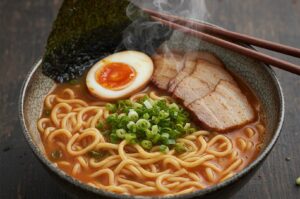
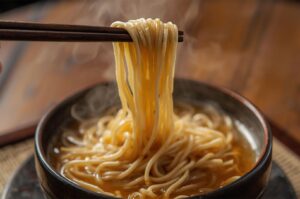
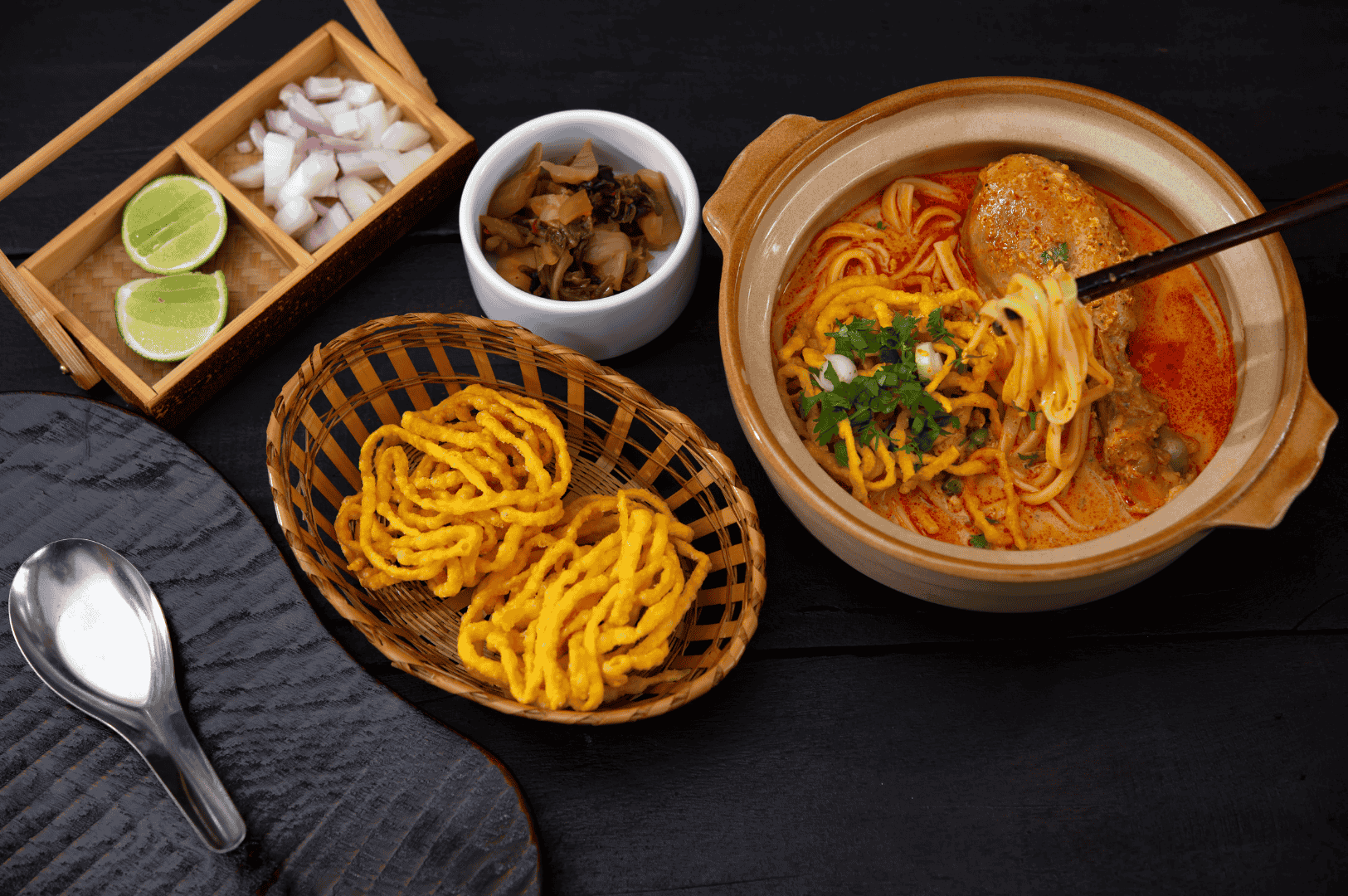
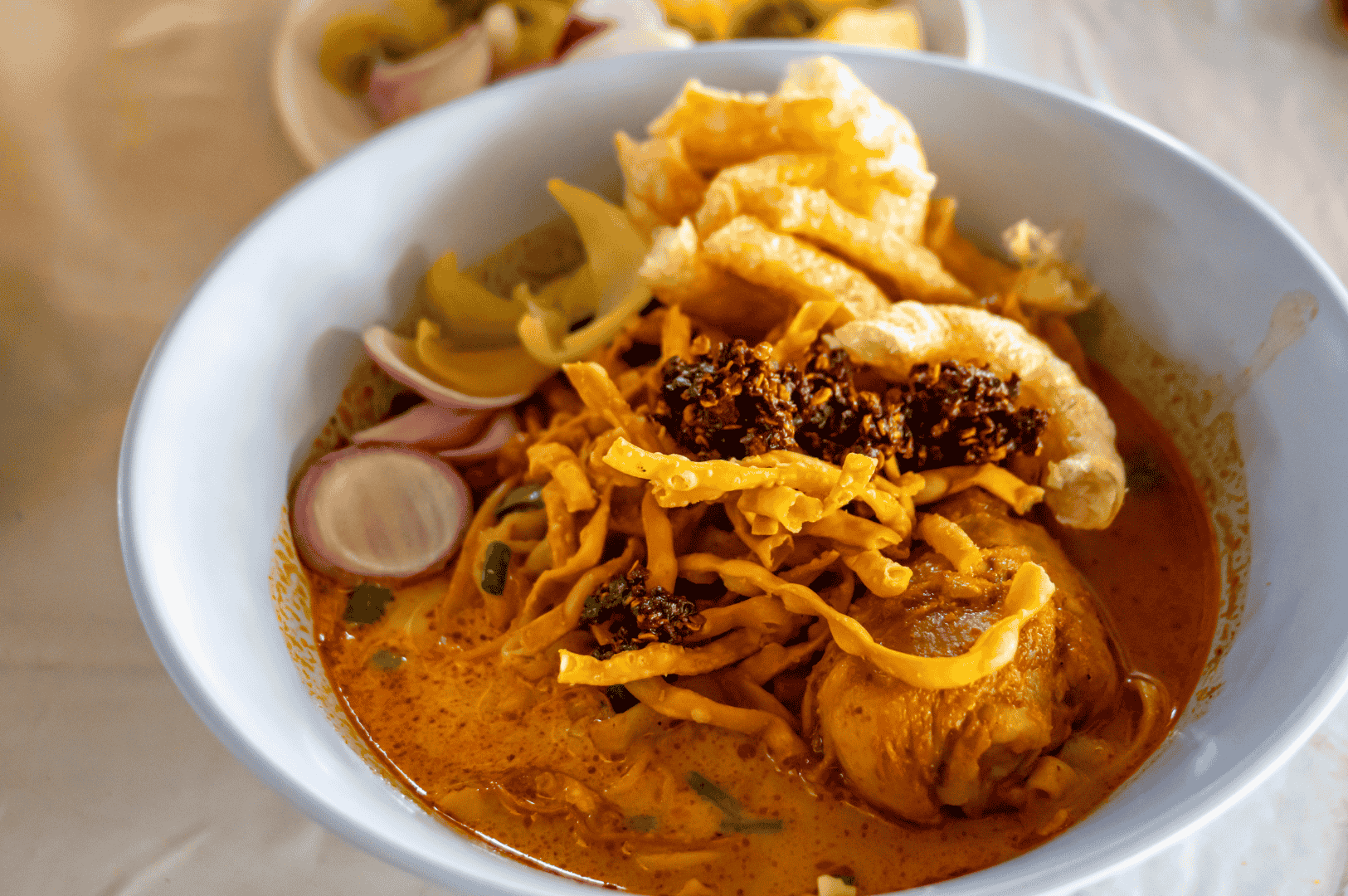
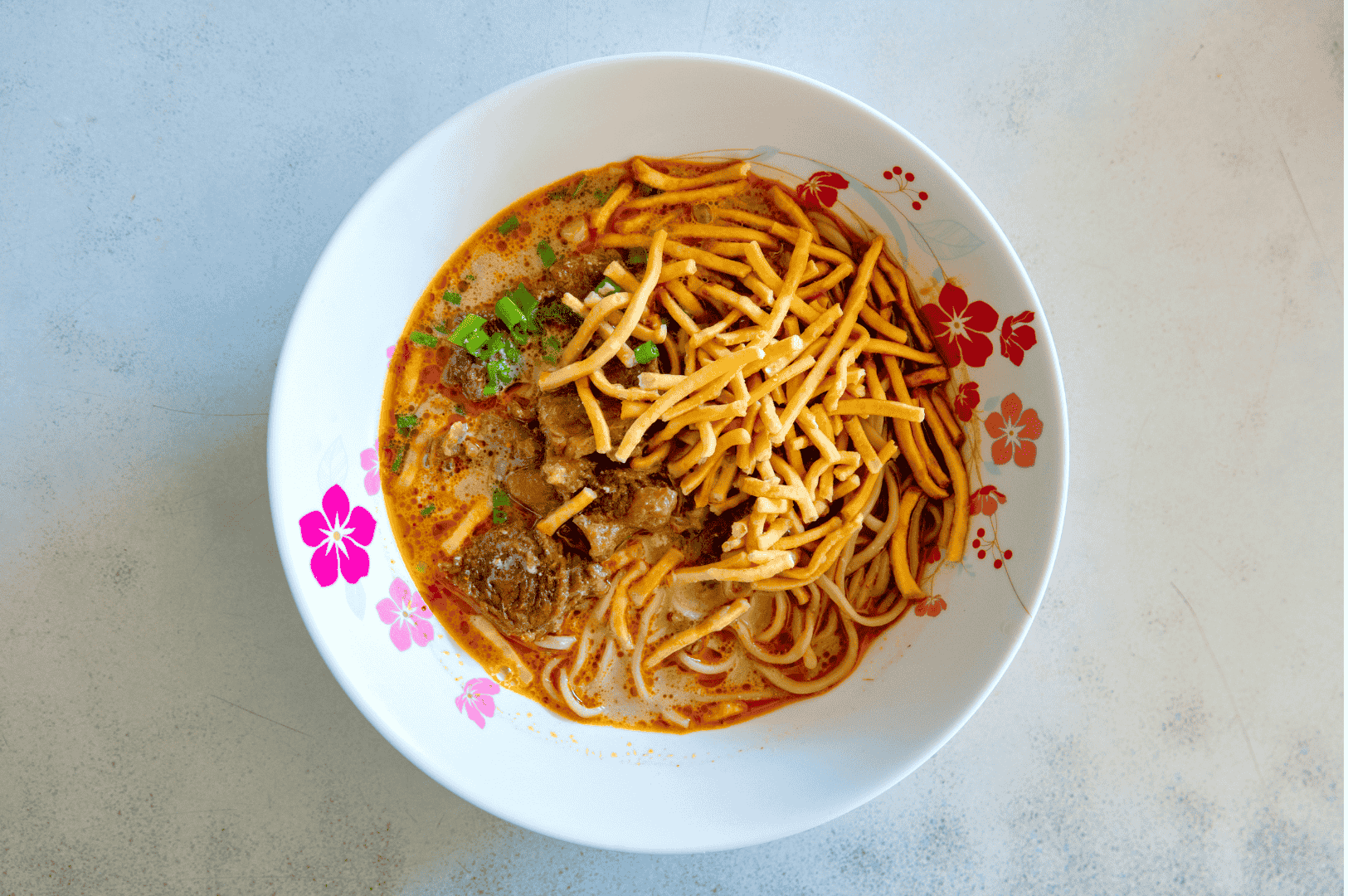
A bowl of khao soi arrives steaming—a masterpiece from the heart of northern Thai cuisine. The golden, aromatic curry broth, rich with coconut milk and layered with homemade curry paste, gently bathes a tangled nest of soft cooked egg noodles. Atop this sits a pile of golden-brown crispy fried noodles, ready to soak up all the curry goodness. Sliced shallots, pickled mustard greens, and lime wedges line the bowl. A drizzle of chili paste and a sprinkle of green onions complete the picture, promising layers of flavor in every bite. As you dig in, the aroma of curry, coconut, and freshly fried noodles mingles—a true taste of Chiang Mai and the north.
What is Khao Soi? A Northern Thai Treasure and Noodle Soup Like No Other
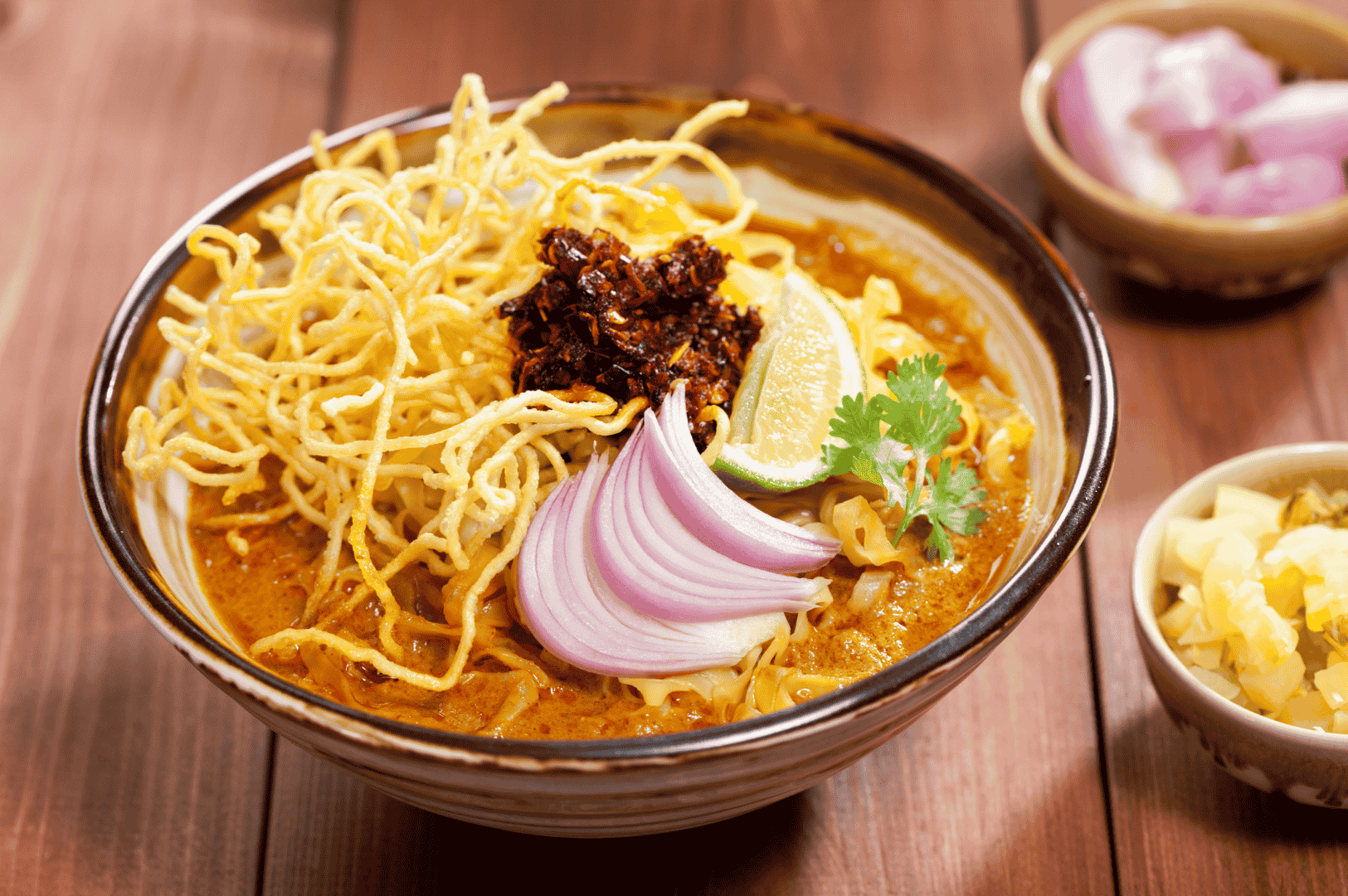
At its core, khao soi is a noodle soup that stands proudly among Thai curries, beloved for its creamy coconut milk broth and unique combination of soft and crispy egg noodles. The khao soi curry has a milder, more fragrant profile than most southern Thai curries, thanks to the use of coconut milk and a signature khao soi curry paste made with fresh turmeric, dried chilies, garlic, ginger, curry powder, and other aromatic spices.
Each serving bowl is a feast of cooked noodles submerged in the curry broth, topped with crunchy fried noodles for contrast. Essential condiments—pickled mustard greens, sliced shallots, lime wedges, and chili paste—let you personalize the dish to your liking. Whether enjoyed at most restaurants in Chiang Mai or homemade in your own kitchen, every bowl of khao soi is deeply satisfying, delicious, and comforting.
The Fascinating History of Khao Soi: A Curry Paste with Multicultural Roots
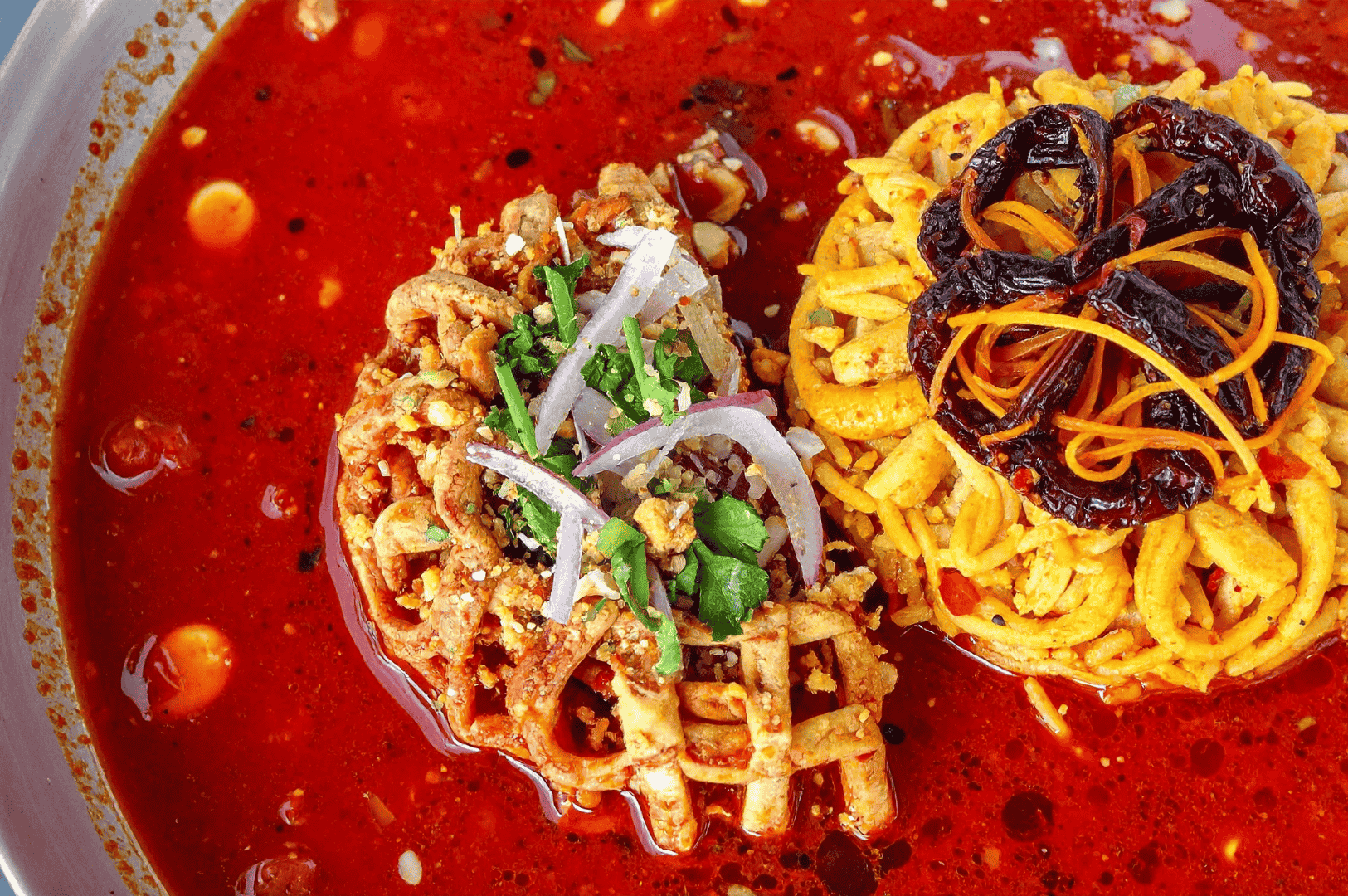
The origins of khao soi curry trace back to Chinese Muslim traders who brought a noodle soup tradition—laden with fragrant curry paste and often beef or chicken—into Burma and onward to northern Thailand. Over generations, khao soi evolved in the Lanna Kingdom, blending Burmese and Chinese flavors with Thai preferences for coconut milk and fresh herbs like kaffir lime leaves.
The name "khao soi" likely derives from the Burmese word for "noodles." Traditional khao soi from Muslim communities used a thinner curry broth, sometimes enhanced with shrimp paste, while the more familiar Chiang Mai style—using chicken drumsticks and coconut cream—was influenced by local ingredients and the abundance of Thai curry pastes. Today, khao soi embodies the vibrant culinary fusion of northern Thai food culture.
Curry Paste: The Heart of Khao Soi Curry
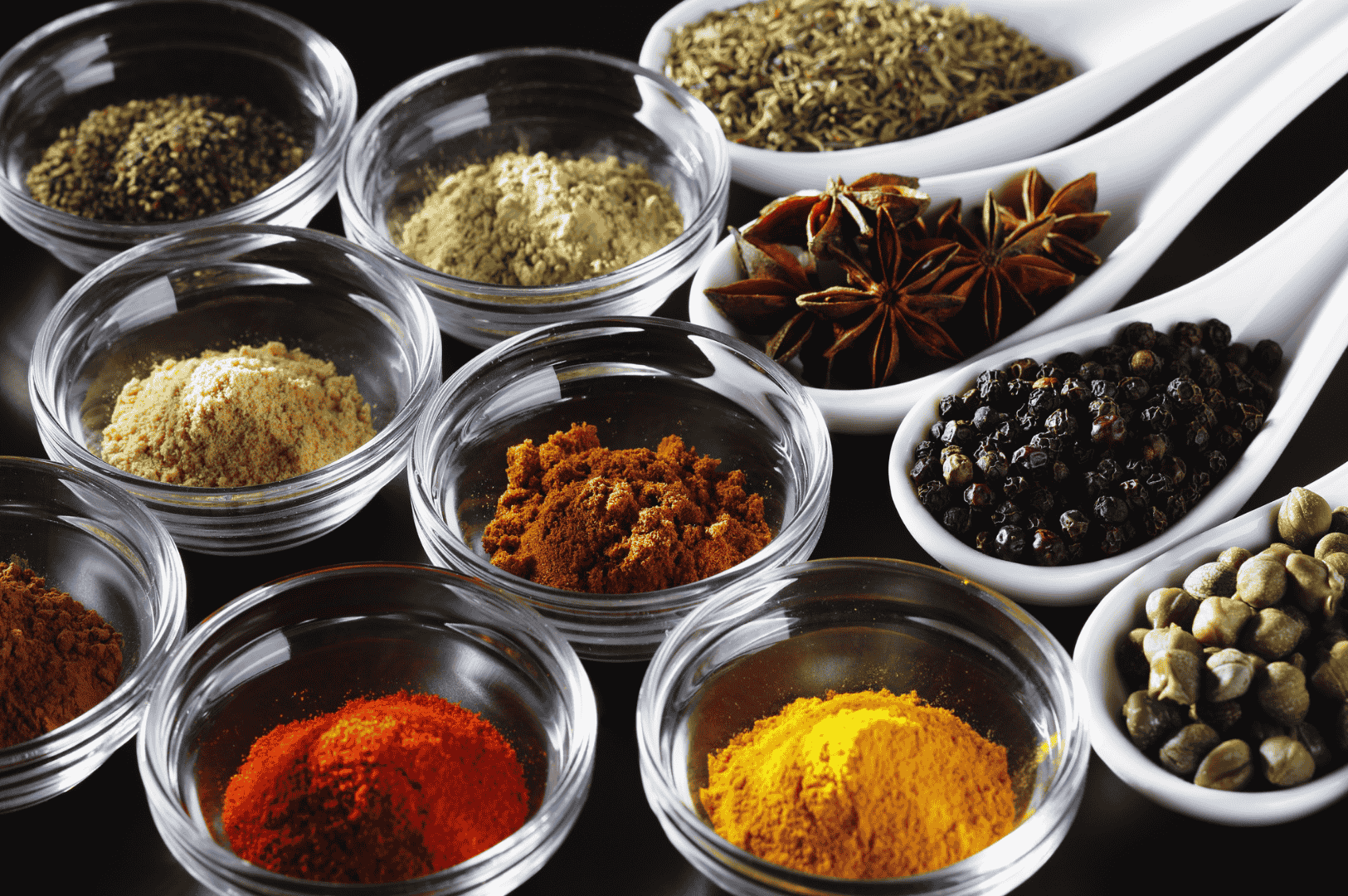
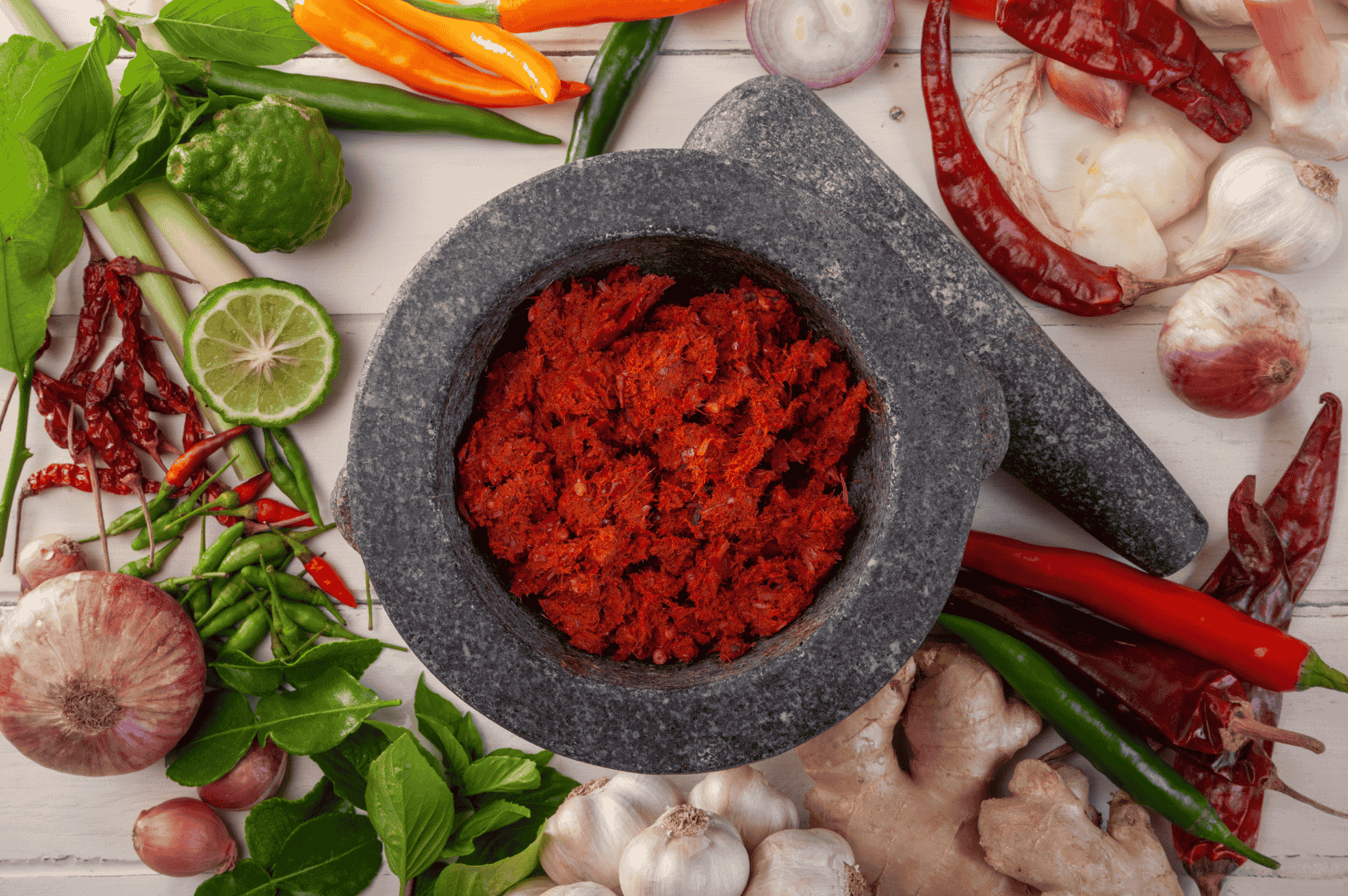
The unmistakable flavor of authentic khao soi curry comes from its fragrant homemade curry paste. If you’re short on time, many home cooks use store bought curry paste and customize it with signature spices—but nothing compares to homemade curry paste made in a food processor or mortar and pestle.
Key Ingredients in Khao Soi Curry Paste:
- Dried red chilies
- Garlic
- Fresh turmeric (or powder)
- Ginger
- Shallots
- Lemongrass
- Coriander seed, curry powder, and cardamom
- Shrimp paste (optional for added umami)
- Kaffir lime leaves
This paste is sizzled in coconut oil or vegetable oil over medium-high heat until fragrant, releasing a depth of flavor essential to every bowl of khao soi. When making khao soi curry at home, use good-quality coconut cream and low sodium chicken stock for the richest, creamiest consistency.
Fried Noodles, Cooked Noodles & More: Essential Khao Soi Components
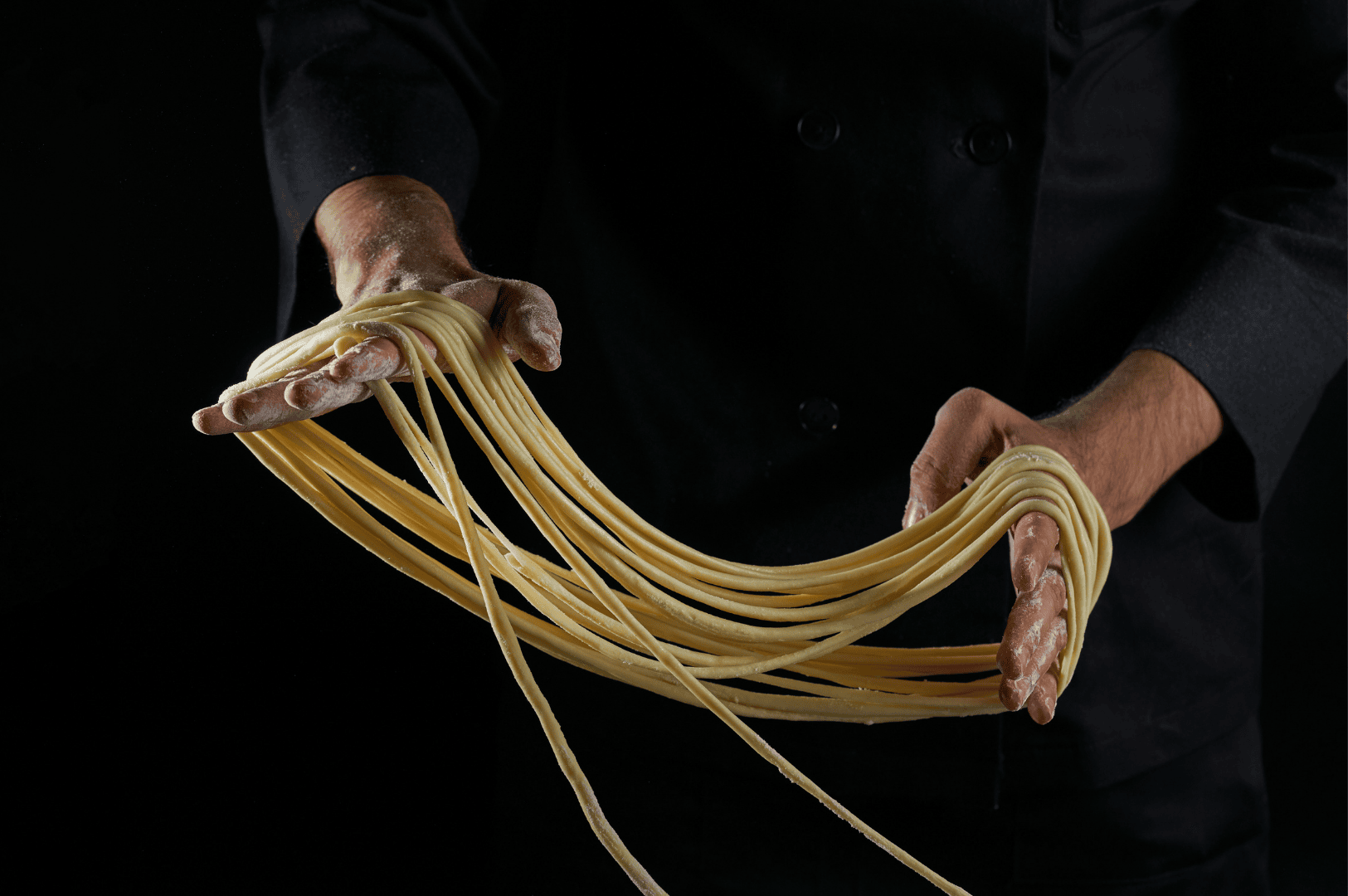
Egg Noodles: The Dual Texture Experience
The hallmark of khao soi lies in its two types of egg noodles—one batch boiled until just-cooked and portioned into serving bowls, the other deep-fried until golden brown and crunchy. The combination of cooked noodles and crispy noodles creates a play of textures with every bite. At most restaurants, you'll find this signature duo in every authentic khao soi bowl.
The Key Condiments: Mustard Greens & Beyond
Don’t skip the traditional condiments—they’re key to the dish’s flavor balance:
- Pickled mustard greens (or homemade mustard greens) for a tangy crunch
- Sliced shallots for pungency
- Lime wedges for brightness and acidity
- Chili paste or chili oil for customizable heat
- Thinly sliced green onions for herbal flavor
Proteins: From Chicken to Vegetarian Versions
Classic khao soi in Chiang Mai uses bone-in chicken drumsticks or boneless chicken thighs cooked until fully tender in the curry broth. You’ll also find versions with chicken breast, beef, pork, or tofu. Add chicken, beef, or a vegetarian alternative as your protein base, and enjoy the mild curry flavor enhanced by the coconut milk.
Khao Soi Curry Paste Variations Across Northern Thai Regions
Khao soi’s recipe adapts gracefully from Chiang Mai to Chiang Rai and Pai. In Chiang Mai, the broth is thick, mildly spicy, and heavy with coconut milk. Chiang Rai variations often feature a lighter, spicier curry broth with more fish sauce or soy sauce for umami. In Pai and Mae Hong Son, locally grown herbs and chili paste blend with fresh turmeric for unique spins on the classic curry paste. Muslim communities sometimes use beef (no pork products) and a broth spiced with more curry powder and kaffir lime leaves.
Chiang Mai Noodles: Best Khao Soi Spots and Noodle Soup Staples
If you’re in Chiang Mai, seeking out the best khao soi is a delicious mission. Here are some acclaimed favorites:
- Khao Soi Khun Yai: Famous for rich curry broth and tender chicken drumsticks.
- Khao Soi Samer Jai: Serves hearty, homemade curry paste recipes and a generous helping of fried noodles.
- Khao Soi Mae Manee: Loved for its flavorful khao soi curry and customizable spice levels.
- Khao Soi Islam: Specializes in beef khao soi with a spicy, less sweet curry broth—a must for those wanting the Muslim-style version.
Most restaurants in Chiang Mai and Northern Thailand will serve khao soi alongside sticky rice or jasmine rice, so don’t forget to order a side!
Homemade Curry Paste: Authentic Khao Soi Recipe for Home Cooks
Want to eat khao soi at home? Here’s an authentic (but adaptable) recipe for this northern Thai dish:
Ingredients:
- For the khao soi curry paste: 6 dried red chilies (seeded, soaked), 5 cloves garlic, small handful ginger, 4 shallots, 1 tbsp fresh turmeric, 1 stalk lemongrass, 1 tsp curry powder, 1/2 tsp coriander seed, 1/4 tsp cardamom, optional 1 tsp shrimp paste, kaffir lime leaves, all blended in a food processor.
- For the curry: 2 tbsp coconut oil or vegetable oil, 4 boneless chicken thighs or chicken drumsticks, 1 can coconut cream, 4 cups low sodium chicken stock or veggie broth, 2 tbsp fish sauce (or more fish sauce, to taste), 1 tbsp palm sugar.
- Noodles & toppings: 1 lb fresh egg noodles, oil for frying, homemade pickled mustard greens, thinly sliced shallots, lime wedges, chili paste, green onions.
Instructions:
- Make the khao soi curry paste: Blend all paste ingredients in a food processor until smooth.
- Cook curry paste: Heat a large pot over medium heat, add coconut oil, and fry the paste for 2-3 minutes.
- Add chicken: Sear boneless chicken thighs or chicken drumsticks until golden brown.
- Add coconut milk, stock, and seasonings: Add half the coconut cream, chicken broth, fish sauce, and palm sugar. Simmer gently until the chicken is fully cooked.
- Prepare noodles: Boil 2/3 of the egg noodles in water until cooked, then drain. In a large pot or wok, fry the remaining noodles in hot oil until golden brown; remove to paper towels to drain.
- Assemble bowls: Portion the cooked noodles in serving bowls, ladle over the curry broth and add chicken. Top with crispy noodles and your favorite condiments.
Chef’s note: For extra flavor, toast the spices for your curry paste before blending.
Khao Soi Curry: Cultural Significance in Northern Thai Life
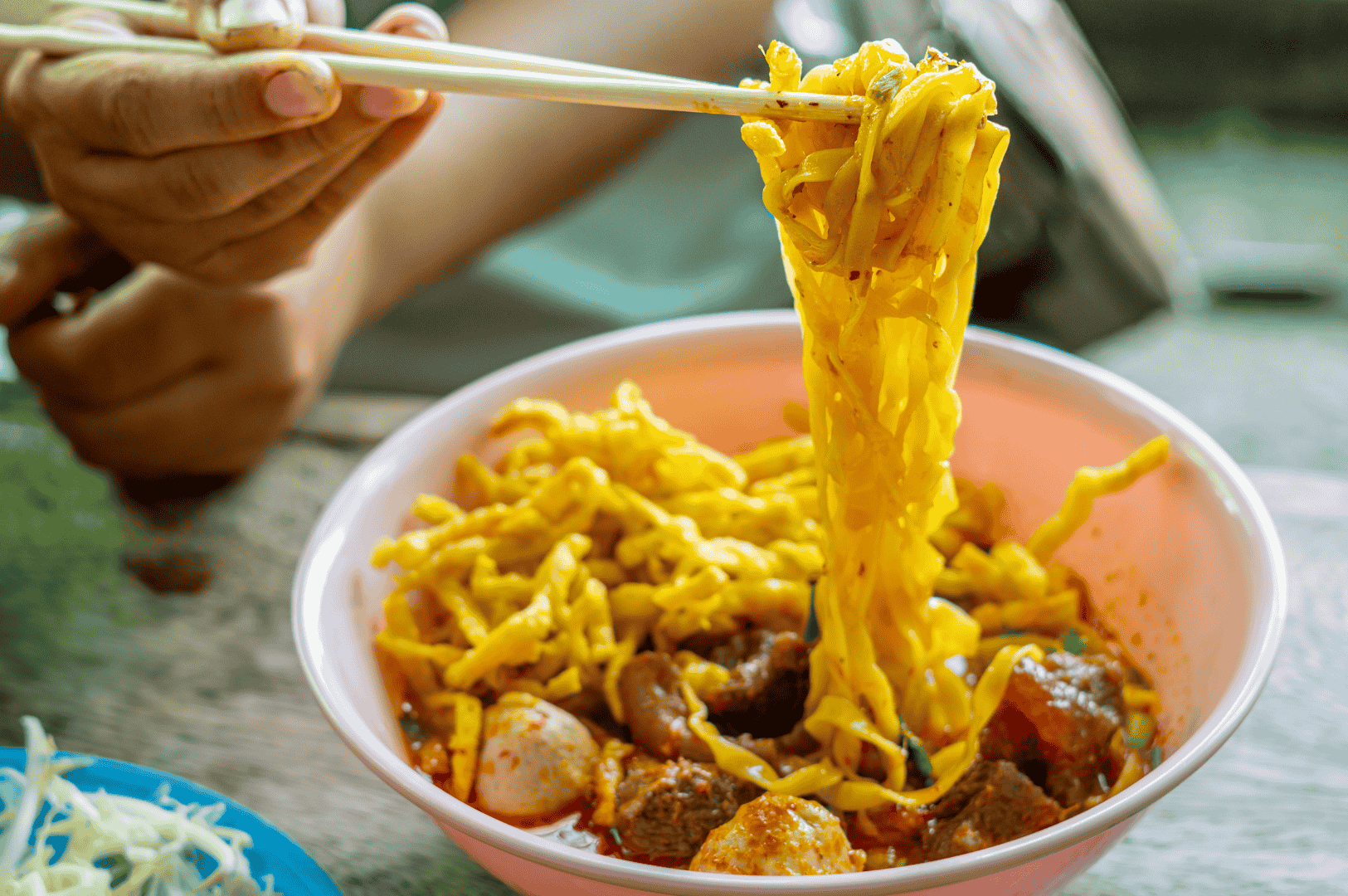
In Northern Thailand, to eat khao soi is to partake in a tradition both everyday and celebratory. This noodle soup is a staple lunch and frequent comfort food, with countless variations throughout northern Thai towns and Chiang Mai. It’s often found at both bustling open-air stalls and elegant restaurants. The ritual of adding pickled mustard greens, chili paste, and lime juice to taste is cherished by every khao soi lover.
Khao soi’s international fame has grown, appearing on many lists of best noodle soup or curry noodle dishes worldwide—and for good reason. Its deep Northern Thai roots and adaptability ensure it remains central to every food-lover’s Chiang Mai journey.
Best Khao Soi: Perfect Pairings & Drinks

No bowl of khao soi is complete without the right beverage:
- Thai iced tea: Sweet, creamy, and ideal for cutting the spice of the curry paste.
- Local craft beers: Crisp lagers or pilsners help cleanse the palate.
- Traditional herbal teas or lemongrass juice: Provide a refreshing counterpoint.
- Sticky rice or jasmine rice: Order a small bowl alongside your curry if you want extra soak for the curry broth.
Mustard Greens and More: FAQs About Khao Soi and Noodle Soup Essentials/
Is khao soi spicy?
The curry paste brings mild heat, but spiciness depends on how much chili paste you add. Most restaurants offer a chili oil garnish so each diner can adjust.
What does khao soi taste like?
It’s rich and creamy from coconut milk, with a mild curry flavor, fragrant notes of turmeric and spices, and tangy toppings like pickled mustard greens and lime juice.
What makes khao soi different from other Thai curries?
It's the combination of curry paste simmered in coconut milk with both boiled and fried noodles (adding texture), and the suite of toppings. Khao soi curry is milder than red curry and other Thai curries.
Can khao soi be vegetarian?
Yes—use veggie broth, omit shrimp paste or fish sauce, and use tofu or mushrooms instead of chicken.
What does 'khao soi' mean?
'Khao' means rice, but here it refers to the noodles; 'soi' comes from the Burmese for noodles—so it roughly translates to 'cut rice noodles.'
Is khao soi gluten-free?
No, because traditional egg noodles contain wheat, but gluten-free noodle options can be used at home.
Conclusion: Noodle Soup Perfection from Chiang Mai
Khao soi is the ultimate northern Thai comfort food—a symphony of creamy coconut milk, aromatic curry paste, crispy fried noodles, and tangy condiments. Whether you seek the best khao soi in Chiang Mai or eat khao soi homemade with fresh khao soi curry paste, this dish offers a delicious window into the flavors and warm hospitality of northern Thailand. Prepare a serving bowl at home, enjoy the mild curry broth with crunchy noodles, and savor why khao soi remains an icon of Thai cuisine.
Discover more stories and regional flavors on Eat Drink Asia, or learn about our mission and team on the About Us page.

When the Izakaya Becomes the Plan: Izakaya Singapore Beyond Dinner
Dio Asahi | January 27, 2026
As you step behind the humble noren curtain, you’re greeted by glowing lanterns, sizzling charcoal-grilled skewers, and warm welcomes. This is izakaya, Japan’s casual pub, a vibrant part of Singapore’s dining scene. More than just yakitori and sake, izakayas offer a lively setting for social drinking and dining, perfect for fans of Japanese culture. Dating…
-
Yuja Tea: Korea’s Traditional Citron Tea
Dio Asahi | January 27, 2026
The golden, aromatic steam rising from a cup of yuja tea carries centuries of Korean tradition and wellness wisdom. This caffeine-free citrus beverage has warmed Korean hearts through countless winters, offering both comfort and powerful health benefits in every sip. Made from the Korean citron known as yuja fruit, this simple Korean tea represents one…
-
The Global Phenomenon of Korean Instant Noodle: A Cultural and Culinary Journey
Eda Wong | January 24, 2026
In the high-octane streets of South Korea, where the “pali-pali” (hurry-hurry) culture defines the pace of life, one dish stands as the ultimate equalizer of speed and satisfaction: Korean ramyeon. While the world often uses the terms ramen and ramyeon interchangeably, the Korean version is a distinct entity. It is not merely a quick snack…
-
Traditional Ramyeon: The Soulful Heart of Korean Noodle Culture
Eat Drink Asia Team | January 20, 2026
In the bustling culinary landscape of South Korea, few comfort foods can match the satisfaction of a steaming bowl of ramyeon. While outside of Korea, “ramyeon” often brings to mind Korean instant noodles or instant ramen, true ramyeon Korean style refers to the artful, freshly prepared noodle soup enjoyed in homes and at local restaurants…
-
The Heart of the Korean Noodles: History and Texture
Eda Wong | January 17, 2026
In Korea, a bowl of noodles is far more than a simple dish; it is a cultural anchor that has weathered centuries of change. For generations, the length of the strand has symbolized a long and prosperous life, making Korean noodles a staple at birthdays, weddings, and the milestone 60th birthday celebration known as hwangap….
-
Preserving the ‘Big Bowl’ Tradition with Pen Cai Delivery in the Age of Doorstep Dining
Eat Drink Asia Team | January 15, 2026
Modern Festive Menu: Bringing the Big Bowl Home There is a special, undeniable magic to the Chinese New Year reunion dinner. For many families, Chinese New Year 2026 is another chance to gather loved ones at the table and celebrate with a glorious pen cai—sometimes called the “big bowl feast”—overflowing with premium ingredients and festive…
-
Sencha: Traditions, Flavors, and the Essence of Japanese Tea
Eat Drink Asia Team | January 15, 2026
When people around the world think of Japanese tea, images of tranquil tea ceremonies in small rooms or frothy bowls of matcha often come to mind. Yet, the reality of tea drinking in Japan is much broader, woven deeply into the culture and daily habits. For the vast majority, sencha is the beloved tea that…
-
The Best Restaurants Tokyo Are Rarely the Ones You Plan For
Eda Wong | January 12, 2026
Tokyo, Japan’s capital, does not reward urgency. It rewards return. On my first visit, I chased what everyone told me were the best restaurants Tokyo had to offer. I spent weeks highlighting maps, bookmarking digital “must-eat” lists, and refreshing reservation pages until my eyes blurred. I thought that by conquering the top-tier establishments, I would…
-
Japan and Food: Culinary Harmony – The Deep Connection Between Japanese Food and Culture
Eat Drink Asia Team | January 11, 2026
When it comes to Japan and food, the two are intertwined in ways that captivate taste buds and awaken the senses. Japanese cuisine stands as one of the world’s most revered traditions—more than nourishing meals, it is an art reflecting centuries of philosophy and a window into Japanese culture itself. Every bowl of miso soup,…
-
The Verdant Cup: A Celebration of Green Tea in Japan
Eda Wong | January 10, 2026
In Japan, green tea is much more than a beverage. It marks a moment of pause, hospitality, and tradition. The story of green tea in Japan weaves through centuries of culture, artistry, and daily life—bridging ancient rituals like the Japanese tea ceremony to everyday meals enjoyed at home. The origins and beginning of Japanese tea…