The damp morning mist still clings to the teakwood houses of Luang Prabang as an elderly cook tends to a glowing charcoal brazier. Sparks jump lightly into the cool air, illuminating the blackened belly of an aluminium pot. Inside, a thick, dark liquid bubbles rhythmically, releasing an incredibly aromatic cloud of charred lemongrass, sweet Thai basil, and the sharp, earthy bite of wood smoke. She gently stirs the mixture with a long wooden spoon, coaxing the dense ingredients into a cohesive, bubbling mass. The heat radiating from the stove offers a quiet comfort against the morning chill, setting an unhurried, deliberate pace for the day’s culinary journey in this quiet Laotian town.
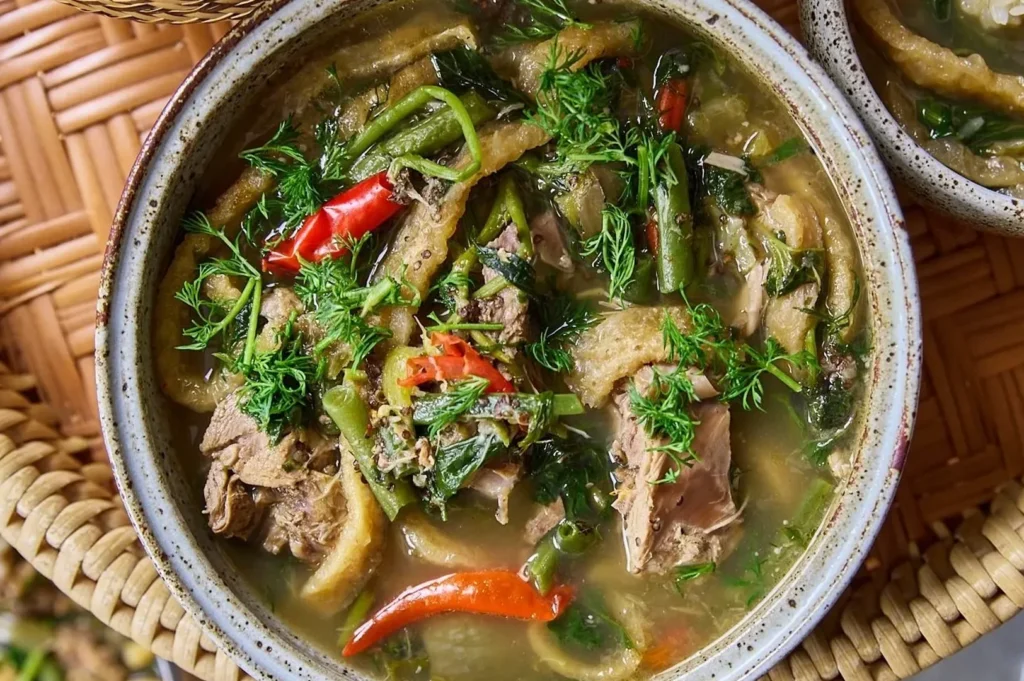
This slow-simmering cauldron holds or lam (pronounced aw-lam), a deeply complex, gently thickened Lao stew that acts as a celebration of flavours from the surrounding jungles. It is not a delicate broth, but rather a robust, heavily textured dish traditionally built on a foundation of buffalo skin, pounded sticky rice, and wild mushrooms. But the defining soul of this dish comes from a uniquely regional ingredient: sakhan (pronounced sah-kahn), a woody, fibrous vine often called forest pepper. Preparing sakhan requires a specific, preservation-focused craft ritual. The tough, knobbly stems are chopped into small, rough cylinders and tossed directly into the boiling stew. Diners do not swallow the wood; instead, they chew on the porous bark, extracting an intense, tingling spiciness that gently numbs the lips, much like Sichuan peppercorns but with a deeper, herbaceous resonance.
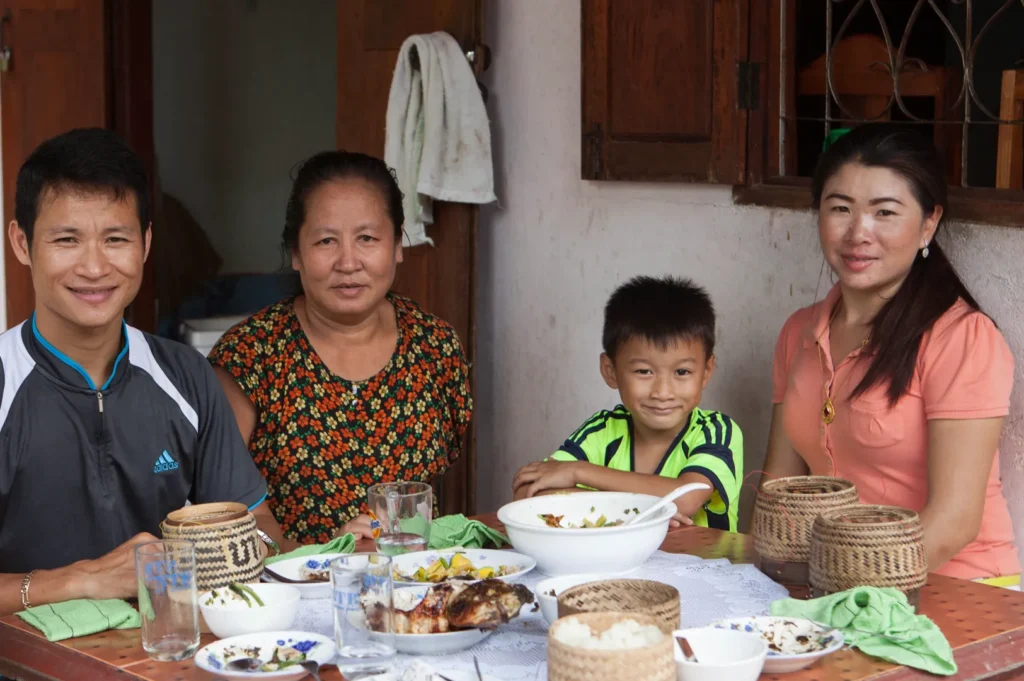
In the ancient capital, gathering around a bowl of or lam is one of the most fundamental shared experiences of local life. It reflects a profound, everyday connection to the Mekong River and the dense green mountains that cradle the city. The stew is rarely eaten alone. It demands the communal tearing of fresh, sticky rice, rolled by hand and dipped into the thick, dark gravy to soak up its earthy richness. Whether served at a quiet family dinner or prepared for a community gathering, this diverse pot of foraged vegetables and meats signals resourcefulness. It represents a way of eating that relies entirely on the immediate landscape, preserving a taste the world often overlooks in favour of more commercialised Southeast Asian curries.
What feels so vital about or lam right now is its stubborn refusal to yield to modern culinary convenience. As Eat Drink Asia highlights, the stew’s slow ritual is inseparable from its regional identity. In a time when fast-paced, trend-setting urban diets favour quick stir-fries and instant pastes, extracting the authentic, nuanced flavour of sakhan demands time-consuming effort. You cannot rush the breakdown of tough vines or the slow thickening of pounded rice. The stew requires a patient surrender to the slow boil. It stands as a quiet act of resistance, maintaining its regional identity by insisting that diners slow down, chew the fibrous bark, and actively engage with their meal rather than mindlessly consuming it.
Setting down an empty bowl, the residual tingling of the forest pepper lingers on the tongue long after the heat of the stew has faded. It is a lingering, visceral reminder of the landscape itself—a beautiful reflection of regional identity that remains deeply rooted in the soil and smoke of Luang Prabang.

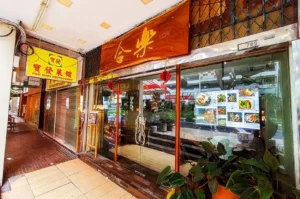
Hup Lok at Havelock Road: A Teochew Fish Soup Carrying Memory Forward
Eda Wong | September 8, 2026
The bowl arrives before anything else does. Steam lifts off it in slow ribbons, carrying the smell of ginger and something warmer underneath: the round, boozy note of hua tiao wine settling into fish. I lean in before I even pick up my spoon. The broth is pale gold and cloudy, thick enough that it…
-
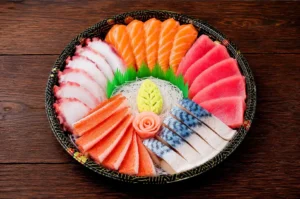
Fresh Sashimi Singapore: Places for Clean Cuts, Quiet Counters, and Fish That Still Feels Alive
Eda Wong | September 5, 2026
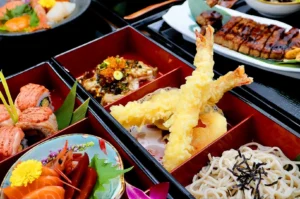
I didn’t grow up eating raw fish. For years, sashimi felt like something you learned to appreciate rather than something you loved. Cold, foreign, a little intimidating. Then one afternoon, at a quiet counter, a chef placed a single slice of chutoro in front of me and said nothing. I ate it. And I understood….
-
Pattaya Garden Restaurant and the Thai Meal That Knows How to Feed a Group
Eat Drink Asia Team | September 3, 2026
The rice came down first. A plain bowl, warm and steaming, set in the middle of the table before anything else. Then the green curry, in a bowl wide enough for four spoons to reach at once. And within a minute the table stopped being a set of individual meals and became one shared thing,…
-
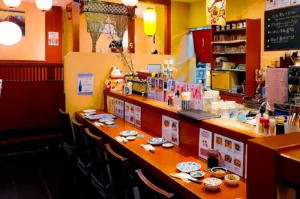
At Keria Japanese Restaurant, the Meal Begins Before the First Bite
Dio Asahi | September 3, 2026
By Dio Asahi for Eat Drink Asia. The lift opens onto a corridor leading to the famed and hidden Cuppage Plaza food, and the building’s age shows in the flickering fluorescent light and the smell of old carpet. Then a sliding door pulls back, and Keria Japanese Restaurant asks you to slow down. Inside, it…
-
The Round Kaya Bun at Chin Mee Chin Confectionery, and the Mornings It Keeps
Eda Wong | September 2, 2026
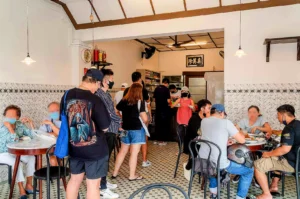
By Eda Wong for Eat Drink Asia. It’s not quite eight, and the pastel-blue shophouse is already awake. Kopi cups clink against saucers. A ceiling fan turns slow overhead. Someone folds a newspaper at a marble-topped table, and the man behind the counter moves without hurry, sliding buns across in a rhythm he’s clearly done…
-
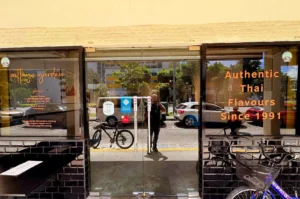
Nana Original Thai Food and the Thai Meal That Keeps Changing Its Accent
Eda Wong | September 1, 2026
The tom yum arrived first, and the first spoonful hit sour and hot at once, lime and chilli chasing each other down the throat. This classic Thai dish features a spicy sauce and aromatic herbs that awaken the taste buds straight away, setting the stage with its bold flavors. Then the pineapple rice came, sweet…
-
Pad Thai Recipe for People Who Know the Noodles Can’t Be an Afterthought
Dio Asahi | August 29, 2026
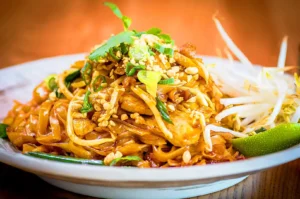
The first time I made Pad Thai, I ruined it before the wok was even hot. I’d left the noodles soaking while I answered a phone call. Ten minutes turned into forty. By the time I drained them, they were already soft, already surrendered. Everything I did in the pan after that was damage control….
-
Best Japanese Restaurant Singapore: Places That Nail the “First Bite”
Eat Drink Asia Team | August 27, 2026
I built this list around a very specific feeling: that first bite where the room goes quiet for a second. I’ve tried enough Japanese restaurants in Singapore over the years to know that “best” does not always mean the most expensive, the rarest, or the hardest to book. Sometimes it is the warmth of the…
-
Not Just Seafood: How Araya Shouten Keeps Japanese Fishing Culture Alive in Singapore
Eat Drink Asia Team | August 26, 2026
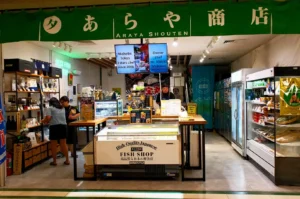
Japanese cuisine has long been admired for its attention to seasonality, precision, and respect for ingredients. However, behind every piece of sashimi or carefully prepared seafood dish lies a story that begins far away from the dining table, often with fishermen, coastal communities, and generations of knowledge passed down through time. At Araya Shouten, seafood…
-
The Ginger Shoyu Ramen at Ramen Soshiji, Where Orchard Goes Quiet
Dio Asahi | August 26, 2026
By Dio Asahi for Eat Drink Asia. The lift opens on the third floor of Orchard Plaza, and for a second I don’t know which way to turn. The corridor is dim and still, the kind of quiet that feels almost accidental in this part of town. A few doors down, an unmarked entrance. Inside,…