The damp morning mist still clings to the teakwood houses of Luang Prabang as an elderly cook tends to a glowing charcoal brazier. Sparks jump lightly into the cool air, illuminating the blackened belly of an aluminium pot. Inside, a thick, dark liquid bubbles rhythmically, releasing an incredibly aromatic cloud of charred lemongrass, sweet Thai basil, and the sharp, earthy bite of wood smoke. She gently stirs the mixture with a long wooden spoon, coaxing the dense ingredients into a cohesive, bubbling mass. The heat radiating from the stove offers a quiet comfort against the morning chill, setting an unhurried, deliberate pace for the day’s culinary journey in this quiet Laotian town.
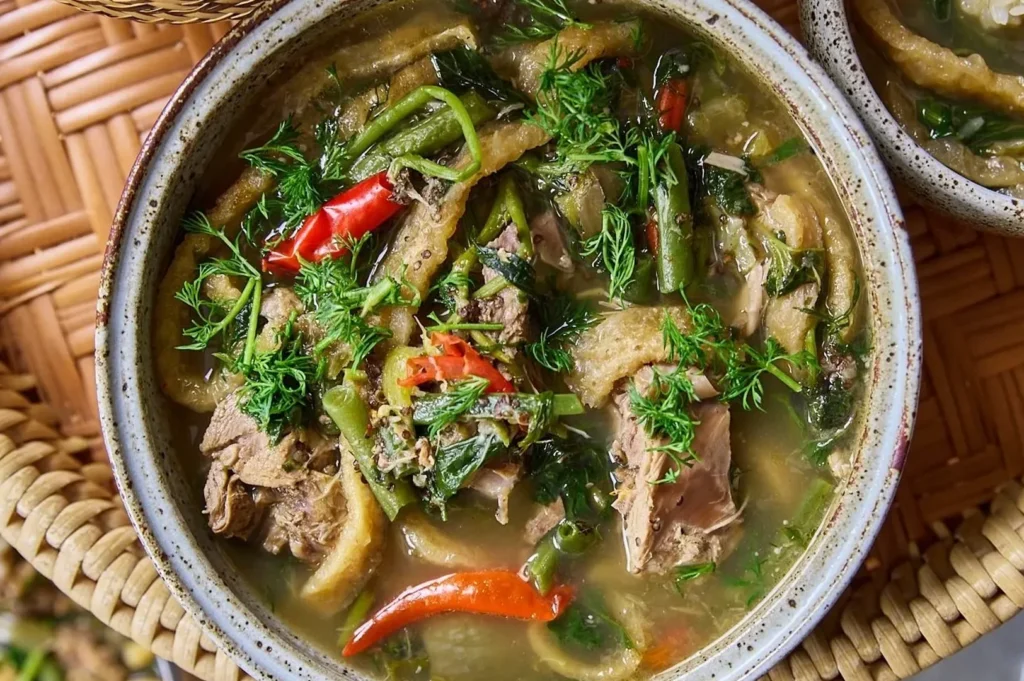
This slow-simmering cauldron holds or lam (pronounced aw-lam), a deeply complex, gently thickened Lao stew that acts as a celebration of flavours from the surrounding jungles. It is not a delicate broth, but rather a robust, heavily textured dish traditionally built on a foundation of buffalo skin, pounded sticky rice, and wild mushrooms. But the defining soul of this dish comes from a uniquely regional ingredient: sakhan (pronounced sah-kahn), a woody, fibrous vine often called forest pepper. Preparing sakhan requires a specific, preservation-focused craft ritual. The tough, knobbly stems are chopped into small, rough cylinders and tossed directly into the boiling stew. Diners do not swallow the wood; instead, they chew on the porous bark, extracting an intense, tingling spiciness that gently numbs the lips, much like Sichuan peppercorns but with a deeper, herbaceous resonance.
In the ancient capital, gathering around a bowl of or lam is one of the most fundamental shared experiences of local life. It reflects a profound, everyday connection to the Mekong River and the dense green mountains that cradle the city. The stew is rarely eaten alone. It demands the communal tearing of fresh, sticky rice, rolled by hand and dipped into the thick, dark gravy to soak up its earthy richness. Whether served at a quiet family dinner or prepared for a community gathering, this diverse pot of foraged vegetables and meats signals resourcefulness. It represents a way of eating that relies entirely on the immediate landscape, preserving a taste the world often overlooks in favour of more commercialised Southeast Asian curries.
What feels so vital about or lam right now is its stubborn refusal to yield to modern culinary convenience. As Eat Drink Asia highlights, the stew’s slow ritual is inseparable from its regional identity. In a time when fast-paced, trend-setting urban diets favour quick stir-fries and instant pastes, extracting the authentic, nuanced flavour of sakhan demands time-consuming effort. You cannot rush the breakdown of tough vines or the slow thickening of pounded rice. The stew requires a patient surrender to the slow boil. It stands as a quiet act of resistance, maintaining its regional identity by insisting that diners slow down, chew the fibrous bark, and actively engage with their meal rather than mindlessly consuming it.
Setting down an empty bowl, the residual tingling of the forest pepper lingers on the tongue long after the heat of the stew has faded. It is a lingering, visceral reminder of the landscape itself—a beautiful reflection of regional identity that remains deeply rooted in the soil and smoke of Luang Prabang.

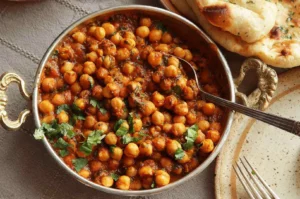
Chana Masala With Warm Roti, Built for Weeknights: Quick Vegetarian Dinner Recipes Indian
Dio Asahi | July 14, 2026
The first time I made chana masala, I started with dried chickpeas at 7:30 on a weeknight, soaking and boiling like the recipe said. By the time the curry was actually done, it was nearly ten and I’d already eaten half a loaf of bread out of sheer hunger. That night taught me something I…
-
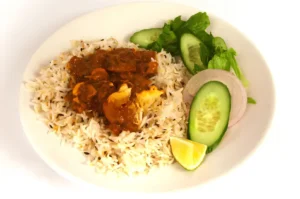
One-Pan Chicken Curry With Jeera Rice and Cucumber Raita: Food for Dinner Indian, Made Practical
Eat Drink Asia Team | July 11, 2026
The first time we cooked a full Indian dinner on a weeknight, the curry, rice, and raita felt like three separate tasks—three pans, three timers, and a kitchen full of wonderful smells but chaos. The curry was good, the rice sticky, and the raita watery from being made too early. That night taught us a…
-
Banana Leaf Steam: Why Some Rice Smells Like Home
Eda Wong | July 10, 2026
Steam rises from the pot, and a woman lifts a banana leaf over the open flame, turning it once, twice, until its stiff green softens and the surface goes glossy and pliant. She wipes it down with a damp cloth, then spoons hot rice into its center while the grains still steam. The leaf releases…
-
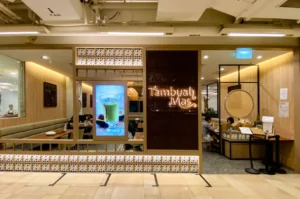
Tambuah Mas Paragon, Delivered: Unique Food Delivery Singapore With Old-School Comfort
Eda Wong | July 9, 2026
I ordered from Tambuah Mas on a rainy Sunday at around 6:15pm, mostly because I wasn’t in the mood to dress up and head into town, but I still wanted a proper meal. Not a sad one-bowl lunch. A real spread. That’s the thing about Tambuah Mas. It’s been around since 1981, serving Indonesian home-style…
-
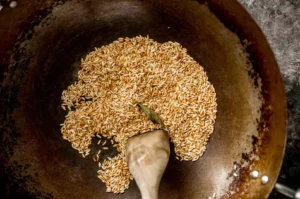
Toasted Rice Powder: The Dust That Makes Larb Sing
Dio Asahi | July 8, 2026
A wok sits over a low flame, and a handful of raw sticky rice slides across its dry surface. No oil, no water—nothing but heat and patience. The grains pale, then blush amber, then deepen toward the color of weak tea. Someone shakes the pan in a slow, even rhythm, listening as much as watching….
-
Ordering Lunch From Co Hai Banh Mi, and Finding Out the Definition of Good Food Delivery
Dio Asahi | July 7, 2026
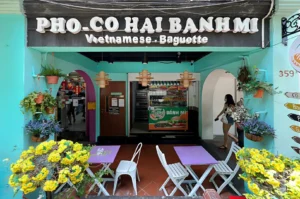
I ordered lunch from Co Hai Banh Mi & Phở Vietnamese Restaurant on a Thursday at 12:08pm, which is probably the worst and most honest time to test delivery food. It was raining lightly, the kind of Singapore lunch rain that makes every rider slower and every office worker hungrier. I had been thinking about…

Orchard Plaza Food: Hidden Japanese Restaurants and Local Eats Near Somerset
Eat Drink Asia Team | July 4, 2026
Orchard Plaza is one of those buildings we kept walking past before we properly understood it. From the street, it looks more like an office block than a dinner plan. But over repeated visits, usually after work or during odd lunch windows, we’ve found that the real charm sits behind lift doors, quiet corridors, and…
-
Salted Egg, Properly Treated: Sauce, Not Shortcut
Eda Wong | July 3, 2026
By Eda Wong for Eat Drink Asia. The wok station is already hot when the cook lowers the flame. In the narrow back of a Singapore zi char kitchen, the air smells of butter, curry leaves, and the faint mineral edge of salted duck egg. A metal spatula presses cooked yolks through oil until they…
-
Fish Sauce at the Table: The Quiet Work of Fish Sauce
Dio Asahi | July 1, 2026
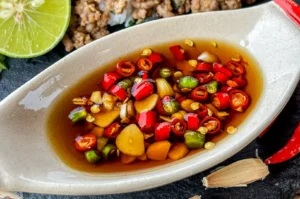
At a narrow lunch table in Bangkok, the bottle arrives before the rice has stopped steaming. It is clear glass, refilled many times, its plastic cap slightly stained from years of fingers and heat. Beside it sits a small bowl of sliced chillies floating in amber liquid, the cut edges pale and sharp. Someone nudges…
-
Eat 3 Bowls Bendemeer Review: A Taiwanese Comfort Food That Delivers
Eda Wong | June 30, 2026
I ordered Eat 3 Bowls @ Bendemeer on a Thursday at about 11:45am, which is my favourite test window for delivery food. It’s close enough to lunch for the kitchen to be in rhythm, but not so late that every rider in the neighbourhood is already fighting the office crowd. By 12:25pm, the bag was…