This post may contain affiliate links. For full transparency, this article may contain affiliate links.
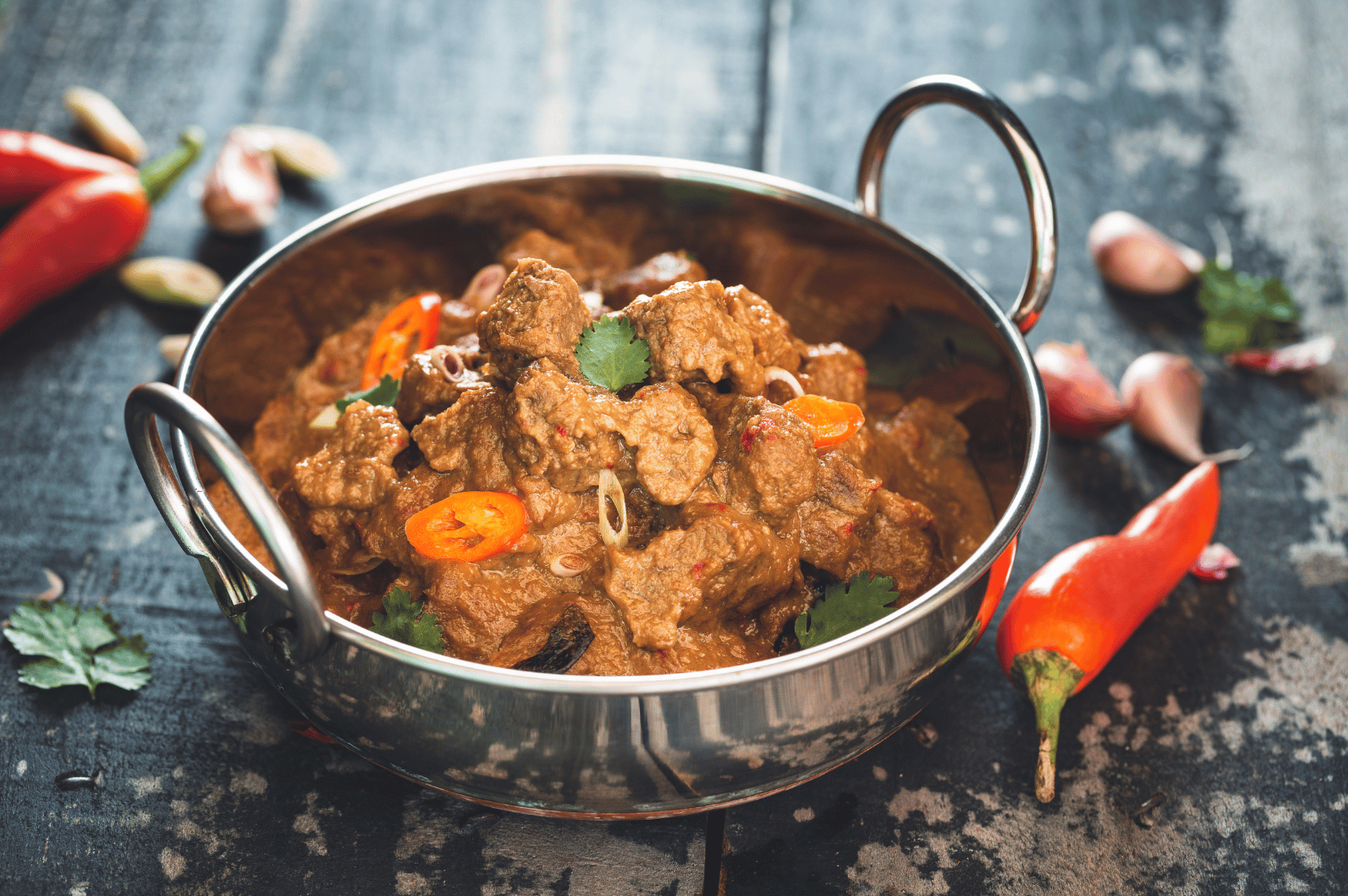
To call Padang beef rendang simply a dish is to miss the soul of Indonesian cuisine. This legendary slow-cooked dry curry, a centerpiece of both festive tables and humble meals, has earned its fame as one of the world’s most absolutely delicious foods. Whether enjoyed with plain steamed rice or as a star offering at hari raya, beef rendang is much more than food—it’s a preserved cultural treasure, a rich tale simmered into every bite. What makes the best beef rendang? Aromatic spices, creamy coconut milk, and hours of care—these are just the start.
Let’s embark on a flavorful journey: we’ll explore beef rendang’s Minangkabau roots, unravel the science of its iconic slow cooking process, and discover how you can make this delicious dish at home. By the end, you’ll appreciate why Padang rendang stands out among rendang recipes, and perhaps be inspired to pull out your Dutch oven and make the best beef rendang yourself.
A Storied Beginning: The Origins of Padang Beef Rendang
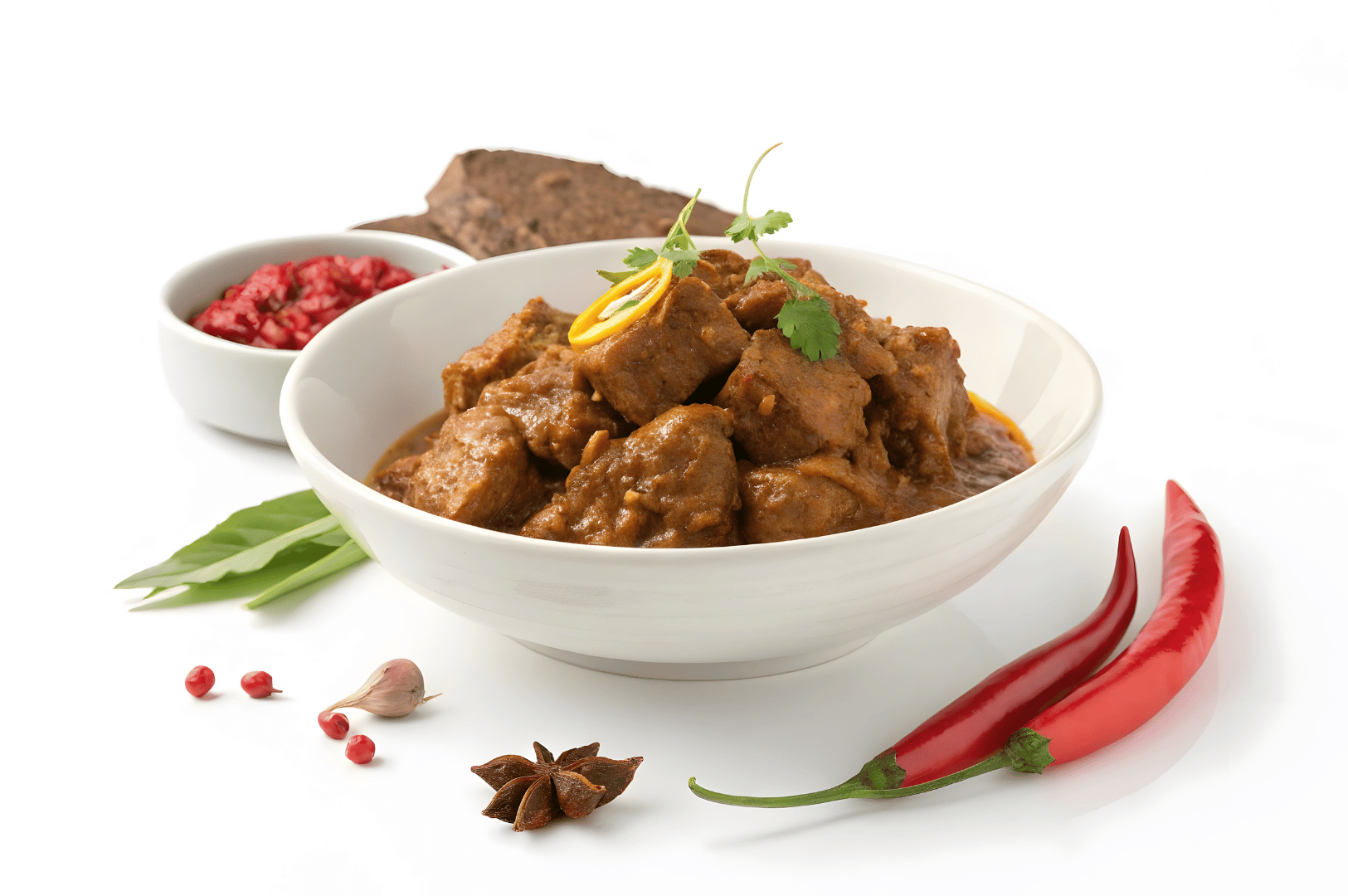
The legacy of Padang beef rendang begins in the lush highlands of West Sumatra. This region, home to the Minangkabau people, is renowned for bold flavors and vibrant food culture. Long before refrigeration, this community mastered the art of preservation: by slow cooking beef in coconut milk, along with a powerful blend of herbs and spices, they created a dish that could last weeks—essential for travelers and traders. Cooking rendang traditionally involves a slow-cooking process that not only develops deep flavors but also preserves the beef for extended periods.
As legend and records from the late 16th century suggest, rendang was a practical method to ensure tender beef would survive long journeys over rivers and through mountains. The low, slow heat and spiced coconut milk acted as natural preservatives, warding off spoilage. Over centuries, this functional survival food evolved. By the 19th century, rendang had transformed into a celebratory meal, shared at weddings, religious holidays, and community gatherings. Today, authentic rendang is at the heart of Minangkabau feasts, signifying generosity and kinship.
From Food to Philosophy: The Cultural Significance of Rendang
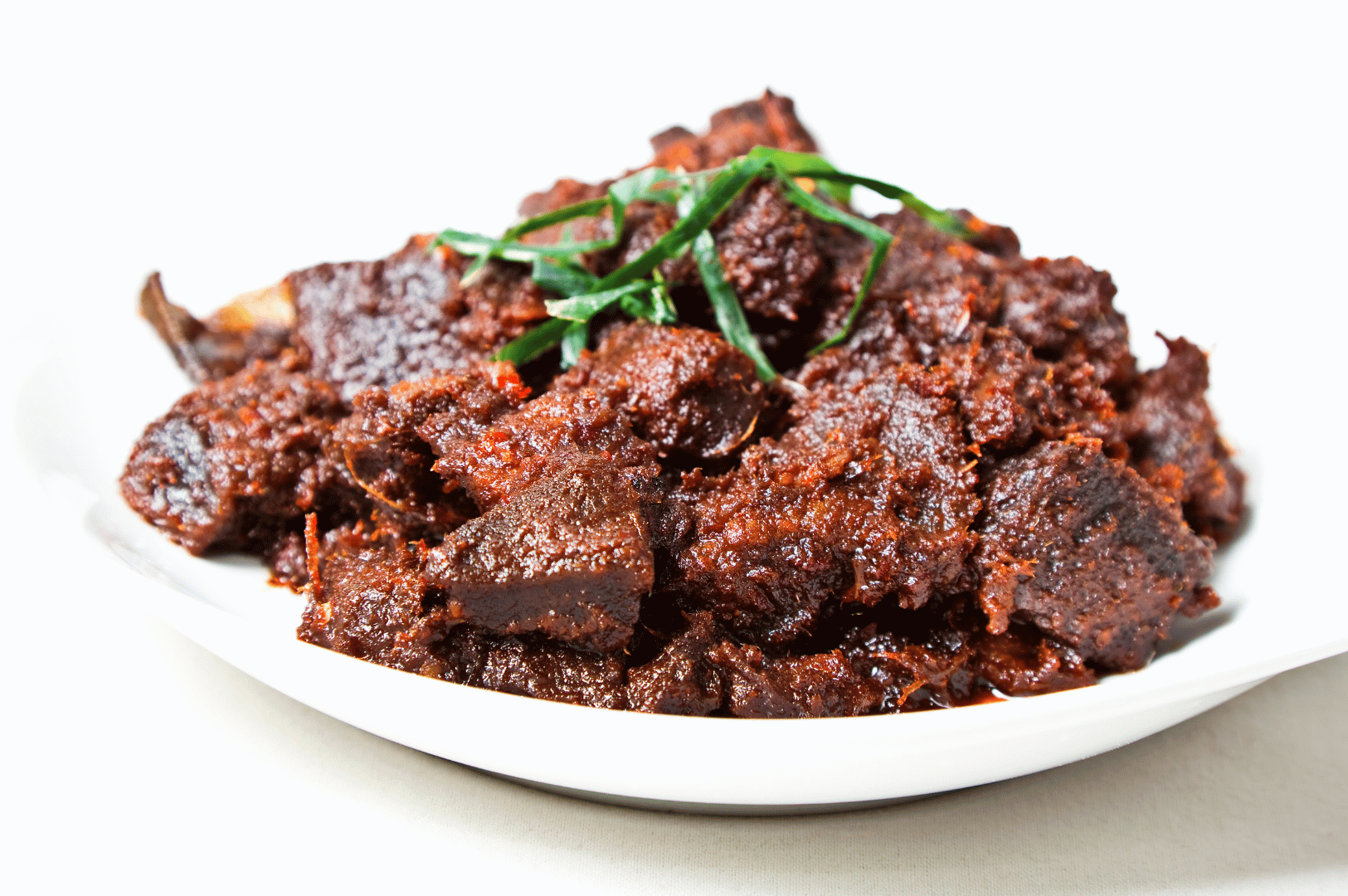
In Minangkabau tradition, beef rendang is more than cuisine; it embodies the values of their society. Each ingredient tells a story. The tender beef symbolizes respected elders, coconut milk represents intellectual and spiritual leaders, chilies signify tradition and moral guidance, and the symphony of spices—star anise, cinnamon stick, cardamom pods, and more—reflects the diverse members of the community.
Preparing rendang, especially for special occasions like hari raya, often turns into a group activity. Family and friends gather to stir the pot, ensuring the beef stew slowly thickens to perfection. Patience and unity are essential, echoing the Minang philosophy that great things are achieved together and over time. It’s not only the delicious rendang that lingers—it’s the memory of shared laughter and stories.
The Four Cooking Stages of Authentic Rendang
One of the most distinctive aspects of Padang beef rendang is its four-stage transformation—a process that every authentic beef rendang recipe respects. This gradual shift is what sets Padang rendang apart and creates its legendary depth of flavor.
1. Gulai: The journey begins with beef, coconut milk, and the spice paste (bumbu or curry paste) simmered together. At this stage, the dish resembles a vibrant, soupy curry, richly yellow from turmeric and other fresh spices.
2. Kalio: As the water and coconut milk evaporate, the mixture thickens, and the oils start to surface. Kalio is a beef stew that’s saucy and slightly sweet, a must-try for those who prefer their beef rendang on the wetter side.
3. Rendang: Authentic Indonesian rendang is born in stage three. The sauce is reduced to a thick, clinging coating. The beef is fork-tender and suffused with the flavors of coriander seeds, kaffir lime leaves, lemongrass paste, and ground spices. The spiced coconut milk begins to caramelize, turning the stew deep brown.
4. Hitam (Black Rendang): If left even longer, the beef darkens further, becoming almost black. This is the stage where you achieve traditional dry beef rendang, with all the liquid evaporated and the beef coated in a dry, caramelized spice mixture. This dry curry style, or rendang hitam, is particularly prized for its intensity and for keeping well without refrigeration—an echo of its origins.
The Spice Paste: Flavor’s Beating Heart
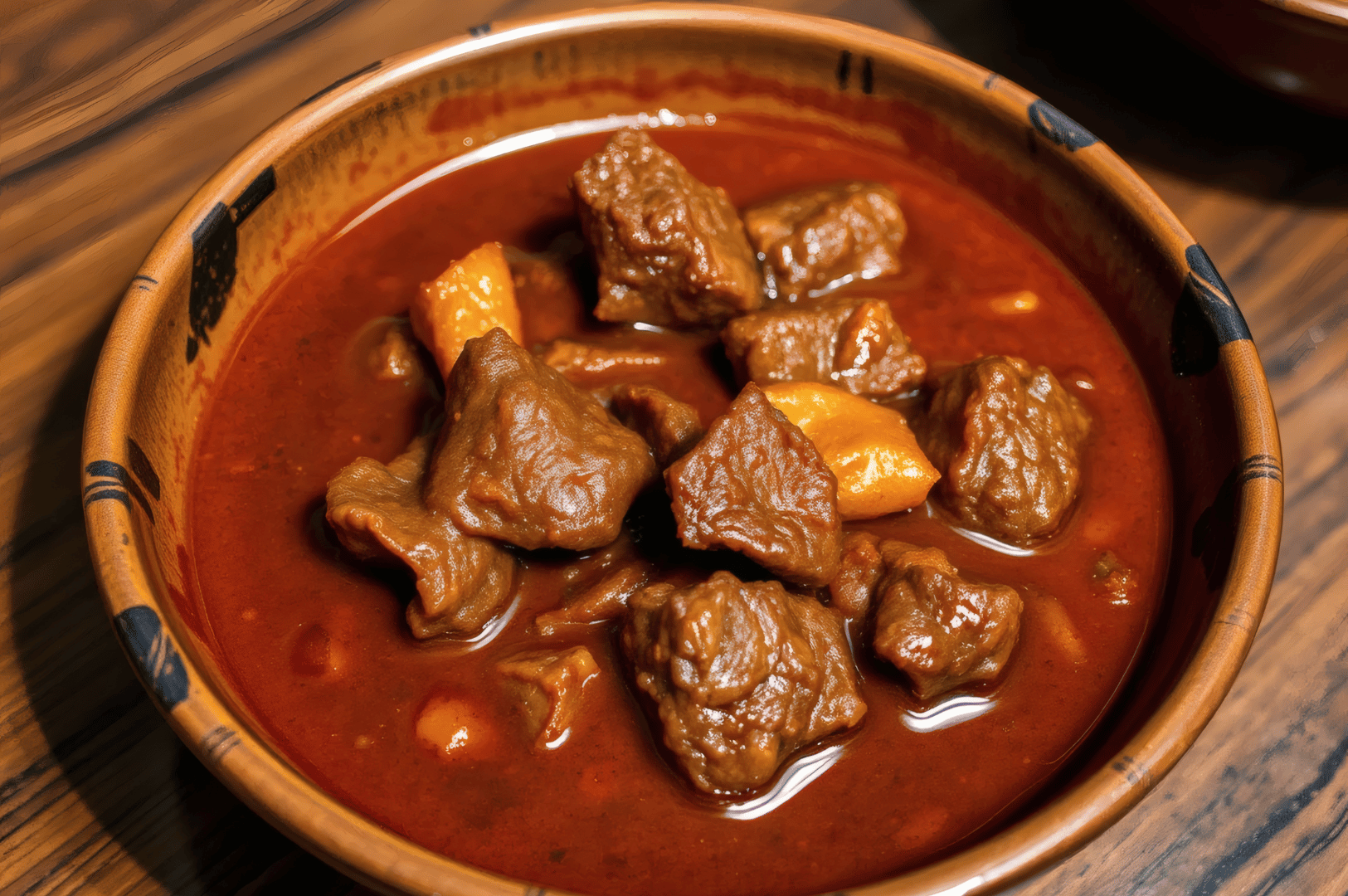
The famous complexity of rendang lies in its spice paste. For the best beef rendang, you’ll want to gather aromatic herbs and spices—this is not the time for shortcuts! The classic spice mix (bumbu) for Padang rendang includes:
- Aromatic roots: Fresh galangal, ginger, and turmeric (or fresh turmeric, if available).
- Fragrant leaves and stalks: Lemongrass, kaffir lime leaves, turmeric leaves, and pandan are all used for their scent and flavor.
- Alliums: Shallots and garlic build the savory base.
- Heat: Chili peppers for spice; add more or less to taste.
- Warming notes: Star anise, cinnamon stick, coriander seeds, cardamom pods, and nutmeg.
- Nutty elements: Candlenuts or toasted grated coconut (kerisik or desiccated coconut) for creaminess and texture. Toasted coconut, carefully browned in a dry pan until golden and fragrant, is essential for achieving the signature flavor, aroma, and rich texture of authentic rendang.
A food processor makes breaking down the ingredients easy at home, but traditional rendang recipes rely on grinding with a stone mortar and pestle for richer oils and subtle flavors.
The Crucial Role of Slow Cooking
For authentic beef rendang, slow cooking is non-negotiable. Traditionally, cooks slow cook the beef at low heat for hours with the lid on, ensuring the meat becomes tender, caramelized, and deeply flavorful. Only low, gentle heat over several hours can achieve the transformation Padang is known for. Here’s why slow cooking matters so much:
- Tender beef: Using cuts like beef chuck or even beef short ribs, slow heat breaks down connective tissue and infuses flavor, delivering beef you can cut with a spoon.
- Deep flavor: The long simmer in coconut milk, along with fresh spices and coconut cream, allows those flavors to fully develop and mingle, especially as water or coconut milk gradually evaporates.
- Dry curry finish: As the liquid reduces, the separated oil fries the spice paste and meat gently, creating those signature caramelized, concentrated flavors that mark the best beef rendang.
- Preservation: By the end, you have not just a delicious dish, but a recipe ideal for keeping—rendang daging was, after all, created to last.
Signature Variations: More than One Rendang
While Padang beef rendang is often seen as the gold standard thanks to West Sumatra’s expertise, adventurous eaters can explore rendang’s many regional faces. Different regions and cooks make rendang with unique ingredients or techniques, such as using kerisik or varying the type of meat.
- Malaysian beef rendang: Often features kerisik (toasted grated coconut), brown sugar or palm sugar for sweetness, and remains wetter.
- Javanese Beef Rendang: Sweeter and saucier, with more coconut milk and sometimes tamarind paste for tanginess.
- Chicken Rendang (Rendang Ayam): A shorter-cooked but equally flavorful option, perfect for fans of chicken rendang recipe variations.
- Vegetarian/vegan rendang: Using jackfruit, potatoes, or tofu, these rendang recipes prove the spice paste and slow cooker technique can turn almost any centerpiece into a delicious food adventure.
- Rendang Tok: A dry curry from Perak, Malaysia, with a distinct mix of ground and whole spices, also slow cooked for rich depth.
What unites them is the backbone of creamy coconut milk, aromatic spices, and a devotion to time-honored technique.
Expert Tips for Making the Best Beef Rendang at Home
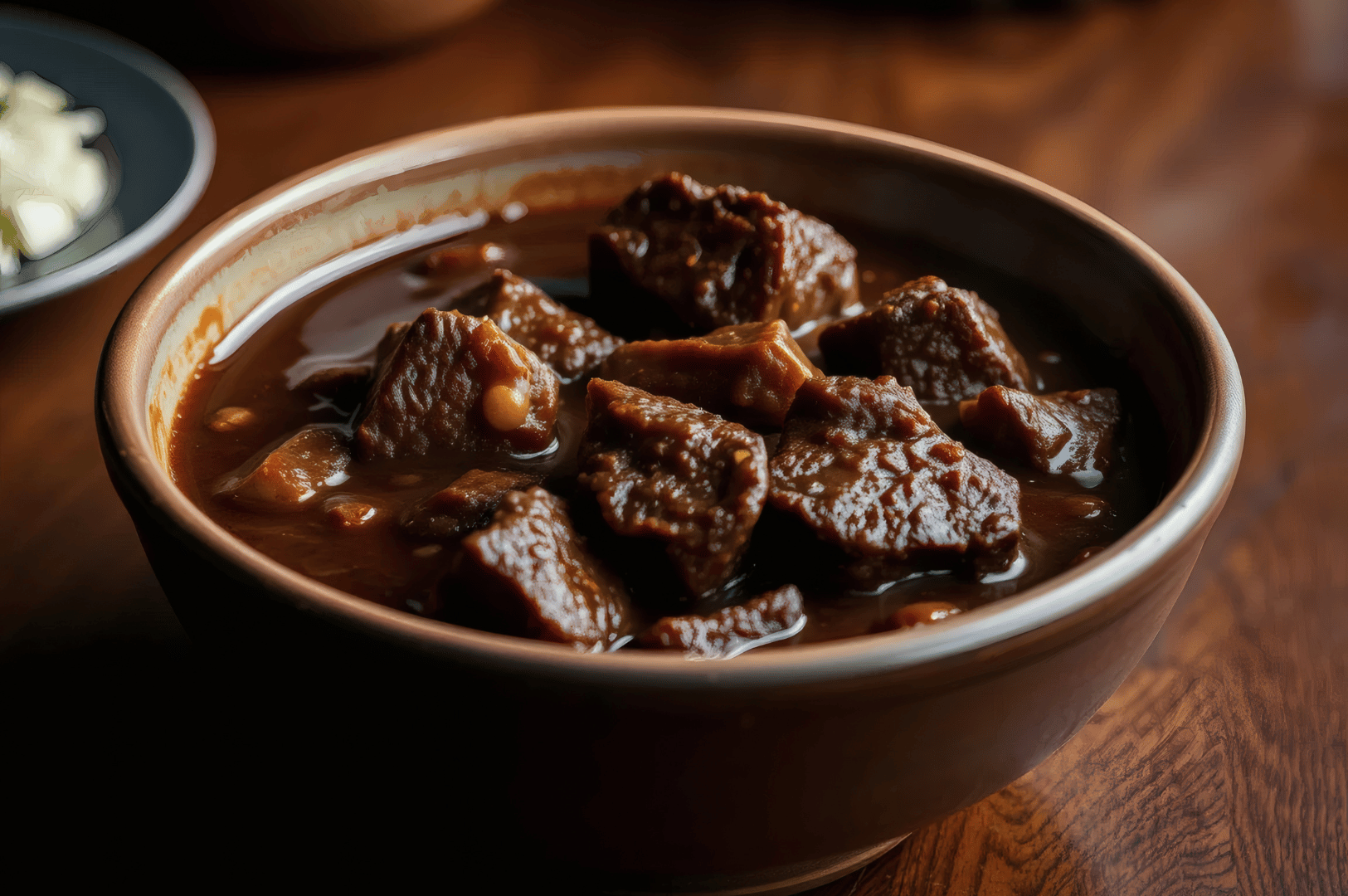
- Want to make the best beef rendang or an authentic chicken rendang? Start with the freshest whole spices and herbs, like grated coconut, lemongrass paste, and galangal.
- Beef chuck, short ribs, or cuts with some fat will yield the most tender beef.
- Sauté your rendang paste patiently until it separates—don’t rush this vital step!
- Add the coconut milk after the paste has cooked and the meat is browned, stirring it in gradually to create a rich, flavorful sauce.
- Use a Dutch oven for even heat, or a slow cooker if you want the flavors to develop with less tending.
- To thicken, toasted shredded coconut (or desiccated coconut) adds body and that unmistakable richness.
- Kaffir lime leaves, tamarind pulp or lime juice (for brightness), and turmeric leaves are worth seeking out for authentic taste.
- Always stir frequently as the curry thickens to avoid scorching. This is key in the last stages before the dry curry finish.
Simplified, Authentic Beef Rendang Recipe
Ingredients:
- 2 lbs beef chuck, cut in large cubes
- 1 can coconut cream or 2 cups fresh coconut milk
- 2 cups water or coconut milk
- 2 lemongrass stalks, bruised
- 4 kaffir lime leaves
- 1 turmeric leaf (optional, tied in a knot)
- 1 cinnamon stick
- 2 star anise
- 2 cardamom pods
- 1 tbsp tamarind pulp or paste (or lime juice or tamarind juice)
- 1 cup toasted grated coconut (kerisik or desiccated coconut)
- 1-2 tbsp brown sugar or palm sugar
- Salt, to taste
For the Spice Paste:
- 8-10 shallots
- 5 cloves garlic
- 5-8 red chili peppers (adjust to taste)
- 2-inch fresh galangal
- 2-inch fresh ginger
- 2-inch fresh turmeric (or 1.5 tsp ground)
- 4 candlenuts
Instructions:
- Blend the spice paste: Use a food processor to combine all paste ingredients until smooth.
- Sauté: In a Dutch oven over medium heat, add paste with a splash of oil; fry until aromatic and oil starts to separate (about 10 minutes).
- Add beef and aromatics: Stir in beef chunks, lemongrass, kaffir lime leaves, turmeric leaf, cinnamon stick, star anise, cardamom, and tamarind pulp, paste, or tamarind juice.
- Pour in liquids: Add coconut cream and water or coconut milk. Simmer uncovered on low heat, stirring occasionally, until meat is tender—about 2-3 hours.
- Thicken: Add toasted grated coconut and brown sugar. Continue to simmer, stirring more often, until the sauce is nearly dry and coats the beef in a rich, brown glaze.
- Serve: Serve beef rendang with plain steamed rice or glutinous rice for a deliciously traditional meal.
Optional: For rendang hitam, cook even further until very dark and dry, stirring constantly to avoid burning.
Indonesia’s Most Delicious Dish
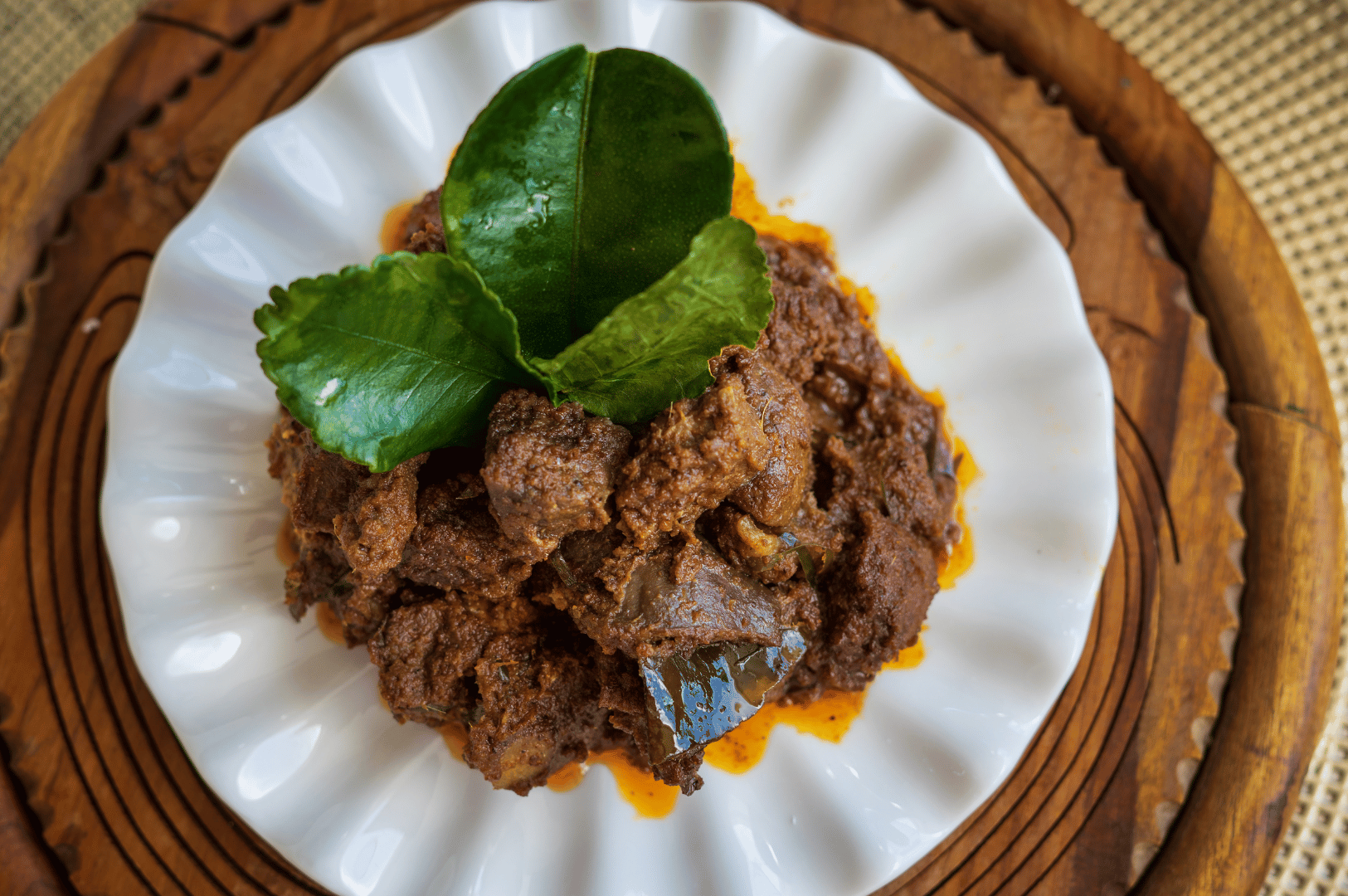
Padang beef rendang is a celebration of Indonesia’s heritage, patience, and creativity. The combination of slow cooking, creamy coconut milk, and aromatic spices yields an authentic beef rendang recipe deserving of 5 stars. Whether you enjoy a bowl of beef stew in West Sumatra, savor a Malaysian rendang at a festival, or make authentic rendang in your own kitchen, you’re embracing a rich tradition that stretches across centuries.
Because of the time and effort required to prepare it, this dish is best enjoyed with others, embodying the spirit discussed in our feature, Communal Dining Traditions in Asia: Shared Meals, Lasting Bonds, and Cultural Heritage. Try this authentic recipe and experience for yourself why beef rendang is so closely woven into the fabric of Indonesian culture. Don’t forget—every cook who stirs the pot and serves beef rendang with pride is part of a legacy. This delicious dish truly proves that the best food is made with love, time, and tradition.

The Ultimate Guide to Thai Food: Flavors, Traditions, and Culinary Adventures
Dio Asahi | December 6, 2025
Thai cuisine is one of the world’s most beloved and complex culinary traditions, captivating food enthusiasts globally with its masterful balance of flavors and vibrant presentations. From bustling Bangkok street stalls to high-end international restaurants, Thai food has become a global phenomenon that evolves while maintaining its authentic roots. What sets Thai cuisine apart from…

How to Drink Sake: Your Guide to Enjoying Japanese Sake Wine
Eda Wong | December 5, 2025
As Japan’s national beverage, this traditional sake is present at celebrations, quiet dinners, and spiritual offerings, weaving itself into the very fabric of daily life and reflecting Japan’s deep-rooted cultural heritage. Yet, for many outside of Japan, it remains a delightful mystery. You might find yourself wondering, how do you drink sake properly to unlock…
-
The Quiet Pursuit of Perfection: Where to Find the Freshest Sashimi in Singapore
Eat Drink Asia Team | December 3, 2025
In Singapore, a city that moves at a dizzying pace, there is a quiet but growing reverence for pursuits that demand patience. Nowhere is this more apparent than in the city’s evolving appreciation for authentic Japanese cuisine. The once-niche world of omakase has entered the mainstream lexicon, and with it, a more discerning palate for…

Understanding Sake Alcohol Content: A Complete Guide to ABV and Flavor
Eda Wong | December 2, 2025
When exploring Japanese sake, many wonder about its grades and complex flavors. Sake’s unique profile offers remarkable versatility, enjoyed in various serving styles and paired with diverse dishes. One fundamental aspect is sake alcohol content. Is sake stronger than wine? How does its alcohol by volume (ABV) compare to beer? The answer is nuanced. Understanding…
-
Japanese Sake: The Complete Guide to Japan’s Traditional Rice Wine
Dio Asahi | November 29, 2025
Japanese Sake: The Complete Guide to Japan’s Traditional Rice Wine While sake has been Japan’s national beverage for over a millennium, its popularity across Asia is at an all-time high. Rooted in Japan’s traditional brewing methods and centuries-old origins. It symbolizes Japan’s cultural heritage and craftsmanship. Understanding this complex brewed alcoholic beverage opens doors to…

Best Japanese Foods in Japan: The Must-Try Dishes
Eda Wong | November 27, 2025
Why Japanese Food Is Worth the Trip Japan’s culinary world extends far beyond well-known sushi and ramen, revealing a rich variety of regional specialties cherished by locals. While many travelers stick to popular Japanese foods in tourist areas, authentic flavors are best discovered in neighborhood markets, family-run eateries, and seasonal menus reflecting centuries of Japanese…
-
Japanese Food in Japan: The Ultimate Guide to Authentic Culinary Experiences
Eat Drink Asia Team | November 25, 2025
Experiencing Japanese food in Japan is fundamentally different from eating Japanese cuisine anywhere else. While sushi restaurants and ramen shops have spread globally, the authentic flavors, techniques, and cultural context of Japanese food can only be fully appreciated in its homeland. From meticulously selecting ingredients at peak freshness to centuries-old traditions shaping every meal, eating…
-
Food in Japan: A Complete Guide to Japanese Cuisine and Culinary Culture
Eda Wong | November 22, 2025
The gentle steam rising from a bowl of miso soup carries more than just the earthy aroma of fermented soybeans-it carries centuries of Japanese culture and culinary wisdom. When you eat in Japan, you’re not simply consuming a meal; you’re participating in a ritual that connects you to the seasons, the land, and a philosophy…
-
Ramune Marble Soda: History and Cultural Meaning of Japan’s Iconic Marble Soda
Dio Asahi | November 20, 2025
Among Japan’s beloved fizzy drinks, none evoke nostalgia and uniqueness quite like Ramune marble soda. Instantly recognizable by its quirky Codd neck bottle and glass marble seal, Ramune soda is an essential part of Japanese summer, cherished by generations for its refreshing taste and signature pop sound. This marble soda remains a staple at summer…
-
Hokkaido’s Best Seafood Treasures: Beyond Sushi and Sashimi
Eat Drink Asia Team | November 18, 2025
When visiting Hokkaido, Japan’s northernmost island, food lovers are greeted with some of the most highly regarded seafood specialties in the world. Hokkaido is famous for its abundance of fresh seafood and rich fishing grounds, thanks to the surrounding Sea of Japan, Pacific Ocean, and Sea of Okhotsk. These nutrient-packed waters yield a wide range…