There is a very specific kind of exhaustion that hits you right before a flight or just after you land. You are dragging your suitcase, staring blankly at the departure boards, and suddenly, you realize you are starving. But you don’t want just any food. You want something warm, familiar, and deeply comforting.
I felt exactly this way last week. I was navigating through Changi Airport, dealing with the usual pre-flight anxiety, when a familiar craving hit. I didn’t want a cold sandwich or a sterile fast-food burger. I wanted the rich, fragrant embrace of Malaysian comfort food.
That craving led me straight to PappaRich, tucked away in the Viewing Mall South of Changi Airport Terminal 2. I’ve eaten my fair share of airport food, so I always keep my expectations in check. But when you need a taste of home, or at least, a taste of Southeast Asia, a kopitiam-style menu is usually a safe bet. I visited on a Tuesday around 7pm, right in the middle of the evening flight rush, to see if this popular halal-certified spot could deliver the goods.
PappaRich: A Malaysian Staple Food Haven
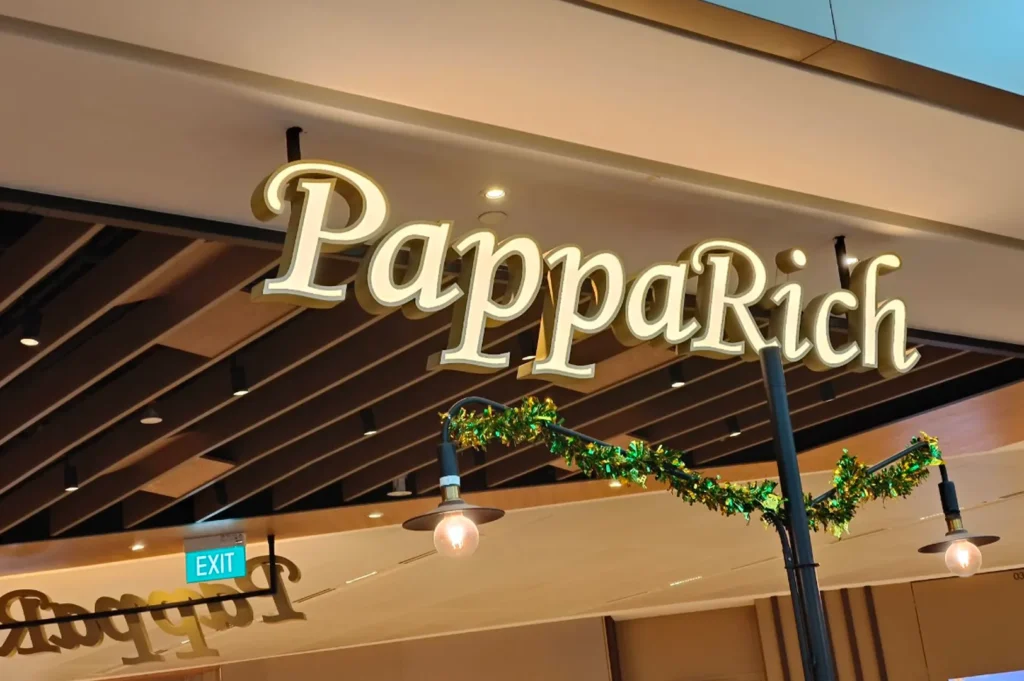
Finding PappaRich in Terminal 2 isn’t difficult, but it does require a little navigation up to the third floor. As I walked in, the space greeted me with bright, clean lines and a functional layout. It doesn’t have the intimate, moody lighting of a hidden city speakeasy; instead, it buzzes with the lively, transient energy of a major international transit hub.
The decor embraces a modern kopitiam aesthetic, marble-top tables, wooden accents, and a welcoming vibe that suits solo business travelers and families alike. I felt immediately at ease, blending into the sea of luggage carts and tired passengers.
The restaurant’s openness to the terminal’s hum means noise rises during peak meal times. For a bit of calm, ask for the corner table near the edge of the viewing mall. Here, the air conditioning is strong (typical for Changi Airport), and you get prime people-watching with quick access to your gate.
The Food: Familiar Flavours and Comforting Classics of Malaysian Cuisine
PappaRich promises authentic Malaysian staple food, a melting pot of Malay, Chinese, and Indian influences that define Malaysia’s culinary identity. The menu boasts over 60 dishes, from rice to noodles and breads, but I focused on the comforting classics that showcase the essence of Malaysian food.
Nasi Lemak ($16.90): The National Dish
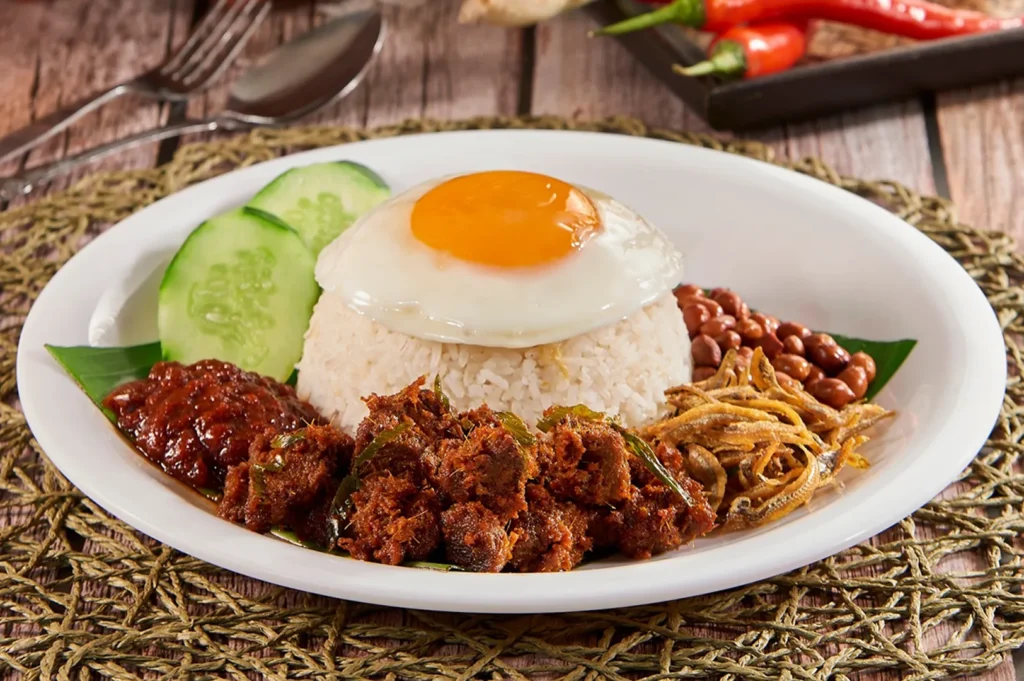
I started with the iconic Nasi Lemak, Malaysia’s national dish and a true staple food. The plate arrived generously portioned, and the aromas of coconut milk-infused rice, gently scented with pandan leaves, immediately stirred memories of Kuala Lumpur’s bustling hawker stalls.
The rice was creamy and fragrant, a perfect coconut sanctuary. The sambal, a spicy-sweet sauce made with shrimp paste, delivered a punch that balanced beautifully with the crunchy roasted peanuts and salted fried anchovies. Cucumber slices and a hard-boiled egg rounded out the plate, adding freshness and texture.
However, the rice was lukewarm, which dulled the full aromatic impact. For Nasi Lemak, warmth is key, it unlocks the richness of the coconut milk and the subtle sweetness of the pandan leaves. Still, the dish was tasty and satisfying, especially when paired with a side of crispy fried chicken.
Roti Canai with Curry Chicken ($15.50): Flaky Flatbread Meets Rich Curry Sauce
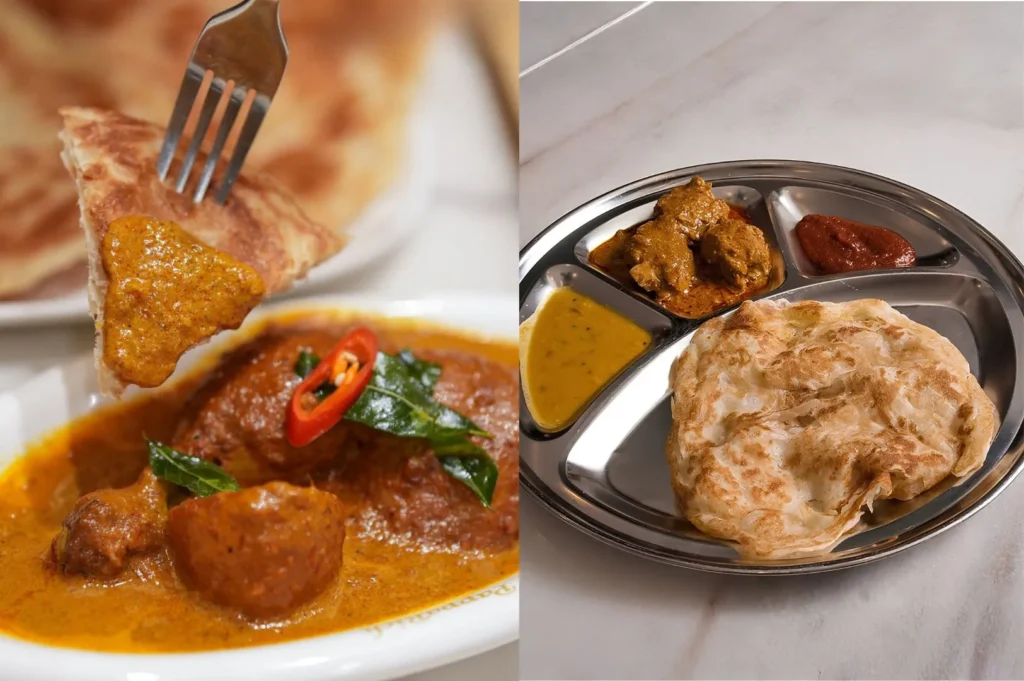
Next, I savored the Roti Canai with chicken curry, a beloved Malaysian staple influenced by Indian cuisine. The roti was a flaky, buttery masterpiece, with crisp edges and a chewy center that begged to be torn apart by hand.
The chicken curry was a rich, aromatic curry sauce, thick with coconut milk and infused with spices that warmed the palate without overwhelming heat. Tender chicken slices fell apart in the sauce, which was perfect for dipping the roti. This dish is a comforting staple that embodies the best of Malaysian food, simple yet deeply satisfying.
Satay ($12.00 for a half-dozen): Sweet, Smoky, and Nutty
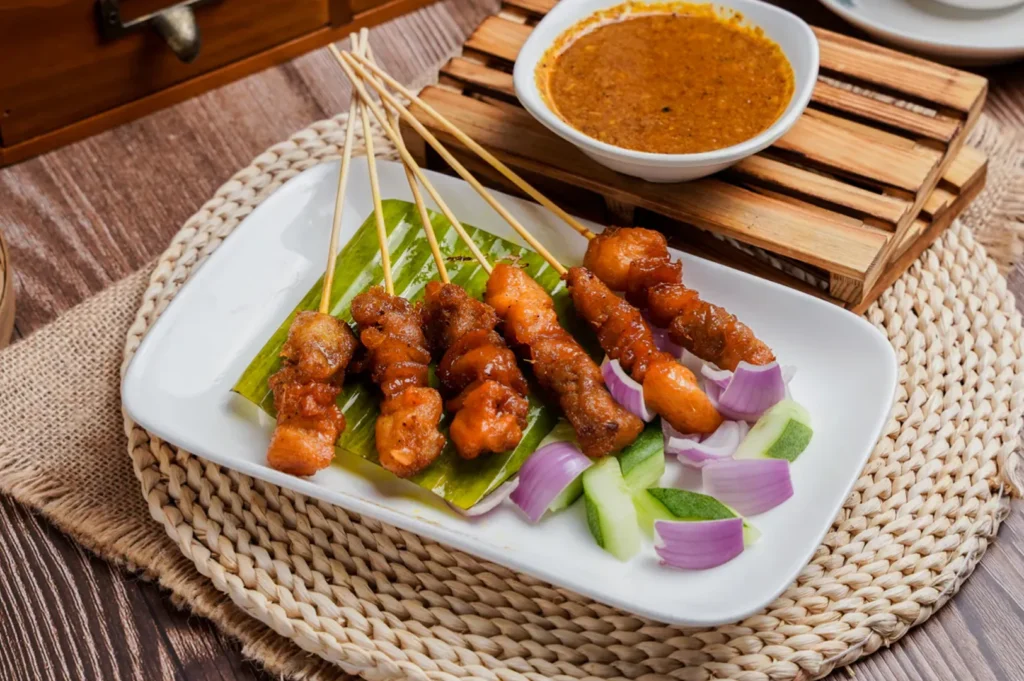
For a shareable bite, I chose the satay skewers. The meat was glazed and charred just right, with a smoky breath of the wok that gave each bite a satisfying depth. The peanut sauce was thick and nutty, with a subtle kick from chili that complemented the sweet-savory meat.
This casual dish perfectly captures the essence of Malaysian street food, quick, tasty, and indulgent. It’s a great protein hit before a long flight, served with a side of cucumber slices and onions to balance the richness.
Functional and Fast Service Experience
Service at PappaRich is brisk and transactional, typical of an airport restaurant prioritizing efficiency over polish. Staff were friendly and seated me quickly, but getting a glass of water required some effort, and the wait for the bill was longer than expected.
This is not a place for leisurely dining; it’s about convenient access to familiar Malaysian dishes in a bustling, high-traffic environment. The focus is on feeding hungry travelers quickly, which is exactly what you need when racing against flight times.
Need-to-Know Details Before You Dine
Location and Access:
PappaRich is located at 60 Airport Boulevard, #03-24/25-01, inside Changi Airport Terminal 2’s Viewing Mall South on the third floor. It’s in the public area, so you don’t need a boarding pass. The restaurant is wheelchair friendly and easily accessible via the Changi Airport MRT.
Pricing:
Expect to spend around $12 to $25 per person for a sit-down meal. Kaya toast and coffee with condensed milk cost about $5 to $8, while mains like nasi lemak or curry mee hover near $20.
Timing and Booking:
Open daily from 8:30 am to 10:00 pm, PappaRich is walk-in friendly. Peak hours are busy, so mid-morning or mid-afternoon visits offer a quieter experience.
Malaysian Classics You Can’t Miss
If your journey allows, try to explore other Malaysian staples on the menu or nearby. Assam Laksa offers a tangy, spicy broth with thick rice noodles, garnished with mint, pineapple, and ginger flower, a refreshing contrast to the creamy coconut milk of curry laksa, also known as curry mee. Both soups showcase Malaysia’s diverse laksa heritage.
Assam Laksa
Assam Laksa features a tangy, spicy broth made from tamarind and mackerel, served with thick rice noodles and garnished with mint, pineapple, and ginger flower. It provides a refreshing and sour flavor profile that contrasts beautifully with other Malaysian dishes.
Curry Laksa (Curry Mee)
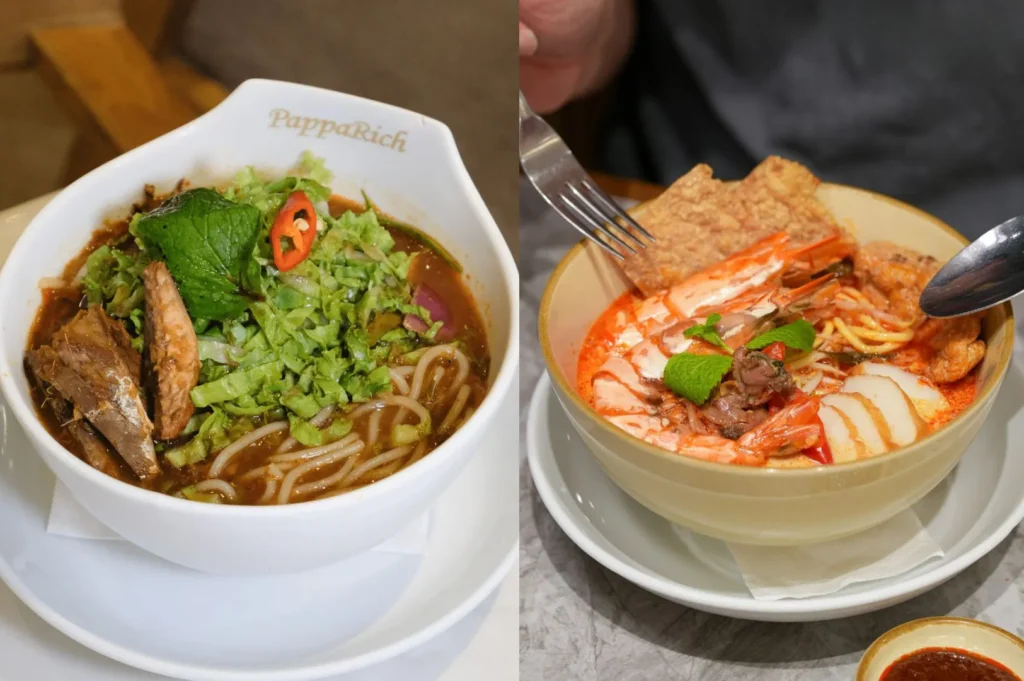
Curry Laksa, or curry mee, is a creamy coconut milk-based soup with a fragrant spice paste, served with prawns, fish cake, or tofu. This dish highlights the rich, aromatic flavors of Malaysian Nyonya cuisine.
Char Kuey Teow
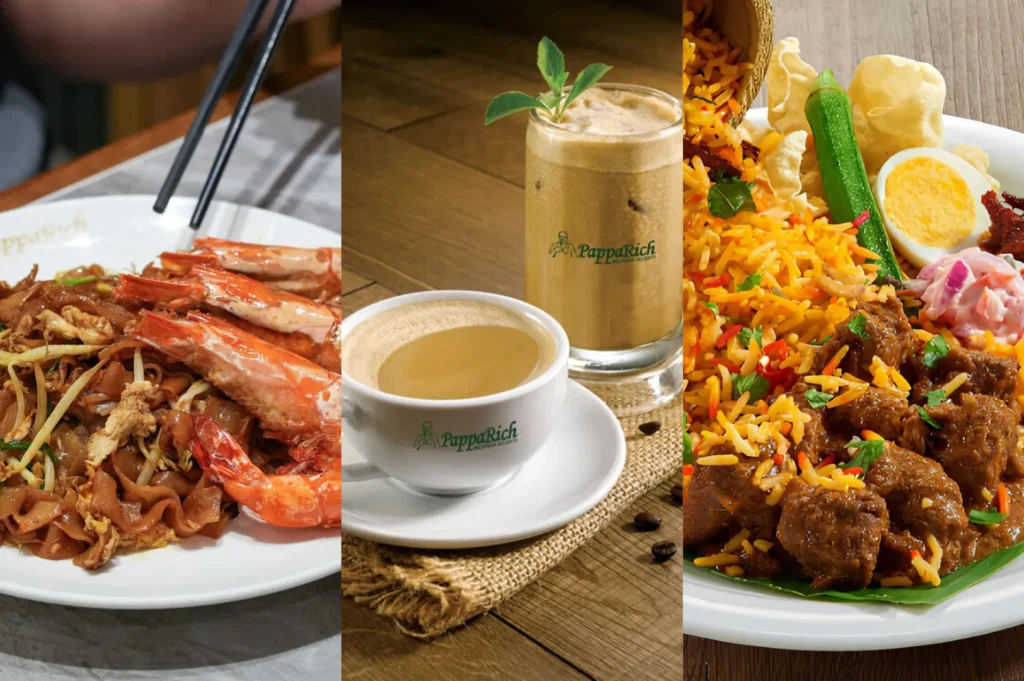
For noodle lovers, the smoky char kuey teow is a must-try. Wok-fried with soy sauce, prawns, Chinese sausage, bean sprouts, and egg, it delivers a complex texture and flavor that embodies the melting pot of Malaysian cuisine.
Curry Chicken and Beef Rendang
Fans of curry chicken and beef rendang will find rich, aromatic options here too. Beef rendang is a slow-cooked curry, perfect for special occasions, while black pepper sauce adds a spicy, savory punch to chicken slices or fried chicken dishes.
Teh Tarik
Finally, don’t miss the chance to pair your meal with teh tarik, Malaysia’s iconic “pulled tea” sweetened with condensed milk, offering a creamy, frothy finish to your dining experience.
Malaysian Street Food Culture and Its Influence on Airport Dining
Malaysian street food culture is a vibrant and essential part of the country’s culinary identity, with bustling hawker stalls and night markets offering an array of delicious, affordable dishes. In cities like Kuala Lumpur, these street food vendors serve as culinary landmarks where locals and tourists alike gather to enjoy iconic Malaysian staple food such as sambal prawns, hokkien mee, and nasi kandar. The lively atmosphere, bold flavors, and diverse ingredients, from spring onions and garlic to fresh fish and tofu, create an unforgettable sensory experience.
This rich street food heritage profoundly influences airport dining options like PappaRich, which brings the essence of Kuala Lumpur’s hawker stalls to the international traveler. Highlights include:
- Classic dishes such as nasi lemak with sambal, char kuey teow with prawns and pork, and roti canai served with curry
- Use of traditional condiments, fresh vegetables, and banana leaf-inspired presentations
- A menu that reflects the diverse and bold flavors of Malaysian street food
In this way, PappaRich not only satisfies hunger but also serves as a cultural bridge, delivering the delicious, familiar flavors of Malaysia’s street food scene to visitors passing through Changi Airport.
Travel Tired? Here’s Why PappaRich Hits the Spot
So, is PappaRich at Changi Airport Terminal 2 worth a visit? Yes, if you manage your expectations. Traditional Malaysian foods aren’t a museum; they evolve and adapt, keeping the vibrant spirit of the culture alive.
It’s ideal for travelers craving Malaysian comfort food before or after a journey, families seeking halal-certified meals, and vegetarians with plenty of meat-free options. However, don’t expect destination-level cooking or a quiet, romantic meal. Food can be inconsistent, like my lukewarm Nasi Lemak, and service is functional.
Pair your meal with a traditional Asian tea to complete the authentic experience. When tired and hauling luggage, craving flaky Roti Canai or smoky Satay, PappaRich delivers comforting, familiar Southeast Asian flavors just when you need them.

Pattaya Garden Restaurant and the Thai Meal That Knows How to Feed a Group
Eat Drink Asia Team | September 3, 2026
The rice came down first. A plain bowl, warm and steaming, set in the middle of the table before anything else. Then the green curry, in a bowl wide enough for four spoons to reach at once. And within a minute the table stopped being a set of individual meals and became one shared thing,…
-
At Keria Japanese Restaurant, the Meal Begins Before the First Bite
Dio Asahi | September 3, 2026
By Dio Asahi for Eat Drink Asia. The lift opens onto a corridor leading to the famed and hidden Cuppage Plaza food, and the building’s age shows in the flickering fluorescent light and the smell of old carpet. Then a sliding door pulls back, and Keria Japanese Restaurant asks you to slow down. Inside, it…
-
The Round Kaya Bun at Chin Mee Chin Confectionery, and the Mornings It Keeps
Eda Wong | September 2, 2026
By Eda Wong for Eat Drink Asia. It’s not quite eight, and the pastel-blue shophouse is already awake. Kopi cups clink against saucers. A ceiling fan turns slow overhead. Someone folds a newspaper at a marble-topped table, and the man behind the counter moves without hurry, sliding buns across in a rhythm he’s clearly done…
-
Nana Original Thai Food and the Thai Meal That Keeps Changing Its Accent
Eda Wong | September 1, 2026
The tom yum arrived first, and the first spoonful hit sour and hot at once, lime and chilli chasing each other down the throat. This classic Thai dish features a spicy sauce and aromatic herbs that awaken the taste buds straight away, setting the stage with its bold flavors. Then the pineapple rice came, sweet…
-
Pad Thai Recipe for People Who Know the Noodles Can’t Be an Afterthought
Dio Asahi | August 29, 2026
The first time I made Pad Thai, I ruined it before the wok was even hot. I’d left the noodles soaking while I answered a phone call. Ten minutes turned into forty. By the time I drained them, they were already soft, already surrendered. Everything I did in the pan after that was damage control….
-
Best Japanese Restaurant Singapore: Places That Nail the “First Bite”
Eat Drink Asia Team | August 27, 2026
I built this list around a very specific feeling: that first bite where the room goes quiet for a second. I’ve tried enough Japanese restaurants in Singapore over the years to know that “best” does not always mean the most expensive, the rarest, or the hardest to book. Sometimes it is the warmth of the…
-
Not Just Seafood: How Araya Shouten Keeps Japanese Fishing Culture Alive in Singapore
Eat Drink Asia Team | August 26, 2026
Japanese cuisine has long been admired for its attention to seasonality, precision, and respect for ingredients. However, behind every piece of sashimi or carefully prepared seafood dish lies a story that begins far away from the dining table, often with fishermen, coastal communities, and generations of knowledge passed down through time. At Araya Shouten, seafood…
-
The Ginger Shoyu Ramen at Ramen Soshiji, Where Orchard Goes Quiet
Dio Asahi | August 26, 2026
By Dio Asahi for Eat Drink Asia. The lift opens on the third floor of Orchard Plaza, and for a second I don’t know which way to turn. The corridor is dim and still, the kind of quiet that feels almost accidental in this part of town. A few doors down, an unmarked entrance. Inside,…
-
Indo Rasa Singapore and the Nasi Goreng That Measures a Kitchen’s Confidence
Eat Drink Asia Team | August 25, 2026
There’s a dish I order when I want to know a kitchen quickly. Not the specialty. Not the thing the menu is proud of. I order the fried rice. Because nasi goreng has nowhere to hide. It’s rice, chilli, chicken, egg, a few crackers, some cucumber. Everyone thinks they can make it. Most people can….
-
Bebek Goreng Pak Ndut and the Fried Duck That Makes Nasi Goreng Feel Too Polite
Eda Wong | August 22, 2026
The duck arrived and made a sound before I’d even touched it. Not the plate, the skin. When my fork pressed against it, there was a small, dry crackle, the kind you feel in your fingers before you hear it. That’s when I understood I wasn’t eating a soft meal. This was something with edges….