If you live in Singapore, you know that finding Thai food is about as difficult as finding a humid day. We are spoiled for choice. From gritty hawker stalls serving fiery basil pork to upscale restaurants where a bowl of tom yum costs more than a taxi ride, the options are endless.
But sometimes, you just want a comfortable seat, air conditioning, and a plate of food that hits the spot. That is exactly what led me to Sanook Kitchen in Holland Village.
I visited on a Tuesday around 7pm, hoping for a quick, satisfying meal after a long day of meetings. What I found was a restaurant that perfectly bridges authentic street food and comfortable cafe dining. It’s a genuine heartland answer to our saturated food scene, offering reliable flavours without the fuss.
Things I Noticed as I Entered Sanook Kitchen Holland Village
Located along the lively Lor Mambong strip in Holland Village, Sanook Kitchen feels like a small pause in the middle of the neighborhood’s nightlife energy. With bars and music spilling into the street outside, stepping into the restaurant is a surprisingly calming shift — the kind of place where Thai food lovers gather for comforting plates of everyday Thai food without the formality of a high-end restaurant.
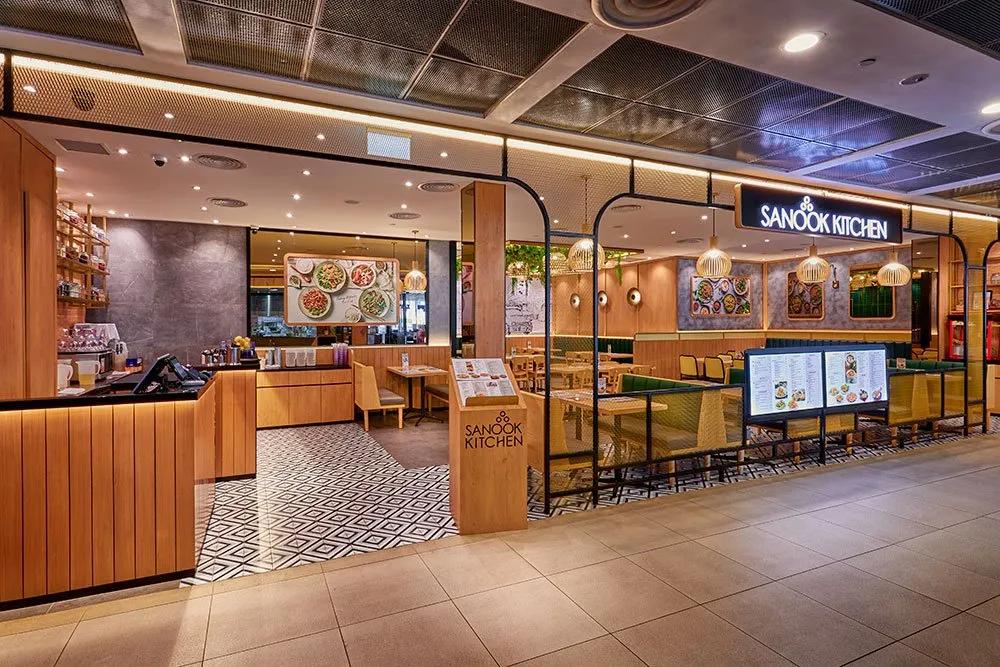
The dining room immediately signals that balance. It’s bright, casual, and modern, leaning into a relaxed Thai style rather than heavy themed decor. Wooden tables, warm lighting, and clean lines create a space that feels welcoming whether you’re here for a quick lunch or a long dinner. In my experience, the atmosphere makes it an ultimate destination for a simple, satisfying Thai food outing in Singapore — somewhere you can focus on the taste of the dishes rather than the spectacle.
One detail worth noting: the air conditioning can be strong. On my first visit, I remember reaching for my jacket within minutes. Still, on a humid Singapore evening, that blast of cool air quickly becomes part of the comfort.
The dining area includes both indoor tables and a few street-facing seats overlooking Lor Mambong. If conversation matters, ask for the quieter corner table tucked toward the back. It’s the perfect place to watch plates move through the room while avoiding the louder foot traffic outside. I remember noticing the rhythm of the kitchen — servers moving quickly, plates of steaming food passing by, and diners leaning over bowls of rice and curry with the kind of content smiles that make you curious about what they ordered.
Thai Omelette Rice at Sanook Kitchen: Crispy, Fluffy, and Full of Life
I came hungry and slightly worried I might over-order — a common risk when the menu crafted at Sanook Kitchen reads like a tour of classic Thai food favorites. My friend and I decided to balance comfort dishes with a few richer plates.
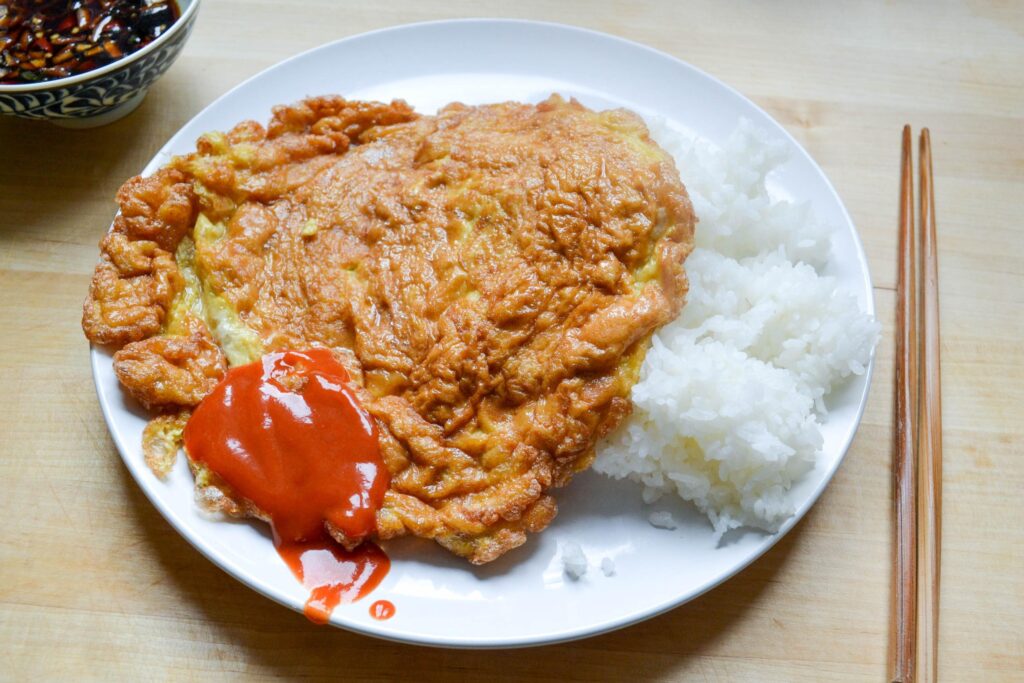
The first dish to arrive was the Thai omelette rice ($8.90). At first glance, it seems simple: eggs over rice. But the Thai style omelet here transforms that idea completely.
The omelette arrives golden, puffed, and dramatic — its crisp edges almost ruffled like fried lace. The aroma of fish sauce and hot oil rises immediately from the plate. I remember cutting into it with my fork, expecting something ordinary, and instead finding a texture that was astonishingly airy.
The outside crackles with a delicate crunch, while the inside stays soft and tender. The minced chicken folded into the egg mixture adds a savory bite, and the gentle seasoning of fish sauce deepens the flavour without overpowering it. Each bite over warm jasmine rice carries a balance of salt, sweetness, and that unmistakable fried aroma.
It’s a dish embodies the heart of everyday Thai food — humble ingredients turned into something comforting and deeply satisfying.
Next came the Thai Green Curry Chicken ($10.90), one of the restaurant’s most popular curries. The dish arrived with a glossy surface of coconut oil shimmering on top of a rich, fragrant sauce. The ingredients — tender chicken, Thai eggplant, and basil — soaked up the creamy gravy beautifully.
Compared to versions I’ve tried in Thailand, the spice level here is gentler. But the flavours still capture the essential Thai style balance: sweetness from coconut milk, herbaceous brightness from basil, and a slow-building warmth that lingers after each spoonful.
Between these dishes, we ordered an iced Thai Milk Tea ($3.50). Its bright orange colour almost glowed under the lights. Thick with condensed milk and strong brewed tea, it was the perfect cooling counterpoint to the curries.
The meal ended with Mango Sticky Rice ($7.90), a dessert that appears in many reviews of Sanook Kitchen. The presentation alone signals care — slices of ripe mango arranged beside a neat mound of sticky rice.
The rice was soft, slightly chewy, and still warm when serving arrived. The mango was sweet and fragrant, while the coconut cream drizzle added a luxurious finish. It was one of those desserts where you slow down without realizing it, savoring each spoonful before the meal finally comes to an end.
Handy Hints for Your Sanook Kitchen Visit
Throughout the evening, the service felt warm and attentive. Plates arrived quickly, and empty bowls were cleared almost as soon as we finished. During my weekday visit, the kitchen delivered everything within about fifteen minutes.
But the second time I came — a Friday night — the experience was different.
The queue stretched down the pavement, and the dining room buzzed with energy. While the staff still greeted guests with polite smiles, the pace slowed noticeably under the volume of orders.
It’s understandable. With wallet friendly prices and a menu filled with familiar Thai comfort food, the restaurant attracts a steady crowd.
Fortunately, the logistics are easy. Sanook Kitchen in Holland Village is only a short walk from Holland Village MRT station, making public transporting the easiest option. Parking exists nearby but can be tight.
For the best experience, avoid the Friday and Saturday dinner rush. Early dinners or weekday lunches give you a quieter chance to enjoy the food and atmosphere without the crowds.
More Places to Enjoy Everyday Thai Food in Singapore

If you appreciate the unpretentious taste of Thai food at Sanook Kitchen Holland Village, you’ll find the same comforting approach across several locations in Singapore.
You can explore the same menu crafted with freshest ingredients at:
- Bedok Mall – popular with families and convenient operating hours
- Funan Mall – a city-center option for office workers and shoppers
- Sengkang Grand Mall – ideal for heartland residents
- Bukit Batok Central Link
- Kovan Blk
- North Wing at City Square Mall
Each branch keeps the same spirit: everyday Thai food, bold flavours from genuine Thai spices, and approachable dishes served at wallet friendly prices.
Whip It Up: Your Guide to Thai Omelette Rice
After tasting the Thai omelette rice at Sanook Kitchen, I couldn’t stop thinking about how the texture worked — those crisp edges, the airy center, the way the omelette settled over steaming rice.
Trying to recreate this Thai style omelet at home is surprisingly easy once you understand the key steps.
Start by cracking 2–3 eggs into a bowl and beat them until the mixture turns pale and slightly frothy. Add a splash of fish sauce, a squeeze of lime juice, and — if you want those restaurant-style edges — a teaspoon of cornstarch into the egg mixture.
The most important question is how much oil to use.
Unlike Western omelettes cooked gently in a buttered pan, this Thai style version relies on a generous pool of hot oil. Heat the oil over medium high heat until it shimmers and begins to lightly smoke.
Then comes the moment that creates the texture.
Hold the bowl slightly above the pan and carefully pour the egg mixture into the hot oil. The sudden contact causes the eggs to puff and bubble, forming those signature golden crisp edges.
Let the omelette fry until the underside turns deep golden, then gently flip it and cook the other side briefly.
Slide the omelette straight onto a plate of jasmine rice.
Who knows? Perhaps this will be how thailand’s street-side omelette will became your morning ritual. When done right, the dish captures exactly what makes everyday Thai food so satisfying — simple ingredients, quick heat, and a flavour that feels like a small taste of Thailand brought home.
Why Sanook Kitchen Deserves a Spot on Your Food Radar
Sanook Kitchen Holland Village knows its identity and delivers on it perfectly. It doesn’t aim for fine dining or extreme spice but offers comforting, dependable food in a welcoming space. The milder spice and sweeter flavors make it accessible to many.
Ideal for casual dinners, laid-back dates, or family meals without breaking the bank, it’s the perfect spot to enjoy Thai cuisine in a cozy setting. I left feeling full and content, already craving another plate of that crispy omelette rice. It’s a reliable, affordable gem in a busy neighborhood, marks its place in eatdrinkasia.com‘s radar.

Sesame Oil at the End: Finishing, Not Flavoring
Eda Wong | July 24, 2026
The wok is already off the heat. The greens sit glossy and dark, steam still curling off them. My mother lifts a small bottle, tilts it, and lets a thin line of sesame oil fall across the top. It hisses faintly against the warm leaves, and the smell rises all at once — toasted, nutty,…
-
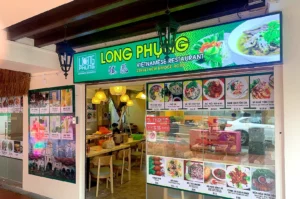
Long Phung Vietnamese Cuisine, Where the Menu Doesn’t Waste Words: A Good Restaurant Close to Me
Eda Wong | July 23, 2026
I came in from the rain on a Tuesday, somewhere past 8pm, hungry and a little defeated by the day. The fan was clacking. A queue of three or four people stood near the doorway, dripping. Someone shouted an order toward the kitchen in Vietnamese, and a bowl of pho slid onto a nearby table…
-
The First Squeeze of Calamansi in a Noodle Stall Bowl
Dio Asahi | July 22, 2026
The bowl lands in front of me, broth still trembling from the walk across the stall. Steam rises and fogs the edge of my glasses. To the side sits a small dish of calamansi halves, cut and waiting, their skins slick under the fluorescent light. I pick one up. It gives slightly between my fingers,…
-
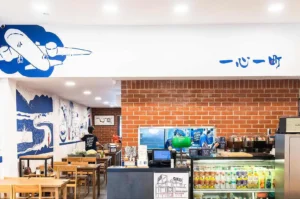
Isshin Machi East Coast: Where Comfort Food Turns Addictive
Dio Asahi | July 21, 2026
Let me clear up the first puzzle right away. The name “Isshin Machi” sounds unmistakably Japanese, and I’ll admit I walked in half-expecting ramen and gyoza. What I found instead was a Taiwanese kitchen, plates of lu rou fan, braised beef noodles, and golden fried chicken that trace straight back to the island’s home cooking….

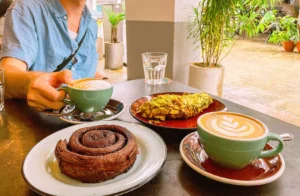
Best Cafe Singapore: A Map of Brunch Plates, Quiet Corners, and Dangerous Pastries
Dio Asahi | July 18, 2026
I didn’t set out to make a list. I made a habit. Over the years, cafes became the places I went to think, to wait out the rain, to sit with a coffee I didn’t have to rush. Some I returned to for the food. Others, I returned to for the feeling — the way…
-
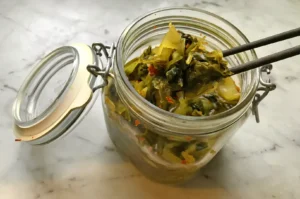
Pickled Mustard Greens: The Sour Note in Clear Broth
Eda Wong | July 17, 2026
Steam lifts from a bowl of clear pork broth, and a spoonful of chopped pickled greens slides in. The broth shifts at once, its richness suddenly cut by a sharp, clean sourness that sits high and bright on the tongue. The greens have softened in the heat but keep a faint, springy crunch. Someone leans…
-
The Potato Curry That Teaches You How Spices Wake Up: A Beginner’s Indian Cooking Lesson
Eda Wong | July 16, 2026
The first time I made aloo curry on my own, I burned the cumin. I remember standing in my tiny HDB kitchen, watching those little seeds go from golden to black in what felt like one breath, and thinking: this is harder than it looks. But here’s what that bitter, smoky disaster taught me, the…
-
Bamboo Skewers and Smoke: Street Grills in Chiang Mai
Dio Asahi | July 15, 2026
The cart glows at the edge of the lane just as the heat of the day finally loosens. A woman fans the coals with a flattened piece of cardboard, and the embers brighten orange under a row of skewers. Fat slides off the pork, hits the charcoal, and hisses upward in a thin curl of…
-
Chana Masala With Warm Roti, Built for Weeknights: Quick Vegetarian Dinner Recipes Indian
Dio Asahi | July 14, 2026
The first time I made chana masala, I started with dried chickpeas at 7:30 on a weeknight, soaking and boiling like the recipe said. By the time the curry was actually done, it was nearly ten and I’d already eaten half a loaf of bread out of sheer hunger. That night taught me something I…
-
One-Pan Chicken Curry With Jeera Rice and Cucumber Raita: Food for Dinner Indian, Made Practical
Eat Drink Asia Team | July 11, 2026
The first time we cooked a full Indian dinner on a weeknight, the curry, rice, and raita felt like three separate tasks—three pans, three timers, and a kitchen full of wonderful smells but chaos. The curry was good, the rice sticky, and the raita watery from being made too early. That night taught us a…