The wind coming off the Tamsui River carries a sharp, saline chill, but the narrow lanes bordering the waterfront offer a different atmosphere entirely. Here, the air is thick with the heavy, sweet-savoury aroma of star anise, cassia bark, and boiling soy sauce. Behind a modest storefront, dark liquid bubbles in massive, dented metal vats. A vendor wielding a long wooden paddle gently turns hundreds of small, blackened orbs, ensuring they do not stick to the bottom. Steam rises in thick plumes, fogging the glass display cases where these obsidian spheres are piled high. It is a quiet, repetitive rhythm that has defined this northern coastal town for generations.
These are tie dan (pronounced tee-eh dahn), literally translated as iron eggs. At first glance, they look almost entirely unyielding—shrunken, coal-black, and slightly wrinkled. But their creation is an exercise in extreme patience rather than brute force. Fresh quail or chicken eggs are hard-boiled, peeled, and then plunged into a master stock of spiced soy sauce. After braising for several hours, they are hauled out and left to cool and shrink in the coastal air. This cycle of braising and air-drying is repeated relentlessly over the course of a week. The result is a dramatic transformation: the white of the egg compresses into a dense, rubbery shell, deeply stained by the dark soy, while the yolk inside becomes incredibly rich and creamy, absorbing the cumulative flavour of a hundred hours of simmering.
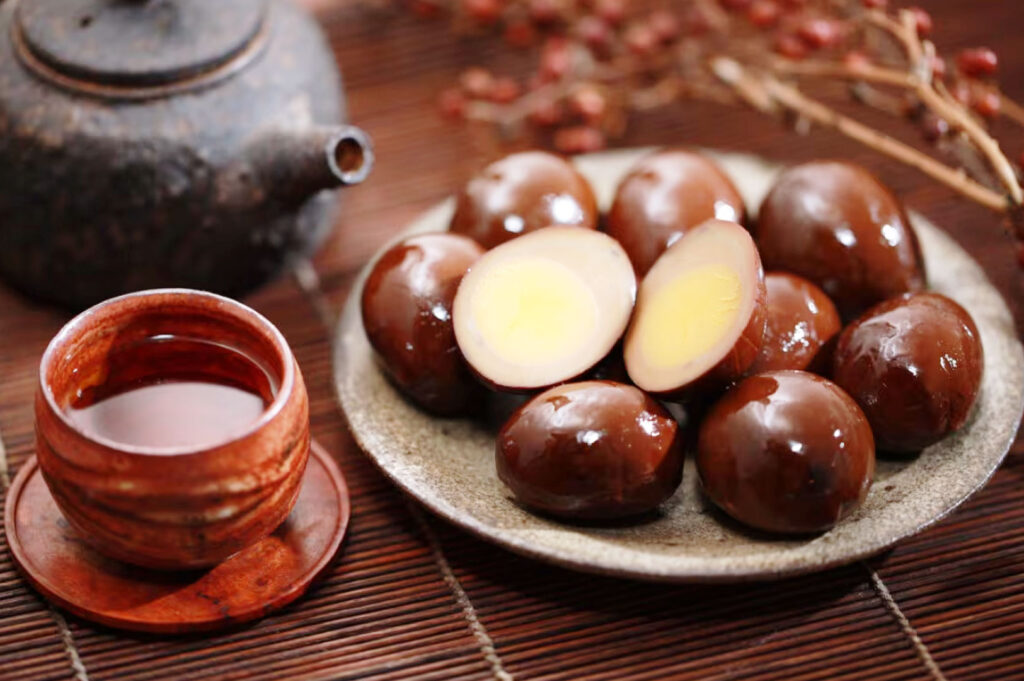
In Tamsui, the iron egg is not an occasion food; it is a pragmatic anchor of everyday life. Originally born out of necessity—a clever method of preservation for unsold goods by dockside vendors before modern refrigeration—it became the perfect portable fuel for ferrymen and labourers working the damp harbour. Today, it remains an accessible, functional snack. You see students eating them straight from small plastic bags on their way home, and commuters chewing on them thoughtfully while staring out at the river traffic. It is a food stripped of ceremony, yet it forms a vital thread in the community’s shared experiences, offering a reliable, highly concentrated burst of energy that speaks directly to the working-class roots of this port town.
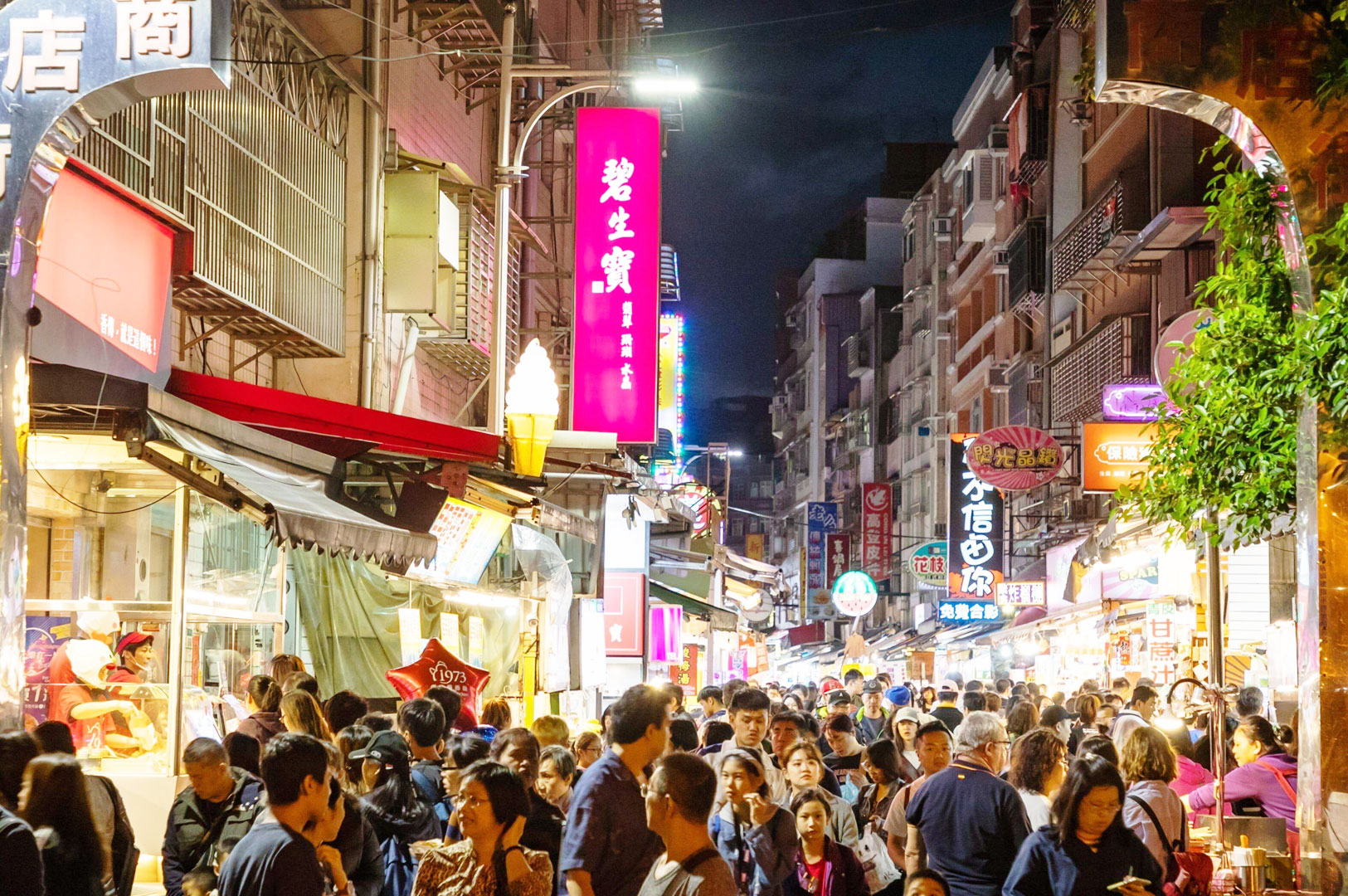
What makes the iron egg so fascinating today is the quiet tension it represents. We live in an era of instant gratification, where food is engineered for rapid production and immediate consumption. Many snacks are now factory-pressed, artificially flavoured, and vacuum-sealed for global export. Yet, genuine tie dan demands the opposite. It requires a vendor to surrender to the slow, unyielding physical laws of evaporation and absorption. The egg asks for space, air, and, above all, time. In a fast-paced culinary landscape, this stubborn adherence to a days-long process feels like a quiet rebellion—a refusal to let efficiency overwrite texture and depth.
Standing on the pavement, breaking through that firm, spiced outer layer to reach the powdery yolk inside, the commitment of the craft becomes obvious. The iron egg is a testament to the beauty of waiting. In the same spirit of Taiwanese culinary invention, see Bubble Tea Origins: How Taiwan Created a Global Beverage Phenomenon.
It is a reminder that some flavours cannot be hurried, only carefully earned through the slow, deliberate passage of time.

Pattaya Garden Restaurant and the Thai Meal That Knows How to Feed a Group
Eat Drink Asia Team | September 3, 2026
The rice came down first. A plain bowl, warm and steaming, set in the middle of the table before anything else. Then the green curry, in a bowl wide enough for four spoons to reach at once. And within a minute the table stopped being a set of individual meals and became one shared thing,…
-
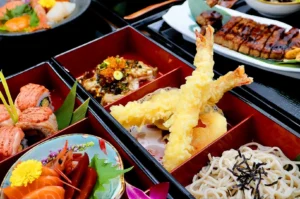
At Keria Japanese Restaurant, the Meal Begins Before the First Bite
Dio Asahi | September 3, 2026
By Dio Asahi for Eat Drink Asia. The lift opens onto a corridor leading to the famed and hidden Cuppage Plaza food, and the building’s age shows in the flickering fluorescent light and the smell of old carpet. Then a sliding door pulls back, and Keria Japanese Restaurant asks you to slow down. Inside, it…
-
The Round Kaya Bun at Chin Mee Chin Confectionery, and the Mornings It Keeps
Eda Wong | September 2, 2026
By Eda Wong for Eat Drink Asia. It’s not quite eight, and the pastel-blue shophouse is already awake. Kopi cups clink against saucers. A ceiling fan turns slow overhead. Someone folds a newspaper at a marble-topped table, and the man behind the counter moves without hurry, sliding buns across in a rhythm he’s clearly done…
-
Nana Original Thai Food and the Thai Meal That Keeps Changing Its Accent
Eda Wong | September 1, 2026
The tom yum arrived first, and the first spoonful hit sour and hot at once, lime and chilli chasing each other down the throat. This classic Thai dish features a spicy sauce and aromatic herbs that awaken the taste buds straight away, setting the stage with its bold flavors. Then the pineapple rice came, sweet…
-
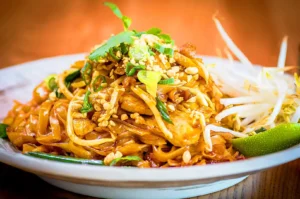
Pad Thai Recipe for People Who Know the Noodles Can’t Be an Afterthought
Dio Asahi | August 29, 2026
The first time I made Pad Thai, I ruined it before the wok was even hot. I’d left the noodles soaking while I answered a phone call. Ten minutes turned into forty. By the time I drained them, they were already soft, already surrendered. Everything I did in the pan after that was damage control….
-
Best Japanese Restaurant Singapore: Places That Nail the “First Bite”
Eat Drink Asia Team | August 27, 2026
I built this list around a very specific feeling: that first bite where the room goes quiet for a second. I’ve tried enough Japanese restaurants in Singapore over the years to know that “best” does not always mean the most expensive, the rarest, or the hardest to book. Sometimes it is the warmth of the…
-
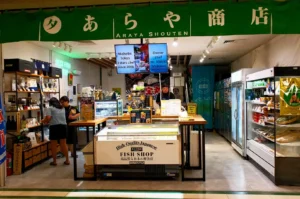
Not Just Seafood: How Araya Shouten Keeps Japanese Fishing Culture Alive in Singapore
Eat Drink Asia Team | August 26, 2026
Japanese cuisine has long been admired for its attention to seasonality, precision, and respect for ingredients. However, behind every piece of sashimi or carefully prepared seafood dish lies a story that begins far away from the dining table, often with fishermen, coastal communities, and generations of knowledge passed down through time. At Araya Shouten, seafood…
-
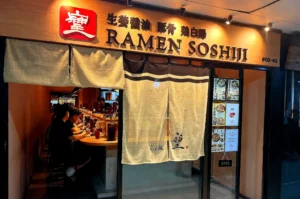
The Ginger Shoyu Ramen at Ramen Soshiji, Where Orchard Goes Quiet
Dio Asahi | August 26, 2026
By Dio Asahi for Eat Drink Asia. The lift opens on the third floor of Orchard Plaza, and for a second I don’t know which way to turn. The corridor is dim and still, the kind of quiet that feels almost accidental in this part of town. A few doors down, an unmarked entrance. Inside,…
-
Indo Rasa Singapore and the Nasi Goreng That Measures a Kitchen’s Confidence
Eat Drink Asia Team | August 25, 2026
There’s a dish I order when I want to know a kitchen quickly. Not the specialty. Not the thing the menu is proud of. I order the fried rice. Because nasi goreng has nowhere to hide. It’s rice, chilli, chicken, egg, a few crackers, some cucumber. Everyone thinks they can make it. Most people can….
-
Bebek Goreng Pak Ndut and the Fried Duck That Makes Nasi Goreng Feel Too Polite
Eda Wong | August 22, 2026
The duck arrived and made a sound before I’d even touched it. Not the plate, the skin. When my fork pressed against it, there was a small, dry crackle, the kind you feel in your fingers before you hear it. That’s when I understood I wasn’t eating a soft meal. This was something with edges….