The wind coming off the Tamsui River carries a sharp, saline chill, but the narrow lanes bordering the waterfront offer a different atmosphere entirely. Here, the air is thick with the heavy, sweet-savoury aroma of star anise, cassia bark, and boiling soy sauce. Behind a modest storefront, dark liquid bubbles in massive, dented metal vats. A vendor wielding a long wooden paddle gently turns hundreds of small, blackened orbs, ensuring they do not stick to the bottom. Steam rises in thick plumes, fogging the glass display cases where these obsidian spheres are piled high. It is a quiet, repetitive rhythm that has defined this northern coastal town for generations.
These are tie dan (pronounced tee-eh dahn), literally translated as iron eggs. At first glance, they look almost entirely unyielding—shrunken, coal-black, and slightly wrinkled. But their creation is an exercise in extreme patience rather than brute force. Fresh quail or chicken eggs are hard-boiled, peeled, and then plunged into a master stock of spiced soy sauce. After braising for several hours, they are hauled out and left to cool and shrink in the coastal air. This cycle of braising and air-drying is repeated relentlessly over the course of a week. The result is a dramatic transformation: the white of the egg compresses into a dense, rubbery shell, deeply stained by the dark soy, while the yolk inside becomes incredibly rich and creamy, absorbing the cumulative flavour of a hundred hours of simmering.
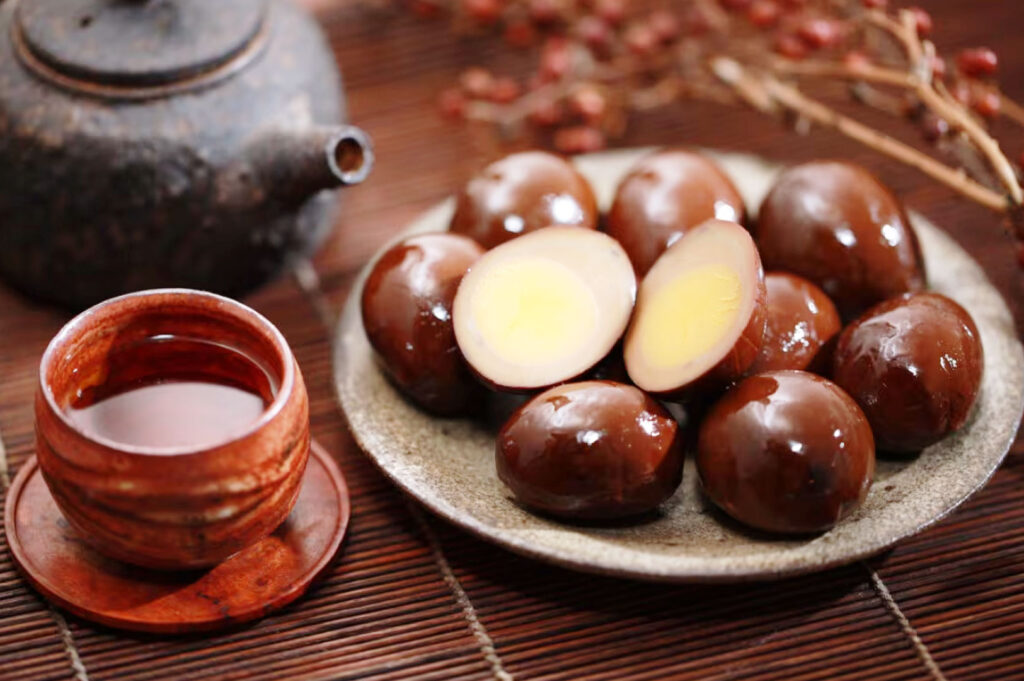
In Tamsui, the iron egg is not an occasion food; it is a pragmatic anchor of everyday life. Originally born out of necessity—a clever method of preservation for unsold goods by dockside vendors before modern refrigeration—it became the perfect portable fuel for ferrymen and labourers working the damp harbour. Today, it remains an accessible, functional snack. You see students eating them straight from small plastic bags on their way home, and commuters chewing on them thoughtfully while staring out at the river traffic. It is a food stripped of ceremony, yet it forms a vital thread in the community’s shared experiences, offering a reliable, highly concentrated burst of energy that speaks directly to the working-class roots of this port town.
What makes the iron egg so fascinating today is the quiet tension it represents. We live in an era of instant gratification, where food is engineered for rapid production and immediate consumption. Many snacks are now factory-pressed, artificially flavoured, and vacuum-sealed for global export. Yet, genuine tie dan demands the opposite. It requires a vendor to surrender to the slow, unyielding physical laws of evaporation and absorption. The egg asks for space, air, and, above all, time. In a fast-paced culinary landscape, this stubborn adherence to a days-long process feels like a quiet rebellion—a refusal to let efficiency overwrite texture and depth.
Standing on the pavement, breaking through that firm, spiced outer layer to reach the powdery yolk inside, the commitment of the craft becomes obvious. The iron egg is a testament to the beauty of waiting. In the same spirit of Taiwanese culinary invention, see Bubble Tea Origins: How Taiwan Created a Global Beverage Phenomenon.
It is a reminder that some flavours cannot be hurried, only carefully earned through the slow, deliberate passage of time.

Tong Ah Eating House Review: A Chinatown Breakfast That Still Begins with Kaya Toast
Eda Wong | September 19, 2026
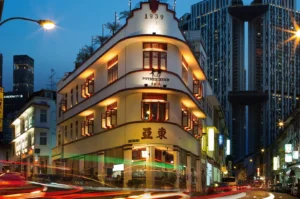
I almost walked past it. I’d been looking for the old triangular building, the red-and-white one you see in every photo of Keong Saik, the one that made Tong Ah feel like a landmark before you’d even ordered anything. But that’s not where it lives anymore. It’s a few doors down now, at 35 Keong…
-
Breakfast at Chinatown Singapore: How Migration Built the City’s Morning Table
Eat Drink Asia Team | September 17, 2026
The first time I ate breakfast in Chinatown, I got it wrong. I arrived at eleven, hungry and hopeful, and found the kopi stalls already turning toward lunch. The porridge uncle was packing up. The toast man had switched to slicing char siew. I ate a rushed plate of noodles standing near a pillar, sweating,…
-
The Bitter Leaf Folded Into a Burmese Home Kitchen
Eda Wong | September 16, 2026
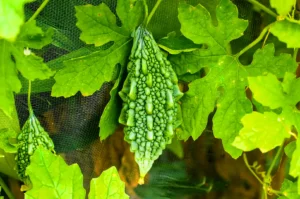
The oil is already hot when she reaches for the leaves. It’s late morning in a kitchen off a quiet lane, and a woman I’ve been watching stands over a blackened wok, tearing bitter gourd leaves by hand into a small heap. The garlic hits the oil first, sharp and loud. Then the leaves go…
-
Best Sushi Singapore: From Premium Japanese Restaurants to Exclusive Deals from Affordable Sushi Trains
Dio Asahi | September 15, 2026
I’ve been eating sushi in this city for years now, from S$1.50 plates rolling past on a belt to omakase counters where the bill made me sit up straight. Somewhere along the way I stopped chasing “the best” and started noticing something else — that good sushi answers a mood, not a ranking. Some nights…
-
Al Mubin Restaurant and the Nasi Goreng Sambal Ayam That Has to Carry the Whole Plate
Eda Wong | September 12, 2026
It was close to eleven at night when I finally sat down. The kind of hour when you’re not really hungry so much as unsettled, when you want something warm in front of you more than you want a proper meal. Al Mubin’s food court at Block 407, Ang Mo Kio Avenue 10, was still…
-
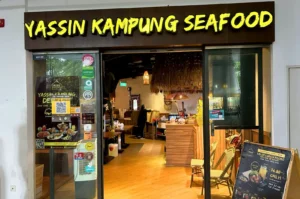
Yassin Kampung Admiralty Review: When Sambal Fried Rice Becomes the Whole Point
Eat Drink Asia Team | September 10, 2026
I ordered the sambal fried rice first, before I’d even properly read the menu. That’s usually a mistake at a place like this. Yassin Kampung @ Admiralty is the kind of restaurant that keeps trying to pull your attention elsewhere — toward stingray, toward crab, toward hotplates that arrive still hissing. But I’d come with…
-
The Bamboo Basket Holding Chiang Mai’s Sticky Rice
Dio Asahi | September 9, 2026
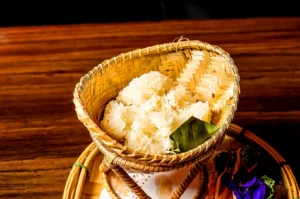
By Dio Asahi for Eat Drink Asia. The lid comes off, and the steam rises first. It’s a warm afternoon in Chiang Mai, and on the table sits a small woven bamboo basket, still holding the heat of the pot it came from. Someone’s grandmother lifts the top and sets it aside without looking. Inside,…
-
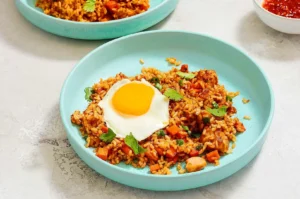
Sambal Fried Rice Recipe for People Who Know the Chilli Paste Does the Heavy Lifting
Dio Asahi | September 8, 2026
I used to add the rice too early. The oil would be hot, the sambal barely a minute in, and I’d tip in the cold rice because I was hungry and impatient. Every time, the same result: rice stained red but tasting of nothing much. Sharp. Raw. Flat where it should have been deep. It…
-
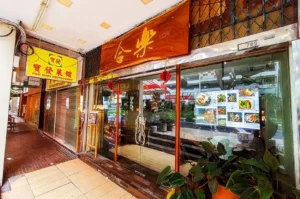
Hup Lok at Havelock Road: A Teochew Fish Soup Carrying Memory Forward
Eda Wong | September 8, 2026
The bowl arrives before anything else does. Steam lifts off it in slow ribbons, carrying the smell of ginger and something warmer underneath: the round, boozy note of hua tiao wine settling into fish. I lean in before I even pick up my spoon. The broth is pale gold and cloudy, thick enough that it…
-
Fresh Sashimi Singapore: Places for Clean Cuts, Quiet Counters, and Fish That Still Feels Alive
Eda Wong | September 5, 2026
I didn’t grow up eating raw fish. For years, sashimi felt like something you learned to appreciate rather than something you loved. Cold, foreign, a little intimidating. Then one afternoon, at a quiet counter, a chef placed a single slice of chutoro in front of me and said nothing. I ate it. And I understood….