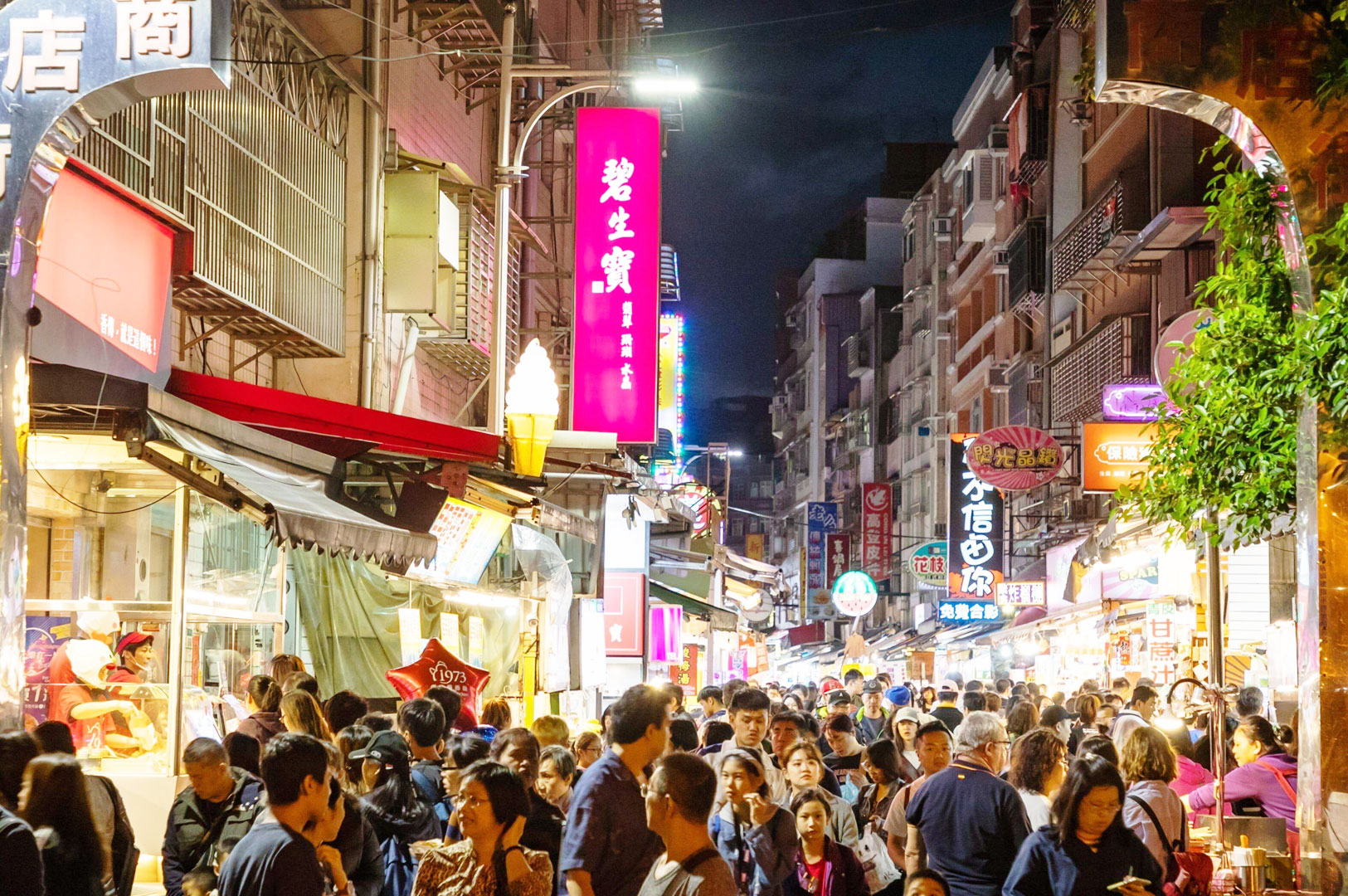
The wind coming off the Tamsui River carries a sharp, saline chill, but the narrow lanes bordering the waterfront offer a different atmosphere entirely. Here, the air is thick with the heavy, sweet-savoury aroma of star anise, cassia bark, and boiling soy sauce. Behind a modest storefront, dark liquid bubbles in massive, dented metal vats. A vendor wielding a long wooden paddle gently turns hundreds of small, blackened orbs, ensuring they do not stick to the bottom. Steam rises in thick plumes, fogging the glass display cases where these obsidian spheres are piled high. It is a quiet, repetitive rhythm that has defined this northern coastal town for generations.
These are tie dan (pronounced tee-eh dahn), literally translated as iron eggs. At first glance, they look almost entirely unyielding—shrunken, coal-black, and slightly wrinkled. But their creation is an exercise in extreme patience rather than brute force. Fresh quail or chicken eggs are hard-boiled, peeled, and then plunged into a master stock of spiced soy sauce. After braising for several hours, they are hauled out and left to cool and shrink in the coastal air. This cycle of braising and air-drying is repeated relentlessly over the course of a week. The result is a dramatic transformation: the white of the egg compresses into a dense, rubbery shell, deeply stained by the dark soy, while the yolk inside becomes incredibly rich and creamy, absorbing the cumulative flavour of a hundred hours of simmering.
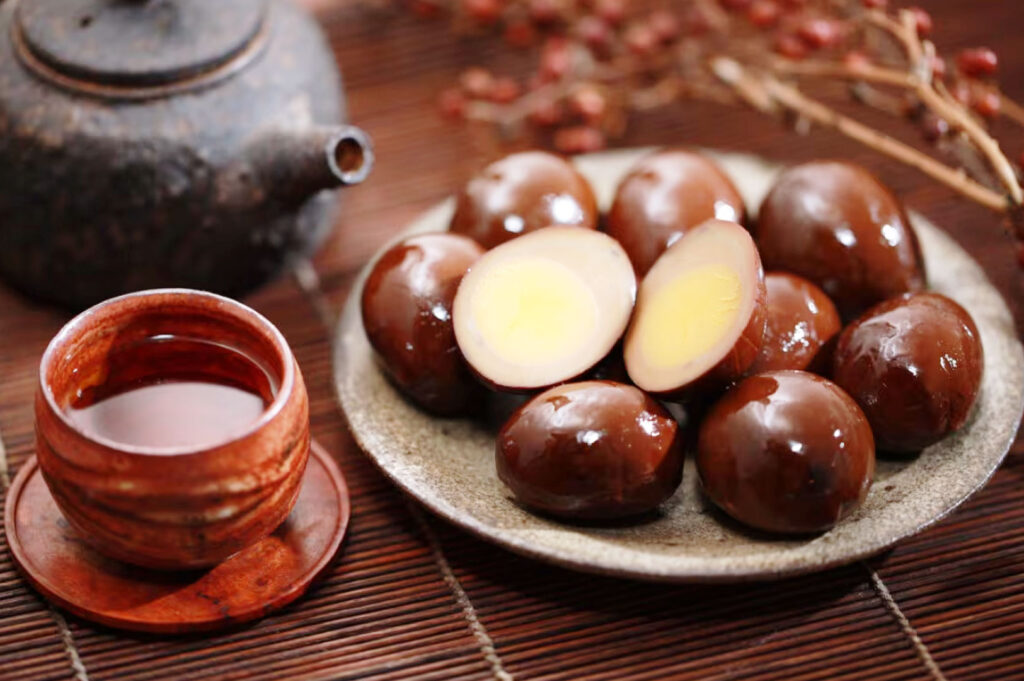
In Tamsui, the iron egg is not an occasion food; it is a pragmatic anchor of everyday life. Originally born out of necessity—a clever method of preservation for unsold goods by dockside vendors before modern refrigeration—it became the perfect portable fuel for ferrymen and labourers working the damp harbour. Today, it remains an accessible, functional snack. You see students eating them straight from small plastic bags on their way home, and commuters chewing on them thoughtfully while staring out at the river traffic. It is a food stripped of ceremony, yet it forms a vital thread in the community’s shared experiences, offering a reliable, highly concentrated burst of energy that speaks directly to the working-class roots of this port town.
What makes the iron egg so fascinating today is the quiet tension it represents. We live in an era of instant gratification, where food is engineered for rapid production and immediate consumption. Many snacks are now factory-pressed, artificially flavoured, and vacuum-sealed for global export. Yet, genuine tie dan demands the opposite. It requires a vendor to surrender to the slow, unyielding physical laws of evaporation and absorption. The egg asks for space, air, and, above all, time. In a fast-paced culinary landscape, this stubborn adherence to a days-long process feels like a quiet rebellion—a refusal to let efficiency overwrite texture and depth.
Standing on the pavement, breaking through that firm, spiced outer layer to reach the powdery yolk inside, the commitment of the craft becomes obvious. The iron egg is a testament to the beauty of waiting. In the same spirit of Taiwanese culinary invention, see Bubble Tea Origins: How Taiwan Created a Global Beverage Phenomenon.
It is a reminder that some flavours cannot be hurried, only carefully earned through the slow, deliberate passage of time.

The Coconut Spoon That Shapes Nyonya Kueh Salat
Eda Wong | August 21, 2026
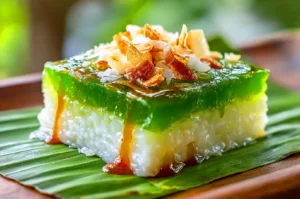
By Eda Wong for Eat Drink Asia. Steam curls up from a tray in the back of the kitchen, and the whole room smells green. Pandan, crushed and knotted, pushed through wet cloth until the leaves give up their colour. An auntie leans over the tray with a spoon carved from coconut shell, dark and…
-
Chicken Nasi Goreng Recipe: What Leftover Rice Becomes After the Wok Gets Serious
Dio Asahi | August 20, 2026
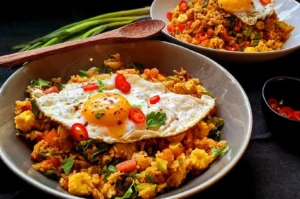
There’s a container of rice at the back of my fridge most weeks. Cold, a little hard, forgotten from a dinner two nights ago. Some people see that and think of waste. I see the start of something better. Because leftover rice doesn’t want to be reheated. It wants to be fried. And when it…
-
The First Ladle of Miso Soup in a Tokyo Breakfast Shop
Dio Asahi | August 19, 2026
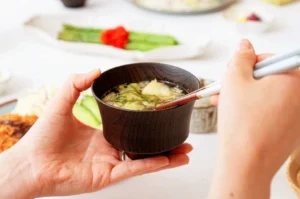
By Dio Asahi for Eat Drink Asia. The shop is barely wider than a hallway. Seven stools, a counter worn smooth, and behind it a woman ladling soup into small ceramic bowls before anyone has ordered it. Steam lifts off the surface and fogs the window against the cold morning. The bowl reaches me warm…
-
Chirashi Don Best Picks When Bowls Between the Sushi Counter and Lunch Are the Current Mood
Eat Drink Asia Team | August 18, 2026
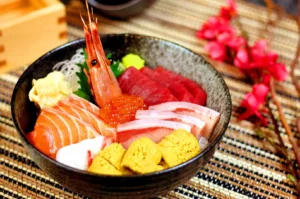
There’s a specific kind of hunger that a chirashi don answers. It’s not the hunger for a full sushi omakase, with its slow ceremony and its quiet counter watching. And it’s not the hunger for something thrown together and forgotten by three o’clock. It sits somewhere in between — fish and rice in one bowl,…
-
Kopi Through the Cloth: Why the Strain Matters
Eda Wong | August 17, 2026
By Eda Wong for Eat Drink Asia. It is not yet seven, and the uncle at Heap Seng Leong has the pot going. He works the sock strainer over the tin cup with both hands, dipping and lifting, dipping and lifting, coaxing the coffee through the worn cloth. Steam rises between his fingers. The smell…
-
SBCD Korean Tofu House and the Comfort Logic of Bubbling Soondubu
Eda Wong | August 15, 2026
It was raining the afternoon I went. Not the polite kind, the sort that drums against the glass of Guoco Tower and makes you glad you’re already underground. I hadn’t planned on soondubu. I’d planned on something quick, something I could eat between the errands piling up in my head. But the rain does something…
-
The Knife Work at Hanashizuku Japanese Cuisine, Three Floors Above the Noise
Eda Wong | August 14, 2026
By Eda Wong for Eat Drink Asia. The lift doors open on a floor of Cuppage Plaza that has seen better decades. Peeling signage. A corridor that smells faintly of old carpet and cigarette smoke drifting from somewhere. Then a door slides shut behind me, and the noise falls away. Inside Hanashizuku Japanese Cuisine, the…
-
Todamgol Restaurant and the Comfort Logic Behind Famous Korean Foods
Dio Asahi | August 13, 2026
It was close to nine on a Friday when I finally found the door. Tanjong Pagar was doing its usual thing, full tables spilling onto five-foot ways, soju bottles catching the light, someone laughing too loudly two doors down. I almost walked past Todamgol. Then the smell reached me. Fermented, smoky, a little sharp. The…
-
The Same Grill, Three Decades On, at Kazu Sumiyaki Restaurant
Dio Asahi | August 12, 2026
By Dio Asahi for Eat Drink Asia. The lift opens on the fourth floor of Cuppage Plaza and the smoke finds me before the door does. Charcoal, dark and earthy, threaded through with something richer — fat meeting fire. I follow it down a narrow corridor, past shuttered shops and flickering signage, until I reach…
-
Popular Korean Cuisine Has a Memory: Why Famous Korean Food Feels So Complete
Eat Drink Asia Team | August 11, 2026
The first time I ordered kimchi jjigae in Singapore, I made a small mistake. It came bubbling in a stone pot, and I ate it like soup, spoonful after spoonful, straight down, until my mouth was on fire and the bowl was half gone. The auntie across the counter watched me for a moment, then…