What is Takoyaki and Why Does it Matter in Japanese Food Culture?
In the bright heart of Osaka, the sizzle of takoyaki batter signals one of Japan food culture’s most beloved street foods. Lines form at street stalls drawn by the delicious food aromas of sweet-savory sauce and bonito flakes dancing on golden spheres. Takoyaki, crispy on the outside and molten within, is a cornerstone of Japanese cuisine, reflecting the enthusiastic, communal, and slightly messy side of Japanese food.
Takoyaki balls, made from wheat flour batter and filled with diced octopus, are cooked in special pans until perfectly crisp. Each piece is topped with sauce, rich Japanese mayonnaise, aonori (seaweed flakes), and dancing dried fish shavings. This iconic Japanese food goes beyond sushi and ramen, showing another delicious dimension of traditional Japanese food—a dynamic, festival-inspired bite that’s absolutely delicious and incredibly delicious hot off the grill.
The 1930s Origins of Takoyaki
Takoyaki was born in Osaka in 1935, when vendor Tomekichi Endo adapted rajioyaki, then a beef-filled snack, by using octopus—a nod to Akashi’s flour-based akashiyaki. Swapping beef for octopus, adjusting to wheat-forward batter, and adding sauce, Endo created the first takoyaki. His shop, Aizuya, remains an icon for Japan food lovers.
In Showa-era Japan, as street food fueled the working class, octopus from the Seto Inland Sea and plentiful wheat made takoyaki both filling and affordable. Quick to make and eat, these small dishes captured the essence of street stalls and Japan food: ingenuity, community, and deliciousness.
The Anatomy of Takoyaki
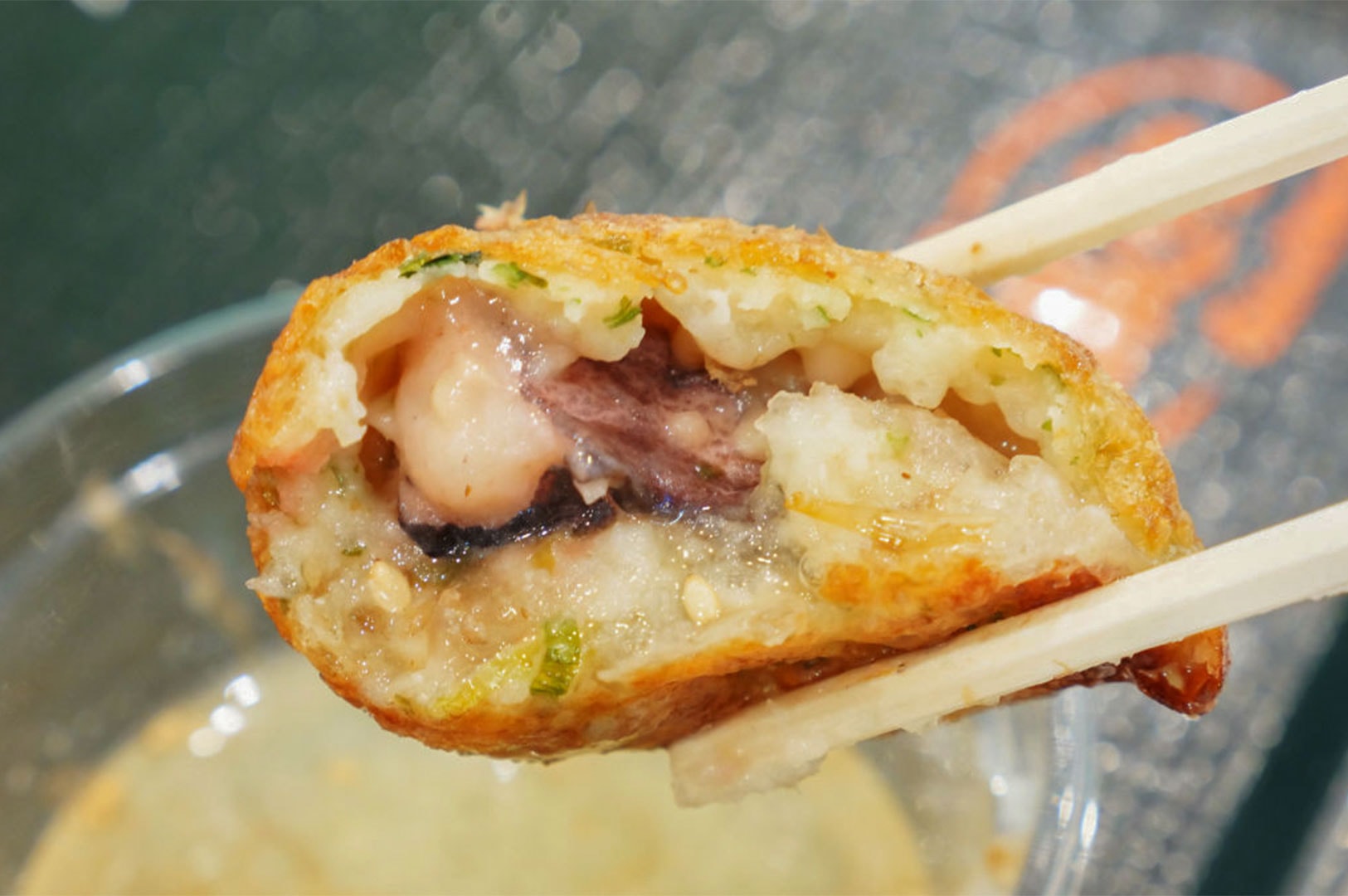
Understanding takoyaki means studying its layers. The batter uses wheat flour, dashi (Japanese soup stock from kombu and bonito flakes), egg, and a touch of soy sauce—resulting in a custardy interior. Wheat noodles, such as udon, are another staple of Japanese cuisine, showing the versatility of wheat-based foods in Japan. At the center is boiled octopus, lending bounce and sweetness. Takoyaki isn’t about raw fish but about texture—crisp shell with a chewy, sweet core.
The mix-ins—tenkasu (tempura scraps), beni shoga (red pickled ginger), and green onion—give added depth, crunch, and tang, while the octopus delivers the classic Japanese taste. Bamboo shoots are also a common topping in other Japanese dishes, such as ramen, highlighting the variety of ingredients used in Japanese cuisine. After frying, the balls are generously coated in takoyaki sauce and Japanese mayonnaise, then topped with aonori and katsuobushi. Each element is a tribute to the depth of traditional Japanese dishes and the balance of flavor and texture prized in Japanese food.
The Craft of Making Takoyaki
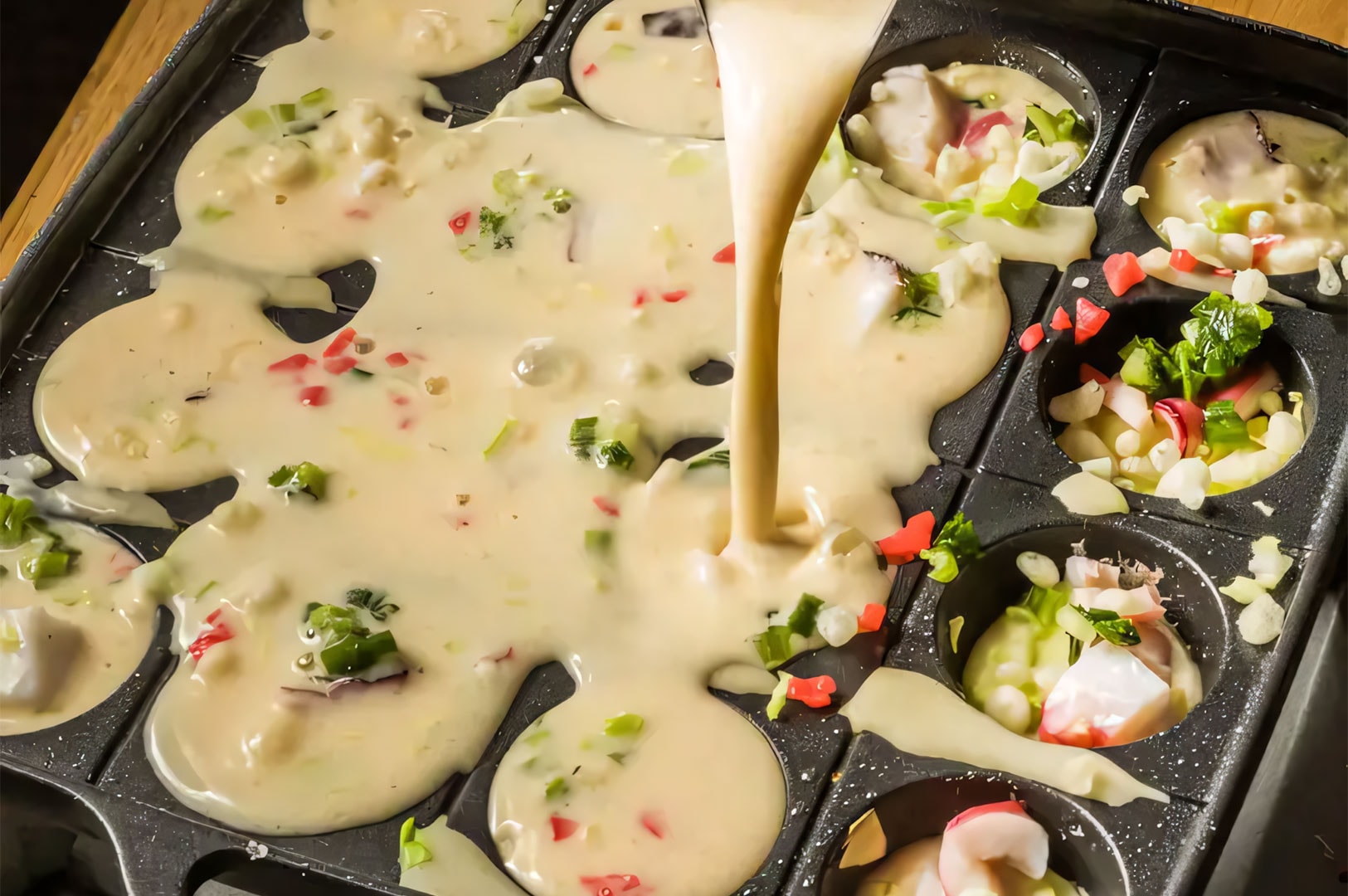
The making of takoyaki is performance art within Japanese food culture. A hot cast-iron pan, filled with hemispherical molds, is essential. Vendors pour thin batter, then scatter in octopus, tenkasu, pickled ginger, and green onion. With metal picks, they quickly turn each ball, crisping the exterior while preserving a hot, custardy inside. Timing is crucial: rotate too early and the ball collapses; too late and it’s overcooked. This mastery is why takoyaki from Osaka’s street stalls and renowned restaurants is considered a must-try.
At home, electric takoyaki pans enable families to host “takopa” (takoyaki parties), reinforcing the dish’s communal, interactive nature. Perfect form isn’t required—it’s the shared experience, laughter, and piping-hot flavor that matters most.
Eating Takoyaki: Street Food, Festivals, and Comfort
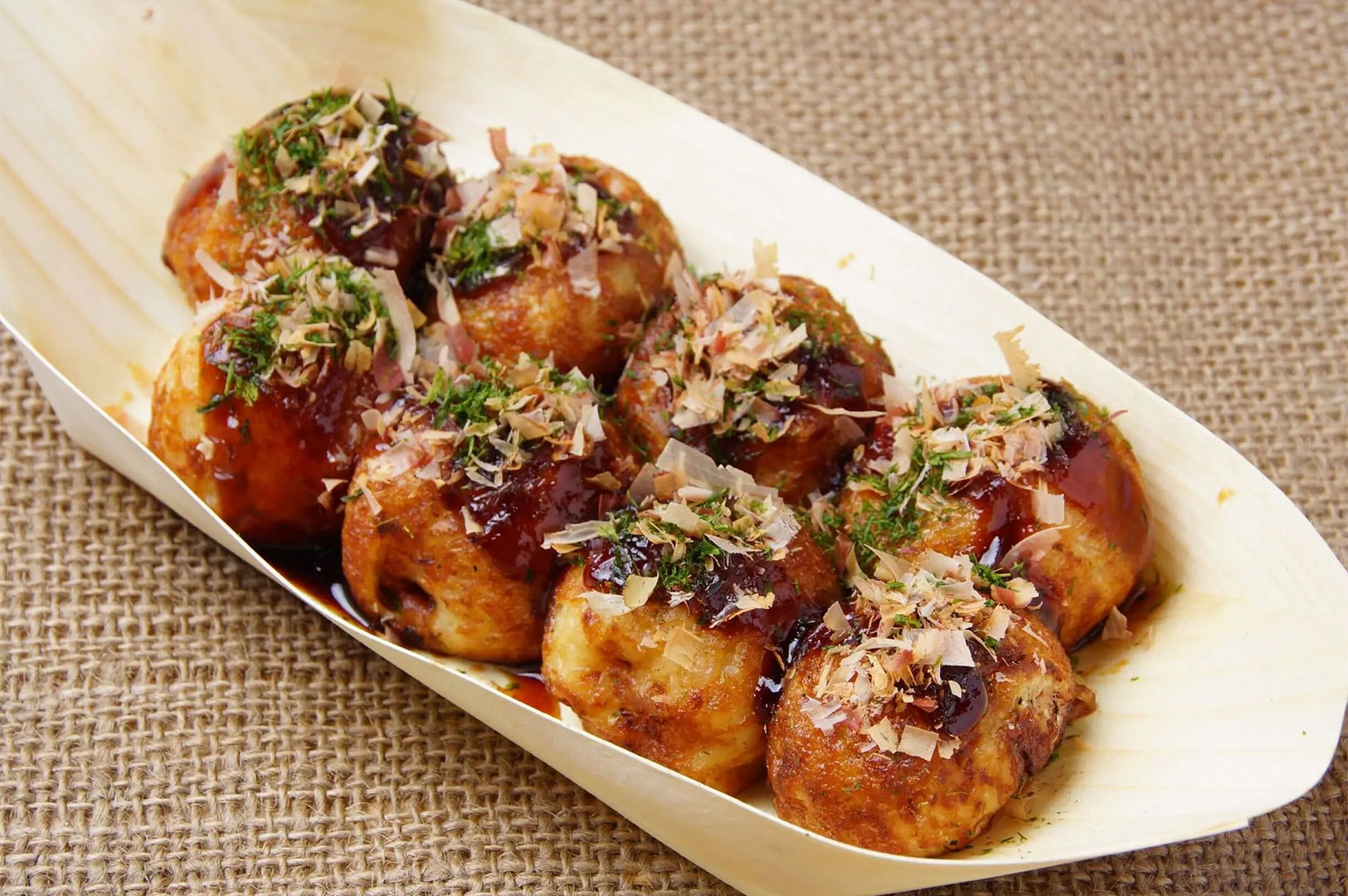
Takoyaki thrives in specific environments—Osaka’s Dotonbori, shopping arcades, summer festivals (matsuri), and even baseball stadiums. Ordering is simple: choose a portion size and receive a paper boat of steaming balls. Eaten piping hot, the experience is legendary—biting in before they cool earns you a badge of honor among Japanese people.
Festival takoyaki is woven into Japanese culture, eaten during fireworks, New Year’s, and community celebrations. The taste is inseparable from memories of summer, special occasions, and the unique rhythm of night market life. Takoyaki is often enjoyed as a side dish alongside other festival favorites, such as yakisoba or okonomiyaki. At these events, visitors can also try other dishes, showcasing the diversity of Japanese street food. For many, takoyaki represents a favourite Japanese dish, tied to the nostalgia and excitement of childhood events.
For visitors to Japan, takoyaki offers an accessible entry into Japanese food culture. Affordable, delicious, and instantly recognizable, takoyaki is often the first bite that sparks a love for different types of Japanese food. Takoyaki is also widely available at convenience stores across Japan, making it easy for travelers to sample this classic snack on the go.
Explore further through Eat Drink Asia, a resource for those seeking authentic Japanese dishes, food history, and regional specialties.
Regional Variations and the Japan Food Landscape
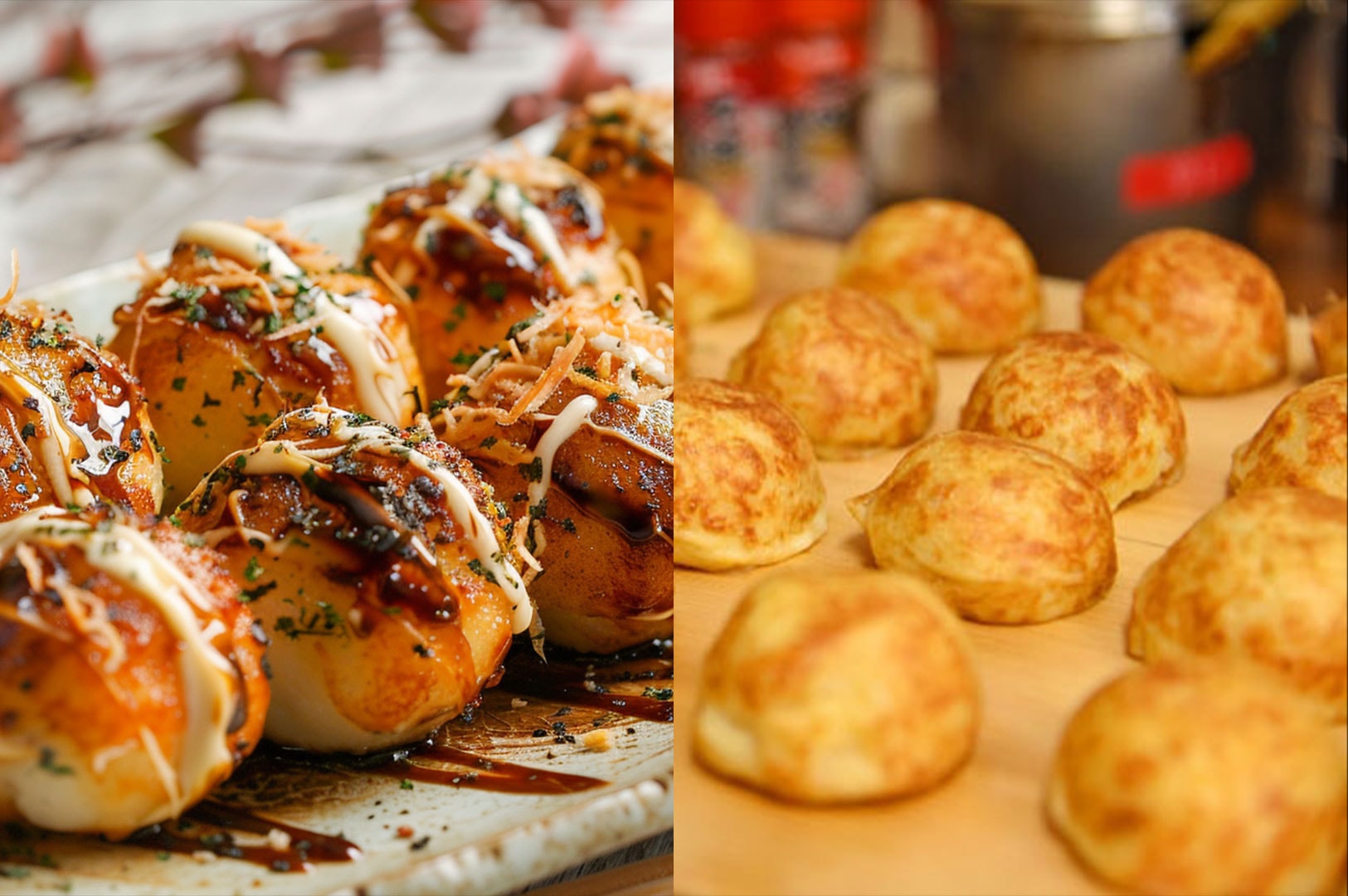
Although Osaka claims takoyaki as its own, it has spread across Japan, transforming along the way. The main contrast is with akashiyaki from Akashi—an egg-rich, custardy dumpling served with warm soup stock. While Osaka takoyaki is wheat-based and slathered with sauce, akashiyaki is dipped in dashi.
Style | Batter | Texture | Serving |
|---|---|---|---|
Osaka Takoyaki | Wheat, dashi, soy sauce | Crispy shell, soft inside | Sauce, mayo, aonori, katsuobushi |
Akashiyaki | Egg-rich, more custardy | Soft throughout | Dipped in dashi soup stock |
Modern Variations | Often includes cheese, unique fillings | Varies | Fusion sauces, inventive toppings |
Additional twists include the addition of cheese in Kobe, extra crisp in some Tokyo shops, and sweet red bean paste for dessert variations. Takoyaki is part of the broader “konamon” family—flour-based dishes like okonomiyaki (with sliced pork belly and shredded cabbage) and monjayaki (a Tokyo specialty). All highlight how Japanese food relies on seasonal ingredients, special techniques, and balancing flavors.
Japanese cuisine offers a huge variety of dishes, reflecting the diversity of regional specialties known as kyōdo ryōri. This culinary richness is recognized globally, with washoku—traditional Japanese cuisine—added to UNESCO’s Representative List of the Intangible Cultural Heritage of Humanity in 2013. Washoku emphasizes natural flavors, seasonality, and artful presentation, making every meal an experience.
Vegetables, seafood, and meat are all central to Japanese food culture. Dishes like tempura (deep-fried seafood and vegetables), sukiyaki (thin slices of beef and vegetables simmered in sweet soy broth, often with raw egg), and yakitori (grilled chicken skewers) showcase the importance of these ingredients. Udon noodles, especially in the form of kake udon—a simple bowl of udon noodles in a light soy-based broth—are staple dishes, and visiting Japan is the best way to try authentic versions.
Rice bowls (donburi) such as gyudon, curry rice, and Japanese curry are everyday favorites, with rice-based dishes being named ‘Dish of the Year’ in 2025. Miso paste is essential in miso soup, a staple side dish, and boiled egg is a common topping in ramen, which itself comes in many types (shio, shoyu, miso, tonkotsu). Food lovers often debate their favourite type or favourite dish, from ramen to sushi.
Shojin ryori, a vegetarian cuisine rooted in Buddhism, prohibits meat and seafood and is known for its simplicity and reflection. Teishoku, the standard set meal, and bento boxes are popular lunch options at any restaurant, while lunch sets offer great value and variety. Soy milk is used to make yuba, a delicacy, and kaiseki dinners showcase the artistry and seasonality of Japanese food.
Japanese cuisine is celebrated for its health benefits, focus on fresh, seasonal ingredients, and beautiful presentation. Side dishes like gyoza are common, and okonomiyaki often features pork belly as a topping. The global popularity of Japanese food continues to grow, with dishes like wagyu beef (served in thin slices), sushi, and ramen enjoyed around the world.
Takoyaki in Japanese Food Philosophy

Takoyaki embodies the principles of Japanese cuisine: respect for ingredients, balance of umami, and social eating. Whether crafted by street vendors with decades-honed technique or homemade in small portions at family gatherings, takoyaki represents kodawari—attention to detail and mastery.
Seasonal ingredients further enhance the dish—takoyaki is popular year-round but iconic during summer festivals alongside green tea, fried snacks, and traditional side dishes. Its hot, satisfying nature makes it the perfect dish for gathering with friends or treating yourself on busy nights in Japan.
The communal aspect—learning, laughing, and sharing—mirrors other staples of Japanese food culture: nabe hotpot, shared rice bowls, and even the subtle art of miso soup. Eating takoyaki at a street stall or a festival means joining a community, making every bite a celebration of Japanese culture and food. In addition to its social value, Japanese cuisine is known for its health benefits, offering balanced nutrition and promoting wellness through the positive effects of shared meals.
Why Takoyaki Endures in Japanese Cuisine
Decades after its invention, takoyaki remains at the heart of Japan food culture. It’s featured on social media, in convenience stores, and at lively street stalls. For many, the taste of takoyaki is tied to personal milestones—festivals, dates, family gatherings. This enduring appeal is why takoyaki remains a top choice when listing favourite Japanese dishes.
Japanese food offers a wide range of experiences: while some dishes, such as natto, are famous for their pungent smell that can be challenging for newcomers, takoyaki is widely loved for its approachable flavor. Easy to love and simple for new taste buds to understand, takoyaki provides a starting point for deeper exploration. Once you’ve enjoyed it, be sure to branch out to other Japanese dishes—ramen, sushi with freshly prepared sushi rice, tempura, pickled plum, or wagyu beef. Together, these foods are pillars of Japanese food culture.
Takoyaki holds its place as an “absolutely delicious” and “incredibly delicious” staple, showing that the best Japanese food experience is often found on street corners rather than just in high-end restaurants. It is a living example of how Japan food connects history, creativity, and community, and is enjoyed around the world, highlighting the global popularity of Japanese cuisine.
Try takoyaki for a true taste of Japan’s food scene—a reminder that favourite dishes, from small street foods to elaborate course meals, are built from passion, history, and an unyielding pursuit of flavor in every bite.
Try takoyaki for a true taste of Japan’s food scene—a reminder that favourite dishes, from small street foods to elaborate course meals, are built from passion, history, and an unyielding pursuit of flavor in every bite.

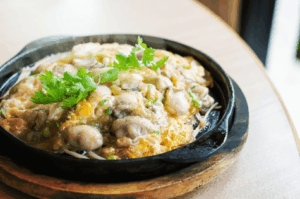
A Food Lover’s Guide to the Taiwanese Oyster Omelet
Eat Drink Asia Team | November 4, 2025
As twilight descends upon Taipei City, a vibrant energy pulses through its streets. This is the hour of the night markets, bustling hubs of community, commerce, and some of the world’s most incredible street food. Amidst the steam from soup dumplings and the sizzle of Taiwanese fried chicken, one iconic dish reigns supreme: the Taiwanese…
-
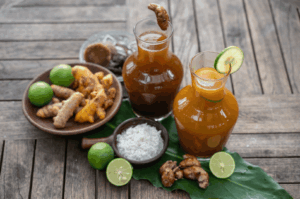
Jamu: Indonesian Herbal Medicine for Modern Well-Being
Dio Asahi | November 1, 2025
Across the Indonesian archipelago, a vibrant tradition of herbal healing has flourished for centuries. This is jamu, a cornerstone of Indonesian cultural heritage and a sophisticated system of traditional herbal medicine. Far more than just a refreshing drink, jamu represents a philosophy of balance, a deep connection to nature, and a form of indigenous medicine…
-
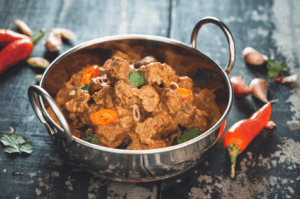
Padang Beef Rendang: The Complex Process Behind Indonesia’s Most Famous Dish
Eda Wong | October 30, 2025
This post may contain affiliate links. For full transparency, this article may contain affiliate links. To call Padang beef rendang simply a dish is to miss the soul of Indonesian cuisine. This legendary slow-cooked dry curry, a centerpiece of both festive tables and humble meals, has earned its fame as one of the world’s most…
-
Teh Tarik Malaysia: The Art and Science Behind Iconic Pulled Tea
Eat Drink Asia Team | October 28, 2025
In Malaysia, ordering a cup of teh tarik is about so much more than just enjoying a hot drink. Teh tarik, literally translated as “pulled tea,” is Malaysia’s national beverage, famous for its sweet, creamy taste, frothy top, and the spectacular pulling technique seen in bustling mamak stalls and coffee shops across the country. A…
-
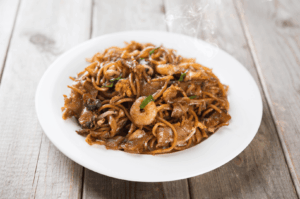
The Legendary Penang Char Kway Teow: A Culinary Journey
Dio Asahi | October 25, 2025
The air in Penang is thick with anticipation, carrying the sounds and smells of Malaysian street food being crafted with expert care. Your attention is captured by one of the many street vendors, a master standing before a seasoned wok glowing over an intense fire. The rhythmic clanging of metal on metal is the soundtrack…
-
Traditional Korean Sikhye: Sweet Rice Punch Through the Seasons
Eda Wong | October 23, 2025
In the vibrant world of Korean food, beyond the fiery spice of gochujang and the savoury comfort of bulgogi, lies a gentler, more subtle delight. Meet traditional Korean sikhye (식혜), a beloved Korean sweet rice punch that holds a special place in the nation’s heart. With its cloudy, amber hue and delicate sweetness, this drink…
-
Authentic Jeonju Bibimbap: Why Korea’s Culinary Capital Makes It Best
Eat Drink Asia Team | October 21, 2025
Picture this: A steaming Korean rice bowl is placed before you in Jeonju, South Korea. Vibrant arcs of seasoned bean sprouts, glossy strips of Korean beef, a golden runny yolk resting atop perfectly cooked mixed rice, and a dollop of rich red bibimbap sauce invite you to mix it all together. As you stir, the…
-
Communal Dining Traditions in Asia: Shared Meals, Lasting Bonds, and Cultural Heritage
Dio Asahi | October 18, 2025
Imagine a dining table crowded with large platters of steaming food, the smell of spices in the air, small bowls arranged neatly around the shared table, and laughter echoing across the room. Across Asia, dining tables play a central role in communal dining traditions, serving as the focal point for etiquette, social interaction, and the…
-
Century-Old Dumpling Techniques: Ancient Wisdom in Modern Kitchens
Eda Wong | October 16, 2025
Her hands move in a blur, a dance of muscle memory refined over sixty years. In a small, steam-filled kitchen in Shanghai, an elderly woman transforms a humble circle of dumpling dough into a perfect, 20-pleat xiao long bao. Each pinch and fold is a syllable in a story passed down through generations-prime examples of…
-
Ca Phe Sua Da: The Cultural Phenomenon of Authentic Vietnamese Coffee
Eat Drink Asia Team | October 14, 2025
The dawn breaks over Hanoi, and the city awakens not to alarm clocks but to the clatter of tiny spoons and the metallic click of filters. The air fills with the dark, roasted aroma of authentic Vietnamese coffee drifting from bustling corners and sidewalk stalls. They are not rushing. Instead, they are waiting-waiting for the…