By Eda Wong for Eat Drink Asia.
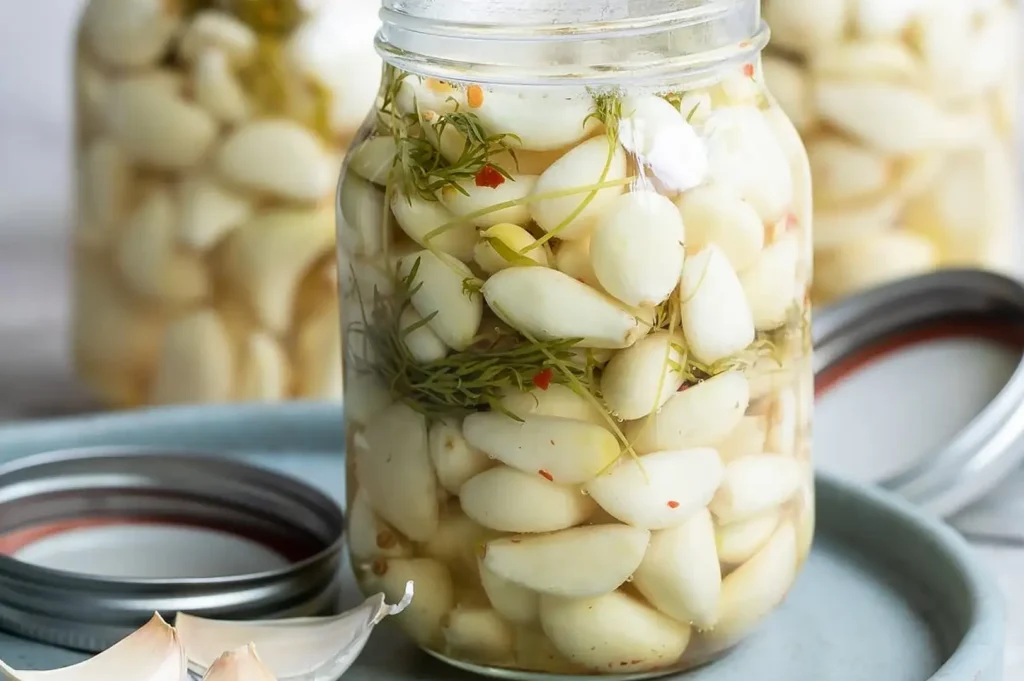
The jar sits on the windowsill of a shophouse kitchen in Bangkok, between a bottle of fish sauce and a tin of mismatched spoons. Morning light comes through it, turning the liquid inside the color of weak tea. Behind me, a pot of rice porridge ticks and bubbles on a low flame.
Auntie Noi unscrews the lid. It gives a small, reluctant sigh. Vinegar reaches me first, sharp and clean, then something sweeter underneath. She lifts out a whole head of garlic with a pair of chopsticks, the papery skin still clinging in places, and sets it on a saucer without a word.
In Thai, it’s called kra-tiam dong (กระเทียมดอง), said roughly “grah-tee-um dong.” It simply means pickled garlic.
It’s one of the quieter staples in Thai food, a cuisine built on balancing sour, sweet, salty and heat.
It begins as ordinary young garlic. The heads are trimmed and the tough outer layers are peeled away. Some cooks leave the heads whole, and others break them into cloves. Then they’re submerged in a brine of vinegar, sugar, and salt, and left alone.
Over days, then weeks, something slow happens. The raw heat leaves the cloves. Their color shifts from chalky white to a pale, almost translucent ivory. The texture stays firm but loses its bite. When you press one between your teeth, it gives a small snap, then softens into something sour, gently sweet, and faintly savory.
The brine changes too. It takes on the garlic’s flavor, and many kitchens treat it as an ingredient of its own, spooned into dressings or stirred into a dipping sauce.
Auntie Noi breaks off two cloves and drops them into my bowl of khao tom, the plain rice porridge. A thin trickle of brine follows. Beside the bowl there’s a fried egg, a few slices of grilled pork, and a dish of salted radish.
Nobody comments on the garlic. It isn’t the point of the meal. It’s simply there, the way rice is there, or the fish sauce bottle.
I’ve come to think a jar like this says something about a household. It means someone planned weeks ahead. It means the kitchen keeps time in a way that goes beyond the next meal. Auntie Noi tells me she gives jars to neighbors, and they come back empty, rinsed, and sometimes holding a few mangoes or a bag of chilies.
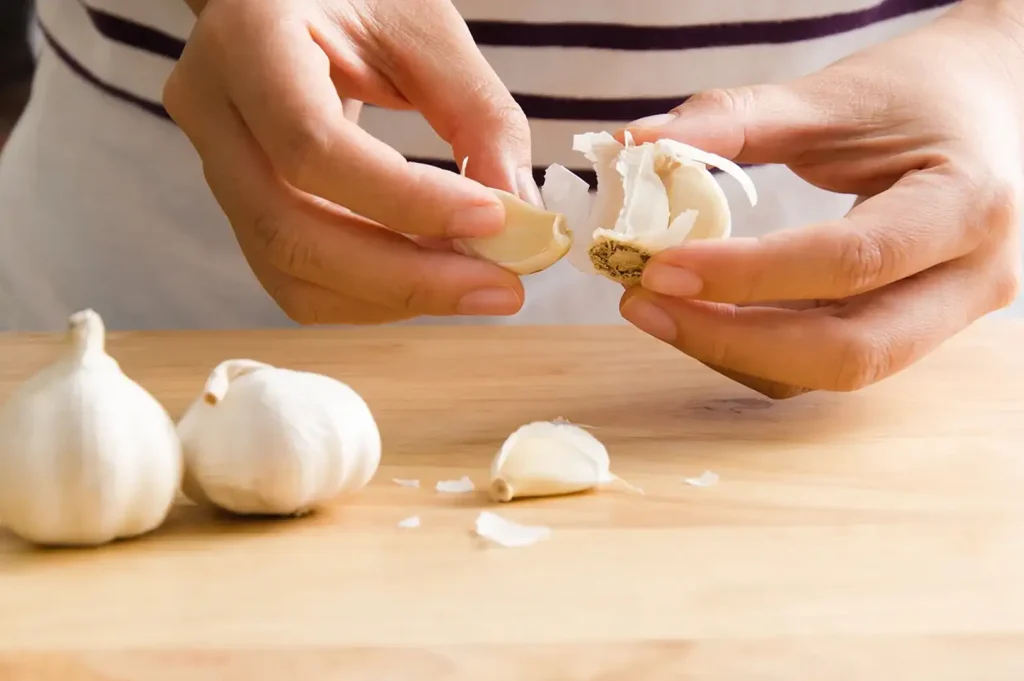
The craft is quiet, but it’s real. She soaks the garlic overnight in salted water first, to draw out some of its harshness. The next day, she boils the vinegar, sugar, and salt together, then lets the brine cool completely before pouring it over. Hot brine, she says, cooks the garlic soft. Her ratio is by eye, a little less sugar than vinegar. A date is written on the lid in marker. She won’t open it for three weeks.
She buys ready-made jars too, when life gets busy. They’re tidy and identical, and often sweeter than hers. She doesn’t look down on them. But the jar on the windowsill is a different thing. It’s garlic that waited, and a kitchen that waited with it.
I finish the porridge slowly. The last clove has soaked up the warmth of the rice, and it tastes softer now, almost like a memory of garlic. Auntie Noi screws the lid back on and returns the jar to the light.
It will keep. That’s the whole idea.

When the Izakaya Becomes the Plan: Izakaya Singapore Top Picks for After-Work Reset
Dio Asahi | January 28, 2026
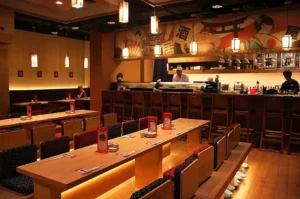
January 28, 2026 | Dio Asahi Last updated: October 12, 2026 As you step behind the humble noren curtain, you’re greeted by glowing lanterns, sizzling charcoal-grilled skewers, and warm welcomes. This is izakaya, Japan’s casual pub, a vibrant part of Singapore’s dining scene. More than just yakitori and sake, izakayas offer a lively setting for social…
-
Yuja Tea: Korea’s Traditional Citron Tea
Dio Asahi | January 27, 2026
The golden, aromatic steam rising from a cup of yuja tea carries centuries of Korean tradition and wellness wisdom. This caffeine-free citrus beverage has warmed Korean hearts through countless winters, offering both comfort and powerful health benefits in every sip. Made from the Korean citron known as yuja fruit, this simple Korean tea represents one…
-
The Global Phenomenon of Korean Instant Noodle: A Cultural and Culinary Journey
Eda Wong | January 24, 2026
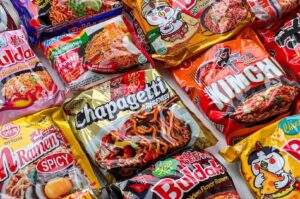
In the high-octane streets of South Korea, where the “pali-pali” (hurry-hurry) culture defines the pace of life, one dish stands as the ultimate equalizer of speed and satisfaction: Korean ramyeon. While the world often uses the terms ramen and ramyeon interchangeably, the Korean version is a distinct entity. It is not merely a quick snack…
-
Traditional Ramyeon: The Soulful Heart of Korean Noodle Culture
Eat Drink Asia Team | January 20, 2026
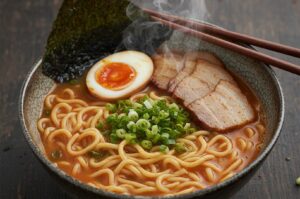
In the bustling culinary landscape of South Korea, few comfort foods can match the satisfaction of a steaming bowl of ramyeon. While outside of Korea, “ramyeon” often brings to mind Korean instant noodles or instant ramen, true ramyeon Korean style refers to the artful, freshly prepared noodle soup enjoyed in homes and at local restaurants…
-
The Heart of the Korean Noodles: History and Texture
Eda Wong | January 17, 2026
In Korea, a bowl of noodles is far more than a simple dish; it is a cultural anchor that has weathered centuries of change. For generations, the length of the strand has symbolized a long and prosperous life, making Korean noodles a staple at birthdays, weddings, and the milestone 60th birthday celebration known as hwangap….
-
Preserving the ‘Big Bowl’ Tradition with Pen Cai Delivery in the Age of Doorstep Dining
Eat Drink Asia Team | January 15, 2026
Modern Festive Menu: Bringing the Big Bowl Home There is a special, undeniable magic to the Chinese New Year reunion dinner. For many families, Chinese New Year 2026 is another chance to gather loved ones at the table and celebrate with a glorious pen cai—sometimes called the “big bowl feast”—overflowing with premium ingredients and festive…
-
Sencha: Traditions, Flavors, and the Essence of Japanese Tea
Eat Drink Asia Team | January 15, 2026
When people around the world think of Japanese tea, images of tranquil tea ceremonies in small rooms or frothy bowls of matcha often come to mind. Yet, the reality of tea drinking in Japan is much broader, woven deeply into the culture and daily habits. For the vast majority, sencha is the beloved tea that…
-
The Best Restaurants Tokyo Are Rarely the Ones You Plan For
Eda Wong | January 12, 2026
Tokyo, Japan’s capital, does not reward urgency. It rewards return. On my first visit, I chased what everyone told me were the best restaurants Tokyo had to offer. I spent weeks highlighting maps, bookmarking digital “must-eat” lists, and refreshing reservation pages until my eyes blurred. I thought that by conquering the top-tier establishments, I would…
-
Japan and Food: Culinary Harmony – The Deep Connection Between Japanese Food and Culture
Eat Drink Asia Team | January 11, 2026
When it comes to Japan and food, the two are intertwined in ways that captivate taste buds and awaken the senses. Japanese cuisine stands as one of the world’s most revered traditions—more than nourishing meals, it is an art reflecting centuries of philosophy and a window into Japanese culture itself. Every bowl of miso soup,…
-
The Verdant Cup: A Celebration of Green Tea in Japan
Eda Wong | January 10, 2026
In Japan, green tea is much more than a beverage. It marks a moment of pause, hospitality, and tradition. The story of green tea in Japan weaves through centuries of culture, artistry, and daily life—bridging ancient rituals like the Japanese tea ceremony to everyday meals enjoyed at home. The origins and beginning of Japanese tea…