By Eda Wong for Eat Drink Asia.
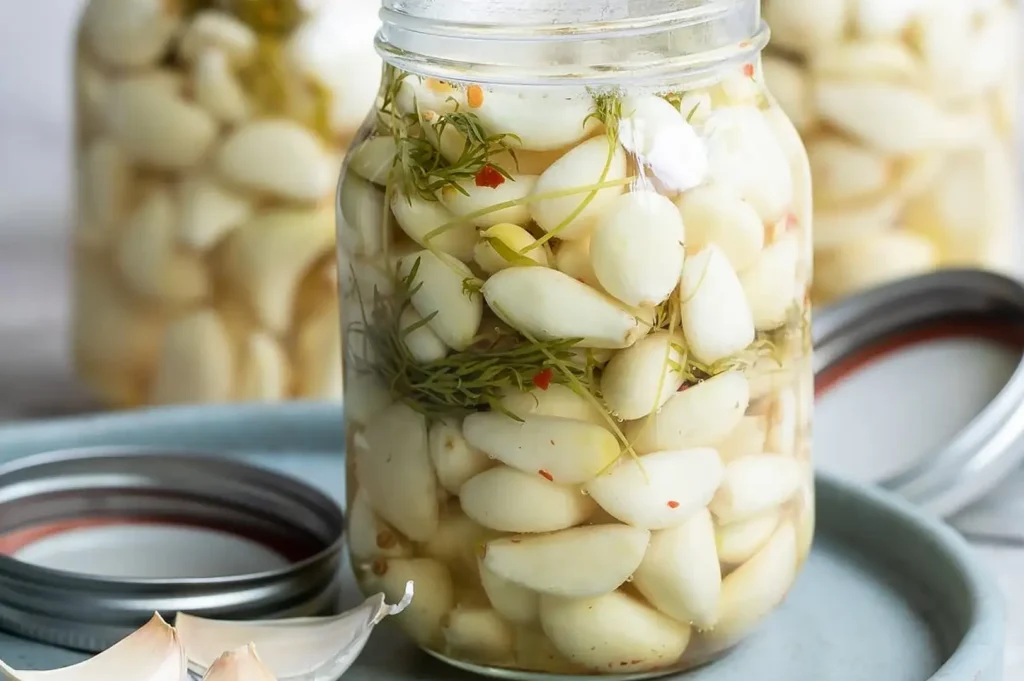
The jar sits on the windowsill of a shophouse kitchen in Bangkok, between a bottle of fish sauce and a tin of mismatched spoons. Morning light comes through it, turning the liquid inside the color of weak tea. Behind me, a pot of rice porridge ticks and bubbles on a low flame.
Auntie Noi unscrews the lid. It gives a small, reluctant sigh. Vinegar reaches me first, sharp and clean, then something sweeter underneath. She lifts out a whole head of garlic with a pair of chopsticks, the papery skin still clinging in places, and sets it on a saucer without a word.
In Thai, it’s called kra-tiam dong (กระเทียมดอง), said roughly “grah-tee-um dong.” It simply means pickled garlic.
It’s one of the quieter staples in Thai food, a cuisine built on balancing sour, sweet, salty and heat.
It begins as ordinary young garlic. The heads are trimmed and the tough outer layers are peeled away. Some cooks leave the heads whole, and others break them into cloves. Then they’re submerged in a brine of vinegar, sugar, and salt, and left alone.
Over days, then weeks, something slow happens. The raw heat leaves the cloves. Their color shifts from chalky white to a pale, almost translucent ivory. The texture stays firm but loses its bite. When you press one between your teeth, it gives a small snap, then softens into something sour, gently sweet, and faintly savory.
The brine changes too. It takes on the garlic’s flavor, and many kitchens treat it as an ingredient of its own, spooned into dressings or stirred into a dipping sauce.
Auntie Noi breaks off two cloves and drops them into my bowl of khao tom, the plain rice porridge. A thin trickle of brine follows. Beside the bowl there’s a fried egg, a few slices of grilled pork, and a dish of salted radish.
Nobody comments on the garlic. It isn’t the point of the meal. It’s simply there, the way rice is there, or the fish sauce bottle.
I’ve come to think a jar like this says something about a household. It means someone planned weeks ahead. It means the kitchen keeps time in a way that goes beyond the next meal. Auntie Noi tells me she gives jars to neighbors, and they come back empty, rinsed, and sometimes holding a few mangoes or a bag of chilies.
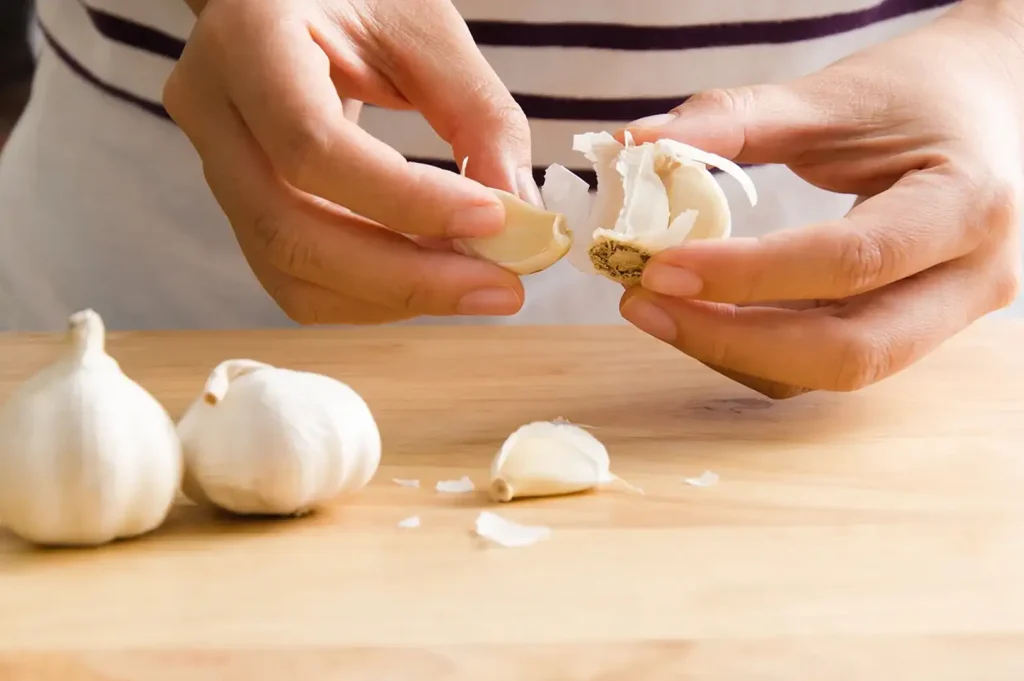
The craft is quiet, but it’s real. She soaks the garlic overnight in salted water first, to draw out some of its harshness. The next day, she boils the vinegar, sugar, and salt together, then lets the brine cool completely before pouring it over. Hot brine, she says, cooks the garlic soft. Her ratio is by eye, a little less sugar than vinegar. A date is written on the lid in marker. She won’t open it for three weeks.
She buys ready-made jars too, when life gets busy. They’re tidy and identical, and often sweeter than hers. She doesn’t look down on them. But the jar on the windowsill is a different thing. It’s garlic that waited, and a kitchen that waited with it.
I finish the porridge slowly. The last clove has soaked up the warmth of the rice, and it tastes softer now, almost like a memory of garlic. Auntie Noi screws the lid back on and returns the jar to the light.
It will keep. That’s the whole idea.

Thai Green Milk Tea: The Complete Guide to Thailand’s Refreshing Emerald Delight
Eda Wong | December 13, 2025
Picture a tall glass filled with crushed ice, its emerald-green contents swirled with ribbons of creamy white milk—this is thai green milk tea, one of Southeast Asia’s most visually striking and refreshing drinks. Known locally as cha khiao nom yen, this popular drink has captured hearts across Asia and beyond with its distinctive pale green…

Best Thai Singapore: Discover the Art of Authentic Pad Thai
Dio Asahi | December 11, 2025
In Singapore, a city that celebrates a universe of flavors, the magnetic pull of Thai cuisine is undeniable. From bustling food courts to elegant dining rooms, the kingdom’s culinary ambassadors have firmly planted their flag. When considering the best Thai food, it’s impossible to overlook how integral Pad Thai is to the local Thai food…
-
Thai Cuisine in Singapore: Finding the Best Authentic Flavors
Eat Drink Asia Team | December 9, 2025
The unmistakable aroma of lemongrass, galangal, and fiery spices mingles with the bustling night air in Singapore, setting the stage for a dining experience that wakes the soul and tantalizes the senses. Thai cuisine in Singapore has become an essential part of the city’s culinary landscape, offering a complete blend of vibrant flavor, tangy notes,…
-
The Ultimate Guide to Thai Food: Flavors, Traditions, and Culinary Adventures
Dio Asahi | December 6, 2025
Thai cuisine is one of the world’s most beloved and complex culinary traditions, captivating food enthusiasts globally with its masterful balance of flavors and vibrant presentations. From bustling Bangkok street stalls to high-end international restaurants, Thai food has become a global phenomenon that evolves while maintaining its authentic roots. What sets Thai cuisine apart from…
-
How to Drink Sake: Your Guide to Enjoying Japanese Sake Wine
Eda Wong | December 5, 2025
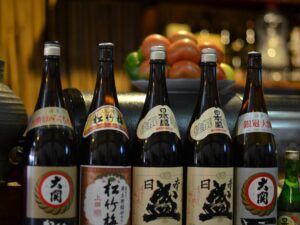
As Japan’s national beverage, this traditional sake is present at celebrations, quiet dinners, and spiritual offerings, weaving itself into the very fabric of daily life and reflecting Japan’s deep-rooted cultural heritage. Yet, for many outside of Japan, it remains a delightful mystery. You might find yourself wondering, how do you drink sake properly to unlock…
-
What Is Sashimi? A Guide to Raw Fish, Sliced Raw Fish, and Japanese Seafood
Eat Drink Asia Team | December 3, 2025
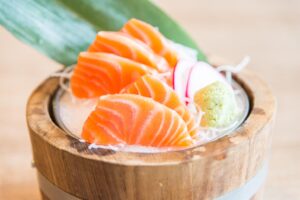
Sashimi is one of the clearest ways to understand Japanese cuisine because there is very little to hide behind. At its simplest, sashimi is sliced raw fish or seafood served without sushi rice, usually with soy sauce, wasabi, and simple garnishes such as daikon radish. But the dish is not just “raw fish on a…

Understanding Sake Alcohol Content: A Complete Guide to ABV and Flavor
Eda Wong | December 2, 2025
When exploring Japanese sake, many wonder about its grades and complex flavors. Sake’s unique profile offers remarkable versatility, enjoyed in various serving styles and paired with diverse dishes. One fundamental aspect is sake alcohol content. Is sake stronger than wine? How does its alcohol by volume (ABV) compare to beer? The answer is nuanced. Understanding…
-
Japanese Sake: The Complete Guide to Japan’s Traditional Rice Wine
Dio Asahi | November 29, 2025
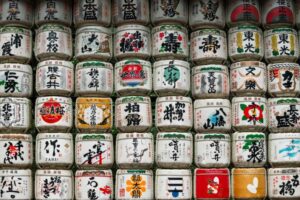
Japanese Sake: The Complete Guide to Japan’s Traditional Rice Wine While sake has been Japan’s national beverage for over a millennium, its popularity across Asia is at an all-time high. Rooted in Japan’s traditional brewing methods and centuries-old origins. It symbolizes Japan’s cultural heritage and craftsmanship. Understanding this complex brewed alcoholic beverage opens doors to…

Best Japanese Foods in Japan: The Must-Try Dishes
Eda Wong | November 27, 2025
Japan’s culinary world extends far beyond well-known sushi and ramen, revealing a rich variety of regional specialties cherished by locals. While many travelers stick to popular Japanese foods in tourist areas, authentic flavors are best discovered in neighborhood markets, family-run eateries, and seasonal menus reflecting centuries of Japanese cooking tradition. Understanding Japanese cuisine requires more…
-
Japanese Food in Japan: The Ultimate Guide to Authentic Culinary Experiences
Eat Drink Asia Team | November 25, 2025
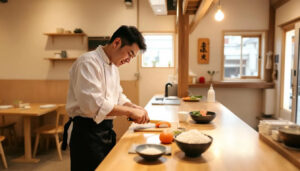
Experiencing Japanese food in Japan is fundamentally different from eating Japanese cuisine anywhere else. While sushi restaurants and ramen shops have spread globally, the authentic flavors, techniques, and cultural context of Japanese food can only be fully appreciated in its homeland. From meticulously selecting ingredients at peak freshness to centuries-old traditions shaping every meal, eating…