By Eda Wong for Eat Drink Asia.
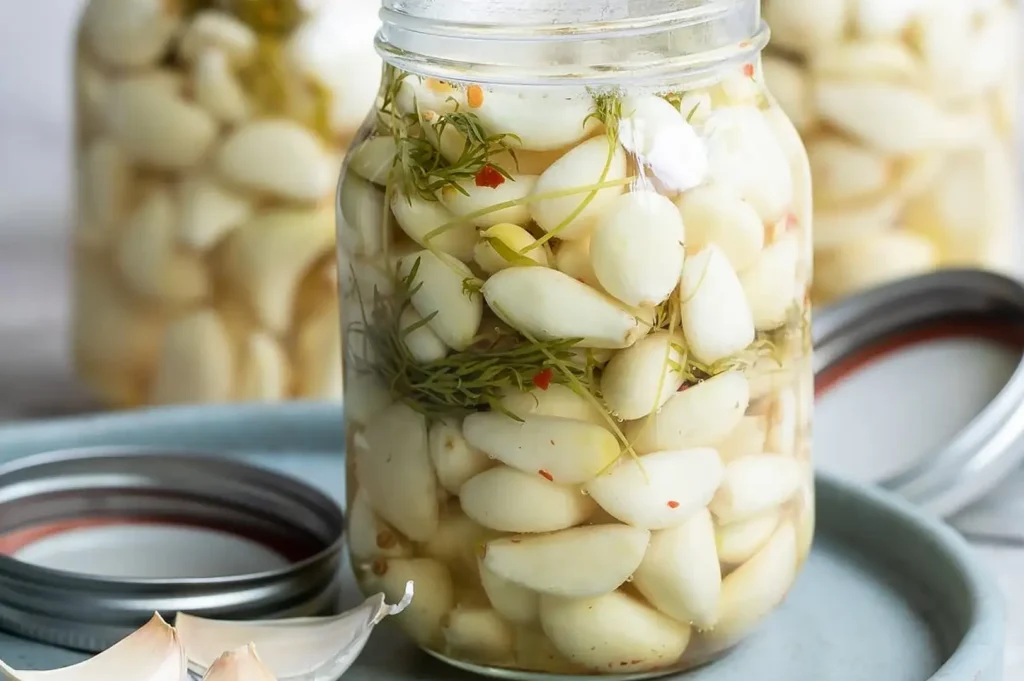
The jar sits on the windowsill of a shophouse kitchen in Bangkok, between a bottle of fish sauce and a tin of mismatched spoons. Morning light comes through it, turning the liquid inside the color of weak tea. Behind me, a pot of rice porridge ticks and bubbles on a low flame.
Auntie Noi unscrews the lid. It gives a small, reluctant sigh. Vinegar reaches me first, sharp and clean, then something sweeter underneath. She lifts out a whole head of garlic with a pair of chopsticks, the papery skin still clinging in places, and sets it on a saucer without a word.
In Thai, it’s called kra-tiam dong (กระเทียมดอง), said roughly “grah-tee-um dong.” It simply means pickled garlic.
It’s one of the quieter staples in Thai food, a cuisine built on balancing sour, sweet, salty and heat.
It begins as ordinary young garlic. The heads are trimmed and the tough outer layers are peeled away. Some cooks leave the heads whole, and others break them into cloves. Then they’re submerged in a brine of vinegar, sugar, and salt, and left alone.
Over days, then weeks, something slow happens. The raw heat leaves the cloves. Their color shifts from chalky white to a pale, almost translucent ivory. The texture stays firm but loses its bite. When you press one between your teeth, it gives a small snap, then softens into something sour, gently sweet, and faintly savory.
The brine changes too. It takes on the garlic’s flavor, and many kitchens treat it as an ingredient of its own, spooned into dressings or stirred into a dipping sauce.
Auntie Noi breaks off two cloves and drops them into my bowl of khao tom, the plain rice porridge. A thin trickle of brine follows. Beside the bowl there’s a fried egg, a few slices of grilled pork, and a dish of salted radish.
Nobody comments on the garlic. It isn’t the point of the meal. It’s simply there, the way rice is there, or the fish sauce bottle.
I’ve come to think a jar like this says something about a household. It means someone planned weeks ahead. It means the kitchen keeps time in a way that goes beyond the next meal. Auntie Noi tells me she gives jars to neighbors, and they come back empty, rinsed, and sometimes holding a few mangoes or a bag of chilies.
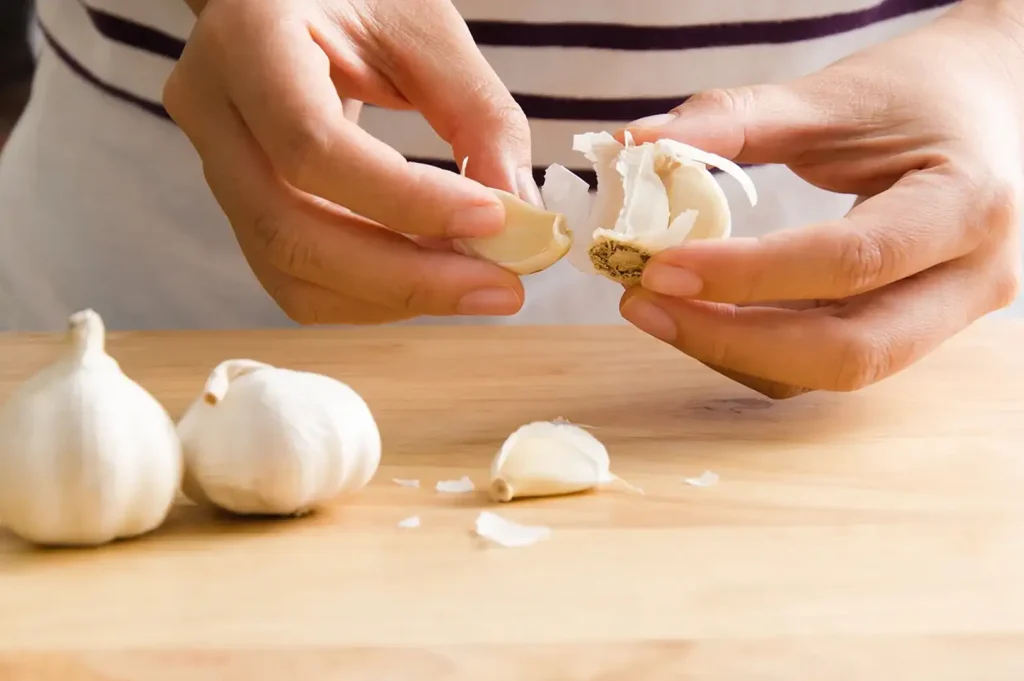
The craft is quiet, but it’s real. She soaks the garlic overnight in salted water first, to draw out some of its harshness. The next day, she boils the vinegar, sugar, and salt together, then lets the brine cool completely before pouring it over. Hot brine, she says, cooks the garlic soft. Her ratio is by eye, a little less sugar than vinegar. A date is written on the lid in marker. She won’t open it for three weeks.
She buys ready-made jars too, when life gets busy. They’re tidy and identical, and often sweeter than hers. She doesn’t look down on them. But the jar on the windowsill is a different thing. It’s garlic that waited, and a kitchen that waited with it.
I finish the porridge slowly. The last clove has soaked up the warmth of the rice, and it tastes softer now, almost like a memory of garlic. Auntie Noi screws the lid back on and returns the jar to the light.
It will keep. That’s the whole idea.

Food in Japan: A Complete Guide to Japanese Cuisine and Culinary Culture
Eda Wong | November 22, 2025
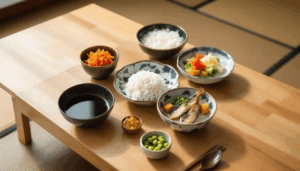
The gentle steam rising from a bowl of miso soup carries more than just the earthy aroma of fermented soybeans-it carries centuries of Japanese culture and culinary wisdom. When you eat in Japan, you’re not simply consuming a meal; you’re participating in a ritual that connects you to the seasons, the land, and a philosophy…

Ramune Marble Soda: History and Cultural Meaning of Japan’s Iconic Marble Soda
Dio Asahi | November 20, 2025
Among Japan’s beloved fizzy drinks, none evoke nostalgia and uniqueness quite like Ramune marble soda. Instantly recognizable by its quirky Codd neck bottle and glass marble seal, Ramune soda is an essential part of Japanese summer, cherished by generations for its refreshing taste and signature pop sound. This marble soda remains a staple at summer…
-
Hokkaido’s Best Seafood Treasures: Beyond Sushi and Sashimi
Eat Drink Asia Team | November 18, 2025
When visiting Hokkaido, Japan’s northernmost island, food lovers are greeted with some of the most highly regarded seafood specialties in the world. Hokkaido is famous for its abundance of fresh seafood and rich fishing grounds, thanks to the surrounding Sea of Japan, Pacific Ocean, and Sea of Okhotsk. These nutrient-packed waters yield a wide range…
-
The Art of Asian Tea Ceremony Traditions: Ancient Rituals and Cultural Values Across Asia
Dio Asahi | November 15, 2025
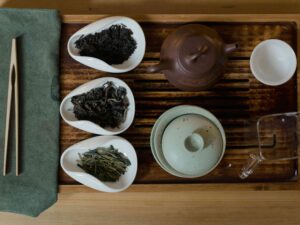
A cup of tea, in many parts of Asia, represents far more than a beverage-it is a conduit to ancestral tradition, intellectual pursuit, and the cultivation of mindfulness. Asian tea ceremony traditions turn the act of drinking tea into a sophisticated art form, layered with symbolism, philosophy, and socio-cultural values. Each gesture, from scooping powdered…

The Art of Slow-Cooked Curry Recipes: Time’s Magic in South Asian Cuisine
Eda Wong | November 13, 2025
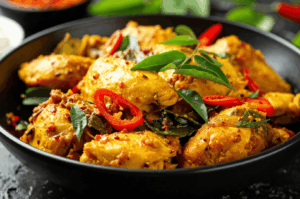
Step into a South Asian kitchen, and the senses are instantly enveloped by the inviting aroma of food slowly simmering in a sturdy clay pot or heavy vessel. The allure is undeniable: in this space, slow-cooked curry recipes are a celebration of patient tradition, spices, and the richness of South Asian cuisine. Here, time and…
-
Bandung Drink Recipe: A Singaporean Rose Syrup Drink Tradition
Eat Drink Asia Team | November 11, 2025
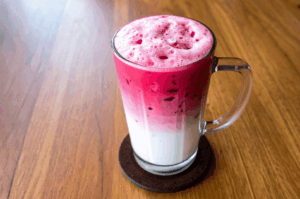
Step into any night market or hawker centre in Singapore, and you’ll spot a vibrant, glowing glass filled with a cold, beautiful drink-Bandung. Known for its iconic blush-pink hue and refreshing taste, this rose syrup drink is an integral part of Singapore’s beverages scene and a cherished tradition in Southeast Asian gatherings. More than just…
-
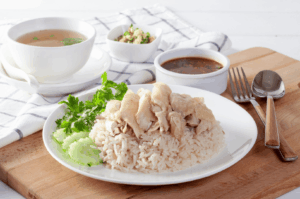
The Ultimate Hainanese Chicken Rice Recipe: A Deep Dive
Eda Wong | November 8, 2025
To wander through Singapore’s bustling hawker centres on a humid evening is to experience a symphony of sights, sounds, and smells. Among the many other dishes sizzling away, one plate stands out for its elegant simplicity: Hainanese Chicken Rice. It arrives without fanfare-gleaming slices of poached chicken over fragrant rice, flanked by a trio of…
-
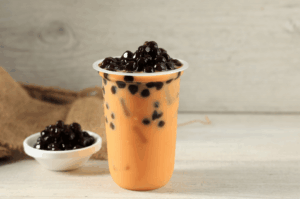
Bubble Tea Origins: How Taiwan Created a Global Beverage Phenomenon
Dio Asahi | November 6, 2025
From Taipei to New York, a single drink has captured the world’s taste buds: bubble tea. This beverage, known as pearl milk tea or boba tea, and also known as boba in many regions, is celebrated for its delightful combination of sweet, creamy tea and signature chewy tapioca pearls. What began as a novel creation…
-
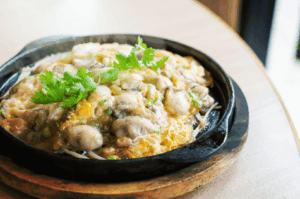
A Food Lover’s Guide to the Taiwanese Oyster Omelet
Eat Drink Asia Team | November 4, 2025
As twilight descends upon Taipei City, a vibrant energy pulses through its streets. This is the hour of the night markets, bustling hubs of community, commerce, and some of the world’s most incredible street food. Amidst the steam from soup dumplings and the sizzle of Taiwanese fried chicken, one iconic dish reigns supreme: the Taiwanese…
-
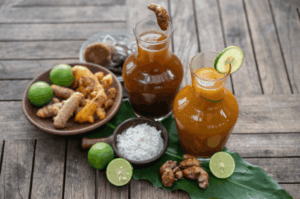
Jamu: Indonesian Herbal Medicine for Modern Well-Being
Dio Asahi | November 1, 2025
Across the Indonesian archipelago, a vibrant tradition of herbal healing has flourished for centuries. This is jamu, a cornerstone of Indonesian cultural heritage and a sophisticated system of traditional herbal medicine. Far more than just a refreshing drink, jamu represents a philosophy of balance, a deep connection to nature, and a form of indigenous medicine…