By Eda Wong for Eat Drink Asia.
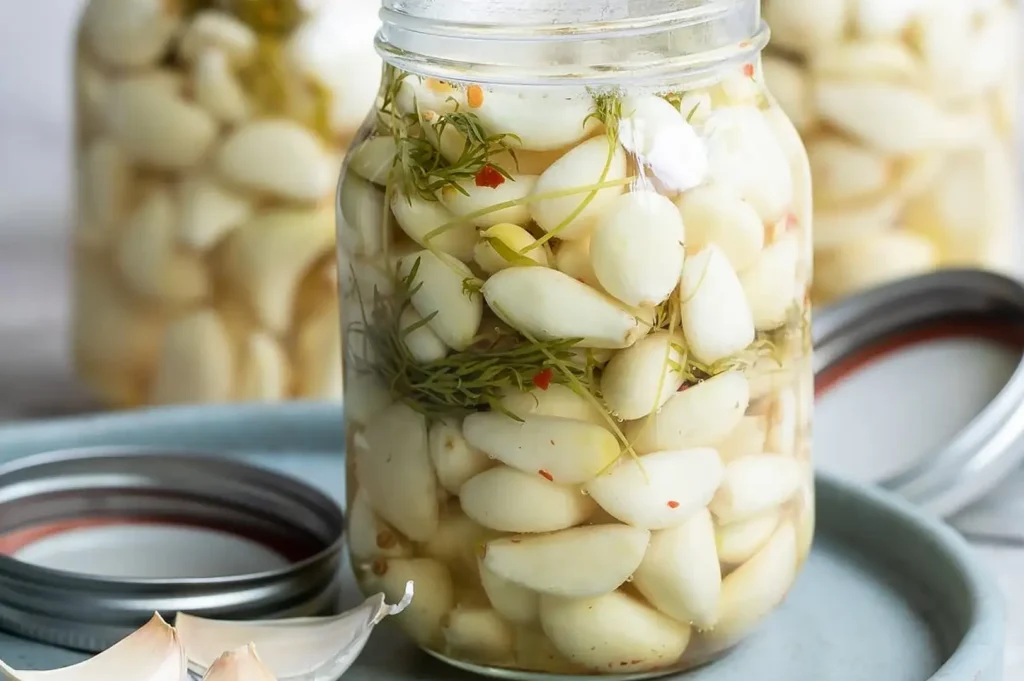
The jar sits on the windowsill of a shophouse kitchen in Bangkok, between a bottle of fish sauce and a tin of mismatched spoons. Morning light comes through it, turning the liquid inside the color of weak tea. Behind me, a pot of rice porridge ticks and bubbles on a low flame.
Auntie Noi unscrews the lid. It gives a small, reluctant sigh. Vinegar reaches me first, sharp and clean, then something sweeter underneath. She lifts out a whole head of garlic with a pair of chopsticks, the papery skin still clinging in places, and sets it on a saucer without a word.
In Thai, it’s called kra-tiam dong (กระเทียมดอง), said roughly “grah-tee-um dong.” It simply means pickled garlic.
It’s one of the quieter staples in Thai food, a cuisine built on balancing sour, sweet, salty and heat.
It begins as ordinary young garlic. The heads are trimmed and the tough outer layers are peeled away. Some cooks leave the heads whole, and others break them into cloves. Then they’re submerged in a brine of vinegar, sugar, and salt, and left alone.
Over days, then weeks, something slow happens. The raw heat leaves the cloves. Their color shifts from chalky white to a pale, almost translucent ivory. The texture stays firm but loses its bite. When you press one between your teeth, it gives a small snap, then softens into something sour, gently sweet, and faintly savory.
The brine changes too. It takes on the garlic’s flavor, and many kitchens treat it as an ingredient of its own, spooned into dressings or stirred into a dipping sauce.
Auntie Noi breaks off two cloves and drops them into my bowl of khao tom, the plain rice porridge. A thin trickle of brine follows. Beside the bowl there’s a fried egg, a few slices of grilled pork, and a dish of salted radish.
Nobody comments on the garlic. It isn’t the point of the meal. It’s simply there, the way rice is there, or the fish sauce bottle.
I’ve come to think a jar like this says something about a household. It means someone planned weeks ahead. It means the kitchen keeps time in a way that goes beyond the next meal. Auntie Noi tells me she gives jars to neighbors, and they come back empty, rinsed, and sometimes holding a few mangoes or a bag of chilies.
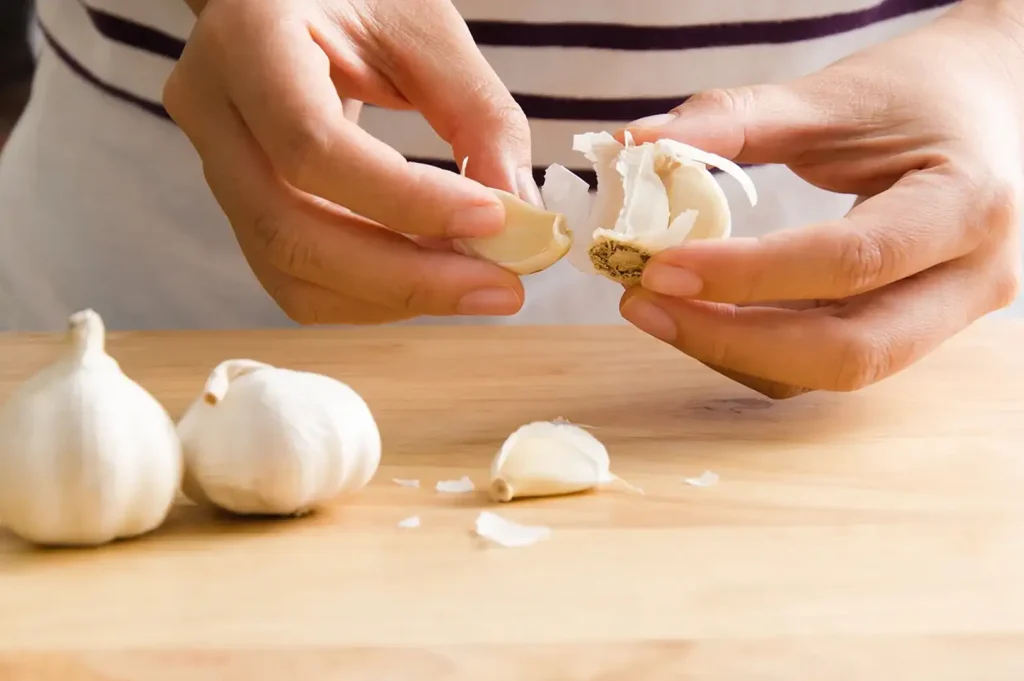
The craft is quiet, but it’s real. She soaks the garlic overnight in salted water first, to draw out some of its harshness. The next day, she boils the vinegar, sugar, and salt together, then lets the brine cool completely before pouring it over. Hot brine, she says, cooks the garlic soft. Her ratio is by eye, a little less sugar than vinegar. A date is written on the lid in marker. She won’t open it for three weeks.
She buys ready-made jars too, when life gets busy. They’re tidy and identical, and often sweeter than hers. She doesn’t look down on them. But the jar on the windowsill is a different thing. It’s garlic that waited, and a kitchen that waited with it.
I finish the porridge slowly. The last clove has soaked up the warmth of the rice, and it tastes softer now, almost like a memory of garlic. Auntie Noi screws the lid back on and returns the jar to the light.
It will keep. That’s the whole idea.

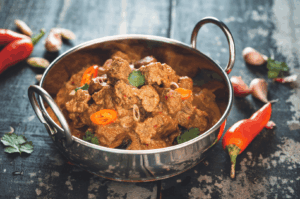
Padang Beef Rendang: The Complex Process Behind Indonesia’s Most Famous Dish
Eda Wong | October 30, 2025
This post may contain affiliate links. For full transparency, this article may contain affiliate links. To call Padang beef rendang simply a dish is to miss the soul of Indonesian cuisine. This legendary slow-cooked dry curry, a centerpiece of both festive tables and humble meals, has earned its fame as one of the world’s most…
-
Teh Tarik Malaysia: The Art and Science Behind Iconic Pulled Tea
Eat Drink Asia Team | October 28, 2025
In Malaysia, ordering a cup of teh tarik is about so much more than just enjoying a hot drink. Teh tarik, literally translated as “pulled tea,” is Malaysia’s national beverage, famous for its sweet, creamy taste, frothy top, and the spectacular pulling technique seen in bustling mamak stalls and coffee shops across the country. A…
-
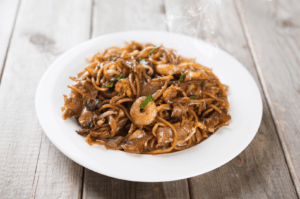
The Legendary Penang Char Kway Teow: A Culinary Journey
Dio Asahi | October 25, 2025
The air in Penang is thick with anticipation, carrying the sounds and smells of Malaysian street food being crafted with expert care. Your attention is captured by one of the many street vendors, a master standing before a seasoned wok glowing over an intense fire. The rhythmic clanging of metal on metal is the soundtrack…
-
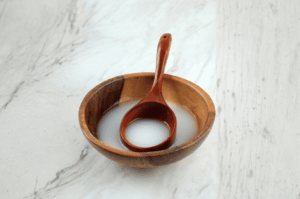
Traditional Korean Sikhye: Sweet Rice Punch Through the Seasons
Eda Wong | October 23, 2025
In the vibrant world of Korean food, beyond the fiery spice of gochujang and the savoury comfort of bulgogi, lies a gentler, more subtle delight. Meet traditional Korean sikhye (식혜), a beloved Korean sweet rice punch that holds a special place in the nation’s heart. With its cloudy, amber hue and delicate sweetness, this drink…
-
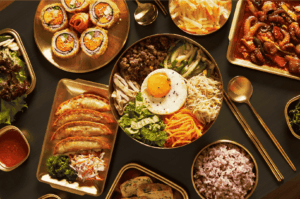
Authentic Jeonju Bibimbap: Why Korea’s Culinary Capital Makes It Best
Eat Drink Asia Team | October 21, 2025
Picture this: A steaming Korean rice bowl is placed before you in Jeonju, South Korea. Vibrant arcs of seasoned bean sprouts, glossy strips of Korean beef, a golden runny yolk resting atop perfectly cooked mixed rice, and a dollop of rich red bibimbap sauce invite you to mix it all together. As you stir, the…
-
Communal Dining Traditions in Asia: Shared Meals, Lasting Bonds, and Cultural Heritage
Dio Asahi | October 18, 2025
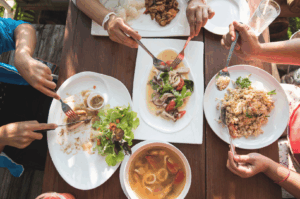
Imagine a dining table crowded with large platters of steaming food, the smell of spices in the air, small bowls arranged neatly around the shared table, and laughter echoing across the room. Across Asia, dining tables play a central role in communal dining traditions, serving as the focal point for etiquette, social interaction, and the…
-
Century-Old Dumpling Techniques: Ancient Wisdom in Modern Kitchens
Eda Wong | October 16, 2025
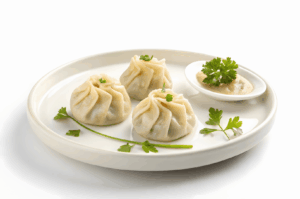
Her hands move in a blur, a dance of muscle memory refined over sixty years. In a small, steam-filled kitchen in Shanghai, an elderly woman transforms a humble circle of dumpling dough into a perfect, 20-pleat xiao long bao. Each pinch and fold is a syllable in a story passed down through generations-prime examples of…
-
Ca Phe Sua Da: The Cultural Phenomenon of Authentic Vietnamese Coffee
Eat Drink Asia Team | October 14, 2025
The dawn breaks over Hanoi, and the city awakens not to alarm clocks but to the clatter of tiny spoons and the metallic click of filters. The air fills with the dark, roasted aroma of authentic Vietnamese coffee drifting from bustling corners and sidewalk stalls. They are not rushing. Instead, they are waiting-waiting for the…
-
Cao Lầu Noodles: Hoi An’s Legendary Noodle Dish with Japanese Origins
Dio Asahi | October 11, 2025
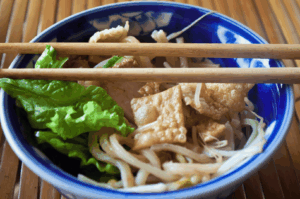
Imagine sitting on a low stool in a bustling alleyway of Hoi An’s ancient town. The warm, fragrant air is thick with the scent of sizzling marinated pork, fresh herbs, and the unmistakable aroma of fish sauce and fried rice crackers. In front of you, a bowl of Cao Lau noodles gleams, their golden brown…
-
Chinese Tea: 5,000-Year Tea Journey from Ancient Medicine to Global Beverage Phenomenon
Eda Wong | October 9, 2025
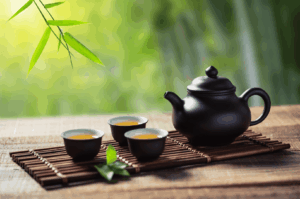
Every cup of tea enjoyed today, whether a brisk English breakfast or a delicate green tea in Tokyo, finds its lineage rooted in the heart of Chinese tea history. For nearly 5,000 years, the humble leaves of the Camellia sinensis tea plant have been cultivated, brewed, and cherished-first as ancient medicine in southern China, and…