Few dishes capture the essence of Thailand food culture like authentic Pad Thai. This beloved stir fried noodle dish is more than a meal-it’s a symbol of Thai identity, a perfect balance of sweet, savoury, and sour flavors, and a window into the soul of Thai cuisine.
Whether you want to eat Pad Thai from bustling street vendors, master an authentic Pad Thai recipe at home, or understand what makes this Thai noodle stir fry so extraordinary, this guide covers everything from history to cooking techniques.
What is Pad Thai? Thailand Food Pad Thai’s Beloved National Dish
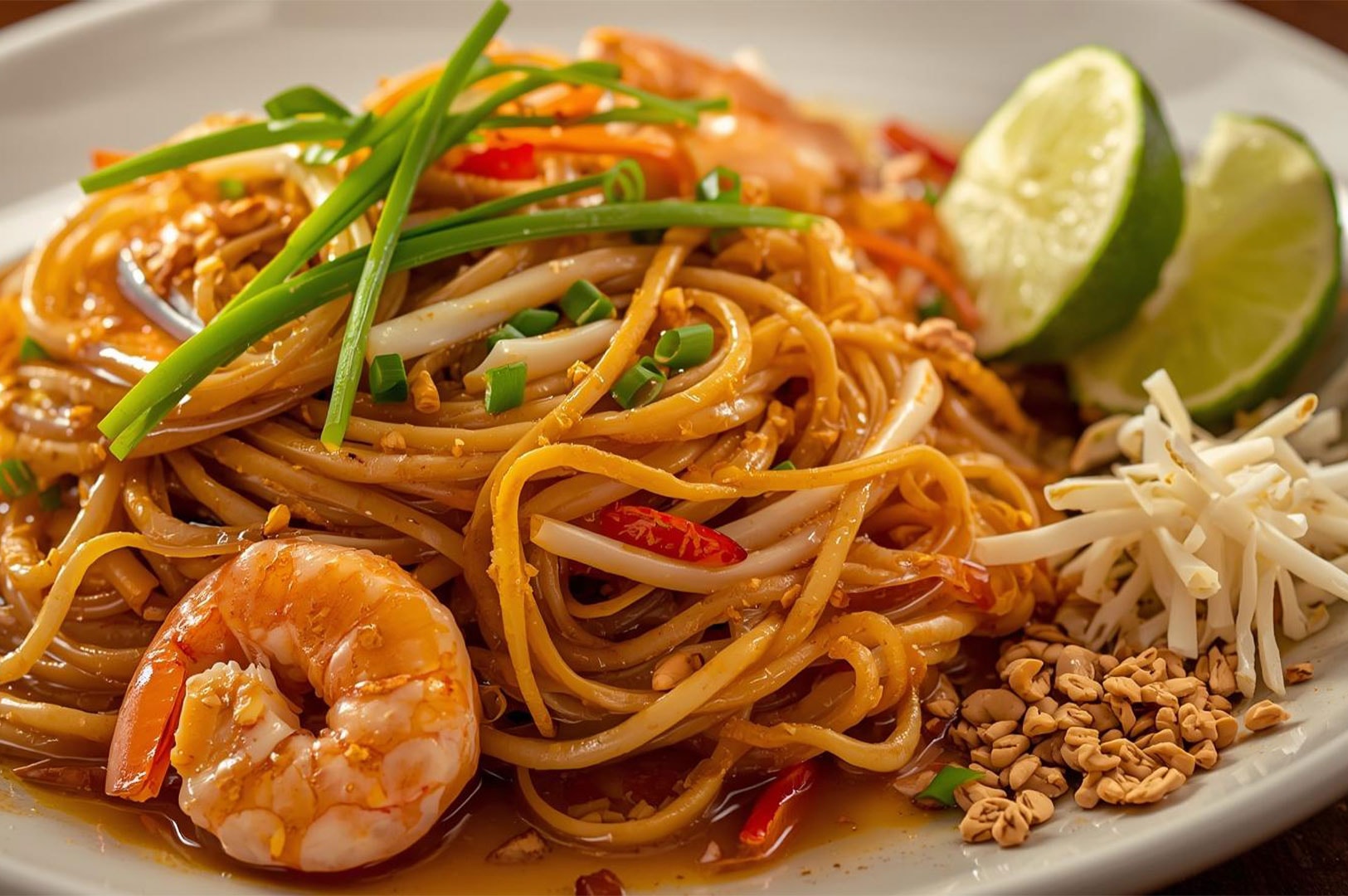
Pad Thai is Thailand’s most recognizable stir fried noodle dish, featuring thin, flat rice noodles known as Pad Thai noodles or Sen Lek. These noodles are soaked in hot water until tender but firm, then stir fried quickly with a sweet savoury sour sauce made from tamarind paste, palm sugar, and fish sauce.
Traditional Pad Thai includes scrambled egg, dried shrimp for umami, fresh bean sprouts, garlic chives (also called Chinese chives), and crushed peanuts for crunch. Lime wedges and fresh lime juice are served on the side for a bright, acidic finish.
Authentic Pad Thai avoids shortcuts like ketchup or rice vinegar substitutes, relying instead on tamarind pulp for the sour component and palm sugar for sweetness, balancing the sauce ingredients perfectly.
The History and Origins of Pad Thai
Pad Thai emerged in the late 1930s and 1940s as a government-promoted national dish during rice shortages. Prime Minister Plaek Phibunsongkhram encouraged noodle consumption through campaigns, recipe cards, and cooking contests, making Pad Thai a symbol of Thai pride.
Though influenced by Chinese stir-fried noodle dishes introduced centuries earlier, Pad Thai’s distinctive sweet savoury sour sauce and ingredient choices make it uniquely Thai.
Cultural Significance of Pad Thai in Thai Society
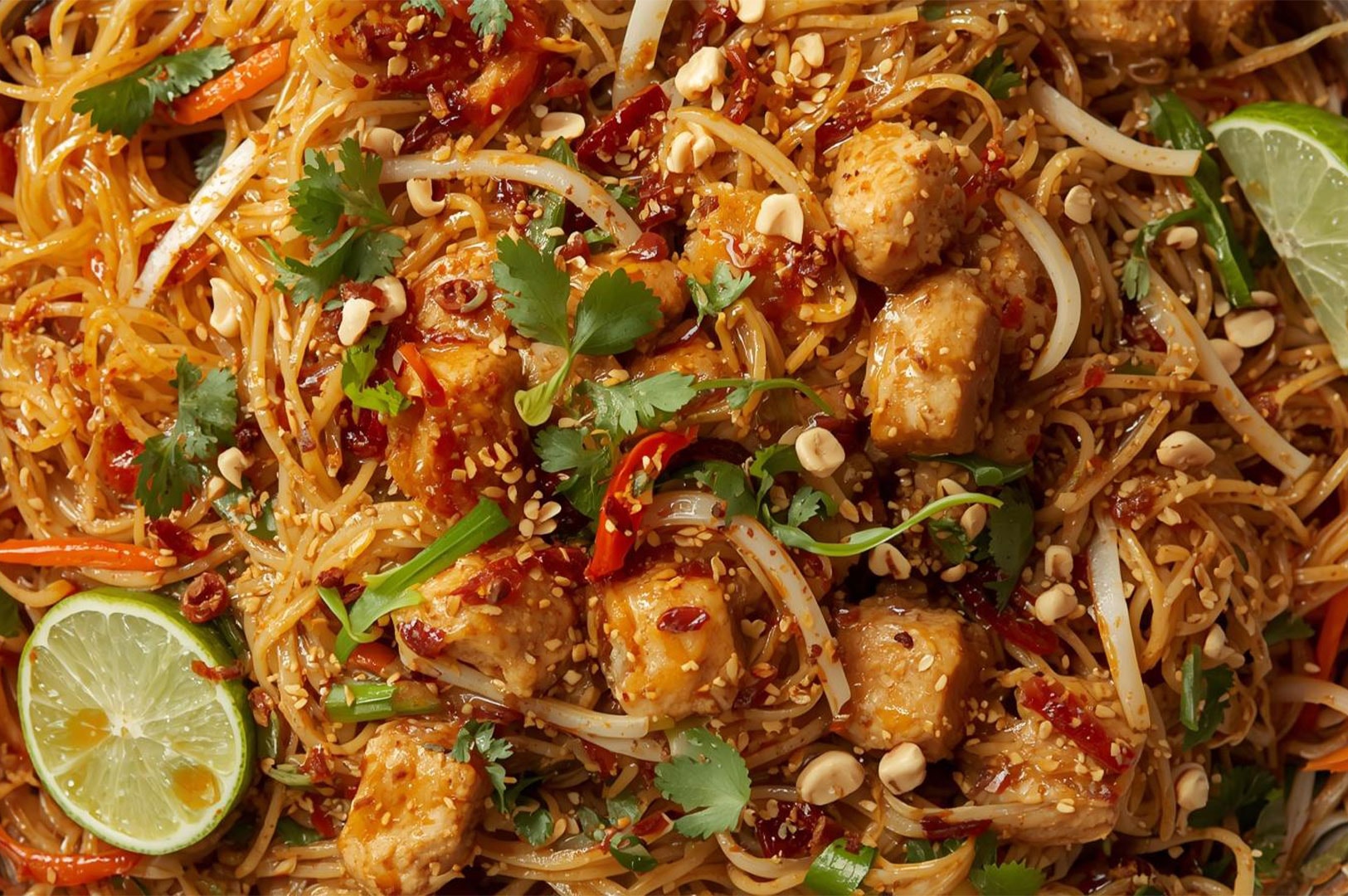
Pad Thai embodies the Thai values of balance and harmony, integrating sweet, sour, salty, and umami flavors alongside varied textures from silky noodles to crunchy peanuts and fresh vegetables.
Street vendors preserving authentic Pad Thai techniques are cultural icons, and the dish plays a role in Thai hospitality, often prepared to show care and respect.
The communal eating experience-with chili flakes, sugar, lime wedges, and fresh herbs to customize each bite-reflects Thai social values of sharing and balance.
Regional Variations of Pad Thai Across Thailand
While Bangkok-style Pad Thai is the classic authentic Pad Thai recipe, regional versions incorporate local ingredients and preferences.
- Northern Thailand may add pickled mustard greens or adjust spice levels.
- Southern Thailand features seafood like fresh crab or prawns and subtle coconut notes.
- The northeast (Isaan) uses bold herbs and spices for a more intense flavor.
Different rice noodles, such as Sen Chan, provide varied textures, and cooking methods range from charcoal-fired woks to gas stoves.
Essential Ingredients for Authentic Pad Thai: Rice Noodles and Sauce Ingredients
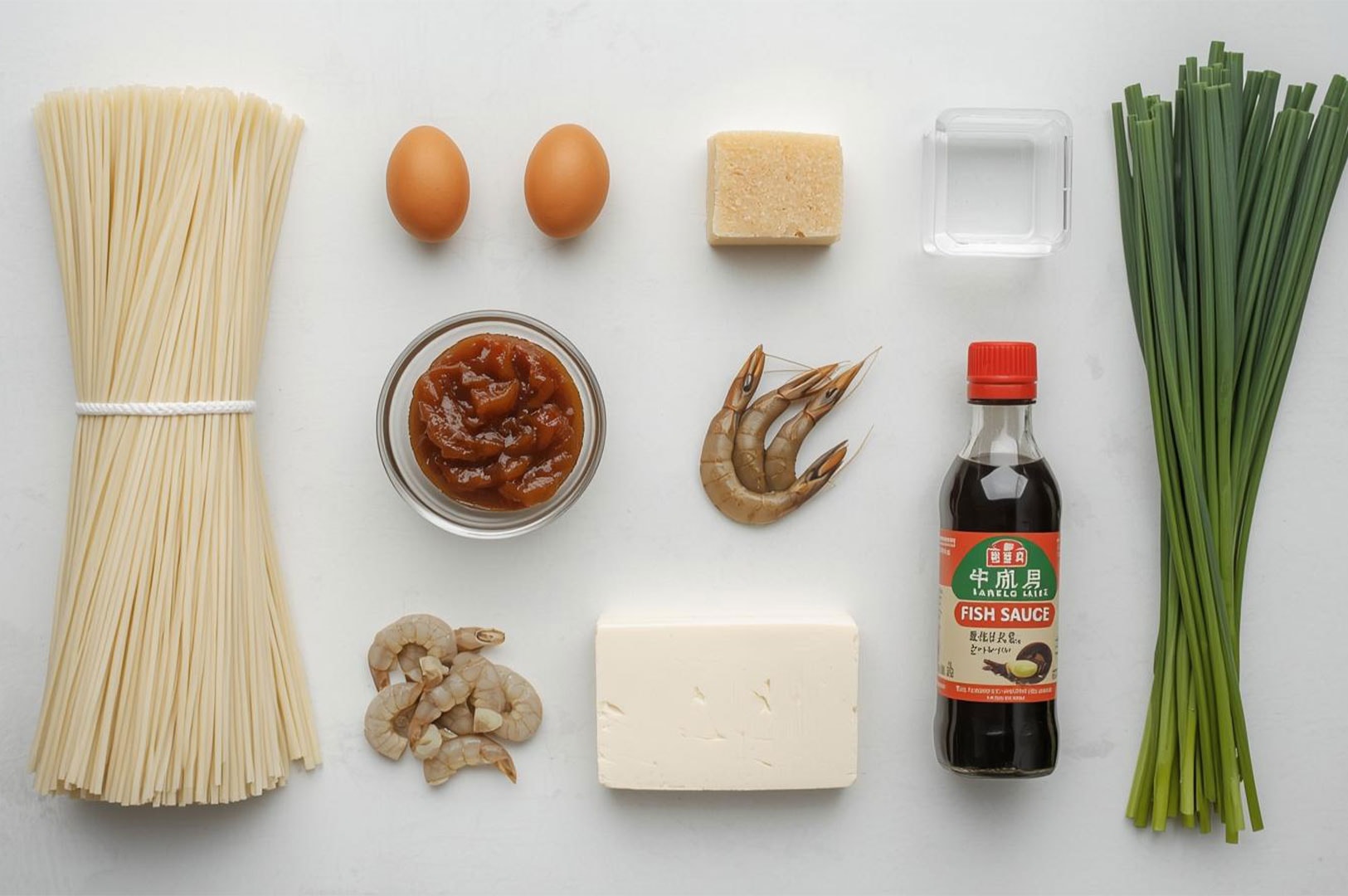
Pad Thai Noodles and Sauce Ingredients
Use flat rice noodles (rice stick) about ¼ inch wide, soaked in hot water until pliable but firm. The Pad Thai sauce combines tamarind paste or tamarind concentrate (tamarind pulp is best), palm sugar, fish sauce, and light soy sauce to achieve the signature sweet savoury sour sauce.
Avoid substitutes like ketchup or excessive brown sugar, which make the dish overly sweet or artificial.
Proteins, Vegetables, and Garnishes
Traditional proteins include shrimp, chicken, pork, or extra firm tofu for vegetarian Pad Thai. Dried shrimp add umami depth, while scrambled eggs provide structure.
Fresh vegetables like mung bean sprouts, bell pepper, garlic cloves, chopped shallots, and garlic chives add crunch and flavor. Crushed roasted peanuts and lime wedges finish the dish.
How to Make Pad Thai: Authentic Cooking Techniques
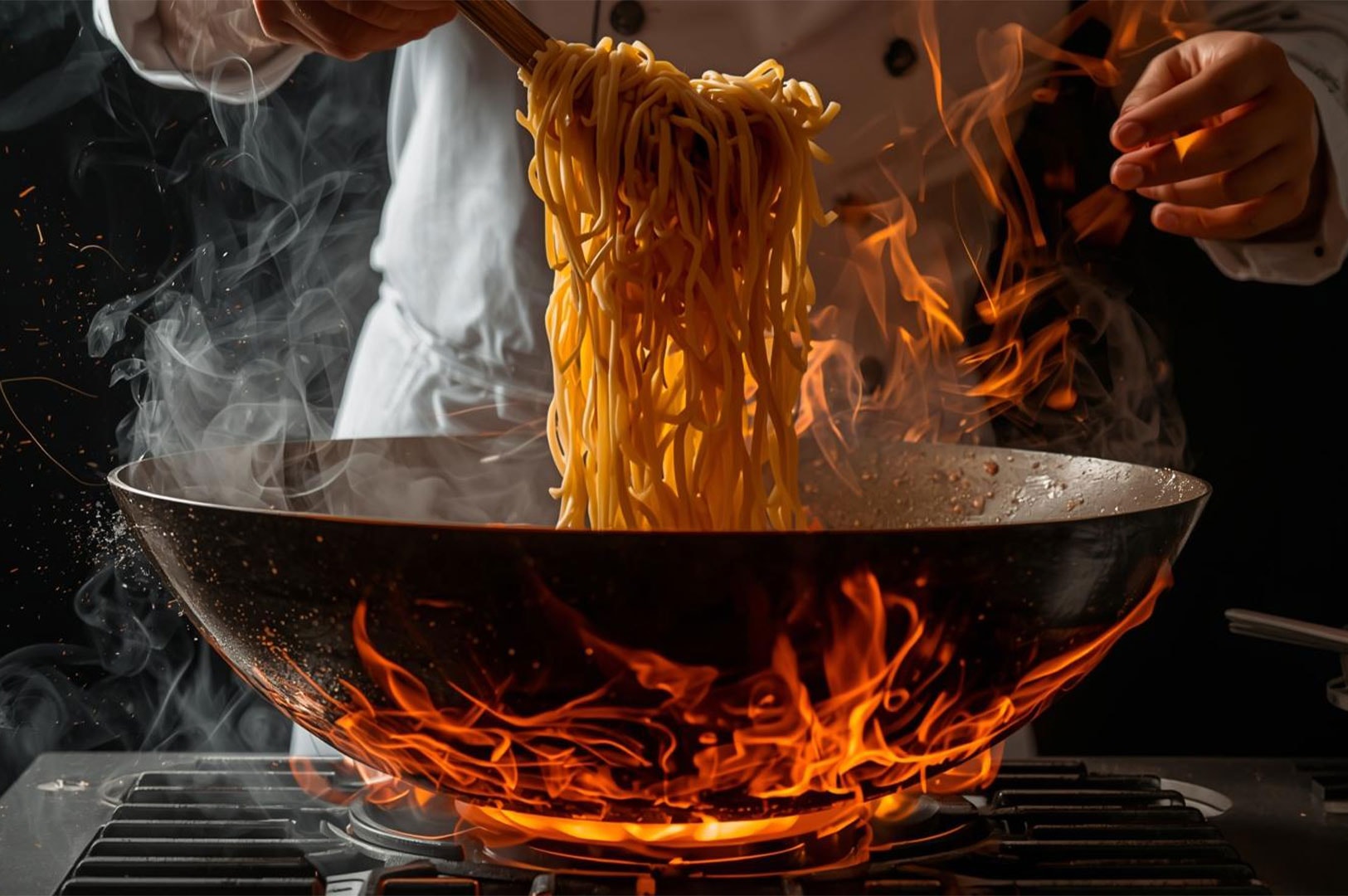
Success in making Pad Thai depends on high heat (medium high heat or higher) and precise timing.
- Heat your wok or skillet until very hot.
- Stir fry chopped garlic cloves and shallots first.
- Add cooked protein and stir fried veggies.
- Add noodles and pour in prepared Pad Thai sauce from a small bowl.
- Toss quickly to coat noodles evenly.
- Add beaten eggs, scrambling gently to create ribbons.
- Finally, add mung bean sprouts and garlic chives, cooking briefly to maintain crunch.
Avoid over-soaking noodles or crowding the pan, which leads to mushy texture. Use cold water to rinse noodles after soaking to stop cooking.
The entire cooking process should be quick-just a few minutes-to preserve texture and flavor.
Common Mistakes to Avoid When You Make Pad Thai
- Over-soaking Pad Thai noodles, causing them to break.
- Cooking at too low heat, resulting in soggy noodles.
- Using incorrect sauce proportions, making Pad Thai overly sweet or salty.
- Adding ketchup instead of tamarind paste, losing authenticity.
- Cooking too large a batch at once, reducing heat and texture quality.
- Overcooking fresh vegetables like bean sprouts and garlic chives.
The Art of Flavor Balance in Pad Thai: Palm Sugar, Dried Shrimp, and More
Pad Thai exemplifies Thai cuisine’s balance of sweet, sour, salty, and umami.
- Palm sugar provides a rich, caramel-like sweetness.
- Tamarind pulp delivers complex sourness, complemented by fresh lime juice.
- Fish sauce and dried shrimp add salty umami depth.
- The slight caramelization from stir frying adds savory complexity.
Texture and temperature contrasts-from silky noodles to crunchy peanuts and fresh herbs-keep each bite exciting and balanced.
Where to Find the Best Pad Thai in Bangkok and Beyond: A Great Recipe to Follow
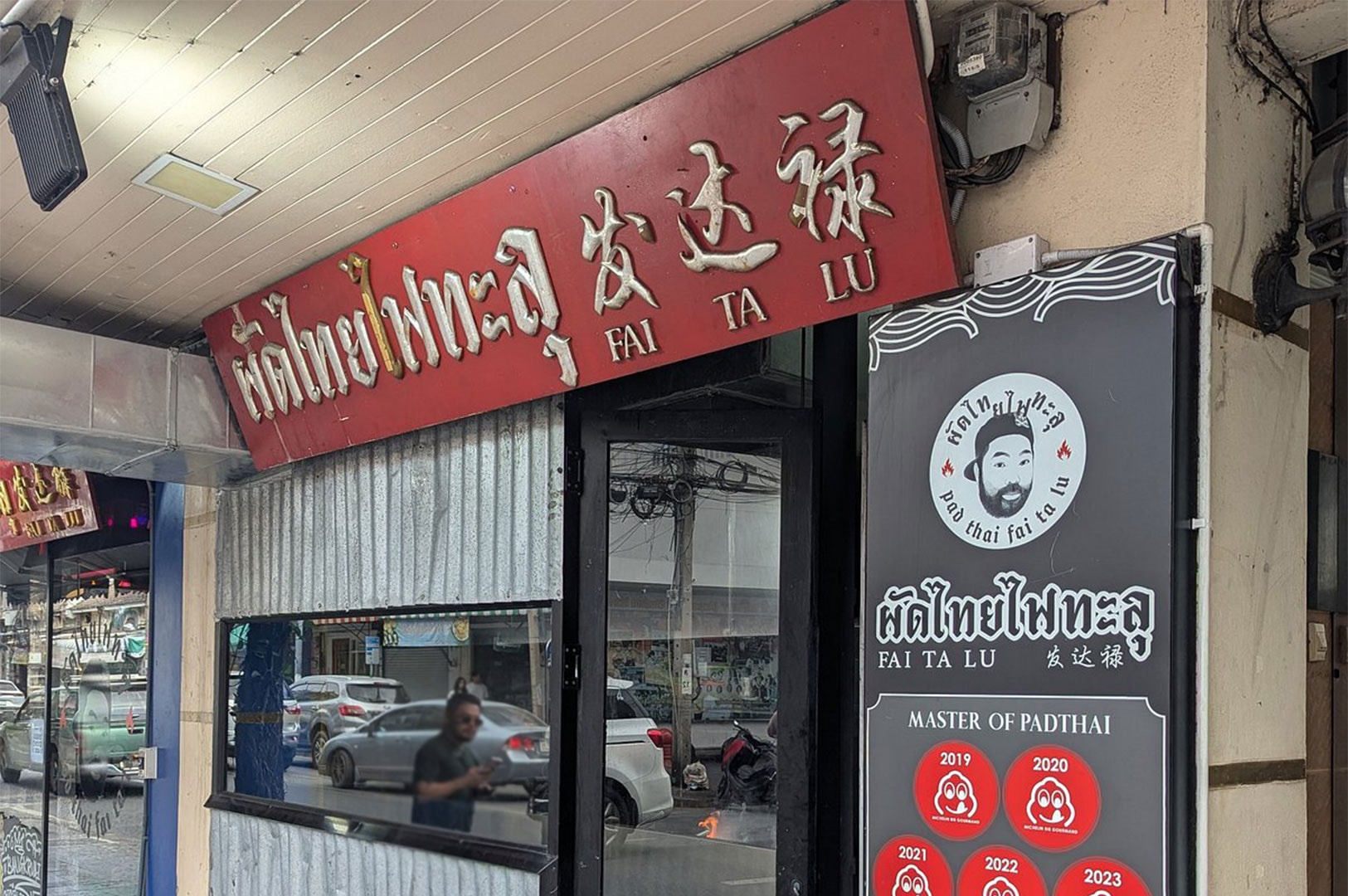
Bangkok’s street food scene offers some of the best Pad Thai, with legendary vendors like Thip Samai and Pad Thai Fai Ta Lu serving authentic versions cooked over charcoal.
Look for Pad Thai with separate, glossy noodles, warm amber-brown sauce color (no artificial red from ketchup), and vibrant garnishes like lime wedges, fresh bean sprouts, and crushed peanuts.
Mastering Pad Thai at Home: The Authentic Pad Thai Recipe
To make Pad Thai at home:
- Use a wok or large skillet, heating it to medium high heat.
- Soak flat rice noodles in hot water until just pliable, then rinse in cold water.
- Prepare the Pad Thai sauce by mixing tamarind paste, palm sugar, fish sauce, soy sauce, and optionally tamarind concentrate in a small bowl.
- Have all ingredients prepped and ready to add noodles, protein, veggies, and sauce quickly.
- Stir fry ingredients in the proper order, adding beaten eggs near the end.
- Serve immediately with lime wedges, crushed peanuts, chili flakes, and fresh herbs.
Store leftovers in an airtight container in the refrigerator and consume within a couple of days for best nutrition serving size and flavor.
Dietary Adaptations for Vegetarian Pad Thai and More
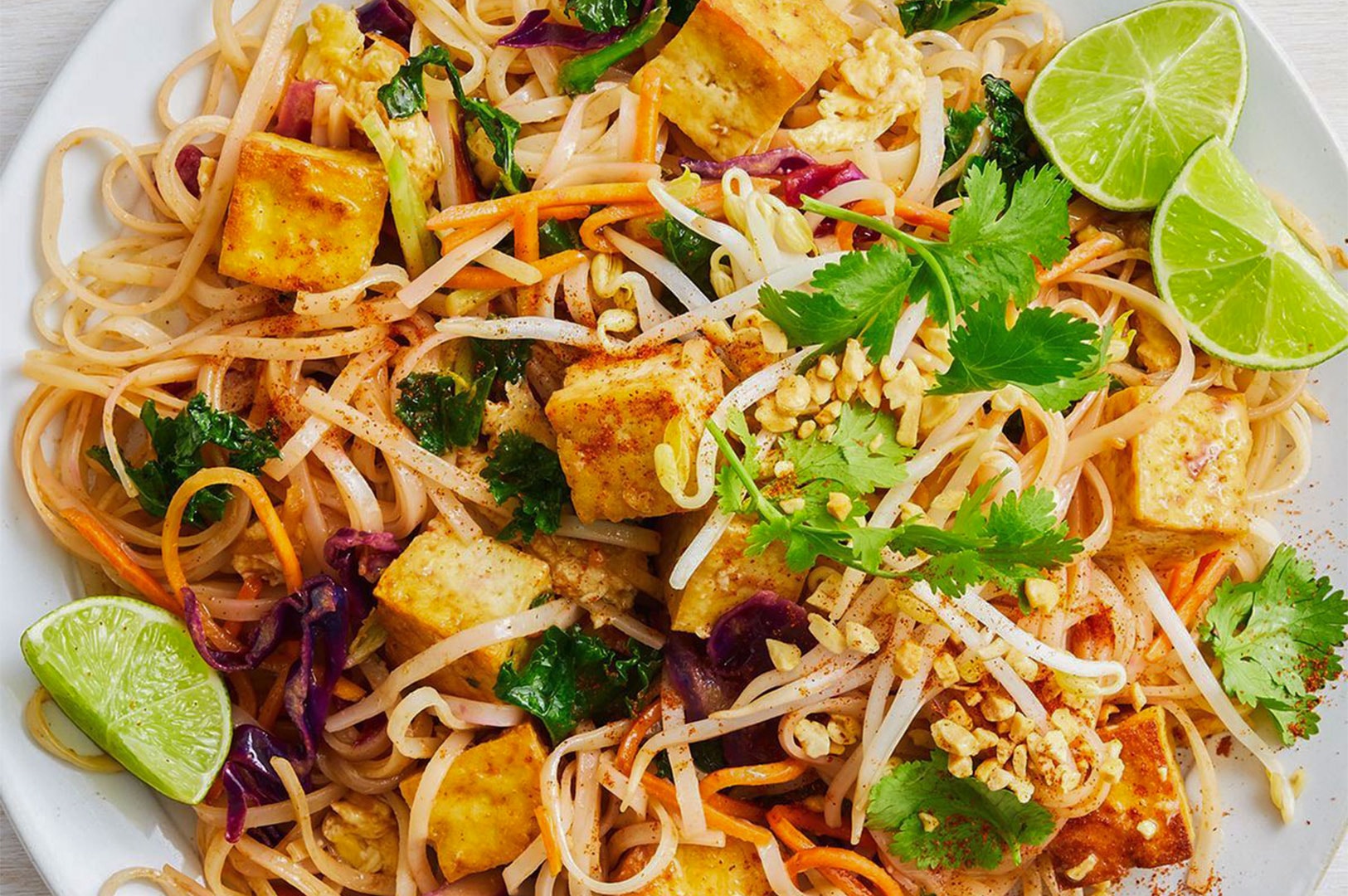
Vegetarian Pad Thai substitutes extra firm tofu for meat and uses vegetarian fish sauce alternatives or extra soy sauce. Vegan versions omit eggs or substitute with plant-based alternatives.
Pad Thai is naturally gluten free when using pure rice noodles and gluten-free soy sauce.
How Pad Thai Became a Global Culinary Phenomenon
Pad Thai’s rise from a government-promoted dish to a global favorite showcases the power of Thai cuisine as cultural diplomacy. The “Global Thai” initiative helped spread authentic Pad Thai and Thai restaurants worldwide, adapting to local tastes while preserving core flavors.
Social media, food tourism, and cooking shows have further popularized Pad Thai, inspiring home cooks globally to make this best Pad Thai recipe with 5 stars.
Pad Thai as a Window into Thai Culture and Philosophy
Pad Thai reflects Buddhist principles of balance and moderation, mirroring Thai cultural values of harmony in life and social cohesion.
Its creation during nation-building illustrates Thailand’s ability to adapt foreign influences into something uniquely Thai, embracing globalization while preserving identity.
Enjoying Pad Thai-often shared with friends and family and customized with fresh vegetables, chili flakes, and lime juice-exemplifies Thai social values of community and respect.
Whether you’re visiting Thailand to eat Pad Thai at a street vendor or making an authentic Pad Thai recipe in your own kitchen, this iconic stir fried noodle dish connects you to the rich history, culture, and philosophy of Thai cuisine and the Thai people.
Whether you’re visiting Thailand to eat Pad Thai at a street vendor or making an authentic Pad Thai recipe in your own kitchen, this iconic stir fried noodle dish connects you to the rich history, culture, and philosophy of Thai cuisine and the Thai people.

Tong Ah Eating House Review: A Chinatown Breakfast That Still Begins with Kaya Toast
Eda Wong | September 19, 2026
I almost walked past it. I’d been looking for the old triangular building, the red-and-white one you see in every photo of Keong Saik, the one that made Tong Ah feel like a landmark before you’d even ordered anything. But that’s not where it lives anymore. It’s a few doors down now, at 35 Keong…
-
Breakfast at Chinatown Singapore: How Migration Built the City’s Morning Table
Eat Drink Asia Team | September 17, 2026
The first time I ate breakfast in Chinatown, I got it wrong. I arrived at eleven, hungry and hopeful, and found the kopi stalls already turning toward lunch. The porridge uncle was packing up. The toast man had switched to slicing char siew. I ate a rushed plate of noodles standing near a pillar, sweating,…
-
The Bitter Leaf Folded Into a Burmese Home Kitchen
Eda Wong | September 16, 2026
The oil is already hot when she reaches for the leaves. It’s late morning in a kitchen off a quiet lane, and a woman I’ve been watching stands over a blackened wok, tearing bitter gourd leaves by hand into a small heap. The garlic hits the oil first, sharp and loud. Then the leaves go…
-
Best Sushi Singapore: From Premium Japanese Restaurants to Exclusive Deals from Affordable Sushi Trains
Dio Asahi | September 15, 2026
I’ve been eating sushi in this city for years now, from S$1.50 plates rolling past on a belt to omakase counters where the bill made me sit up straight. Somewhere along the way I stopped chasing “the best” and started noticing something else — that good sushi answers a mood, not a ranking. Some nights…
-
Al Mubin Restaurant and the Nasi Goreng Sambal Ayam That Has to Carry the Whole Plate
Eda Wong | September 12, 2026
It was close to eleven at night when I finally sat down. The kind of hour when you’re not really hungry so much as unsettled, when you want something warm in front of you more than you want a proper meal. Al Mubin’s food court at Block 407, Ang Mo Kio Avenue 10, was still…
-
Yassin Kampung Admiralty Review: When Sambal Fried Rice Becomes the Whole Point
Eat Drink Asia Team | September 10, 2026
I ordered the sambal fried rice first, before I’d even properly read the menu. That’s usually a mistake at a place like this. Yassin Kampung @ Admiralty is the kind of restaurant that keeps trying to pull your attention elsewhere — toward stingray, toward crab, toward hotplates that arrive still hissing. But I’d come with…
-
The Bamboo Basket Holding Chiang Mai’s Sticky Rice
Dio Asahi | September 9, 2026
By Dio Asahi for Eat Drink Asia. The lid comes off, and the steam rises first. It’s a warm afternoon in Chiang Mai, and on the table sits a small woven bamboo basket, still holding the heat of the pot it came from. Someone’s grandmother lifts the top and sets it aside without looking. Inside,…
-
Sambal Fried Rice Recipe for People Who Know the Chilli Paste Does the Heavy Lifting
Dio Asahi | September 8, 2026
I used to add the rice too early. The oil would be hot, the sambal barely a minute in, and I’d tip in the cold rice because I was hungry and impatient. Every time, the same result: rice stained red but tasting of nothing much. Sharp. Raw. Flat where it should have been deep. It…
-
Hup Lok at Havelock Road: A Teochew Fish Soup Carrying Memory Forward
Eda Wong | September 8, 2026
The bowl arrives before anything else does. Steam lifts off it in slow ribbons, carrying the smell of ginger and something warmer underneath: the round, boozy note of hua tiao wine settling into fish. I lean in before I even pick up my spoon. The broth is pale gold and cloudy, thick enough that it…
-
Fresh Sashimi Singapore: Places for Clean Cuts, Quiet Counters, and Fish That Still Feels Alive
Eda Wong | September 5, 2026
I didn’t grow up eating raw fish. For years, sashimi felt like something you learned to appreciate rather than something you loved. Cold, foreign, a little intimidating. Then one afternoon, at a quiet counter, a chef placed a single slice of chutoro in front of me and said nothing. I ate it. And I understood….