I’d spent the morning with kaya toast.
Crisp bread, cold butter, the clean snap of it between my teeth. Good, all of it. But by the time I’d walked a few streets over to New Bridge Road, my mouth wanted the opposite. Something warm. Something that gave way instead of shattering.
That’s how I ended up at Tiong Shian Porridge Centre, spoon in hand, waiting for a bowl of rice cooked down until it barely remembered being rice.
The steam reached me before the bowl did.
A Room That Doesn’t Perform
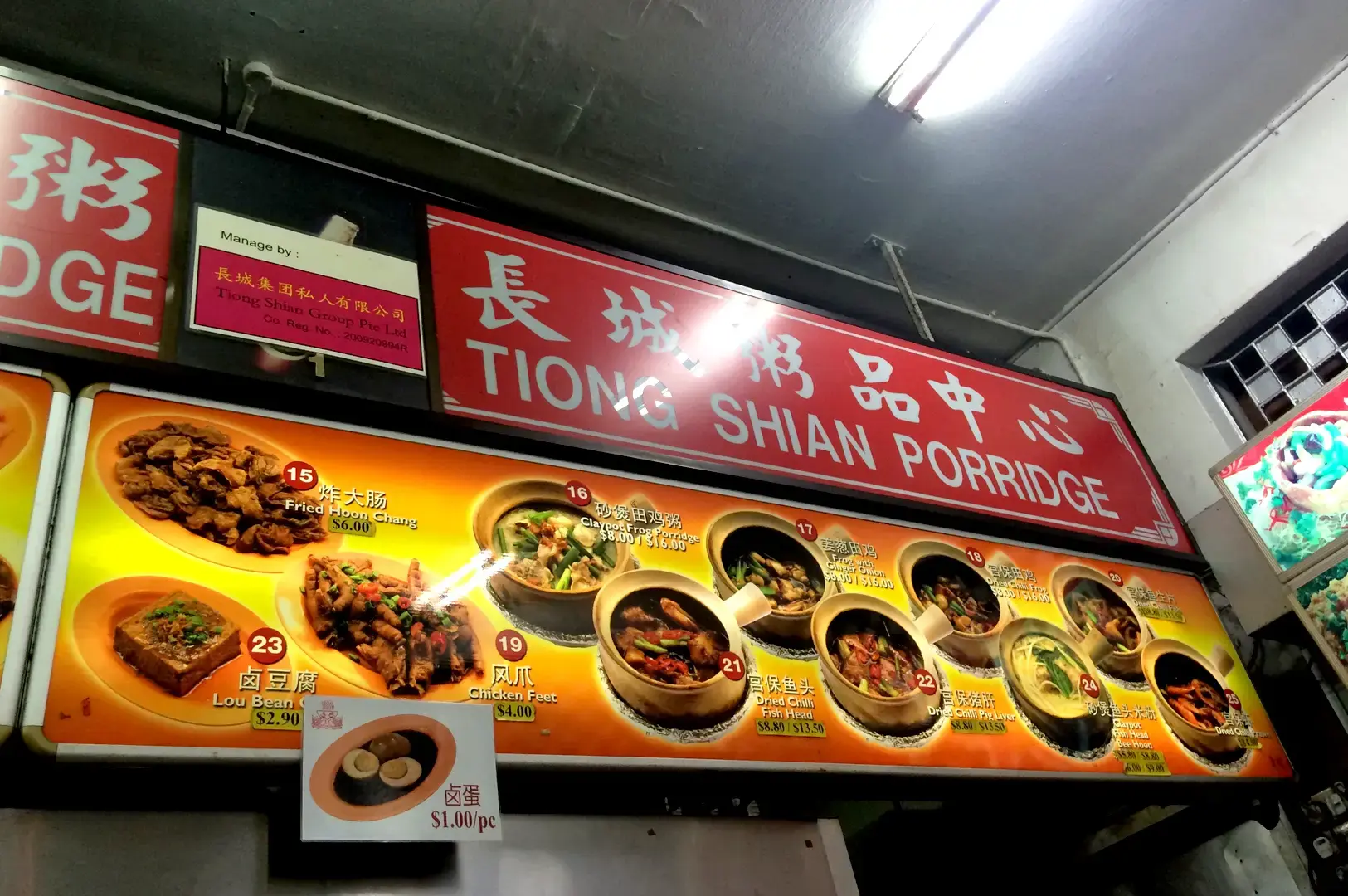
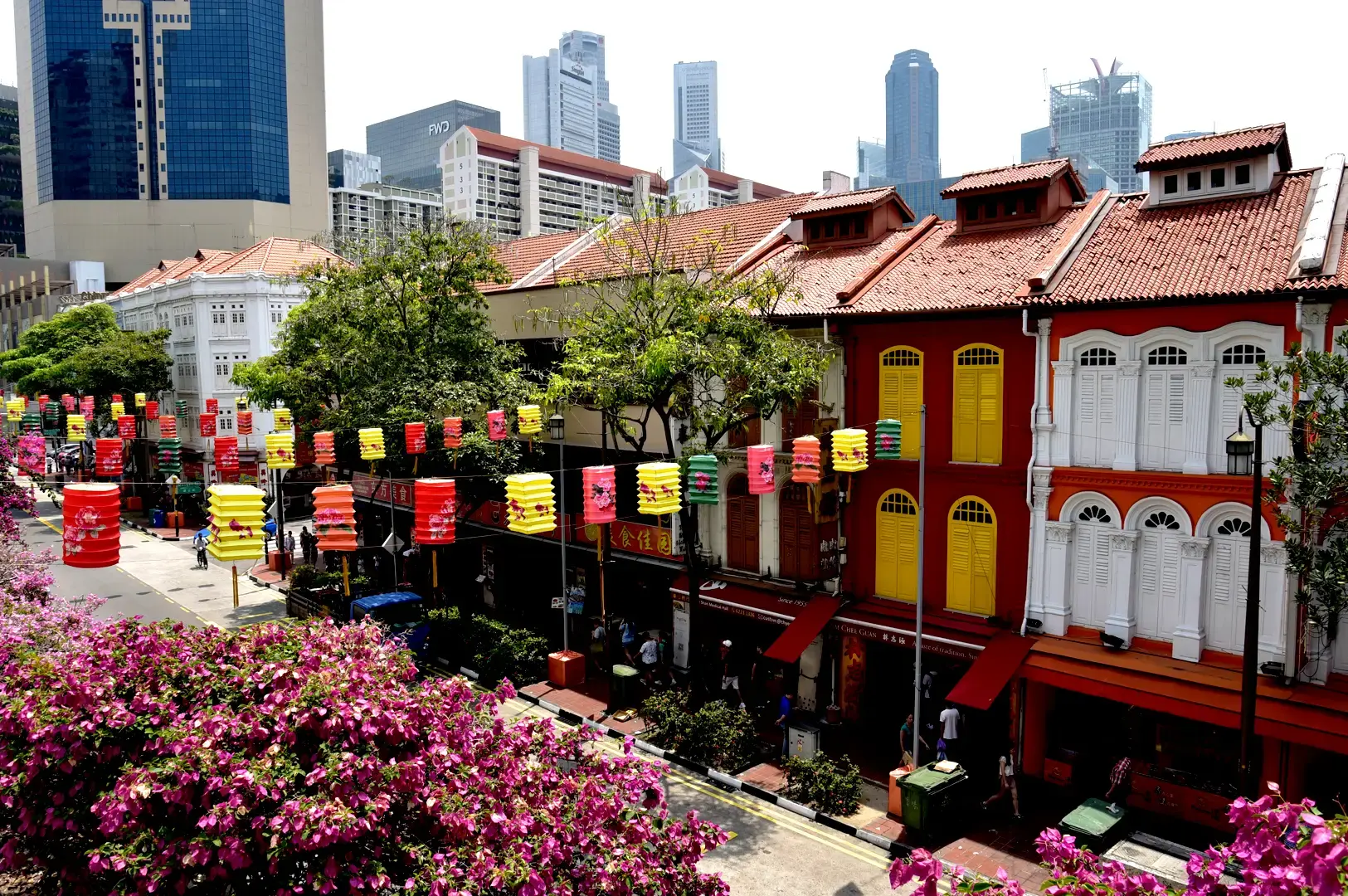
You’ll find Tiong Shian Porridge Centre sitting open-front along New Bridge Road, about four or five minutes on foot from Chinatown MRT. No frosted glass, no styled interior. Just an old coffeeshop that lets the street walk right up to its tables.
I came around late morning, past the breakfast rush but before the lunch crowd properly landed. Still, it wasn’t empty. A few tables of regular diners, an uncle reading his paper, the low clatter of claypot dishes meeting stove somewhere behind the counter.
Tiong Shian is one of the more savoury expressions of the Chinatown breakfast explained in our article neighbourhood’s morning table, making it a notable spot for breakfast at Chinatown.
Atmosphere and Comfort
- It’s warm inside. Not cosy-warm — working-warm, the kind that comes from steam and stoves and not much ventilation.
- On a hot day in Singapore, you feel it. I peeled off my outer layer within a minute of sitting down.
This isn’t a place built to charm you. The tables are close. The seating spills over into a second area when the front fills up. You sit where you can, and the food comes fast once you’ve paid.
I’ve learned not to hold that against a place. Some rooms spend their energy on lighting or décor. This one spends it on the pot, delivering comforting Chinese porridge and claypot dishes that draw customers from hawker centres all over the city.
If you prefer your morning meal in a cooler, more polished setting, explore our map of Singapore’s best cafés: https://eatdrinkasia.com/best-cafe-singapore-brunch-coffee-pastries/
The Bowl That Gives Way
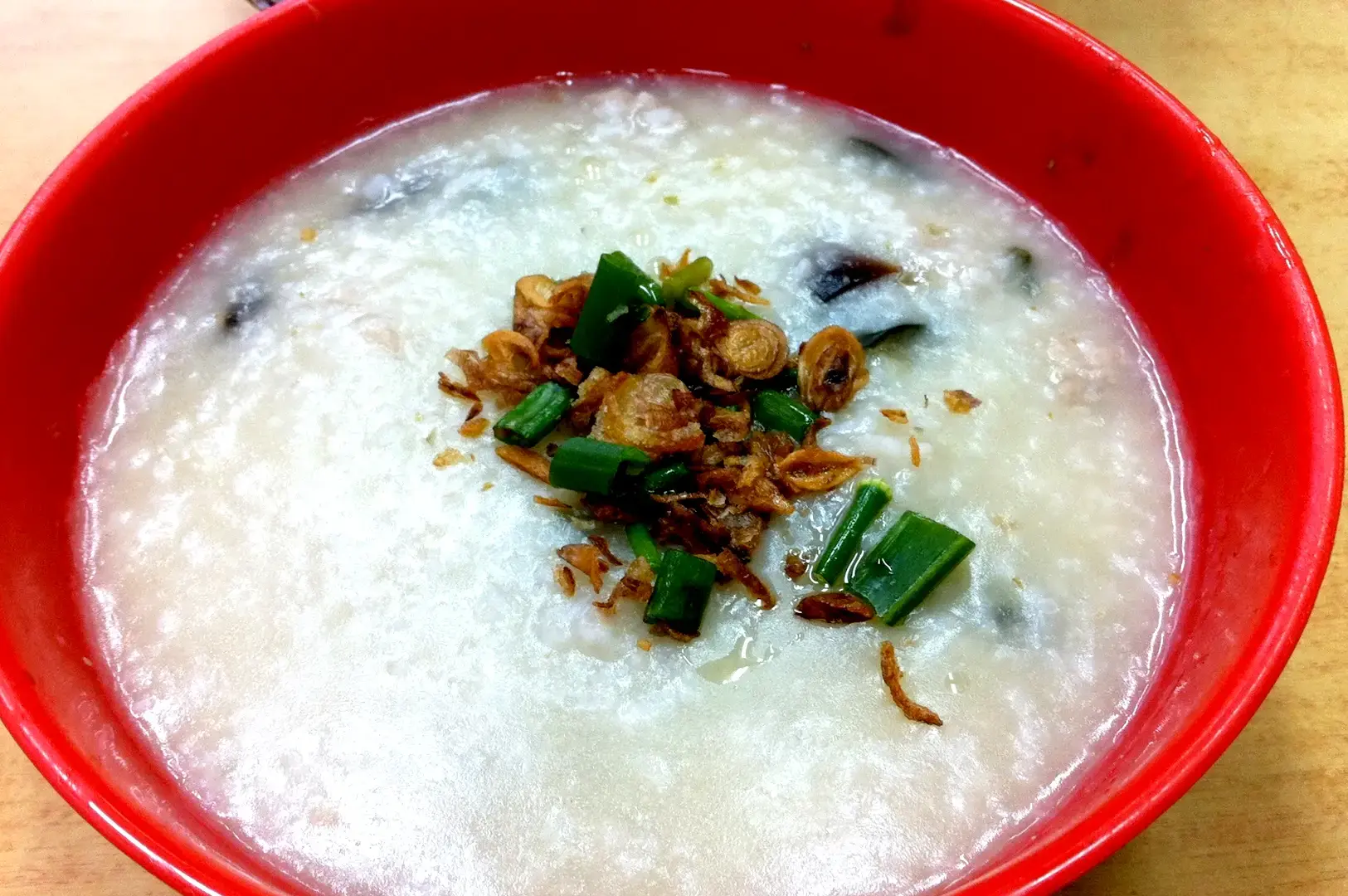
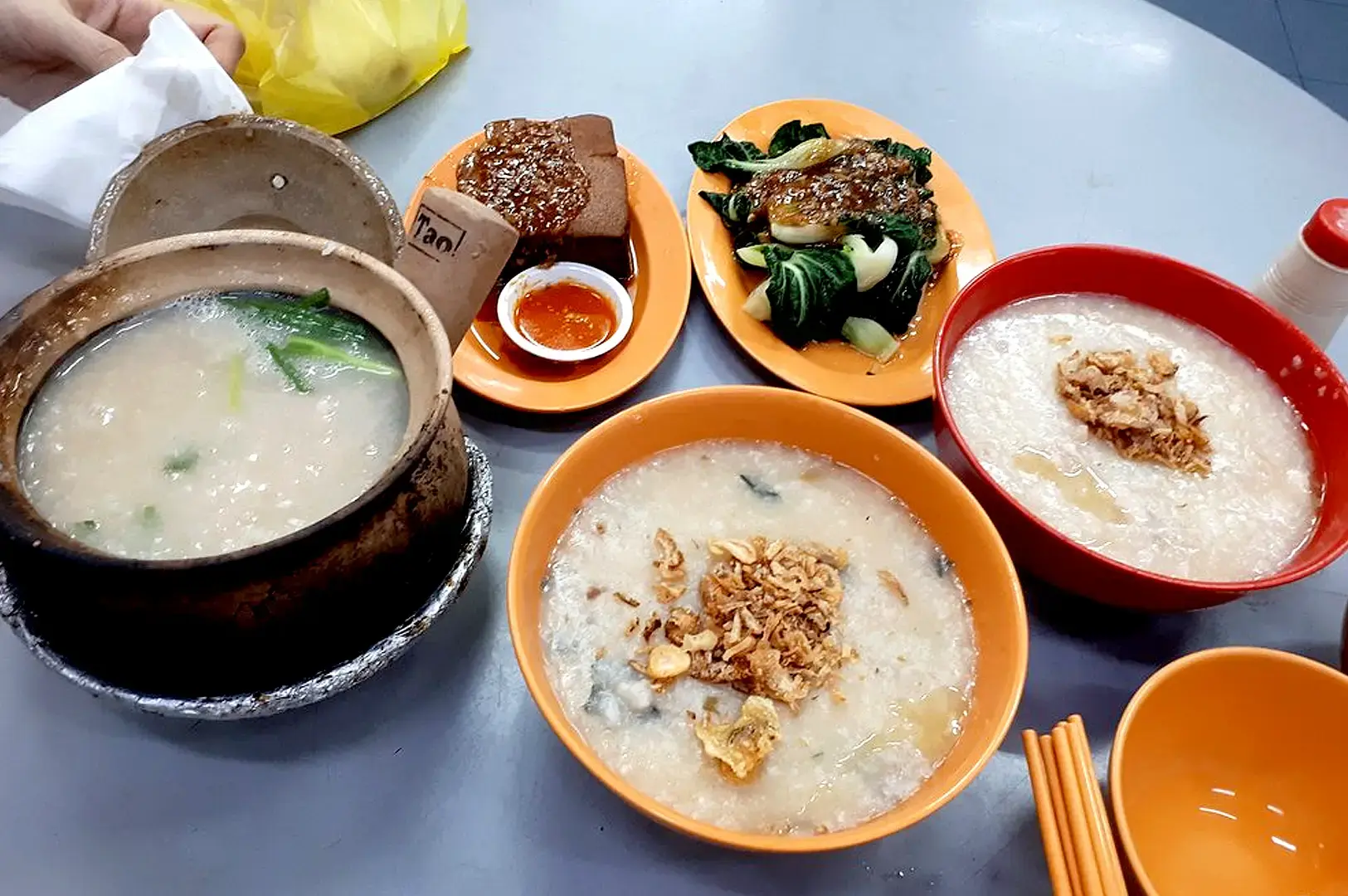
I ordered the Century Egg with Sliced Pork Porridge (S$9.50) first, because that felt like the honest place to start at Tiong Shian Porridge Centre.
It arrived quickly, steam curling off the top, scattered with fried shallots and thin green rings of fresh spring onions.
Texture and Flavor
- The rice porridge was smooth — not watery, not gluey, that careful middle ground where the rice has broken down completely but still holds a soft, comforting consistency.
- You could drag a spoon through it and it held a gentle shape for a second before settling back into its creamy embrace.
The century egg was folded in, dark and creamy, that particular deep savouriness it brings. The sliced pork was tender and generous enough that I wasn’t hunting for it. A little white pepper, a splash of soy from the table, and it came together beautifully.
This pork porridge is one of the favourite dishes here — a staple that many customers order again and again for its delicious, familiar taste.
This is the counterweight I’d been thinking about all morning.
Toast asks something of you — it snaps, it crumbles, you work at it. This porridge asks nothing. It gives way. It’s breakfast as recovery, the kind of bowl you’d want when you’re tired, sick, or just done with things that crunch. Plain enough to calm you. Savoury enough to matter.
I ate it slowly. There was no reason to rush, and the porridge didn’t want me to.
The Claypot That Widens the Story
Then I understood Tiong Shian is more than a sick-day bowl.
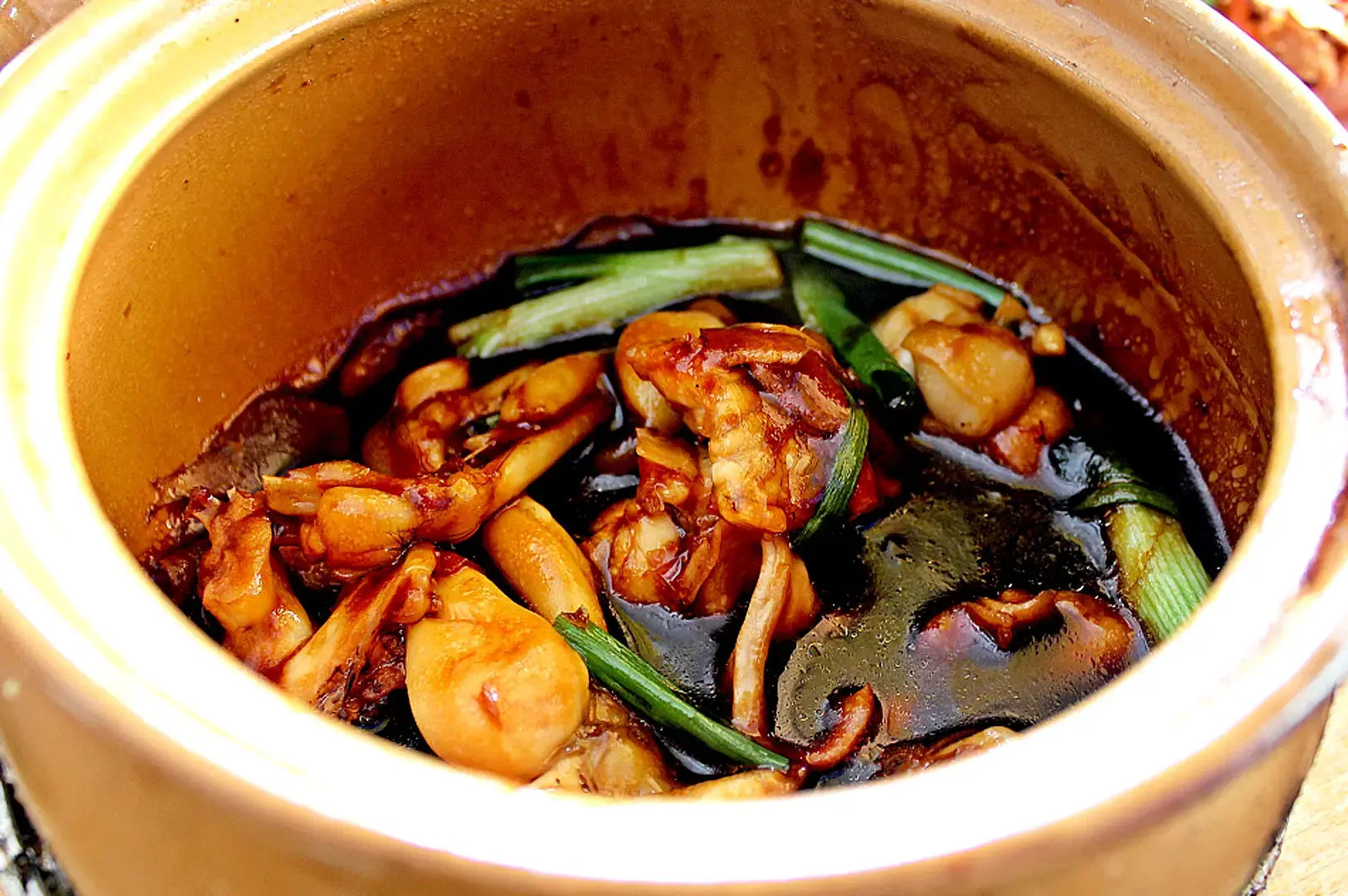
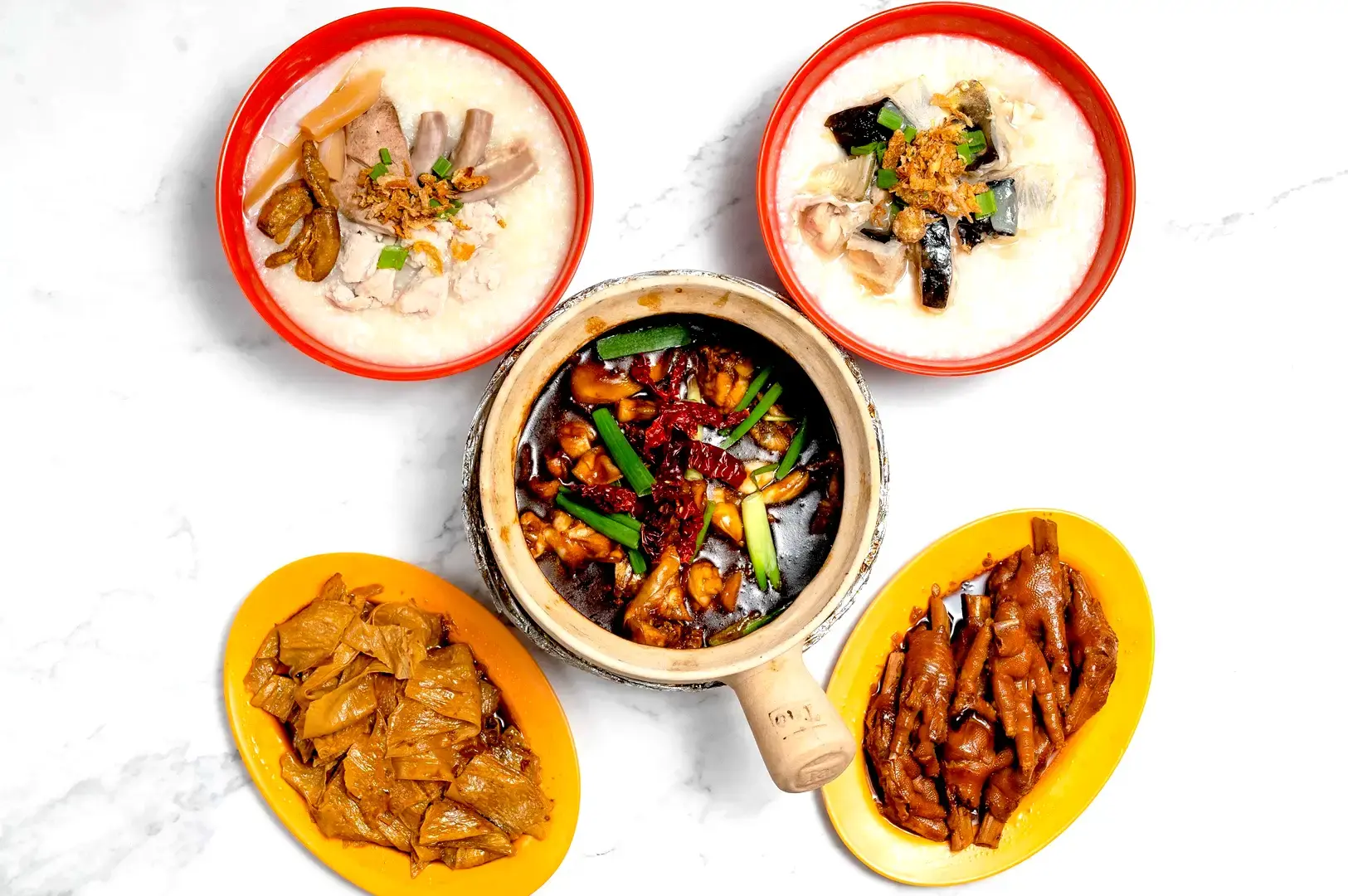
I ordered the Claypot Frog Porridge with Ginger, Spring Onion & Dried Chilli (S$13.50), and it arrived in its own pot, still whispering heat.
Aroma and Sauce
- The smell hit first — sharp ginger, the low warmth of dried chilli, dark sauce clinging thick to everything.
- The frog legs were tender, closer to chicken than you’d expect, soaking up that dark, delicious sauce.
And the sauce is the point. It’s rich and gingery and a little fiery, and it’s built to be spooned over plain porridge, which comes alongside as a soft, neutral canvas.
Eating Ritual
- Soft, plain porridge in one bowl.
- Dark, punchy claypot sauce in another.
- You move between them — a spoon of neutral warmth, then a spoon carrying ginger and chilli and frog.
- The plain porridge keeps the heat from overwhelming you.
- The claypot keeps the plain porridge from getting boring.
I hadn’t expected a porridge stop to give me something this savoury, this alive. It shifts the whole idea of the place — not just breakfast comfort, but supper comfort too, the kind of dish you’d order late at night when you want heat and softness at once.
If you’re squeamish about frog, I understand. But if you’re not, this claypot frog dish is one of the popular offerings that stays with you.
The Broth in Between
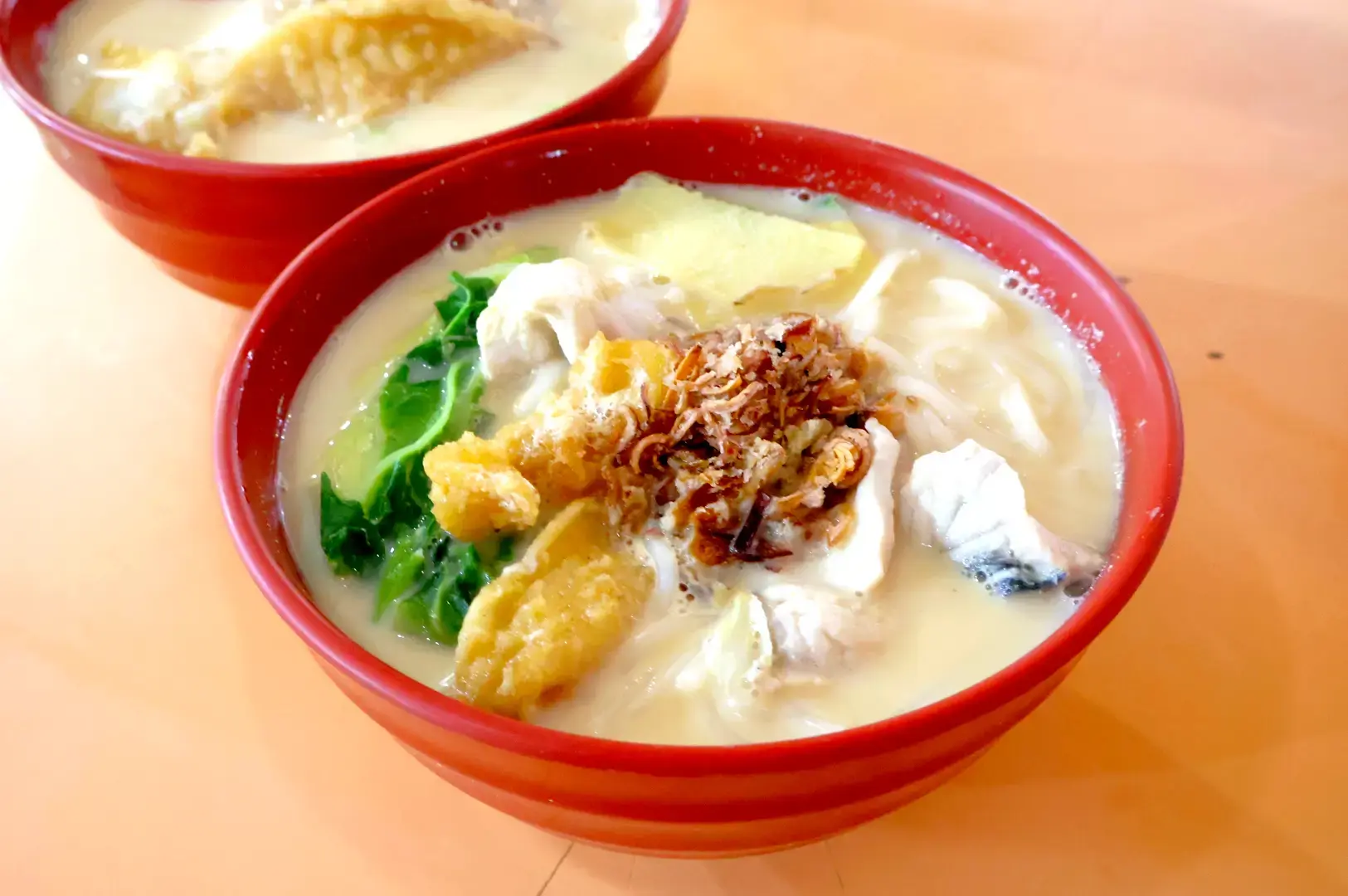
I had room for one more, so I tried the Claypot Fish Sliced Bee Hoon (S$13.50).
Ingredients and Taste
- The fish slices were soft and generous, cooked gently in a broth clouded with ginger.
- Vermicelli soaked it all up.
- It’s a milder thing than the frog claypot — clean, warming, the ginger doing quiet work rather than shouting.
It sits somewhere between the two porridges. Softer than the frog claypot, more substantial than the plain century egg bowl. On a rainy evening, I think this is what I’d reach for.
None of these dishes are trying to impress you with plating. They arrive in bowls and pots, steam-fogged, ready to be eaten rather than photographed. I found that honest.
The Service, Plainly
Let me be straight about this part.
My food came fast after I paid, which is what you want from a place like this. Nobody fussed. Nobody performed warmth they didn’t have.
But I’ll be honest — the warmth isn’t really here to begin with. The service is functional at best, and I’ve heard from others it can tip toward impatient or curt when the room is busy. Mine wasn’t cold, exactly. Just brisk. Transactional. You order, you pay, you eat, you go.
Wait Times and Portions
- The crowds change the rhythm.
- Porridge moves quickly.
- The claypot dishes take longer — I’ve read of half-hour waits at peak, though my off-peak visit was closer to fifteen minutes for the frog.
- If you come at supper rush, bring some patience.
- Portions: The porridge and frog claypot felt filling, worth the price.
- Some complaints about smaller side dishes — raw fish, fried intestine — feeling thin for what they cost.
- If you’re ordering add-ons, adjust your expectations.
What You Should Know
The practical bits are simple.
Tiong Shian Porridge Centre is at 265 New Bridge Road, in the Ann Kway Building, about four to five minutes from Chinatown MRT. Skip driving if you can — parking around here is a headache, and the MRT drops you close.
It’s walk-in only. No booking, no need for one. Expect to spend somewhere around S$10 to S$20 a person, more if you pile on frog, fish head, and side dishes.
Come outside the peak windows if you want the room calmer and the wait shorter. Late morning or early lunch is gentler than the late-night supper crush, though the supper crowd is part of this place’s whole character.
Who It’s For
I’d come back. Not for the room — the room is warm and smoky and doesn’t pretend otherwise. Not for the service, which won’t remember you.
I’d come back for the bowl.
If you love porridge — real, smooth, cooked-down rice porridge — and claypot dishes with ginger and dark sauce and steam, this is a place that takes those things seriously.
It suits:
- Solo diners who don’t need company from the staff.
- Anyone who’s just had crisp kaya toast somewhere in Chinatown and wants the soft opposite.
- Late-night eaters chasing claypot frog legs and heat.
It won’t suit everyone.
- If you want a quiet, cool café to linger in, this room moves too fast and runs too warm.
- If you’re put off by offal, frog, or a smoky open-front setting, you’ll be uncomfortable.
- If polished service matters to you, you won’t find it here.
The Quiet Comfort of a Simple Spoonful
But I keep coming back to the thing that struck me most.
Nobody here is trying to charm you. They’re trying to feed you.
The porridge is smooth because someone cooked it down properly. The frog sauce is dark and gingery because someone let it develop. The care is in the pot, not the performance.
I finished the last of the century egg porridge, scraped the claypot for the final bit of frog sauce, and sat for a moment in the heat.
Some meals want your camera. This one just wanted my spoon.
I gave it that, and I’d give it again.

Food in Japan: A Complete Guide to Japanese Cuisine and Culinary Culture
Eda Wong | November 22, 2025
The gentle steam rising from a bowl of miso soup carries more than just the earthy aroma of fermented soybeans-it carries centuries of Japanese culture and culinary wisdom. When you eat in Japan, you’re not simply consuming a meal; you’re participating in a ritual that connects you to the seasons, the land, and a philosophy…

Ramune Marble Soda: History and Cultural Meaning of Japan’s Iconic Marble Soda
Dio Asahi | November 20, 2025
Among Japan’s beloved fizzy drinks, none evoke nostalgia and uniqueness quite like Ramune marble soda. Instantly recognizable by its quirky Codd neck bottle and glass marble seal, Ramune soda is an essential part of Japanese summer, cherished by generations for its refreshing taste and signature pop sound. This marble soda remains a staple at summer…
-
Hokkaido’s Best Seafood Treasures: Beyond Sushi and Sashimi
Eat Drink Asia Team | November 18, 2025
When visiting Hokkaido, Japan’s northernmost island, food lovers are greeted with some of the most highly regarded seafood specialties in the world. Hokkaido is famous for its abundance of fresh seafood and rich fishing grounds, thanks to the surrounding Sea of Japan, Pacific Ocean, and Sea of Okhotsk. These nutrient-packed waters yield a wide range…
-
The Art of Asian Tea Ceremony Traditions: Ancient Rituals and Cultural Values Across Asia
Dio Asahi | November 15, 2025
A cup of tea, in many parts of Asia, represents far more than a beverage-it is a conduit to ancestral tradition, intellectual pursuit, and the cultivation of mindfulness. Asian tea ceremony traditions turn the act of drinking tea into a sophisticated art form, layered with symbolism, philosophy, and socio-cultural values. Each gesture, from scooping powdered…

The Art of Slow-Cooked Curry Recipes: Time’s Magic in South Asian Cuisine
Eda Wong | November 13, 2025
Step into a South Asian kitchen, and the senses are instantly enveloped by the inviting aroma of food slowly simmering in a sturdy clay pot or heavy vessel. The allure is undeniable: in this space, slow-cooked curry recipes are a celebration of patient tradition, spices, and the richness of South Asian cuisine. Here, time and…
-
Bandung Drink Recipe: A Singaporean Rose Syrup Drink Tradition
Eat Drink Asia Team | November 11, 2025
Step into any night market or hawker centre in Singapore, and you’ll spot a vibrant, glowing glass filled with a cold, beautiful drink-Bandung. Known for its iconic blush-pink hue and refreshing taste, this rose syrup drink is an integral part of Singapore’s beverages scene and a cherished tradition in Southeast Asian gatherings. More than just…
-
The Ultimate Hainanese Chicken Rice Recipe: A Deep Dive
Eda Wong | November 8, 2025
To wander through Singapore’s bustling hawker centres on a humid evening is to experience a symphony of sights, sounds, and smells. Among the many other dishes sizzling away, one plate stands out for its elegant simplicity: Hainanese Chicken Rice. It arrives without fanfare-gleaming slices of poached chicken over fragrant rice, flanked by a trio of…
-
Bubble Tea Origins: How Taiwan Created a Global Beverage Phenomenon
Dio Asahi | November 6, 2025
From Taipei to New York, a single drink has captured the world’s taste buds: bubble tea. This beverage, known as pearl milk tea or boba tea, and also known as boba in many regions, is celebrated for its delightful combination of sweet, creamy tea and signature chewy tapioca pearls. What began as a novel creation…
-
A Food Lover’s Guide to the Taiwanese Oyster Omelet
Eat Drink Asia Team | November 4, 2025
As twilight descends upon Taipei City, a vibrant energy pulses through its streets. This is the hour of the night markets, bustling hubs of community, commerce, and some of the world’s most incredible street food. Amidst the steam from soup dumplings and the sizzle of Taiwanese fried chicken, one iconic dish reigns supreme: the Taiwanese…
-
Jamu: Indonesian Herbal Medicine for Modern Well-Being
Dio Asahi | November 1, 2025
Across the Indonesian archipelago, a vibrant tradition of herbal healing has flourished for centuries. This is jamu, a cornerstone of Indonesian cultural heritage and a sophisticated system of traditional herbal medicine. Far more than just a refreshing drink, jamu represents a philosophy of balance, a deep connection to nature, and a form of indigenous medicine…