A wok sits over a low flame, and a handful of raw sticky rice slides across its dry surface. No oil, no water—nothing but heat and patience. The grains pale, then blush amber, then deepen toward the color of weak tea. Someone shakes the pan in a slow, even rhythm, listening as much as watching. The kitchen fills with a smell that is part popcorn, part roasted nut, part something older and harder to name. When the rice is ready, it goes into a stone mortar, still warm, and a pestle begins to turn it into coarse, fragrant dust.
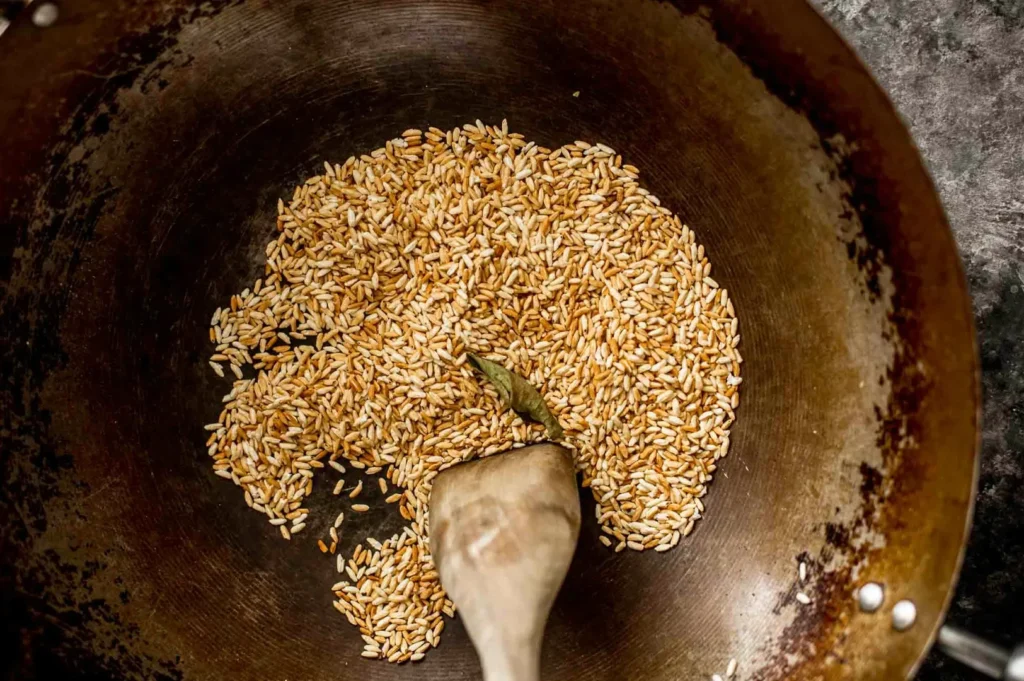
This dust is khâo khua (roughly khao koo-ah): toasted rice powder. In thailand food, it’s the kind of near-invisible seasoning that quietly decides whether a dish feels merely dressed or fully composed. The process is exactly what it sounds like: uncooked glutinous rice, dry-toasted until it browns and smells nutty, then ground while still warm so it keeps its aroma. The result is not flour. It is deliberately coarse, somewhere between fine sand and cracked pepper, with enough grit to register on the tongue.
In a dish like larb, the minced meat salad of the north and northeast, this powder does quiet structural work. It absorbs the loose liquid pooling at the bottom of the bowl, gives the lime and fish sauce something to cling to, and adds a toasted backbone beneath the bright, sour, chili-sharp surface. Without it, larb tastes thinner, wetter, less anchored.
You notice khâo khua most when it is missing. At a shared table, where bowls of larb sit beside sticky rice pressed into balls by hand, the powder is the reason a pinch of salad holds together on your fingers. It explains why the dish feels dry in the deliberate sense—not parched, but composed, each bite clinging rather than running. Cooks make it in small batches because it goes stale, losing the very nuttiness that justified the toasting. A jar kept too long turns flat and dull. So the grinding becomes part of the cooking rhythm itself, done close to the meal, often by whoever is already standing at the mortar pounding chilies.
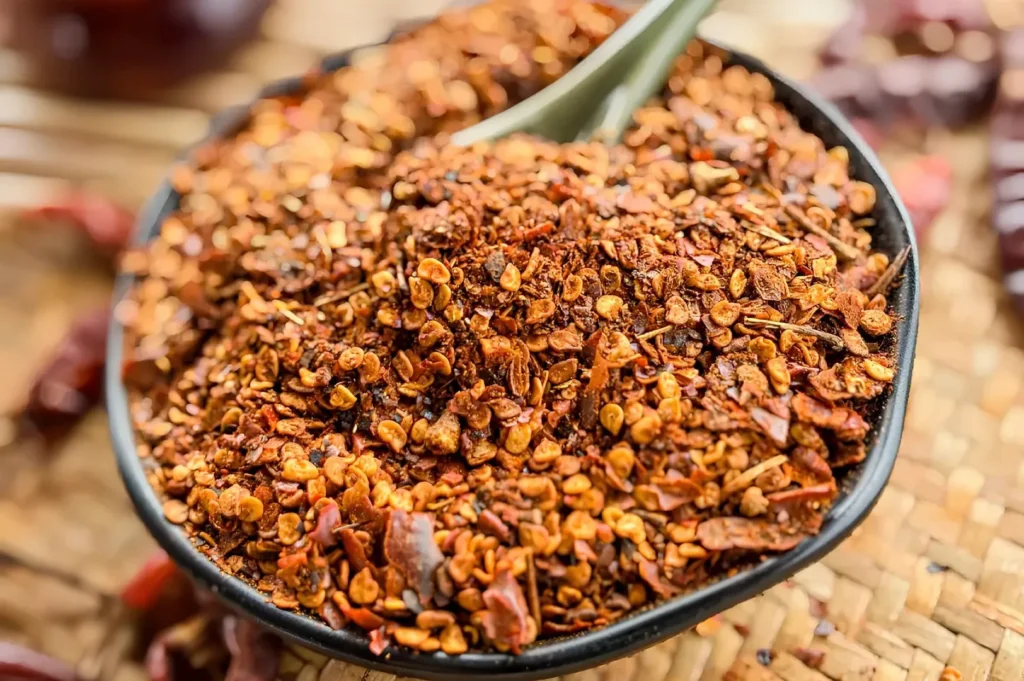
What feels worth noticing now is how easily this step disappears. Pre-ground rice powder sits on shelves, convenient and consistent, and it works well enough that many never toast their own. But fresh khâo khua carries a depth the packaged kind cannot hold, a warmth that fades within days of grinding. The tension is small but real: a few minutes of attention against a shortcut that costs almost nothing. The powder is nearly invisible in the bowl, yet it decides whether larb sings or merely sits.
I keep returning to that contradiction. The most essential element in the dish is the one you can barely see: a scatter of toasted dust that asks for patience and gives back texture, aroma, and the simple logic of dryness.

The Verdant Cup: A Celebration of Green Tea in Japan
Eda Wong | January 10, 2026
In Japan, green tea is much more than a beverage. It marks a moment of pause, hospitality, and tradition. The story of green tea in Japan weaves through centuries of culture, artistry, and daily life—bridging ancient rituals like the Japanese tea ceremony to everyday meals enjoyed at home. The origins and beginning of Japanese tea…
-
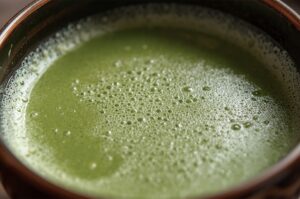
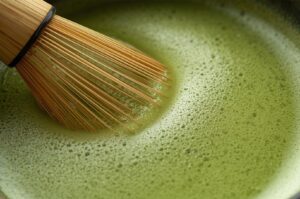
Japanese Green Tea from Japan: The Story of Matcha
Dio Asahi | January 8, 2026
On a misty April morning in Kyoto, I knelt on tatami in a small tea room outside Uji, Japan. The host, dressed in kimono, moved with quiet skill as she scooped matcha powder into a ceramic bowl. The air was filled with the aroma of aged wood mixed with the grassy scent of high quality…
-
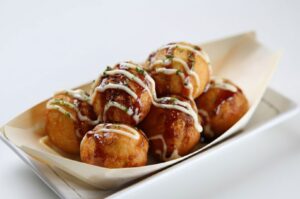
Takoyaki: The Sizzling Heart of Japan Food Culture
Dio Asahi | January 3, 2026
What is Takoyaki and Why Does it Matter in Japanese Food Culture? In the bright heart of Osaka, the sizzle of takoyaki batter signals one of Japan food culture’s most beloved street foods. Lines form at street stalls drawn by the delicious food aromas of sweet-savory sauce and bonito flakes dancing on golden spheres. Takoyaki,…
-
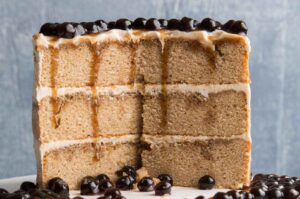
Everything You Need for a Flawless Bubble Tea Cake
Eda Wong | January 1, 2026
The global bubble tea phenomenon has evolved beyond drinks into the world of baking, creating one of the most exciting dessert trends of recent years. Bubble tea cake combines the beloved flavors of milk tea with the satisfying chew of boba pearls, all wrapped up in an adorable bubble tea cake that’s perfect for any…
-
Pad Thai Dish: Everything You Need to Know About the Rice Noodles That Make It Authentic
Eat Drink Asia Team | December 30, 2025
Pad Thai is more than just a staple of Thai Food; it’s a Global Phenomenon. From bustling street carts in Bangkok to high-end Thai Restaurants in New York, this iconic Pad Thai Dish has captured the hearts and palates of food lovers everywhere. The best Pad Thai rivals what you would find in a typical…
-
Thailand Food Pad Thai: Thailand’s Iconic Stir-Fried Noodle Dish
Eda Wong | December 27, 2025
Few dishes capture the essence of Thailand food culture like authentic Pad Thai. This beloved stir fried noodle dish is more than a meal-it’s a symbol of Thai identity, a perfect balance of sweet, savoury, and sour flavors, and a window into the soul of Thai cuisine. Whether you want to eat Pad Thai from…
-
Why Fish Curry is a Special Indian Cuisine
Dio Asahi | December 25, 2025
Along India’s vast and vibrant coastline, stretching over 7,500 kilometers, the sea offers its generous bounty to a cuisine renowned for its regional variations. Nowhere is the diversity of the Indian subcontinent more deliciously expressed than in a humble bowl of fish curry. Through this article, we’ll journey across India’s coasts and kitchens, exploring the…
-
Tikka Masala: The Story Behind One of the Most Iconic Dishes in India’s Food Cuisine
Eat Drink Asia Team | December 23, 2025
Ask anyone to name a famous Indian dish, and chances are “Tikka Masala” will be one of the first things they say. This creamy, vibrant, and aromatic curry has become a global symbol for the food cuisine in India, celebrated from street food stalls in Delhi to upscale Indian restaurants around the world. Its rich…
-
Cuisines in India: A Journey Through the Diverse Regional Food Traditions of the Subcontinent
Dio Asahi | December 20, 2025
Indian cuisine is celebrated for its spectacular diversity, bursting with flavors, regional traditions, and culinary innovations. From the spice-laden gravies of Northern Indian cuisine and tandoor-fresh breads, to coconut-laced Southern Indian cuisine, fragrant rice dishes in the East, and the robust, spicy curries and street food of the West, the foods of India reflect not…
-
Green Tea with Milk: A Tale of Two Teas from Taiwan and Thailand
Eda Wong | December 18, 2025
The simple combination of green tea with milk has sparked a culinary phenomenon across Asia, creating a diverse family of beverages that are both comforting and refreshing. While many countries have embraced this pairing, two nations stand out for their iconic and wildly different interpretations: Taiwan and Thailand. Each has cultivated a unique culture around…