It was close to nine on a Friday when I finally found the door.
Tanjong Pagar was doing its usual thing, full tables spilling onto five-foot ways, soju bottles catching the light, someone laughing too loudly two doors down. I almost walked past Todamgol. Then the smell reached me. Fermented, smoky, a little sharp. The kind of smell that makes your stomach speak before your head does.
I wasn’t there for one clean bowl. I was there to eat the way Korean food actually wants to be eaten, messily, together, across a whole table. And Todamgol, I’d been told, understands that better than most.
A Room That Doesn’t Try to Be Pretty in Tanjong Pagar
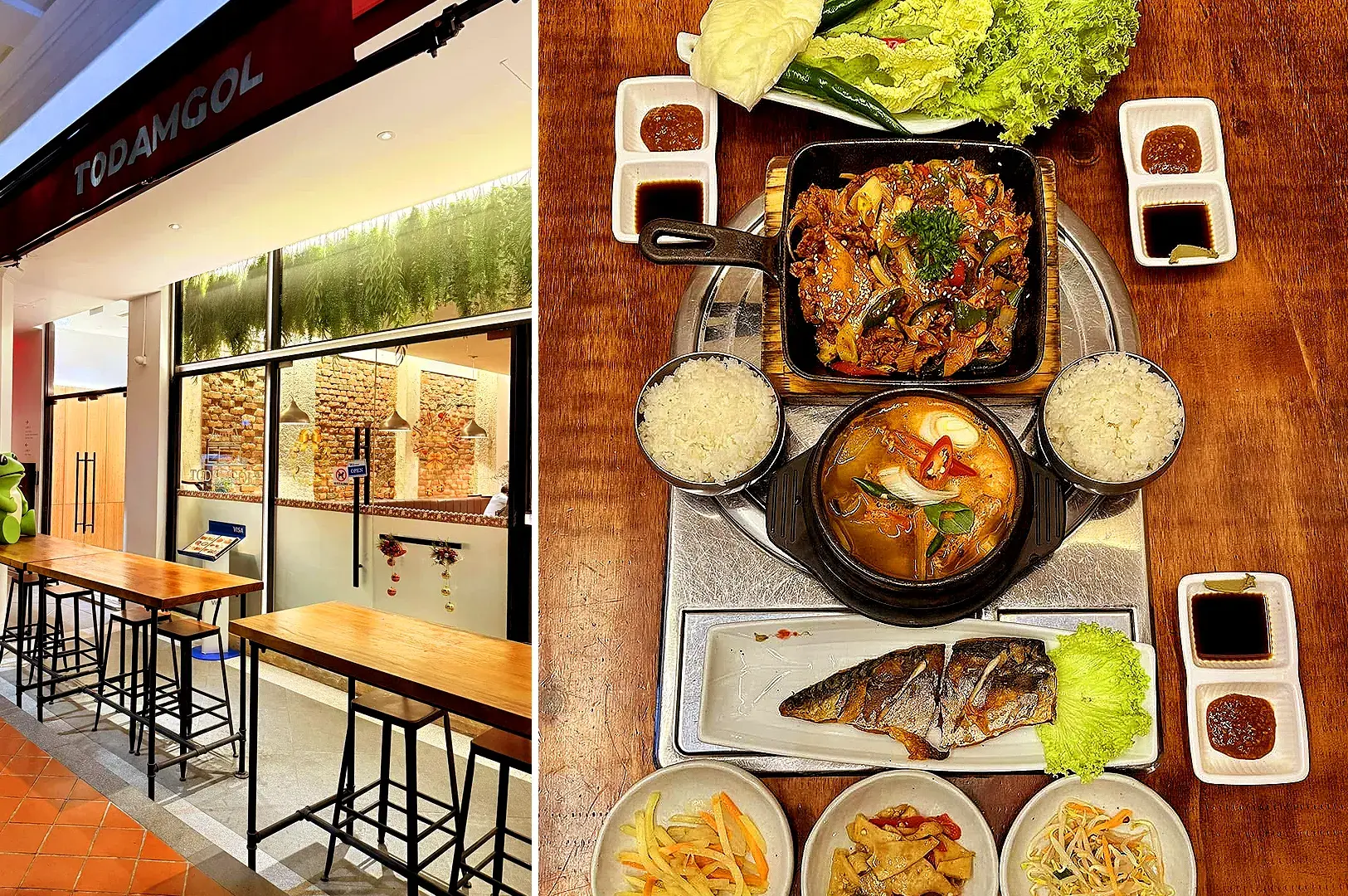
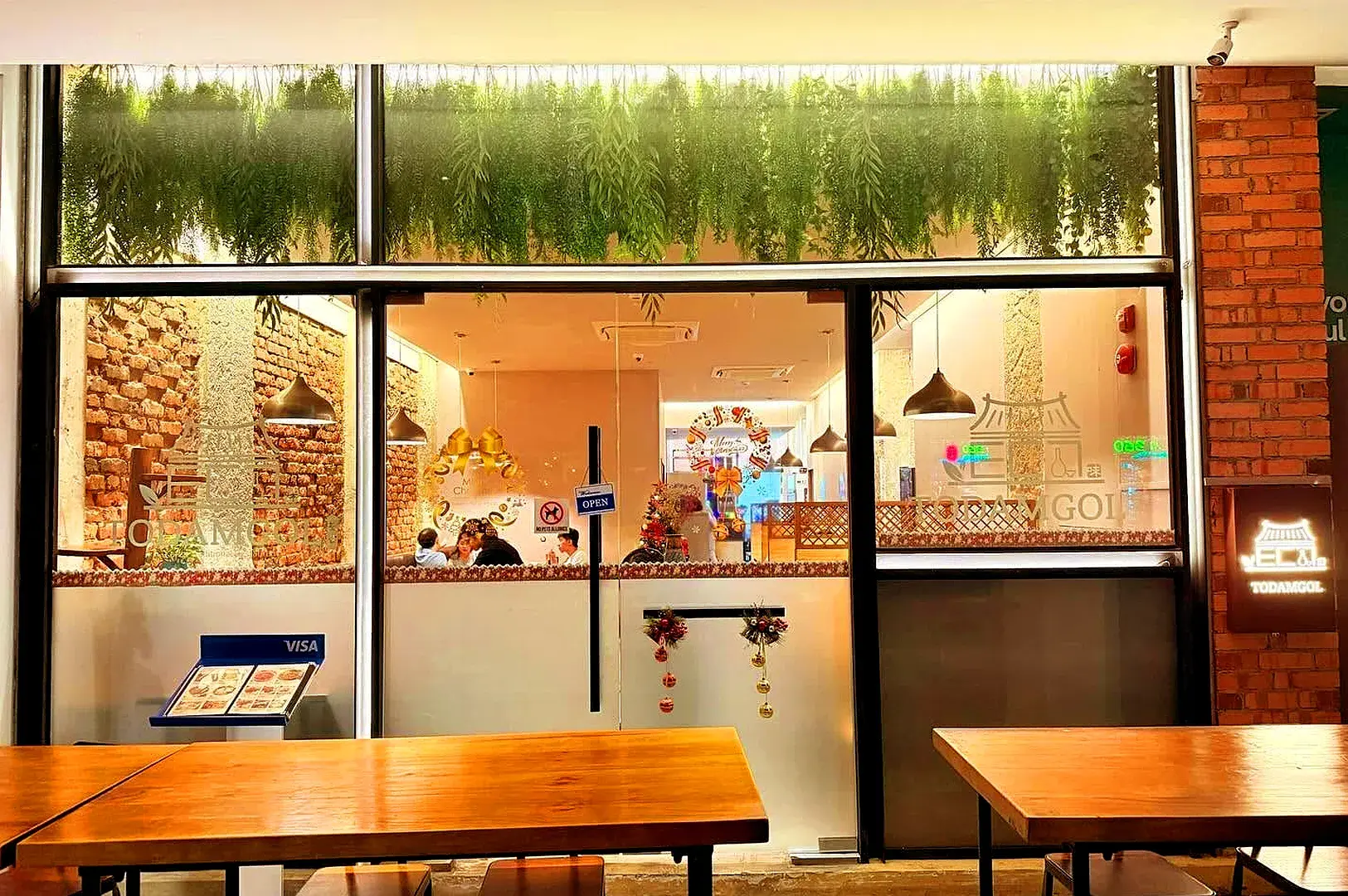
Inside Todamgol, nestled in the bustling Tanjong Pagar area, the décor is wooden and warm, a little worn in the good way. It’s a far cry from the polished Korean places you find in malls along Tanjong Pagar Road, with their bright screens and matching chairs. This place feels older, more grounded, timber walls and low lighting evoke the rustic charm of a countryside Korean drinking house rather than a modern restaurant. Nothing matches perfectly, and nothing needs to.
It’s loud. A Friday night here is not a quiet meal, it’s clatter and chatter, the hiss of stews arriving still bubbling, and the buzz of people enjoying themselves. If you want hushed tones, come another time. But if you crave the lively heart of Korean dining, it wraps around you fast.
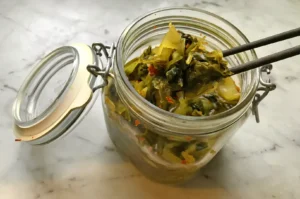
I squeezed into one of the spacious seats with two friends, and the korean side dishes, or banchan, arrived almost before we’d sat down. Small dishes of kimchi, pickled radish, and a seasoned green I couldn’t name. These aren’t just fillers; they’re the quiet backbone of the meal, a mix of flavors and textures that reminded me of my time in Korea. The rustic decor also brings to mind the cozy atmosphere of certain izakaya restaurants in Singapore featured on Eat Drink Asia.
The Food, and Why the Table Matters More Than Any Dish in Tanjong Pagar
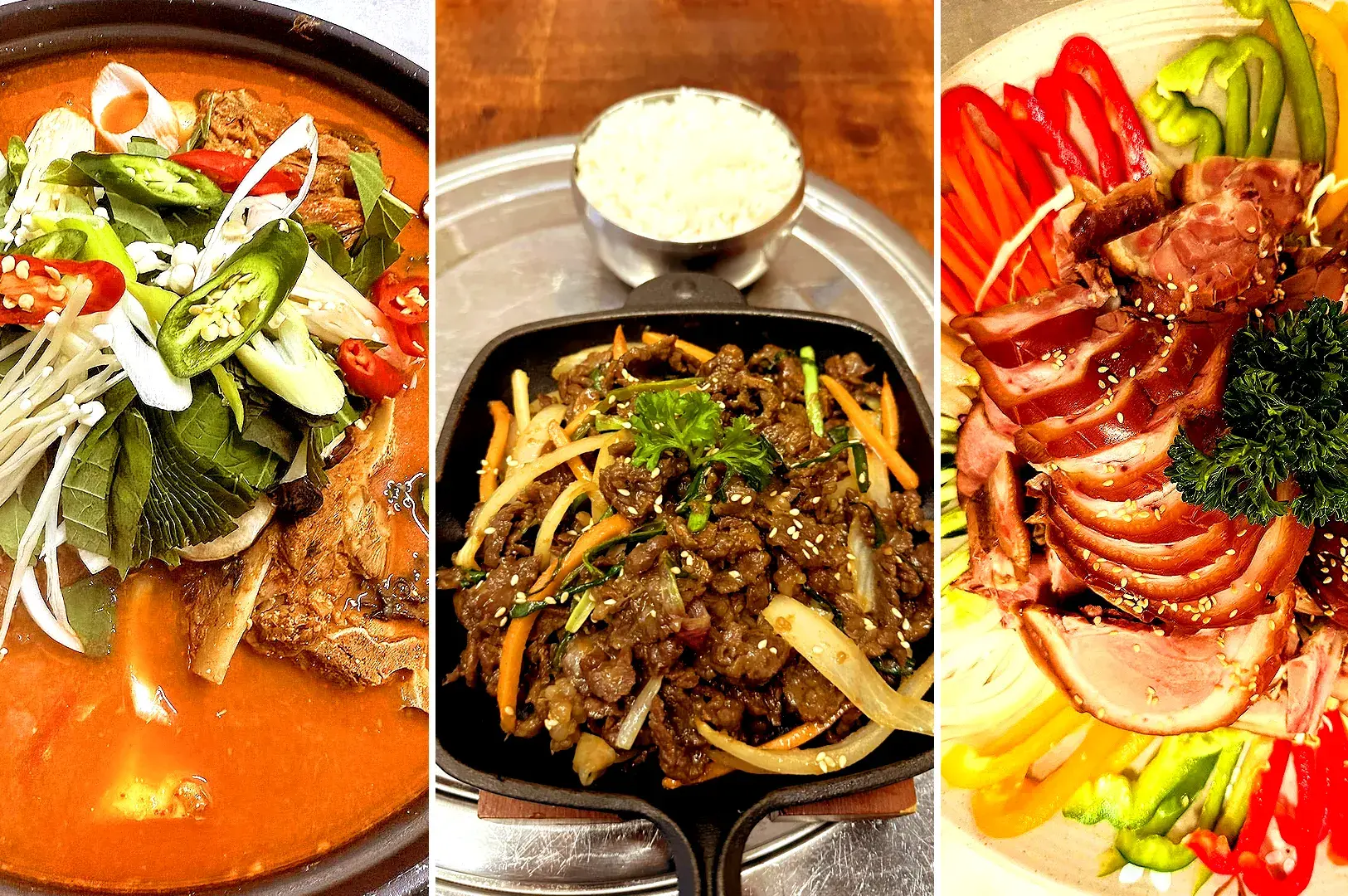
Here’s what I kept thinking: Korean food doesn’t work as a single plate. It’s a system, heat and rice, sour and crunch, all reaching across each other. Todamgol leans hard into that, and it’s where the place truly shines.
Budae Jjigae (Army Stew)
- We started with the army stew, because you’d be a little foolish not to.
- It arrived massive, almost comically big, enough for three of us with room to spare.
- The broth was a deep red, spicy and savoury at once, hitting the back of your throat gently before settling into warmth.
- Thick slabs of luncheon meat floated near the top, soft and salty.
- Beneath, noodles, tofu, and vegetables soaked up that heat.
This dish embodies the authenticity of Todamgol’s offerings. It’s not refined food, and it’s not trying to be. But it’s complete, spicy stew, soft rice on the side to calm it down, kimchi to cut through. I ate more than I meant to.
Expect to pay in the S$25–S$35 range for these big shared bowls. Split it. One is plenty for a small group.
Korean Pancake / Jeon Platter
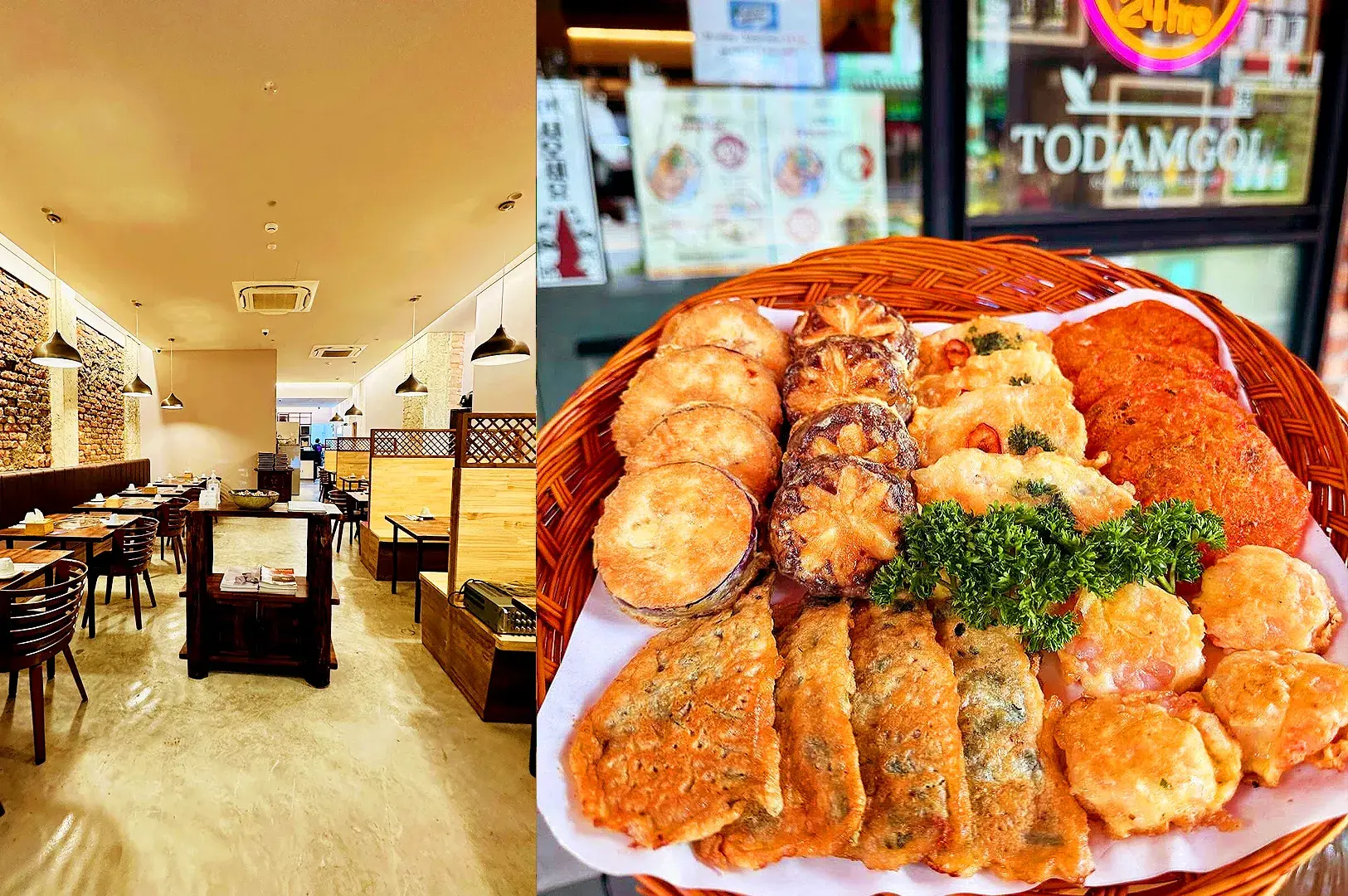
Next came the jeon platter, which broke up the heat nicely.
- Crisp at the edges, chewy in the middle.
- Eggy batter holding scallion and savory bits together.
- Tear off a piece, dip it in the soy-vinegar sauce, which cuts right through the richness of the stew.
There’s something cute and festive about pancakes on a Korean table. They feel made for sharing, for passing around, for reaching across someone’s chopsticks to grab the last golden corner. It did exactly that work here.
Dak Bal (Spicy Chicken Feet)
We ordered the chicken feet, a dish many Singapore diners shy away from.
- Late-night Korean drinking food at its most honest.
- Sticky, glossy, red with spice, scattered with spring onion.
- You debone them yourself, a bit of a project, a bit messy.
- The reward is chewy, addictive heat.
- When it got too much, we tucked pieces into rice balls, and the starch pulled the fire down to something manageable.
This dish is not for everyone. But if you want to understand how Koreans actually eat and drink late into the night, this plate tells you everything.
Bossam and Pork Hangover Soup
We couldn’t finish everything, but the bossam deserves a mention, boiled pork you wrap yourself in cabbage with kimchi and perilla leaf.
- Assembly required.
- The perilla note lingered longer than I expected.
The pork hangover soup, ordered by a friend, was rich and clean at once, cut through with fresh chili. She finished every drop, which says more than I could.
What Didn’t Land and the Reality of Reservations and Service in Tanjong Pagar
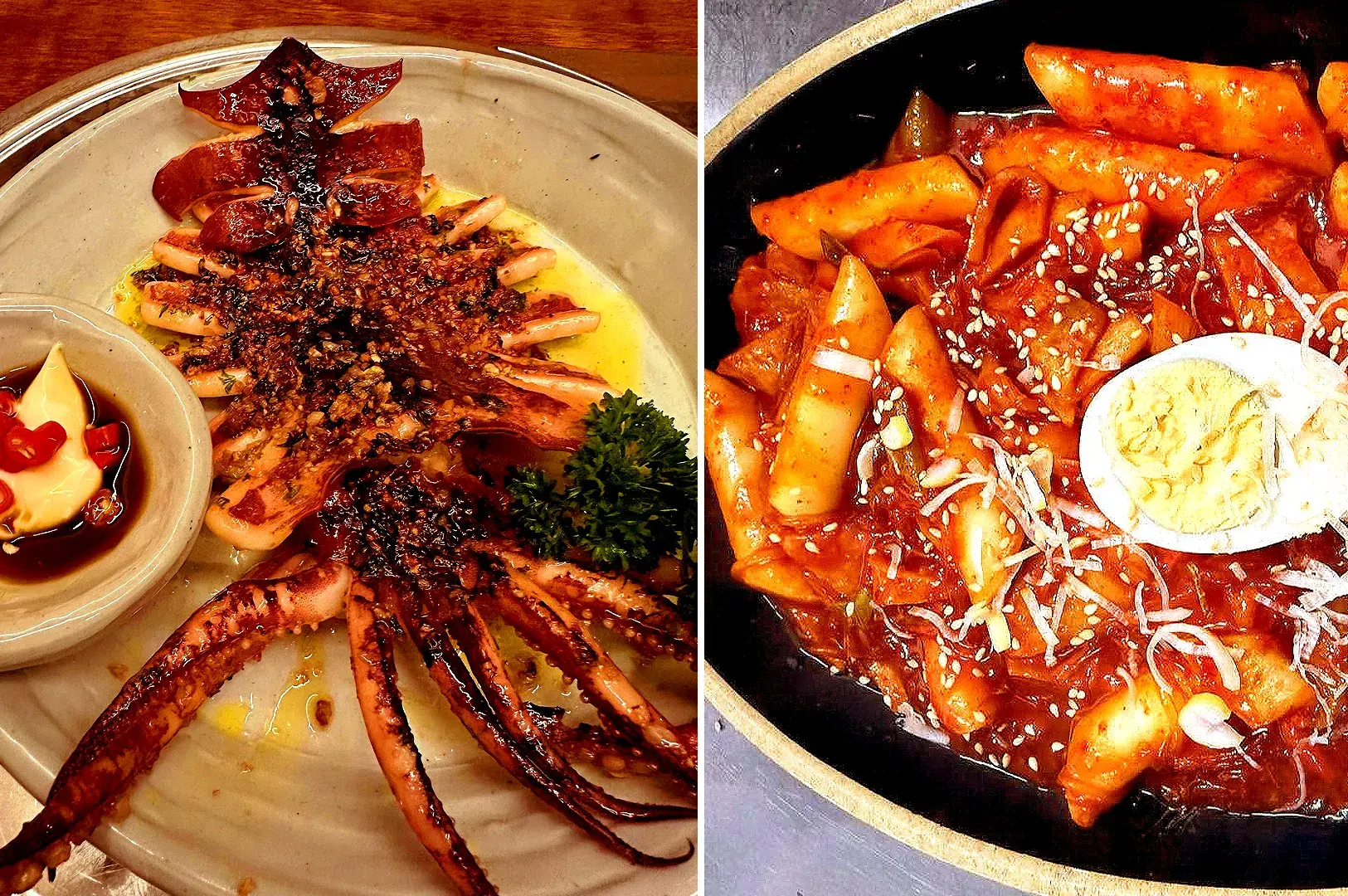
Not everything worked. The Cheese Dak Galbi was the low point.
- The sauce was milder than I’d hoped.
- The chicken had gone soft, overcooked, a little sad in texture.
- It’s the kind of dish that looks great arriving at the table and then quietly disappoints.
- I wouldn’t order it again.
- There’s better on this menu, most of it spicier, messier, and more alive.
The staff were warm, genuinely so. When we hesitated, someone talked us through the portions, steering us away from over-ordering, which I appreciated, since it would have been easy to drown the table in food we couldn’t finish.
But it was a busy Friday, and it showed. During the busiest stretch, refills took longer, and once or twice we half-stood to catch someone’s eye. It didn’t feel careless, just like a room full to the brim and a team stretched thin. On a quieter weekday, I’d guess it flows better.
If you plan to visit, reservations are recommended, especially on weekends, to secure your seats and avoid disappointment.
What You’ll Want to Know Before You Go: A Slice of Korea in Tanjong Pagar
Getting there: Tanjong Pagar MRT is your stop, about a 5–8 minute walk depending on your exit and pace. Public transport beats driving here, the road gets busy at night, and parking is a gamble.
Hours: Generally 11:30 am to 1:00 am daily, making it a proper late-night option. Listings vary, so check before a special trip.
Spend: Around S$30–S$50 per person once you factor in a few dishes and drinks. The portions are generous, so order to share, not one main each.
When to go: Weekday lunch is calmer if you want to actually hear your friends. Weekend dinner is louder, busier, and more fun if that’s the energy you want.
The Lucky Charm of Todamgol
What makes Todamgol stand out in the crowded Tanjong Pagar area is its authenticity. From the cute bustle of Korean staff who remind you of Korea itself, to the mix of traditional dishes served with genuine care, it feels like stepping into a Korean village right in the city.
I was reminded of my own early days discovering Korean food, lucky enough to find a place that doesn’t just serve meals but builds a whole table around you, big stews, sharp kimchi, chewy pancakes, rice to catch the fire, and endless korean side dishes that keep the meal lively.
Korean cuisine here is celebrated not just for its flavors but for the way it brings people together.
Todamgol isn’t just about food. It’s about the time spent together, the shared stories, and the comfort logic behind famous Korean dishes that warm more than just your stomach.
Who Todamgol is For
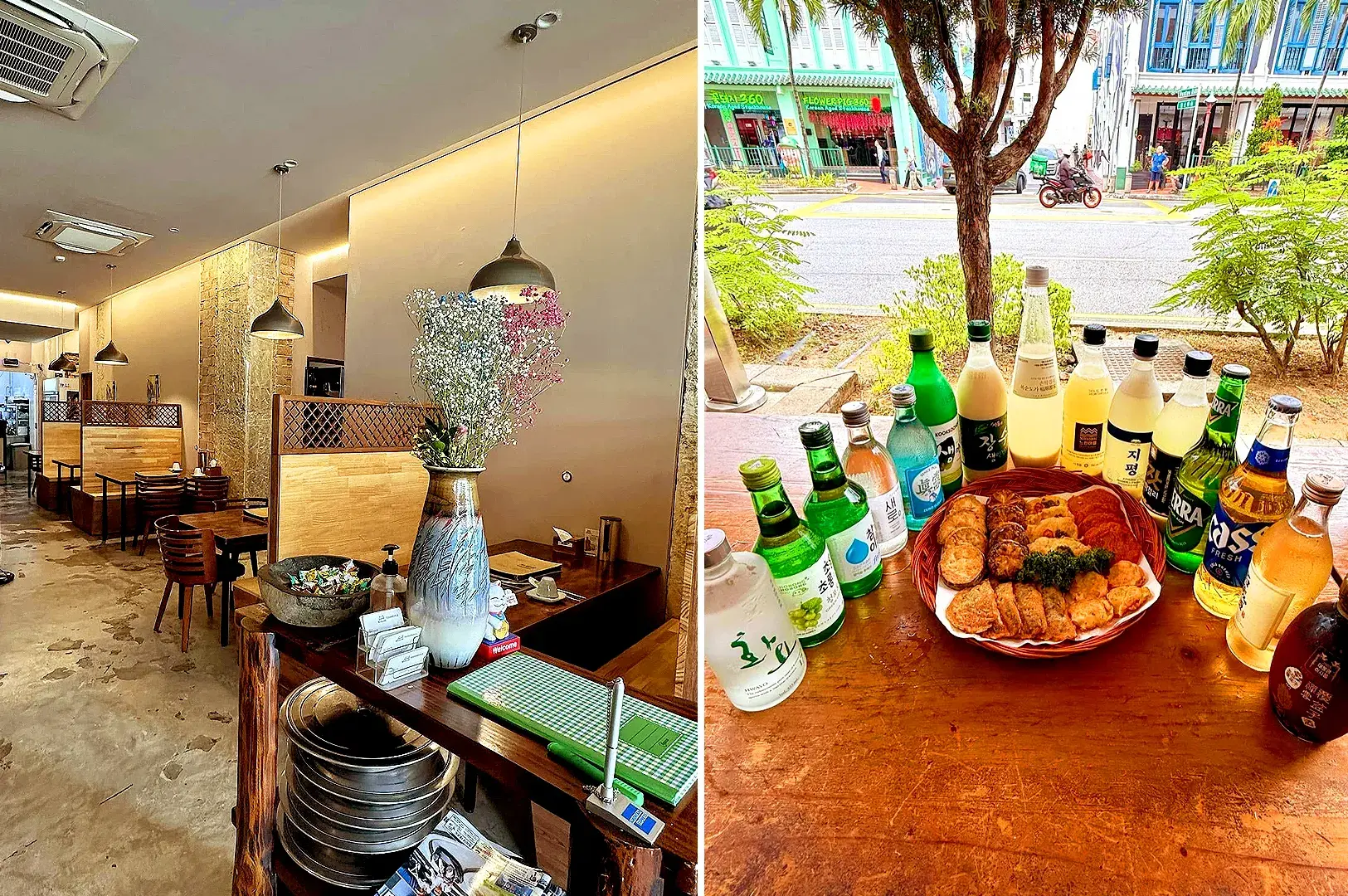
It’s for groups. For friends who want to sit long, order across the menu, pour some soju, and let the evening stretch. It’s for people who want more than Korean BBQ, who want the stews and the drinking food and the messy, hands-on plates.
It’s less for solo diners after one neat bowl, or anyone hoping for a quiet, polished meal. That’s not what this place is, and it’s not pretending to be.
I left full. Not just my stomach, the whole evening felt full. The noise, the shared bowls, the pile of empty banchan dishes, the last sticky chicken foot nobody wanted to claim.
That’s the meal that stayed with me. Not because it was perfect. Because it felt like sitting at someone’s table, and being fed until you couldn’t move.
I’d go back. On a weekday, maybe, when it’s quieter. But I’d go back.

The Soy Glaze on Kyoto’s Forgotten Rice Crackers
Dio Asahi | August 5, 2026
By Dio Asahi for Eat Drink Asia. The old man works close to the coals, and the smell reaches me before I see what he’s doing. Soy meeting heat. That dark, caramel-edged smell that tightens something in your chest. His brush moves in short strokes across a rack of rice crackers, back and forth, patient….
-
Vegetarian Laksa Without the Usual Seafood Shadow: Asian Vegetarian Recipes Begin With the Broth
Eat Drink Asia Team | August 4, 2026
The first vegetarian laksa I made tasted like coconut soup with chilli, not laksa. I thought I was doing it right, stirring paste into warm coconut milk with tofu puffs. It looked the part but lacked depth. Seafood usually provides that depth, prawn shells, dried shrimp, fish cake sweetness. I learned that depth can’t be…
-
A Bowl Built by Hand at Hi Noodle, Three Floors Below Somerset
Eda Wong | July 31, 2026
The escalator carries me down to Basement 3, past the lunch noise of 313 Somerset, and the air changes somewhere along the way. Less mall, more kitchen. The smell finds me first — chilli, vinegar, something warm and sharp that cuts through the perfume of the shops above. Hi Noodle sits there, plain and bright….
-
An Asian Vegetarian Meal at Herbivore Japanese Vegetarian Restaurant: When Japanese Comfort Food Learns a New Body
Eda Wong | July 30, 2026
I didn’t grow up eating eel. But I grew up watching my grandmother turn one thing into another — gluten into “duck,” beancurd skin into “fish,” mushrooms into something that tasted of the sea without ever touching it. Buddhist vegetarian cooking does that. It doesn’t pretend so much as it remembers, building familiar shapes out…
-
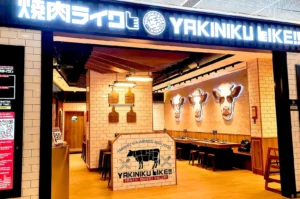
A Table for One, and a Grill That Belongs to You in Yakiniku Like
Dio Asahi | July 29, 2026
The grill glows orange in front of me before the meat arrives. It’s a small thing, set into the counter at my single seat, and it hums faintly under the chatter of the room. No flame. No charcoal. Just a low electric warmth I can feel rising toward my face. A plate comes. Thin slices…
-
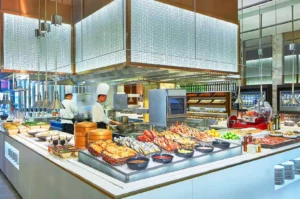
Best Buffet Singapore: Where Hotel Buffets Turn Abundance Into Order
Dio Asahi | July 28, 2026
I used to think buffets were about greed. Pile the plate high, go back for thirds, leave feeling like you got your money’s worth. That was the whole game, or so I believed. After years of exploring this city’s hotel buffets, I learned the good ones focus on order. They transform a wall of food…
-
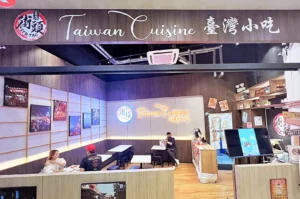
STR TAO Taiwan Cuisine and the Comfort of a Menu That’s Too Big to Be Lazy: Food Places Nearby
Eat Drink Asia Team | July 25, 2026
It was the kind of evening where you don’t want to think too hard about dinner. I’d been walking up East Coast Road, the air still thick from an afternoon shower, when I ducked into a coffeeshop just to sit down. The Bullion Hawker Bar. And tucked among the usual suspects — wanton mee, Hokkien…
-
Sesame Oil at the End: Finishing, Not Flavoring
Eda Wong | July 24, 2026
The wok is already off the heat. The greens sit glossy and dark, steam still curling off them. My mother lifts a small bottle, tilts it, and lets a thin line of sesame oil fall across the top. It hisses faintly against the warm leaves, and the smell rises all at once — toasted, nutty,…
-
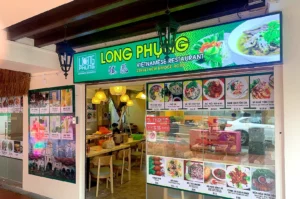
Long Phung Vietnamese Cuisine, Where the Menu Doesn’t Waste Words: A Good Restaurant Close to Me
Eda Wong | July 23, 2026
I came in from the rain on a Tuesday, somewhere past 8pm, hungry and a little defeated by the day. The fan was clacking. A queue of three or four people stood near the doorway, dripping. Someone shouted an order toward the kitchen in Vietnamese, and a bowl of pho slid onto a nearby table…
-
The First Squeeze of Calamansi in a Noodle Stall Bowl
Dio Asahi | July 22, 2026
The bowl lands in front of me, broth still trembling from the walk across the stall. Steam rises and fogs the edge of my glasses. To the side sits a small dish of calamansi halves, cut and waiting, their skins slick under the fluorescent light. I pick one up. It gives slightly between my fingers,…