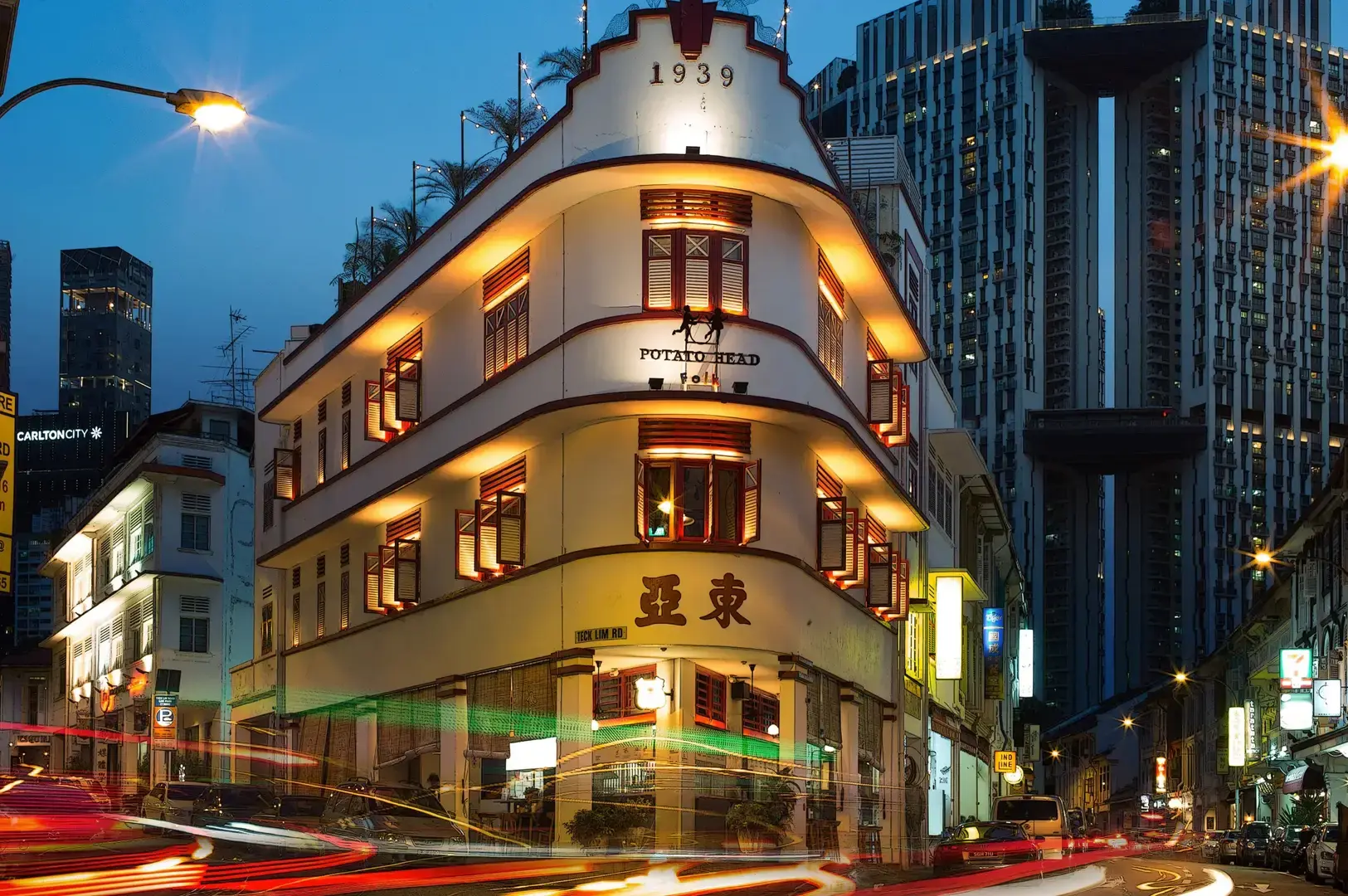
I almost walked past it.
I’d been looking for the old triangular building, the red-and-white one you see in every photo of Keong Saik, the one that made Tong Ah feel like a landmark before you’d even ordered anything. But that’s not where it lives anymore. It’s a few doors down now, at 35 Keong Saik Road, in a plainer shophouse that doesn’t announce itself.
I stood outside for a second, a little disappointed. Then I smelled the kopi and the toast, and I stopped caring about the building.
It was just before eight on a weekday. The room was already awake.
A Room That Moves Faster Than Nostalgia
Inside the Tong Ah Eating House, a traditional coffee shop along Keong Saik Road, it’s a working space, not a heritage café dressed up for the camera.
- Plastic stools.
- Marble-topped tables worn smooth by decades of elbows.
- A ceiling fan turning somewhere overhead, doing very little against the morning heat that had already settled in.
It gets warm in here, the kind of warm that has you reaching for your iced kopi sooner than you planned.
I found a seat near the front, close enough to watch the street. Office workers coming through for a quick traditional breakfast set. An older regular reading the paper the way it looks like they’ve probably read it here for years. A pair of tourists three tables over, phones out, trying to line up the perfect shot of their crispy kaya toast before it cooled.
Tong Ah is one small expression of the wider morning culture. Explore our guide to breakfast at Chinatown Singapore.
The old building (and why it doesn’t matter as much as you think)
I’ll be honest, the new space doesn’t have the charm of the old one. The triangular building had a shape you remembered. This one doesn’t. If you came chasing that particular ghost, you might feel the gap.
But the thing about Tong Ah is that the nostalgia was never really in the walls. It’s in the charcoal grilled toast. It’s in the traditional kopi brewed from beans roasted slowly over slow fire, the kind that gives the coffee its full-bodied flavor. It’s in the fast, unfussy rhythm of a room that’s been serving breakfast since 1939, and doesn’t have time to be sentimental about it.
The Toast That Carries Everything
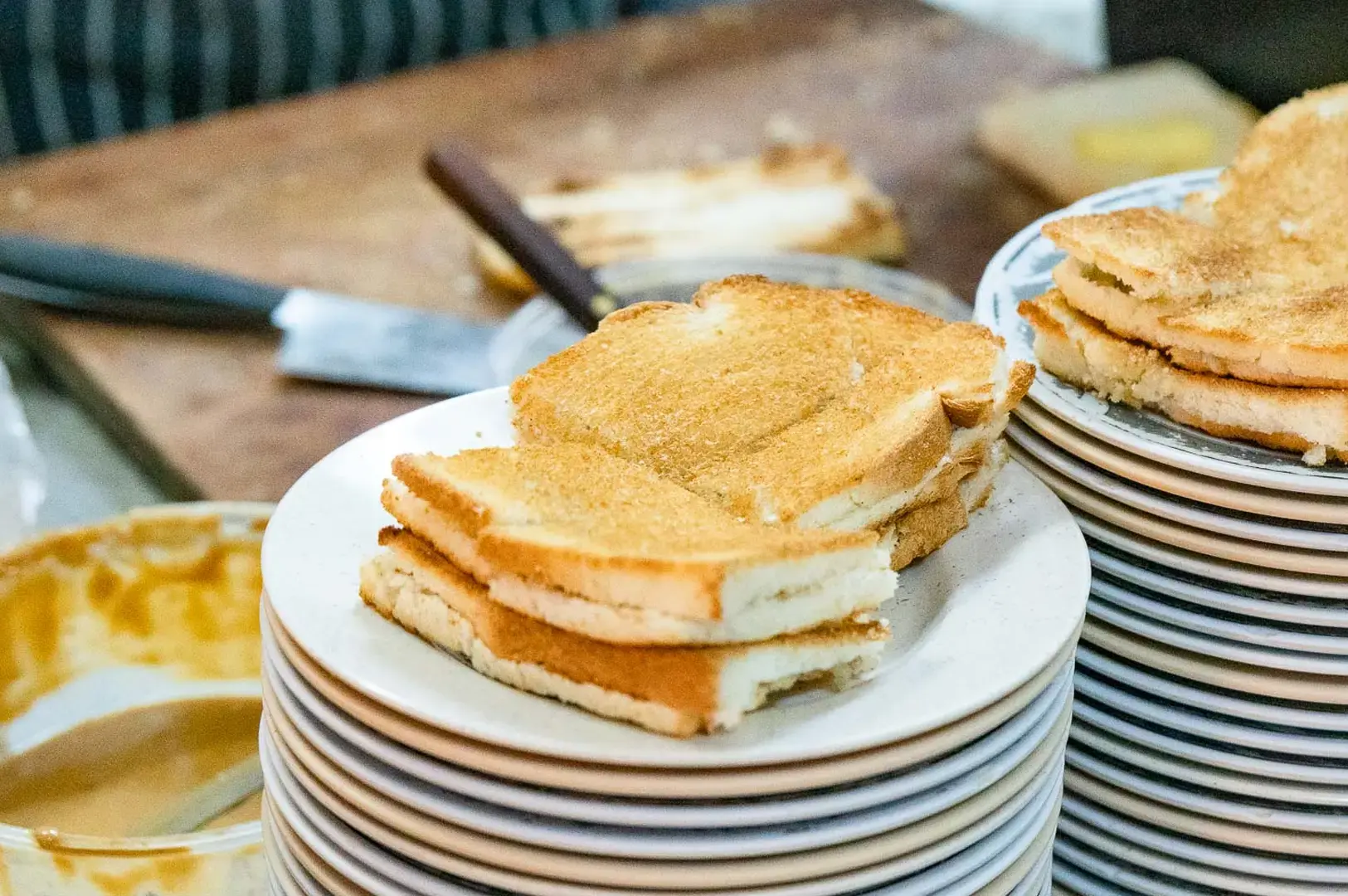
I ordered the Crispy Thin Toast Kaya set, around S$6 with half boiled eggs and black kopi, because that’s the whole reason to be here.
The toast came out fast, and it looked like nothing special. Thin slices, browned, cut into strips. This isn’t the thick, fluffy café toast that’s everywhere now. It’s brittle. Almost delicate, a super crispy toast with a satisfying snap.
Then I bit into it.
That’s the thing you feel first: the crunch. A real, clean snap, the bread shattering a little at the edges. Inside, a slab of cold butter, still firm, still holding its shape against the warmth of the bread. And the kaya spread, sweet with coconut and pandan, dark and fragrant, spread just thick enough to matter without drowning the toast.
Why it works
Cold butter against crisp bread against sweet kaya. That contrast is the entire point.
It’s not a loud flavour. Some people come expecting fireworks and leave saying it was plain. I understand why. If you want bold, this isn’t bold. But I think that misses what the toast is doing. It’s not trying to overwhelm you. It’s trying to get out of the way of the butter and the kaya.
The Eggs and the Kopi Finish the Sentence
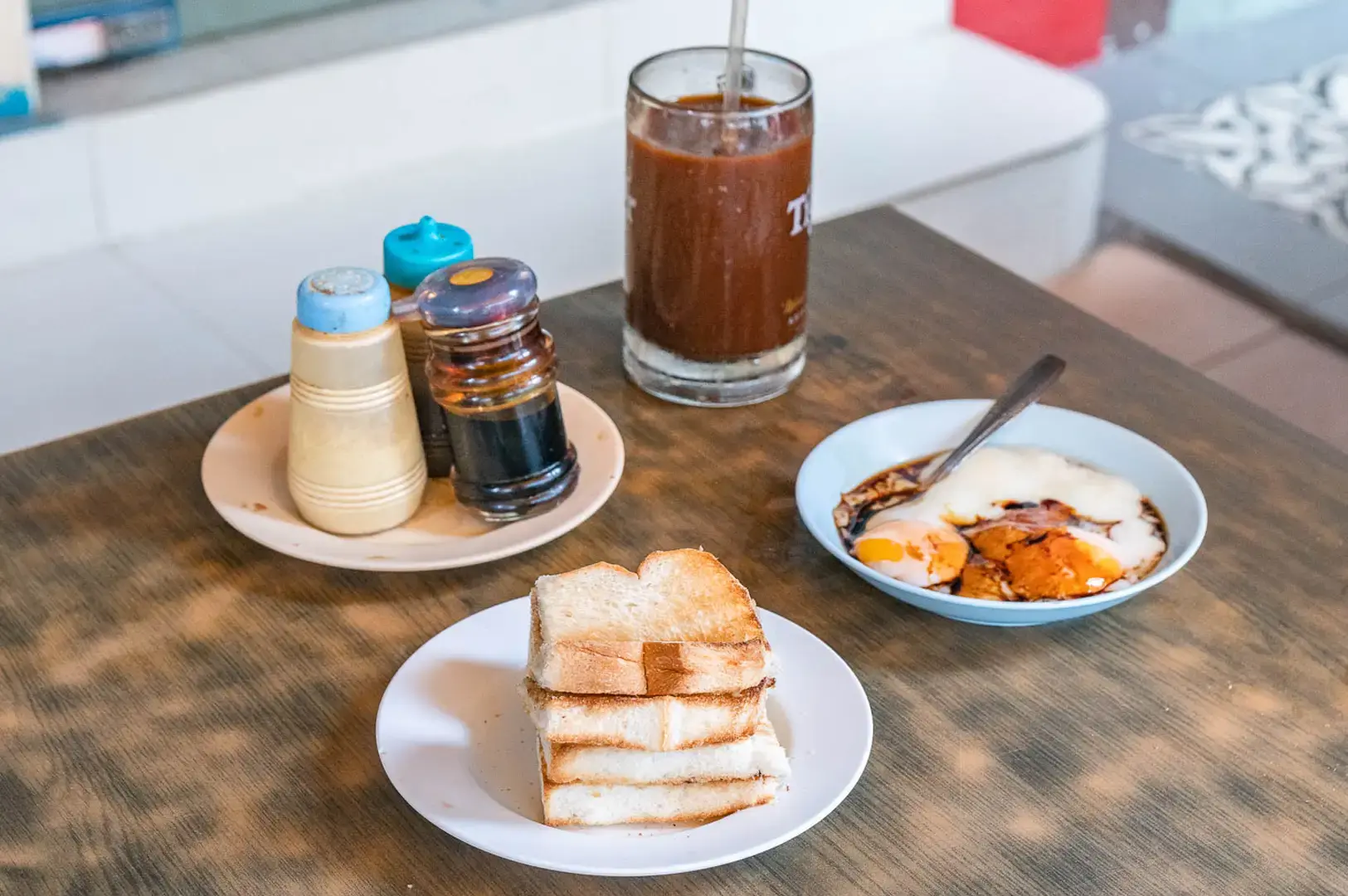
The soft boiled eggs arrived in their little saucer, and this is where the breakfast becomes a ritual rather than a meal.
I cracked them in, added a few dashes of dark soy and a good shake of white pepper, and stirred until the yolks turned glossy and loose. The whites were barely set, the yolks runny the way they should be. Warm, silky, a little peppery.
How the toast and egg click
Then you dip the crisp toast into the egg, and the two things finally make sense together.
- The egg softens the brittle edge of the toast.
- The toast gives the egg something to hold onto.
Neither works quite as well alone.
The kopi that keeps it balanced
The traditional kopi, black coffee sweetened with condensed milk, tied it together. I’d ordered it iced against the heat, and it was strong, properly dark, a little bitter under the sweetness. It’s the kind of coffee that cuts clean through the kaya so the sweetness never turns cloying. That’s the grammar of a Singapore morning right there: toast, egg, kopi. Each one doing a job the others can’t.
If you’re still hungry
If you’ve got room, the French Toast with Kaya (around S$4.20) is the softer, richer cousin, worth a try if the crispy toast leaves you wanting something more indulgent. But I’d order it second, after the thin toast, not instead of it.
And there’s another side to Tong Ah Eating House entirely that I didn’t see this morning. Come back past eleven and it turns into a zi char kitchen, with fragrant chicken, nasi lemak wrapped in banana leaf the traditional way, and other cooked plates. Two lives in one eating house. But breakfast is the one I came for, and breakfast is the one that still holds.
If you want to keep exploring Singapore’s Chinese dining scene beyond breakfast, continue with The 8 Best Chinese Restaurants in Singapore: From Dim Sum to Peking Duck
Service That Depends on the Morning
Service here is quick, and how you feel about it depends on what you want from it.
My order came fast, no fuss, nobody performing warmth they didn’t have time for. On a busy morning, that briskness reads as efficient.
I’ve heard from others that it can tip the other way:
- Order mix-ups
- A curt word
- Identical toast plates arriving a few minutes apart when the kitchen’s slammed
I didn’t run into that. But I can see how it happens. This is a room built for turnover, and turnover doesn’t always leave space for gentleness.
If you need a barista to remember your name, this isn’t that place. If you just want your toast hot and your kopi strong, it delivers.
I’d rather have honest speed than practised charm, personally. But it’s worth knowing the trade before you sit down.
What You Should Know Before You Go
The practical bits are simple.
Tong Ah Eating House is at 35 Keong Saik Road. The easiest way in is Outram Park MRT — about a five-minute walk.
Opening Hours and Best Time to Visit
Time | Description |
|---|---|
Opens at 7am | The coffee and toast side opens early, from 7am daily, which is exactly when you want to come. |
Weekday mornings | Go early on a weekday if you can to enjoy a quieter atmosphere. |
Mid-morning | By mid-morning, especially on weekends, the room fills with a mix of tourists and locals, and queues start to form. |
Before 8am | Before eight, it still feels like it belongs to the regulars, and that’s when the place is at its best. |
Booking and Costs
There’s no booking. It’s walk-in, always. Breakfast will run you somewhere around S$6 to S$10 a person, depending on how much toast and coffee you order. It’s a light breakfast, not a brunch. One set is enough for most, though if you came hungry you’ll want a second toast or an extra dish.
Getting There
Public transport is recommended over driving. Keong Saik’s parking is tight and paid, and the MRT drops you close.
Who It’s For and Who It Isn’t
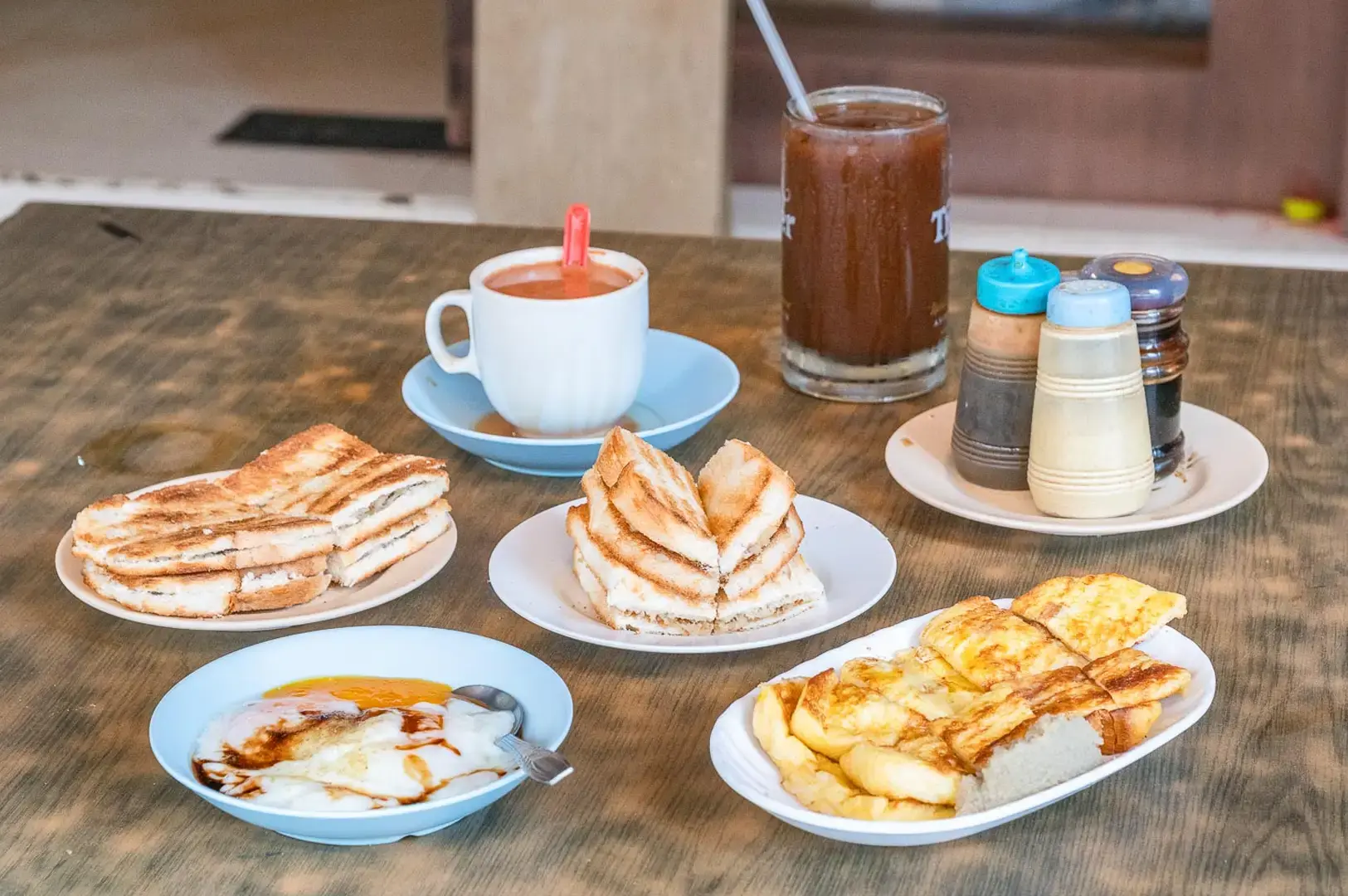
I’d come back. Not because it’s the most comfortable breakfast in Chinatown, and not because it’s the prettiest. It’s neither.
Why You Should Come Back
I’d come back because it does the simple thing properly:
- The toast is genuinely super crispy version of crispy toast.
- The kaya is fragrant and sweet.
- The eggs are soft.
- The black coffee is strong.
- The whole thing costs less than a fancy flat white somewhere with better lighting.
Who It Won’t Suit
It won’t suit everyone. If you want bold, punchy flavours, the toast will read as mild. If you want a quiet café to linger in with a laptop, this room moves too fast for that. If you’re chasing the exact magic of the old triangular building, that particular photo, that particular shape, you should know it isn’t there anymore.
But the breakfast is. And the breakfast, it turns out, was always the thing worth keeping.
Where the Morning Lands
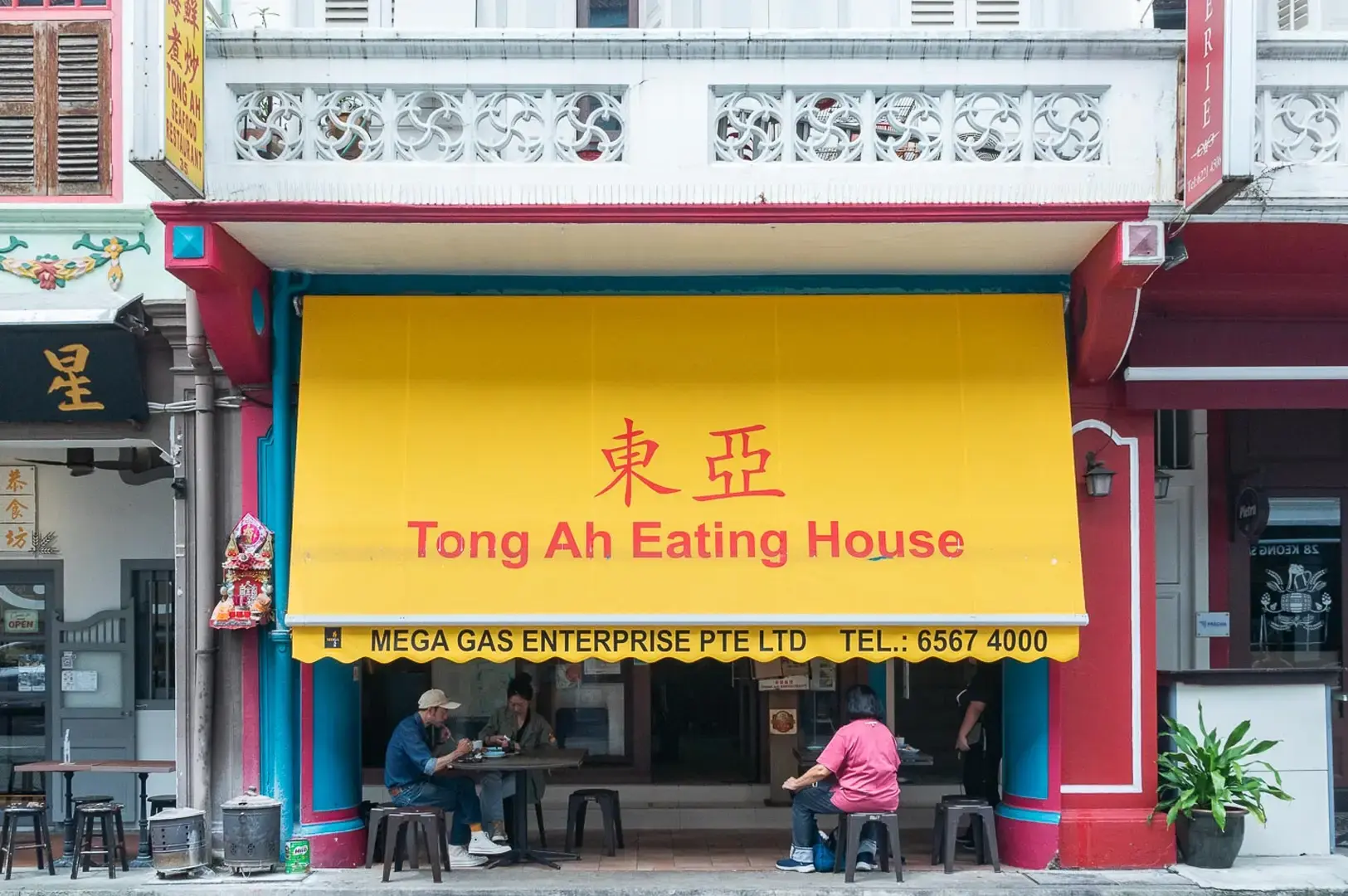
Tong Ah still works because the point was never the building, it’s the rhythm and the breakfast. Come early, order the thin kaya toast set, and let it be simple.
If you show up chasing a postcard of the old triangular shophouse, you might feel the missing piece. But once the toast hits the table; thin, crackling, butter still cool, you realize the place has always been about momentum: orders called, plates moving, kopi doing its steady work.
I finished the last strip of toast, drained the kopi down to the ice, and left quietly full, the way a familiar breakfast can do, even on a first visit.

Ramune Marble Soda: History and Cultural Meaning of Japan’s Iconic Marble Soda
Dio Asahi | November 20, 2025
Among Japan’s beloved fizzy drinks, none evoke nostalgia and uniqueness quite like Ramune marble soda. Instantly recognizable by its quirky Codd neck bottle and glass marble seal, Ramune soda is an essential part of Japanese summer, cherished by generations for its refreshing taste and signature pop sound. This marble soda remains a staple at summer…
-
Hokkaido’s Best Seafood Treasures: Beyond Sushi and Sashimi
Eat Drink Asia Team | November 18, 2025
When visiting Hokkaido, Japan’s northernmost island, food lovers are greeted with some of the most highly regarded seafood specialties in the world. Hokkaido is famous for its abundance of fresh seafood and rich fishing grounds, thanks to the surrounding Sea of Japan, Pacific Ocean, and Sea of Okhotsk. These nutrient-packed waters yield a wide range…
-
The Art of Asian Tea Ceremony Traditions: Ancient Rituals and Cultural Values Across Asia
Dio Asahi | November 15, 2025
A cup of tea, in many parts of Asia, represents far more than a beverage-it is a conduit to ancestral tradition, intellectual pursuit, and the cultivation of mindfulness. Asian tea ceremony traditions turn the act of drinking tea into a sophisticated art form, layered with symbolism, philosophy, and socio-cultural values. Each gesture, from scooping powdered…

The Art of Slow-Cooked Curry Recipes: Time’s Magic in South Asian Cuisine
Eda Wong | November 13, 2025
Step into a South Asian kitchen, and the senses are instantly enveloped by the inviting aroma of food slowly simmering in a sturdy clay pot or heavy vessel. The allure is undeniable: in this space, slow-cooked curry recipes are a celebration of patient tradition, spices, and the richness of South Asian cuisine. Here, time and…
-
Bandung Drink Recipe: A Singaporean Rose Syrup Drink Tradition
Eat Drink Asia Team | November 11, 2025
Step into any night market or hawker centre in Singapore, and you’ll spot a vibrant, glowing glass filled with a cold, beautiful drink-Bandung. Known for its iconic blush-pink hue and refreshing taste, this rose syrup drink is an integral part of Singapore’s beverages scene and a cherished tradition in Southeast Asian gatherings. More than just…
-
The Ultimate Hainanese Chicken Rice Recipe: A Deep Dive
Eda Wong | November 8, 2025
To wander through Singapore’s bustling hawker centres on a humid evening is to experience a symphony of sights, sounds, and smells. Among the many other dishes sizzling away, one plate stands out for its elegant simplicity: Hainanese Chicken Rice. It arrives without fanfare-gleaming slices of poached chicken over fragrant rice, flanked by a trio of…
-
Bubble Tea Origins: How Taiwan Created a Global Beverage Phenomenon
Dio Asahi | November 6, 2025
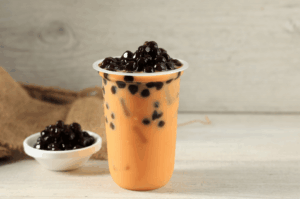
From Taipei to New York, a single drink has captured the world’s taste buds: bubble tea. This beverage, known as pearl milk tea or boba tea, and also known as boba in many regions, is celebrated for its delightful combination of sweet, creamy tea and signature chewy tapioca pearls. What began as a novel creation…
-
A Food Lover’s Guide to the Taiwanese Oyster Omelet
Eat Drink Asia Team | November 4, 2025
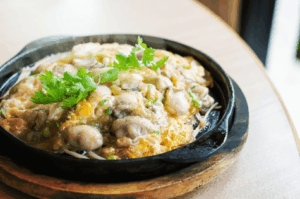
As twilight descends upon Taipei City, a vibrant energy pulses through its streets. This is the hour of the night markets, bustling hubs of community, commerce, and some of the world’s most incredible street food. Amidst the steam from soup dumplings and the sizzle of Taiwanese fried chicken, one iconic dish reigns supreme: the Taiwanese…
-
Jamu: Indonesian Herbal Medicine for Modern Well-Being
Dio Asahi | November 1, 2025
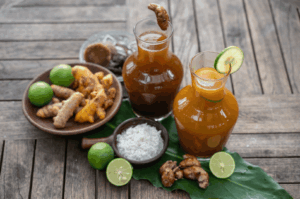
Across the Indonesian archipelago, a vibrant tradition of herbal healing has flourished for centuries. This is jamu, a cornerstone of Indonesian cultural heritage and a sophisticated system of traditional herbal medicine. Far more than just a refreshing drink, jamu represents a philosophy of balance, a deep connection to nature, and a form of indigenous medicine…
-
Padang Beef Rendang: The Complex Process Behind Indonesia’s Most Famous Dish
Eda Wong | October 30, 2025
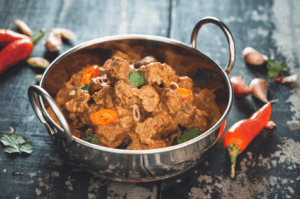
This post may contain affiliate links. For full transparency, this article may contain affiliate links. To call Padang beef rendang simply a dish is to miss the soul of Indonesian cuisine. This legendary slow-cooked dry curry, a centerpiece of both festive tables and humble meals, has earned its fame as one of the world’s most…