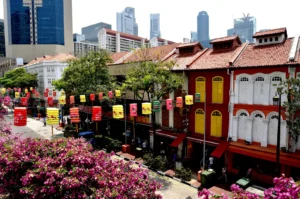
In the humid, sticky heat of Southeast Asia, where your shirt clings to your back and the air is thick with the sharp scent of oxidising oil, there’s a particular clink that always gets me. It’s the sound of a metal spatula striking a wok, a rhythmic percussion that’s as familiar to me now as the beat of my own heart. Here’s the thing about Southeast Asian streets: while others might see chaos, I see a symphony of textures and tastes, so much so that I started tracking every snack’s crunch, chew, and snap in a spreadsheet during my travels.
This isn’t just snacking; it’s an obsession, a way to decode the culture itself. The world of Southeast Asian snacks pulses through markets, city corners, and village gatherings, offering a vivid mix of sweet, savoury, and crunchy moments that tell stories far beyond the plate. To truly understand this region, you have to taste its small bites, they’re the language of joy, hospitality, and heritage all rolled into one.
Snack Matrix: A Textural and Culinary Overview of Southeast Asian Snacks
Snack Name | Primary Engine | Fuel | Warning / Tip |
|---|---|---|---|
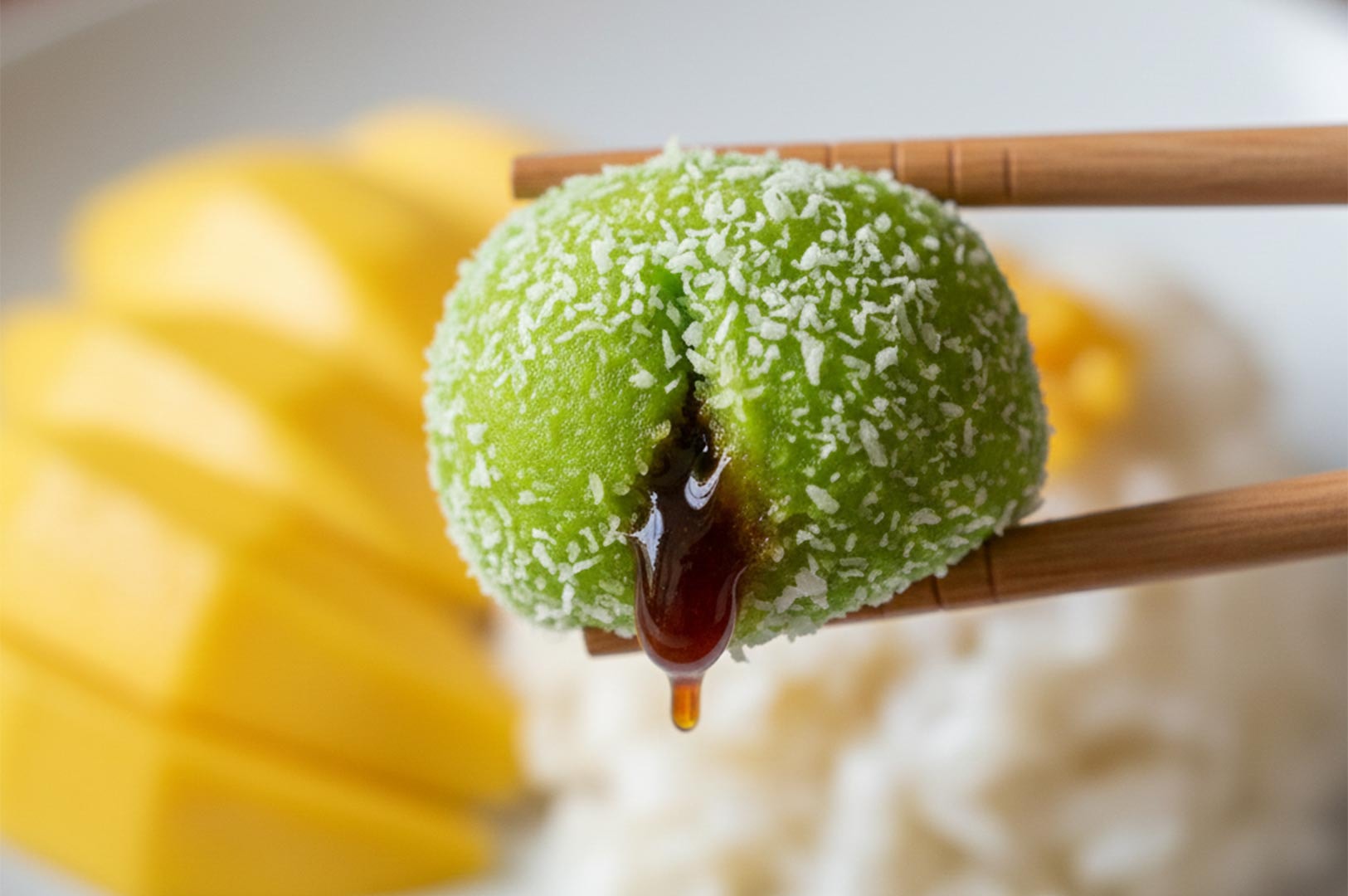
Onde-Onde (Klepon) | Glutinous rice flour + pandan juice | Liquid Gula Melaka (palm sugar) | High risk of “sugar-burn” if consumed immediately after boiling. Wait 2 minutes for viscosity to stabilize. |
Keropok (Prawn Crackers) | Tapioca flour + prawn flavor | Deep fried in hot oil | Best enjoyed fresh and crispy; sogginess develops quickly. |
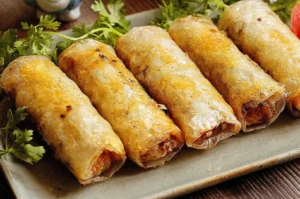
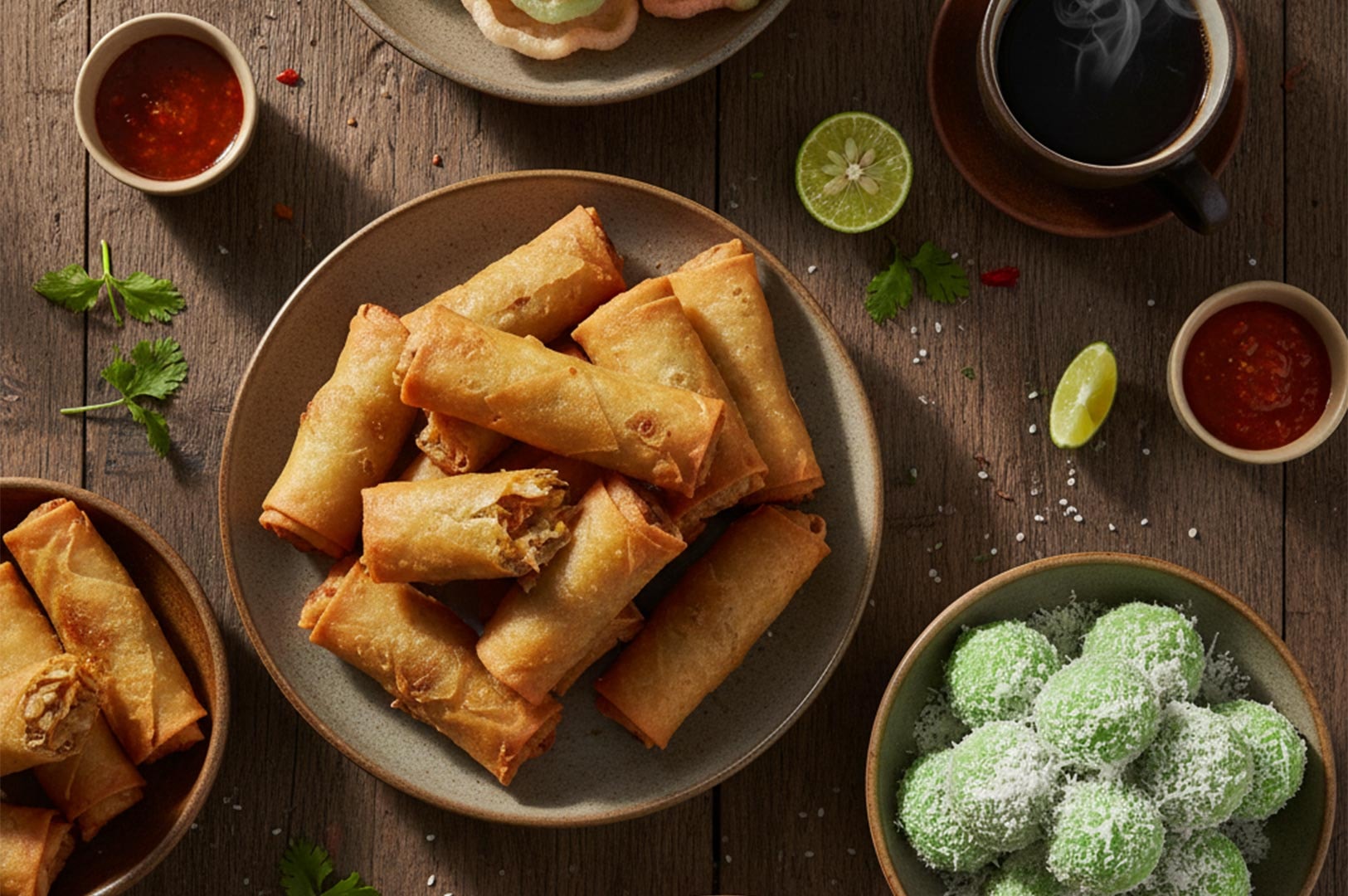
Lumpia / Chả Giò (Spring Rolls) | Thin pastry dough + minced meat & vegetables | Deep fried until crispy | Serve with a side of dipping sauce for balance. |
Mango Sticky Rice | Steamed glutinous rice + coconut milk | Ripe, sweet mango slices | Add a pinch of salt to the coconut sauce to enhance flavor. |
Satay (Grilled Meat Skewers) | Marinated meat pieces | Grilled over charcoal | Pair with thick peanut sauce for authentic taste. |
Roti Canai | Layered wheat dough | Pan-fried until flaky | Enjoy with savory curry dipping sauce. |
Boy Bawang (Garlic Corn Snack) | Crunchy corn kernels | Garlic seasoning | Dense crunch; perfect as a savory snack on the go. |
Bánh Cam (Vietnamese Sesame Balls) | Glutinous rice dough + mung bean filling | Deep fried until golden | Best eaten warm for soft, silky texture inside. |
Pisang Goreng | Banana or plantain + batter | Deep fried | Crispy exterior with soft, caramelized fruit inside. |
Turon (Banana Jackfruit Roll) | Banana and jackfruit + spring roll wrapper | Deep fried | Sweet and crunchy; popular Filipino street snack. |
The Social Fabric of Snacking Across Southeast Asia
The philosophy of Southeast Asian snacks is based on contrast. Across Indonesia, the Philippines, Malaysia, Singapore, Thailand, and Vietnam, the palate consistently seeks balance. A hot, salty bite is often followed by a cool, refreshing treat, and a single mouthful can combine the crunch of a deep fried shell with the smoothness of a creamy coconut center. It’s not just about convenience; these snacks serve as culinary milestones that bring people together, creating communal moments over a hot cup of tea or a glass of coffee.
Savoury Shards: The Art of the Deep Fried Crunch
The savoury side of snacking is defined by its boldness. There is no room for subtlety when a snack must compete with the vibrant energy of a night market. The region excels in dishes that deliver a punch of umami, often enhanced by aromatic roots and a heat that lingers just long enough to invite another grab.
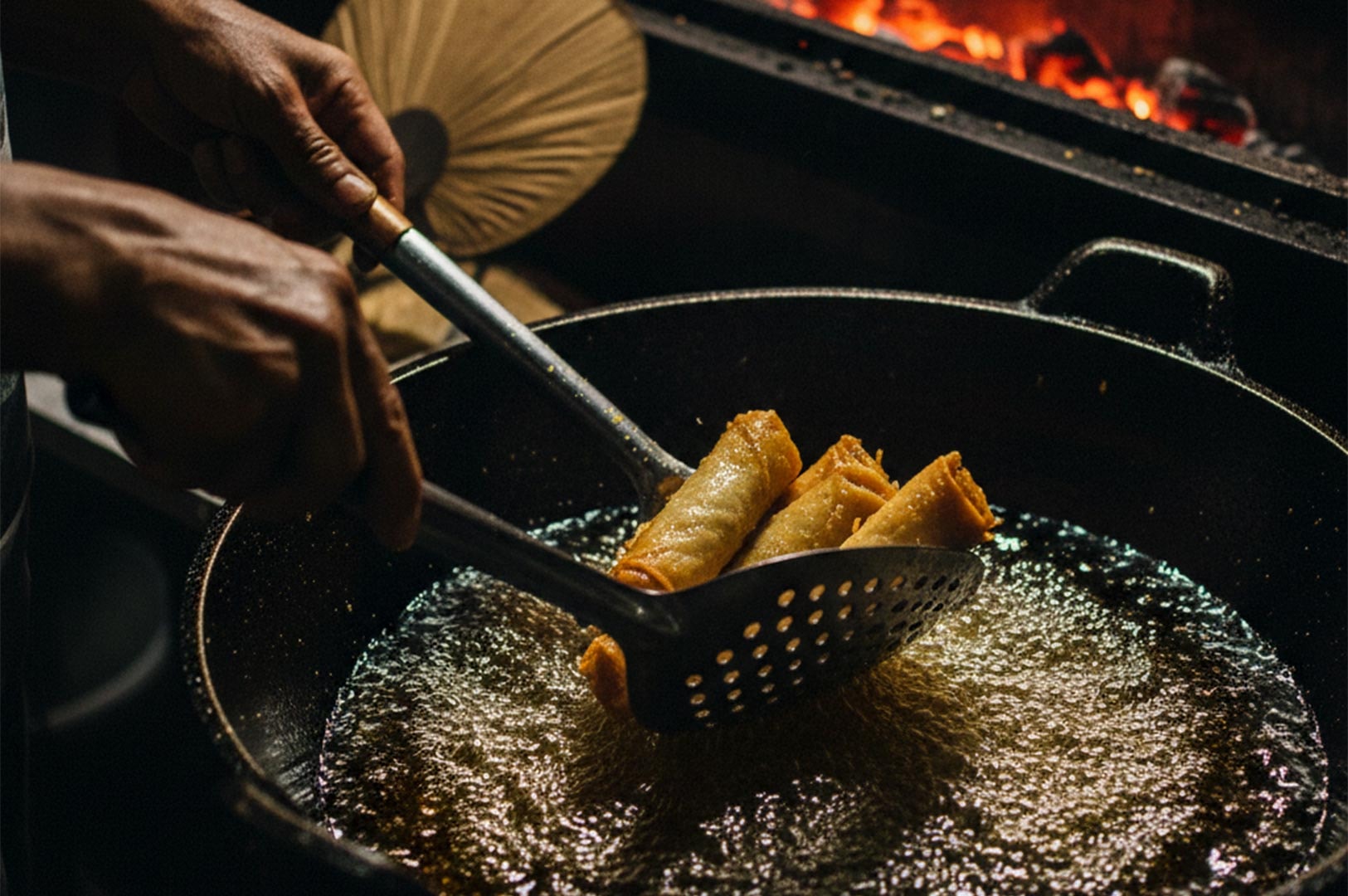
Take the Keropok. It’s a masterclass in starch-chain expansion. I’ve watched vendors in Malaysia sun-dry these grey, unappealing discs, only for them to bloom into airy umami clouds the second they hit 180°C oil. Often served with a side of dipping sauce or a vinegar-based mix, these are a favourite for social gatherings.
Equally iconic are the deep fried spring rolls found from Vietnam to the Philippines. Whether you call them lumpia or chả giò, the taste is a masterclass in texture. Minced beef, fresh vegetables, and delicate noodles are filled into thin pastries and fried until the exterior shatters upon impact. The perfect serving often includes a bowl of spicy or sweet sauce to balance the oil.
The scent of acrid, fat-dripping woodsmoke acts like a GPS coordinate for the nearest Satay stall. Look for the vendor with the cardboard fan, working a narrow grill coated with decades of carbon buildup. Marinated in a complex spice blend, small meat pieces are grilled over charcoal and served with thick peanut sauce. Whether on a busy Bangkok street or a seaside promenade in Bali, the smoky aroma signals a delicious break. Even simple tofu is transformed here; pressed, fried, and served with salty soy, becoming a versatile and tasty staple for those on the move.
Sweet Traditions: The Versatility of Glutinous Rice
While savoury snacks provide the energy for the day, sweet treats provide the soul. In Southeast Asian food, sugar is rarely used in isolation; it is almost always paired with the richness of coconut milk or a pinch of salt.
The Onde-Onde is essentially a high-pressure sugar delivery system. You have the elastic resistance of the pandan-infused rice flour, the friction of the grated coconut, and then, the explosion. If you don’t close your mouth before biting, that molten Gula Melaka is going to end up on your shirt. It’s a messy, glorious piece of engineering.”
In Thailand, the marriage of fruit and grain reaches its pinnacle in mango sticky rice. This is a dish of elegant simplicity: glutinous rice is steamed until tender, then served alongside slices of perfectly ripe, honey-sweet mango and creamy coconut milk. The addition of a slightly salty sauce on top creates a harmony that defines the Thai approach to dessert, a balance of sweet and salty that feels both indulgent and refreshing.
The use of fruit extends to other tasty preparations. One can often find jackfruit or bananas coated in batter and deep fried to create a hot, caramelized snack. The texture of a soft, warm fruit inside a crunchy shell is something locals love to eat during a rainy afternoon.
A Tour of the Street Stalls
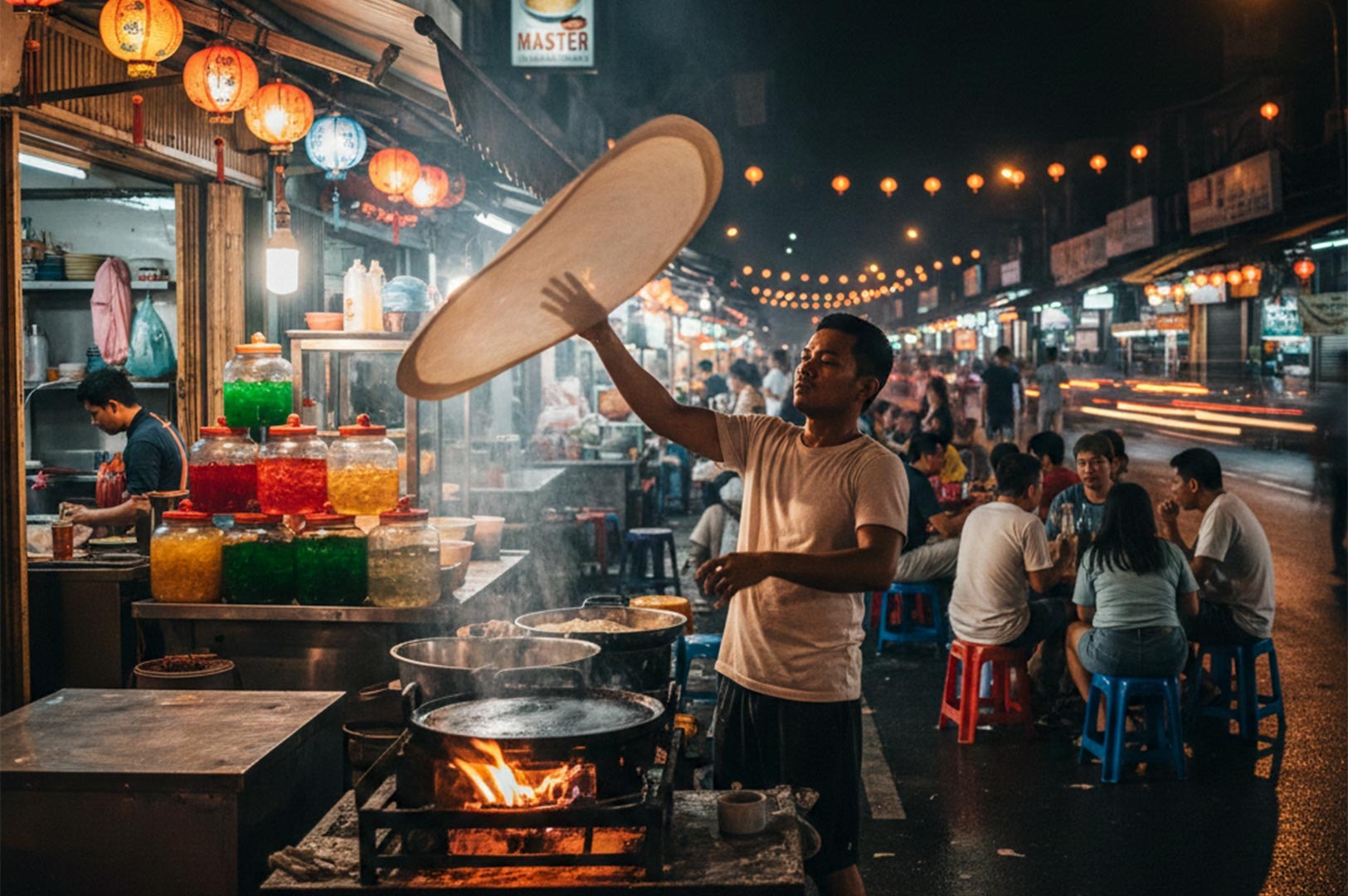
To truly experience these flavours, one must sit and watch the world go by at a roadside stall. Each country offers a signature experience. In Malaysia and Singapore, the morning often begins with the sight of a vendor stretching dough to create a pancake known as roti canai. Watch as they flip the dough with acrobatic skill, an acknowledged sign of culinary mastery. It is fried until golden and often enjoyed with a bowl of savoury curry.
In the Philippines, the street food scene is famously versatile. One might grab kwek-kwek, deep fried eggs, or search for a vendor selling warm porridge. Whether it is a savoury chicken porridge or a sweet chocolate version, it is a staple that provides comfort. For a cooler option, many enjoy a mix of shaved ice and fruit, a perfect way to beat the heat.
Even the preparation methods are a trip for the senses. You might see a vendor boil peanuts in salty water or refrigerate colorful jellies for a late-night tasty dessert. From the fresh herbs of Vietnam to the fried delights of Indonesia, the ingredients used are a testament to the region’s rich agricultural heritage.
Innovation and the Modern Pantry
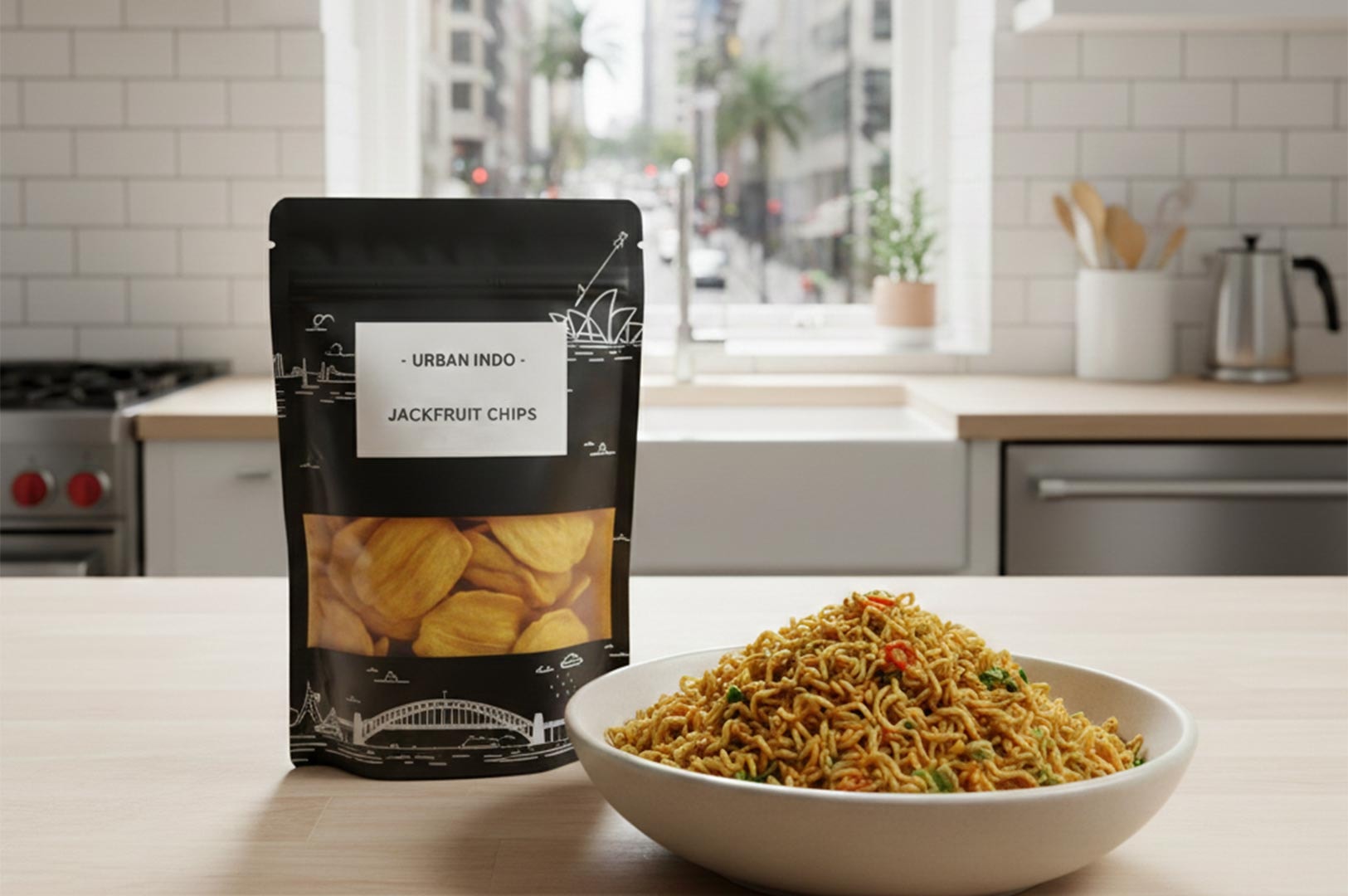
As the region urbanizes, traditional flavours have found their way into modern, packaged forms. The bounty of the tropical landscape is now preserved in the form of fruit chips, jackfruit, durian, and banana, that are fried or dry-processed to retain their sweet taste. These allow the flavours of the Southeast Asian orchard to travel as far as Australia and Europe, bringing a bit of the tropics to store shelves everywhere.
Even the humble instant noodle has been reimagined. In Indonesia, it is common to find people who eat crushed, seasoned noodles as a crunchy snack straight from the bag (a clever twist that turns a quick meal into a convenient, crispy treat). This evolution shows that while cooking methods may change, the fundamental craving for tasty, accessible food remains constant.
This blend of tradition and innovation is especially evident in the Philippines, where a delightful mix of vinegar and sugar flavors snacks uniquely, while Malaysia and Singapore act as melting pots of culinary culture. Here, you can sit at a stall and enjoy savoury fish crackers alongside sweet dessert pastries, reflecting a history of cultural harmony. The ingredients may be simple, but the cooking transforms them into something extraordinary.
The Lasting Appeal of the Small Bite
The world of Southeast Asian snacks celebrates diversity and creativity, transforming tapioca flour, glutinous rice, and fresh fruit into delicious treats through time-honored cooking. Snacking here is more than eating; it is an act of connection, the conversation over a sizzling pancake, laughter with crunchy chips, and discovering new favourite recipes.
Every bite in bustling Bangkok or quiet Bali tells a story of the land. This obsession with taste is part of a larger narrative, showing why travelers are drawn here. The variety of treats introduces a broader truth: A Symphony of Senses: Why Southeast Asian Food is the World’s Greatest Culinary Journey.
Next time you explore a Southeast Asian market or shop locally, be adventurous. Seek unfamiliar textures and bold flavours. Preserving these experiences is not just about taste, it’s a fight to keep alive the soul of a region, remembered and celebrated in every crunch and chew.

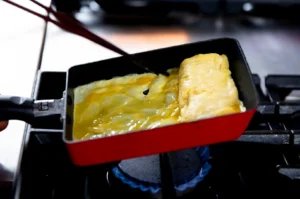
The Last Turn of Tamagoyaki in a Tsukiji Pan
Dio Asahi | October 7, 2026
By Dio Asahi for Eat Drink Asia. It’s mid-morning, and the cook doesn’t look up. He stands over a rectangular pan, copper worn to a dull gold at the edges, and pours a thin skin of beaten egg across its surface. It hisses. Steam rises, warm and faintly sweet, and he tilts the pan just…
-
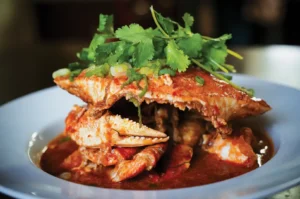
Seafood Restaurants in Singapore That Turn Crab Night Into a Full Table Ritual
Dio Asahi | October 6, 2026
It always starts the same way for me. Someone lifts the lid off a plate of chilli crab, and the whole table leans in. Fingers reach before spoons do. Somebody tears the first piece of fried mantou, drags it through that sticky, sweet-savoury sauce, and the rest of us stop talking for a second. That…
-
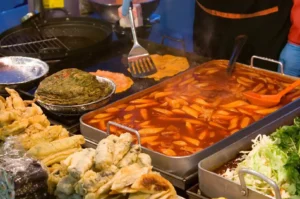
Korean Street Food Is Built for Movement, Heat, and One-Handed Eating
Eda Wong | October 3, 2026
The first time I ate tteokbokki in Seoul, I burned my tongue standing up. It was late, the air was sharp with cold, and I had stopped at a small street food stall near a subway exit because the steam pulled me in. The woman handed me a paper cup of rice cakes in red…
-
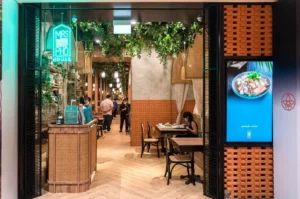
Mrs Pho and the Bowl That Makes Somerset Feel Like a Vietnamese Family Table
Eat Drink Asia Team | October 1, 2026
I wasn’t hungry when I walked into 313@somerset. I’d come for something else entirely; an errand, a shop I needed, the usual Orchard rush of people moving faster than the escalators. But somewhere on the first floor, past the noise, I caught the smell of star anise and beef bone, and my feet slowed down…
-
The Carving Knife at Colony, and the Way We Mark What Matters
Eda Wong | September 30, 2026
By Eda Wong for Eat Drink Asia. It’s late morning, and the light is doing most of the work. It pours through the high windows of Colony, at The Ritz-Carlton, Millenia Singapore, spilling across white tablecloths and the vintage prints on the walls. Marina Bay hums somewhere outside, but in here the room feels a…
-
Co Chung Vietnamese Restaurant and the Gỏi Cuốn That Makes Fresh Herbs Do the Work
Dio Asahi | September 29, 2026
I found it by accident, the way you find most things in a mall basement. I’d come down to Plaza Singapura’s B2 for something else entirely, drifting past the usual food-court noise, when I caught the smell of star anise and beef bone coming from a corner. I followed it. And there it was —…
-
Vietnamese Spring Roll: The Recipe That Only Works When the Herbs Stay Awake
Eda Wong | September 26, 2026
Fresh Vietnamese spring rolls, or gỏi cuốn, look delicate, but the recipe is really about control: barely softened rice paper, dry herbs, restrained noodles, clean protein, and a dipping sauce sharp enough to wake the whole thing up. This is not the fried version, chả giò or nem rán. This is the cool, translucent, herb-heavy…
-
Best Steakhouse Singapore: From Fire-Kissed Icons to Old-School Beef Plates
Eat Drink Asia Team | September 24, 2026
I didn’t set out to write about steak. It started with a bad day and a craving for something that pushed back when I bit into it. One dinner turned into a habit, and over a couple of years I found myself at counters, coffeeshops, and dining rooms all over this island, chasing the same…
-
The Ice Counter at Carousel, and the Table Everyone Can Reach
Dio Asahi | September 23, 2026
By Dio Asahi for Eat Drink Asia. It’s a Saturday evening, and someone across the room is carrying a birthday cake. The candles are lit, the walk is careful, and a whole table turns to watch. Plates clink. A child laughs somewhere. The room at Carousel, inside Royal Plaza on Scotts, isn’t quiet — it…
-
Tiong Shian Porridge Centre Review: The Soft Counterweight to Chinatown’s Crisp Toast
Dio Asahi | September 22, 2026
I’d spent the morning with kaya toast. Crisp bread, cold butter, the clean snap of it between my teeth. Good, all of it. But by the time I’d walked a few streets over to New Bridge Road, my mouth wanted the opposite. Something warm. Something that gave way instead of shattering. That’s how I ended…